

Luca sits on West Bay Road and holds a White Star recognition from Star Wine List, placing it among the Cayman Islands restaurants where the wine program carries as much weight as the kitchen. The address positions it within the Seven Mile Beach corridor, where the island's more considered dining options have concentrated. For visitors who treat the wine list as part of the meal's architecture, Luca warrants attention.
Pearl is the En Primeur Club membership app — saves, bookings, and concierge access live there. Same editors, same standards.
- Address
- 871 West Bay Road, Canal Point Dr, Cayman Islands
- Phone
- (345) 623-4550
- Website
- luca.ky
- Directions
- Get directions
 Saves & bookings on Pearl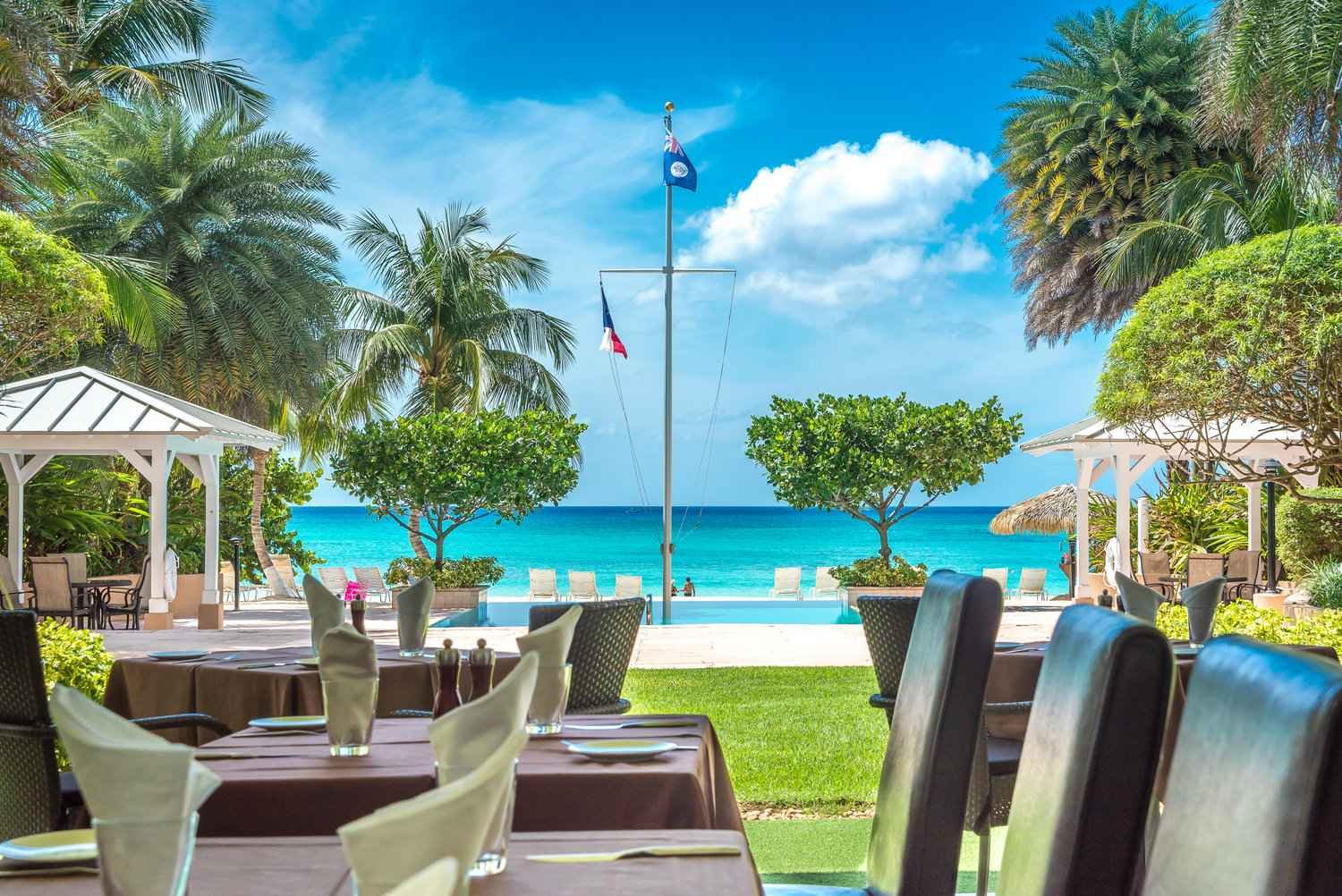
Where the Wine List Sets the Tone
Along West Bay Road, the strip that runs parallel to Seven Mile Beach, a distinct tier of restaurants has emerged over the past decade: places where the cellar is curated with the same seriousness as the kitchen, and where the meal is understood as a sequence rather than a transaction. Luca at 871 West Bay Road belongs to this cohort. Its recognition as a White Star on Star Wine List, published in December 2021, places it in a documented category of venues where wine service and selection meet a defined editorial standard. That credential matters on an island where most dining rooms lean on tropical informality and a broad, accessible bottle list designed for the poolside crowd.
In the Caribbean more broadly, wine-forward restaurants occupy a narrow niche. The climate works against serious cellaring, the import logistics add cost and complexity, and the tourist demographic skews toward cocktails and casual formats. Restaurants that earn wine-program recognition in this context are doing something structurally different from their neighbours. They are making a deliberate argument that the islands can support a more considered drinking culture alongside the food.
The Ritual of the Meal on Seven Mile Beach
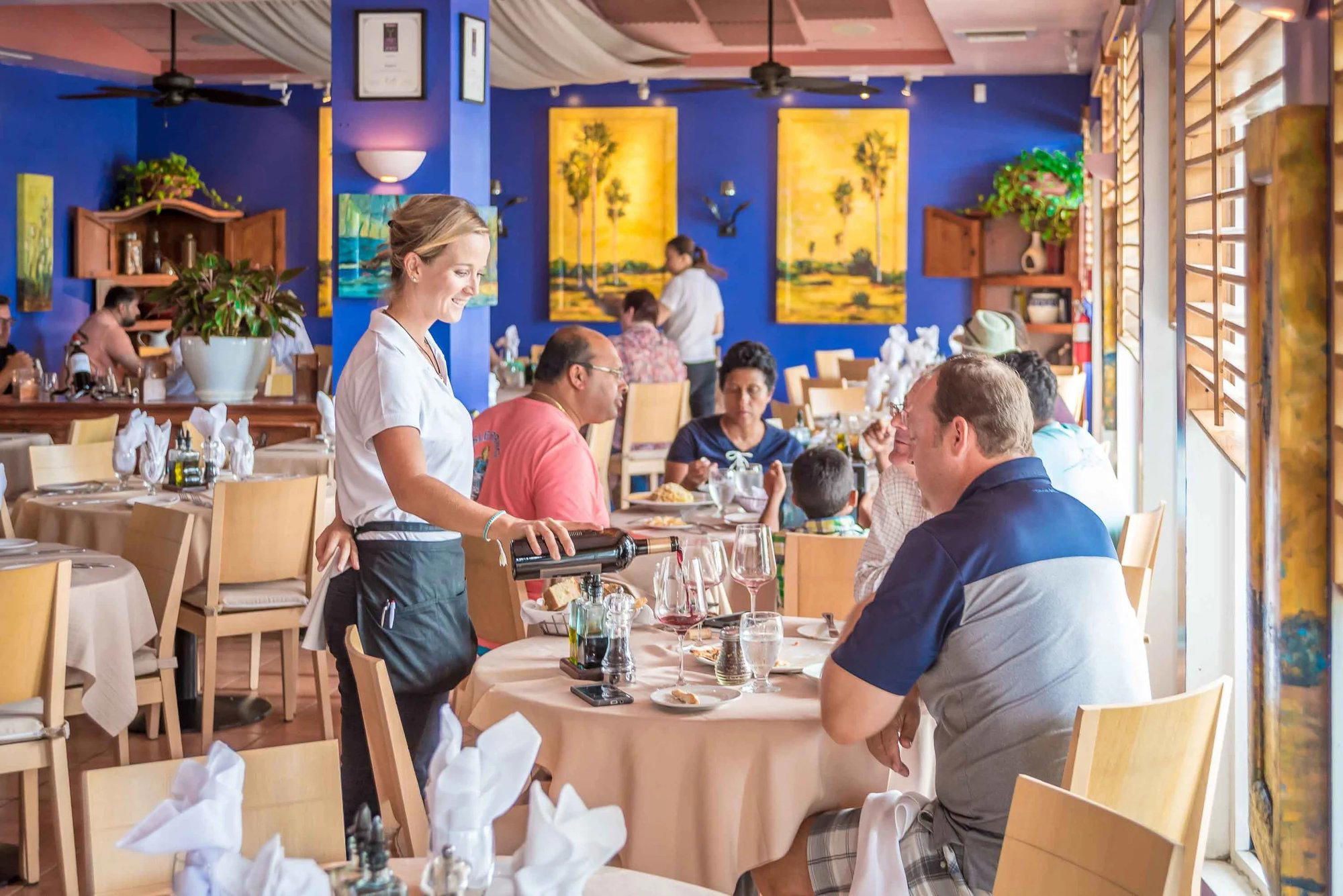
The dining ritual at a wine-recognized restaurant like Luca tends to follow a different tempo from the island's broader restaurant scene. Where casual beachside spots are built around speed and turnover, a White Star-level wine program implies a meal paced around the glass: time allowed for a first pour to open, dishes sequenced to support the arc of a list rather than simply accompany it.
Across the Cayman Islands dining scene, the restaurants that reward a slower approach are clustered along the West Bay Road corridor and in the older residential pockets of George Town. Grand Old House represents one historically rooted end of that tradition, occupying a colonial-era plantation house where the ritual of the meal is inseparable from the architecture around it. Calypso Grill anchors the more casual but still considered end of the spectrum, with a harbour-facing position that frames the meal in a different kind of theatrics. Luca sits within this comparable set as the option where the wine program is the primary organising principle.
Italian-leaning restaurants in the Caribbean tend to hold the middle ground between accessibility and ambition. Ragazzi Cayman Islands and Ristorante Pappagallo occupy neighbouring territory in the local Italian conversation, but neither carries the specific wine-program credential that sets Luca apart within that sub-category. The White Star recognition is an editorial signal, not a marketing badge: it reflects a judgment made by specialist wine journalists about what the list contains and how it is presented to guests.
Wine-Program Credentials in Context
Star Wine List's White Star designation operates as a peer-reviewed signal within the international restaurant wine scene. Receiving the recognition in December 2021 places Luca in a documented moment of editorial attention, and it aligns the restaurant with a global cohort of dining rooms where the sommelier's role is substantive rather than ceremonial.
For comparison, the kind of wine-serious dining culture this credential points toward is more commonly found in European capitals and a handful of major American cities. Restaurants like Le Bernardin in New York City or Alain Ducasse at Louis XV in Monte Carlo represent the upper tier of that tradition globally. Closer in scale and geography, Lazy Bear in San Francisco shows how a tasting-format restaurant can build a wine identity that becomes inseparable from its reputation. Luca is not operating at those price points or in those markets, but it is drawing from the same underlying seriousness about what a wine list should do for a meal.
Elsewhere in the Caribbean, wine recognition at this level is genuinely uncommon. Most islands lack the import infrastructure and the captive audience of wine-literate regulars that make a serious cellar financially viable. Grand Cayman, with its large offshore financial sector and a resident population accustomed to European and American standards, is one of the few Caribbean territories where a restaurateur can make that investment with confidence.
Planning Your Visit
Luca is located at 871 West Bay Road on the Canal Point Drive corner.
Booking ahead is recommended. The Cayman Islands dining market is relatively small in total covers, and the better-regarded rooms fill quickly during peak winter season, which runs roughly from December through April when northern hemisphere visitors are most concentrated on the island.
The parallel is instructive: Cayman and Hong Kong share the structural logic of wealthy, internationally mobile populations creating demand for a standard of dining that would be unusual in purely tourist-dependent markets.
Cuisine-First Comparison
Comparable venues nearby, for context on price, style, and recognition.
| Venue | Cuisine | Price | Notes |
|---|---|---|---|
| LucaThis venue — the venue you are viewing | Italian with Caribbean Fusion | $$$ | Not listed |
| Ragazzi Cayman Islands | Authentic Italian with Wood-Fired Pizza | $$$ | Seven Mile Beach |
| Agua Restaurant & Lounge | Italian-Peruvian Fusion Seafood | $$$$ | Camana Bay |
| Calypso Grill | Caribbean Seafood Grill | $$$$ | West Bay |
| Ristorante Pappagallo | Italian with Caribbean Seafood | $$$ | West Bay |
| The Wharf Restaurant | Seafood Fine Dining | $$$$ | Seven Mile Beach |
Recognition history
Dated appearances from independent guides and award organizations, with the underlying list record or original source where available.
Star Wine List
Star Wine List
Wine Spectator Best of Award of Excellence
Wine Spectator
Wine Spectator Best of Award of Excellence
Wine Spectator
Continue exploring
More in Cayman Islands
Restaurants in Cayman Islands
Browse all →
Bars in Cayman Islands
Browse all →
At a Glance
- Romantic
- Elegant
- Sophisticated
- Intimate
- Date Night
- Special Occasion
- Celebration
- Waterfront
- Open Kitchen
- Extensive Wine List
- Sommelier Led
- Local Sourcing
- Waterfront
Current opening hours
- Monday
- 7:30–10 AM, 11:30 AM–2:30 PM, 5:30–10:30 PM
- Tuesday
- 7:30–10 AM, 11:30 AM–2:30 PM, 5:30–10:30 PM
- Wednesday
- 7:30–10 AM, 11:30 AM–2:30 PM, 5:30–10:30 PM
- Thursday
- 7:30–10 AM, 11:30 AM–2:30 PM, 5:30–10:30 PM
- Friday
- 7:30–10 AM, 11:30 AM–2:30 PM, 5:30–10:30 PM
- Saturday
- 7:30–10 AM, 11:30 AM–2:30 PM, 5:30–10:30 PM
- Sunday
- 11:30 AM–2:30 PM, 5:30–10:30 PM
Hours can change for holidays and private events. Last verified .
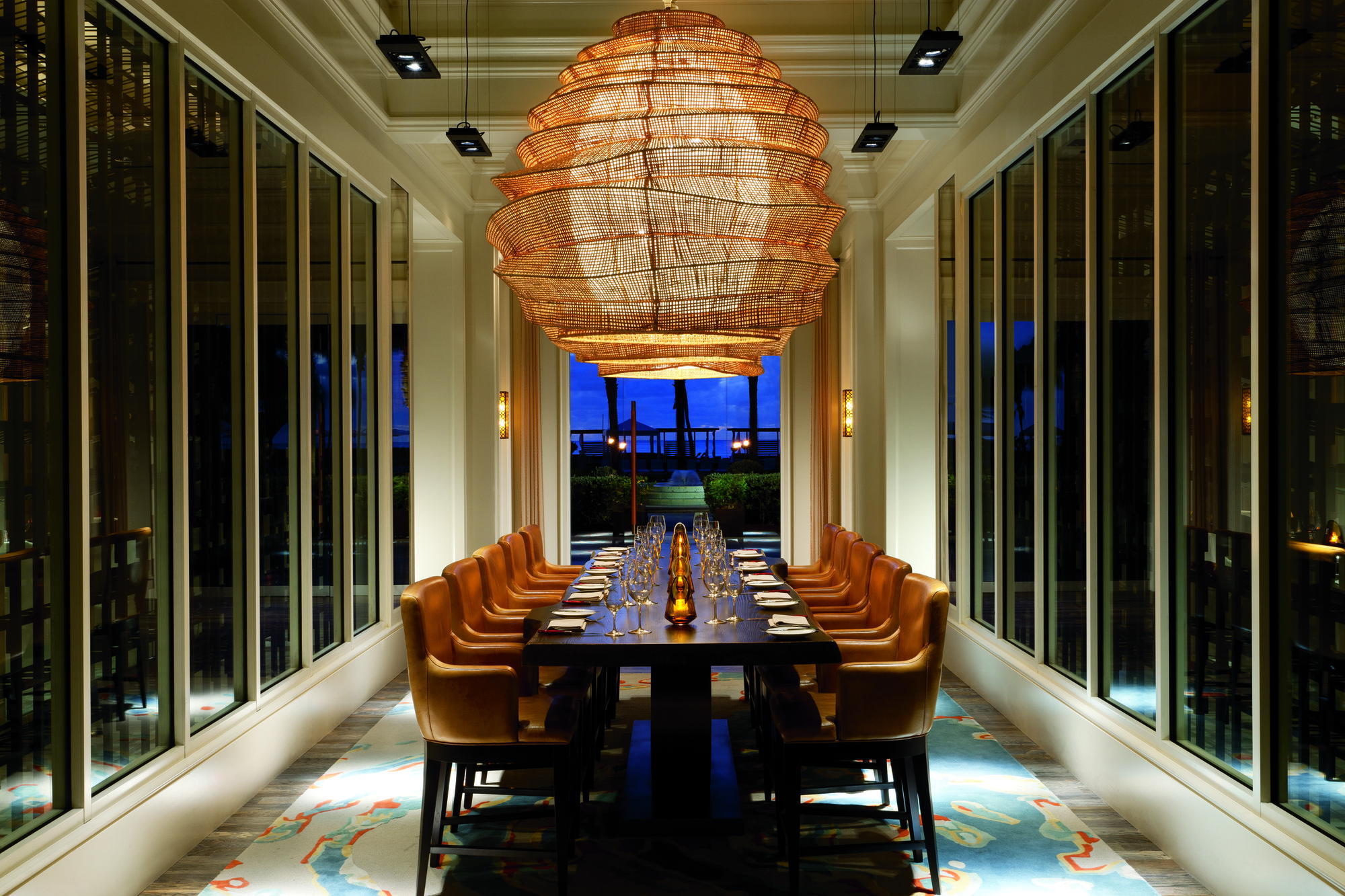
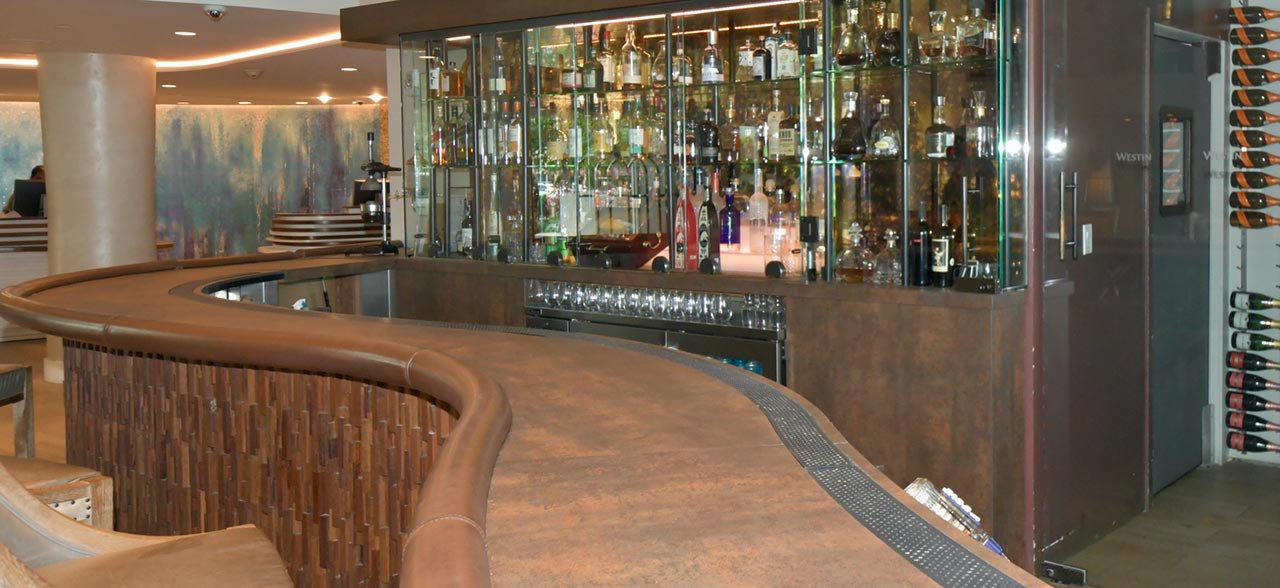
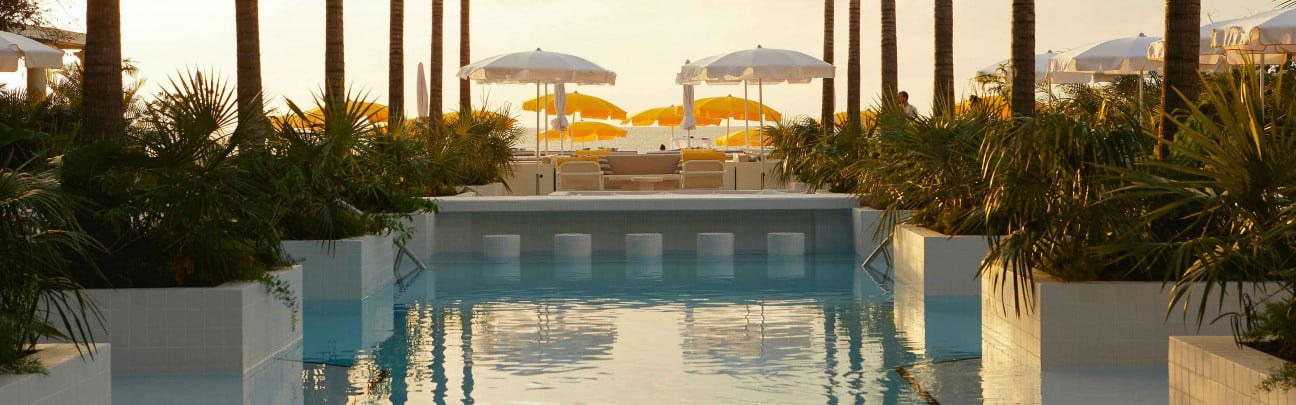
Elegantly understated with modern-classic decor, soft lighting, open-air seating enjoying Caribbean breezes, and cozy indoor intimate setting.