Caribbean Food Restaurant
On the quieter western tip of the Cayman Islands, Caribbean Food Restaurant occupies a stretch of West End where the cooking stays close to the reef and the land around it. The kitchen draws on the island's deep tradition of seafood-led cooking rooted in local catch and regional produce. For visitors seeking an honest read on Caymanian food culture away from the Seven Mile Beach circuit, this address is worth the drive.
- Address
- P42M+2F4, West Side Rd, West End, Cayman Islands
- Directions
- Get directions
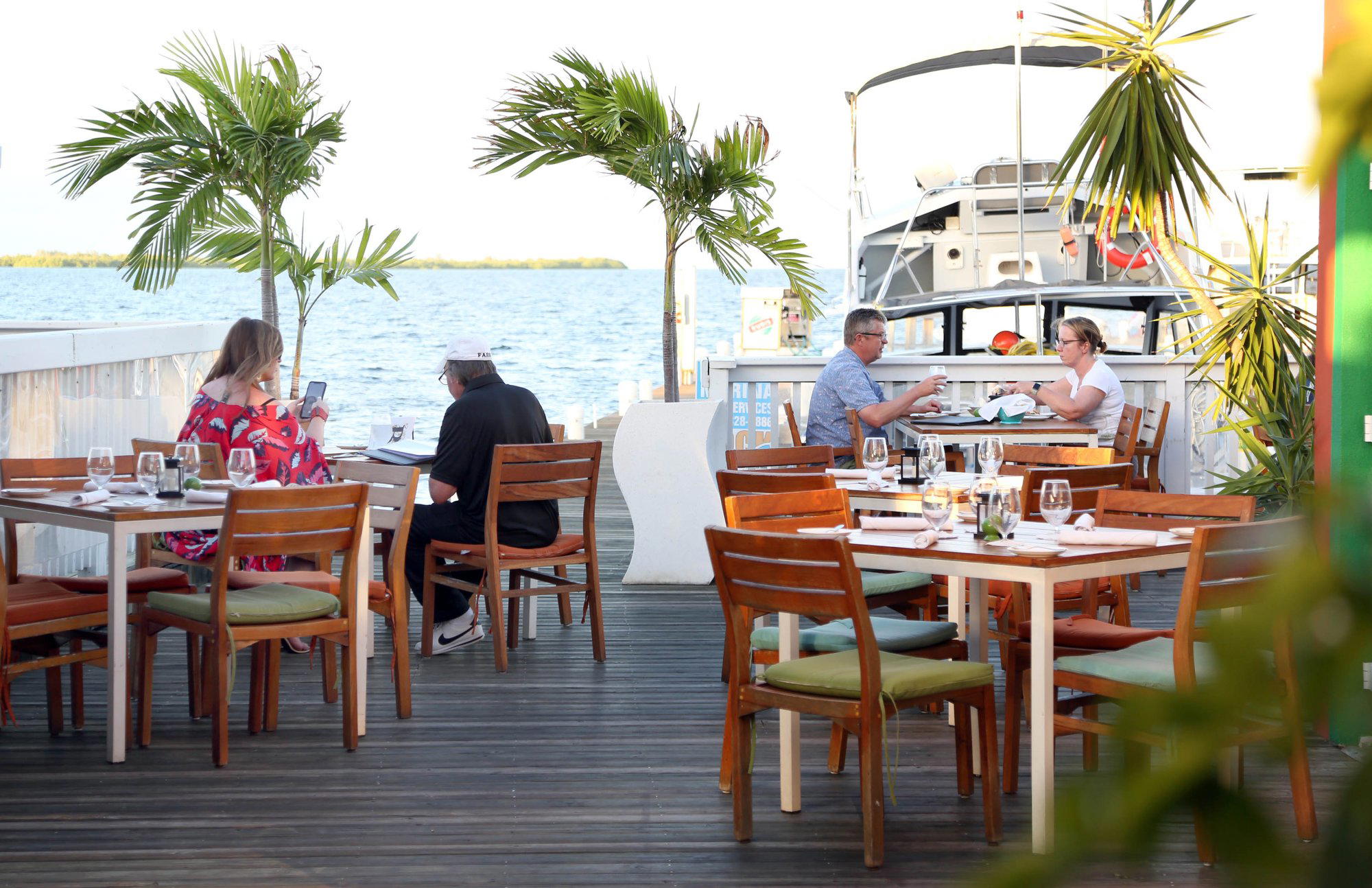
Where the Cooking Stays Local
West End sits at the far western edge of Grand Cayman, past the point where the tourist infrastructure thins and the road starts to feel like it belongs to the island rather than to visiting traffic. Arriving here, the air carries salt and something faintly smoky, and the pace of the neighbourhood registers before you reach any particular door. It is the kind of district where food traditions move slowly and sourcing decisions get made based on what came off the water that morning rather than what the supply chain can guarantee. Caribbean Food Restaurant is a casual Caymanian seafood restaurant in West End, Cayman Islands, with an average price of about $25 per person. Understanding the broader West End food culture is essential to reading this address.
The Cayman Islands occupy an unusual position in Caribbean food geography. Despite the concentration of wealth driven by financial services and luxury tourism, the island's indigenous food culture has not been entirely displaced. Traditional Caymanian cooking draws heavily on the surrounding sea, with turtle, conch, fish, and shellfish forming the historical backbone of the diet. Turtle is now protected and legally off menus, but conch and local reef fish continue to appear wherever kitchens are paying attention to what the island actually produces. That sourcing lineage matters here: it separates places doing Caribbean food as a category from those doing Caymanian cooking as a practice rooted in specific waters and specific ingredients.
Ingredient Geography: The West End Advantage
The western shore of Grand Cayman has historically had closer proximity to fishing activity than the heavily developed Seven Mile Beach corridor to the north. Restaurants operating in this zone have practical access to catch that has not traveled far, and the kitchens that take that seriously produce food with a different register than the resort-facing operations serving a broadly Caribbean menu designed for broad palatability. The distinction is not simply marketing; it reflects the difference between cooking that begins with available ingredients and cooking that begins with a target demographic.
Across the Caribbean, interesting food tends to come from this kind of source-first logic. Whether in Barbados, Trinidad, or the smaller Leeward Islands, the restaurants that age well are those with direct relationships to local fishermen, smallholders, or spice growers. In West End, the proximity to working water gives kitchens a structural advantage that visitor-facing operations elsewhere on the island often lack. For those tracking what makes Caribbean cuisine distinct from a culinary heritage standpoint, rather than as a genre of resort dining, this geography matters.
Other addresses in the area worth noting in this context include Ivan's and Just Natural Veggie & Seafood Restaurant & Bar, both of which operate in West End's lower-key dining register. Xtabi on the Cliffs takes a different tack entirely, with its cliffside setting placing it in a more theatrical dining tier. Together these addresses sketch the range available at this end of the island, from unfussy local eating to more scenic, occasion-oriented formats.
The Broader Cayman Dining Map
Grand Cayman's dining scene sits across a wide price and formality spectrum that is easy to misread from the outside. At the leading end, Blue by Eric Ripert in Georgetown anchors the island's fine dining credibility, sharing a culinary philosophy with its New York counterpart Le Bernardin in its rigorous approach to seafood technique. Luca and The Wharf Restaurant & Bar operate in a mid-to-upper bracket where setting and occasion drive the experience as much as the food itself. Cracked Conch Restaurant & Macabuca Tiki Bar in West Bay represents the local institution tier, holding an established position through years of consistent local engagement. The Brasserie in George Town has built its identity around farm-to-table sourcing, making it one of the more considered addresses for ingredient-focused diners in the capital.
Caribbean Food Restaurant operates well outside that upper tier, functioning as a neighbourhood-facing address in a district that largely feeds residents and visitors who have made the deliberate choice to drive past the more heavily promoted options. That positioning has its own logic: proximity to local supply chains and a clientele less driven by occasion or spectacle tends to produce food that reflects the actual cooking culture of a place more faithfully than menus calibrated for the resort market.
Planning Your Visit
The address on West Side Road places the restaurant within West End's low-density residential and coastal strip. Getting there from Seven Mile Beach or George Town requires a deliberate drive rather than a casual detour, which functions as a natural filter on the clientele and contributes to the neighbourhood character of the experience. Cayman's high season runs roughly from December through April; dining in the shoulder months of May, June, or November tends to reduce competition for seating at local addresses that do not operate reservation systems at scale.
Comparable Venues
Comparable venues nearby, for context on price, style, and recognition.
| Venue | Cuisine | Price | Notes |
|---|---|---|---|
| Caribbean Food RestaurantThis venue — the venue you are viewing | Authentic Caymanian Seafood | $$ | Not listed |
| Grape Tree Cafe | Caribbean Fish Fry | $ | Bodden Town |
| Calypso Grill Cayman Islands | Caribbean Seafood | $$$ | West Bay |
| Coccoloba Bar | Mexican-Caribbean Beach Fusion | $$$ | Seven Mile Beach |
| Lobster Pot Restaurant and Bar | Classic Cayman Seafood | $$$ | George Town |
| Calypso Grill | Caribbean Seafood Grill | $$$$ | West Bay |
Continue exploring
More in West End
At a Glance
- Rustic
- Lively
- Casual Hangout
- Family
- Waterfront
- Local Sourcing
- Waterfront
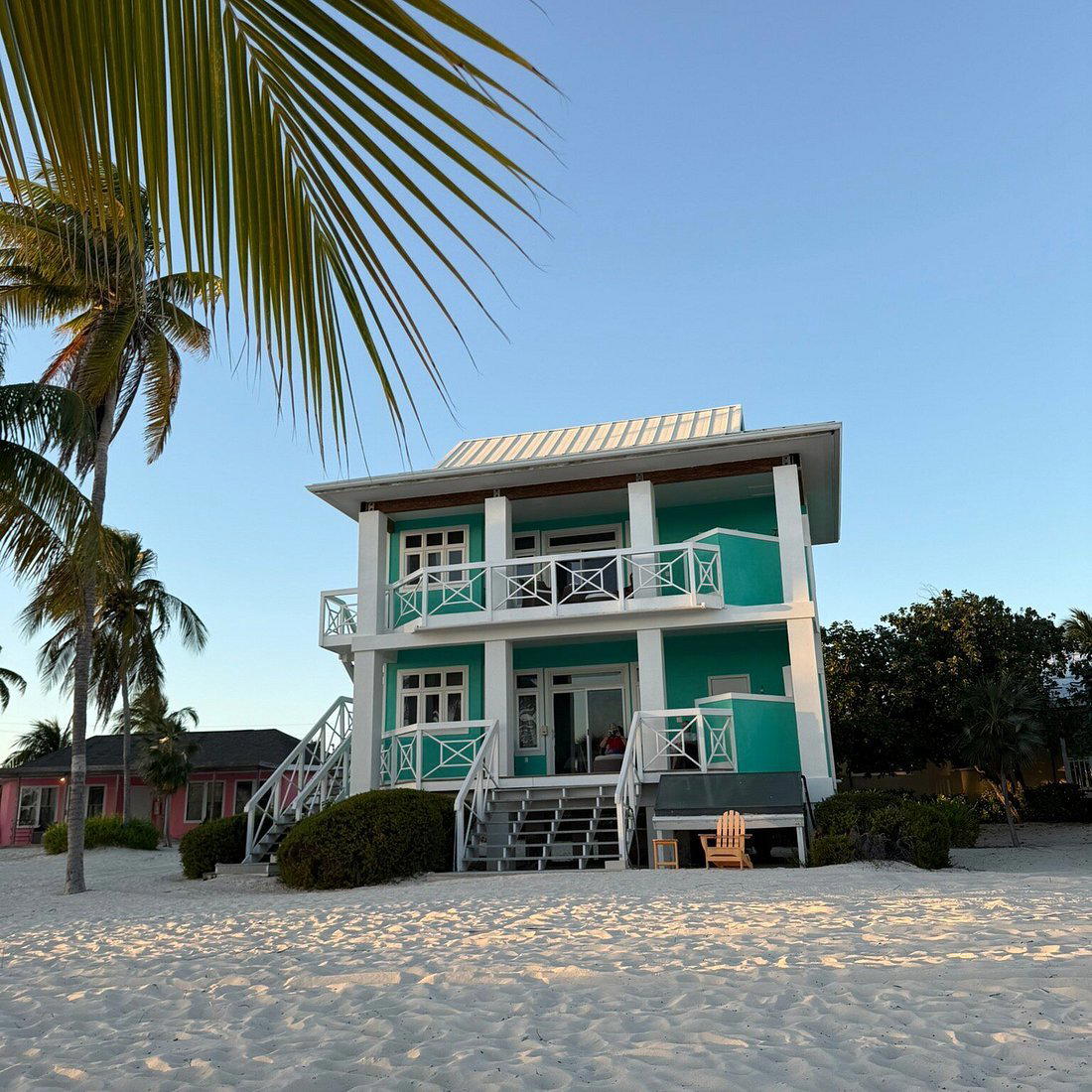
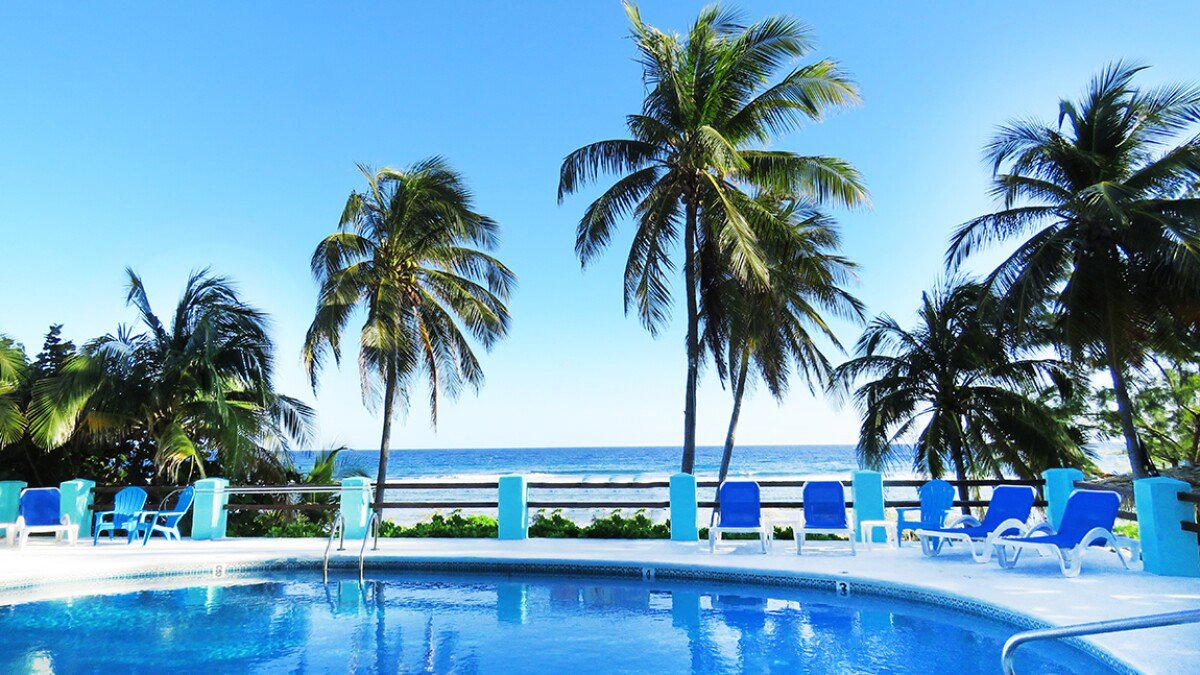
Rustic charm with bright colors, wooden benches overlooking the sea, and a casual local atmosphere.