Pani Indian Kitchen
Indian cuisine in the Cayman Islands occupies a specific niche: spice-forward cooking transplanted to an island context where local sourcing and import logistics shape every plate. Pani Indian Kitchen, located at The Crescent development in the Cayman Islands, sits within that context, bringing subcontinental cooking traditions to a dining scene otherwise defined by Caribbean seafood and international resort fare.
Pearl is the En Primeur Club membership app — saves, bookings, and concierge access live there. Same editors, same standards.
- Address
- The Crescent, Cayman Islands, KY1-1207, Cayman Islands
- Phone
- +1 345 640 0007
- Website
- panicayman.com
- Directions
- Get directions
 Saves & bookings on Pearl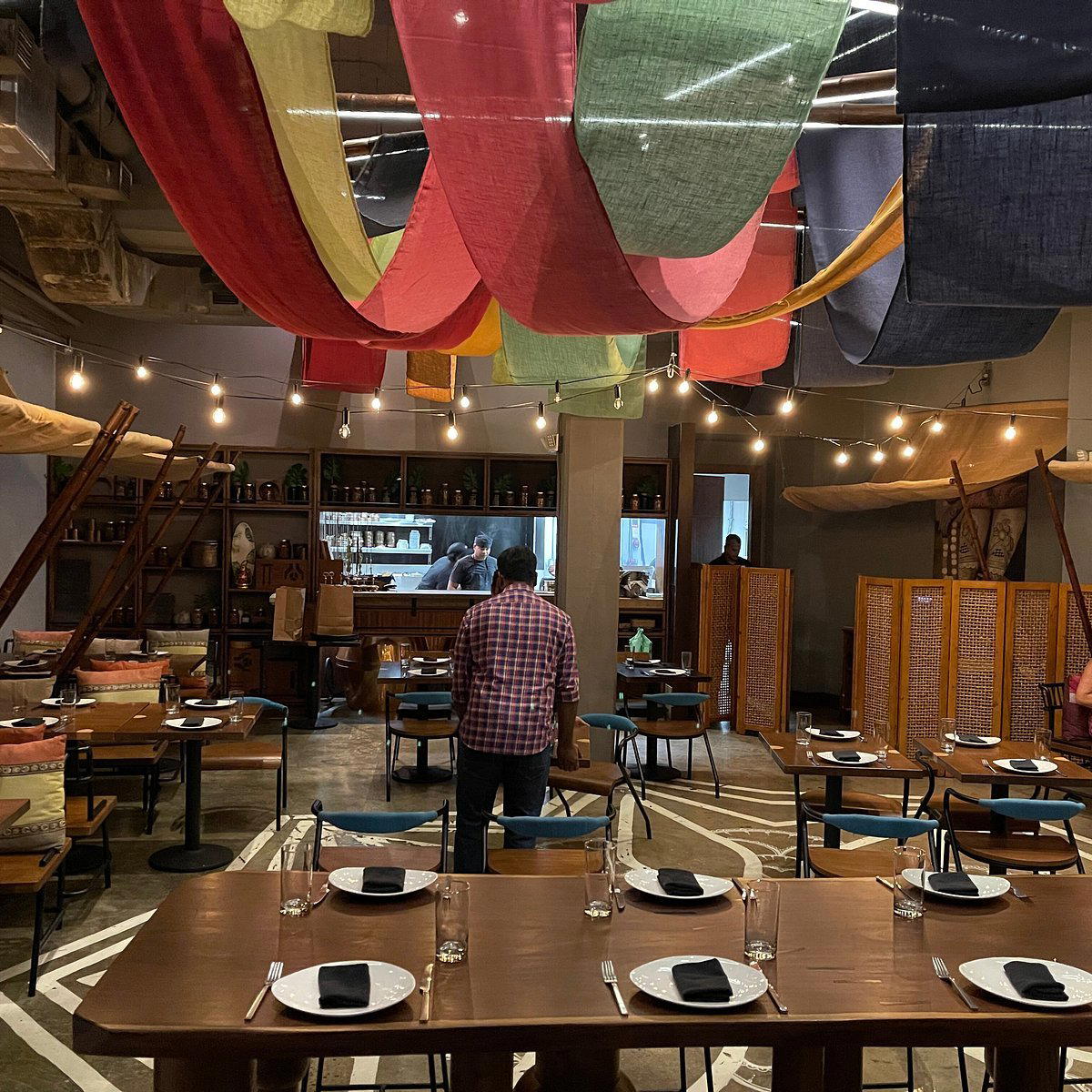
Indian Cooking in a Caribbean Context
The Crescent is one of Grand Cayman's newer commercial and dining addresses, and its tenant mix reflects a broader pattern across the island: restaurants that bring non-Caribbean cuisines to an audience hungry for variety beyond the seafood-and-grill format that dominates Seven Mile Beach. Indian cuisine fits that gap in a specific way. Unlike European or American imports, it carries a complexity of spice architecture that demands either serious sourcing infrastructure or compromises that show up on the plate. At Pani Indian Kitchen, the key question for diners is how that supply chain reaches the plate.
Across the Caribbean, Indian restaurants operate in two modes. The first draws on the region's own Indo-Caribbean tradition, rooted in indentured labour migration to Trinidad, Guyana, and other former British colonies, producing dishes like doubles and curry goat that have evolved independently over generations. The second is the more recent arrival of subcontinental restaurant cooking, transplanted largely intact, aiming for the flavours of Mumbai, Delhi, or Lucknow. Pani sits in the second category, positioned within a development that draws professionals, expats, and visitors looking for something outside the reef-fish canon.
The Sourcing Challenge That Shapes Every Plate
Understanding Indian cooking on a small island like Grand Cayman requires understanding the logistics behind it. The Cayman Islands imports the overwhelming majority of its food, and that dependency has real consequences for ingredient integrity. Spices, lentils, and dry goods travel reliably and lose little in transit; fresh aromatics like curry leaves, fresh fenugreek, and green chillies of specific heat profiles are harder to guarantee. Ghee, paneer, and yoghurt-based preparations depend either on local dairy production, which is minimal on the island, or on imported shelf-stable alternatives that change the texture and fat profile of dishes that rely on them.
This is not a problem distinctive to Pani. Any restaurant attempting authentic subcontinental cooking in a remote island context faces the same structural constraint. The better ones solve it through disciplined menu editing: they build around what travels well and what can be sourced from reliable regional suppliers, rather than listing every regional classic and substituting ingredients quietly. Its menu range and consistency will show that approach. A tightly focused menu in this context is usually a sign of honesty rather than limitation.
It is also worth noting what the Caribbean does offer Indian cooking: proximity to high-quality seafood. Prawn and fish-based preparations from subcontinental traditions, particularly those from coastal Kerala or Bengal, translate well to island sourcing where fresh catch is the one ingredient that needs no import. A kitchen willing to work with that material rather than defaulting to a frozen-protein model will produce measurably different results in those dishes.
Where Pani Sits in the Cayman Dining Scene
The Crescent's dining options slot into a market that has grown more sophisticated over the past decade. George Town and Seven Mile Beach anchor the island's higher-end restaurant tier, with venues like Blue by Eric Ripert in Georgetown and Luca in Cayman Islands representing the fine-dining end of that spectrum. The Brasserie in George Town has built a reputation around local and Caribbean sourcing within a more casual format. Away from those concentrations, venues like Cracked Conch Restaurant and Macabuca Tiki Bar in West Bay and Caribbean Food Restaurant in West End maintain the reef-and-rum model that defines much of the island's mid-market.
Pani occupies a different competitive position entirely: it is not competing against the seafood houses or the hotel restaurants. Its comparable set is the small cluster of non-Caribbean ethnic restaurants on the island that serve the expat professional community and visitors with longer stays and more varied appetites. In that niche, consistency matters more than ambition, and price calibration against import costs shapes the menu economics in ways that make direct comparison with London or Dubai Indian restaurants misleading.
For broader reference on what serious Indian-influenced or technique-driven cooking looks like in urban contexts, venues like Atomix in New York City demonstrate how subcontinental spice logic has influenced tasting-menu formats globally. That is not Pani's register, but it shows what spice-driven cooking can achieve when supply chains are under control. Closer in spirit are neighbourhood restaurants across the Caribbean that treat spice as ingredient rather than accent.
Planning a Visit
Pani Indian Kitchen is located at The Crescent in the Cayman Islands (KY1-1207), a commercial development that is accessible by car and is a reasonable distance from the Seven Mile Beach hotel corridor. Visitors staying on the beach can reach it without significant travel time. Because The Crescent functions partly as a professional services and retail hub, the lunch trade here tends to draw a working crowd; evenings shift toward a more mixed dining-out audience. Reservations are recommended, and hours run daily from 11:30 AM to 10 PM.
For a fuller picture of dining options across the island, our full The Crescent restaurants guide maps the range from seafood institutions to neighbourhood spots across different areas. Other options worth considering include Lobster Pot Restaurant and Bar in Grand Cayman for local catch, The Wharf Restaurant and Bar in Cayman for open-air waterfront dining, and Grape Tree Cafe in Bodden Town for a lower-key, locally oriented experience. Coccoloba Bar in Beach covers the casual drinks-and-snacks tier.
Comparable Spots, Quickly
Comparable venues nearby, for context on price, style, and recognition.
| Venue | Cuisine | Price | Notes |
|---|---|---|---|
| Pani Indian KitchenThis venue — the venue you are viewing | Authentic Indian Street Bazaar | $$ | Not listed |
| Blue by Eric Ripert | Fine dining seafood by Eric Ripert | $$$$ | Seven Mile Beach |
| Coccoloba Bar | Mexican-Caribbean Beach Fusion | $$$ | Seven Mile Beach |
| Cayman Cabana | Farm-to-Table Caymanian Caribbean | $$$ | George Town |
| Cracked Conch Restaurant & Macabuca Tiki Bar | Caribbean Seafood Fusion | $$$ | West Bay |
| Agua Restaurant & Lounge | Italian-Peruvian Fusion Seafood | $$$$ | Camana Bay |
Continue exploring
More in The Crescent
Restaurants in The Crescent
Browse all →
Bars in The Crescent
Browse all →




At a Glance
- Lively
- Trendy
- Casual Hangout
- Group Dining
- Open Kitchen
- Terrace
- Waterfront
Current opening hours
- Monday
- 11:30 AM–10 PM
- Tuesday
- 11:30 AM–10 PM
- Wednesday
- 11:30 AM–10 PM
- Thursday
- 11:30 AM–10 PM
- Friday
- 11:30 AM–10 PM
- Saturday
- 11:30 AM–10 PM
- Sunday
- 11:30 AM–10 PM
Hours can change for holidays and private events. Last verified .
Colourful ethnic décor with open-plan indoor/outdoor space evoking a lively street bazaar atmosphere.