The Wharf Restaurant & Bar



On Seven Mile Beach Road, The Wharf Restaurant & Bar occupies one of Grand Cayman's most recognizable waterfront positions, where open-air dining meets the rhythms of the Caribbean Sea. The setting places it firmly in the tradition of Cayman seafood houses that trade on proximity to the water as much as what arrives from it. For visitors orienting themselves in the island's dining scene, it serves as a useful point of reference.
Pearl is the En Primeur Club membership app — saves, bookings, and concierge access live there. Same editors, same standards.
- Address
- 43 W Bay Rd, Cayman Islands
- Phone
- +1 345 949 2231
- Website
- wharf.ky
- Directions
- Get directions
 Saves & bookings on Pearl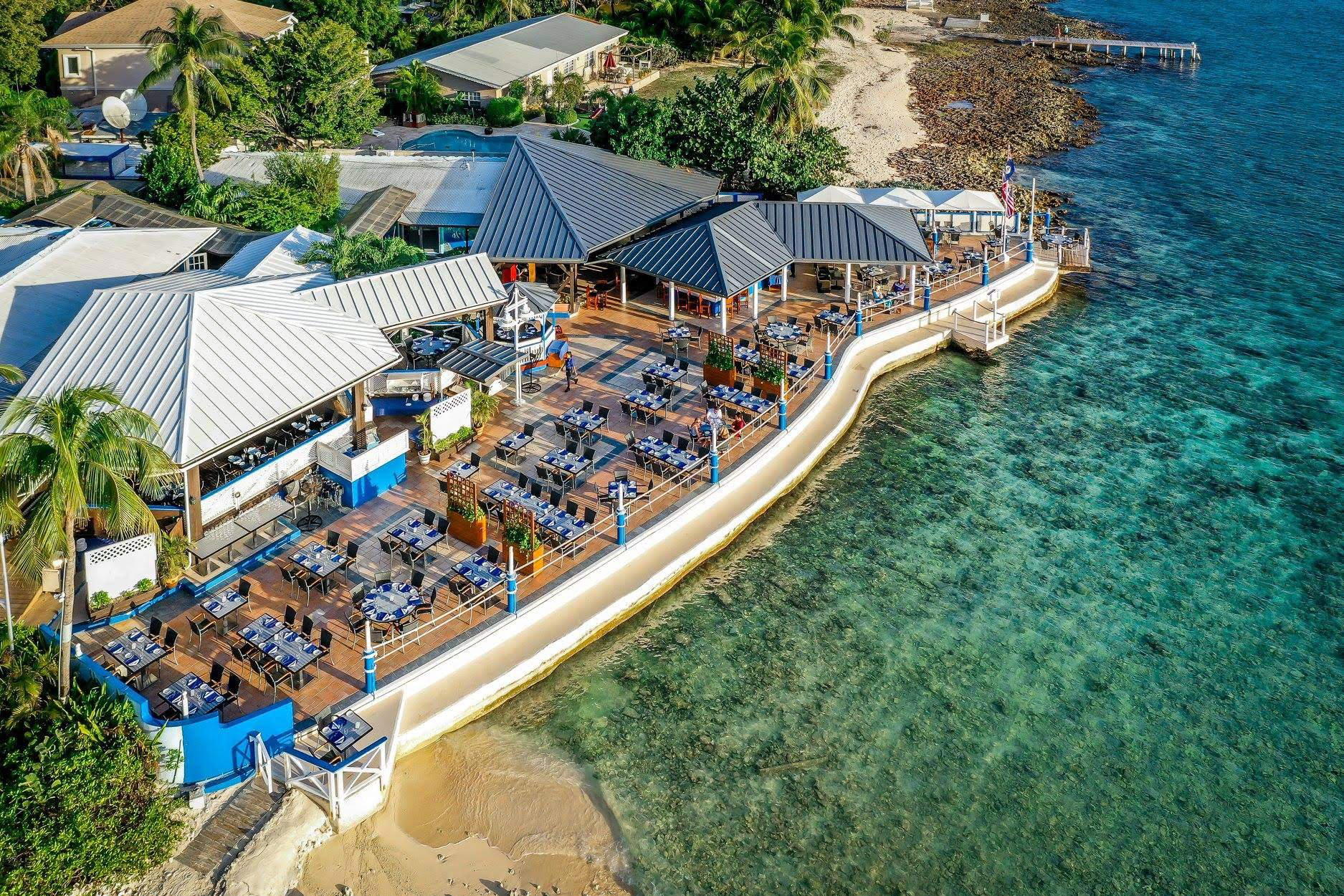
Where the Water Does the Work
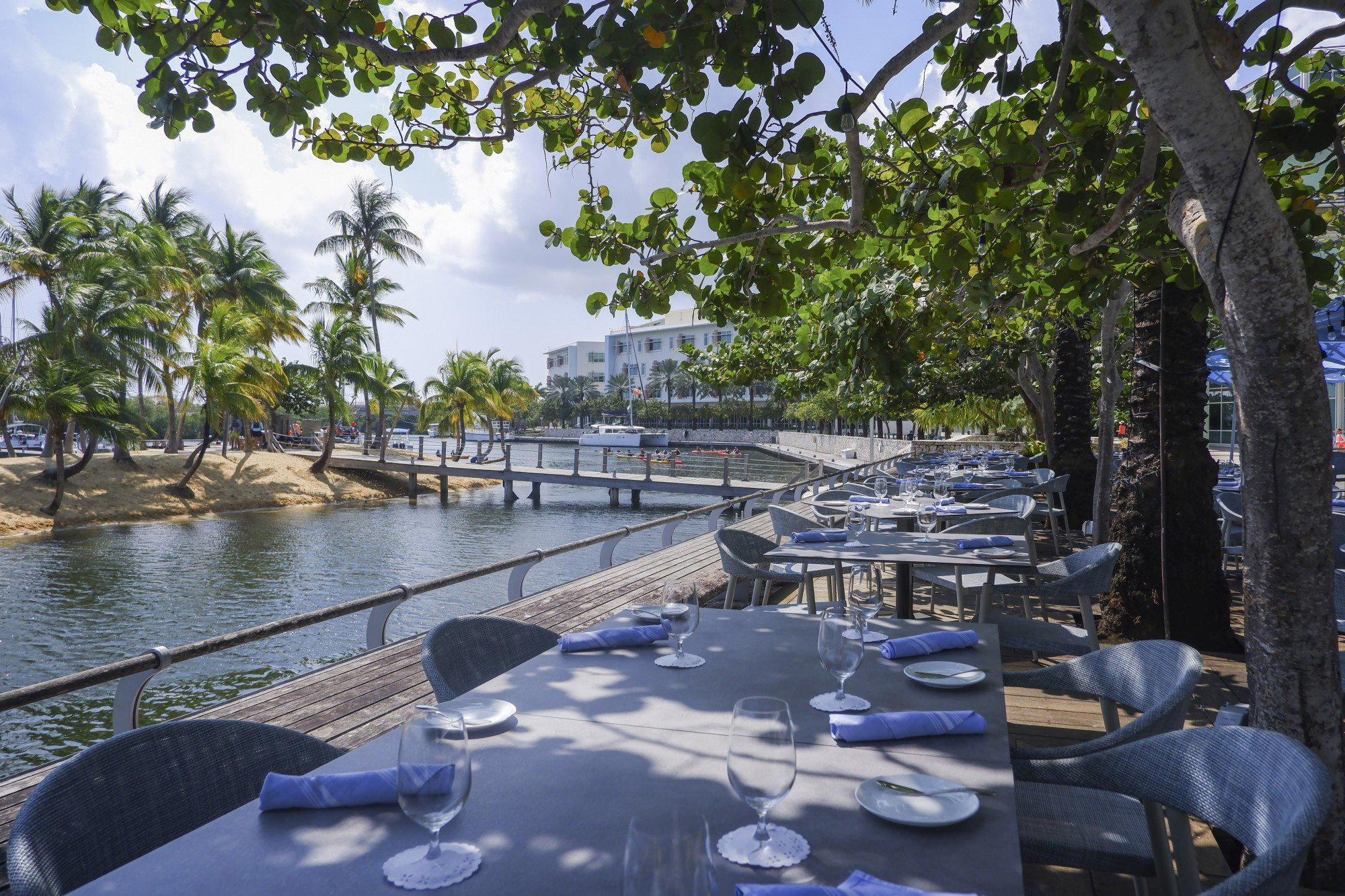
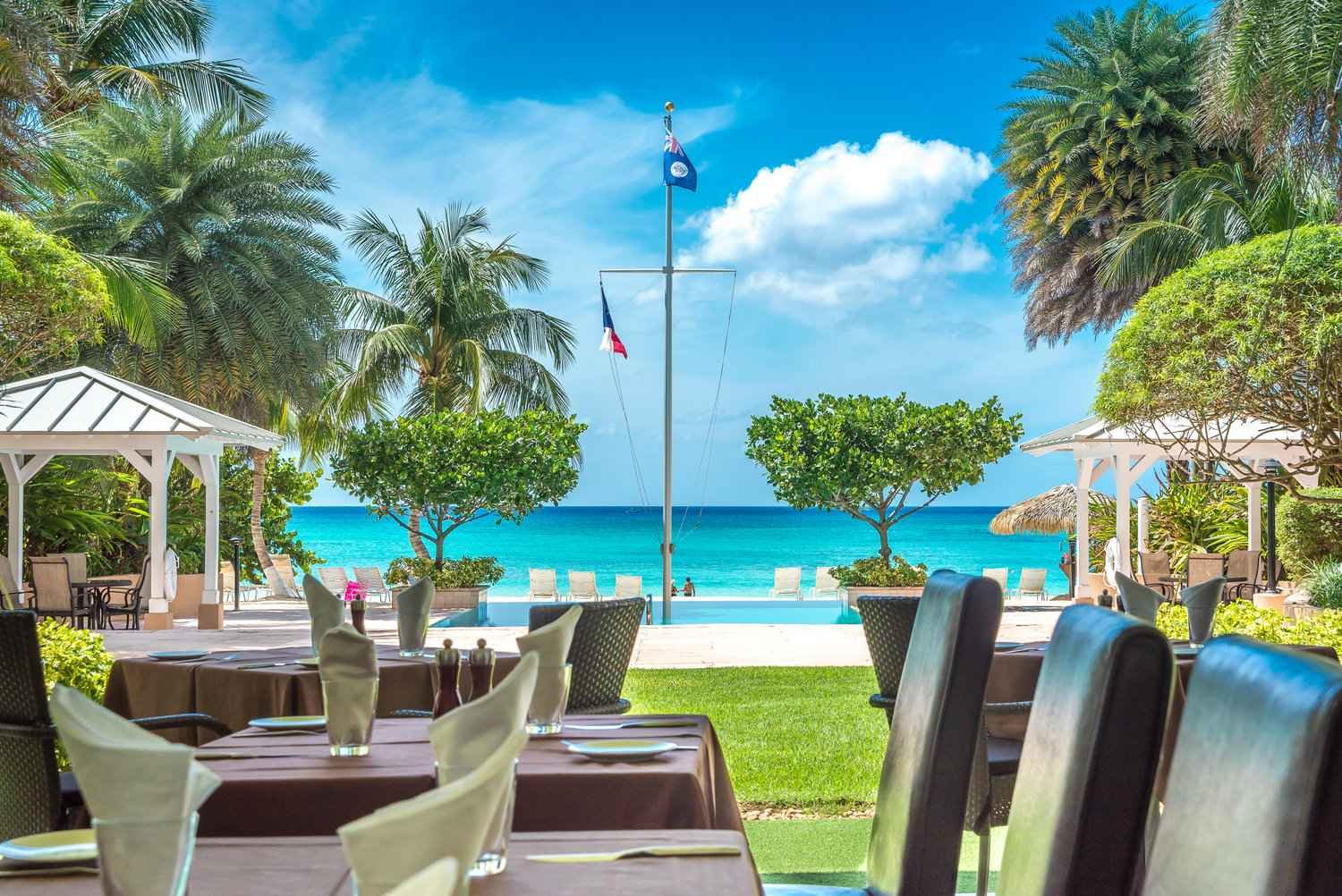
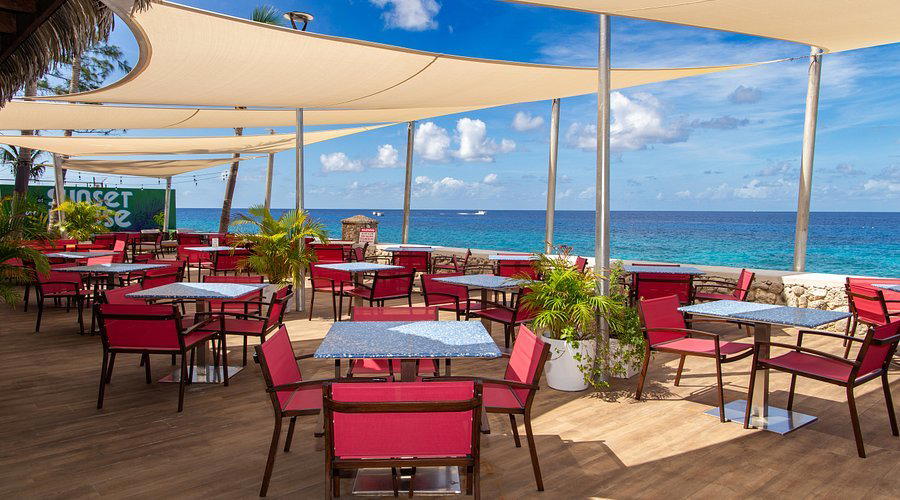
Grand Cayman's waterfront dining scene operates on a simple principle: proximity to the sea is not just an aesthetic consideration, it is an argument about freshness. Along West Bay Road, a string of restaurants has long built their identity around this logic, placing guests close enough to the Caribbean that the distinction between sourcing and setting becomes almost philosophical. The Wharf Restaurant and Bar, at 43 W Bay Rd, Cayman Islands, is a seafood restaurant serving Cayman cuisine in an open-air waterfront setting.
In the Cayman Islands, that relationship has historical depth: fishing was the economic backbone of the islands long before tourism arrived, and the culture of eating what the water provides has never fully separated itself from the restaurant table. Places like Lobster Pot Restaurant and Bar in Grand Cayman and Cracked Conch Restaurant and Macabuca Tiki Bar in West Bay have anchored themselves to this same sourcing-first identity, and The Wharf belongs in that conversation.
The Sourcing Logic of a Caribbean Seafood Table
Island-based restaurants face a supply chain reality that shapes their menus more than any chef philosophy ever could. In Grand Cayman, the tension between what can be caught locally and what must be imported has defined how serious kitchens operate for decades. Particularly credible seafood tables on the island do not pretend that everything on the plate was pulled from Caymanian waters that morning, but they do make deliberate choices about what they source regionally versus what they fly in, and those choices are legible to anyone paying attention.
The Caribbean offers a specific pantry: spiny lobster, mahi-mahi, wahoo, snapper, and conch, a shellfish so central to the region's food culture that its shells have functioned as currency, tools, and signifiers of local identity across centuries. Any restaurant operating near the water in Grand Cayman is implicitly in dialogue with this tradition. The question is whether it honours that tradition with sourcing transparency or uses the aesthetic of the waterfront to substitute for substance on the plate.
For context on how ingredient sourcing can define a restaurant's entire competitive positioning, consider how The Brasserie in George Town has built a reputation around local and Caribbean sourcing as an explicit editorial commitment rather than a backdrop. At the other end of the spectrum, internationally trained kitchens like Blue by Eric Ripert in Georgetown bring a rigorous French technique to the same regional ingredient base, placing them in a different conversation entirely. The Wharf sits in the casual-to-midscale tier of Cayman dining, where the setting carries as much weight as the sourcing.
The Atmosphere as the First Course
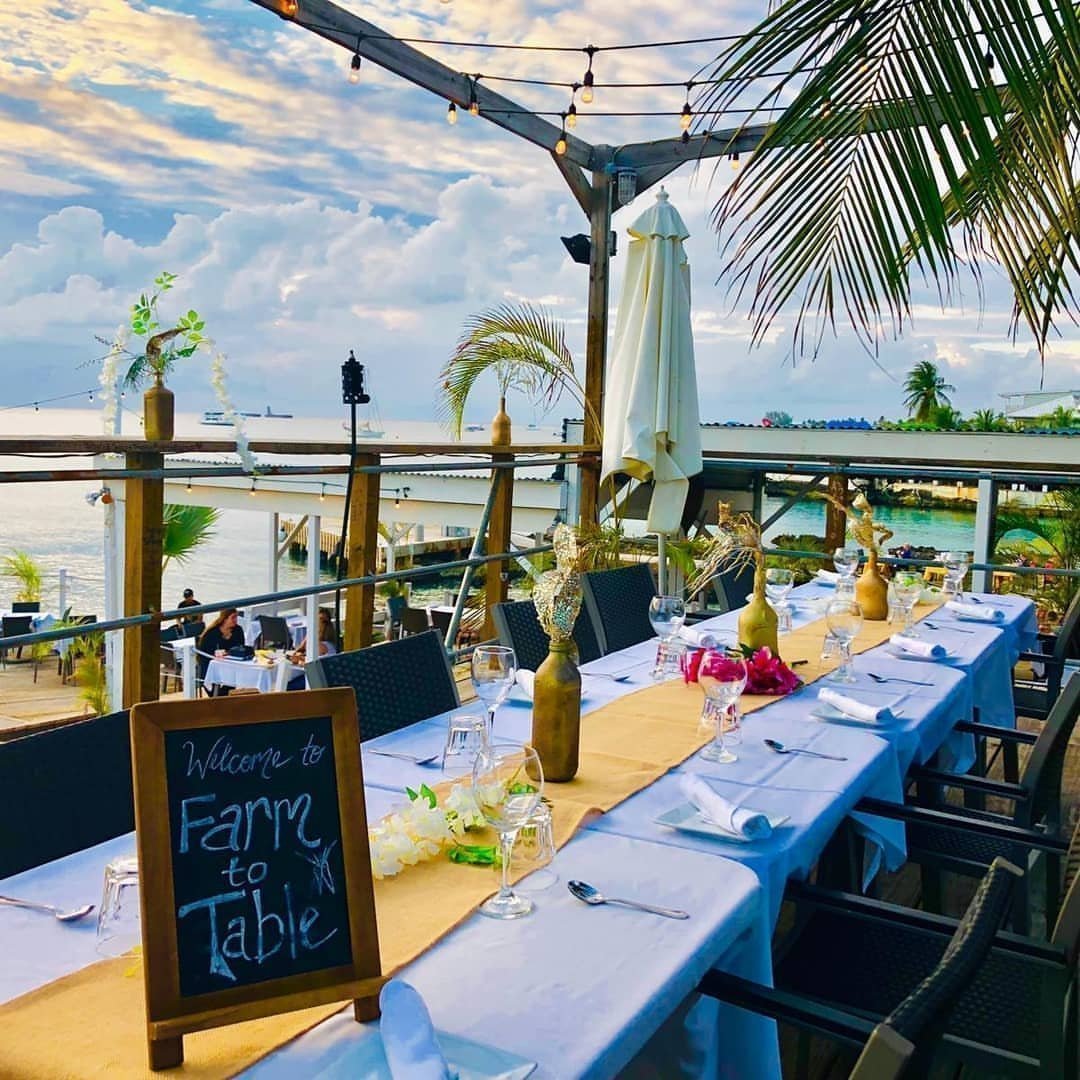
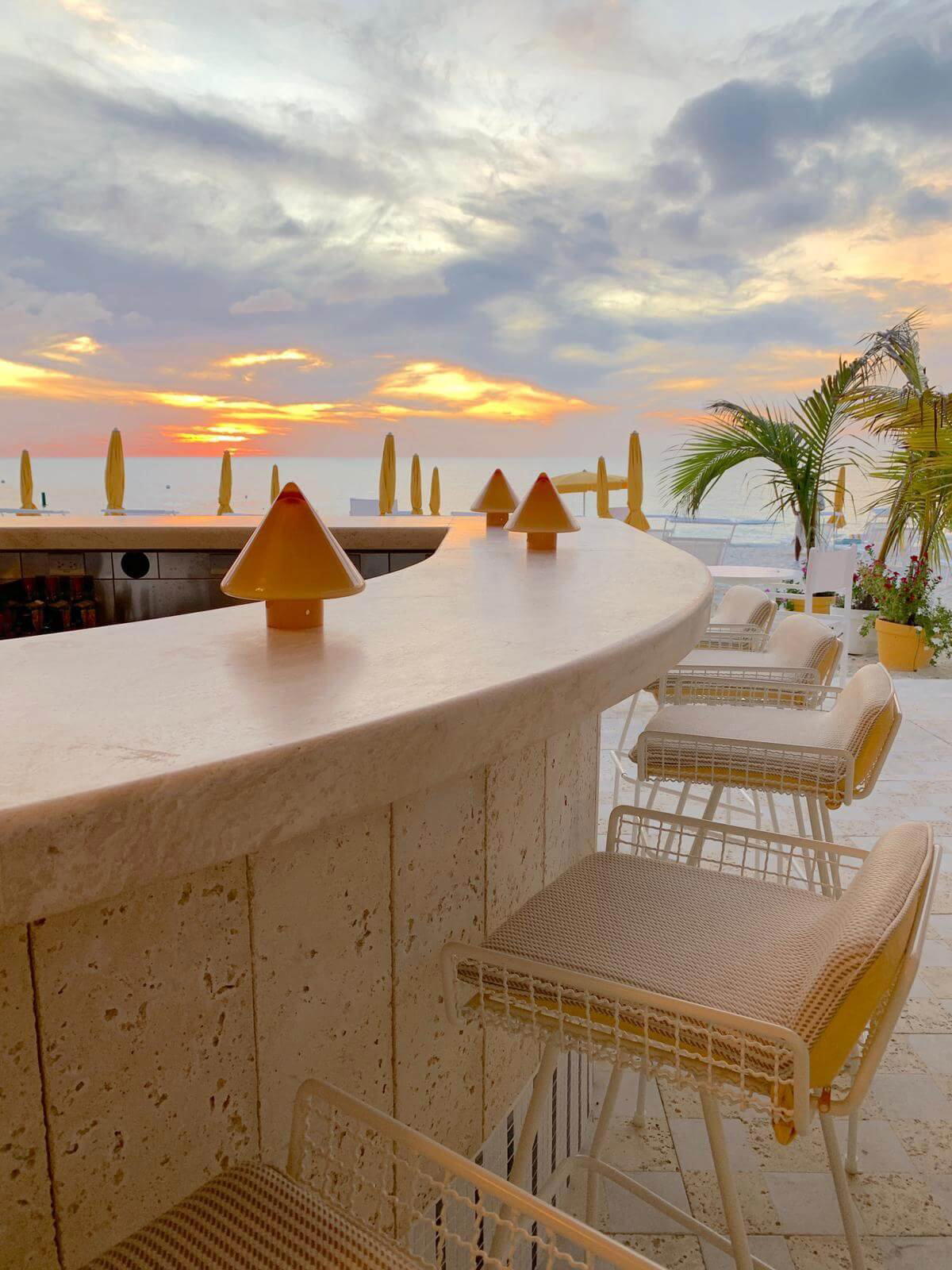
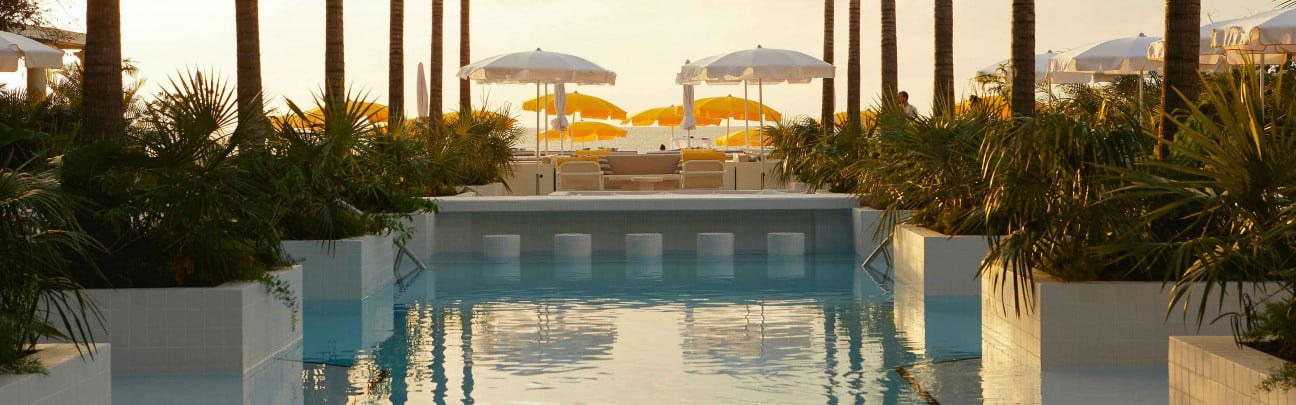
In open-air dining environments, the physical approach to a restaurant functions as an overture. On West Bay Road, arriving at The Wharf means engaging with the particular quality of Caribbean evening light, the kind that turns the water to copper around sunset and makes the simple act of sitting near the sea feel intentional. This atmospheric logic is not incidental to the restaurant's appeal; it is structural. The outdoor format, common to Grand Cayman's better waterfront addresses, places weather and time-of-day into the dining equation in a way that enclosed restaurants cannot replicate.
This is a format that rewards timing. Arriving at the tail end of the afternoon, when the heat has begun to soften and the water shifts color, is a different experience from a midday visit under full sun. Caribbean restaurant culture has generally understood this, which is why sunset dining has become a form of institution along Seven Mile Beach and the roads that bracket it.
Placing The Wharf in Cayman's Dining Hierarchy
Grand Cayman's restaurant scene has stratified meaningfully over the past decade. At the leading sits a cluster of internationally recognized kitchens, including Blue by Eric Ripert, which carries the weight of its New York parent, Le Bernardin, as a direct trust signal. Below that tier, a broader mid-market of seafood houses and casual fine-dining concepts competes on atmosphere, sourcing narrative, and consistency. Luca in the Cayman Islands represents the Italian-inflected side of this tier, while Caribbean Food Restaurant in West End sits closer to the local and informal end of the register.
The Wharf operates within this mid-tier, where the competitive set is defined by the ability to deliver a coherent waterfront experience at an accessible price point. In this context, atmosphere and sourcing narrative do much of the strategic work. The Wharf is a proposition built around place and occasion rather than technical ambition.
That is not a criticism. Island dining operates by different rules, and the leading waterfront restaurants in the Caribbean have always understood that their primary offer is the experience of eating near the sea, surrounded by warm air and the sounds of moving water, with food that is honest about where it comes from. The format has its own integrity.
Practical Considerations for Your Visit
The Wharf sits at 43 West Bay Road, placing it along the corridor that runs parallel to Seven Mile Beach, the stretch of coast that concentrates the majority of Grand Cayman's visitor-facing dining. For guests staying in the Seven Mile Beach hotel zone, the restaurant is reachable without significant logistical effort. Grand Cayman's taxi infrastructure handles most short-haul movement along this corridor, though rental vehicles give more flexibility for those combining a visit with exploration further north toward West Bay.
Reservations are advisable during peak season, which in the Cayman Islands runs roughly from December through April, when visitor volumes are highest and waterfront tables at any established address fill quickly. Arriving without a booking in high season, particularly for sunset-hour dining, carries real risk of a wait or a less desirable table position. Outside peak months, the experience is more forgiving, and the island itself tends to feel less compressed. Guests seeking alternatives in the area should also consider Coccoloba Bar in Beach or the relaxed local atmosphere at Grape Tree Cafe in Bodden Town for a contrast in register.
At-a-Glance Comparison
Comparable venues nearby, for context on price, style, and recognition.
| Venue | Cuisine | Price | Notes |
|---|---|---|---|
| The Wharf Restaurant & BarThis venue — the venue you are viewing | Seafood & Cayman Cuisine | $$$ | Not listed |
| Lobster Pot Restaurant and Bar | Classic Cayman Seafood | $$$ | George Town |
| Ragazzi Cayman Islands | Authentic Italian with Wood-Fired Pizza | $$$ | Seven Mile Beach |
| The Wharf Restaurant | Seafood Fine Dining | $$$$ | Seven Mile Beach |
| Ristorante Pappagallo | Italian with Caribbean Seafood | $$$ | West Bay |
| The Brasserie | Modern Caribbean Farm-to-Table | $$$ | George Town |
Recognition history
Dated appearances from independent guides and award organizations, with the underlying list record or original source where available.
Star Wine List
Star Wine List
Wine Spectator Best of Award of Excellence
Wine Spectator
World's Best Wine Lists Awards WBWL 3-Star
World's Best Wine Lists Awards
At a Glance
- Romantic
- Elegant
- Scenic
- Sophisticated
- Date Night
- Celebration
- Special Occasion
- Waterfront
- Wine Cellar
- Terrace
- Extensive Wine List
- Local Sourcing
- Waterfront
Current opening hours
- Monday
- 4 PM–12 AM
- Tuesday
- 4 PM–12 AM
- Wednesday
- 4 PM–12 AM
- Thursday
- 4 PM–12 AM
- Friday
- 4 PM–12 AM
- Saturday
- 4 PM–12 AM
- Sunday
- 4 PM–12 AM
Hours can change for holidays and private events. Last verified .
Classic romantic atmosphere with waterfront dining under the stars, ocean views, and sea breezes.