Linger
Linger occupies a converted mortuary in Denver's LoHi neighborhood, a detail that shapes everything from the architecture to the attitude. The kitchen runs a globally inflected menu where the floor team and culinary crew operate as a single system rather than parallel departments. It sits in the mid-to-upper tier of Denver's serious dining scene, alongside peers like Brutø and The Wolf's Tailor.
Pearl is the En Primeur Club membership app — saves, bookings, and concierge access live there. Same editors, same standards.
- Address
- 2030 W 30th Ave, Denver, CO 80211
- Phone
- +1 303 993 3120
- Website
- ediblebeats.com
- Directions
- Get directions
 Saves & bookings on Pearl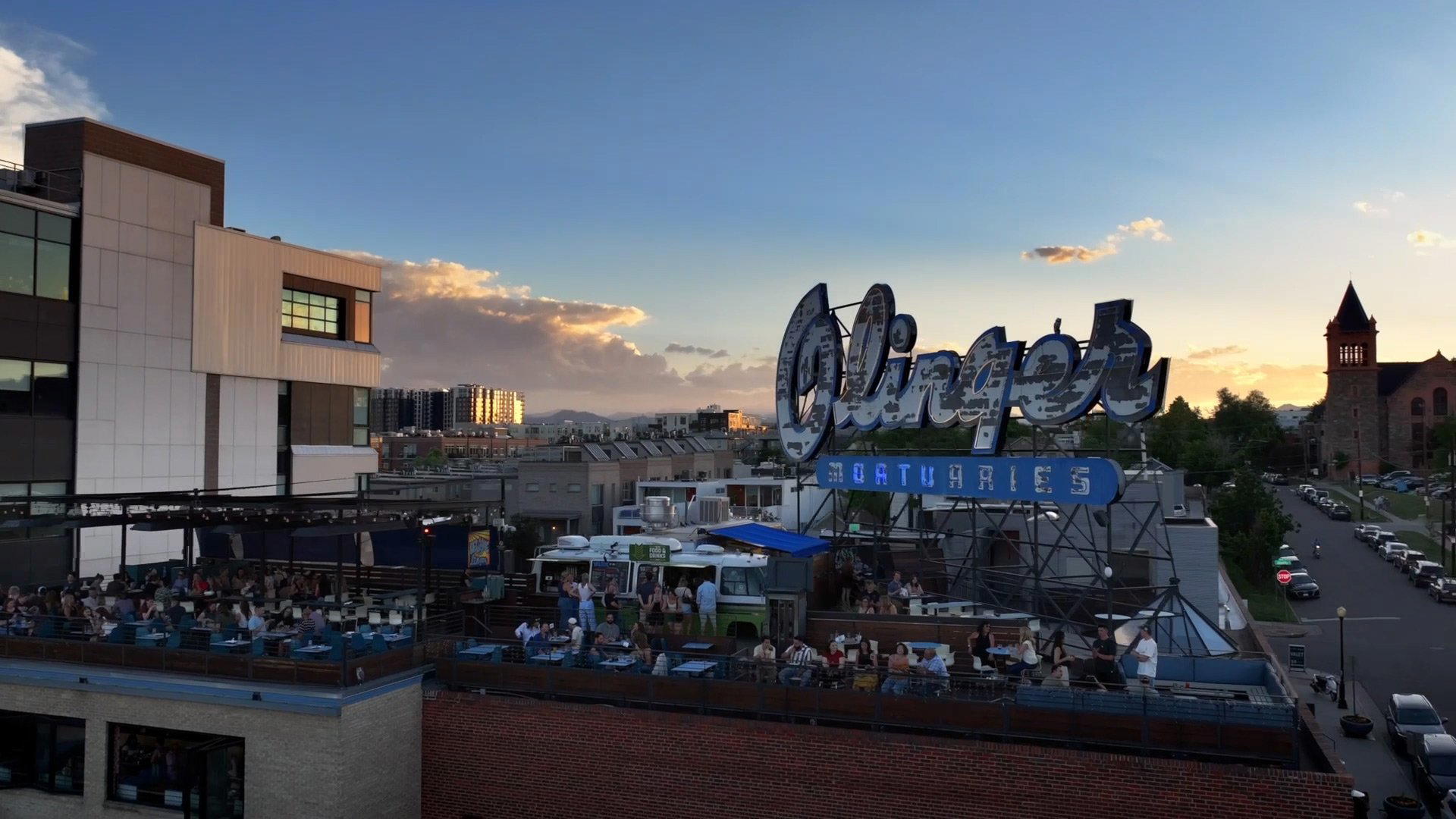
A Converted Mortuary and What That Does to a Dining Room
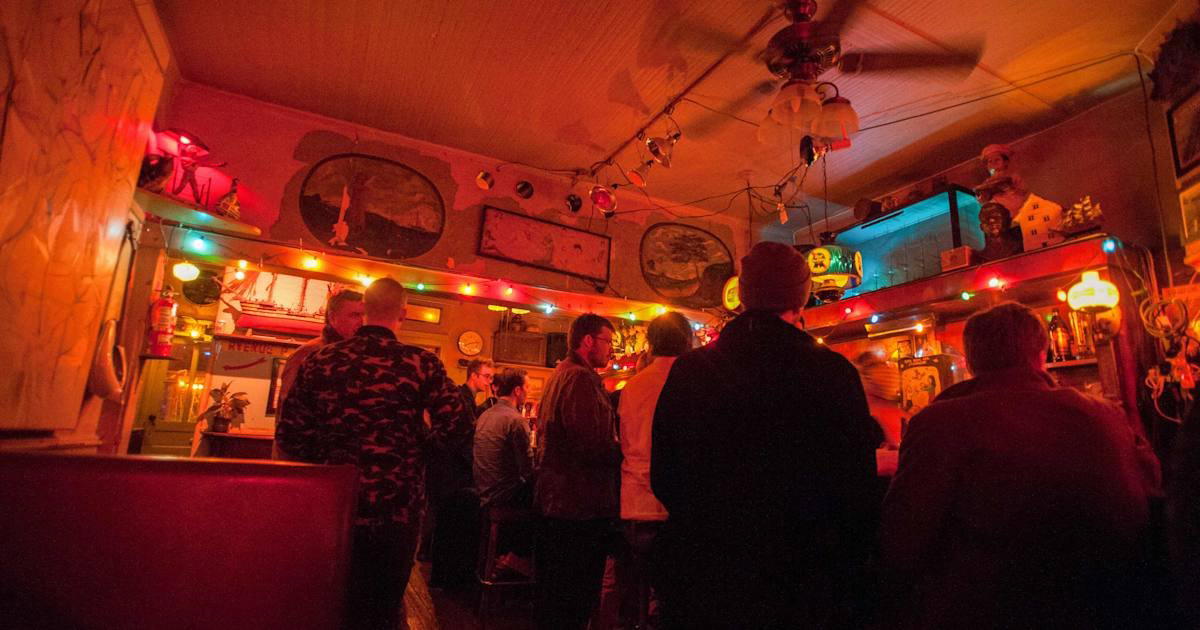
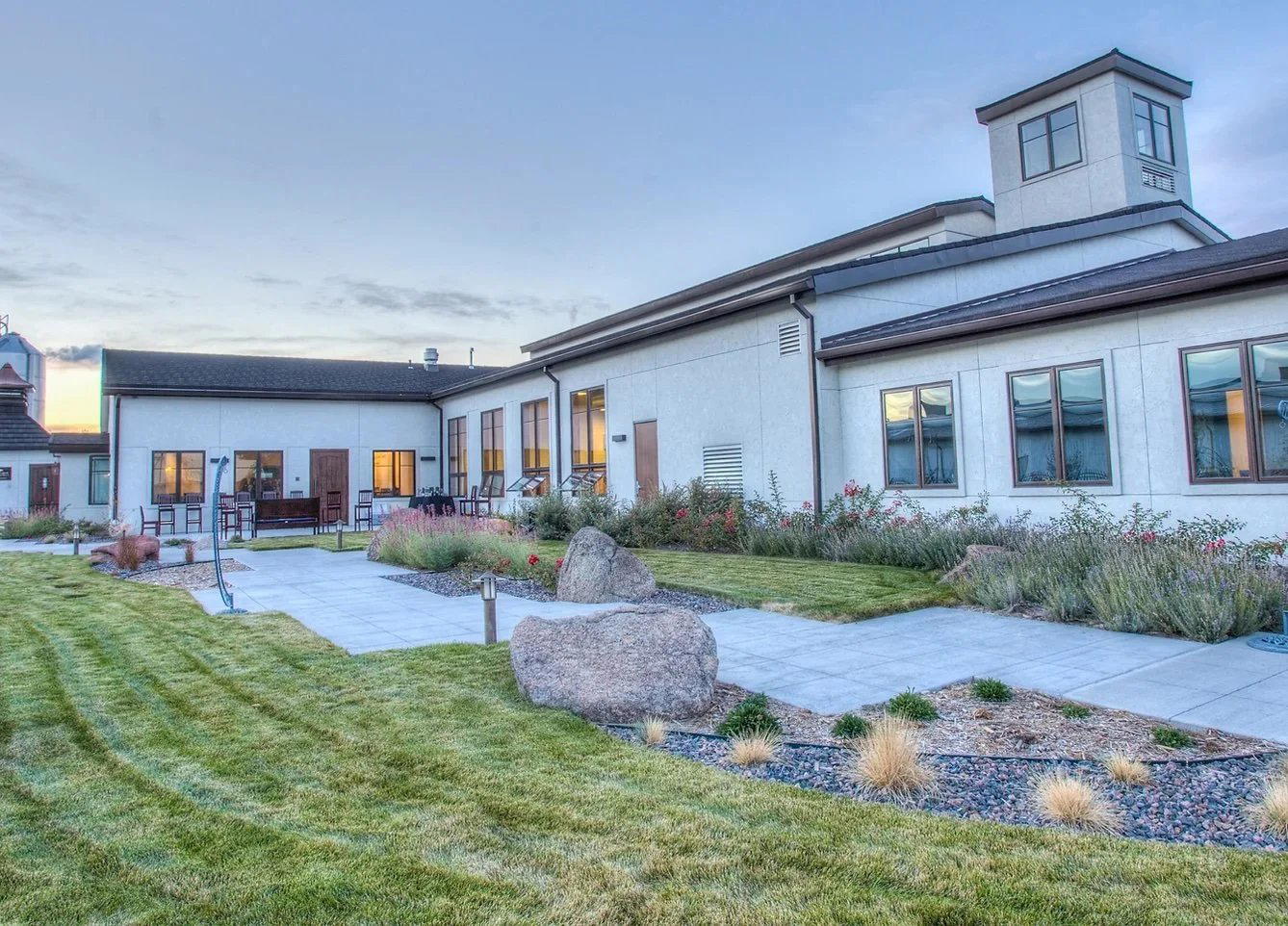
Denver's LoHi neighborhood has been a reliable site for ambitious restaurant projects over the past decade, but few addresses carry the architectural charge of 2030 W 30th Ave. The building at that corner was, for much of the 20th century, a mortuary. That history is not buried here. The space leans into its former life with an interior that layers original structural bones against irreverent, globally sourced decor. Approaching from the street, the building reads as a curiosity before it reads as a restaurant, which is a deliberate orientation toward the kind of guest who pays attention.
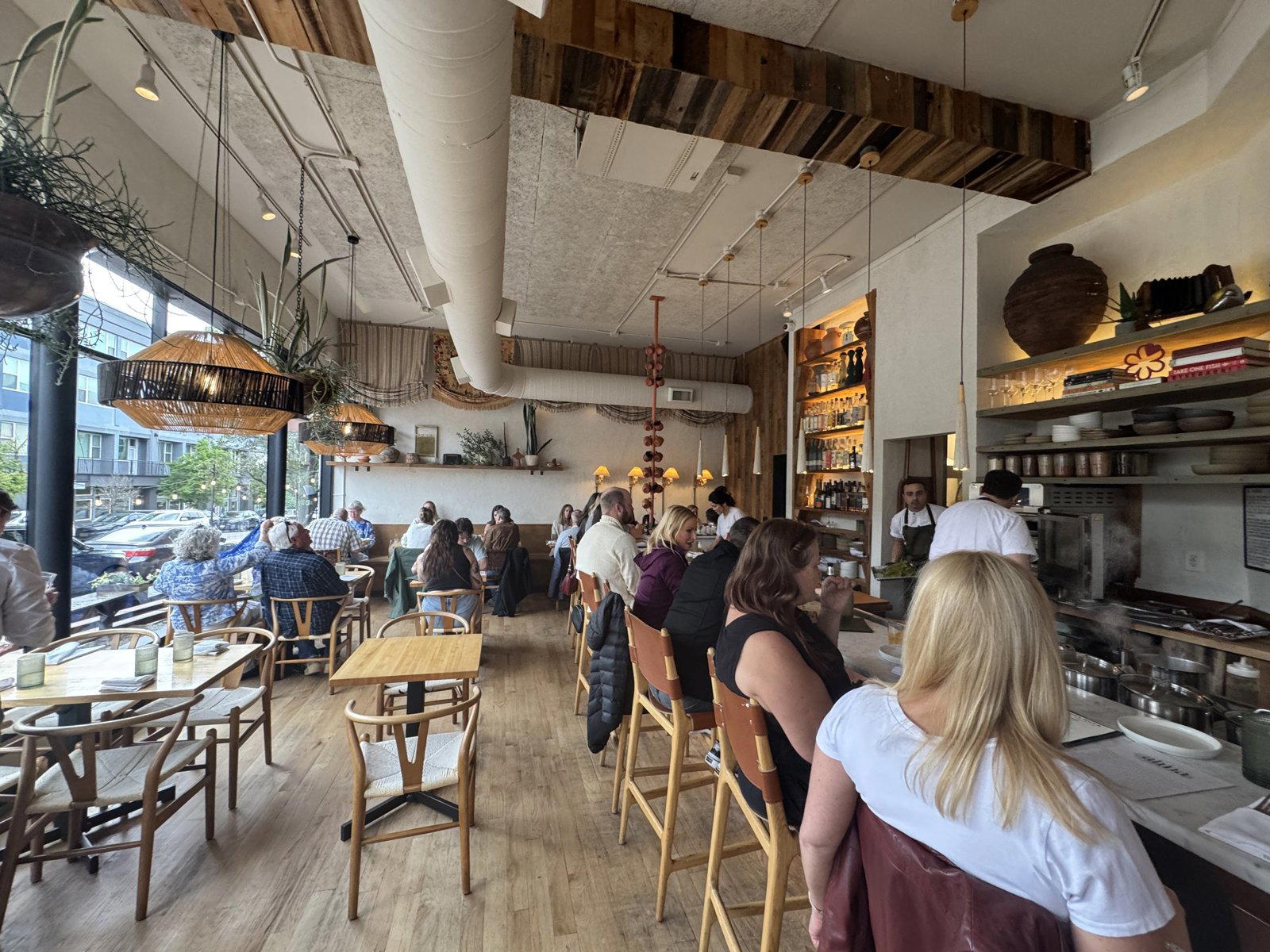
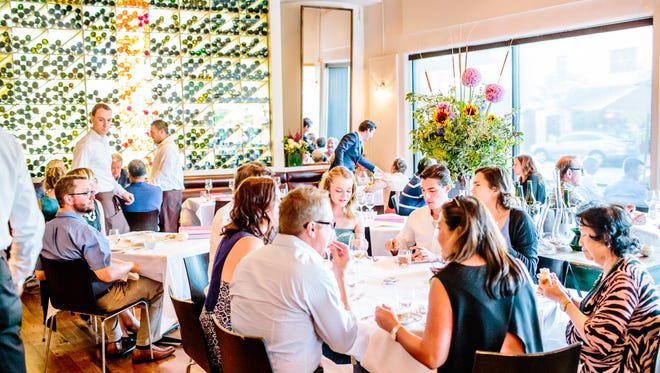
Inside, the room works on multiple levels, both literally and operationally. The bar occupies a distinct zone, the dining floor extends through the original chamber spaces, and a rooftop terrace handles overflow in warmer months. This multi-room format is not incidental. It lets different service styles coexist under one roof, from a looser drinks-and-small-plates rhythm downstairs to a more structured dinner progression upstairs. The physical environment is, in this sense, a delivery mechanism for the service philosophy.
Where Linger Sits in Denver's Dining Tier
Denver has developed a credible upper-middle dining tier over the past several years, one that does not require Michelin validation to carry weight. Restaurants like Brutø and The Wolf's Tailor anchor the contemporary end of that tier, while Alma Fonda Fina and Beckon represent a more focused, single-cuisine or tasting-format approach. Linger sits adjacent to all of them but fits none of their templates precisely. Its globally sourced menu, casual-to-serious service range, and distinctive physical space place it in a peer group defined less by price point than by intentionality.
That intentionality is the operative word in Denver right now. The city's most discussed restaurants share a quality of decision-making: nothing is on the menu by default, nothing is decorated by convention. Linger has been part of that conversation long enough that it functions as a reference point for newer arrivals rather than the other way around. Alongside Annette, it represents a strand of Denver dining that values personality and program depth over category purity.
The Team Dynamic: Kitchen, Floor, and Bar as a Single System
In American restaurants at this level, the public conversation tends to organize around the kitchen, treating the front of house as execution infrastructure rather than creative input. Linger's operating logic runs differently. The bar program here has its own vocabulary, one that does not simply echo the kitchen but speaks to the same source material through a different register. The result is that a guest who anchors their evening to cocktails is engaging with the same intellectual framework as one anchoring to food.
This kind of alignment between bar and kitchen is more common at the summit of the format range, where properties like Le Bernardin in New York City, Lazy Bear in San Francisco, or Smyth in Chicago treat service as a unified compositional act. Linger operates at a more accessible price tier than those peers, but the underlying logic is similar: the team trains together, the programs develop in parallel, and the floor staff are briefed with enough depth to discuss either side of the pass. At restaurants where that integration works, the guest experience has a coherence that menus alone cannot deliver.
The global small-plates format, which Linger has run since its early years in the LoHi space, is particularly well suited to this team dynamic. When the menu ranges across multiple culinary traditions in a single sitting, the floor team becomes the interpretive layer between dish and diner. Knowing why a preparation exists, what tradition it draws from, and how it sits against the cocktail in the guest's hand requires genuine cross-departmental fluency. That fluency is something many restaurants in Denver's mid-tier describe as an aspiration. Here, it is load-bearing.
The Menu's Range and What It Signals
Globally inflected small-plates formats emerged in American cities in the early 2000s as a way to compress culinary range into a single evening without the formality of a tasting menu. The format has aged variably. At its worst, it becomes a survey course: competent executions of familiar dishes from multiple continents, assembled without a unifying sensibility. At its leading, the range itself becomes the point, with the kitchen using the format to argue for connections that a single-cuisine menu cannot make.
Linger operates in the second mode. The menu's range is not a hedge against commitment but a commitment in itself, one that requires consistent execution across registers that a more focused kitchen might never encounter in the same service. This places genuine demands on the brigade, and on the floor team tasked with contextualizing dishes that might move from Southeast Asian inflections to Latin preparations within a single table's order. The comparison set for this kind of cooking is not local. It runs toward restaurants like Providence in Los Angeles, Blue Hill at Stone Barns in Tarrytown, or, in its structural ambition if not its price tier, The French Laundry in Napa.
Internationally, restaurants like Atelier Moessmer Norbert Niederkofler in Brunico and Atomix in New York City illustrate how a clear conceptual framework can hold a menu together across cultural reference points. The discipline Linger applies to its format belongs to the same logic, even if the scale and price tier differ. Closer to home, Single Thread Farm in Healdsburg, Addison in San Diego, The Inn at Little Washington, and Emeril's in New Orleans each demonstrate how American restaurants can anchor range to a specific sensibility without losing coherence. That is the standard this format is measured against.
Planning Your Visit
Linger's LoHi address at 2030 W 30th Ave places it within walking distance of several other serious dining options, which makes the neighborhood worth building an evening around rather than treating as a single-stop destination.
- Korean fried chicken bao buns
- Filipino spring rolls
- bison steak kushiyaki
- pad thai
- Lemongrass Pork Potstickers
- Wagyu Sliders
- Italian Coffee & Doughnuts
Booking and Cost Snapshot
Comparable venues nearby, for context on price, style, and recognition.
| Venue | Cuisine | Price | Notes |
|---|---|---|---|
| LingerThis venue — the venue you are viewing | Highland, Global Street Food | $$ | Not listed |
| Tupelo Honey - Denver | Not listed | $$ | Central Platte Valley, Southern Kitchen & Bar |
| Los Carboncitos | Sunnyside, Authentic Mexican Taqueria | $$ | Not listed |
| The Original | Not listed | $$ | Ballpark, Modern American Neighborhood Eatery |
| Bao Brewhouse | LoDo, Creative Chinese Bao and Dumplings | $$ | Not listed |
| The Lobby | Not listed | $$ | Ballpark, Southern-Inspired American Brunch |
Continue exploring
More in Denver
Restaurants in Denver
Browse all →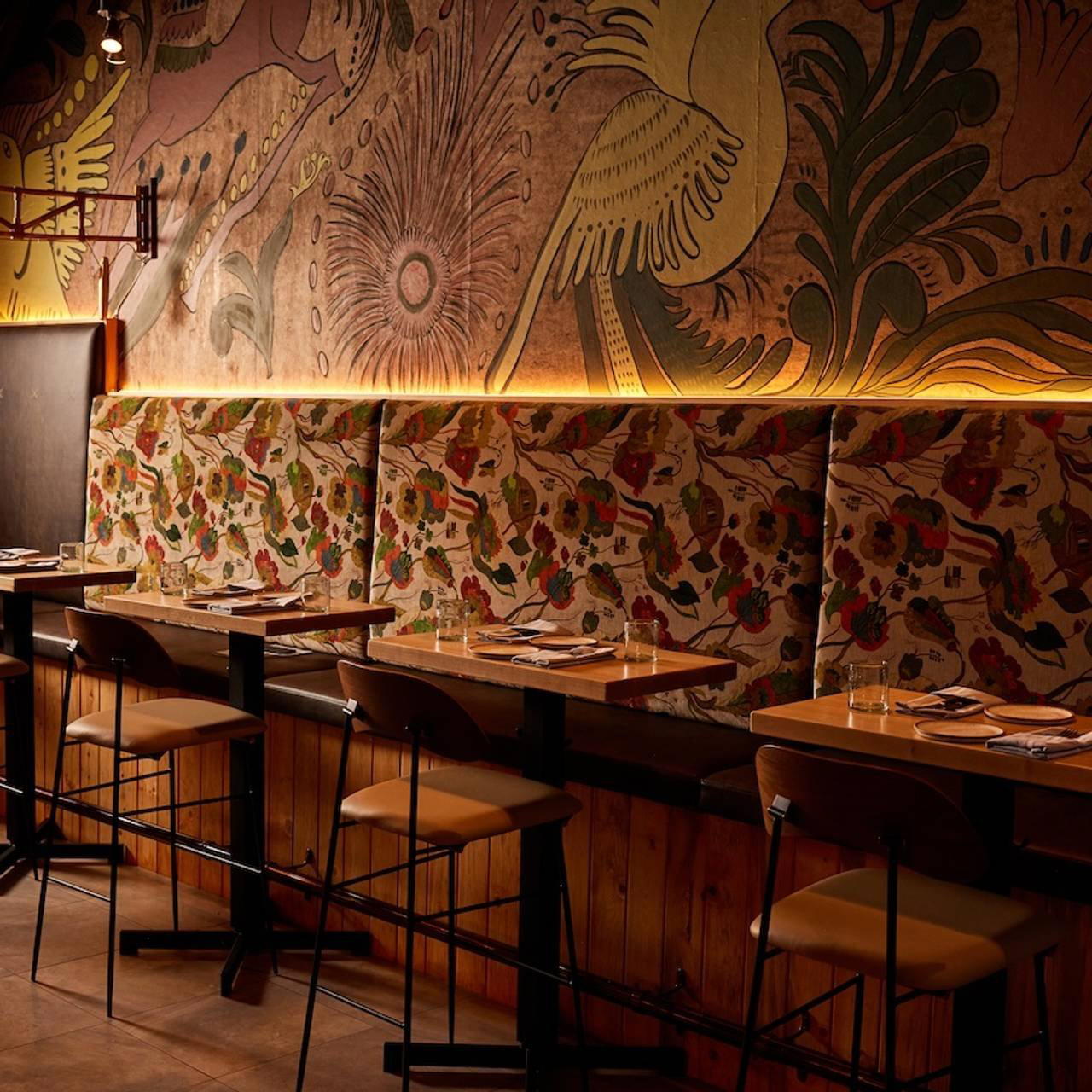
Bars in Denver
Browse all →
Hotels in Denver
Browse all →

At a Glance
- Trendy
- Whimsical
- Industrial
- Lively
- Elegant
- Casual Hangout
- Group Dining
- Brunch
- After Work
- Celebration
- Rooftop
- Historic Building
- Design Destination
- Standalone
- Extensive Wine List
- Craft Cocktails
- Organic
- Local Sourcing
- Skyline
- Street Scene
Current opening hours
- Monday
- 4–9 PM
- Tuesday
- 4–9 PM
- Wednesday
- 4–9 PM
- Thursday
- 4–9 PM
- Friday
- 11 AM–2 PM, 4–10 PM
- Saturday
- 10 AM–2 PM, 5–10 PM
- Sunday
- 10 AM–2 PM, 5–9 PM
Hours can change for holidays and private events. Last verified .
Fun and funky with layered macabre remnants mixed with posh details; window-flanked space with moderate noise level and a lively, sophisticated energy.