Limoncello
Our verdict
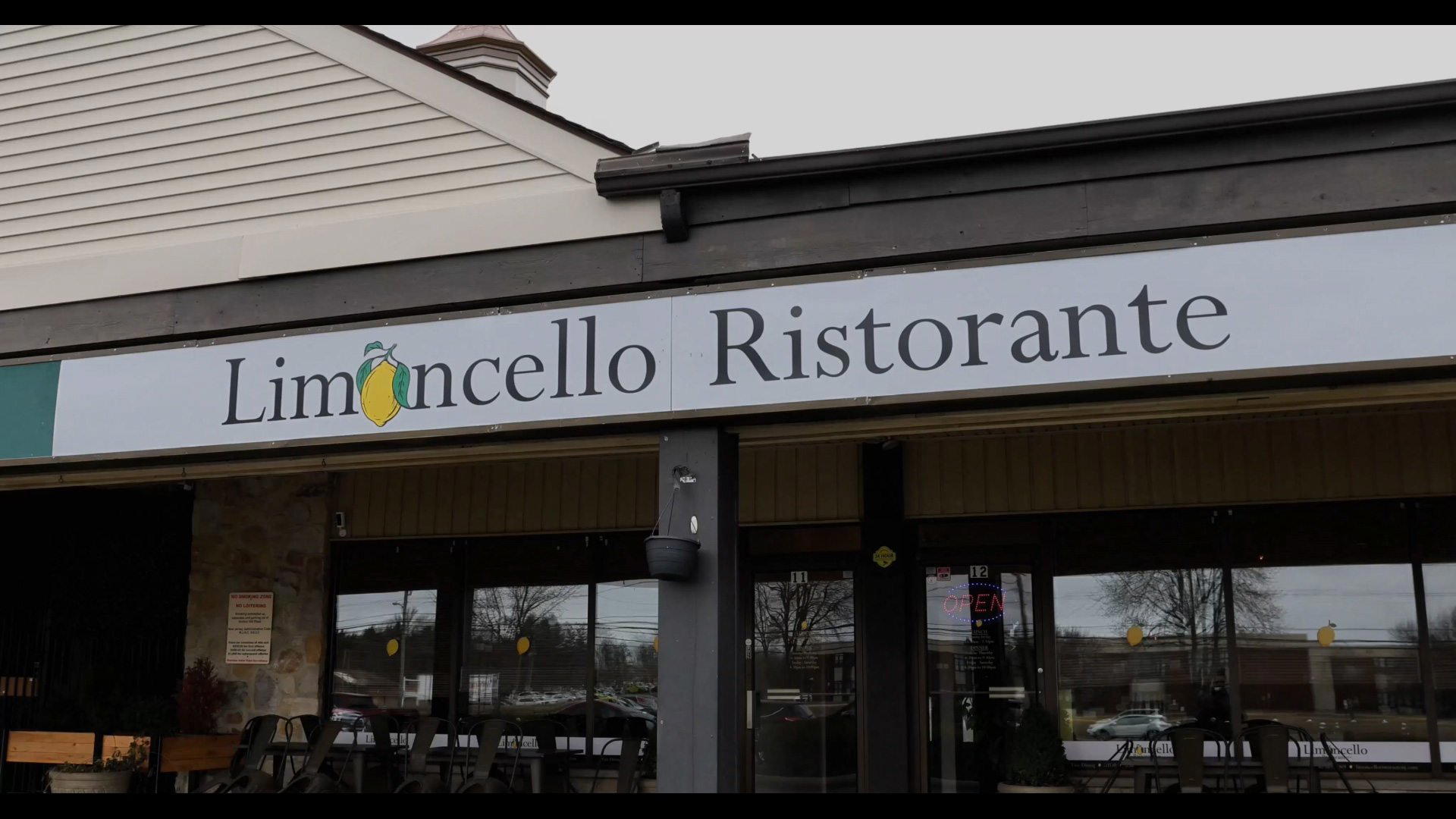
Limoncello sits on Hurffville-Cross Keys Road in Sewell, New Jersey, occupying a stretch of South Jersey that has quietly developed a dependable local dining scene. The Italian-inflected name signals the kitchen's regional allegiance, and the restaurant draws a consistent crowd from the surrounding Gloucester County communities. For context on the broader Sewell dining picture, see our full Sewell restaurants guide.

Pearl is the En Primeur Club membership app — saves, bookings, and concierge access live there. Same editors, same standards.
- Address
- 508 Hurffville - Cross Keys Rd, Sewell, NJ 08080
- Phone
- (856) 589-6969
- Hours
- Mon–Thu 11:30 AM–2:30 PM, 4–9 PMFri 11:30 AM–2:30 PM, 3:30–10 PMSat 3:30–10 PMSun 3:30–9:30 PM
- Website
- limoncelloristorantenj.com
- Directions
- Get directions
- Booking
- Book on OpenTable
The menu
What to order
- Pappardelle a Modo Mio
- Calamari Limoncello
South Jersey's Italian Table: Where Limoncello Fits In
South Jersey has long operated in the shadow of Philadelphia's dining reputation, but the communities along the 42 corridor, from Deptford through Sewell and into Washington Township, have built a restaurant culture that answers to local demand rather than critical fashion. The kitchens here tend to draw on Italian-American tradition, fresh produce from the farms that still run through Gloucester County, and a room-temperature understanding of hospitality that feels closer to a family table than a ticketed dining experience. Limoncello, at 508 Hurffville-Cross Keys Road in Sewell, sits inside that tradition.
The name itself is a geographical signal. Limoncello, the southern Italian digestif made from the zest of Sorrento lemons, carries clear Campanian and Sicilian associations, pointing toward the kind of Italian-American cooking that arrived in South Jersey through generations of immigration from Naples, Palermo, and the surrounding regions. That lineage matters at a table level: it shapes what appears on the plate, how sauces are built, and which ingredients a kitchen treats as non-negotiable. Across the American dining spectrum, you can see the difference between Italian restaurants that treat the cuisine as a delivery system for caloric volume and those that track back to sourcing and technique. The better end of that divide is where South Jersey's more serious kitchens try to operate.
For readers who want to compare across the full range of American fine dining, the ingredient-sourcing conversation is most advanced at places like Blue Hill at Stone Barns in Tarrytown, where the farm-to-table relationship is architecturally literal, or Single Thread Farm in Healdsburg, where the kitchen and the farm operate as a single organism. At the other end of the same principle, The French Laundry in Napa and Le Bernardin in New York City treat ingredient provenance as a matter of kitchen credibility rather than marketing. The Italian-American dining tradition that Limoncello draws from has its own version of this: the insistence on San Marzano tomatoes, Parmigiano-Reggiano rather than a domestic substitute, and olive oil sourced from a specific region rather than a generic blend.
The Room and the Feeling of It
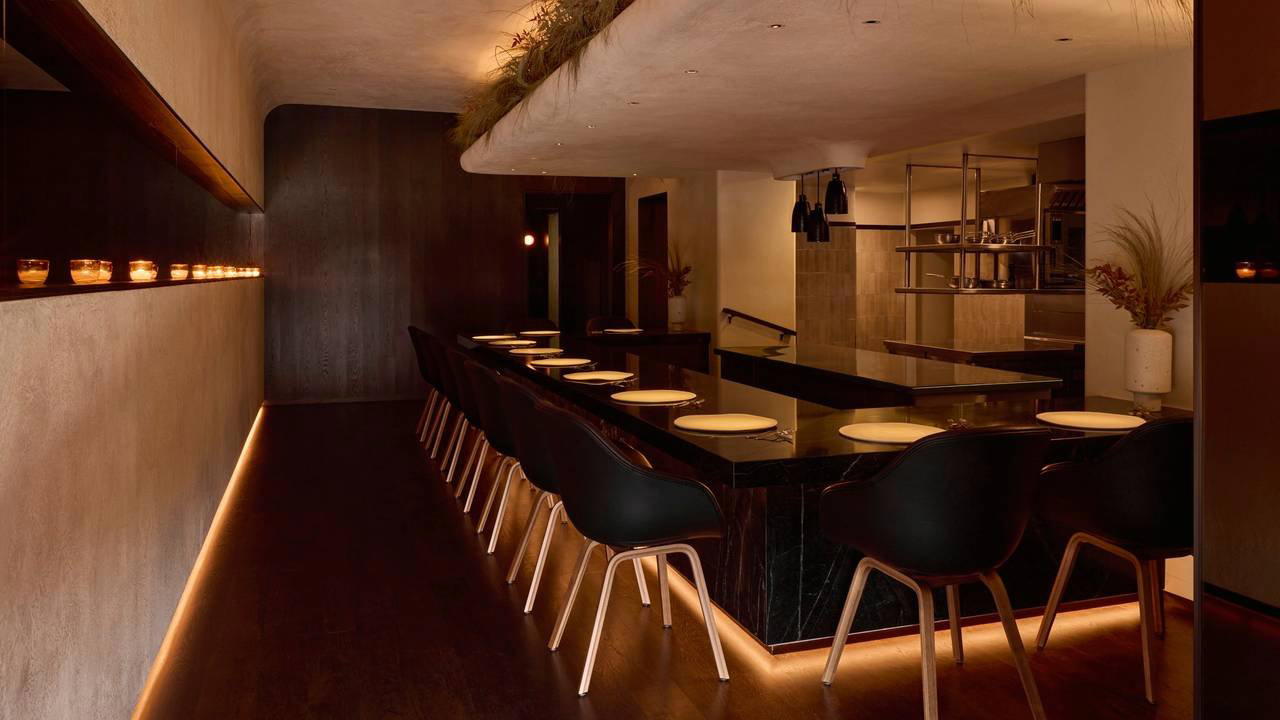
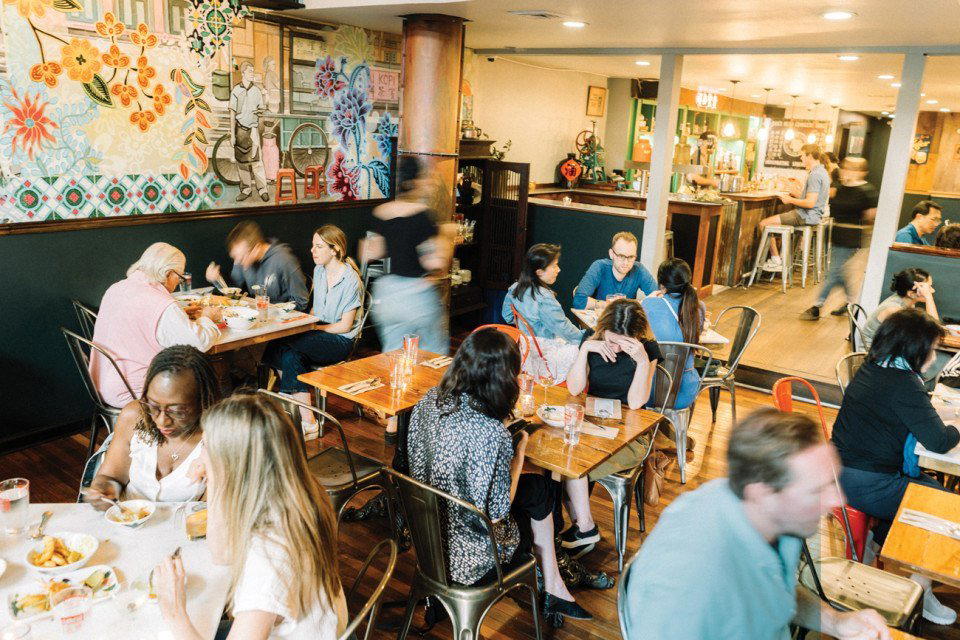
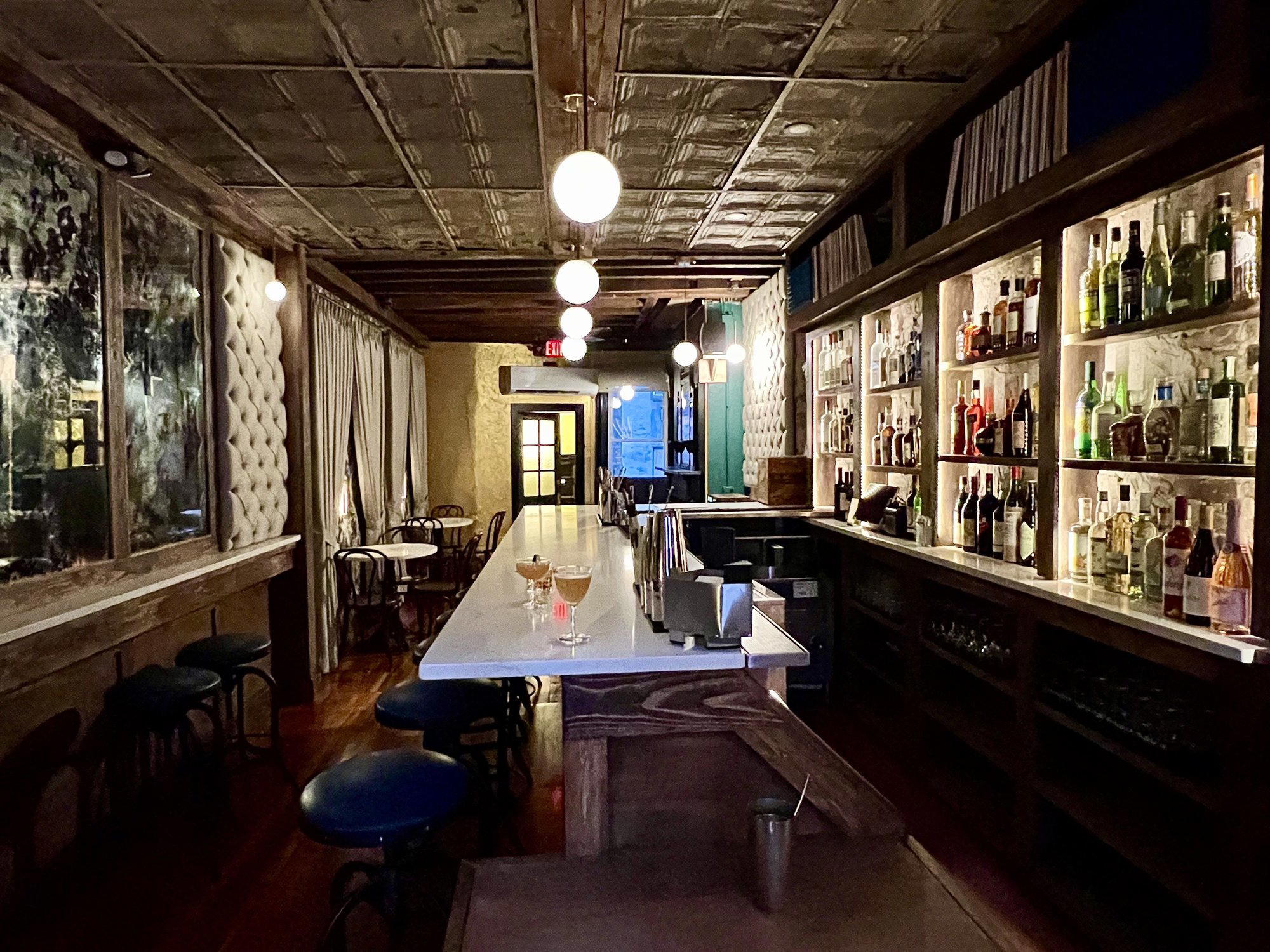
Restaurants in suburban South Jersey tend to read as one of two things: either the strip-mall utility format, where the room is purely functional and the food is expected to carry the experience, or the more considered dining-room approach, where the physical environment is part of the proposition. The Hurffville-Cross Keys Road address places Limoncello in a commercial corridor that serves Washington Township and the surrounding neighborhoods, an area built for car-dependent accessibility rather than pedestrian discovery. That context is neither a criticism nor an apology; it describes the geography of how South Jersey eats. The reader approaching Limoncello should expect an experience calibrated to the community it serves: comfortable, familiar in register, and oriented around the meal itself rather than around spectacle.
The Italian-American dining room at this level typically favors warm lighting, tableclothed surfaces, and a noise level that permits conversation, the kind of environment where a table of four can talk through an entire bottle of wine without competing with a DJ set or an open kitchen's percussion. That format is not a retreat from ambition; it is a different kind of ambition, one that Frasca Food and Wine in Boulder has demonstrated can be executed at a serious level while remaining genuinely hospitable.
Ingredient Logic in the Italian-American Kitchen
The editorial angle that matters most at a restaurant like Limoncello is not the acreage of any particular farm relationship but the cumulative sourcing decisions that separate a kitchen that cooks from primary ingredients and one that assembles from prepared inputs. In South Jersey, the farm infrastructure is genuinely present: Gloucester County has active agricultural operations, and the region sits within reasonable proximity to Philadelphia's wholesale markets, which draw from Pennsylvania Dutch country produce as well as mid-Atlantic coastal fisheries. A kitchen paying attention to that supply chain has real material to work with.
Italian cooking, in its most grounded form, is one of the world's more ingredient-transparent cuisines. The dish counts are low, the technique is restrained, and the quality of the raw material reads directly in the finished plate. A tomato sauce reveals its tomatoes. A pasta reveals its flour and its egg. A branzino reveals whether it was sourced with care. This transparency is either an advantage or a liability depending on what a kitchen chooses to source, which is why the sourcing question is the right lens through which to assess Italian-American restaurants at any price point. Comparable conversations happen at very different scales: Addison in San Diego and Providence in Los Angeles both build serious ingredient provenance into their identities, and regionally, Bacchanalia in Atlanta has maintained farm-sourcing commitments across decades of operation.
For a Sewell restaurant, the more relevant regional comparison is Terra Nova, the other anchor of the local dining conversation and a venue that draws a similar demographic for event dining and weekend meals. The two restaurants operate in the same community and share a customer base, but they approach the Italian-American tradition from slightly different angles. See our full Sewell restaurants guide for a mapped comparison of the two alongside other options in the area.
Planning a Visit
Sewell is reached most naturally by car, via the Route 42 freeway from Philadelphia or the surrounding South Jersey highway network. The Hurffville-Cross Keys Road address is accessible without difficulty from Washington Township, Deptford, and Turnersville, and the drive from central Philadelphia runs roughly thirty to forty minutes depending on traffic. This is standard practice for any suburban dining destination where hours and reservation requirements may shift seasonally or with staffing.
Readers interested in the broader American fine dining conversation around sourcing and technique will find additional reference points at Lazy Bear in San Francisco, Alinea in Chicago, Emeril's in New Orleans, The Inn at Little Washington, Causa in Washington, D.C., Brutø in Denver, Atomix in New York City, and 8 1/2 Otto e Mezzo Bombana in Hong Kong for international perspective on Italian fine dining at its most technically ambitious.
Frequently asked questions
Does Limoncello work for a family meal?
Limoncello's South Jersey suburban setting, on Hurffville-Cross Keys Road in Sewell, positions it squarely as a neighborhood dining destination rather than a destination tasting room. That context typically suits family gatherings well, with a format oriented toward shared tables and multi-course Italian-American meals. Call ahead to confirm current table availability for larger parties.
What should I expect atmosphere-wise at Limoncello?
The address at 508 Hurffville-Cross Keys Road in Sewell places Limoncello within South Jersey's suburban dining corridor, where restaurants tend to lean toward comfortable, lived-in rooms rather than high-design interiors. Expect something warmer and more personal than a chain dining room, but without the formality of a Center City Philadelphia reservation. The experience reads closer to a neighborhood trattoria than a special-occasion showcase.
Is Limoncello in Sewell a good option for date night in Gloucester County?
For Gloucester County residents looking for an Italian dinner outside the Philadelphia orbit, Limoncello at 508 Hurffville-Cross Keys Road in Sewell offers a local alternative without the bridge toll or city parking math. The Italian-American format suits an unhurried evening meal, and Sewell's suburban setting keeps the experience low-friction. Confirming hours and reservation availability directly with the restaurant before going is advisable.
What's the best thing to order at Limoncello?
What the Italian-American kitchen format in this part of South Jersey historically does well is pasta and red-sauce staples built on cumulative sourcing relationships rather than single-farm marketing. When you visit, ask the floor staff what's running as a daily special.
What's the address for Limoncello?
Limoncello is located at 508 Hurffville - Cross Keys Rd, Sewell, NJ 08080, Sewell.
Do I need a reservation for Limoncello?
EP Club does not currently hold booking policy data for Limoncello at 508 Hurffville-Cross Keys Road, Sewell, NJ 08080. For weekend dinners along the Route 42 corridor, South Jersey Italian restaurants in this category typically see heavier traffic on Friday and Saturday evenings, so calling ahead is the more reliable approach than walking in.
What's the standout thing about Limoncello?
Limoncello occupies a specific role in South Jersey's dining geography: a sit-down Italian-American table in Sewell serving a community that has historically driven into Philadelphia or Cherry Hill for that kind of meal. That local positioning, along the Hurffville-Cross Keys Road corridor, is itself a practical distinction for the surrounding Gloucester County neighborhoods.
Side-by-Side Snapshot
Comparable venues nearby, for context on price, style, and recognition.
| Venue | Cuisine | Price | Notes |
|---|---|---|---|
| LimoncelloThis venue — the venue you are viewing | Authentic Italian with Lemon Twist | $30–50 | Not listed |
| Terra Nova | Contemporary American Fusion | Not listed | Sewell |
| Allora Italian Kitchen | Modern Italian | $20–30 | Marlton |
| Lucia's Bistro | Italian Bistro | $20–30 | downtown Pitman |
| Luna Rossa Biagio Lamberti | Homestyle Italian | $20–30 | Sicklerville |
| Osteria 545 | Modern Italian Trattoria | Not listed | Paulsboro |
Details
- Cozy
- Classic
- Date Night
- Family
- Special Occasion
- Open Kitchen
- Byob
- Local Sourcing
- A La Carte
Current opening hours
- Monday
- 11:30 AM–2:30 PM, 4–9 PM
- Tuesday
- 11:30 AM–2:30 PM, 4–9 PM
- Wednesday
- 11:30 AM–2:30 PM, 4–9 PM
- Thursday
- 11:30 AM–2:30 PM, 4–9 PM
- Friday
- 11:30 AM–2:30 PM, 3:30–10 PM
- Saturday
- 3:30–10 PM
- Sunday
- 3:30–9:30 PM
Hours can change for holidays and private events. Last verified .
Cozy and inviting with lively Italian charm.