Our verdict
On the Adriatic edge of Pescara, Lido delle Sirene occupies a position that says something about how this city relates to its coastline. The address places it squarely in the tradition of Abruzzo's seafront dining, where the distance between the catch and the plate is measured in minutes rather than miles. For travellers who track ingredient provenance as closely as they track reservations, this is where that discipline plays out on the Pescara waterfront.

Pearl is the En Primeur Club membership app — saves, bookings, and concierge access live there. Same editors, same standards.
- Address
- Piazza le Laudi, 2, 65129 Pescara PE, Italy
- Phone
- +39398561809
- Hours
- Mon ClosedTue–Sat 12:30–2:30 PM, 8–11 PMSun 12:30–2:30 PM
- Website
- lespaillotes.it
- Directions
- Get directions
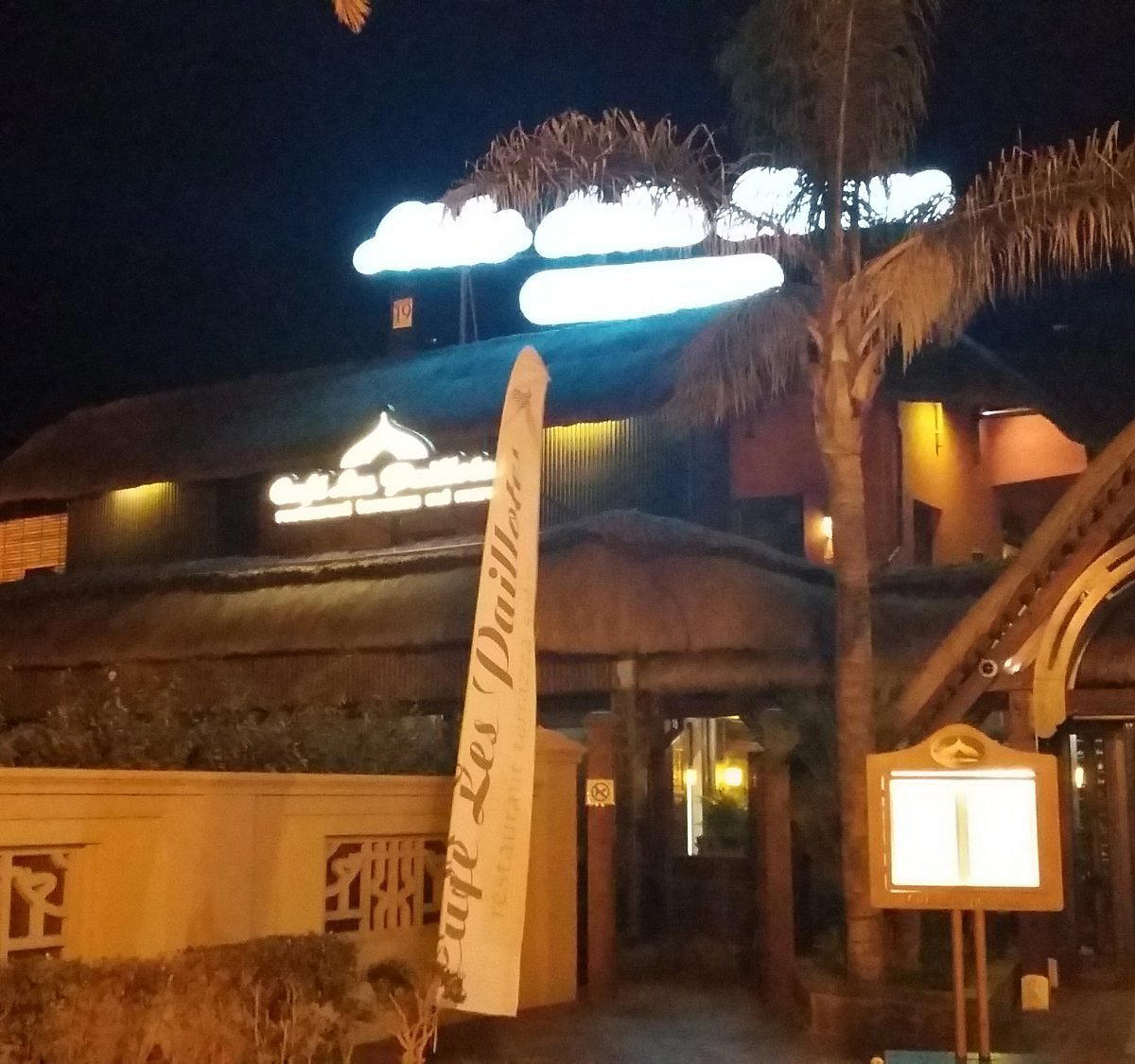
Where the Adriatic Sets the Menu
Pescara's relationship with the Adriatic is not decorative. The city's fishing fleet has worked these waters for generations, and the leading seafood tables in town are positioned not by postcode but by how faithfully they translate that catch into something coherent on the plate. Lido delle Sirene, at Piazza le Laudi 2, sits at the point where the city's urban fabric meets the shore, a location that carries its own implicit argument: proximity to the source is not incidental, it is structural.
Across the Adriatic coast, from Senigallia south through Pescara and beyond, a consistent tension runs between restaurants that perform regionalism and those that practice it. Uliassi in Senigallia has made that distinction into a three-Michelin-star conversation. Further down the peninsula, Quattro Passi in Marina del Cantone anchors its identity in Campanian coastal sourcing with similar conviction. Lido delle Sirene operates in the same coastal tradition, in a city that has not yet attracted the level of critical attention those addresses command, which is part of what makes the Pescara waterfront worth examining on its own terms.
Ingredient Logic on the Adriatic Shore
The Adriatic is a shallower, colder sea than the Tyrrhenian on Italy's opposite coast, and that physical fact produces a different larder. Scampi, sea bass, cuttlefish, and the small, intensely flavoured clams that Abruzzo kitchens have long relied on come from waters that change character across seasons. The discipline of a coastline restaurant like Lido delle Sirene is determined, in large part, by whether the kitchen submits to that seasonality or engineers around it.
Abruzzo's culinary tradition is sometimes misread as purely mountain-facing, built around lamb, saffron from L'Aquila, and the chilli-forward sauces of the interior. The coast tells a parallel story. The brodetto, the region's version of fish stew, varies from port to port along the Abruzzese shoreline, with Pescara claiming its own proportions and aromatics. That dish, wherever it appears in the region, is a direct index of what the boats brought in and what the kitchen did with it the same day. It is one of the more honest formats in Italian regional cooking.
Within Pescara's current restaurant tier, the range runs from single-euro trattorie focused on raw Adriatic shellfish to the more produced modern cuisine at Café Les Paillotes, which sits at the higher end of the city's price band. Lido delle Sirene occupies a waterfront address that positions it in the coastal-experience bracket, a category where the view is part of the context but should not be the substance of the meal.
Pescara in the Wider Italian Seafood Conversation
Italy's serious seafood restaurants have clustered recognition at a handful of addresses that now function as reference points for the category. Le Bernardin in New York City offers a useful external calibration: a kitchen that has spent decades arguing that fish cookery demands as much technical rigour as any meat-focused haute cuisine. In Italy, Reale in Castel di Sangro approaches Abruzzo's ingredients, including its coastal produce, through a contemporary lens that has earned sustained critical notice. What those addresses share is a clear position on provenance: the sourcing decision precedes and shapes every technical choice in the kitchen.
That framing matters for reading Pescara's waterfront restaurants accurately. A city of this size on the Adriatic coast, with direct access to one of Italy's more productive fishing zones, should produce seafood restaurants of genuine quality. The question worth asking of any Pescara address is not whether fish appears on the menu, but how specifically the kitchen is connected to where that fish came from and on what morning.
For comparison within the city, SOMS approaches Abruzzo cuisine through a regionalist lens, while Estrò works the contemporary bracket at a lower price point. Donna Tina and Nole fill out the Italian contemporary range, each with distinct positioning. Lido delle Sirene's waterfront site differentiates it physically from those addresses, even before the food is considered.
The Broader Stakes of Coastal Dining in Abruzzo
Abruzzo has drawn increasing attention from the kind of traveller who tracks ingredient-driven cooking across Italy's less-amplified regions. The mountains get the literary coverage, the saffron and the pecorino and the slow-cooked lamb. The Adriatic coast remains comparatively underdocumented, which creates both an opportunity and a risk: restaurants operating without the scrutiny that comes with fame can coast on location, or they can use the freedom to cook with more honesty than a spotlight-lit kitchen sometimes manages.
Italy's most awarded coastal addresses have set a clear benchmark for what serious seafood hospitality looks like. Osteria Francescana in Modena is not a seafood restaurant, but its influence on how Italian kitchens think about terroir and locality has been felt across every regional category, including coastal ones. Atelier Moessmer Norbert Niederkofler in Brunico has made hyper-local sourcing into the entire architecture of its menu. Dal Pescatore in Runate and Enoteca Pinchiorri in Florence represent a different lineage, one where classical Italian hospitality depth is the primary credential. Piazza Duomo in Alba and Le Calandre in Rubano show what sustained investment in sourcing and technique produces over time. Enrico Bartolini in Milan and Atomix in New York City illustrate that the ingredient-sourcing argument has become a global organising principle, not a regional Italian one.
Against that backdrop, a waterfront address in Pescara carries a specific kind of responsibility. The Adriatic is not an abstraction here: it is visible from the table, audible in the background noise of the piazza, present in the salt character of the air. A kitchen that does not translate that proximity into something specific on the plate is missing the entire point of the location.
Planning a Visit
Lido delle Sirene is at Piazza le Laudi 2, in the coastal zone of Pescara, reachable on foot from the city's main seafront promenade. Pescara Centrale station connects the city to Rome and Bologna by direct rail, making a day or overnight visit from either direction practical. For the full context of Pescara's current restaurant range, the EP Club Pescara restaurants guide maps the city's dining tiers from trattoria level through to its more produced contemporary addresses.
Frequently asked questions
What part of town is Lido delle Sirene in?
Lido delle Sirene is located at Piazza le Laudi, 2, 65129 Pescara PE, Italy, Pescara.
Is Lido delle Sirene a good choice for a seafood lunch in Pescara when arriving by train?
Pescara Centrale station connects the city to Rome and other major rail corridors, and Piazza le Laudi 2 — Lido delle Sirene's address — sits in the coastal zone reachable on foot from the main seafront promenade. That proximity makes a midday visit practical for travellers arriving by rail without a car. Pescara's Adriatic position means the kitchen works with a different catch profile than restaurants further inland in Abruzzo, where the mountain larder dominates.
What's the signature dish at Lido delle Sirene?
The kitchen at Lido delle Sirene draws from the Adriatic's specific larder — shallower and colder than the Tyrrhenian, it produces scampi, sea bass, and small crustaceans that differ markedly from what reaches plates on Italy's western coast. That kind of daily-market dependency is not a marketing position in Abruzzo — it is simply how coastal kitchens here have always worked.
How hard is it to get a table at Lido delle Sirene?
Booking details for Lido delle Sirene, including phone and website, are not listed in public directories at time of writing, which makes direct contact the practical first step — arriving at the address on Piazza le Laudi 2 in Pescara to enquire in person is a workable fallback. Pescara's serious seafood tables draw a local clientele that fills rooms quickly on weekends and during summer, when the coastal promenade is at its busiest. Visiting mid-week or outside the July–August peak improves availability at addresses of this type across the Adriatic coast.
What is Lido delle Sirene known for?
Lido delle Sirene sits within Pescara's coastal dining zone, a city whose fishing fleet has supplied restaurant kitchens here for generations. Its address at Piazza le Laudi 2 places it near the Adriatic seafront, in a part of Abruzzo that has drawn increasing attention from travellers tracking ingredient-led cooking across Italy's less-amplified regions. The venue operates in a tradition where the sea's daily output, not a fixed repertoire, determines what reaches the table.
Side-by-Side Snapshot
Comparable venues nearby, for context on price, style, and recognition.
| Venue | Cuisine | Price | Awards | Notes |
|---|---|---|---|---|
| Lido delle SireneThis venue — the venue you are viewing | Modern Adriatic Seafood | Not listed | Not listed | Not listed |
| Donna Tina | Italian Pizza | $10–20 | Not listed | Pescara |
| SOMS | Modern Abruzzese Italian | Not listed | Michelin Plate | heart of Pescara |
| Café Les Paillotes | Modern Italian Seafood | $30–50 | Michelin Plate | Pescara center |
| Trieste Pizza | Abruzzese Pizzette (Pan Pizza) | $10–20 | Not listed | Lungomare (Beachfront) |
| Nole | Modern Italian Seafood | $30–50 | Michelin Bib Gourmand | Pescara Centro |
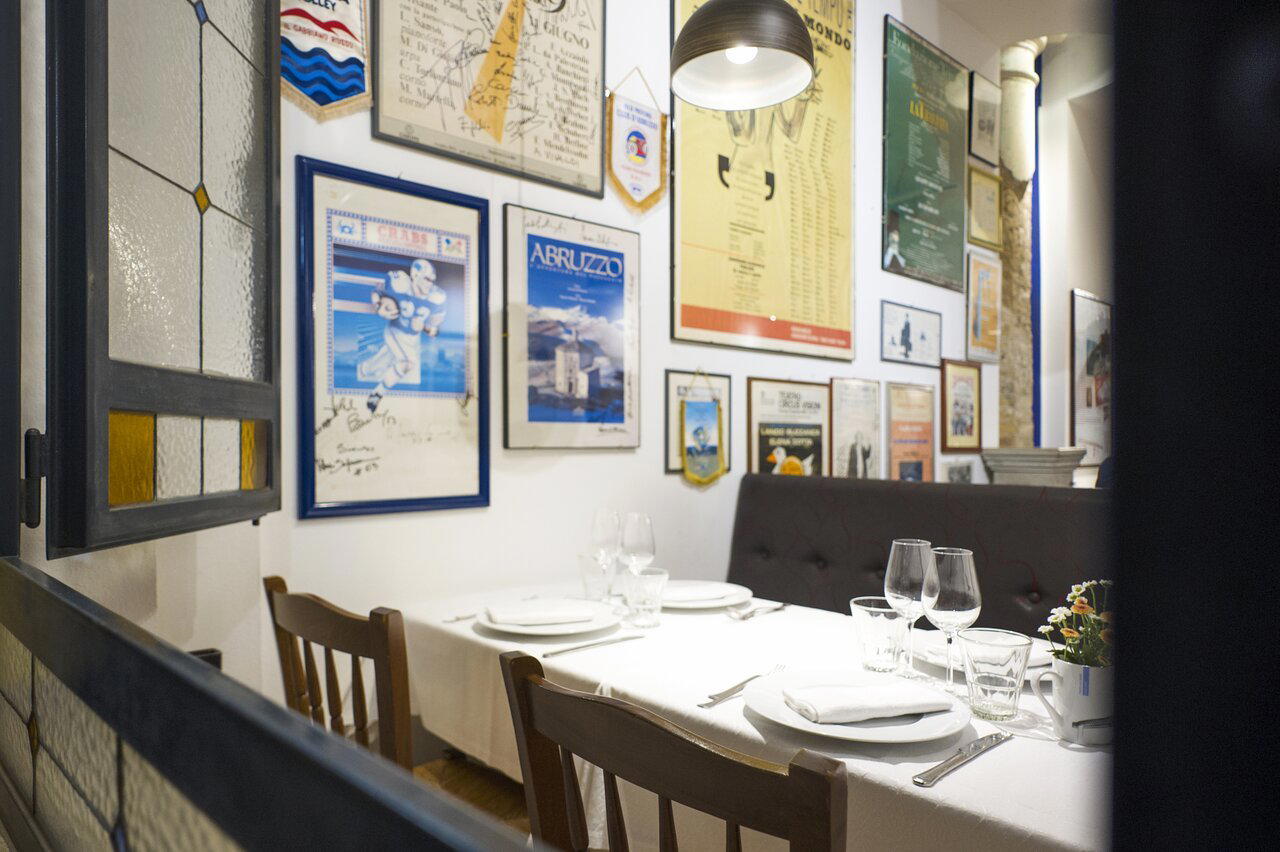
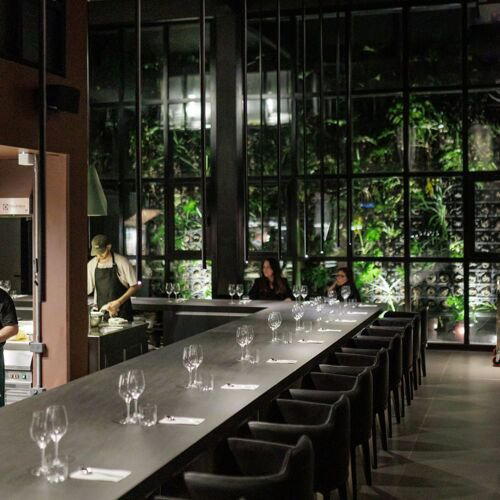
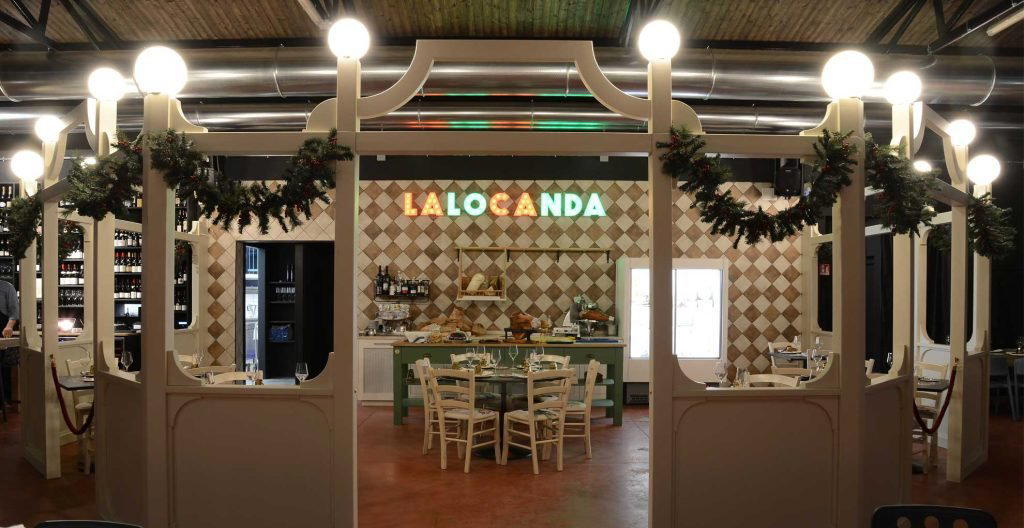
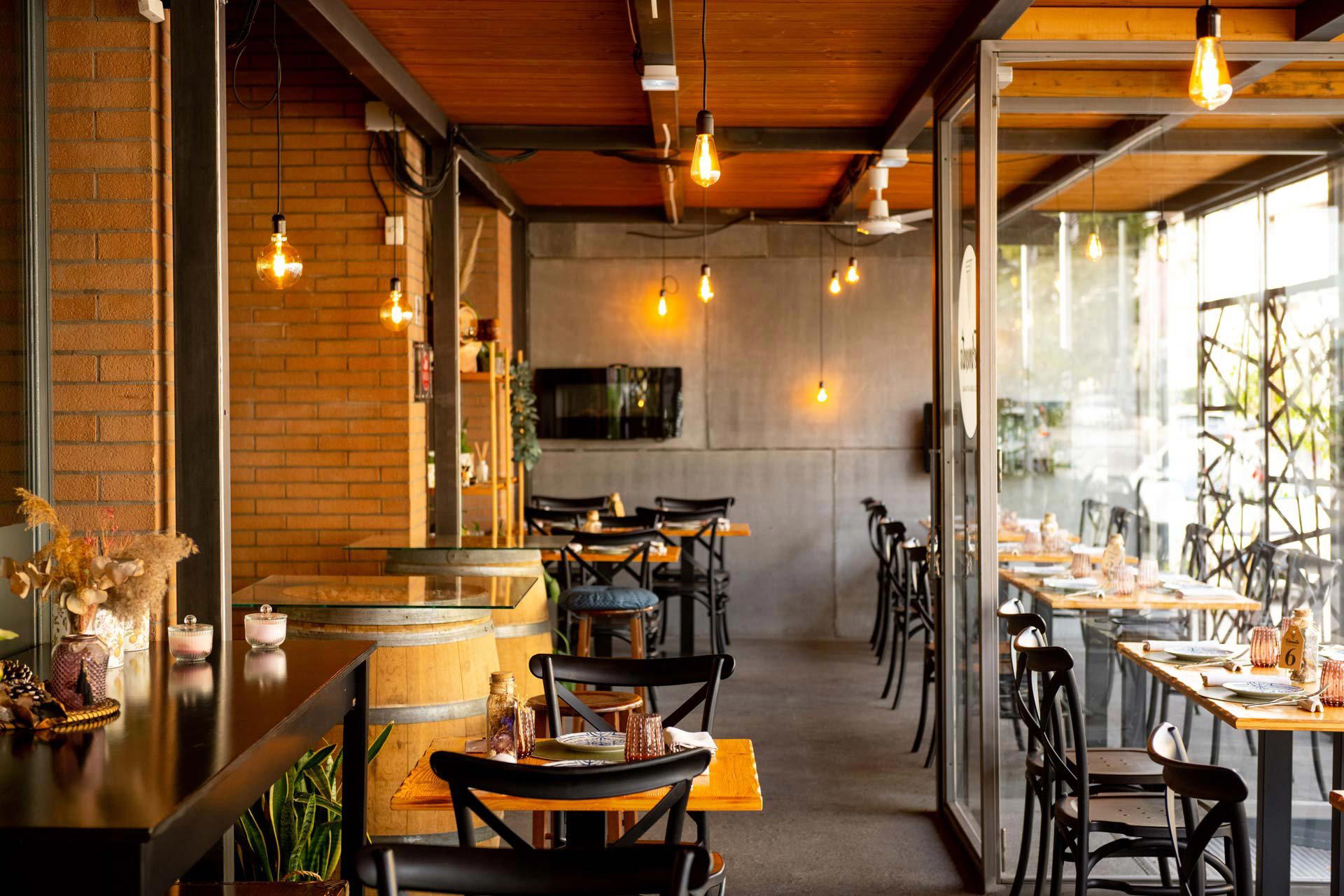
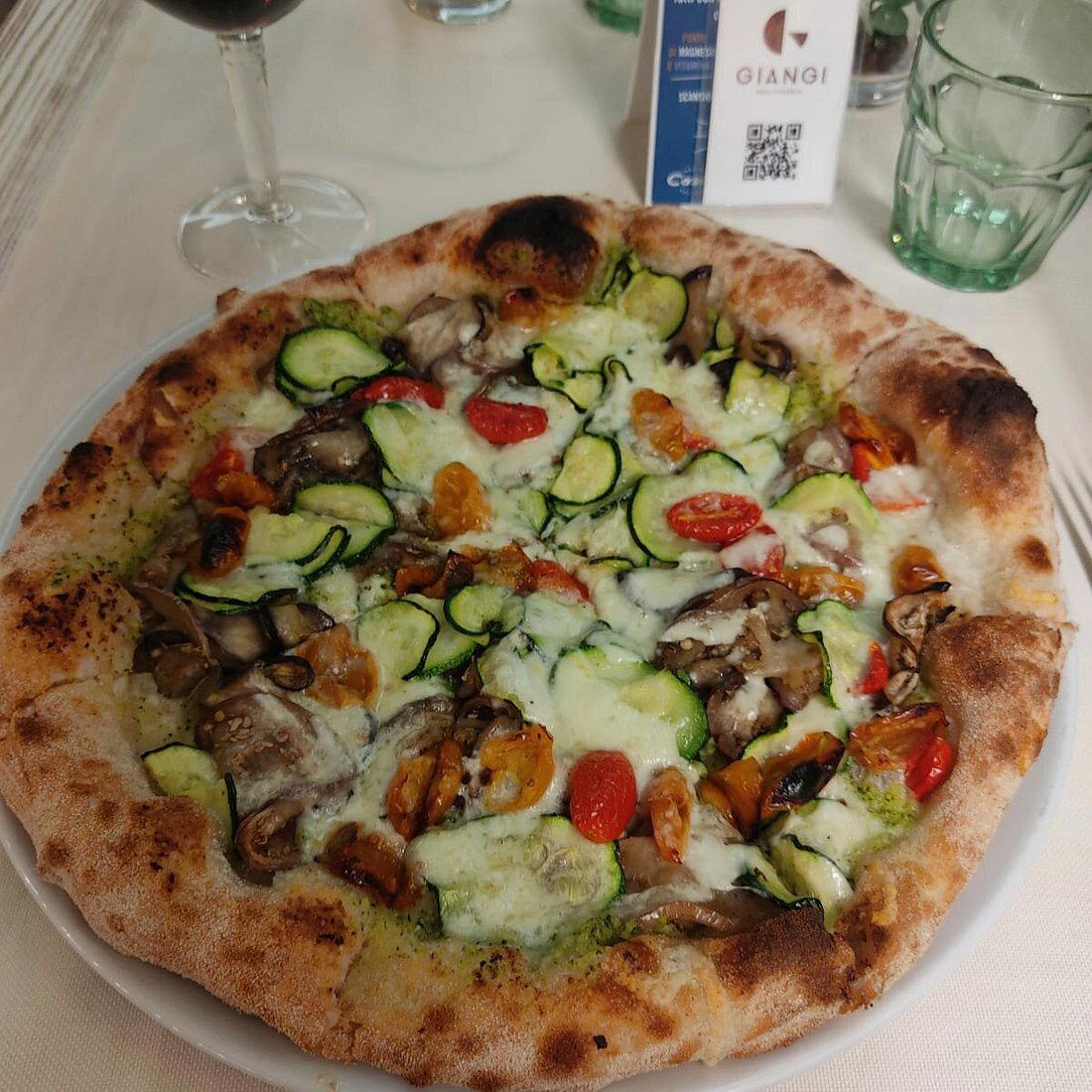
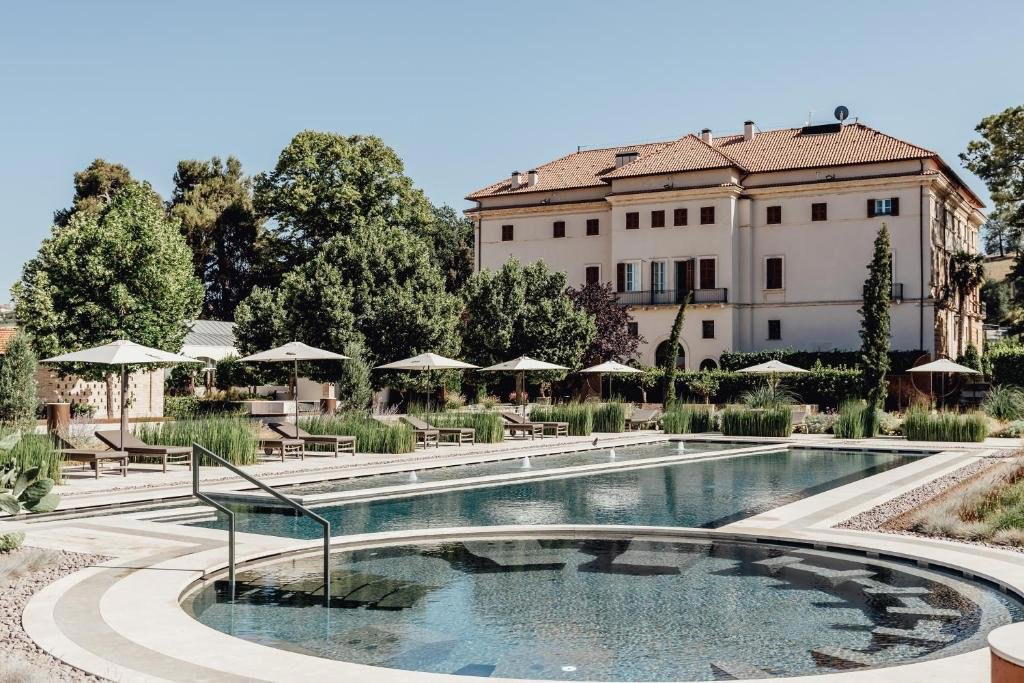

Lido delle Sirene
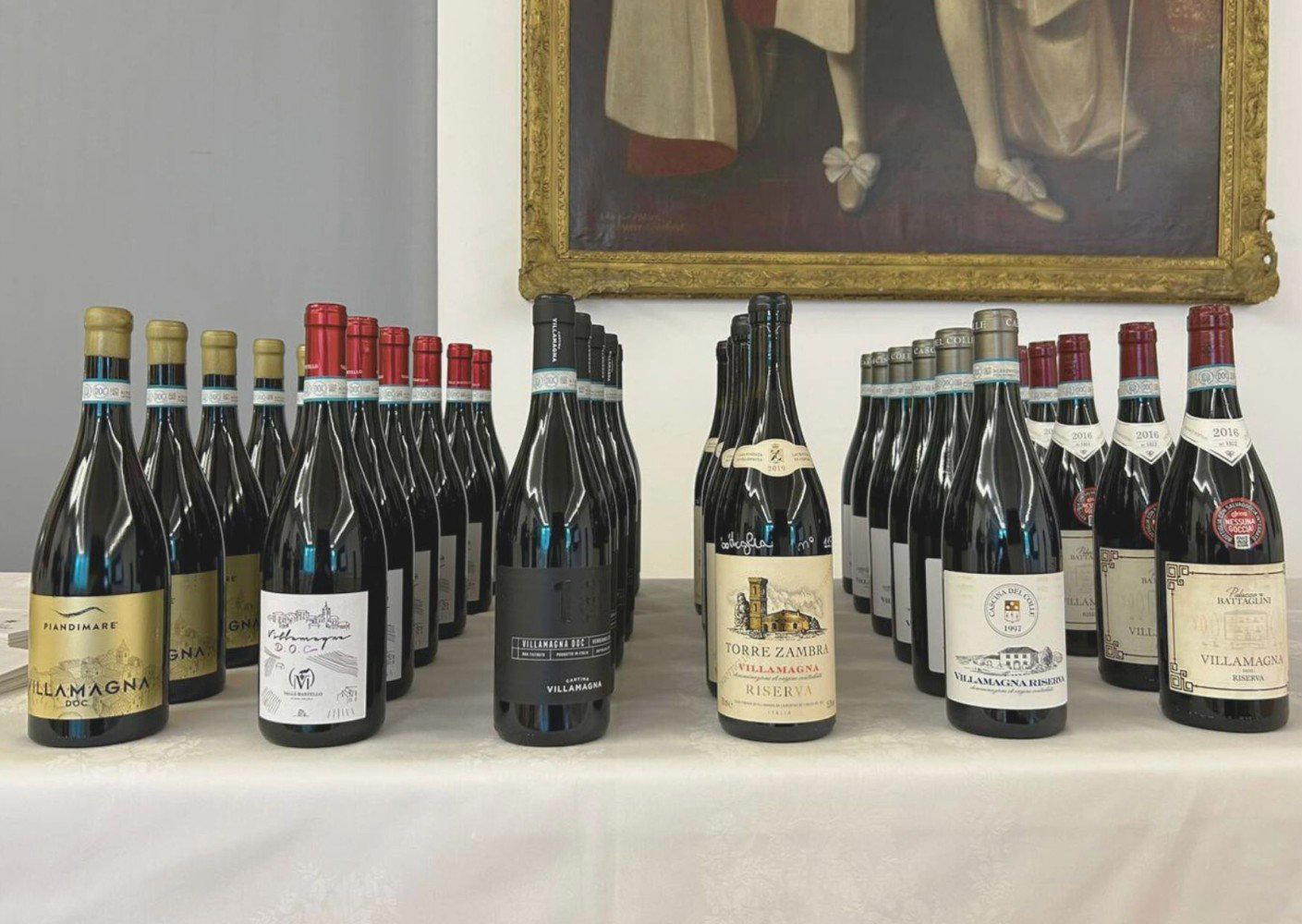
The wine
- Wine program
- Exceptional wine program
- Extensive wine list
Details
- Elegant
- Scenic
- Sophisticated
- Intimate
- Date Night
- Special Occasion
- Waterfront
- Terrace
- Extensive Wine List
- Waterfront
- A La Carte
Current opening hours
- Monday
- Closed
- Tuesday
- 12:30–2:30 PM, 8–11 PM
- Wednesday
- 12:30–2:30 PM, 8–11 PM
- Thursday
- 12:30–2:30 PM, 8–11 PM
- Friday
- 12:30–2:30 PM, 8–11 PM
- Saturday
- 12:30–2:30 PM, 8–11 PM
- Sunday
- 12:30–2:30 PM
Hours can change for holidays and private events. Last verified .
Rich and warm internal rooms with Moroccan chandeliers, low lights, wall mirrors, and refined equipment creating a chic, atmospheric environment.