L'ID

L'ID sits on Rue du Château in Lingolsheim, a few kilometres southwest of Strasbourg, holding a Michelin Plate in both 2024 and 2025 for its modern cuisine at mid-range prices. The recognition places it among the more serious neighbourhood tables in the greater Alsace dining corridor, where the competition includes some of France's most decorated regional rooms. At the €€ price point, the Michelin acknowledgement carries real weight.
Pearl is the En Primeur Club membership app — saves, bookings, and concierge access live there. Same editors, same standards.
- Address
- 11 Rue du Château, 67380 Lingolsheim, France
- Phone
- +33 3 88 78 40 48
- Website
- restaurant-id.com
- Directions
- Get directions
 Saves & bookings on Pearl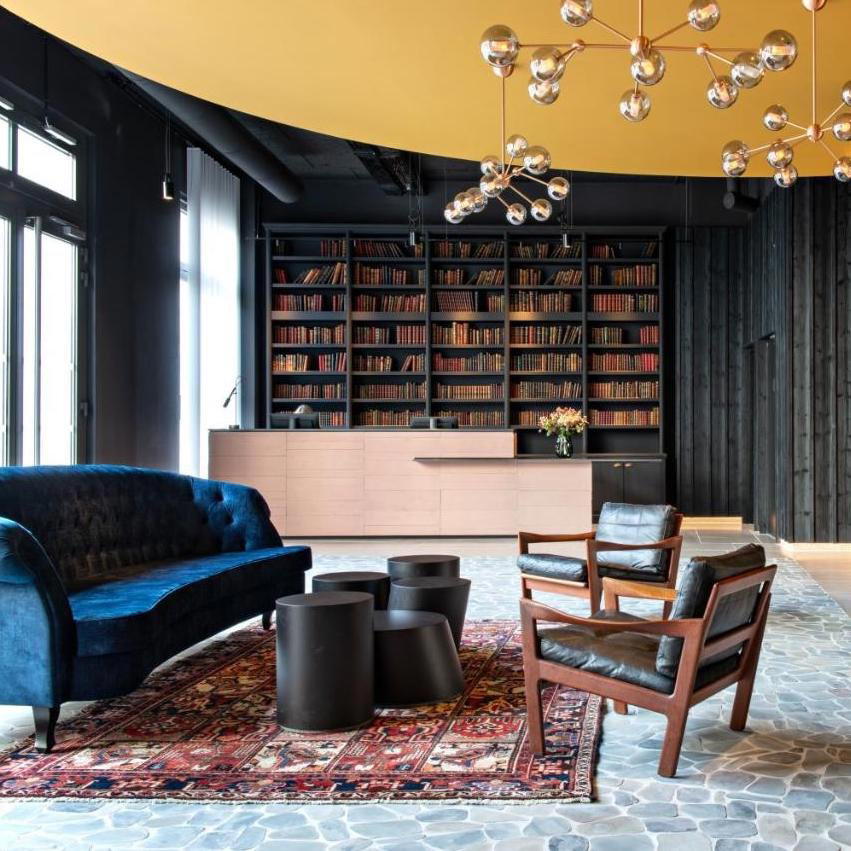
A Suburban Address With Something to Prove
The communes that ring Strasbourg rarely attract the same critical attention as the city centre, where rooms like Au Crocodile carry decades of institutional reputation. Lingolsheim, a few kilometres to the southwest along the Rhine plain, is a working residential town rather than a culinary destination, and 11 Rue du Château gives nothing away from the street. That suburban quietness is, in a sense, the point: the dining rooms that earn recognition in these peripheral zones do so on plate quality alone, without the foot-traffic advantage or tourist infrastructure that sustains central-city establishments.
L'ID has held a Michelin Plate in consecutive years, 2024 and 2025, which in Michelin's current vocabulary signals cooking that inspires quality and care. In the broader Alsace context, that credential matters. The region anchors one of France's densest concentrations of Michelin-recognised dining, from the three-starred Auberge de l'Ill in Illhaeusern to a deep bench of single-star and Plate-level rooms spread across the department. Within that field, a sustained Plate at a €€ price point represents a deliberate positioning: serious cooking made accessible rather than cooking that aspires toward the luxury-tier brackets occupied by rooms like Mirazur or Alléno Paris au Pavillon Ledoyen.
Alsace as a Source Region
Modern cuisine in Alsace sits at a productive intersection. The agricultural output of the Rhine plain, the forested Vosges to the west, and the cross-border access to Baden-Württemberg's producers create a source environment that French chefs elsewhere would consider an advantage worth relocating for. Alsatian cooking has historically drawn on this density, from the choucroute traditions fed by local cabbage and pork to the freshwater fish of the Ill and Rhine rivers. Contemporary kitchens in the region, including those operating at the modern cuisine register rather than the classical Alsatian one, inherit that sourcing infrastructure.
This matters when reading a €€ modern cuisine address. Mid-range pricing in a region with strong local supply chains often means shorter distance from producer to plate, which can outperform the imported-luxury ingredients that characterise rooms like Assiette Champenoise in Reims or the coastal sourcing models at AM par Alexandre Mazzia in Marseille. The Vosges foothills supply game, mushrooms, and dairy at proximity. Market gardens on the plain between Strasbourg and Colmar have supplied Alsatian professional kitchens for generations. A neighbourhood restaurant operating at the Michelin Plate level in this geography has access to the same supplier networks as far larger operations, and the €€ format suggests that efficiency in sourcing contributes directly to the pricing model.
The Modern Cuisine Register in a Regional Context
Modern cuisine as a category is broad enough to require unpacking in any specific regional context. In Alsace, it tends to mean cooking that has moved away from the cream-heavy classical codes of traditional winstub fare while retaining an instinct for local ingredients and seasonal rhythm. It does not mean the molecular or hyper-conceptual approaches associated with some €€€€ creative rooms. Closer analogies exist in the mid-tier rooms of the Rhône Valley or the Languedoc, where chefs trained in classical technique apply that discipline to local product with less formal ceremony than starred gastronomy requires.
The Michelin Plate, rather than a star, often signals cooking at this register: technically sound, locally anchored, without the theatrical presentation or the extended tasting format that pushes rooms into higher price brackets. Comparable trajectories have played out at places like Bras in Laguiole, which built its identity around terroir-driven sourcing before accumulating star recognition, or at Flocons de Sel in Megève, where Alpine sourcing became the conceptual spine of the menu. At the Plate level and the €€ price point, L'ID operates with fewer resources but within a similar logic: regional product, applied technique, recognisable cooking rather than spectacle.
At the further end of that spectrum internationally, rooms like Frantzén in Stockholm or FZN by Björn Frantzén in Dubai demonstrate how modern cuisine can scale toward ultra-premium formats; L'ID operates in the opposite direction, where accessibility rather than exclusivity defines the offer.
Sitting in the Lingolsheim Picture
For visitors already in or around Strasbourg, the practical case for Lingolsheim is direct: the town is within easy reach of the city centre, and the absence of a destination-dining premium in the address contributes to the €€ pricing.
Planning around L'ID fits naturally into a broader Alsace itinerary. The region supports several days of serious eating across a range of price points and styles, and Lingolsheim makes a logical stop for a lunch or dinner that does not require the booking lead times or budget allocation of the major starred addresses.
Comparison Snapshot
Comparable venues nearby, for context on price, style, and recognition.
| Venue | Cuisine | Price | Awards | Notes |
|---|---|---|---|---|
| L'IDThis venue — the venue you are viewing | Modern French Cuisine | $$$ | Michelin Plate | Not listed |
| Léonor | Modern French Alsatian | $$$ | Michelin Plate | Centre |
| Bord'eau | Modern French Bistronomic | $$$ | Michelin Plate | La Petite Venise |
| Restaurant du Musée | Contemporary French Terroir Bistro | $$$ | Michelin Plate | Fréland |
| À l'Agneau | Refined Alsatian French Gastronomy | $$$ | Michelin Plate | Val de Moder |
| Blue Flamingo | Modern French Fusion | $$$ | Michelin Plate | Neudorf |
Recognition history
Dated appearances from independent guides and award organizations, with the underlying list record or original source where available.
Michelin Plate
Michelin
Michelin Plate
Michelin
Michelin Plate
Michelin
Continue exploring
More in Lingolsheim
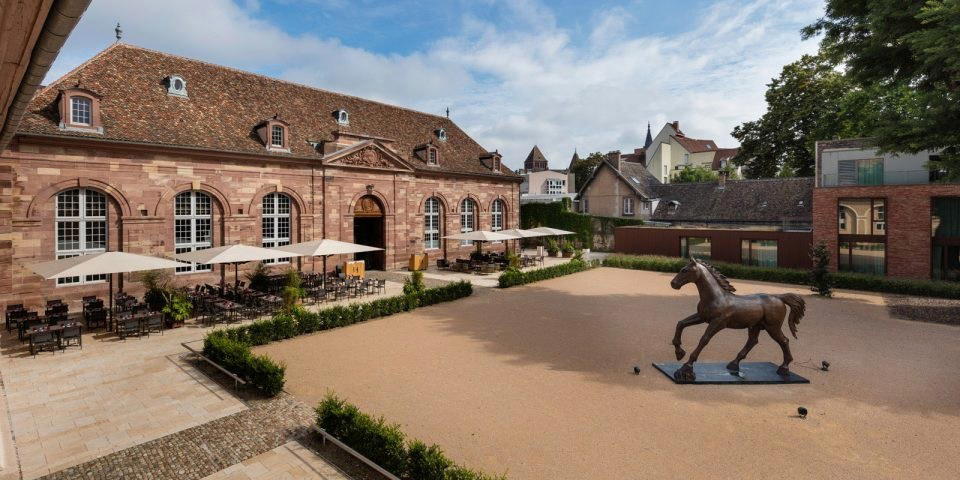
Restaurants in Lingolsheim
Browse all →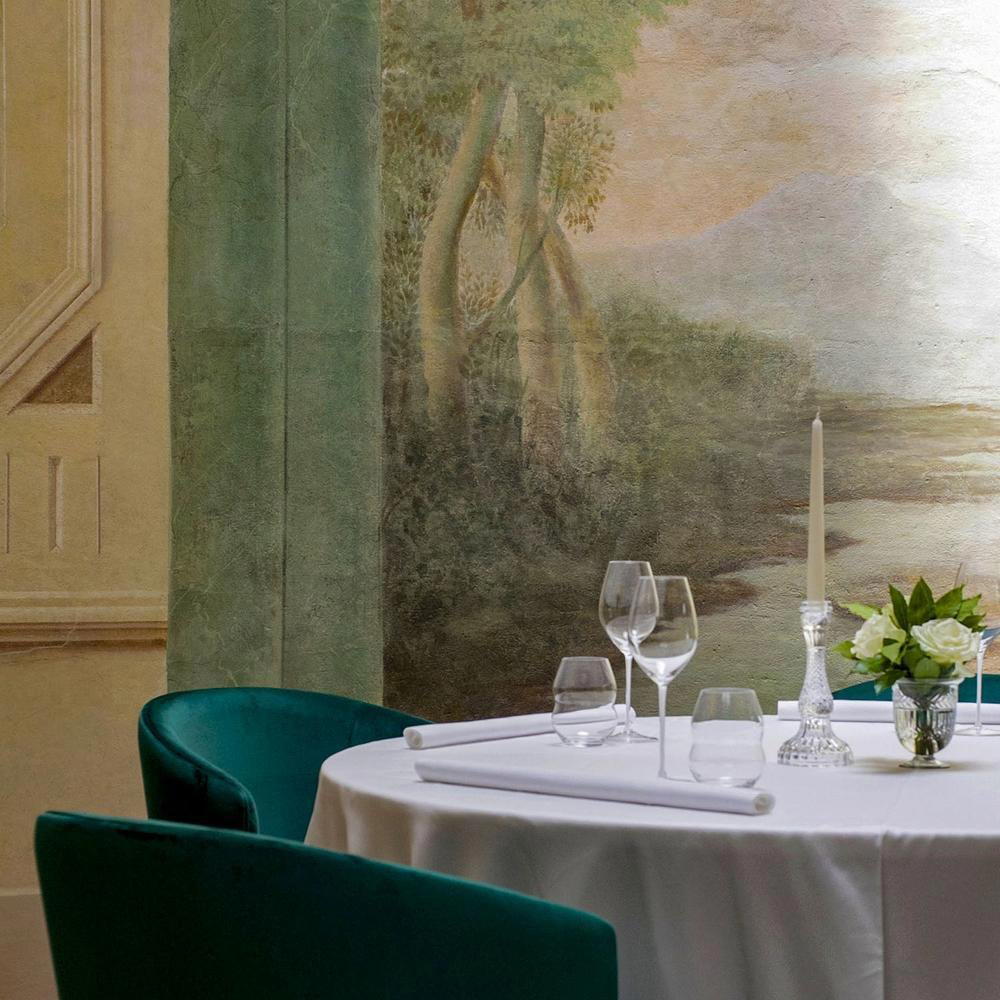

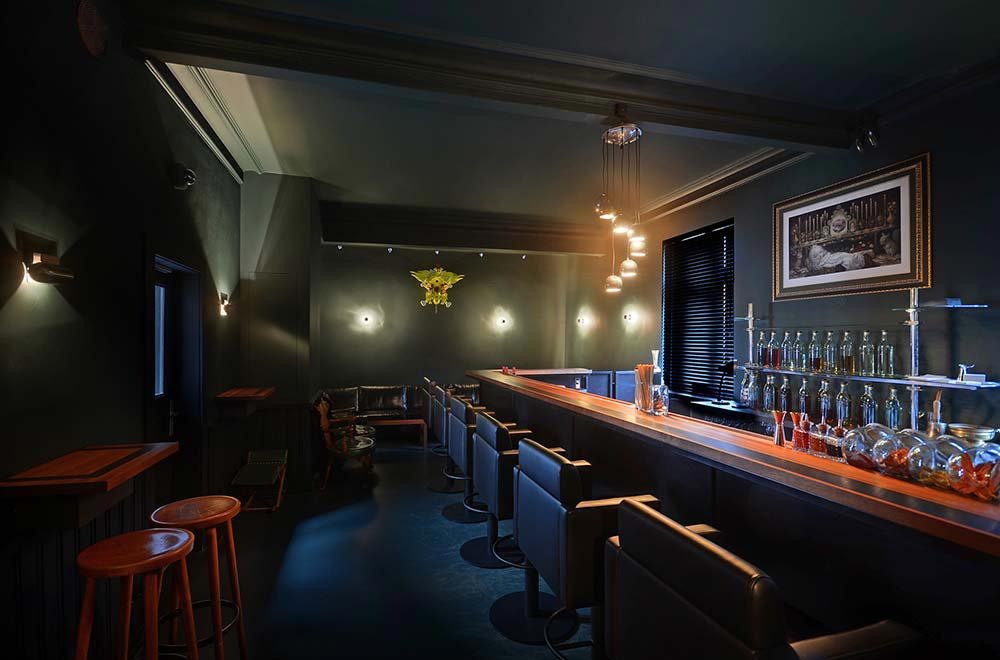
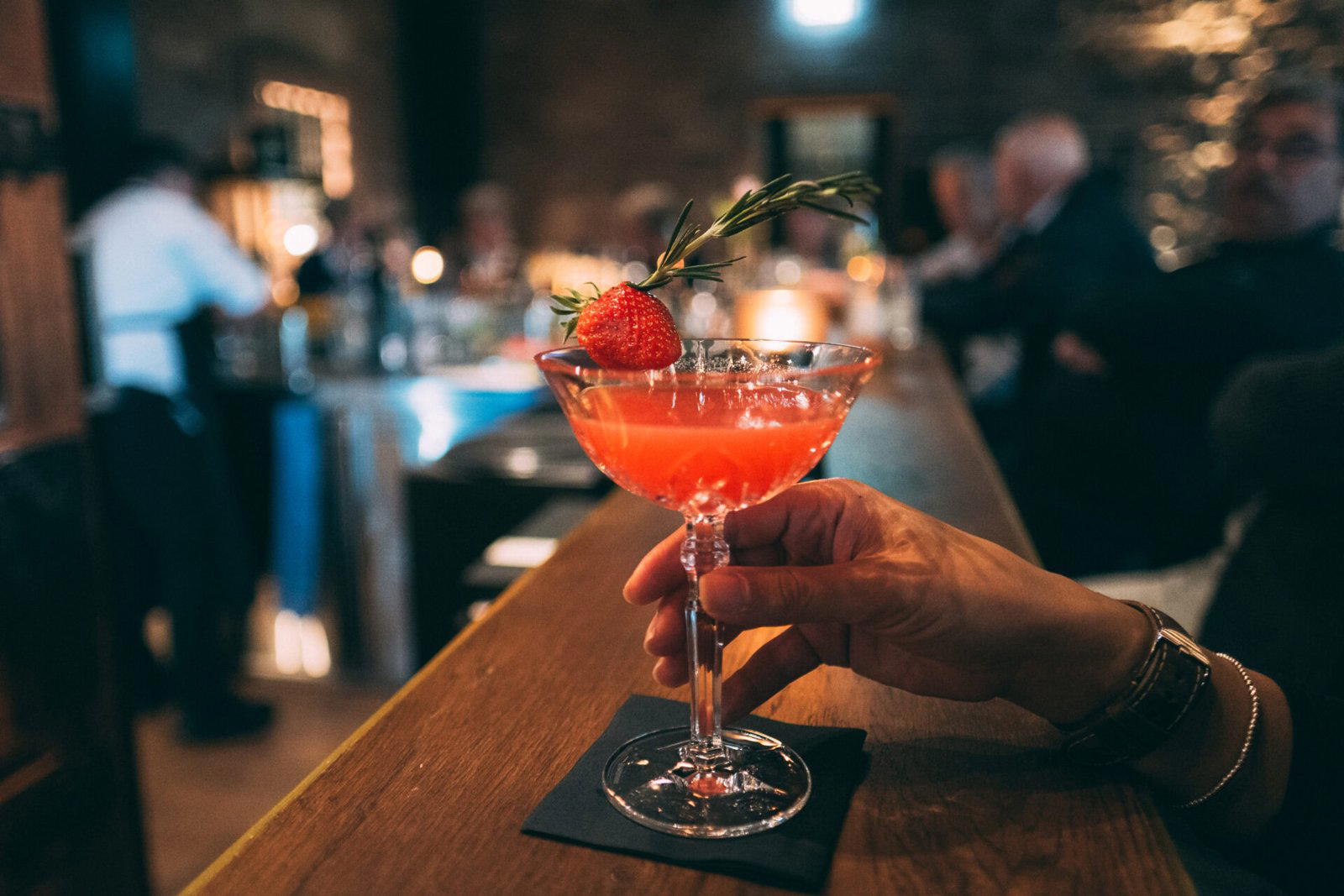
Bars in Lingolsheim
Browse all →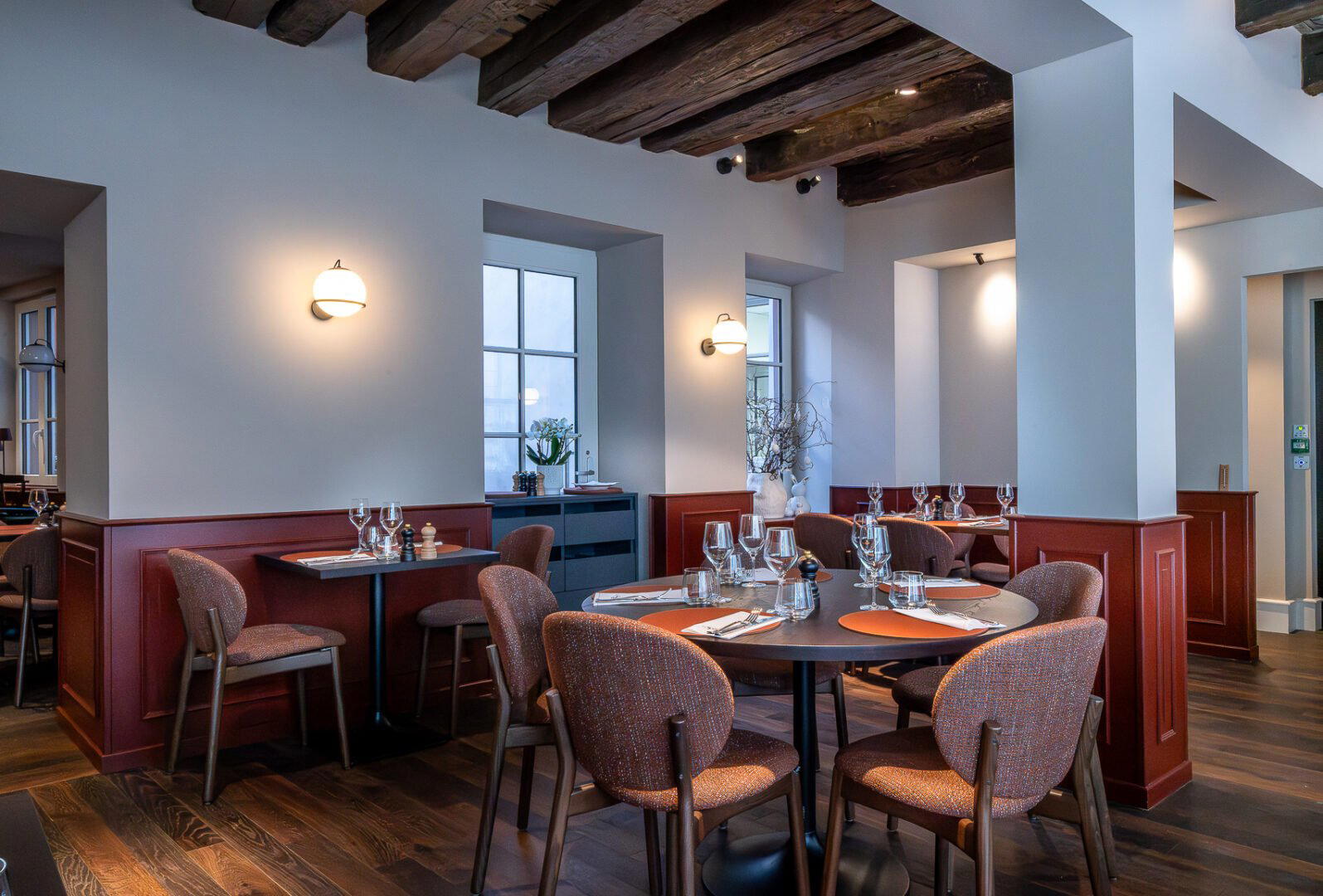
Hotels in Lingolsheim
Browse all →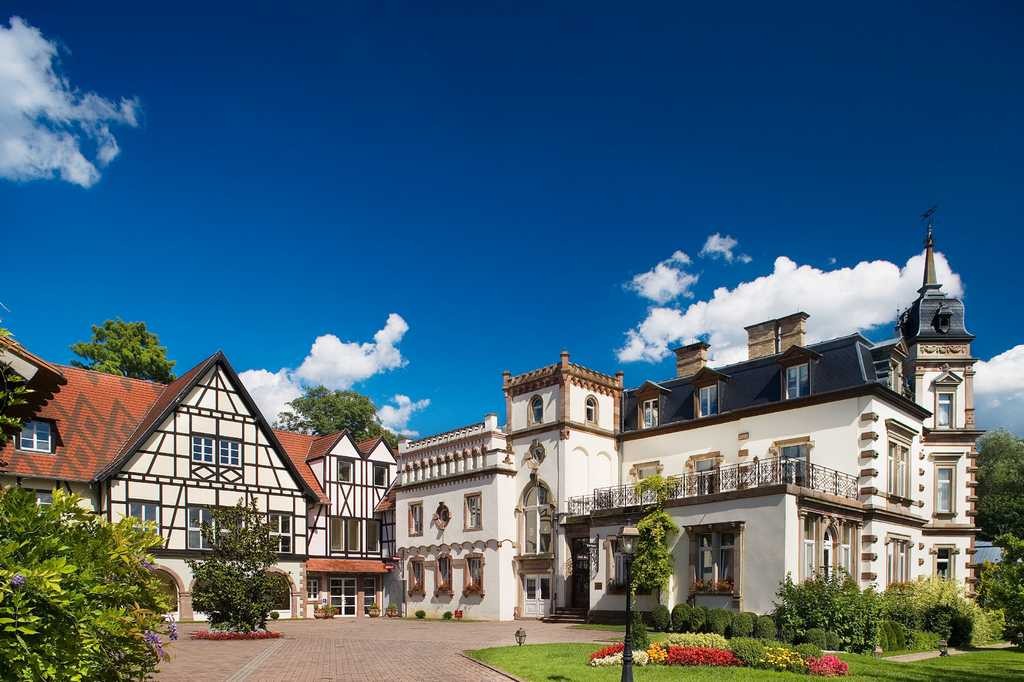
At a Glance
- Elegant
- Cozy
- Sophisticated
- Intimate
- Date Night
- Special Occasion
- Historic Building
- Terrace
- Local Sourcing
Current opening hours
- Monday
- Closed
- Tuesday
- 12–1:30 PM, 7–9 PM
- Wednesday
- 12–1:30 PM, 7–9 PM
- Thursday
- 12–1:30 PM, 7–9 PM
- Friday
- 12–1:30 PM, 7–9 PM
- Saturday
- 12–1:30 PM, 7–9 PM
- Sunday
- Closed
Hours can change for holidays and private events. Last verified .
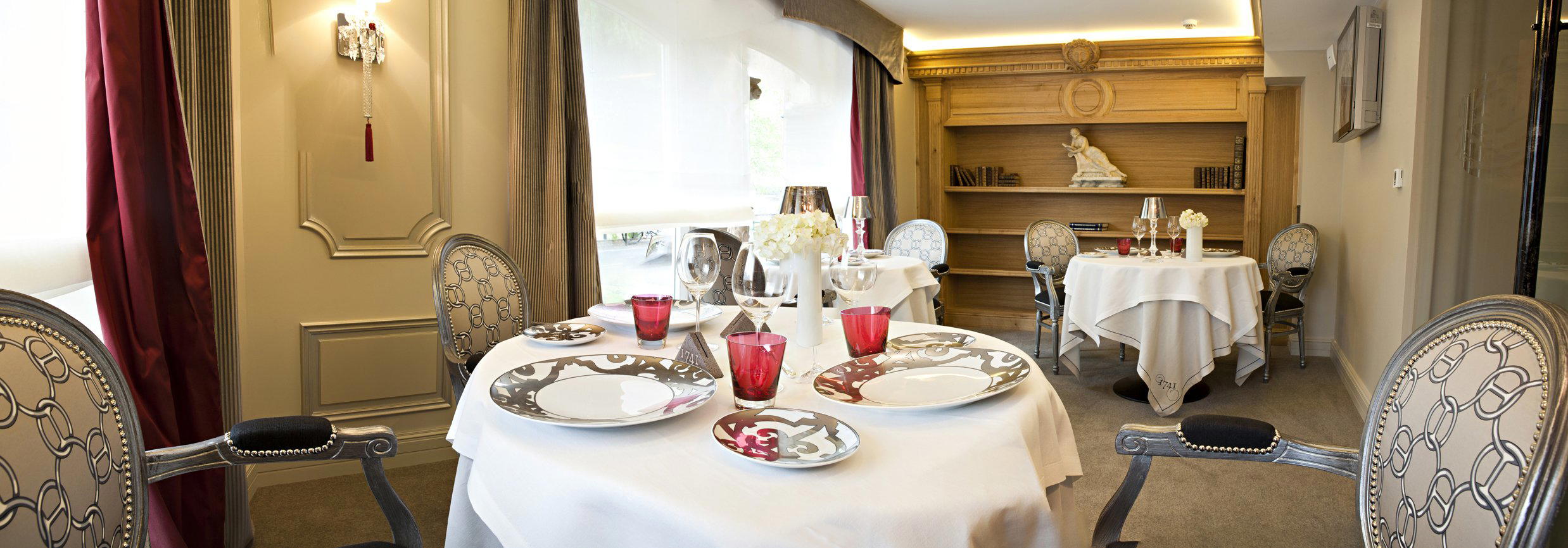
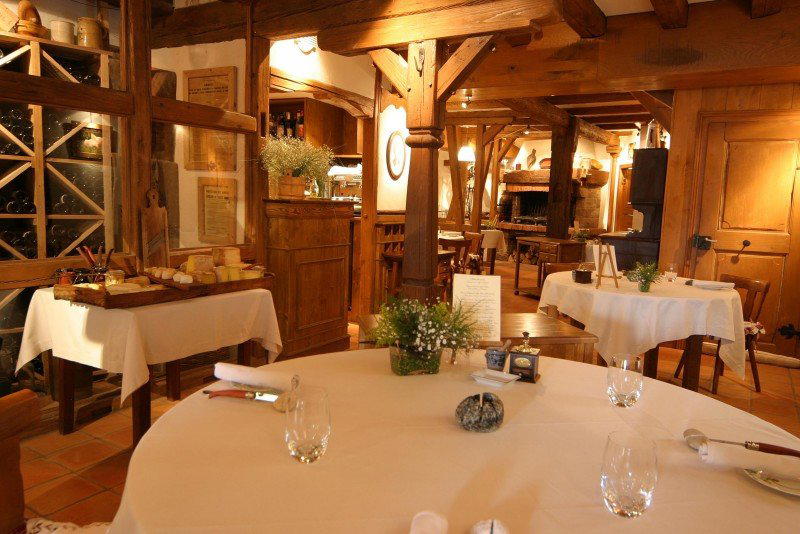
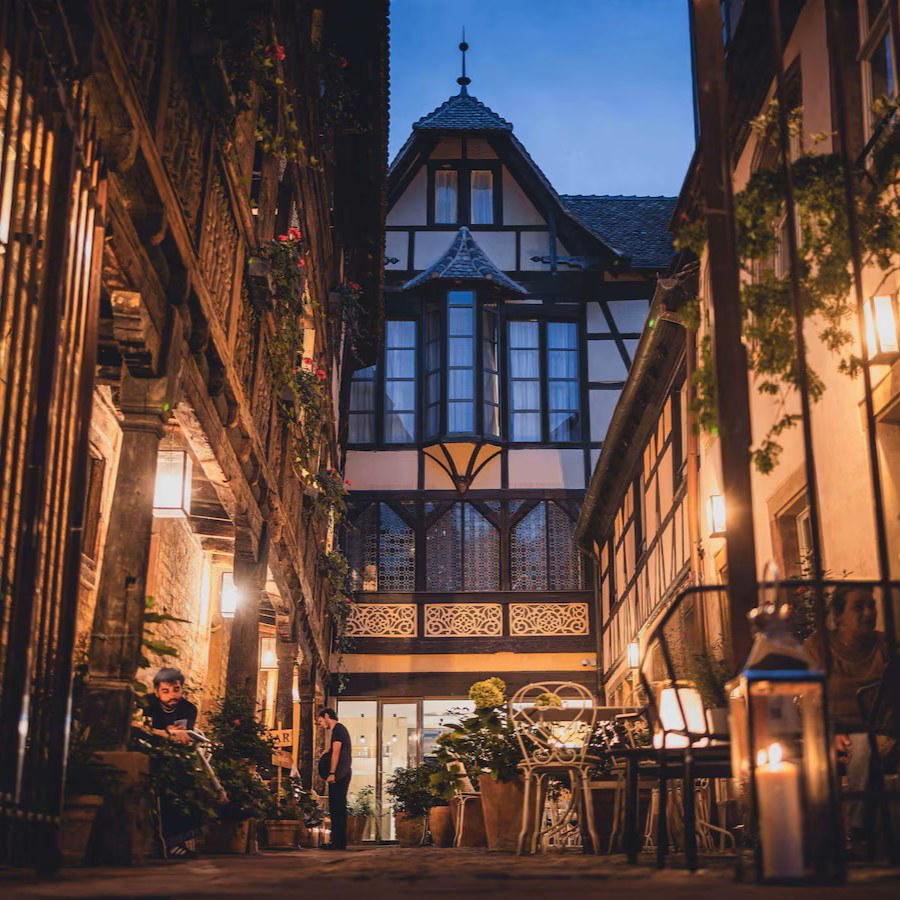
Muted contemporary interior in a historic building with warm, cozy, and elegant atmosphere praised by guests.