Liban Restaurante occupies a quiet address on Carrer de l'Equador in Les Corts, one of Barcelona's more residential and less restaurant-dense districts. The kitchen draws on a neighbourhood dining tradition that sits apart from the Eixample circuit, making it a reference point for locals rather than a destination driven by award-season visibility. Daytime and evening service follow different rhythms, each with its own logic and appeal.
Pearl is the En Primeur Club membership app — saves, bookings, and concierge access live there. Same editors, same standards.
- Address
- Carrer de l'Equador, 29, Les Corts, 08029 Barcelona, Spain
- Phone
- +34934190956
- Website
- restauranteliban.com
- Directions
- Get directions
 Saves & bookings on Pearl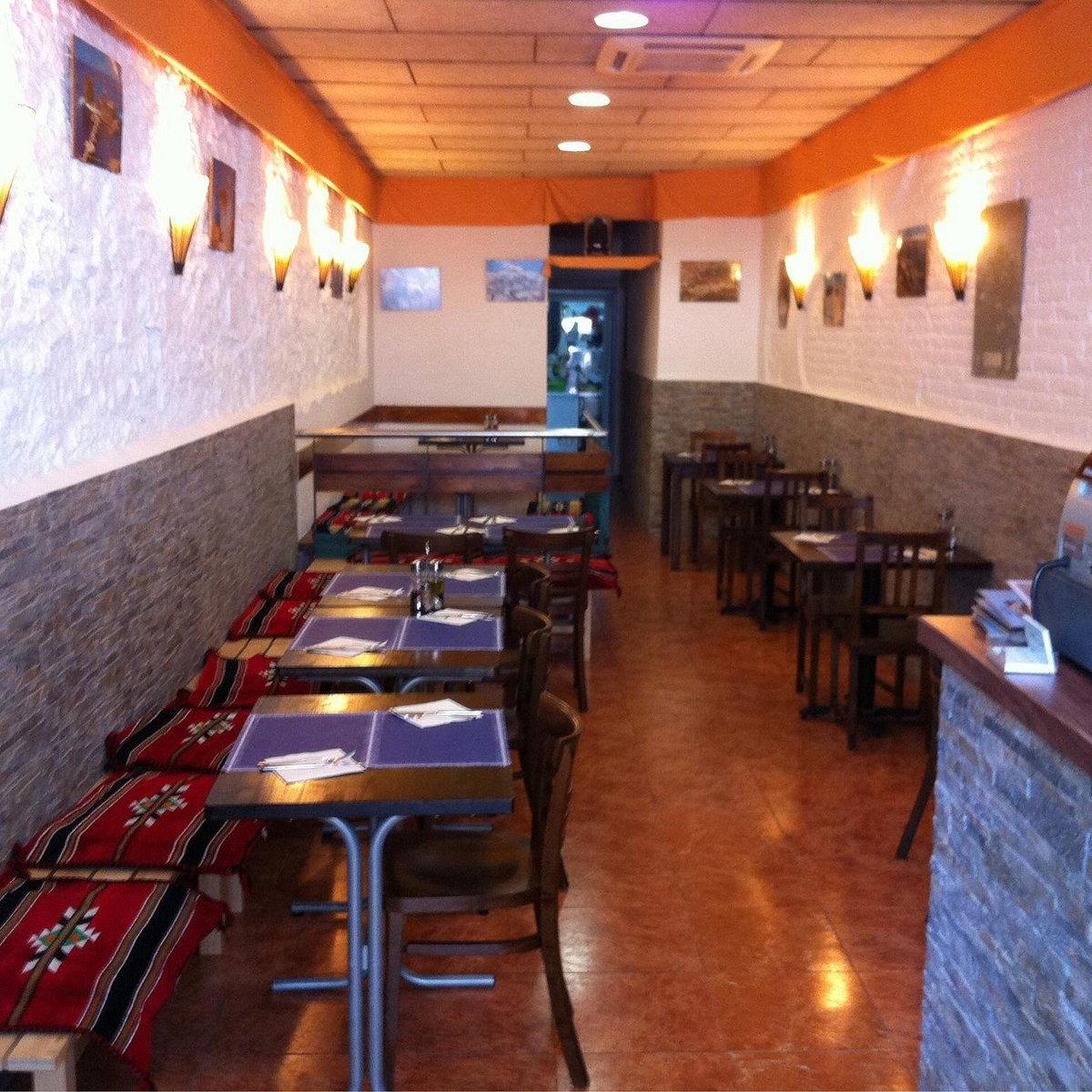
Les Corts and the Neighbourhood Dining Circuit Barcelona Rarely Exports
Barcelona's restaurant conversation tends to collapse around a handful of postcodes: the Eixample grid where Lasarte and Enigma anchor the fine-dining tier, the Sant Pere corridor, the Barceloneta waterfront. Les Corts, the district that runs west from Eixample toward the old Sants boundary, rarely figures in that export conversation. It is a working residential quarter, dense with local commerce and largely indifferent to the food-media cycle. Liban Restaurante on Carrer de l'Equador operates inside that context, which is itself an editorial fact worth registering before anything else: the address selects for a different kind of diner.
Spain's most celebrated kitchens operate on a different geography. El Celler de Can Roca is in Girona, not Barcelona. Mugaritz is in the Basque hills outside San Sebastián. Azurmendi sits above Bilbao. The pattern across Spain's top tier is consistent: remove the venue from the city centre, reduce the tourist footfall, concentrate the local repeat-visitor base. Liban follows a scaled-down version of that logic at the neighbourhood level rather than the national one.
The Lunch and Dinner Divide: Two Distinct Registers
In Barcelona's neighbourhood restaurant culture, the lunch-dinner split is rarely cosmetic. The midday meal carries different social weight than it does in northern European cities: longer, more structured, often the main meal of the day for the working population nearby. Evening service, by contrast, tends to attract a different mix, sometimes smaller tables, sometimes later starts, sometimes a menu that contracts or shifts in character relative to the full midday offering.
For a restaurant in Les Corts operating on a local rather than tourist economy, this split tends to be pronounced. Lunch in this part of the city is often the service where the kitchen shows its range: a set menu format, rotating with seasonal availability, priced to hold regulars across working weeks. Dinner in neighbourhood restaurants of this type frequently moves toward à la carte or a shorter format, with a quieter room and a different pace. The rhythm is a function of the district as much as any individual decision by the kitchen.
This is the structural reality that separates neighbourhood dining in cities like Barcelona from the destination-format restaurants that anchor the city's critical reputation. Venues like Disfrutar or Cocina Hermanos Torres are built around a single high-engagement format repeated across service. Neighbourhood restaurants are built around cadence and return, and that requires different menu architecture across the day.
Where Liban Sits in the Barcelona Context
Barcelona's restaurant market has stratified sharply since the mid-2010s. At the leading, a cohort of internationally recognised kitchens including ABaC and Disfrutar operate at price points and booking windows that place them closer in peer logic to Le Bernardin in New York or Atomix than to anything in the neighbourhood tier. Below that, a broad middle market of bistro and modern Spanish formats competes on value and accessibility across the Eixample and Gràcia. The neighbourhood tier, where Liban operates, functions differently again: it is not competing for the same visitor who books Lasarte three months ahead, and it is not trying to.
The Les Corts address places Liban adjacent to a residential catchment that includes professional households and a daytime commercial population. In this context, consistency and reliability carry more weight than innovation cycles. A kitchen that can hold a regular Tuesday lunch crowd across a working year is operating on different performance metrics than one building toward Michelin recognition or 50 Best placement.
Comparable neighbourhood operations in Spain's other cities illustrate the category clearly. Ricard Camarena in València represents the point at which neighbourhood roots and serious culinary ambition converge into award recognition. Most neighbourhood restaurants exist well below that intersection and serve their local function without the critical apparatus. Liban's position in Les Corts suggests the latter model.
Spain's Broader Restaurant Reference Points
Understanding where a Barcelona neighbourhood restaurant sits requires some reference to the national frame. Spain's most decorated kitchens operate at geography that reinforces their separation from urban noise: Arzak in San Sebastián, Martin Berasategui in Lasarte-Oria, Aponiente in El Puerto de Santa María, Quique Dacosta in Dénia, DiverXO in Madrid, and Atrio in Cáceres. These venues define the ceiling of Spanish fine dining and are relevant context for understanding the full range of the country's restaurant offer.
Barcelona sits inside that national frame as a city with legitimate top-tier representation but also a substantial and functioning neighbourhood restaurant culture that operates entirely outside the awards conversation. Liban is part of the latter.
Planning a Visit
Les Corts is accessible by metro on the L3 (green) line, with the Les Corts or María Cristina stations covering the district. The address at Carrer de l'Equador 29 is a short walk from either stop. For visitors staying in central Barcelona, the neighbourhood is not a casual walk from most hotel clusters but is a direct transit journey. Given the absence of publicly confirmed booking data, contacting the restaurant directly before visiting is advisable, particularly for lunch service, which tends to be the busier of the two services in this restaurant category and district.
| Venue | District | Format | Price Tier | Booking Lead |
|---|---|---|---|---|
| Liban Restaurante | Les Corts | Neighbourhood restaurant | Not confirmed | Contact direct |
| Cocina Hermanos Torres | Les Corts | Creative tasting menu | €€€€ | Weeks to months ahead |
| Disfrutar | Eixample | Progressive tasting menu | €€€€ | Months ahead |
| Lasarte | Eixample | Progressive Spanish | €€€€ | Weeks to months ahead |
For a broader view of where Liban sits within the city's full restaurant offer, see our full Barcelona restaurants guide.
How Liban Restaurante Barcelona compares with similar nearby venues.
| Venue | Cuisine | Price |
|---|---|---|
| Cocina Hermanos Torres | Creative | €€€€ |
| Glug | Wine Bar | Not listed |
| BaLó | Contemporary | €€ |
Continue exploring
More in Barcelona
Restaurants in Barcelona
Browse all →
Bars in Barcelona
Browse all →
Hotels in Barcelona
Browse all →
At a Glance
- Cozy
- Relaxed
- Casual Hangout
- Family
- Terrace
- Local Sourcing
Current opening hours
- Monday
- 1–4 PM, 8–11 PM
- Tuesday
- 1–4 PM, 8–11 PM
- Wednesday
- 1–4 PM, 8–11 PM
- Thursday
- 1–4 PM, 8–11 PM
- Friday
- 1–4 PM, 8–11 PM
- Saturday
- 1–4 PM, 8–11 PM
- Sunday
- 1–4 PM, 8–11 PM
Hours can change for holidays and private events. Last verified .
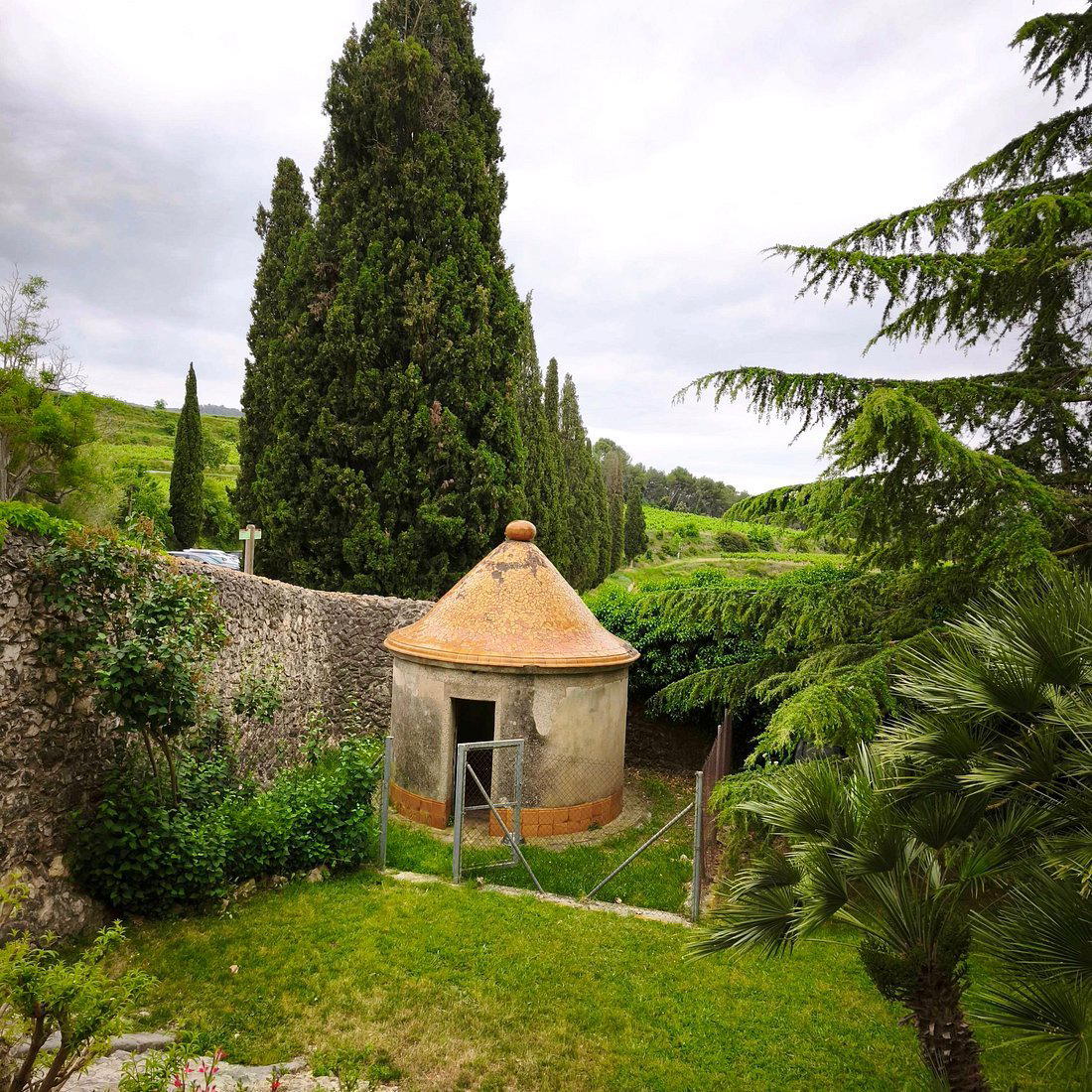
Small, simple, and quiet atmosphere reflecting a relaxed, unpretentious family vibe.
Know Before You Go
- Getting there
- Carrer de l'Equador, 29, Les Corts, 08029 Barcelona, Spain