World's 50 Best #31
Our verdict
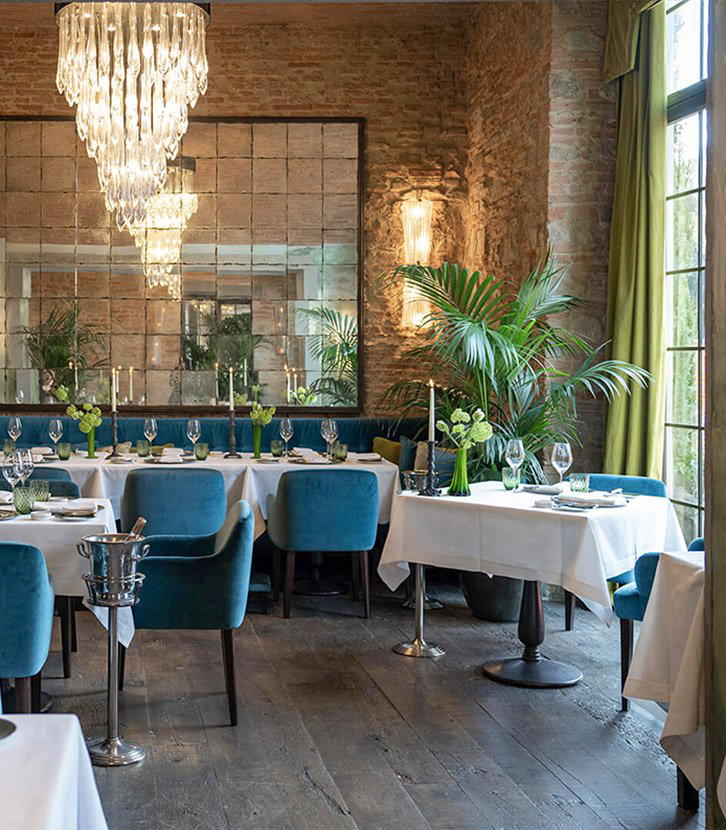
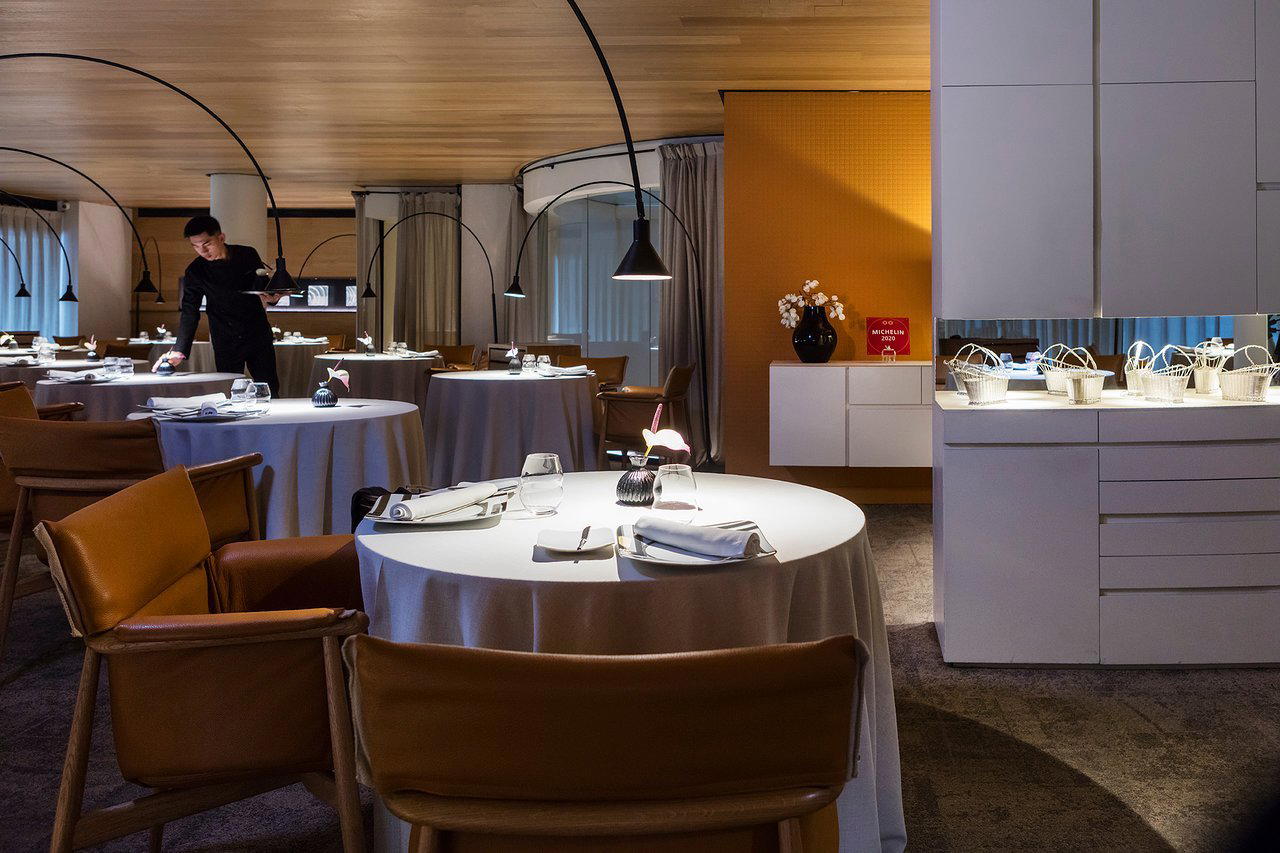
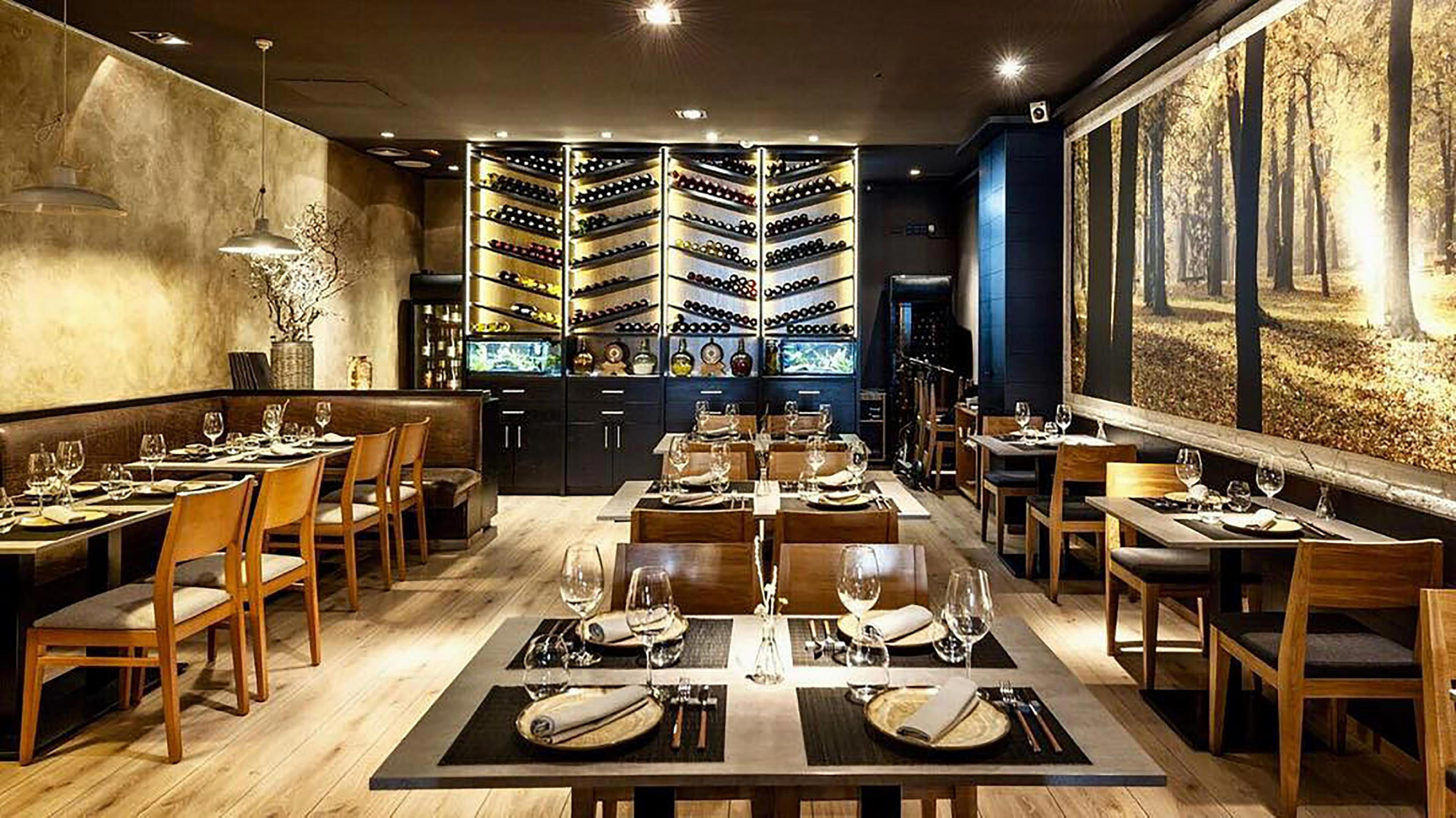
Can Fabes on Carrer d'Aragó earned five consecutive placements on the World's 50 Best Restaurants list between 2004 and 2008, reaching as high as number 11 globally in 2006. Under chef Dean Parker, it represents a serious address for Catalan Spanish cooking in the Eixample district, where the culinary tradition of mar i muntanya and slow-fire technique sits within one of Barcelona's most architecturally coherent neighbourhoods.

Pearl is the En Primeur Club membership app — saves, bookings, and concierge access live there. Same editors, same standards.
- Address
- Carrer d'Aragó, 95, Eixample, 08015 Barcelona, Spain
- Phone
- +34 932 26 06 67
- Hours
- Mon ClosedTue–Sat 1:30–4 PM, 8:30–11 PMSun Closed
- Website
- canvallesrestaurante.es
- Directions
- Get directions
- Booking
- Book on CoverManager
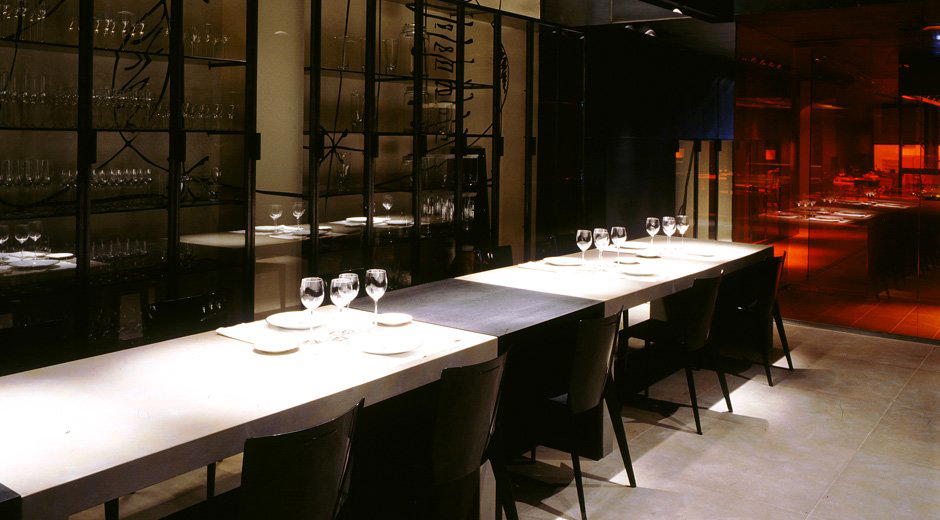
A Table in the Eixample: Where Catalan Cooking Meets Architectural Barcelona
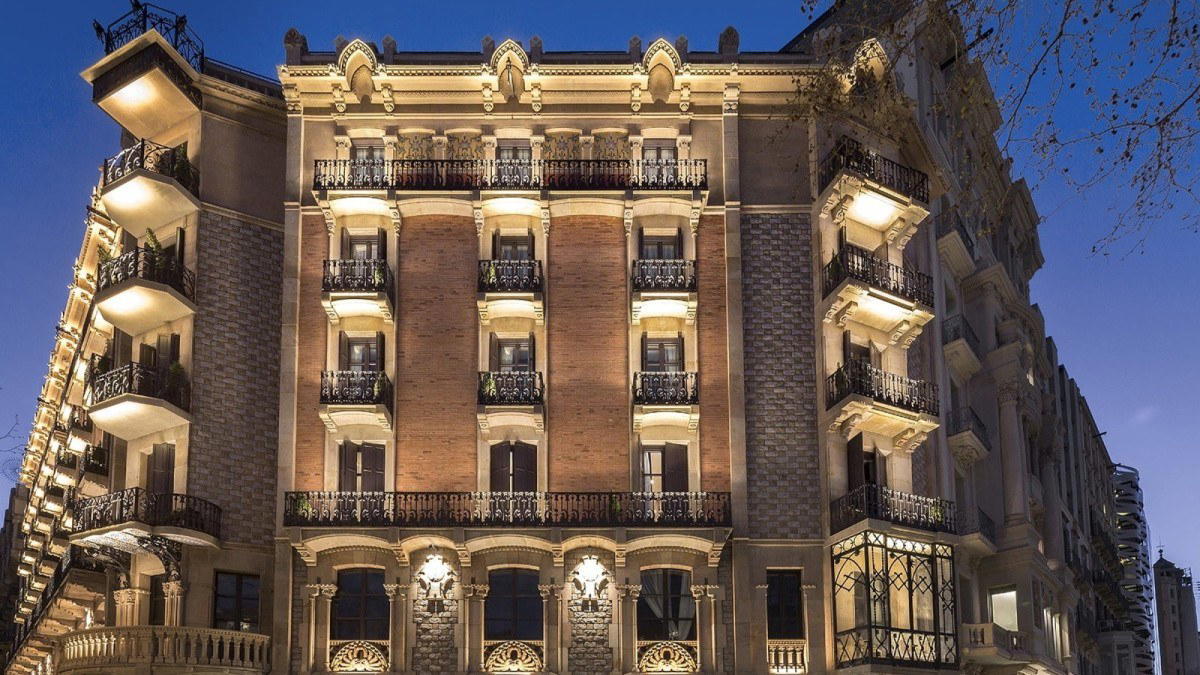
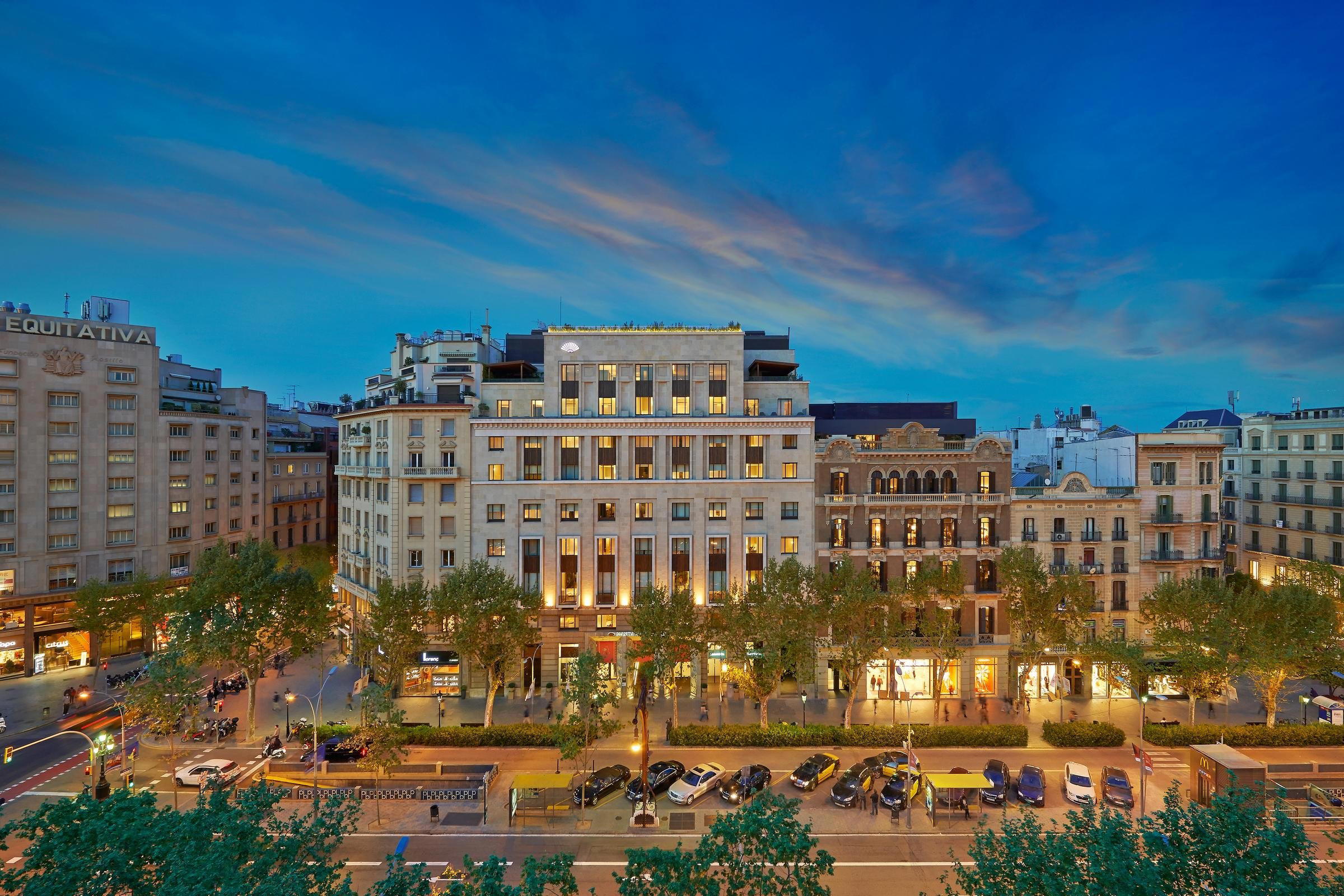
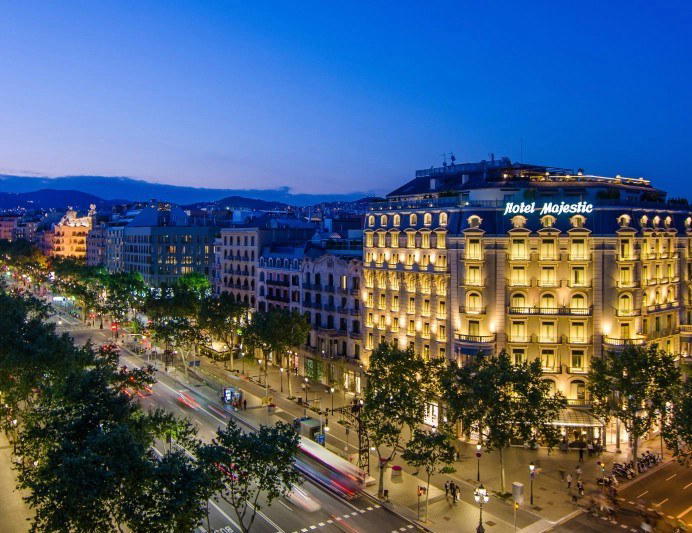
The Eixample district announces itself through geometry: Cerdà's octagonal blocks, the wide pavements of Carrer d'Aragó, the measured pace of a neighbourhood built for civic life rather than tourist throughput. It is in this setting, removed from the La Barceloneta seafood circuit and the Gothic Quarter's volume trade, that Can Fabes sits on Carrer d'Aragó, 95. Walking the block, you are already in a quieter register of Barcelona dining, one that reflects the broader pattern of the city's serious restaurants gravitating toward the Eixample's residential and commercial fabric rather than its postcard zones.
Barcelona's fine dining geography has always been fragmented across the city's distinct characters. The ports and beach-facing restaurants lean into raw shellfish and rice; the mountain-adjacent neighbourhoods carry a different inheritance, rooted in the braised, the cured, and the slow-cooked. The Eixample, occupying neither extreme, has historically housed the restaurants most invested in synthesising these registers: the mar i muntanya tradition that pairs seafood and land protein within a single dish, the suquet fish stews that require patience and reduction, the crema catalana that closes a meal with nothing more than cream, egg, and a caramelised crust formed at the table. Can Fabes operates within that synthesis, holding Catalan Spanish cooking as its governing language.
The 50 Best Window and What It Signals
Between 2004 and 2008, Can Fabes appeared on the World's 50 Best Restaurants list every year, entering at number 26 in 2004, climbing to number 11 in 2006, the highest point, then settling at number 22 in 2007 and number 31 in 2008. Five consecutive years at that level of international recognition places Can Fabes in a specific moment of Spanish gastronomy's global ascent, the period when the peninsula's cooking was reshaping international critical perception.
That context matters for how the restaurant's position should be read. The mid-2000s rankings coincided with the peak influence of elBulli's experimental programme, the growing recognition of the Basque pintxos economy, and the early international profile of what would become the generation behind restaurants like El Celler de Can Roca in Girona and Arzak in San Sebastián.
The current Barcelona high-end scene has since built outward from that foundation. Disfrutar and Cocina Hermanos Torres now hold three Michelin stars apiece, representing the progressive and creative registers of the city's top tier. Lasarte occupies a similar bracket with its progressive Spanish approach. ABaC and Enigma address the creative format from different angles.
Catalan Cooking as a Distinct Culinary Grammar
To understand what a restaurant committed to Catalan Spanish cooking is doing in 2024, it helps to understand what that grammar actually specifies. Catalan cuisine has several defining structural elements that separate it from Castilian, Andalusian, or Basque traditions. The sofregit, a long-cooked base of onion and tomato, appears at the foundation of most braised and sauced dishes. Picada, a paste of pounded nuts, bread, garlic, and sometimes chocolate or liver, acts as a thickener and flavour amplifier that has no direct equivalent in other Spanish regional traditions. The combination of sweet and savoury — dried fruit with game, honey with aged cheese — appears through the tradition rather than as a modern affectation.
Mar i muntanya, literally sea and mountain, is the tradition's most conceptually distinctive contribution: the deliberate pairing of seafood and land proteins within a single dish. Chicken with prawns, rabbit with cuttlefish, pork with clams. These are not experiments but centuries-old constructions rooted in the practical geography of a region where the sea and the Pyrenean foothills are separated by an hour's drive. Suquet, a fisherman's potato-based fish stew thickened with picada, represents a similar logic: economical, layered, demanding attention to reduction and balance. These are the dishes that define what Catalan cooking means at its most specific, and they represent the culinary inheritance within which Can Fabes situates its programme.
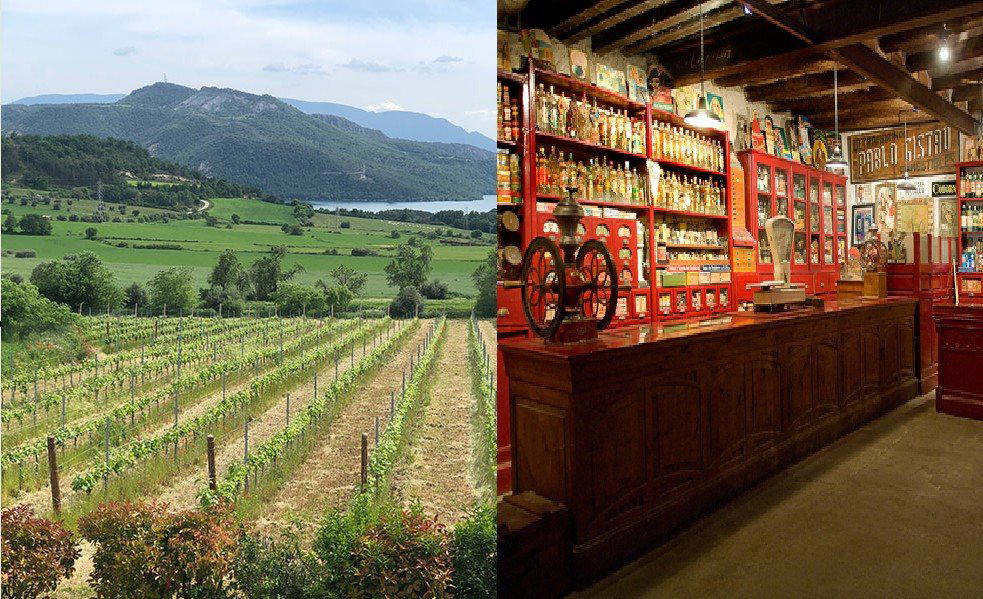
For those exploring Catalan cooking beyond Barcelona's city limits, Òliba in Molitg-les-Bains and Restaurant de La Vella Farga in Lladurs extend the tradition into the Pyrenean foothills, where the mountain half of mar i muntanya is more literally present in the sourcing and setting.
Dean Parker and the Eixample Address
Chef Dean Parker leads the kitchen at Can Fabes. In the context of Barcelona's current competitive field, the chef's role here is less about biographical narrative and more about where the restaurant sits in the city's culinary hierarchy. Parker's kitchen works within a Catalan Spanish framework that connects the restaurant to its historical position rather than repositioning it toward the more globally inflected menus at the city's progressive addresses.
Within the broader Spanish dining circuit, the contrast between Barcelona's Catalan-rooted restaurants and the Basque-influenced programmes elsewhere in the country is instructive. Azurmendi in Larrabetzu, Martin Berasategui in Lasarte-Oria, Aponiente in El Puerto de Santa María, and DiverXO in Madrid each represent distinct regional and philosophical positions. Can Fabes holds the Catalan corner of that geography with more specificity than most of its Barcelona peers.
Planning a Visit
Can Fabes is located at Carrer d'Aragó, 95, in the Eixample district, accessible by metro via the Hospital Clínic or Urgell stops on Line 5. The Eixample grid makes orientation direct: Carrer d'Aragó runs parallel to Passeig de Gràcia, and the address sits in the western half of the district, away from the Sagrada Família crowds. For visitors timing a Barcelona trip around serious dining, the autumn months bring the best of Catalan seasonal produce, with game, mushrooms from the Pyrenean valleys, and the late-harvest pulses that appear in traditional braised preparations. Spring is equally productive, when fresh broad beans, asparagus, and the early-season fish drive the kitchen's more delicate preparations.
For context on the wider Barcelona dining scene across all price points and formats, our full Barcelona restaurants guide covers the city's current competitive field in detail. Those extending a trip beyond the table will find further orientation in our Barcelona hotels guide, Barcelona bars guide, Barcelona wineries guide, and Barcelona experiences guide.
Frequently asked questions
What's Can Fabes known for in terms of accolades?
Can Fabes has received recognition including: World's 50 Best Best Restaurants #31 (2008); World's 50 Best Best Restaurants #22 (2007); World's 50 Best Best Restaurants #11 (2006); World's 50 Best Best Restaurants #22 (2005); World's 50 Best Best Restaurants #26 (2004).
How would you describe the cuisine at Can Fabes?
What do people recommend at Can Fabes?
The kitchen's track record on the World's 50 Best list — peaking at number 11 in 2006 — was built on Catalan Spanish cooking, a tradition whose most technically demanding preparations involve stocks, slow-cooked proteins, and regional seafood. Those categories are where the kitchen's accumulated expertise is most legible. Dishes rooted in that grammar are the safest entry point for a first visit.
How do I find Can Fabes?
Can Fabes is located at Carrer d'Aragó, 95, Eixample, 08015 Barcelona, Spain, Barcelona.
Is Can Fabes chef-led?
The chef associated with Can Fabes is Dean Parker.
What's the best way to book Can Fabes?
Can Fabes is located at Carrer d'Aragó, 95 in the Eixample, reachable via Line 5 at Hospital Clínic or Urgell. For a restaurant with five years on the World's 50 Best list, planning ahead is advisable — check the venue's official channels through its current channels rather than relying on third-party platforms, which may not reflect live availability.
Peers in This Market
A quick peer reference to anchor this venue in its category.
| Venue | Cuisine | Price | Awards | Notes |
|---|---|---|---|---|
| Can FabesThis venue — the venue you are viewing | Modern Catalan Fine Dining | $150–200 | World's 50 Best #31 | Not listed |
| Disfrutar | Avant-Garde Catalan Fine Dining | $300–500 | 3 Michelin Stars · World's 50 Best #1 | Progressive, Creative |
| Cocina Hermanos Torres | Modern Spanish Fine Dining | $300–500 | 3 Michelin Stars · World's 50 Best #78 | Creative |
| Lasarte | Modern Basque-Mediterranean Fine Dining | $300–500 | 3 Michelin Stars · La Liste Top Restaurants | Progressive Spanish, Creative |
| Cinc Sentits | Modern Catalan Fine Dining | $150–200 | 2 Michelin Stars · La Liste Top Restaurants | Modern Spanish, Creative |
| Enoteca Paco Pérez | Modern Mediterranean Seafood | $200–300 | 2 Michelin Stars · La Liste Top Restaurants | Modern Spanish, Modern Cuisine |
Recognition history
Dated appearances from independent guides and award organizations, with the underlying list record or original source where available.
World's 50 Best Restaurants #31
World's 50 Best
Full recognition history (5 entries)
World's 50 Best Restaurants #22
World's 50 Best
World's 50 Best Restaurants #11
World's 50 Best
World's 50 Best Restaurants #22
World's 50 Best
World's 50 Best Restaurants #26
World's 50 Best