Google: 4.4 · 370 reviews
Liam's Restaurant
On East Jackson Street in Thomasville, Georgia, Liam's Restaurant occupies a town that punches well above its size when it comes to serious dining. The kitchen draws on the agricultural depth of the surrounding Red Hills region, where plantation-era land management has preserved some of the most intact longleaf pine farmland in the American South, giving local sourcing a character unavailable in most American cities.
 Discover on Pearl
Pearl is the En Primeur Club membership app — saves, bookings, and concierge access live there. Same editors, same standards.
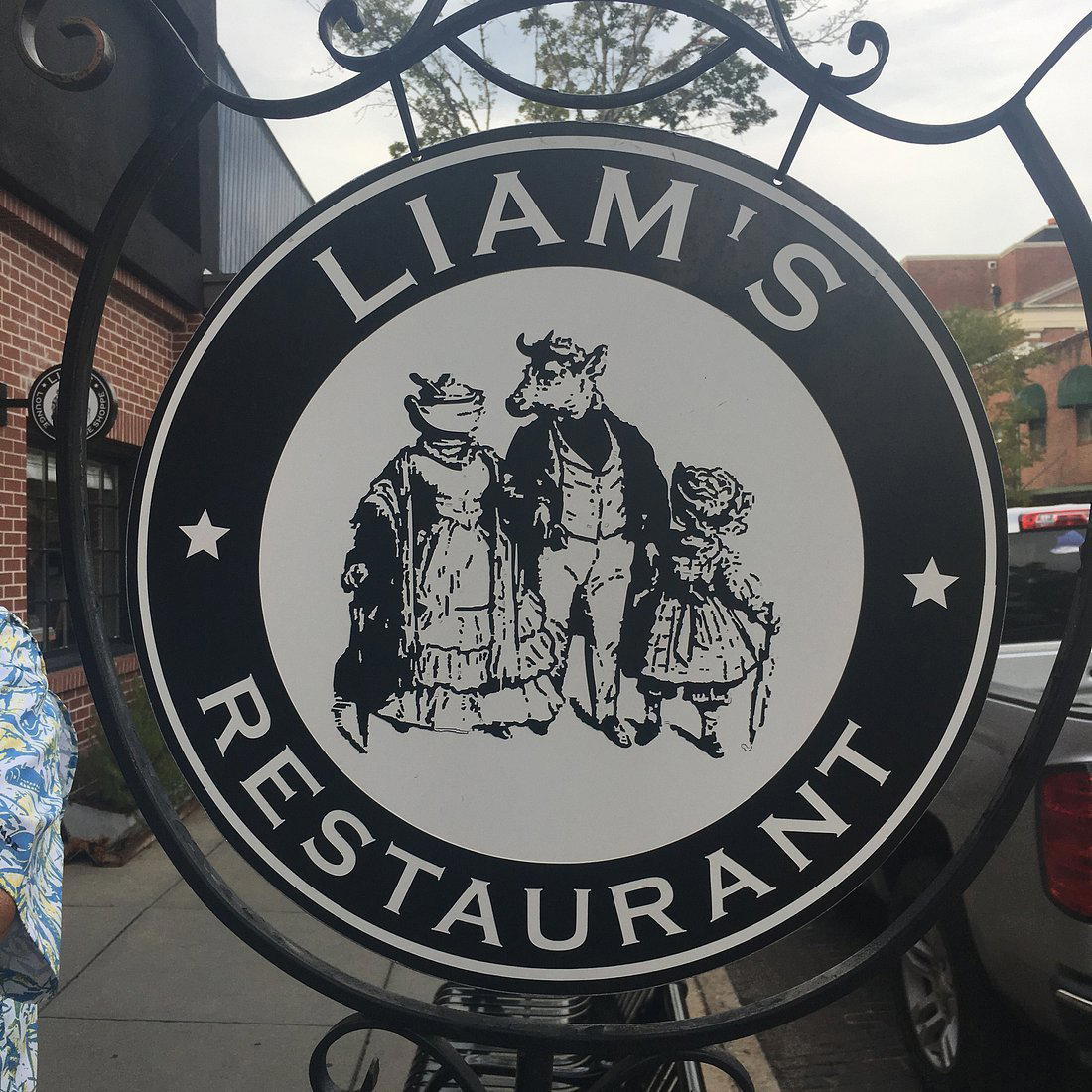
Where the Red Hills Feed the Plate
Thomasville, Georgia sits in the lower Red Hills, a stretch of rolling terrain along the Florida state line that has been farmed, hunted, and tended for generations under a land-stewardship tradition tied to the old plantation quail-hunting estates. That history, however complicated, has a concrete culinary consequence: the surrounding countryside retains a density of small-scale producers, heritage protein operations, and intact wild-food corridors that most mid-sized American cities simply cannot access. Restaurants in Thomasville that pay attention to where their food comes from are working with raw material unavailable a hundred miles north in Tallahassee or two hours east toward Savannah. Liam's Restaurant, at 113 E Jackson St, is positioned to draw on exactly that supply chain.
The broader American farm-to-table movement spent most of the 2010s as a marketing posture in cities where sourcing claims were difficult for diners to verify. In smaller agricultural communities, the relationship between kitchen and land operates differently. Chefs in towns like Thomasville can know the name of the farmer, the specific parcel, and the handling practices in ways that urban restaurants typically cannot. That transparency changes what ends up on the plate, and it changes what a kitchen can credibly claim. For context on how ingredient sourcing shapes menu identity at the highest levels of American dining, look at operations like Blue Hill at Stone Barns in Tarrytown or Single Thread Farm in Healdsburg, where the sourcing architecture is the primary editorial statement. In Thomasville, the ingredients exist at a similar quality tier; the question is which kitchens are organized enough to capture them.
The Setting on East Jackson Street
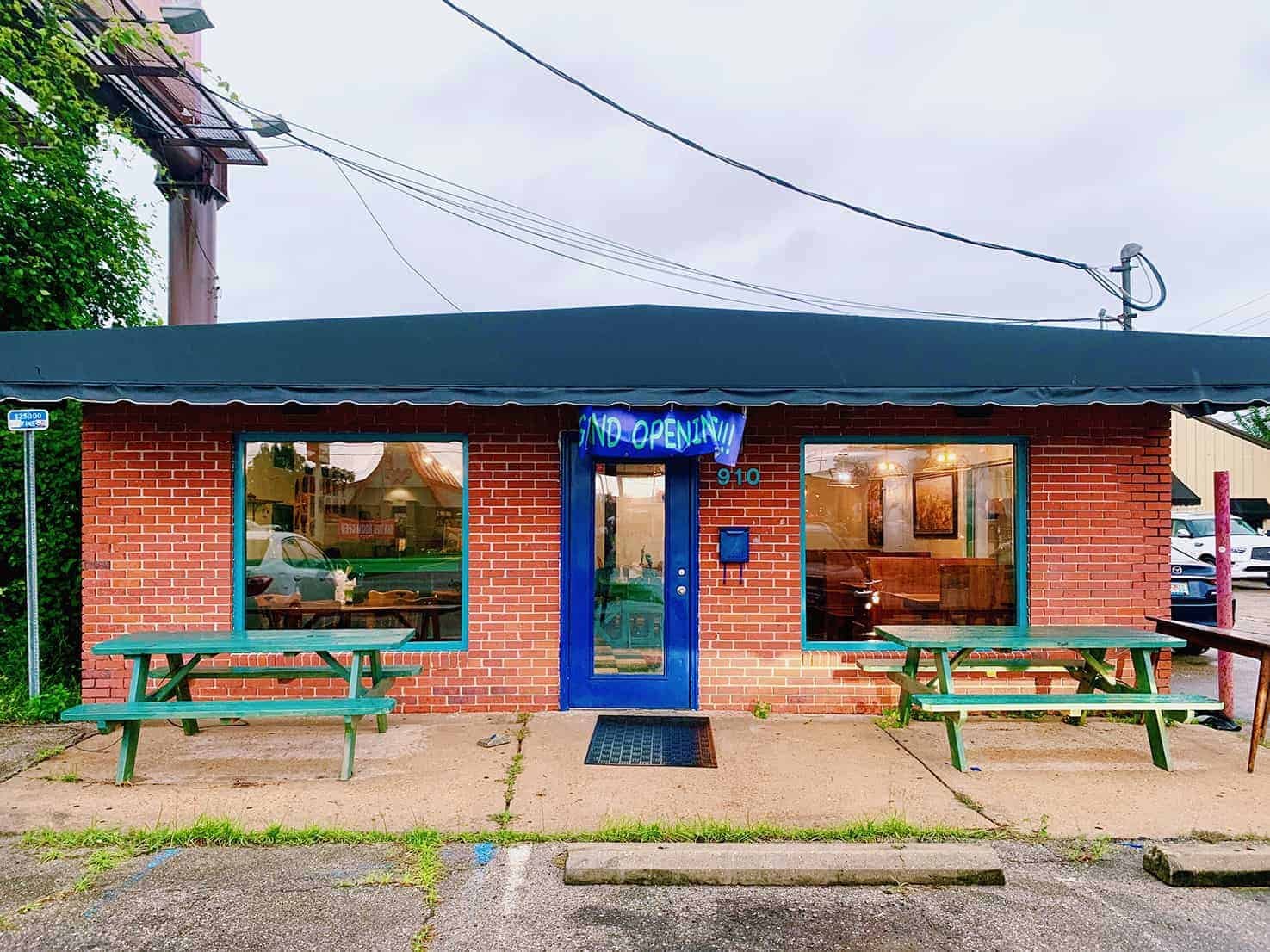
Downtown Thomasville has undergone a quiet recovery over the past two decades. The commercial blocks around East Jackson Street retain their nineteenth-century brick scale, low-rise and human-proportioned, with the kind of streetscape that larger Southern cities lost to highway-era redevelopment. Approaching the restaurant from the street, you are in a town that has preserved enough architectural continuity to feel historically grounded rather than theme-park reconstructed. That context matters for how dining feels: the setting is not a converted industrial space chasing urban credibility, but a Main Street address in a working small city with its own sense of place.
The Red Hills agricultural corridor also means that the seasonal availability of ingredients shifts noticeably across the year. Winter brings quail season and root vegetables from the surrounding farms; spring opens the growing calendar toward field greens and early alliums; summer in southwest Georgia delivers heat-loving crops alongside the serious humidity that shapes how and when outdoor spaces feel usable. For visitors planning around ingredient availability, the late fall through early spring window aligns with the region's hunting-estate culture and produces the most distinctly local table. This is the kind of temporal logic that Lazy Bear in San Francisco and Brutø in Denver build entire menu structures around, though in Thomasville the seasonal rhythm is driven by a very different set of regional conditions.
Small-City Dining in a National Context
American fine dining has consolidated heavily around a small number of metropolitan markets. The restaurants that attract the deepest critical attention, from Alinea in Chicago and Le Bernardin in New York City to Atomix in New York City and Providence in Los Angeles, operate in cities with large dining populations that can sustain high price points and reservation demand. Smaller Southern cities occupy a different structural position. They are not competing in that tier, but they are also not irrelevant to serious diners. Bacchanalia in Atlanta demonstrated decades ago that the American South could sustain genuinely ambitious kitchens outside the coastal metropolitan markets. Thomasville is a smaller order of magnitude than Atlanta, but the same logic applies: proximity to serious agricultural production can substitute for proximity to a large restaurant-going population.
For reference on what serious ingredient-sourcing programs look like across a range of price tiers and cities, The French Laundry in Napa, Addison in San Diego, and The Inn at Little Washington in Washington represent the upper end of what American regional kitchens have built around local supply relationships. Closer to Thomasville's scale and geography, the model is less about formal tasting menus and more about a kitchen that uses what is genuinely available from identifiable local sources, prepared without unnecessary complexity. That approach has its own integrity, and in a town where the agricultural supply is as strong as the Red Hills region provides, it can produce a table worth making a deliberate trip to reach.
Visitors arriving from farther afield should consult our full Thomasville restaurants guide for a broader picture of where the town's dining sits and how Liam's fits within it. Other American restaurants organized around regional sourcing identity, including Frasca Food and Wine in Boulder, Causa in Washington, D.C., ITAMAE in Miami, Emeril's in New Orleans, and 8 1/2 Otto e Mezzo Bombana in Hong Kong, each demonstrate how sourcing transparency functions differently across geographies and price points, making Thomasville's position on that spectrum worth understanding before you arrive.
Planning Your Visit
Thomasville is a small city, which means the restaurant operates in a market where word-of-mouth moves quickly and popular evenings can fill without formal reservation systems becoming visible to out-of-town visitors. Calling ahead or arriving with flexibility around timing is the practical approach when specific booking information is not publicly confirmed. The East Jackson Street address places the restaurant within walking distance of the town's central commercial blocks, which simplifies logistics for visitors staying downtown. Given that Thomasville lacks a large airport, most visitors arrive by car from Tallahassee (roughly an hour south) or Albany (roughly an hour north), which makes arrival time a function of road travel rather than flight schedules.
A Quick Peer Check
These are the closest comparables we have in our database for quick context.
| Venue | Cuisine | Price | Awards |
|---|---|---|---|
| Liam's RestaurantThis venue — the venue you are viewing | |||
| Le Bernardin | French, Seafood | $$$$ | Michelin 3 Star |
| Atomix | Modern Korean, Korean | $$$$ | Michelin 2 Star |
| Lazy Bear | Progressive American, Contemporary | $$$$ | Michelin 2 Star |
| Alinea | Progressive American, Creative | $$$$ | Michelin 3 Star |
| Atelier Crenn | Modern French, Contemporary | $$$$ | Michelin 3 Star |
Continue exploring
More in Thomasville
Restaurants in Thomasville
Browse all →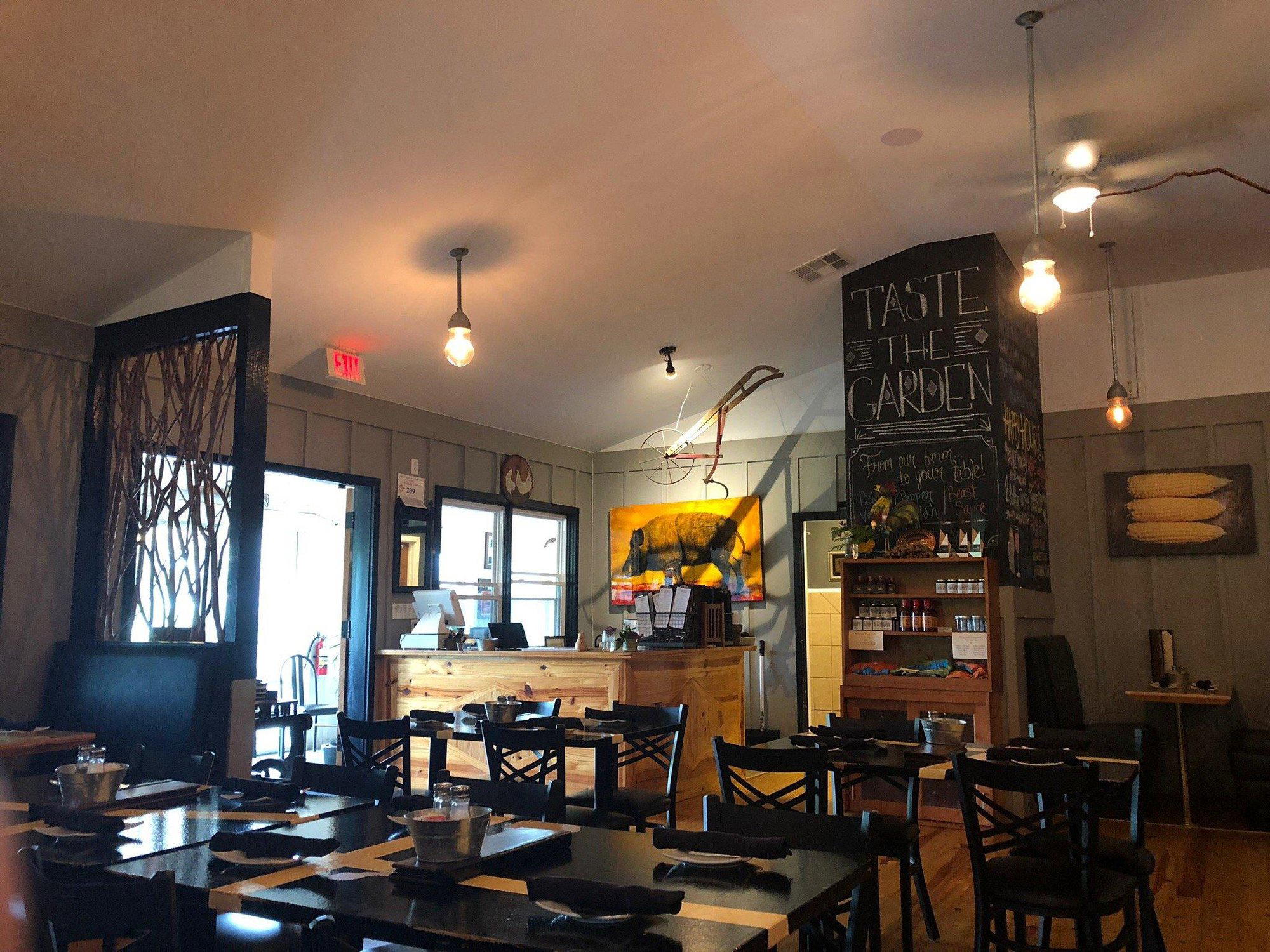

At a Glance
- Rustic
- Cozy
- Elegant
- Intimate
- Date Night
- Special Occasion
- Garden
- Craft Cocktails
- Local Sourcing
- Farm To Table
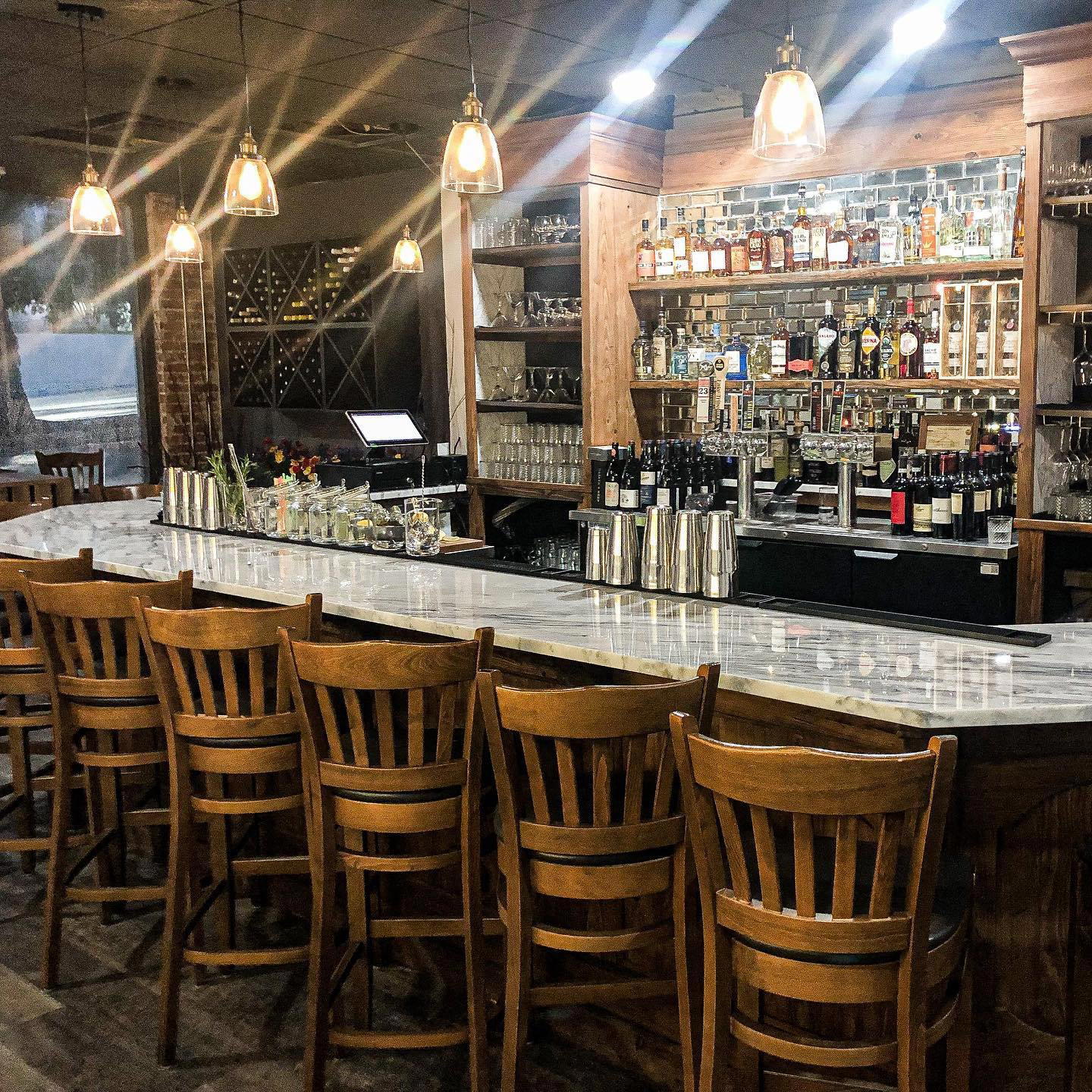
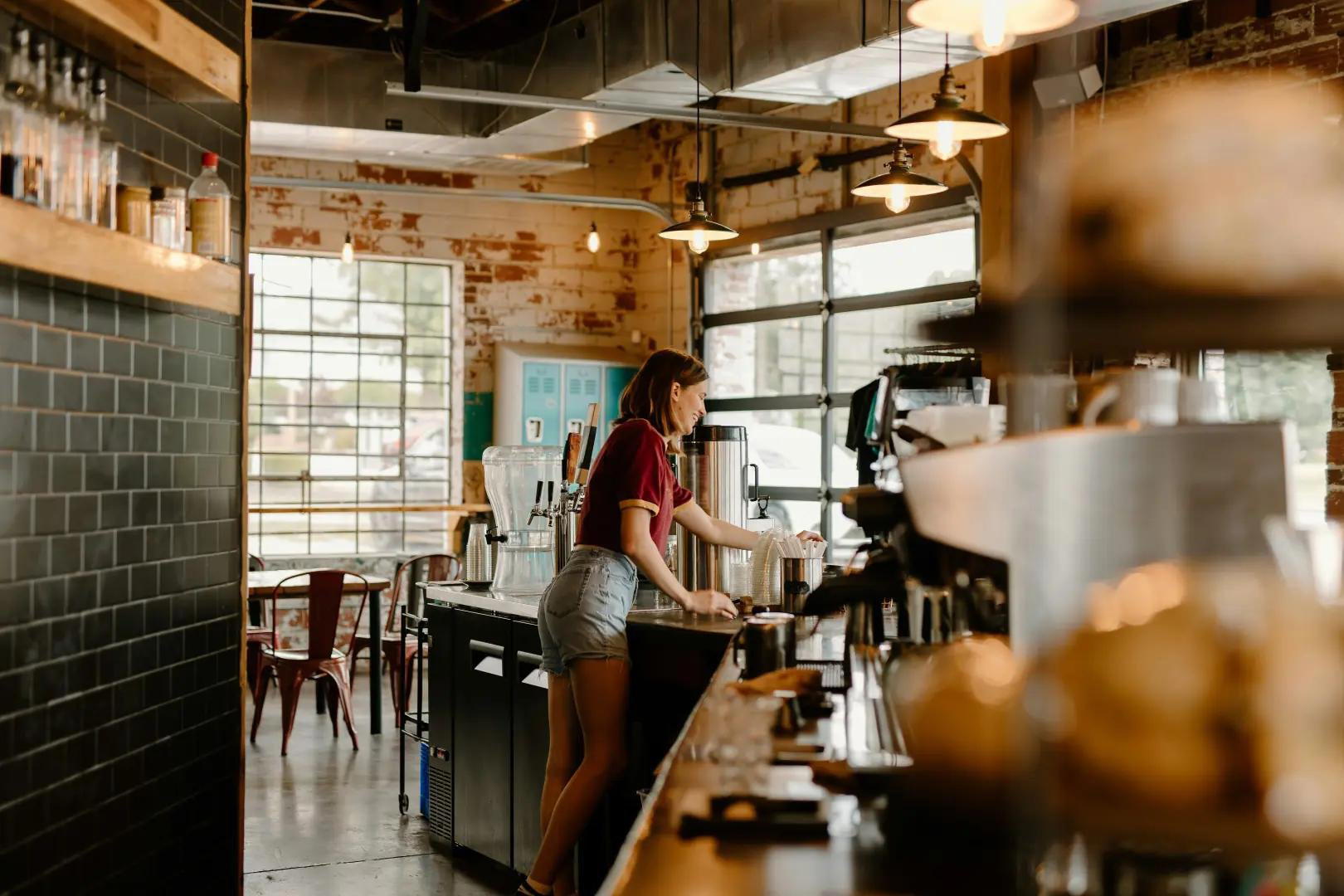
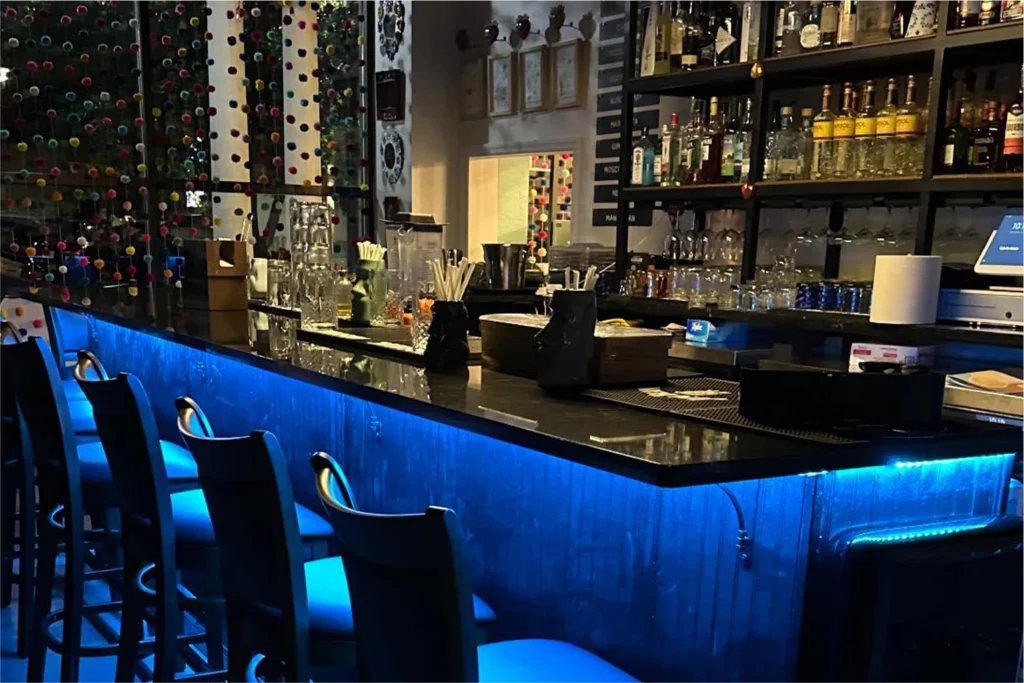
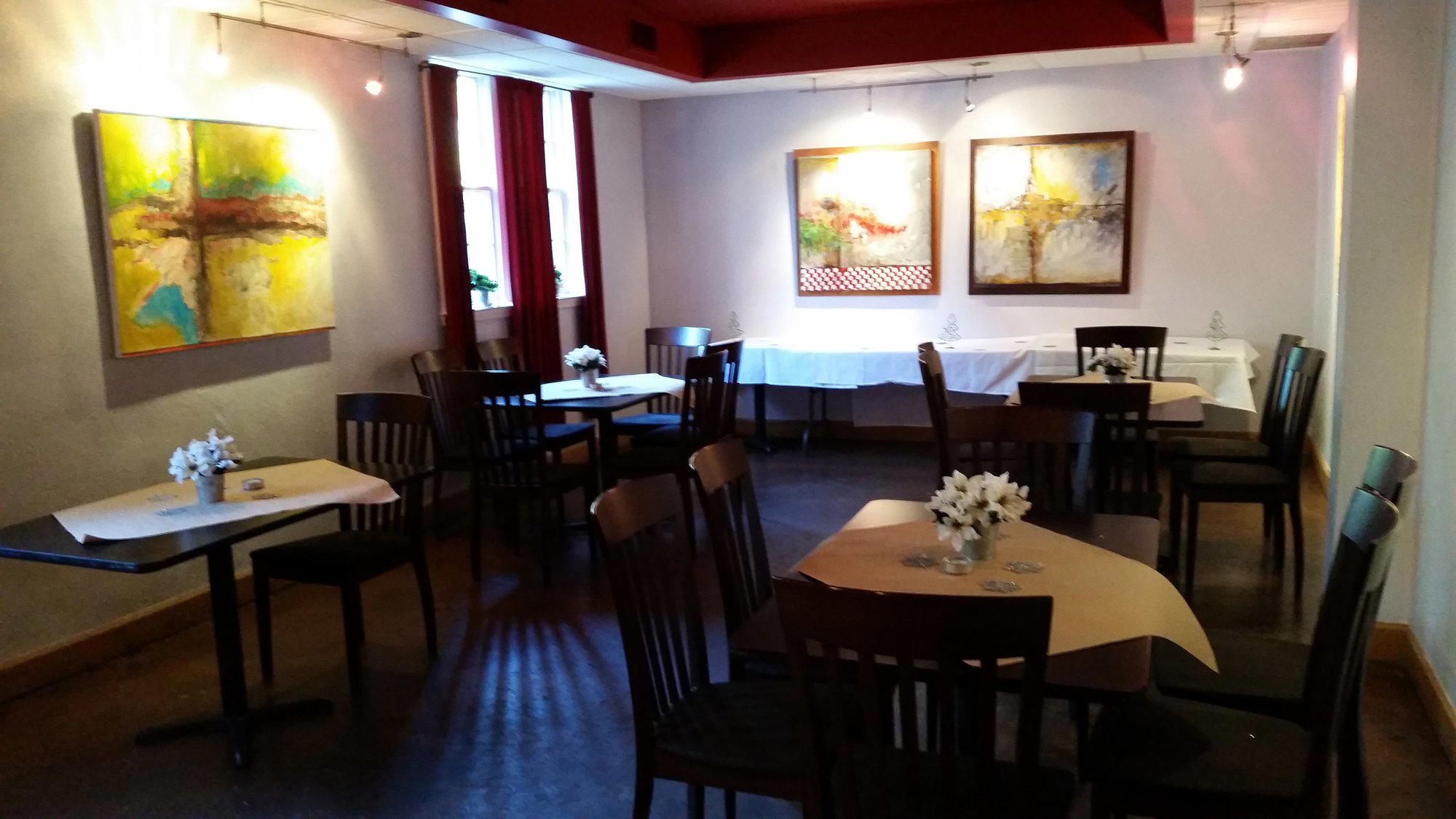
Cozy and inviting with warm rustic decor, striking interior blending elegance and comfort, though it can get noisy during busy times.