Cafe Yerushalmi
Cafe Yerushalmi on Lake Bradford Road brings a Middle Eastern and Israeli-inflected dining tradition to Tallahassee's west side, a part of the city that rewards those willing to look beyond the downtown corridor. The name alone signals a culinary heritage rooted in Jerusalem's layered food culture, where sourcing, spice, and communal eating intersect in ways that still feel underrepresented in Florida's capital.
Pearl is the En Primeur Club membership app — saves, bookings, and concierge access live there. Same editors, same standards.
- Address
- 910 Lake Bradford Rd, Tallahassee, FL 32304
- Phone
- +18508079895
- Website
- koshertally.com
- Directions
- Get directions
 Saves & bookings on Pearl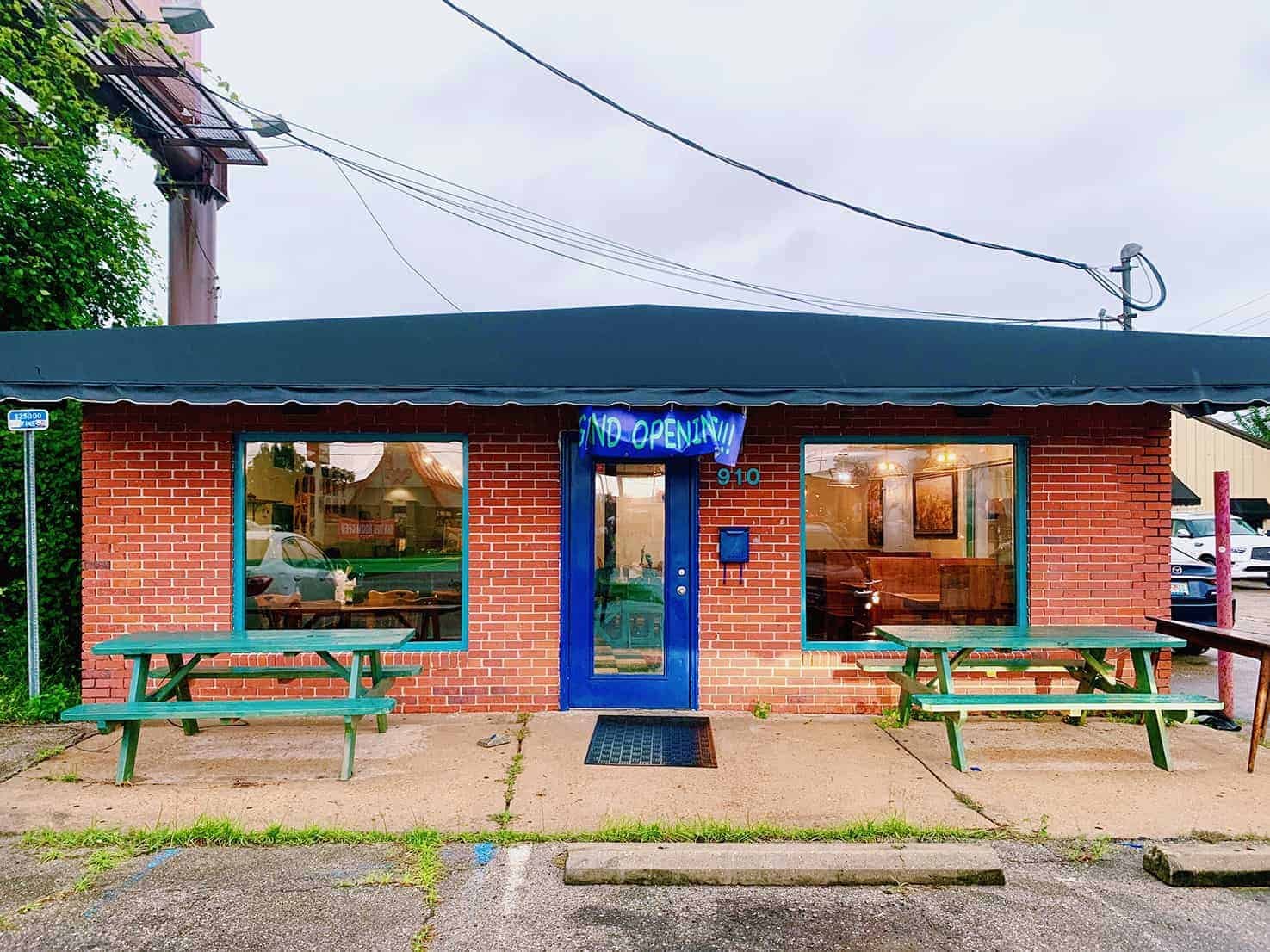
Where the West Side Meets the Eastern Mediterranean
Tallahassee's dining scene has long been anchored downtown and along the Midtown corridor, where establishments like Kool Beanz Cafe and The Huntsman have built loyal followings over years of consistent operation. But the city's west side, stretching along Lake Bradford Road near Florida A&M; University, carries a different energy: a neighborhood defined less by restaurant density and more by community proximity, where a place earns its reputation through its immediate surroundings rather than a curated dining district. Cafe Yerushalmi occupies that position on Lake Bradford Road, drawing its identity from a culinary tradition that traces directly to Jerusalem, a city whose food culture sits at the crossroads of Levantine, North African, and broader Middle Eastern influence.
Jerusalem's name in Hebrew, from which "Yerushalmi" derives, is not incidental branding. In the context of food, it signals a specific inheritance: dishes shaped by Ottoman-era spice trade routes, the grain markets of the Fertile Crescent, and the layered immigration patterns that brought Persian, Moroccan, Yemeni, and Eastern European Jewish cooking into a single, contested, generative urban space. That tradition, increasingly visible in major American cities, remains a comparative rarity in Florida's capital.
Ingredient Logic in the Israeli Tradition
The Israeli and broader Levantine approach to cooking is built around sourcing discipline in a way that predates the farm-to-table movement American restaurants adopted in the 2000s. Seasonality was never optional when it was built into market rhythms, religious calendars, and agricultural cycles stretching back millennia. Chickpeas, tahini, preserved lemons, sumac, za'atar, and fresh herbs are not garnishes in this tradition; they are structural. The produce calendar shapes the menu, and the pantry is built from ingredients that carry significant cultural weight alongside their flavor function.
At the higher end of that sourcing philosophy, American restaurants like Single Thread Farm in Healdsburg and Blue Hill at Stone Barns in Tarrytown have made ingredient provenance the explicit center of their editorial identity, building menus around what the land produces in a given week. The Israeli kitchen operates on a parallel logic, though it arrives there through a different cultural route: necessity, migration, and the specificity of a regional larder rather than fine-dining philosophy. Understanding that distinction matters for how you read a cafe operating under the Yerushalmi name in a mid-size Florida city.
Comparable venues elsewhere in the American South and Southeast have demonstrated that this tradition travels well when it stays close to its ingredient principles. What makes the Tallahassee context interesting is that north Florida's growing season and proximity to Gulf Coast produce offers genuine raw material: citrus, field peas, sweet onions, and winter greens that map comfortably onto a Levantine pantry framework. Whether a kitchen in this location uses that adjacency deliberately is the question worth asking on any given visit.
Reading the Room on Lake Bradford Road
Lake Bradford Road is not a destination dining street in the conventional sense. It is a working neighborhood corridor, close to the FAMU campus and the industrial edges of southwest Tallahassee, and a restaurant here operates on the logic of the neighborhood rather than the logic of the food press. That is not a limitation; it is a context that shapes what a cafe can and should be. The Israeli-inflected cafe format, as it has developed in cities like Tel Aviv, New York, and London, tends toward exactly this model: counter service or light table service, food served at the speed of a working lunch, flavors that are specific enough to be interesting without requiring extensive explanation.
In Tallahassee's broader casual dining tier, that positioning places Cafe Yerushalmi alongside venues like Island Fin Poke Co. and Z. Bhardi, all operating in a mid-range casual register where speed, value, and a distinct cuisine identity do more work than formal service or wine programs. The cuisines are different, but the market logic is shared: Tallahassee has an educated, mobile population anchored by two major universities, and that population has demonstrated appetite for specific, non-generic food experiences.
The Wider Frame: Israeli Food in America
Israeli cuisine has moved from a niche ethnic category to a mainstream force in American food media over the past decade, driven in part by cookbook publishing and the influence of a generation of chefs who trained in or drew from that tradition. That broader visibility has created room for restaurants operating in this mode to be read as food destinations rather than simply ethnic options, a shift with real commercial implications in secondary cities. Tallahassee is not New York, where the Israeli dining conversation has become genuinely sophisticated, or Los Angeles, where Providence and its peers set a fine-dining benchmark that creates a visible top tier.
For readers calibrated to what sourcing-led cooking looks like at the national level, whether that means the hyper-local formalism of Smyth in Chicago, the Californian restraint of The French Laundry, or the seafood precision of Le Bernardin in New York City, the interest in a venue like Cafe Yerushalmi is different in kind, not in the aspirational direction. It is the interest in what happens when a specific food tradition takes root in an unexpected neighborhood, and whether the sourcing logic that defines that tradition survives the translation.
Planning a Visit
Cafe Yerushalmi is located at 910 Lake Bradford Road, Tallahassee, FL 32304, on the city's west side near the FAMU campus. Current hours, pricing, and booking arrangements are best confirmed directly before visiting, as operational details are not publicly consolidated at time of writing. Given the neighborhood location and cafe format, walk-in dining is the likely default, and the experience will be most rewarding for visitors who approach it as a neighborhood restaurant rather than a destination requiring advance planning. For a broader map of where this venue fits in the city's dining options, the EP Club Tallahassee restaurants guide provides the most current editorial overview.
Continue exploring
More in Tallahassee
Restaurants in Tallahassee
Browse all →

At a Glance
- Cozy
- Casual Hangout
- Family
Current opening hours
- Monday
- 11 AM–7 PM
- Tuesday
- 11 AM–7 PM
- Wednesday
- 11 AM–7 PM
- Thursday
- 11 AM–7 PM
- Friday
- 11 AM–2 PM
- Saturday
- Closed
- Sunday
- 12–7 PM
Hours can change for holidays and private events. Last verified .
Cozy and welcoming atmosphere filled with rich aromas of home-cooked Israeli flavors.
Know Before You Go
- Getting there
- 910 Lake Bradford Rd, Tallahassee, FL 32304