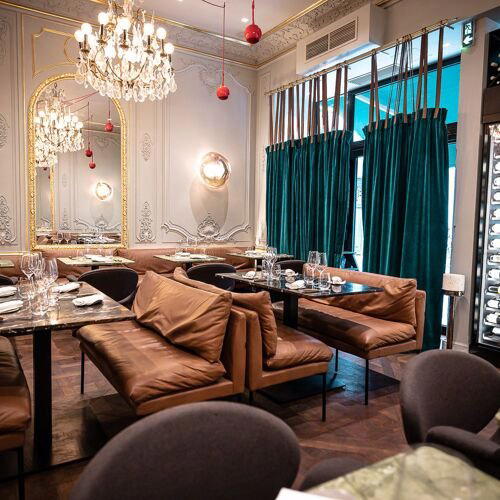
La Galerie pairs Contemporary French Seasonal cooking with local sourcing in a historic building in Rouen, suited to lunch or dinner at a leisurely, conversational pace.
Pearl is the En Primeur Club membership app — saves, bookings, and concierge access live there. Same editors, same standards.
- Address
- 4 Rue Sainte-Croix-des-Pelletiers, 76000 Rouen, France
- Phone
- +33276270729
- Website
- restaurant-lagalerie.fr
- Directions
- Get directions
 Saves & bookings on Pearl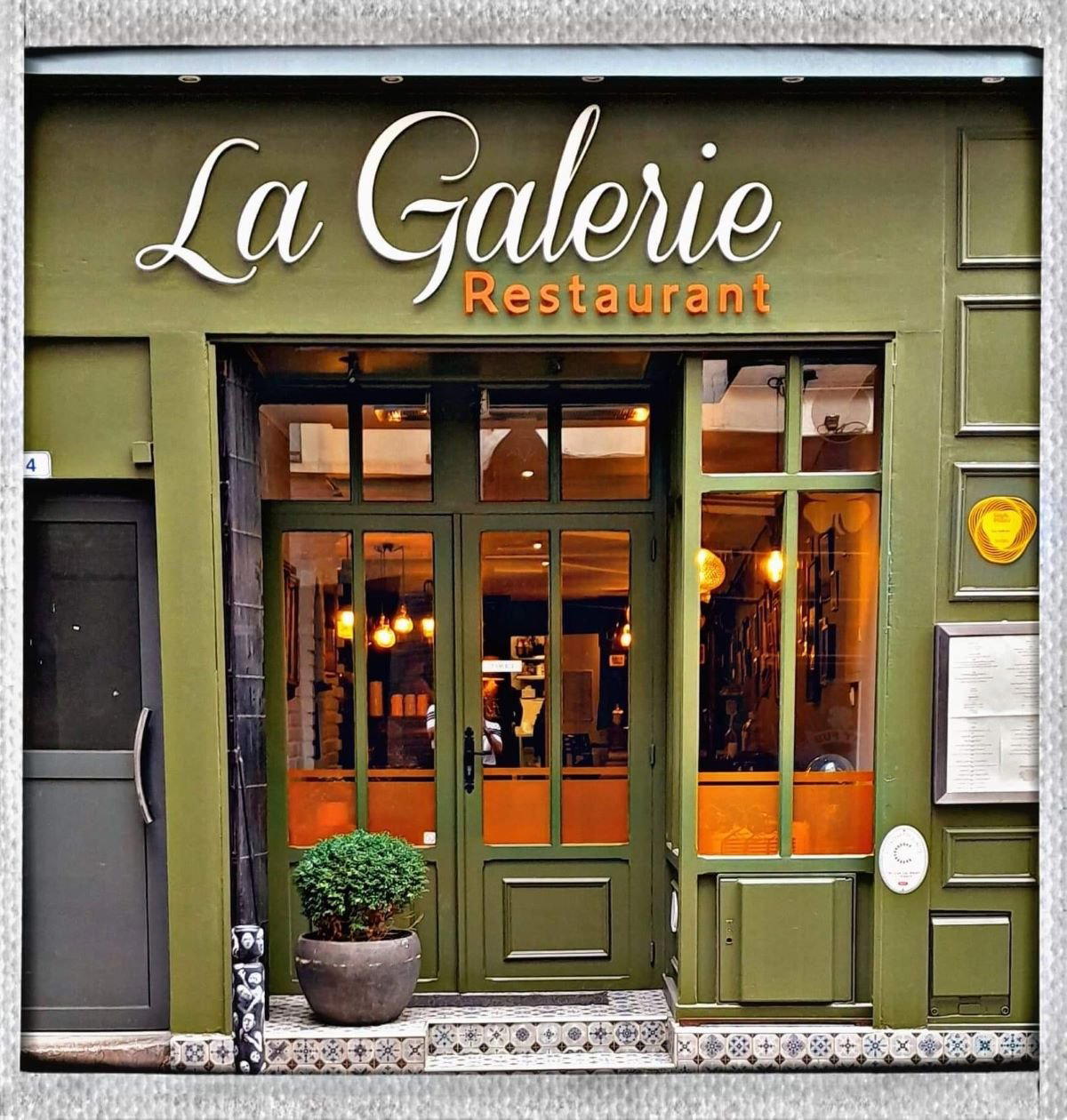
A Street That Holds Rouen's Medieval Core
Rue Sainte-Croix-des-Pelletiers runs through one of the more concentrated stretches of Rouen's half-timbered centre, a few minutes' walk from the Gros-Horloge and the cathedral square that draws most first-time visitors to the city. The street itself belongs to a neighbourhood where the medieval fabric is not a restoration project but simply the existing building stock: timber frames, narrow plots, cobbled approaches. Dining here operates inside that inherited context, which means the physical setting arrives before the menu does. La Galerie sits on this street, at number four, and the address alone positions it within a particular tier of Rouen dining: central, historically anchored, and pitched at the visitor who has already moved past the brasserie strip along the river.
Where La Galerie Fits in Rouen's Restaurant Spread
Rouen's restaurant offer divides fairly cleanly across price and ambition. At the formal end, addresses like L'Odas (Creative) hold the creative, higher-spend tier, with tasting formats and modernist technique. Below that sits a working mid-market of bistro and brasserie formats, including Brasserie Paul and Chez L'Gros, which handle volume and regulars with reliable Norman-leaning menus. La Galerie occupies the address-rich centre of that map, on a street that draws both local lunch trade and visitors navigating the old town on foot. The restaurant sits in a mid-priced tier, with an estimated spend of about $40 per person. ACQUA & FARINE and Au Flaméron round out the wider neighbourhood picture for readers building a fuller itinerary.
For the broader context of where Rouen sits within French regional dining, comparisons with destination addresses in other cities are instructive. The provincial French dining tradition that produced institutions like Auberge de l'Ill in Illhaeusern, Bras in Laguiole, or Troisgros - Le Bois sans Feuilles in Ouches has always had a strong regional identity strand running underneath the grand-table ambition. Rouen, as the capital of Normandy, carries its own distinct larder: cream, cider, duck, Neufchâtel cheese, sole from the Channel coast. Restaurants in the old town that work within that tradition, whether formally or in a more casual register, are participating in something that French regional dining has sustained across generations.
The Neighbourhood as the First Course
Arriving at Rue Sainte-Croix-des-Pelletiers by foot from the cathedral takes under five minutes, passing the Gros-Horloge archway en route. That walk is part of the experience: Rouen's old town is dense enough that every block shift changes the street scale and the light. The restaurant sits in that pedestrian zone where the city is at its most legible as a medieval market town, and the approach itself sets a tone that a room in a modern quarter simply cannot replicate. This matters for how a meal registers: eating inside a building that has stood for several centuries, in a city that was a major trading hub for much of European history, produces a different ambient weight than a comparable meal in a purpose-built space.
Norman regional cuisine fits that setting. The ingredients that define the cooking of this corner of France, from aged Calvados used in sauces to the double cream that enriches the region's classic preparations, are themselves products of a centuries-long agricultural tradition. When a menu in Rouen's old town works with those materials, the geography is doing part of the culinary work. France's broader high-end dining circuit, represented by addresses like Alléno Paris au Pavillon Ledoyen, Mirazur in Menton, or Assiette Champenoise in Reims, has in recent years placed greater emphasis on territorial identity as a source of distinction. Rouen's old-town restaurants participate in that same logic at a different scale and register.
Planning a Visit
Rouen is approximately 90 minutes from Paris by direct train from Gare Saint-Lazare, which makes it a realistic day trip from the capital or a natural first stop on a Norman touring itinerary. The old town is compact enough to walk entirely, and Rue Sainte-Croix-des-Pelletiers is accessible on foot from the main train station in around 15 minutes. The restaurant is open Tuesday to Friday from 12 to 2 PM and 7:30 to 10 PM, Saturday from 12 to 2 PM, and is closed Monday and Sunday. Reservations are recommended. The street sees consistent foot traffic during lunch service on weekdays and through dinner on weekends, reflecting the general pattern of the old-town dining quarter.
Readers comparing Rouen with other French regional cities of similar historical weight, such as Strasbourg, where Au Crocodile anchors the upper end, or Marseille, where AM par Alexandre Mazzia has reframed what southern French cooking can be, will find that Rouen offers a different proposition: a city where the historical texture is unusually intact and the regional ingredient tradition is particularly coherent. The Norman kitchen is not a minor or peripheral strand of French cooking; it is one of the more distinctive and ingredient-driven regional traditions in the country, built on dairy, orchard, and sea rather than the olive oil and herb palette of the south or the charcuterie-anchored cooking of the east. Addresses like Flocons de Sel in Megève, Paul Bocuse - L'Auberge du Pont de Collonges, or Le Bernardin in New York City and Atomix in New York City represent the upper end of French and French-influenced fine dining internationally; Rouen's old-town dining operates at a different altitude but within a tradition that shares the same foundational respect for sourcing and regional identity.
A Minimal comparable set
Comparable venues nearby, for context on price, style, and recognition.
| Venue | Cuisine | Price | Notes |
|---|---|---|---|
| La GalerieThis venue — the venue you are viewing | old town, Contemporary French Seasonal | $$$ | Not listed |
| Le Boma | Not listed | $$$ | Place du Vieux-Marché, Modern French Bistro |
| L'Espiguette | Not listed | $$ | Place Saint-Amand, Traditional French Bistro |
| Le 6e Sens | Vieux Rouen, Modern French Bistro | $$$ | Not listed |
| Le P’tit Zinc | Not listed | $$$ | Place du Vieux Marché, Classic French Bistrot Gastronomique |
| Gill | Not listed | $$$ | Quai de la Bourse, Classic French Fine Dining |
Continue exploring
More in Rouen
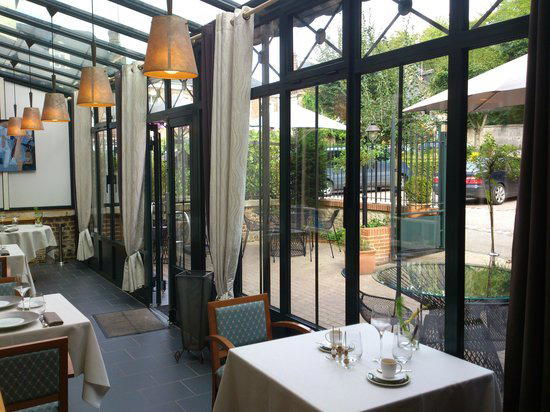
Restaurants in Rouen
Browse all →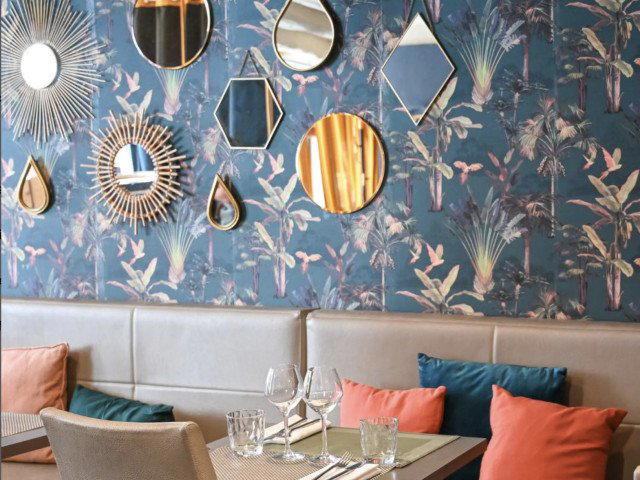
Hotels in Rouen
Browse all →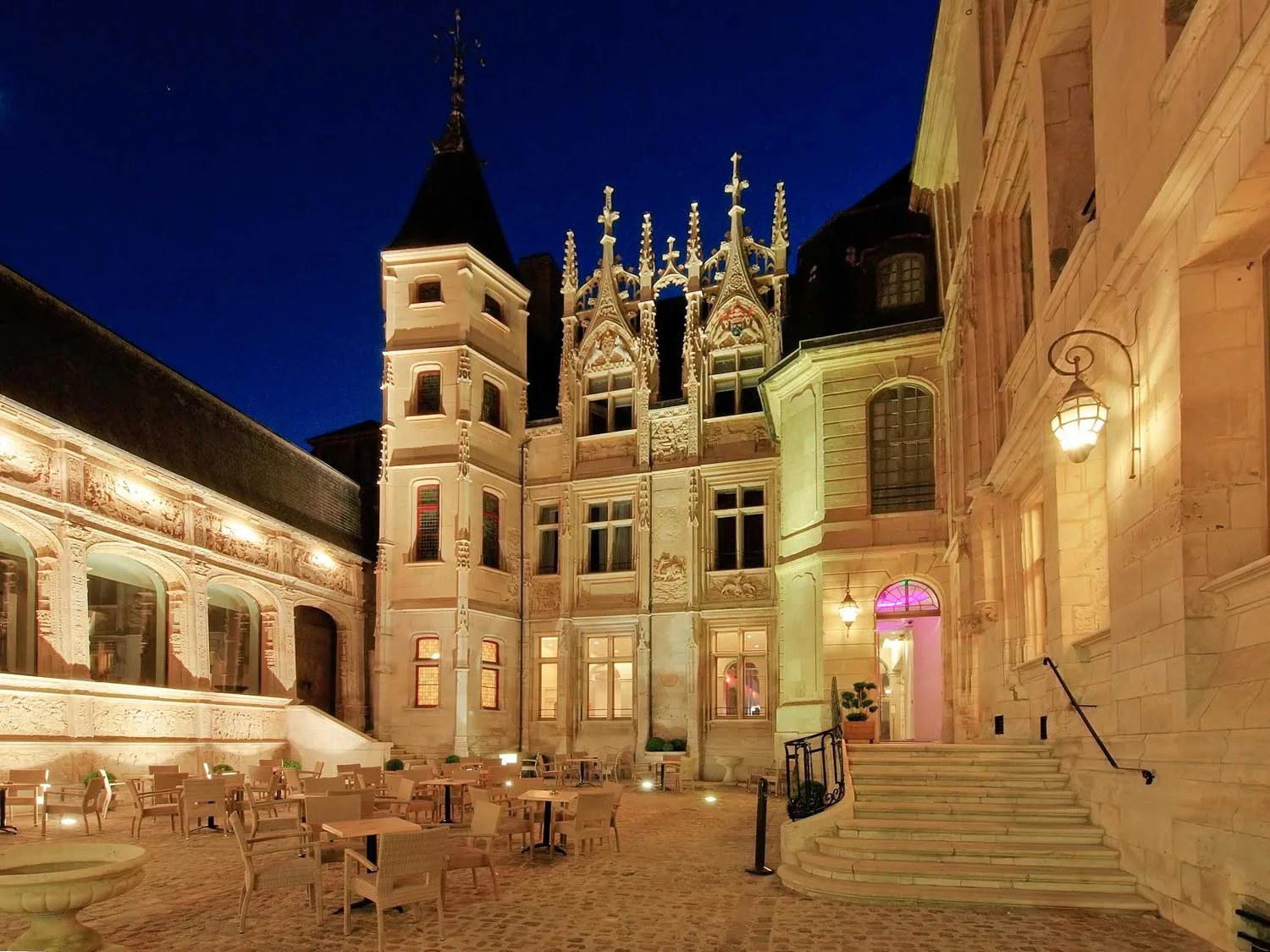
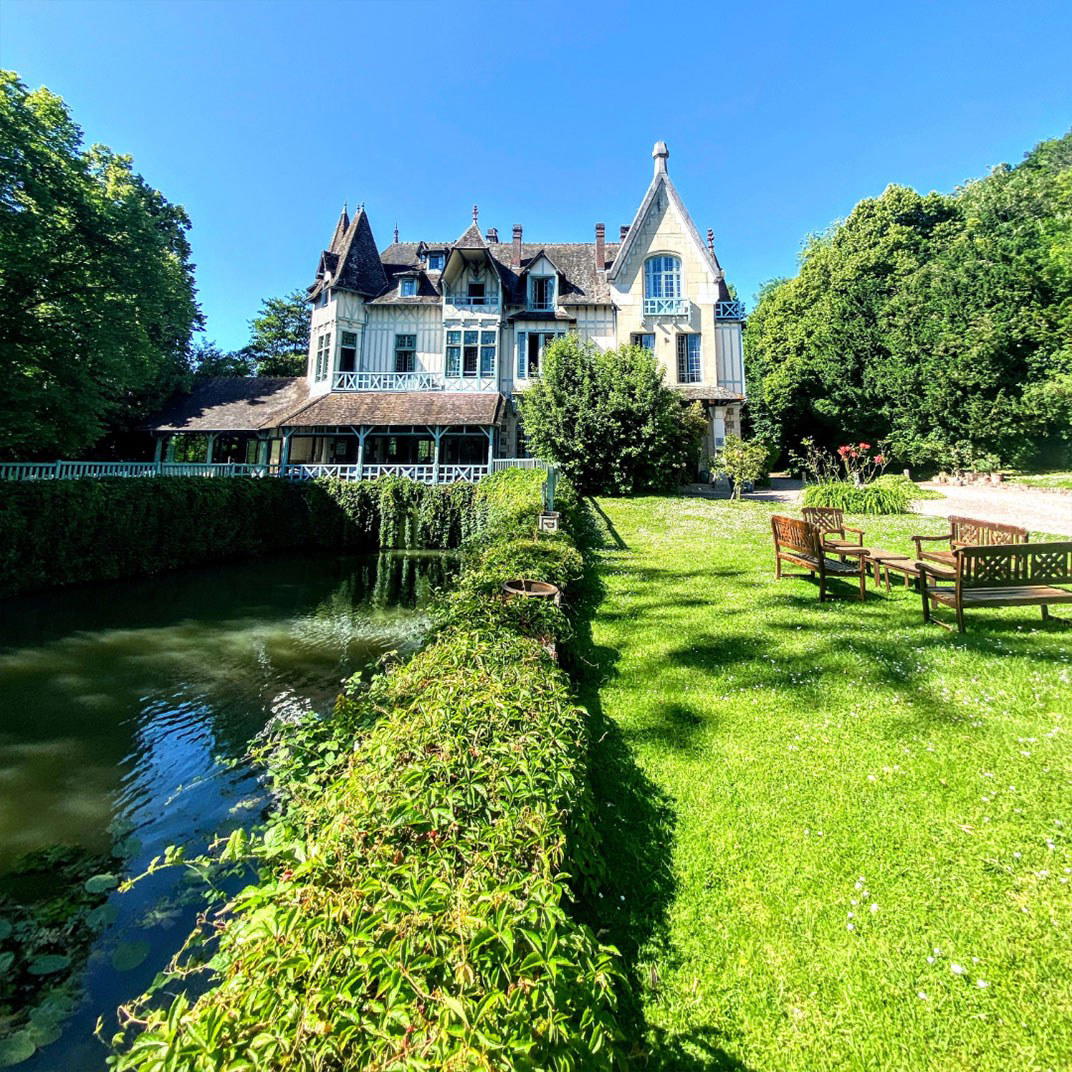
Wineries in Rouen
Browse all →
At a Glance
- Elegant
- Cozy
- Intimate
- Sophisticated
- Date Night
- Special Occasion
- Historic Building
- Local Sourcing
Current opening hours
- Monday
- Closed
- Tuesday
- 12–2 PM, 7:30–10 PM
- Wednesday
- 12–2 PM, 7:30–10 PM
- Thursday
- 12–2 PM, 7:30–10 PM
- Friday
- 12–2 PM, 7:30–10 PM
- Saturday
- 12–2 PM
- Sunday
- Closed
Hours can change for holidays and private events. Last verified .
Elegant, warm, convivial atmosphere in a cosy, sober setting adorned with art canvases and snapshots.