
On the quai de la Bourse, Gill has anchored Rouen's serious dining scene for decades, with chef Gilles Tournadre working a register of classical French cooking that draws directly from Normandy's larder. Recognised by Opinionated About Dining in 2023, it occupies a tier above the city's newer modern-cuisine addresses and serves as the clearest measure of what Norman terroir looks like at formal restaurant scale.
Pearl is the En Primeur Club membership app — saves, bookings, and concierge access live there. Same editors, same standards.
- Address
- 8-9 Quai de la Bourse, 76000 Rouen, France
- Phone
- +33 2 35 71 16 14
- Website
- gill.fr
- Directions
- Get directions
 Saves & bookings on Pearl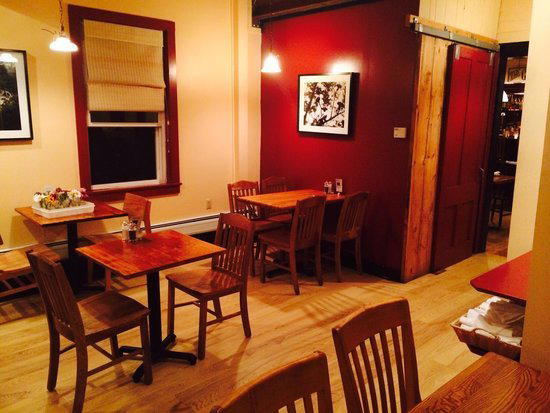
Where the Seine and Norman Terroir Meet the Plate
The quai de la Bourse runs along the Seine's left bank through central Rouen, its stone façades facing the water with the kind of civic weight that provincial French cities do well. Gill sits here at numbers 8 and 9, in a dining room where the address itself carries historical information: this is where Rouen presents itself formally, at the river, to visitors who arrive understanding what a serious Norman meal is supposed to mean. The approach is quieter than the cathedral quarter a few streets back, and the room reads accordingly, this is a place that has been doing one thing for a long time and has no reason to announce it loudly.
Rouen's position in the French classical dining conversation is somewhat underread. The city sits at the northern edge of a region, Normandy, whose agricultural credentials are extraordinary: the dairy pastures that produce some of France's most respected butter and cream, apple orchards yielding cider and calvados, a coast that supplies scallops and sole and turbot with a directness that kitchens further inland spend considerable effort and cost to replicate. A kitchen on the quai de la Bourse, with that supply chain at its back, is working from a position of genuine provenance strength.
Classical French Cooking and Its Norman Register
Classical French cuisine, as a category, has been under pressure from two directions for at least two decades. On one side, the modernist and creative-tasting-menu format, represented in the French context by addresses like Alléno Paris au Pavillon Ledoyen, has claimed much of the critical attention and the travelling-diner spend. On the other, the mid-market modern-cuisine tier has proliferated, offering technical cooking at lower price points. Classical restaurants occupying the formal middle ground have had to be clear about what they offer that neither alternative does.
The answer, in Norman terms, is specificity of place. Normandy's terroir is not abstract. The cream that goes into a sauce is traceable to a particular breed of cattle in a particular landscape. The apple base in a calvados reduction connects to orchards that have been producing for generations. That kind of grounding gives classical technique something to work with beyond mere execution, it gives it a regional argument. Gill, under chef Gilles Tournadre, operates within that argument, and has done so long enough that the restaurant has become part of the regional dining record rather than simply participating in it.
For comparison, establishments like Bras in Laguiole and Auberge de l'Ill in Illhaeusern anchor their identities to particular regional environments in a similar way, the Aubrac plateau in one case, Alsatian river culture in the other. Gill's version of that anchoring is Normandy, and the Seine as both literal address and symbolic reference point for the cuisine that surrounds it.
Where Gill Sits in Rouen's Dining Structure
Rouen's restaurant scene has diversified notably in recent years. The creative and modern-cuisine tier has expanded with addresses like L'Odas (Michelin-starred, creative format) and a cluster of mid-range modern-cuisine operators including L'epicurius, OKTO, Paul-Arthur, and Tempo. These restaurants occupy the €€ tier and serve a different dining purpose, accessible, contemporary, suited to repeat visits and local regulars.
Gill's position is distinct from that cohort. The Opinionated About Dining Classical in Europe Recommended recognition (2023) places it explicitly in the classical European category, a tier that carries different expectations around formality, service register, and depth of wine programme.
The relevant peer comparison is less with Rouen's newer restaurants and more with classical addresses in comparable regional French cities, and beyond France's borders, with the kind of formally grounded European cooking that Hotel de Ville Crissier in Crissier represents in the Swiss context. That is the tier Gill prices and presents against, even if most diners arrive from within the Norman region rather than from abroad.
The Provenance Case for Normandy
It is worth being specific about what Norman terroir means at the table, because the case for travelling to Rouen for this kind of meal rests on it. Normandy produces AOC-protected camembert, livarot, and pont-l'évêque; it supplies Paris with a significant share of its premium dairy; its coast handles scallops, oysters, and flatfish at a volume and quality that makes proximity to the source an actual kitchen advantage. A classical French kitchen in this region is not working with generic French produce, it is working with ingredients that carry specific geographic identity and, in many cases, legal protection of that identity.
The classical format, with its sauce work and its attention to texture and temperature across multiple courses, is better suited to showcasing that kind of ingredient than the briefer, more minimalist treatments common in contemporary tasting menus. A properly made Norman cream sauce does something to the region's dairy that a modern cold emulsion does not. That is not a conservative argument, it is a technical one about format-to-ingredient fit. Restaurants in other regions doing analogous work at a similar level include Flocons de Sel in Megève (Alpine produce through a classical-rooted lens) and Mirazur in Menton (Mediterranean terroir, though in a considerably more contemporary format). The overlap is in the commitment to place as the primary editorial statement of the menu.
Planning a Visit
Gill is located at 8-9 Quai de la Bourse in central Rouen, on the Seine's left bank and within walking distance of the city's main cultural sites. At the formal classical tier, booking several weeks in advance is standard practice for weekend service; midweek lunch typically offers more flexibility and, at restaurants of this type, often represents the more considered way to experience the full menu without the pace pressures of dinner service.
Frequently Asked Questions
What do people recommend at Gill?
Gill's OAD Classical in Europe recognition and chef Gilles Tournadre's long tenure point toward the kitchen's strength in classical Norman cooking, sauce-based dishes that make direct use of the region's dairy and coastal produce. For one representative experience, the tasting menu format tends to show the range of the kitchen more fully than à la carte ordering. The wine programme at a restaurant with this profile and history should be treated as part of the meal, not a supplement to it, Normandy's cider and calvados traditions also offer an interesting regional pairing dimension.
How far ahead should I plan for Gill?
Rouen is a regional city, which means Gill does not carry the same multi-month wait times as particularly sought-after Paris addresses. However, the OAD Classical in Europe recognition does draw informed diners from beyond the Norman region, and weekend dinner tables at this tier in French cities fill predictably. Planning three to four weeks ahead for weekend service is a reasonable baseline; for specific dates around local events or public holidays, extend that. A visit aligned with the Norman produce calendar, scallop season running roughly October through April, for example, adds an additional layer of seasonal intelligence to the booking decision. For context on how Gill sits relative to the broader city offer, our full Rouen restaurants guide covers the range from formal classical to contemporary mid-market.
Quick Comparison
Comparable venues nearby, for context on price, style, and recognition.
| Venue | Cuisine | Price | Notes |
|---|---|---|---|
| GillThis venue — the venue you are viewing | Classic French Fine Dining | $$$ | Not listed |
| La Galerie | Contemporary French Seasonal | $$$ | old town |
| Louisette | Modern French-Asian Fusion | $$$ | Centre |
| Chez L'Gros | Traditional French Bistro | $$ | centre-ville |
| Gill Côté Bistro | Traditional French Bistro with Norman Specialties | $$ | Vieux Marché |
| Chez Philippe | Traditional French Bistro | $$ | Centre-ville |
Recognition history
Dated appearances from independent guides and award organizations, with the underlying list record or original source where available.
Opinionated About Dining Classical in Europe Recommended
Opinionated About Dining
Continue exploring
More in Rouen
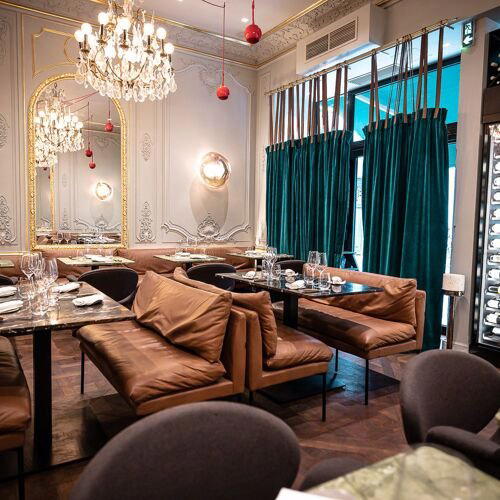
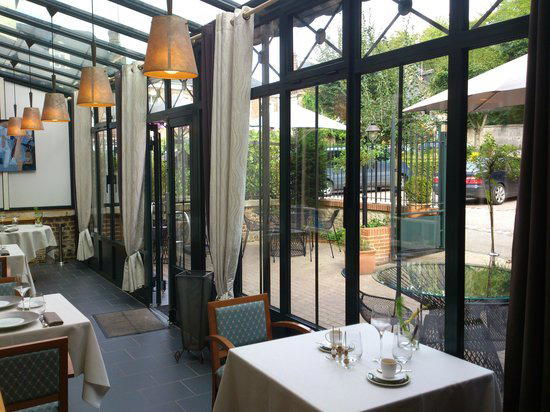
Restaurants in Rouen
Browse all →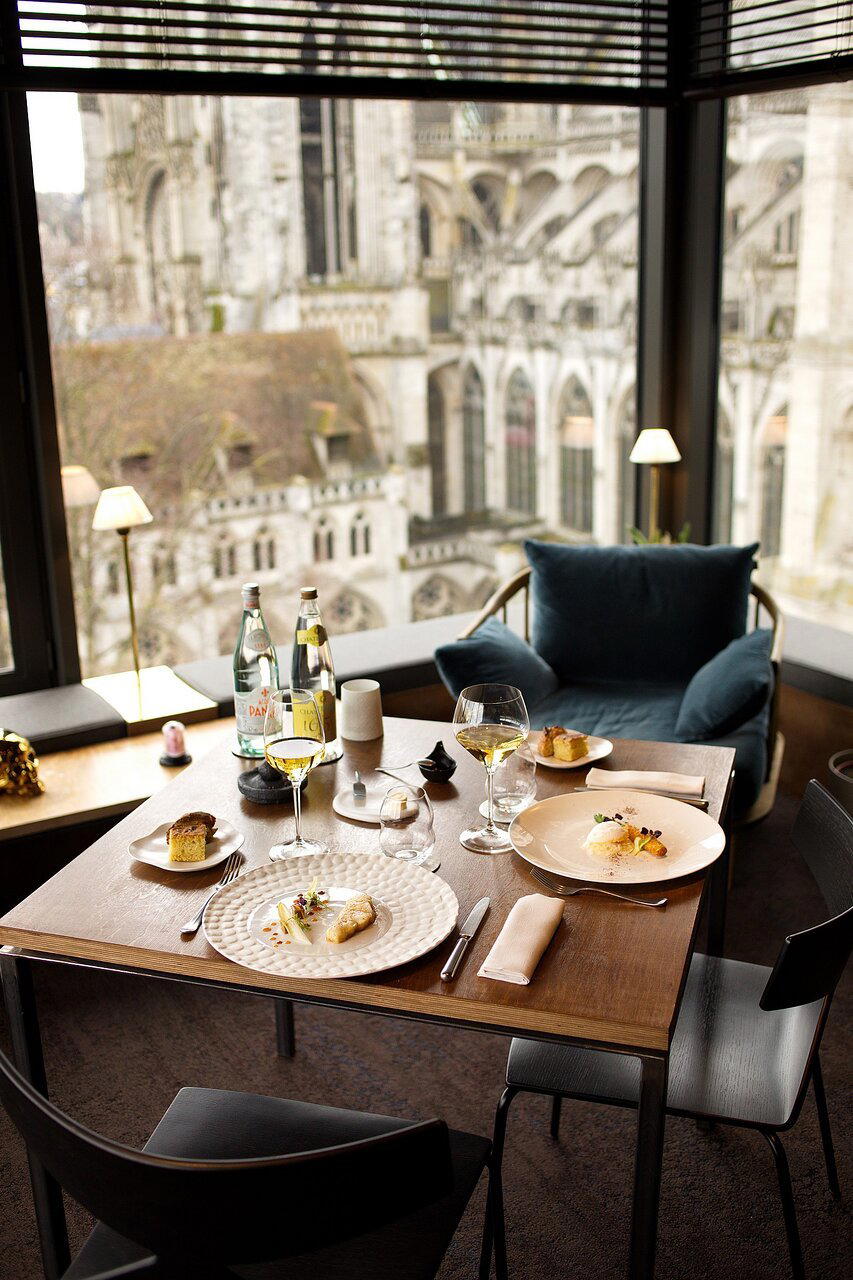
Hotels in Rouen
Browse all →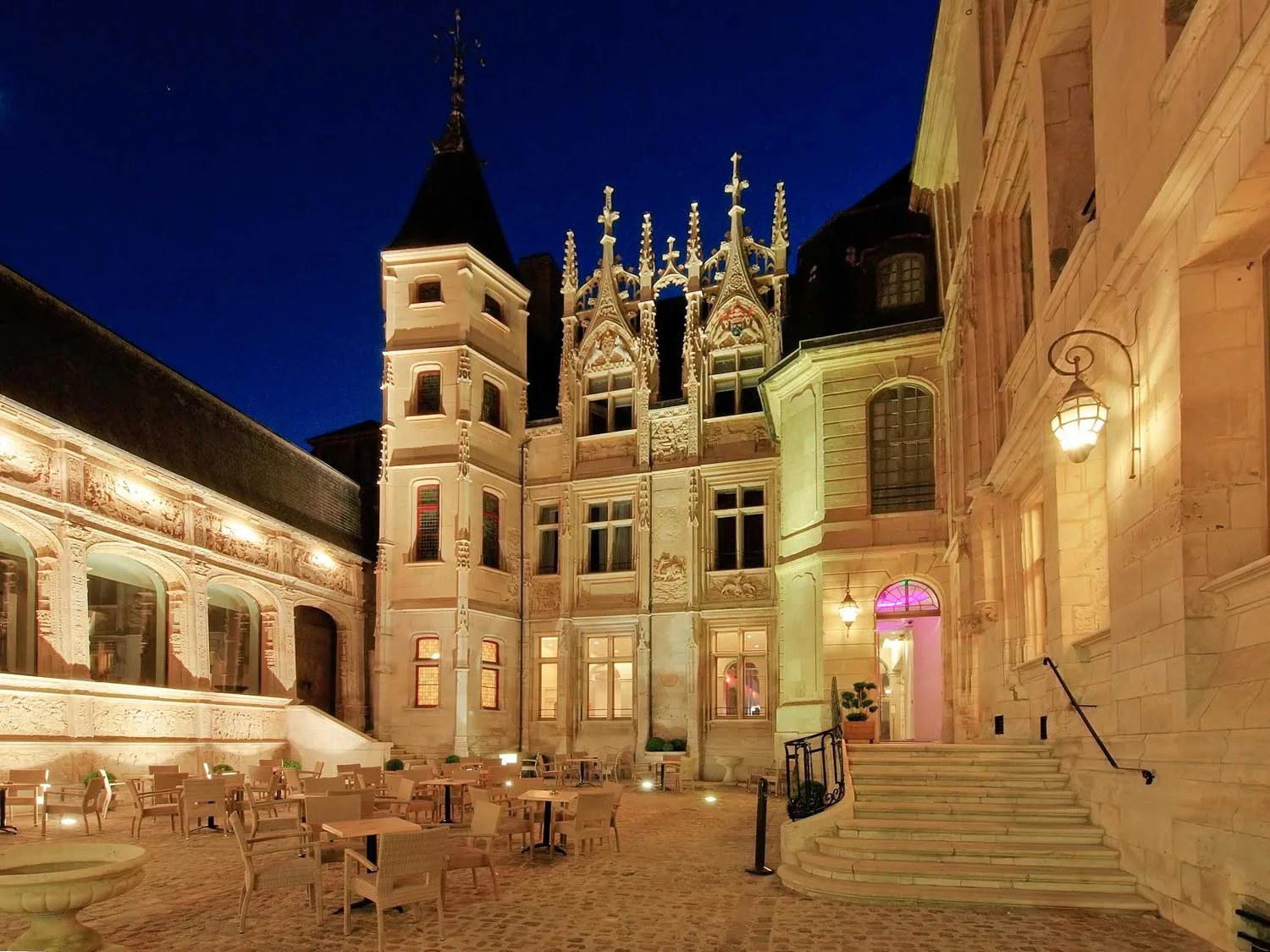
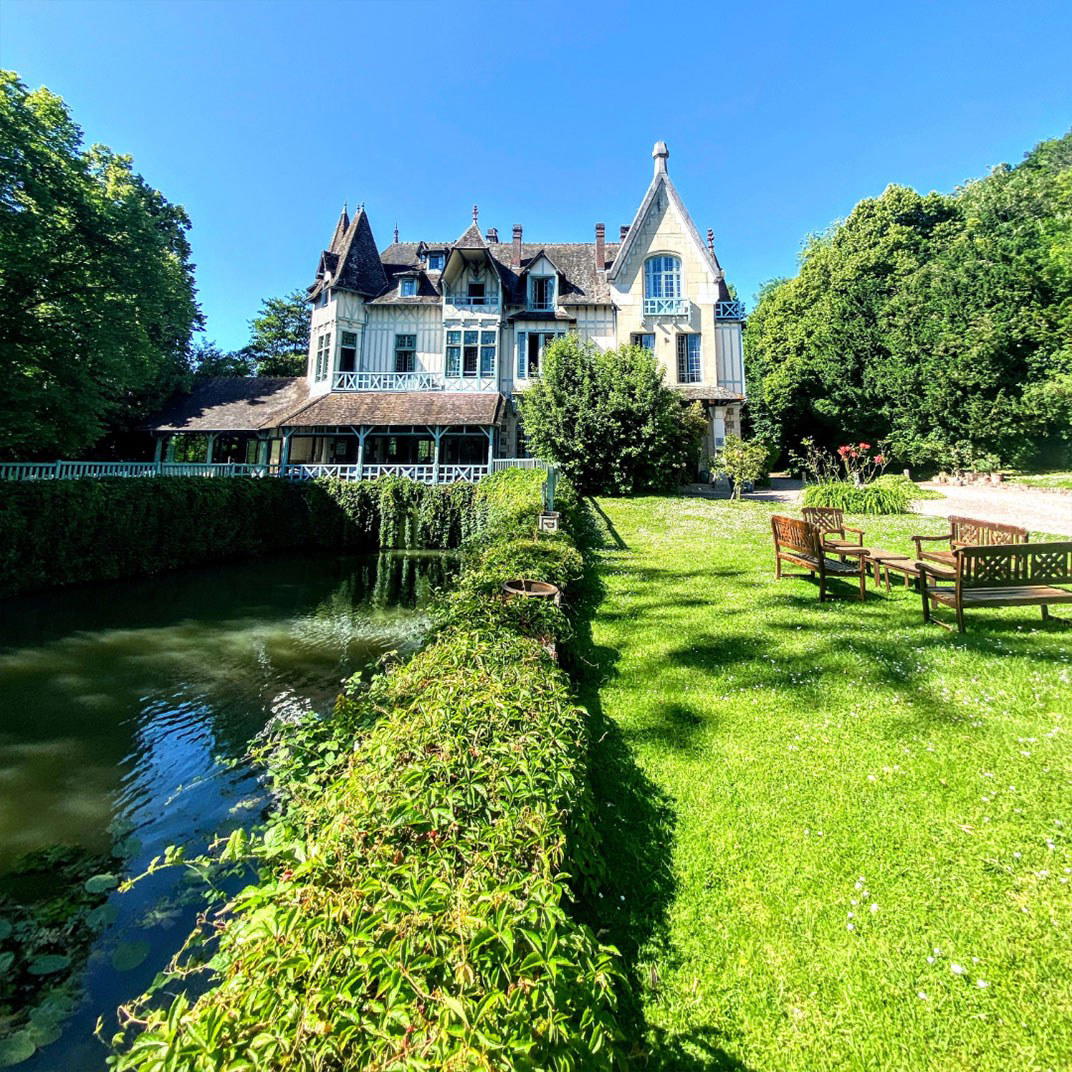
Wineries in Rouen
Browse all →
At a Glance
- Elegant
- Sophisticated
- Cozy
- Modern
- Date Night
- Business Dinner
- Special Occasion
- Celebration
- Open Kitchen
- Extensive Wine List
- Waterfront
- Street Scene
Current opening hours
- Monday
- Closed
- Tuesday
- Closed
- Wednesday
- 12–1:45 PM, 7:30–9:45 PM
- Thursday
- 12–1:45 PM, 7:30–9:45 PM
- Friday
- 12–1:45 PM, 7–10 PM
- Saturday
- 12–1:45 PM, 7–10 PM
- Sunday
- Closed
Hours can change for holidays and private events. Last verified .
Warm, modern decoration with a convivial and elegant atmosphere, featuring attentive and discreet service.