On Rue Pastorelli in central Nice, Les Sens operates within a city that has become one of southern France's most competitive addresses for serious modern cooking. The restaurant sits in a tier defined by collaborative kitchen culture and considered service, where the interplay between cooking, wine knowledge, and front-of-house craft carries as much weight as any single signature dish.
Pearl is the En Primeur Club membership app — saves, bookings, and concierge access live there. Same editors, same standards.
- Address
- 37 Rue Pastorelli, 06000 Nice, France
- Phone
- +33981065700
- Website
- les-sens-nice.fr
- Directions
- Get directions
 Saves & bookings on Pearl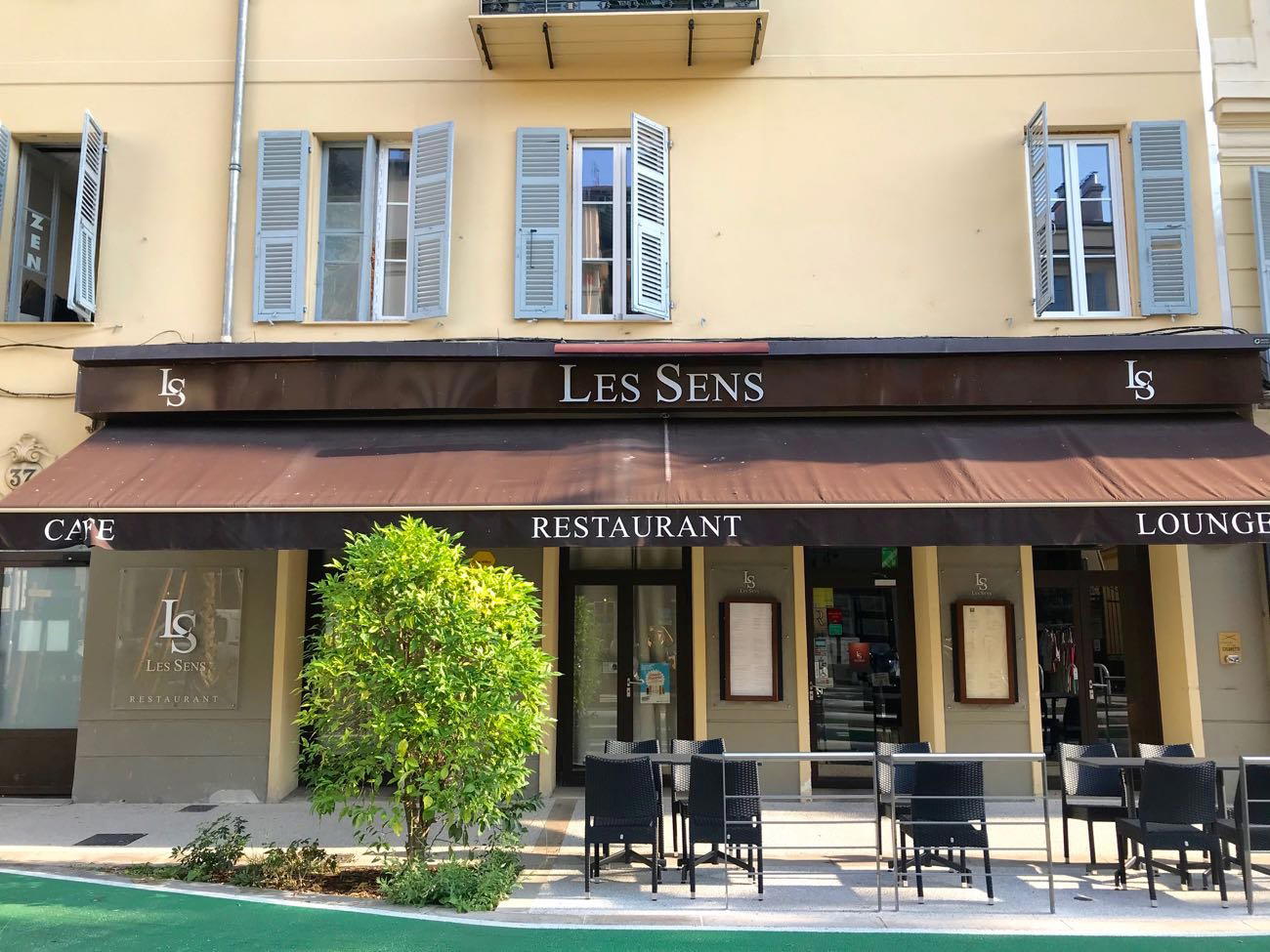
A Street, a Room, and the Question of Who Runs the Show
Rue Pastorelli cuts through the administrative heart of Nice, a few blocks north of the Promenade des Anglais and close enough to the old town to catch foot traffic from both tourists and the city's professional class. The buildings along this stretch are typical of Nice's nineteenth-century urban fabric: tall, narrow facades in faded ochre and pale yellow, street-level premises that have housed everything from notaries to neighbourhood trattorie. Les Sens, at number 37, is a modern French Mediterranean restaurant in central Nice, priced at about $35 per person, and it operates in a city where the gap between aspirational modern cooking and accomplished technique has narrowed considerably over the past decade.
Nice is no longer simply the gateway to the Côte d'Azur or a city coasting on the reputation of its cuisine niçoise traditions. The same stretch of the French Riviera that puts Mirazur in Menton at the summit of global rankings has pushed Nice itself toward a more ambitious register. Restaurants like Flaveur and L'Aromate have established a clear upper tier in the city's modern French category, and newer addresses such as Les Agitateurs and ONICE have added creative and contemporary registers to the mix. Les Sens enters this environment as a participant in that broader shift rather than a holdout from an earlier era.
The Collaborative Model: Why Team Structure Matters at This Level
In the current French fine-dining conversation, one of the more instructive fault lines runs between restaurants built around a single dominant figure and those that distribute authority more deliberately across kitchen, cellar, and floor. The former model produces clearer narratives for critics and press; the latter often produces more consistent experiences for the guest sitting at the table. Les Sens operates in the collaborative register, where the interplay between cooking and service is the architecture, not a supporting element.
This structure has precedent at the highest levels of French cuisine. At Troisgros in Ouches, the multigenerational model has always depended on shared institutional knowledge rather than singular genius. Auberge de l'Ill in Illhaeusern built its decades of continuity on similar foundations. What distinguishes the collaborative format is that service stops being a delivery mechanism and becomes a form of editorial judgment: the team shapes the experience as it unfolds, adjusting pace, reading the room, and making wine decisions that genuinely affect how the food lands. When that triangle between kitchen, sommelier, and front-of-house functions at close range, the guest often has no clear sense of where one discipline ends and another begins, which is exactly the point.
At the price tier and format level where the restaurant competes in Nice, this matters because the alternatives are well-defined. Le Chantecler at the Hotel Negresco represents the grand French classical tradition. Flaveur is built explicitly on brotherly creative partnership. The competitive set is clear, and a restaurant in this bracket succeeds or stalls based on whether the service team can hold its end of that conversation with equal confidence.
Southern France and the Question of Regional Identity
Nice occupies a specific and sometimes underappreciated position in the geography of French serious cooking. It is close enough to the Italian border that Ligurian ingredients and techniques have always pressed in at the edges. The olive oils, the anchovies, the chickpea preparations, socca being the visible, all reflect a Mediterranean pantry that differs from what drives kitchens in Paris or Lyon. At the same time, Nice's proximity to the Alps means that the larder extends upward into different terrain: game, mountain cheese, truffles from the Var. A kitchen in Nice that takes its sourcing seriously is working with an unusually layered regional proposition.
That regional depth is part of what makes the city an interesting address for the collaborative restaurant format. A sommelier in Nice who knows the Bellet appellation, the tiny AOC that sits in the hills directly above the city, producing wines that rarely leave the region, brings a genuinely local advantage that no Paris counterpart can replicate. The front-of-house team that can explain the relationship between a Niçoise preparation and a plate that extends or departs from it is doing something contextually specific. These are not generic hospitality competencies; they are place-specific ones, and they are exactly the kind of detail that elevates team-driven service from professional to authoritative.
For a wider sense of how the south of France's modern cooking connects to national benchmarks, the references extend from AM par Alexandre Mazzia in Marseille along the coast to Flocons de Sel in Megève in the mountains, each working a distinct version of the southern and alpine French identity. The broader French institutional canon, from Paul Bocuse in Collonges-au-Mont-d'Or to Alléno Paris au Pavillon Ledoyen, provides the benchmark against which all modern French restaurants in this register are implicitly measured, whether they acknowledge it or not. Internationally, the standard for team-driven fine dining extends to addresses like Le Bernardin in New York City and Atomix, where choreography between kitchen and floor is a deliberate and documented priority.
Planning a Visit
The restaurant is located at 37 Rue Pastorelli in the sixth arrondissement of Nice, central enough to reach on foot from most of the city's main hotels and within a short taxi or tram ride from the Promenade des Anglais. Rue Pastorelli itself is a working street rather than a tourist thoroughfare, which tends to mean a more local clientele and a less performative atmosphere than restaurants in the old town or directly on the seafront.
Fast Comparison
Comparable venues nearby, for context on price, style, and recognition.
| Venue | Cuisine | Price | Notes |
|---|---|---|---|
| Les SensThis venue — the venue you are viewing | Modern French Mediterranean | $$$ | Not listed |
| La Petite Maison | Authentic Niçoise Mediterranean | $$$ | Nice Historique |
| Le Mesclun | Modern Market-Driven French | $$$ | Nice Ouest |
| Le Boudoir | Modern French Bistronomique | $$$ | Cœur de Nice |
| Le Safari | Authentic Niçoise Cuisine | $$ | Nice Historique |
| La Cantine de Mémé | French-Mediterranean Bistro | $$ | Cœur de Nice |
Continue exploring
More in Nice
Restaurants in Nice
Browse all →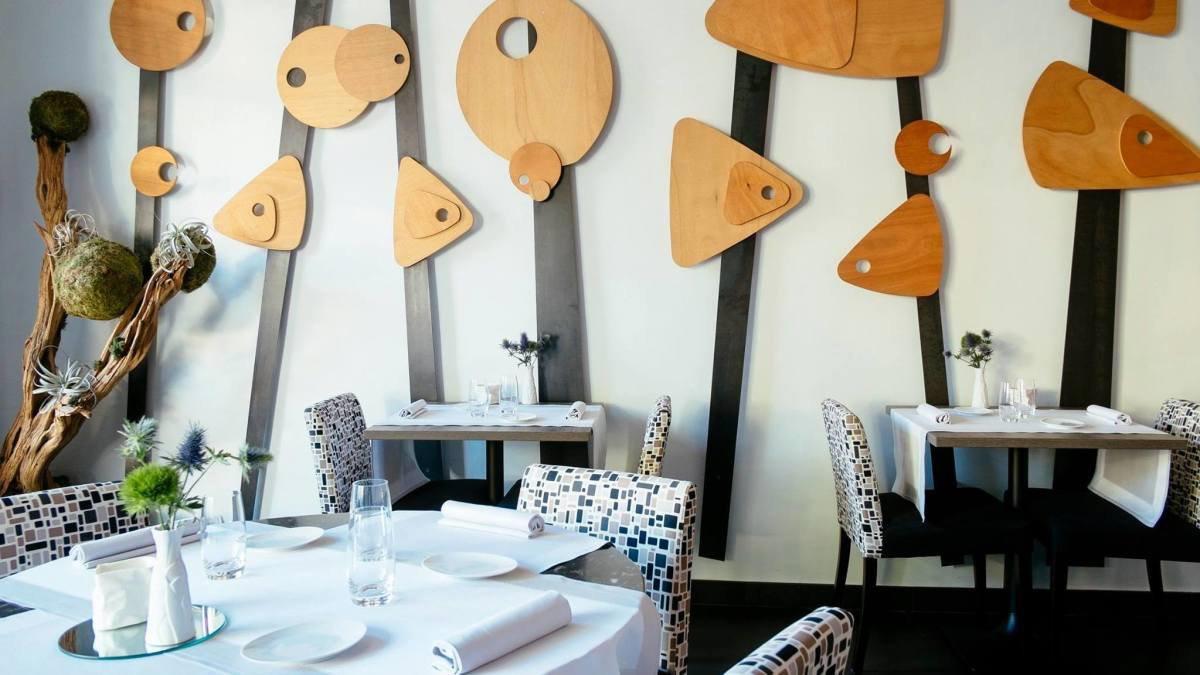
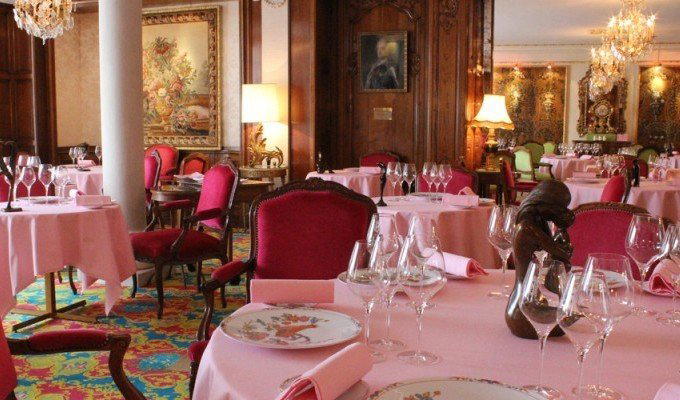
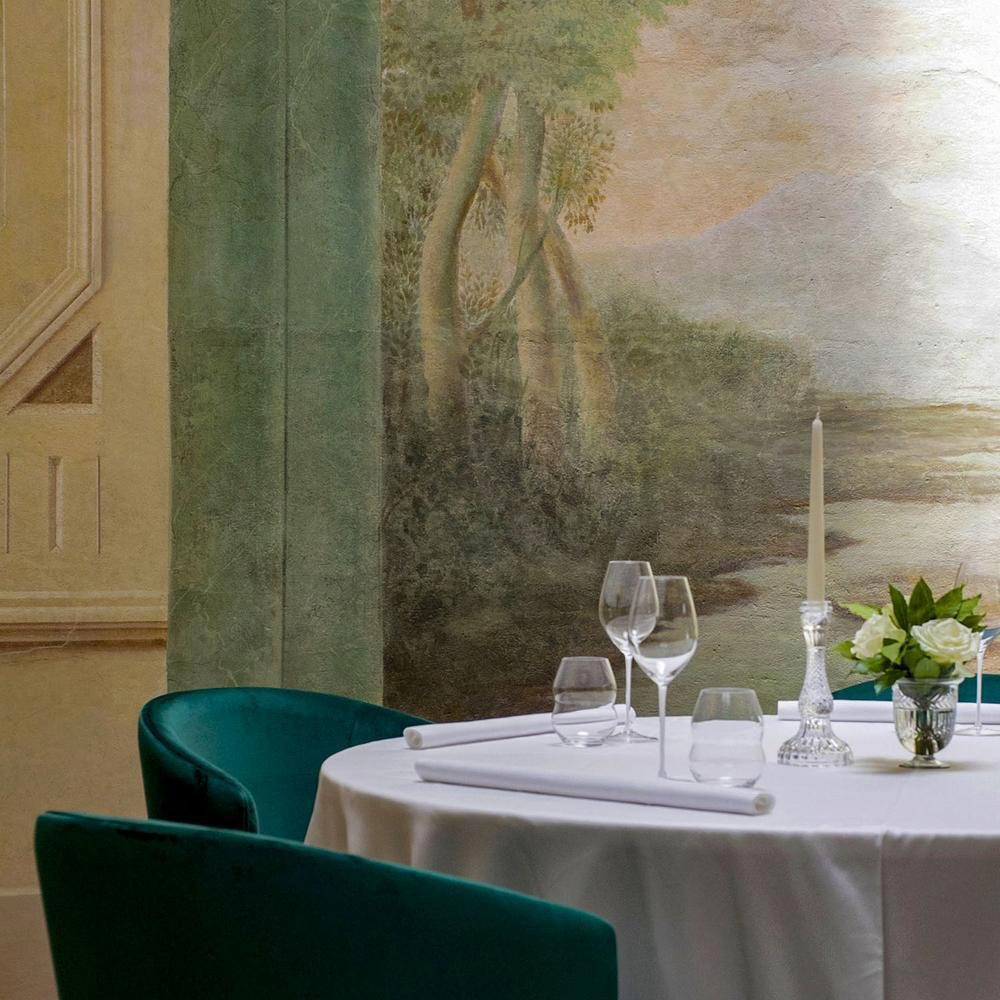
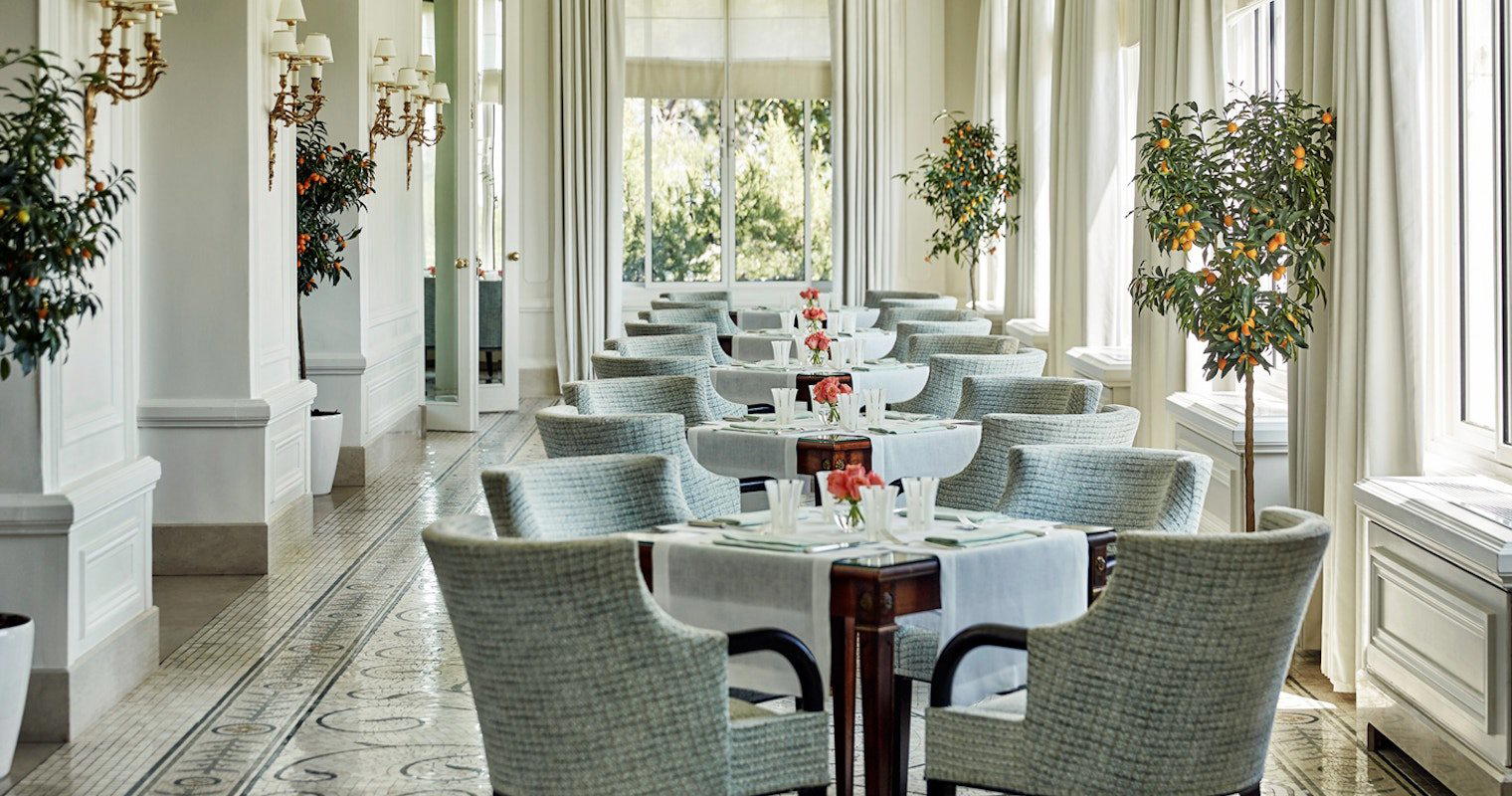
Bars in Nice
Browse all →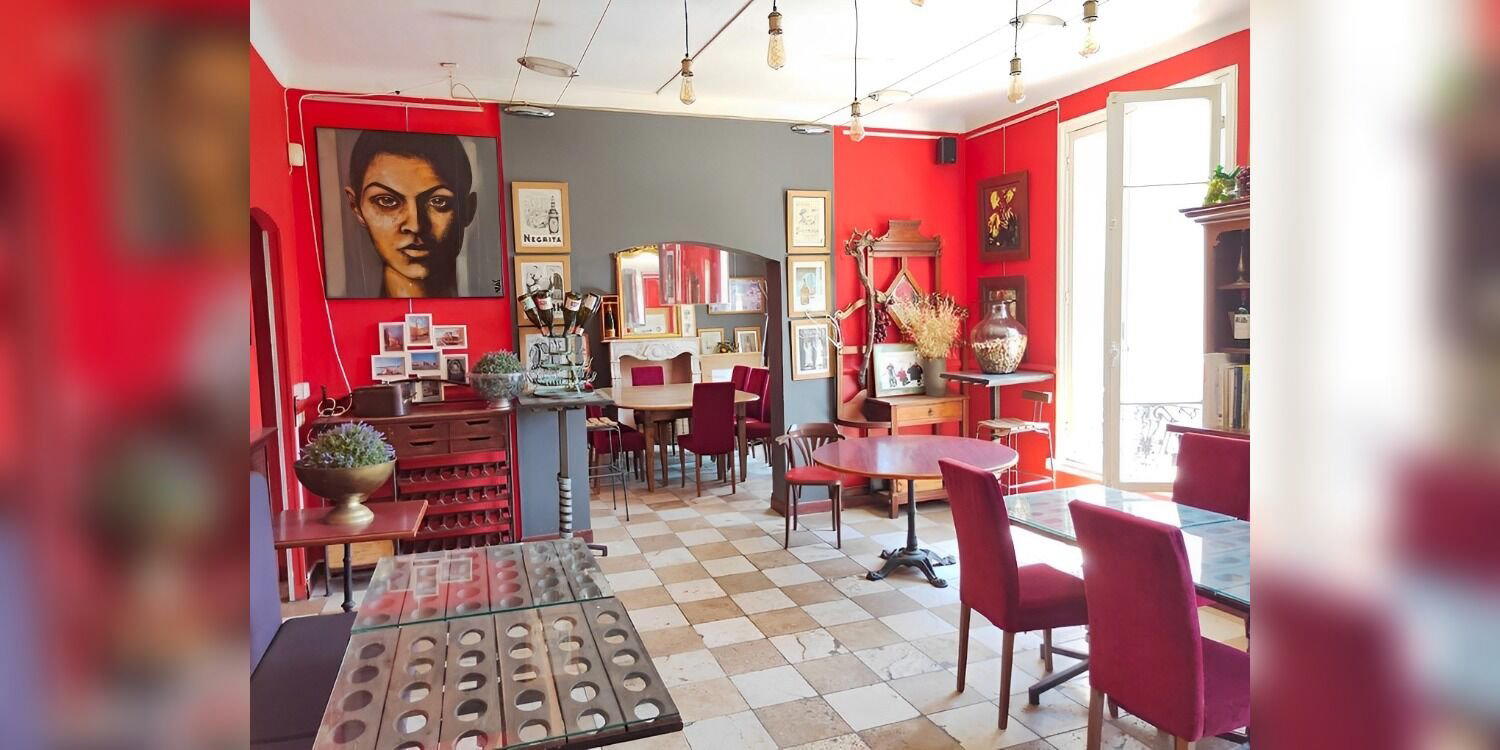
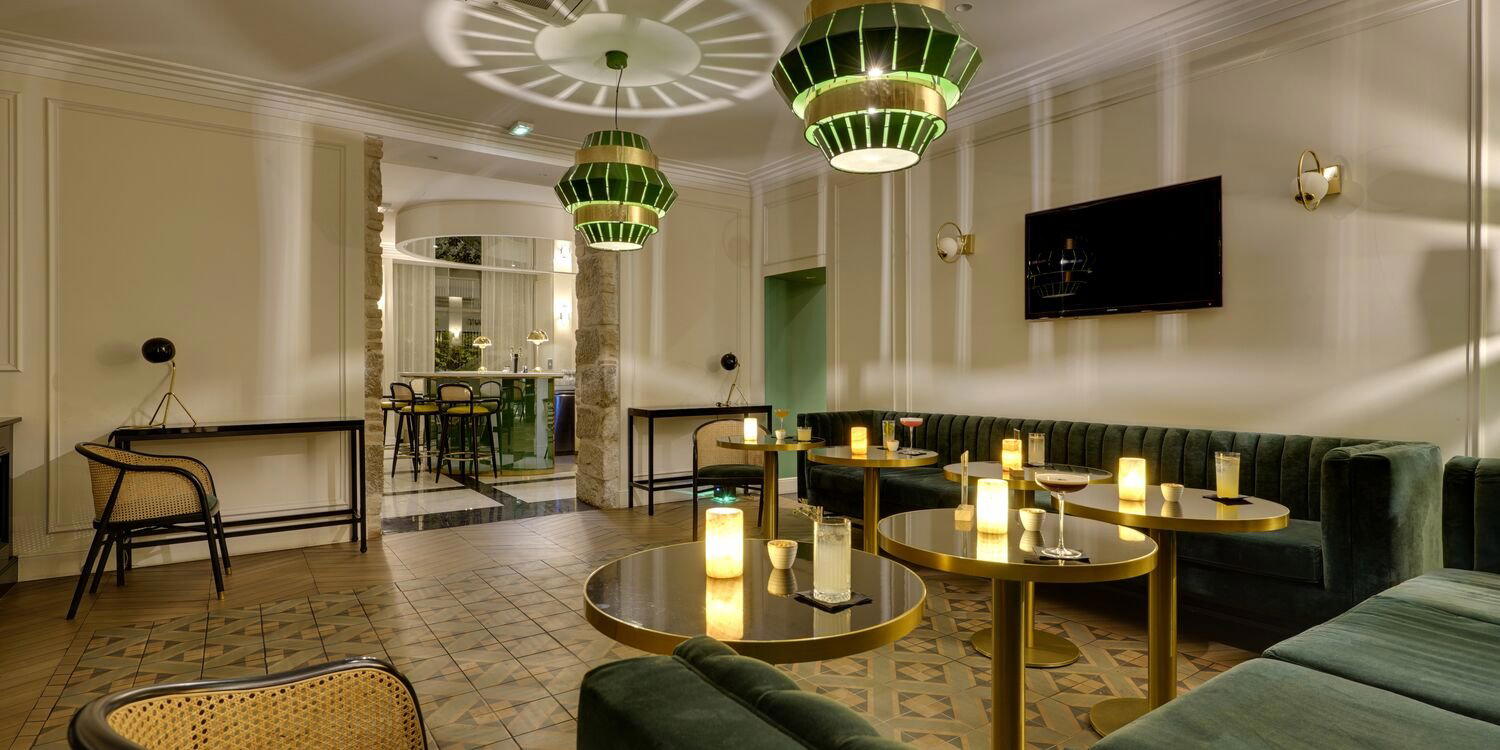
Hotels in Nice
Browse all →

At a Glance
- Elegant
- Cozy
- Modern
- Sophisticated
- Date Night
- Special Occasion
- Terrace
- Extensive Wine List
- Local Sourcing
Current opening hours
- Monday
- 12–2 PM, 7:30–9:30 PM
- Tuesday
- 12–2 PM, 7:30–9:30 PM
- Wednesday
- 12–2 PM, 7:30–9:30 PM
- Thursday
- 12–2 PM, 7:30–9:30 PM
- Friday
- 12–2 PM, 7:30–9:30 PM
- Saturday
- Closed
- Sunday
- Closed
Hours can change for holidays and private events. Last verified .
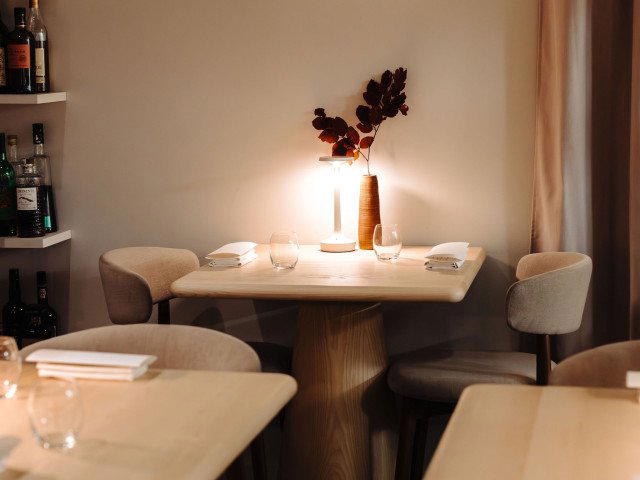
Cozy and warm ambiance with vintage-industrial decor, stone walls, and a sophisticated yet convivial atmosphere.