
Tabelog 100 #97
Our verdict
Les Anges Kamakura honten sits in Kamakura’s sweets-and-kissa tradition rather than the city’s temple-side dining circuit. Selected for Tabelog 100 Sweets EAST in 2022 and 2023, it is a cake and Japanese coffee-shop address where the appeal lies in pastry craft, take-out utility, and the slower rhythm of Onarimachi near Kamakura Station.

Pearl is the En Primeur Club membership app, where members save venues, book tables and use the concierge.
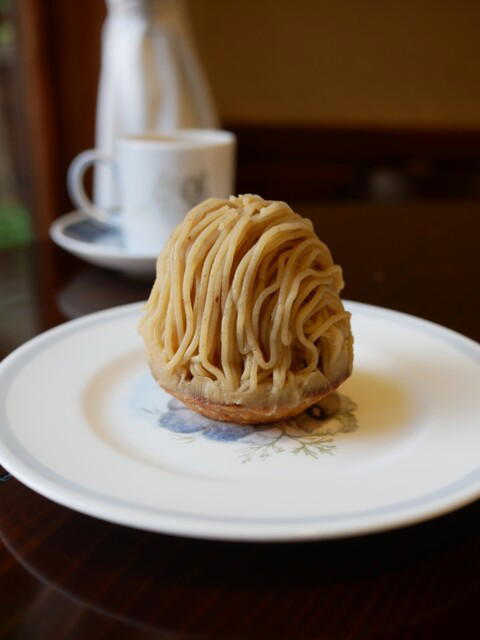
The menu
What to order
- Seasonal cakes
- French-style biscuits/cookies
- Matcha terrine dessert
- Mont Blanc cake
- Baked sweets assortment
Kamakura has a different pulse from the shrine approaches and beach-bound streets that shape much of the city’s visitor traffic. Around town, the rhythm can feel residential, useful, and suited to an afternoon pause rather than a checklist meal. Les Anges Kamakura honten fits a particular Japanese category: cake shop with café space, part sweets counter, part kissa, part neighborhood errand.
Kamakura’s food culture is often read through casual lunches, temple-adjacent stops, and day-trip snacks, but its sweets scene tells a quieter story: technique filtered through Japanese scale. The format rewards precision over spectacle. Portions are measured, packaging matters, and café service is secondary to counter credibility. Ingredient handling is central not as slogan, but as the logic behind how a cake shop in a tourist city keeps local relevance. Fruit, dairy, chocolate, tea, coffee, and baked dough all depend on unseen supply chains, yet the category rises or falls on how those materials are handled.
Kamakura's pastry counter culture, read through the city
The city’s stronger casual sweets addresses sit outside the luxury-dessert theatre common in larger hotel settings. They operate closer to daily life: coffee, cake, gifts, take-out boxes, and a brief sit-down before the next train. Les Anges Kamakura honten fits that model, with categories listed as cake and kissa rather than restaurant dégustation or dessert bar. The distinction matters. A kissa setting asks less of the guest and more of the fundamentals: texture, sweetness, temperature control, and whether a cake can travel without losing its point.
Tabelog Hyakumeiten recognition in 2023 places the shop within a noted sweets context, not merely a casual Kamakura mention. That recognition is useful because pastry rarely receives the same international award language as fine dining, yet the demands are no lighter. Consistency across display, café service, and take-out is the measure. A cake shop can charm once; recognition suggests a noted standard.
Compared with Kamakura’s coffee-first institutions, the emphasis shifts. Cafe Vivement Dimanche reads as part of the city’s café conversation, while Iwata Coffee Ten and Nagon Shiruko Ten represent older forms of sit-down sweetness and coffee culture. Les Anges Kamakura honten sits closer to the pastry-gift economy: the place to fold into a day when cake is the point, or when a boxed purchase matters as much as a table.
Ingredient discipline is the real luxury in a low-key format
In cake-and-kissa service, restraint is rarely decorative. Sugar is adjusted so dairy, fruit, nuts, and cocoa register cleanly; sponge and cream are judged on balance rather than scale. The category often values lighter finishes, careful handling, and a pace that suits both eat-in and take-away use. Without naming unlisted cakes or inventing house specialties, the editorial point is clear: a shop classified around cake and kissa lives or dies by base materials and daily production discipline.
That is why the listed price tier is notable. Kamakura has many casual stops aimed at day-trippers, but recognition from a sweets-focused source signals more than convenience. It is an accessible pastry address in a city where visitors often spend heavily on atmosphere and underthink the afternoon break. The smarter reading is to treat sweets as a serious category, not a consolation after lunch.
The broader Kamakura circuit makes that contrast useful. Other Kamakura dining addresses point toward baking, coffee, sweets, lunch counters, and specialized casual rooms in different registers. The city’s smaller food map is varied enough that a cake-and-kissa address does not need to mimic a restaurant to matter. For the wider map, Our full Kamakura restaurants guide gives necessary context; sweets make better sense beside coffee shops, bakeries, and lunch counters than isolated as dessert stops.
How to use it in a Kamakura day
The strongest case for Les Anges Kamakura honten is not a grand detour, but a strategic pause in Kamakura, especially when the schedule already includes temples, coastal walking, or a return rail connection. The cake-and-kissa format makes it more flexible than a restaurant meal. That flexibility is practical in Kamakura, where weather, train timing, and shrine crowds can quickly reshape plans.
Setting also suits groups whose plans are built around an easy pause rather than a tightly formatted dining room. The point is not ceremony; it is the usefulness of a sweets address that can fit into the middle of a walking day. These details are not glamour, but they separate a useful cake shop from a pretty detour.
For travelers building a fuller Kamakura itinerary, surrounding categories matter. Hotels shape whether Kamakura is a day trip or overnight stay; Our full Kamakura hotels guide helps with that decision. Evening drinking remains smaller than in Tokyo, but Our full Kamakura bars guide maps the options, while Our full Kamakura experiences guide is better for pairing food stops with cultural time on the ground. Our full Kamakura wineries guide is useful for readers tracking regional drinks, not only restaurants.
Seen against Japan’s wider casual dining spread, the Kamakura sweets stop has its own logic. It is not the same decision as city restaurants, coffee counters, regional casual addresses, curry specialists, or overseas Japanese-adjacent spots serving different purposes. Kamakura’s pastry culture is smaller, quieter, and tied to walking, trains, and gifts. That is exactly why this address works: it understands the city at the scale of an afternoon.
Frequently asked questions
Is Les Anges Kamakura honten more mid-range or high-end?
Pricing at Les Anges Kamakura honten is listed as - JPY 999 - JPY 999.
What are the operating hours at Les Anges Kamakura honten?
Specific operating hours are not provided in the available venue details for Les Anges Kamakura honten.
Where do I go for Les Anges Kamakura honten?
Kamakura.
What is Les Anges Kamakura honten known for?
It is known for Tabelog Hyakumeiten recognition in 2023, and is listed in the cake and kissa category in Kamakura.
Can Les Anges Kamakura honten handle vegetarian requests?
The venue’s public details identify it as a cake and kissa shop in Kamakura, but they do not specify a vegetarian menu. For vegetarian diners, ingredient checks are the sensible step before ordering.
Snapshot
Comparable venues by cuisine and price in the same metro.
| Venue | Cuisine | Price | Awards | Notes |
|---|---|---|---|---|
| Les Anges Kamakura hontenThis venue (the venue you are viewing) | French-style patisserie & dessert café | $10–20 | Tabelog 100 #97 | Not listed |
| Kamakura Lilian | Japanese Bakery | Not listed | Tabelog 100 #19 | Kamakura |
| Coquelicot Crepe Ten | Crepe & dessert stand | $1–10 | Tabelog 100 #53 | Kamakura |
| KIBIYA Bakery Honten | Japanese Bakery | $1–10 | Tabelog 100 #47 | Kamakura |
| La for e t et la table | Bakery Cafe | $10–20 | Tabelog 100 #11 | Kamakura |
| Mon Peche Mignon | French-style bakery & café | $10–20 | Tabelog 100 #71 | Kamakura |
Recognition history
Dated appearances from independent guides and award organizations, with the underlying list record or original source where available.
Tabelog 100 #97 · No. 97
Tabelog · Tabelog 100 - Sweets - EAST - 2023
Continue exploring
More in Kamakura
Restaurants in Kamakura
All restaurants in Kamakura →



Bars in Kamakura
Browse all →



Details
- Cozy
- Classic
- Scenic
- Quiet
- Well Known
- Solo
- Family
- Casual Hangout
- After Work
- Date Night
- Courtyard
- Historic Building
- Standalone
- Local Sourcing
- Garden
- A La Carte
- Tea
- Coffee
- Soft Drinks
Current opening hours
- Monday
- 10 AM–6 PM
- Tuesday
- 10 AM–6 PM
- Wednesday
- 10 AM–6 PM
- Thursday
- 10 AM–6 PM
- Friday
- 10 AM–6 PM
- Saturday
- 10 AM–6 PM
- Sunday
- 10 AM–6 PM
Hours can change for holidays and private events. Last verified .
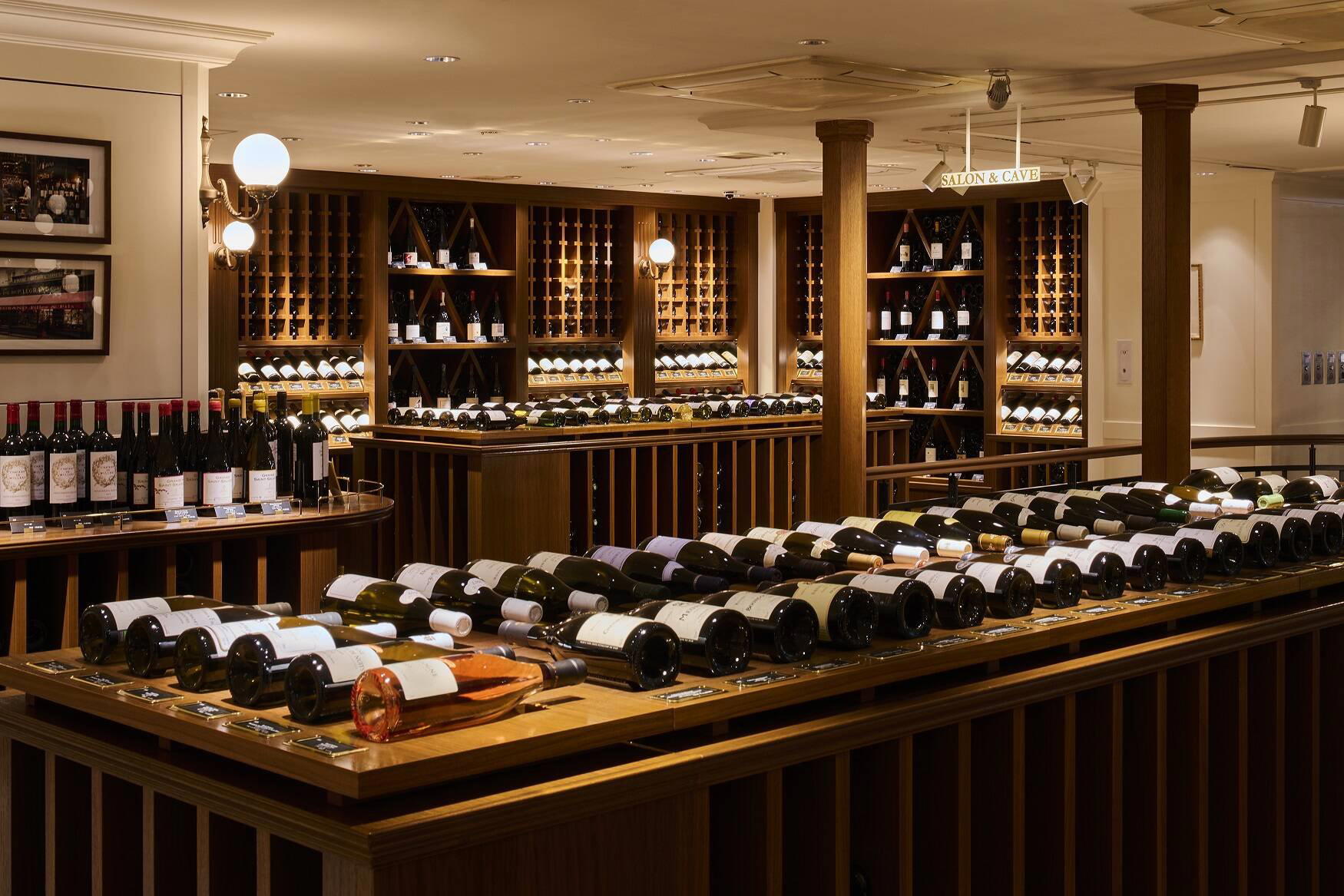
Warm wood, European tiles and roof materials create a classic, villa‑like interior that feels calm and gently nostalgic, with a quiet salon facing a small courtyard garden where seasonal flowers, birds, and squirrels appear, offering a peaceful escape steps from Kamakura Station.