
Tabelog Bronze #225
Our verdict
L’Ermita places Spanish cooking inside Fukuoka’s small, high-commitment dining tier: six seats, a reservation-only format, and recognition from The Tabelog Award 2026 Bronze and Tabelog 100 Spanish cuisine 2026. The appeal is less about casual tapas grazing than the discipline behind a long, tightly paced Spanish meal in Kuromon, near Tojinmachi.

Pearl is the En Primeur Club membership app, where members save venues, book tables and use the concierge.
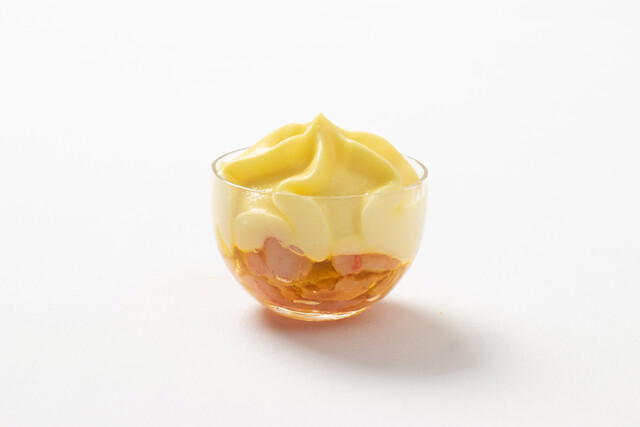
Kuromon is not Fukuoka’s loud dining quarter. Around Tojinmachi, the city thins into residential blocks, park-side routines, and Chuo Ward’s quieter rhythm. That matters: Spanish cooking here is not bar-hopping tapas or a late-night counter snack, but small-format, reservation-led dining where few seats, long pacing, and controlled service turn Spanish ideas into a focused evening.
L’Ermita sits in that bracket. Its six seats and Spanish category place it far from big-room Iberian dining, while inclusion in The Tabelog Award 2026 Bronze and Tabelog 100 Spanish cuisine 2026 gives it a national signal in a field usually concentrated in larger Japanese dining markets. In Fukuoka, a city confident in local seafood, offal, noodles, and izakaya culture, Spanish cuisine earns attention through discipline, not scale.
Spanish small-plates logic, rebuilt for a six-seat Fukuoka room
Tapas culture is often misread outside Spain as a checklist of small dishes. Its real strength is social pacing: salt, oil, acid, seafood, preserved flavours, and warm plates arriving in a sequence that lets conversation lead. In Japan, especially at the higher end, that tradition becomes less improvisational and more controlled, closer to a tasting-menu rhythm. L’Ermita follows this Japanese interpretation, where pleasure lies in progression rather than abundance.
That distinction helps travellers place it in a Fukuoka itinerary. This is not a quick plate near Hakata Station, a casual yatai stop, or a late ramen finish. It suits a night when Spanish technique, Japanese seasonality, and compact-room attention are the point. Meal length is part of the design, and the room feels closer to a private salon than an Andalusian tapas bar.
Fukuoka’s dining identity is often read through speed and directness: tonkotsu ramen, grilled skewers, market seafood, and counter cooking that compresses pleasure into minutes. Serious Spanish cuisine asks for gradual appetite, shared attention, and quiet stretches between courses. L’Ermita is a counterweight to the city’s faster rituals, not a replacement.
For readers mapping the city through different appetites, the contrast is sharp. South Indian cooking at 106 South Indian Fukuoka tenjin ten, spice-led plates at Afterglow, and local Japanese meals at Aji Dokoro Taro Gen Sougyou ten show how broad Fukuoka’s restaurant map has become. Spanish cooking occupies a smaller lane, and succeeds only if restraint becomes momentum.
Recognition matters more in a city where Spanish dining is a smaller category
Award signals in Japan need careful reading. Tabelog recognition is not a tourist-facing star system; it reflects a domestic dining culture with its own hierarchies, habits, and category obsession. The Tabelog Award 2026 Bronze places L’Ermita in a national conversation, while Tabelog 100 Spanish cuisine 2026 is more specific: the restaurant has been noticed within Spanish cooking, not just Fukuoka dining.
That category distinction matters. Fukuoka restaurants often compete first on regional fluency: mentaiko, seafood, chicken, offal, and the casual precision of counter dining. A Spanish restaurant at this price and format is judged by different expectations: sequence, wine compatibility, and Iberian small-plates grammar without generic luxury. Recognition in the Spanish category suggests an identity legible beyond novelty.
The six-seat scale also changes the social contract. Small rooms expose weakness: less ambient noise, fewer distractions, and no large-room energy to cover awkward pacing. They can also make Spanish dining unusually concentrated. Tapas began as communal, mobile eating, but in Japan’s high-end rooms it becomes precise, with the table giving itself to the kitchen’s order rather than building a meal spontaneously.
Travellers should choose accordingly. Those wanting a loose, glass-by-glass evening may find the format too committed. Those interested in how Japan absorbs foreign culinary traditions, then edits them through scale, timing, and etiquette, will understand the appeal. The point is not Spanish nostalgia, but Spanish structure filtered through Fukuoka’s preference for exact, compact dining.
How to place it within a Fukuoka eating plan
Use L’Ermita for one serious evening, then build the rest of the trip around Fukuoka’s casual strengths. The city rewards contrast. Aji-fry specialists such as Aji Furai Shokudo Kaba and katsudon-style comfort at Aji no Katsueda speak to everyday appetite; a six-seat Spanish meal asks for another tempo.
That contrast makes the restaurant part of Fukuoka’s mature dining culture, not an outlier. Cities become more interesting when strong local forms are joined by small specialist rooms. Fukuoka now has enough depth for that itinerary: one night regional, another technical, another driven by wine or cocktails. For a wider map, Our full Fukuoka restaurants guide is the natural starting point, while Our full Fukuoka hotels guide, Our full Fukuoka bars guide, Our full Fukuoka wineries guide, and Our full Fukuoka experiences guide frame the rest of the stay.
Spanish dining in Japan has broader national context. Tokyo’s high-end Spanish rooms, including Aca 1°, Spanish in Tokyo, show how far the category can move from rustic informality toward precision and ceremony. Internationally, Amari, Spanish in Brighton and Hove reflects a different, more European reading. These are useful not as direct rivals, but as reminders that Spanish food travels well because its grammar is flexible: small plates, strong seasoning, preserved products, seafood, and convivial pacing.
Japan’s restaurant scene is full of such translations. A beef-focused meal at -Grilled beef Sukiyaki- KAMAKURA TANUKIAN 鎌倉 たぬき庵 in Kamakura, seafood and charcoal cooking at. 鮪と炭火焼き うお炭 秋葉原店 in Tokyo, café culture at.cafe in Osaka, contemporary dining at.know in Kumamoto, Vietnamese cooking at (Shoku) Vietnam in Kawasaki, and curry specialization at [Curry Senmon Ten] Maruyama Kyoju. in Sapporo all show the same national habit: imported and regional forms are narrowed, polished, and made highly specific.
The editorial case for L’Ermita rests on that specificity. It is a small Spanish room in a city better known for other pleasures, with award recognition, limited seating, and a format that rewards diners who want tapas’ slower social logic translated into Japanese precision. In Fukuoka, that makes it a serious planned evening, not a casual add-on.
Frequently asked questions
Is L’Ermita suitable for children?
Yes, L’Ermita accepts reservations for children who can enjoy the same courses as adults. The room has just 6 seats, so the setting is intimate rather than family-restaurant casual.
What's the vibe at L’Ermita?
Expect a small, reservation-only room in Kuromon, Fukuoka, with 6 seats and table seating only. The restaurant holds Tabelog 100 recognition for Spanish cuisine in 2024 and 2026, plus a 2026 Bronze award, which signals a serious dining room rather than a relaxed tapas bar.
Is L’Ermita focused on a specific cuisine style?
L’Ermita serves Spanish cuisine.
What's the pricing like at L’Ermita?
Pricing at L’Ermita is listed as JPY 20,000 - JPY 29,999 JPY 20,000 - JPY 29,999.
Comparable Options
Comparable venues nearby, for context on price, style, and recognition.
| Venue | Cuisine | Price | Awards | Notes |
|---|---|---|---|---|
| L’ErmitaThis venue (the venue you are viewing) | Modern Spanish Fine Dining | $150–200 | Tabelog Bronze #225 | Not listed |
| Sushi Gosuian | Edomae Sushi Omakase | $150–200 | Tabelog 100 #13 | Chūō |
| Yorozu | Modern Japanese Tea House & Bar | $50–100 | Not listed | Chūō |
| Ristorante Kubotsu | Modern Italian using seasonal Kyushu ingredients | $150–200 | Tabelog 100 #68 | Chūō |
| comodo | Casual Spanish Bar & Tapas | $30–50 | Tabelog 100 #82 | Chūō |
| Chiso Nakamura | Kyushu Kaiseki Omakase | $200–300 | Tabelog Bronze | Hakata |
Recognition history
Dated appearances from independent guides and award organizations, with the underlying list record or original source where available.
Tabelog Bronze #225
Tabelog
Full recognition history (2 entries)
Tabelog 100 #18 · No. 18
Tabelog · Tabelog 100 - Spanish cuisine - 2026
Continue exploring
More in Fukuoka
Restaurants in Fukuoka
All restaurants in Fukuoka →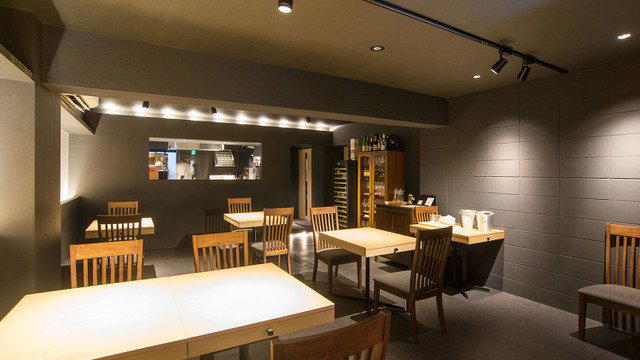
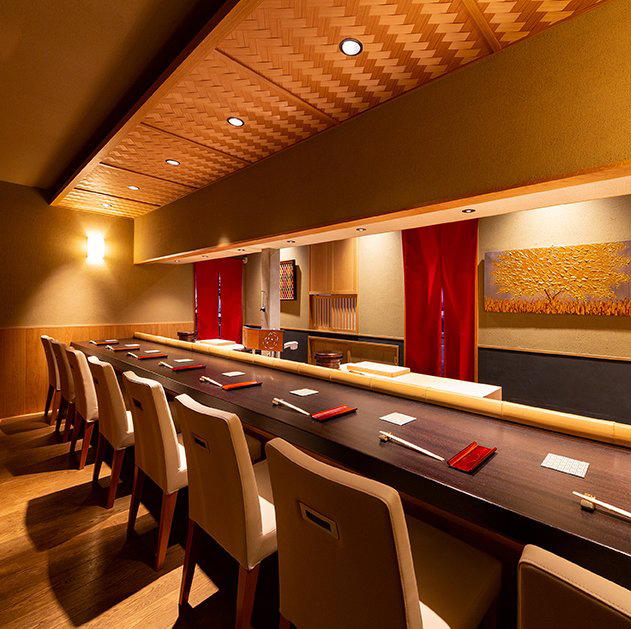
Details
- Intimate
- Elegant
- Sophisticated
- Special Occasion
- Date Night
- Sake Program
- Tasting Menu
- Allergy Accommodating
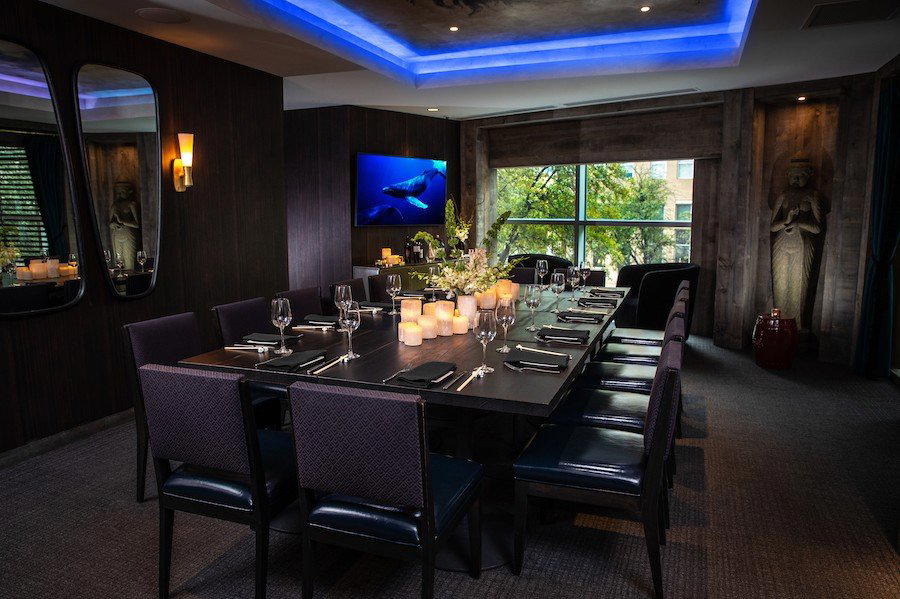
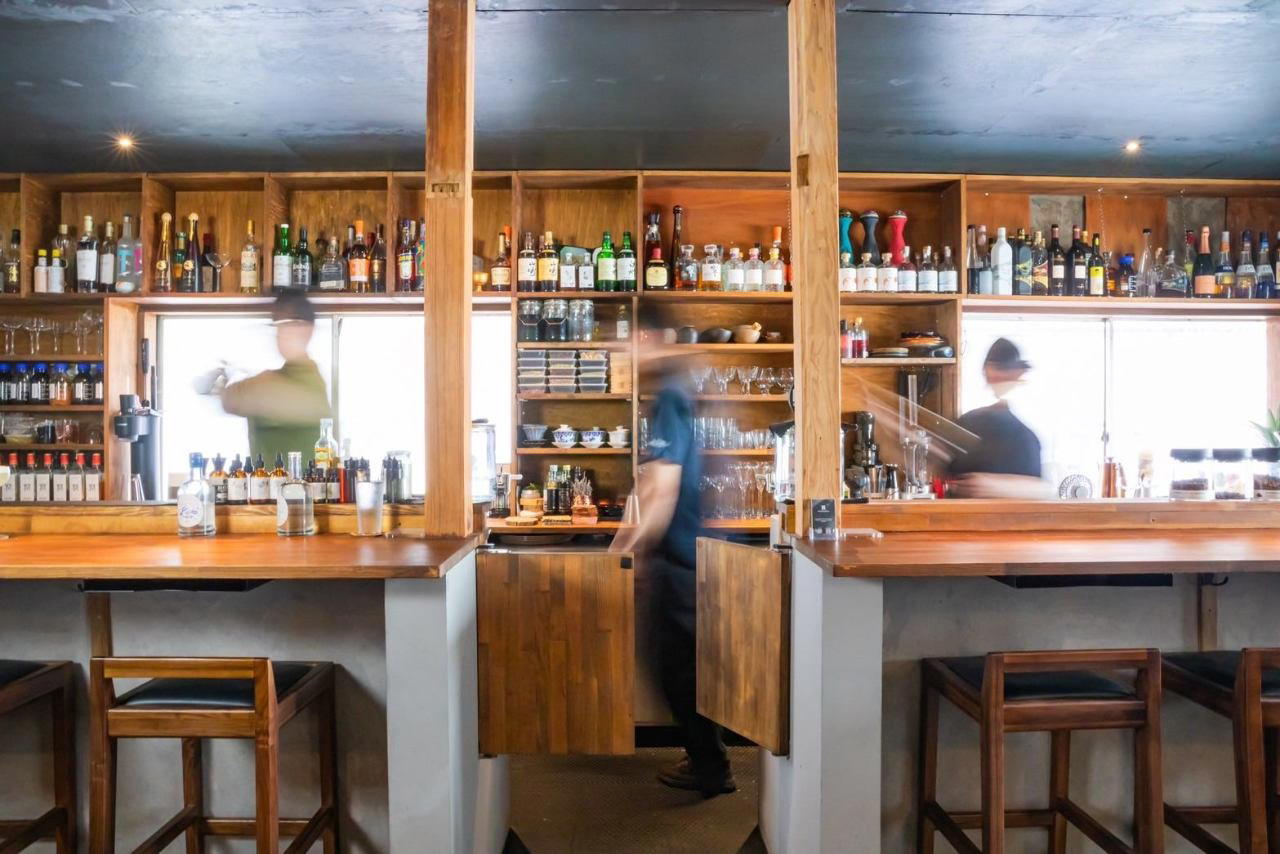
Cozy and intimate with 6 table seats only, focusing on a personal dining experience.