Skip to Main Content
Michelin Starred Cantonese

Google: 5.0 · 6 reviews

← Collection
Shanghai, China

Lei Garden (Pudong)

CuisineCantonese
Price¥¥¥
Dress CodeSmart Casual
ServiceFormal
NoiseQuiet
CapacityMedium
Michelin

Lei Garden's Pudong branch holds a 2024 Michelin star and draws steady crowds for Cantonese cooking that spans morning dim sum to premium seafood and abalone at dinner. Booking ahead is not optional here — the room fills quickly, particularly at lunch. Set menus and seasonal stir-fries make the price tier more accessible than the premium dinner list might suggest.

Pearl is the En Primeur Club membership app — saves, bookings, and concierge access live there. Same editors, same standards.

Lei Garden (Pudong) restaurant in Shanghai, China
About

Getting a Table: The First Thing to Understand

Michelin-starred Cantonese restaurants in Shanghai operate on a spectrum that runs from the ultra-formal, multi-room banquet houses of the Bund to compact, high-turnover neighbourhood fixtures that happen to cook at a very high level. Lei Garden's Pudong location sits closer to the latter end of that range in terms of atmosphere, but its 2024 Michelin one-star recognition places it firmly in the former's peer set for cooking quality. That gap between informality and recognition is, in part, what drives demand — and demand here is the defining logistical fact of the experience. Reservations are not a precaution; they are a requirement. The room fills consistently, and lunch service, anchored by dim sum, draws the kind of steady midday crowd that leaves walk-in diners without options. Plan two to three weeks ahead for weekday lunch, longer for weekend bookings.

The Lei Garden brand has operated across Hong Kong, Singapore, and mainland China for decades, carrying Cantonese cooking rooted in the Guangdong tradition into contexts where it might otherwise be diluted by local preference or commercial compromise. The Pudong branch sits within that larger network, drawing on the chain's institutional knowledge of Cantonese technique while serving a Shanghai audience that, particularly in Pudong, skews toward professionals and business diners with a practical relationship to quality rather than a ceremonial one. That context matters when you're deciding how to book and what to expect when you arrive.

What the Room Tells You Before the Food Arrives

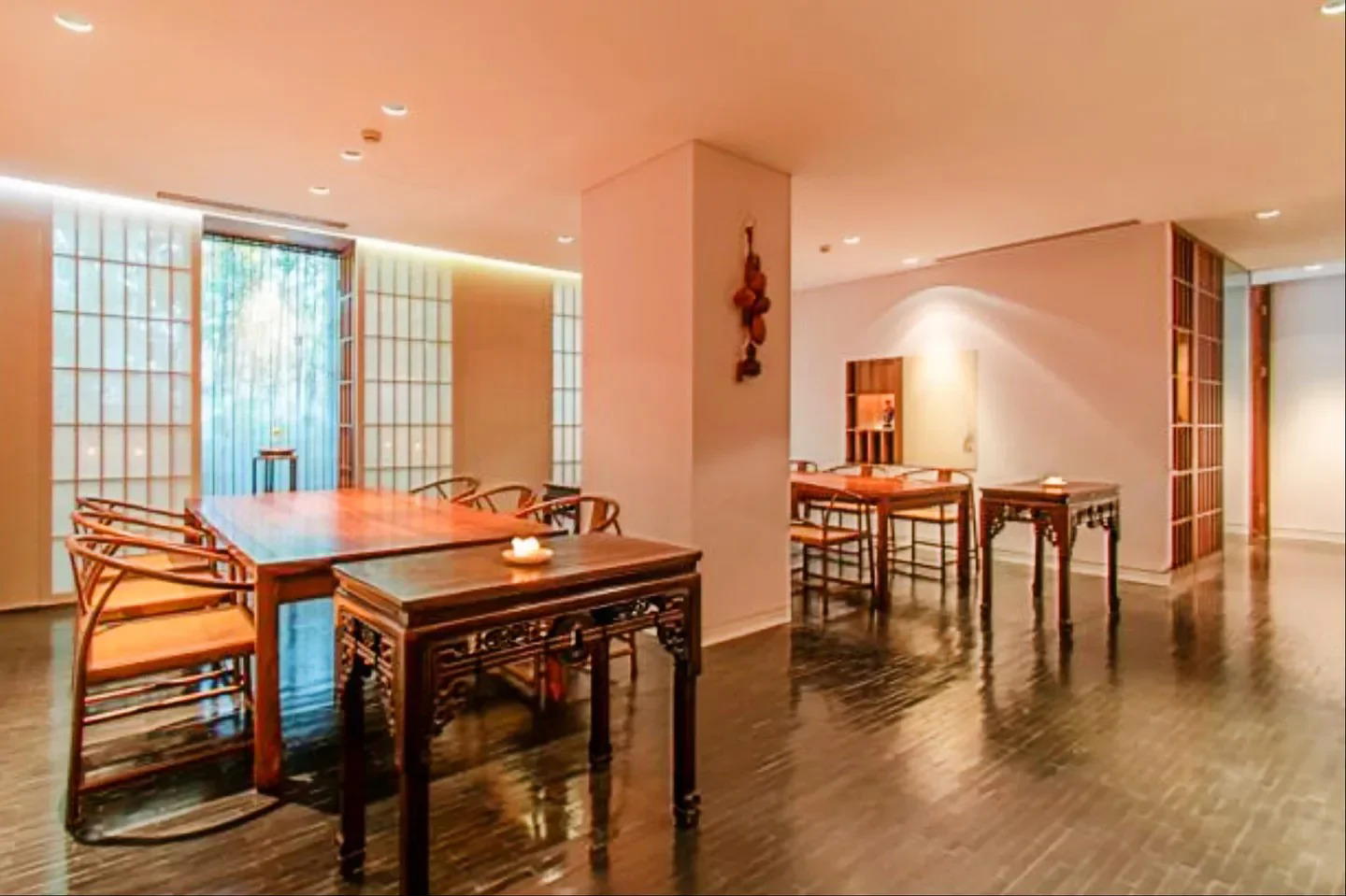
The physical approach to Lei Garden Pudong signals the kind of Cantonese house this is: functional, well-maintained, and oriented toward the food rather than the spectacle of dining. Shanghai's premium Cantonese tier has no shortage of restaurants that invest heavily in chandelier-lit dining rooms and silk-panelled private suites — spaces designed to communicate status as much as comfort. Lei Garden's Pudong branch takes a different position. The atmosphere is purposeful and full, rarely quiet during service hours, and the noise level at lunch, when the dim sum carts and bamboo steamer orders are moving fastest, reflects a room operating at capacity rather than at leisure.

For diners comparing options across Shanghai's Cantonese category, this is worth factoring into the decision. Venues like Ji Pin Court and Imperial Treasure Fine Chinese Cuisine occupy a more formal register, with room formats and service pacing that suits longer, more ceremonial meals. Lei Garden runs warmer and faster. That is not a criticism , it reflects the Cantonese tradition of dim sum as a communal, high-energy midday ritual rather than a refined tasting format, and the dinner service carries that energy forward into the evening even as the menu shifts toward premium territory.

Dim Sum at Lunch, Premium Cantonese at Dinner

Cantonese cuisine in its most codified form divides cleanly between the yum cha tradition , tea-paired dim sum served in a social, often loud midday setting , and the higher-cost evening register of whole-fish preparations, roasted meats, and luxury ingredients like abalone and dried seafood. Lei Garden Pudong delivers both within a single address, and understanding which mode you're booking for shapes everything from what you order to how long you'll spend at the table.

The lunchtime draw is dim sum and soups, prepared to a standard that earned Michelin recognition and draws the kind of repeat custom that keeps a room at capacity through the week. Cantonese dim sum at this level is a craft tradition with strict technical benchmarks: har gow wrappers that are thin and translucent without tearing, siu mai with a clean, tightly wound fold, turnip cake with the correct ratio of radish to starch. The Michelin committee's 2024 assessment implies these benchmarks are being met consistently, which is the relevant data point for a first-time visitor deciding whether the booking effort is warranted.

Dinner shifts the register. The menu moves toward premium Cantonese ingredients, with seafood and abalone occupying the higher end of the price range. For diners who want quality at a lower price point, the set menus designed for sharing and the seasonal stir-fry and casserole options offer a route through the menu that doesn't require committing to luxury-tier ingredients. This tiered structure is common across Hong Kong-trained Cantonese houses operating on the mainland , it allows a single kitchen to serve both the business-lunch crowd and the dinner table booking a celebratory meal , and Lei Garden manages it without the kind of menu incoherence that can arise when a restaurant tries to serve too many registers at once.

For reference points beyond Shanghai, the Cantonese standard being applied here sits in a regional conversation that includes Forum in Hong Kong and Le Palais in Taipei, both of which represent the upper end of the Greater China Cantonese dining category. Within Shanghai itself, Canton 8 (Huangpu) and Bao Li Xuan operate in overlapping territory and offer useful comparisons for diners building a shortlist. Elsewhere on the mainland, Xin Rong Ji in Beijing, Ru Yuan in Hangzhou, and Xin Rong Ji in Chengdu each represent how premium Chinese regional cooking is being positioned across different city contexts. For Cantonese specifically in Macau and Guangzhou, Chef Tam's Seasons in Macau, Imperial Treasure Fine Chinese Cuisine in Guangzhou, and Dai Yuet Heen in Nanjing each illustrate how the tradition travels and adapts across the region.

Planning the Visit

The price tier at Lei Garden Pudong sits at the ¥¥¥ level, making it one of the more accessible entries in Shanghai's Michelin-starred Chinese dining category when you factor in the set menu and stir-fry routes through the dinner menu. A meal here does not require the same financial commitment as a Cantonese banquet house pricing primarily around abalone courses and rare dried seafood, but it is not a budget option. Budget accordingly for dinner if you intend to order from the premium seafood section; the set menu is the sensible anchor for groups who want to control spend without sacrificing range.

Booking logistics: reservations are strongly advised for all services, and particularly for weekend lunch when the dim sum demand peaks. The restaurant's location within Pudong means it is accessible from the financial district and the major hotel clusters east of the Huangpu, which suits it well for business lunch bookings that need reliability of execution rather than novelty. For diners staying or dining in Puxi who want to compare the Cantonese tier across both sides of the river, 102 House offers a useful point of comparison in a different category entirely.

For those building a broader Shanghai itinerary around food and drink, EP Club's full Shanghai restaurants guide, bars guide, hotels guide, wineries guide, and experiences guide cover the wider city with the same editorial depth.

Signature Dishes
Roasted Crispy PorkBraised Chicken Feet in Abalone SauceSlow-stewed SoupMango Sago Pomelo
Frequently asked questions

Recognition Snapshot

Comparable venues for orientation, based on our database fields.

At a Glance
Vibe
  • Elegant
  • Sophisticated
  • Modern
  • Classic
Best For
  • Business Dinner
  • Special Occasion
Experience
  • Private Dining
Dress CodeSmart Casual
Noise LevelQuiet
CapacityMedium
Service StyleFormal
Meal PacingStandard

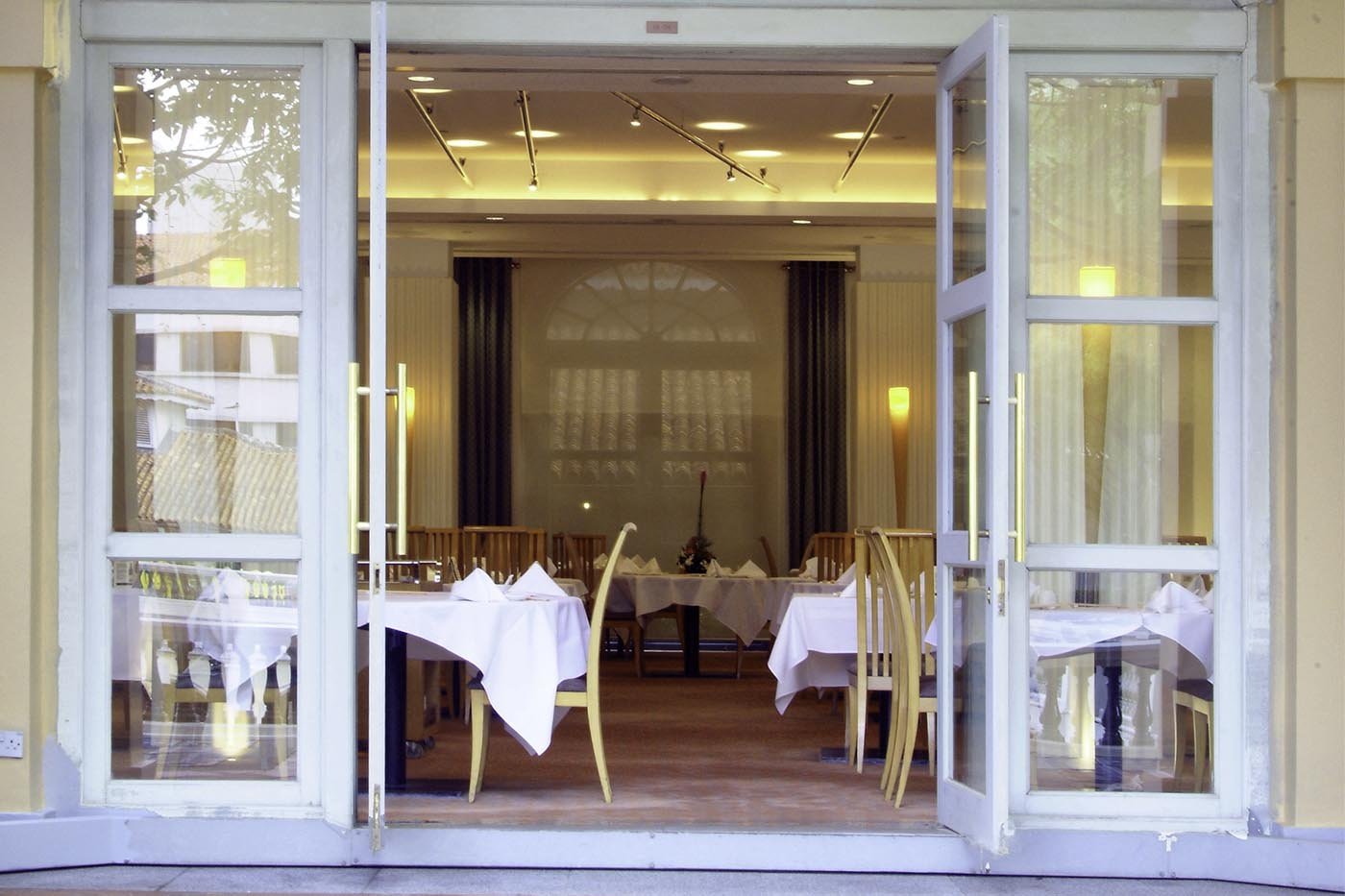
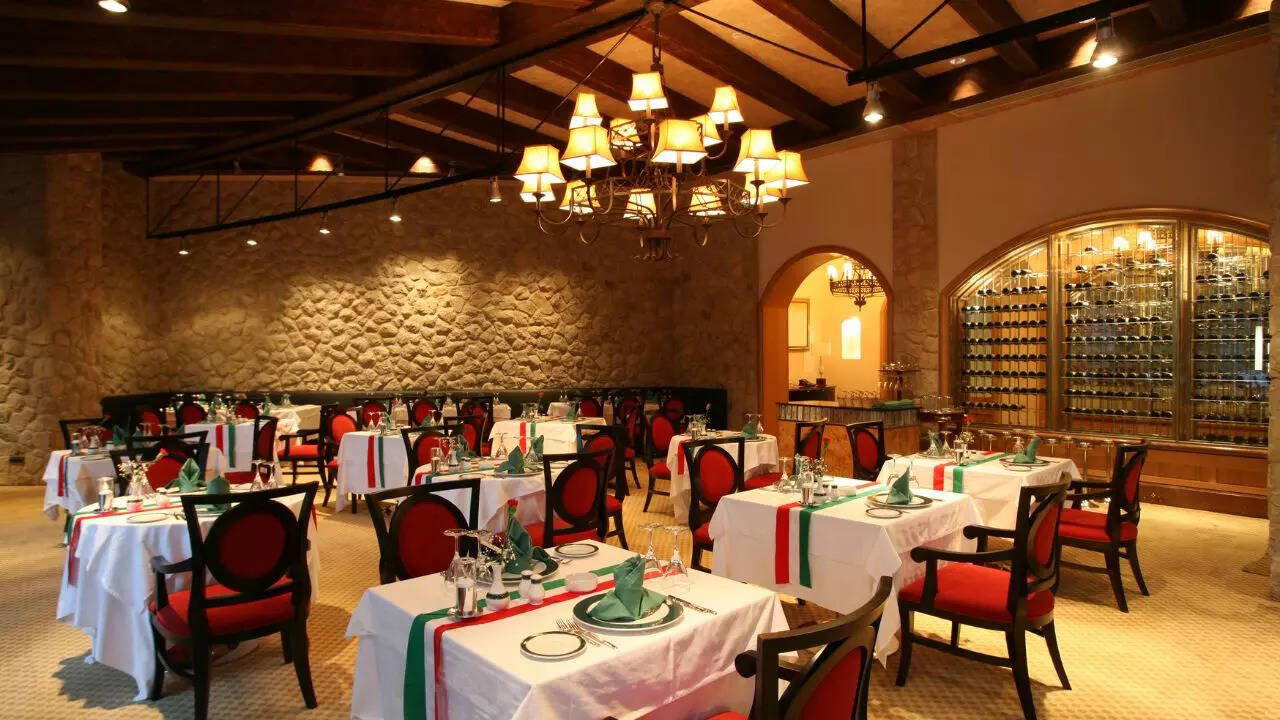
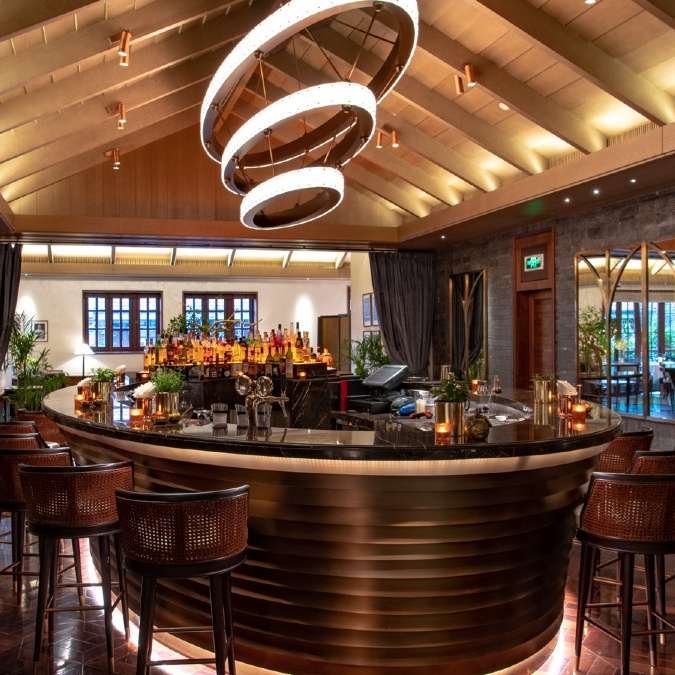
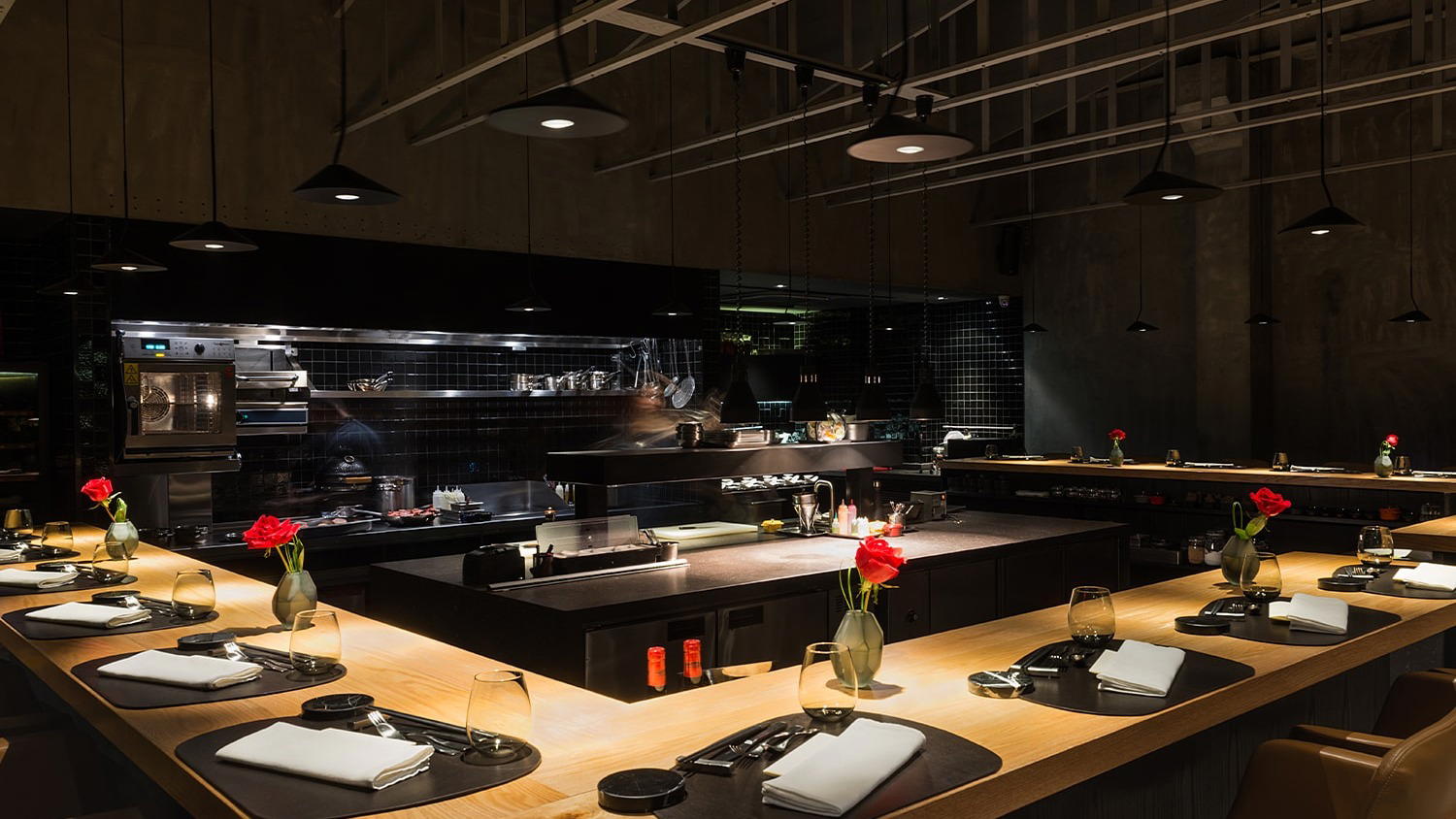
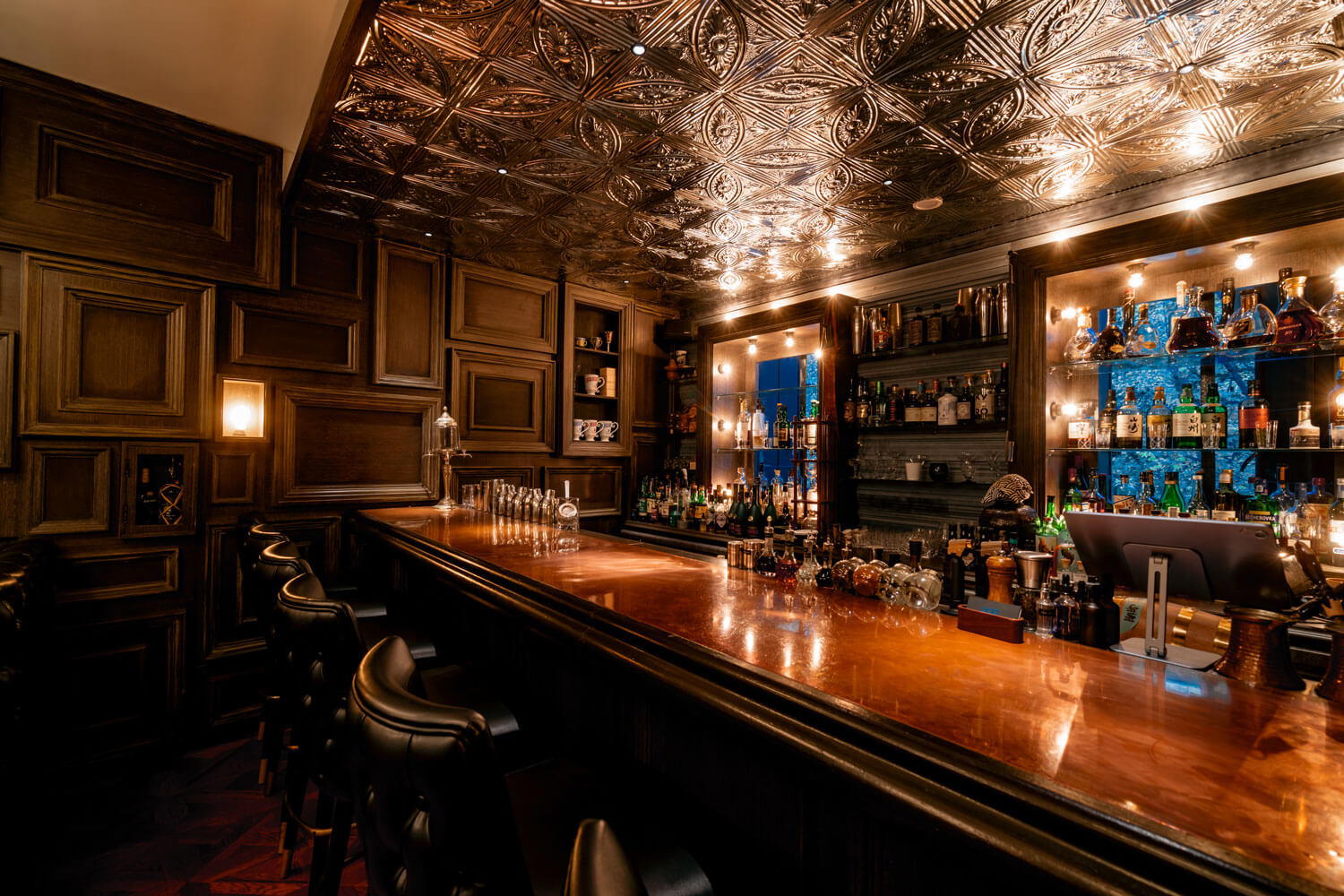
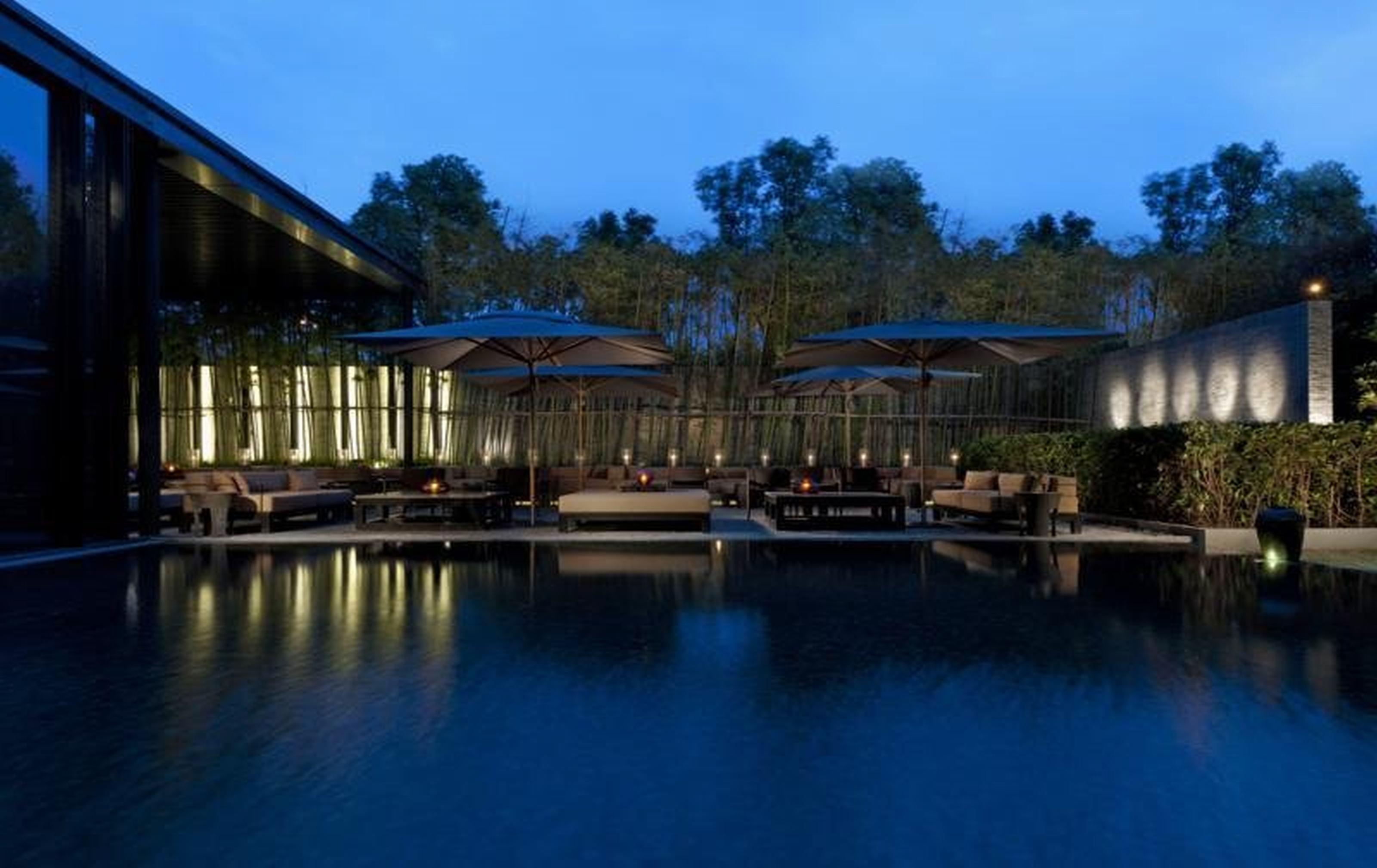
Modern upper-class Chinese interior with clean lines, soft lighting, blue and gold colors, and practical comfort that mutes noise for a calm, elegant atmosphere.

Signature Dishes
Roasted Crispy PorkBraised Chicken Feet in Abalone SauceSlow-stewed SoupMango Sago Pomelo