
Legend Taste in Jing'An brings Yunnanese cooking to a Shanghai neighbourhood better known for Shanghainese and Cantonese dining, holding a Michelin Plate in both 2024 and 2025. At the ¥¥ price tier, it sits well below the city's headline Chinese restaurant bracket while carrying the kind of Michelin recognition that signals consistent kitchen standards. For Shanghai diners looking beyond the familiar regional canon, it represents one of the more accessible entry points into southwest Chinese cuisine.
Pearl is the En Primeur Club membership app — saves, bookings, and concierge access live there. Same editors, same standards.
- Address
- 1025 Kangding Rd, 曹家渡 Jing'An, Shanghai, China, 200042
- Phone
- +86 21 5228 9961
- Website
- legendtaste.asia
- Directions
- Get directions
 Saves & bookings on Pearl
Yunnan on Kangding Road
Jing'An's Caojia neighbourhood, the stretch of Kangding Road that runs west of the district's more polished commercial core, has a quieter, more residential register than the avenues closer to West Nanjing Road. The streets here fill with neighbourhood restaurants and local vendors rather than flagship dining rooms, which makes it an instructive place to consider how Yunnanese cooking has moved through Shanghai's dining culture. Legend Taste occupies that neighbourhood context, and that context matters: Yunnanese cuisine arriving in a local-facing residential pocket is a different proposition from the same cuisine dressed up for the tourist and expense-account circuits.
Where Yunnanese Cooking Sits in Shanghai
Yunnan Province's cooking is still something of a specialist interest in Shanghai's broader restaurant picture. While Shanghainese, Cantonese, and Jiangnan cuisines dominate the mid-to-upper tier of the city's Chinese restaurant market, with venues like 102 House holding down the Cantonese end and Xin Rong Ji (West Nanjing Road) representing Taizhou's coastal traditions, Yunnanese cooking occupies a narrower slice. The cuisine draws on the province's extraordinary biodiversity: wild mushrooms, mountain herbs, fresh dairy products unusual in Chinese cooking, and crossborder flavour influences from Myanmar, Laos, and Vietnam. That combination gives it a profile distinct from most of what Shanghai diners encounter in the city's mainstream Chinese restaurant tier.
The growth of Yunnanese dining across Chinese cities over the past decade reflects a broader appetite for regional specificity over generalised Chinese restaurant formats. In that context, Michelin Plate recognition at Legend Taste, awarded in both 2024 and 2025, positions it within a small group of Yunnanese addresses in China that carry independent third-party culinary acknowledgment. For comparison, Hong 0871 represents the other prominent Yunnanese name in Shanghai's Michelin-recognised bracket, while Hong 0871 in Beijing and Dai Tai in Xiamen show how the cuisine's upward trajectory has played out in other mainland cities.
The Evolution Question
The meaningful arc in Yunnanese dining in Shanghai has not been sudden reinvention so much as gradual consolidation. When the cuisine first began appearing in Shanghai restaurants, it was typically positioned as affordable, casual, and somewhat outside the city's serious dining conversation. The more recent pattern is different: a subset of Yunnanese addresses have moved toward consistent kitchen standards, cleaner presentations, and a dining room register that invites comparison with recognised mid-tier Chinese restaurants. The Michelin Plate, which signals food quality worth noting without conferring star status, is the instrument through which that shift has been formalised at Legend Taste. Consecutive plates in 2024 and 2025 suggest the kitchen has held a standard rather than reaching it once and drifting.
That trajectory matters when placing Legend Taste against Shanghai's wider Chinese dining picture. At the ¥¥ price tier, it operates well below the starred restaurant bracket where Fu He Hui and Taian Table command attention. The question for a diner choosing between a Michelin Plate Yunnanese address at ¥¥ and a similar budget at a non-recognised restaurant elsewhere in the city is direct: the Plate provides a meaningful reference point in a cuisine category where the quality range is wider than in more established Shanghai dining categories.
Reading the Menu: Yunnanese Fundamentals
Yunnanese cooking at any serious address tends to anchor itself in a few categories that distinguish it from other Chinese regional traditions. Wild mushrooms, when in season, are the ingredient most closely associated with the province's culinary identity, chanterelles, matsutake equivalents, and porcini-adjacent varieties appear in forms that showcase their texture and fragrance rather than concealing them in heavy sauces. Crossing-the-bridge noodles (过桥米线) represent the cuisine's most widely exported format, but a kitchen holding Michelin recognition tends to distinguish its version through broth depth and ingredient sourcing rather than simply replicating the format. Yunnan ham, aged in a tradition that parallels Iberian curing in some respects, and the region's fresh goat cheese-style dairy (rubing and rushan) complete the category markers most associated with quality Yunnanese dining.
The Jing'An Position
Jing'An as a district has developed a concentrated dining identity across its different sub-zones. The West Nanjing Road corridor carries the district's headline density, with a range running from casual international formats to Michelin-starred rooms. The Caojia area around Kangding Road holds a different character: more neighbourhood-scaled, lower average spend, and with a mix of Chinese regional cuisines that reflects the area's residential population. Within that context, a Michelin Plate recognition is a meaningful local anchor rather than a footnote in a district-wide ranking.
For visitors building a Shanghai itinerary that extends beyond the obvious Bund-adjacent dining circuit, the Jing'An residential zones offer a more granular read on how the city actually eats. Elsewhere in the region, Ru Yuan in Hangzhou and Xin Rong Ji in Chengdu represent other points on the Chinese regional dining map worth noting for multi-city itineraries.
Know Before You Go
Cuisine: Yunnanese
Price tier: ¥¥, accessible mid-range for Shanghai
Awards: Michelin Plate 2024; Michelin Plate 2025
Address: 1025 Kangding Road, Caojia, Jing'An, Shanghai
Booking: Reservations are recommended.
A Tight Comparison
Comparable venues nearby, for context on price, style, and recognition.
| Venue | Cuisine | Price | Notes |
|---|---|---|---|
| Legend Taste (Jingan)This venue — the venue you are viewing | Jing'an, Yunnanese Folk Cuisine | $$ | Not listed |
| Lao Xing Xian (Huangpu) | Not listed | $$ | Huangpu, Traditional Shanghainese Seafood |
| Hong Yu Fang | Not listed | $$ | Lao Ximen, Authentic Shanghainese Dim Sum |
| Yu Du Lao Wei Mian (Huangpu) | Yanqiao Xiang, Zhoushan Seafood Noodles | $$ | Not listed |
| Lu Bo Lang | Not listed | $$ | Lan Ni Du, Traditional Shanghainese Dim Sum |
| Chic 1699 | Huangpu, Authentic Fujian Cuisine | $$ | Not listed |
Recognition history
Dated appearances from independent guides and award organizations, with the underlying list record or original source where available.
Michelin Plate
Michelin
Michelin Plate
Michelin
Michelin Plate
Michelin

At a Glance
- Cozy
- Rustic
- Group Dining
- Casual Hangout
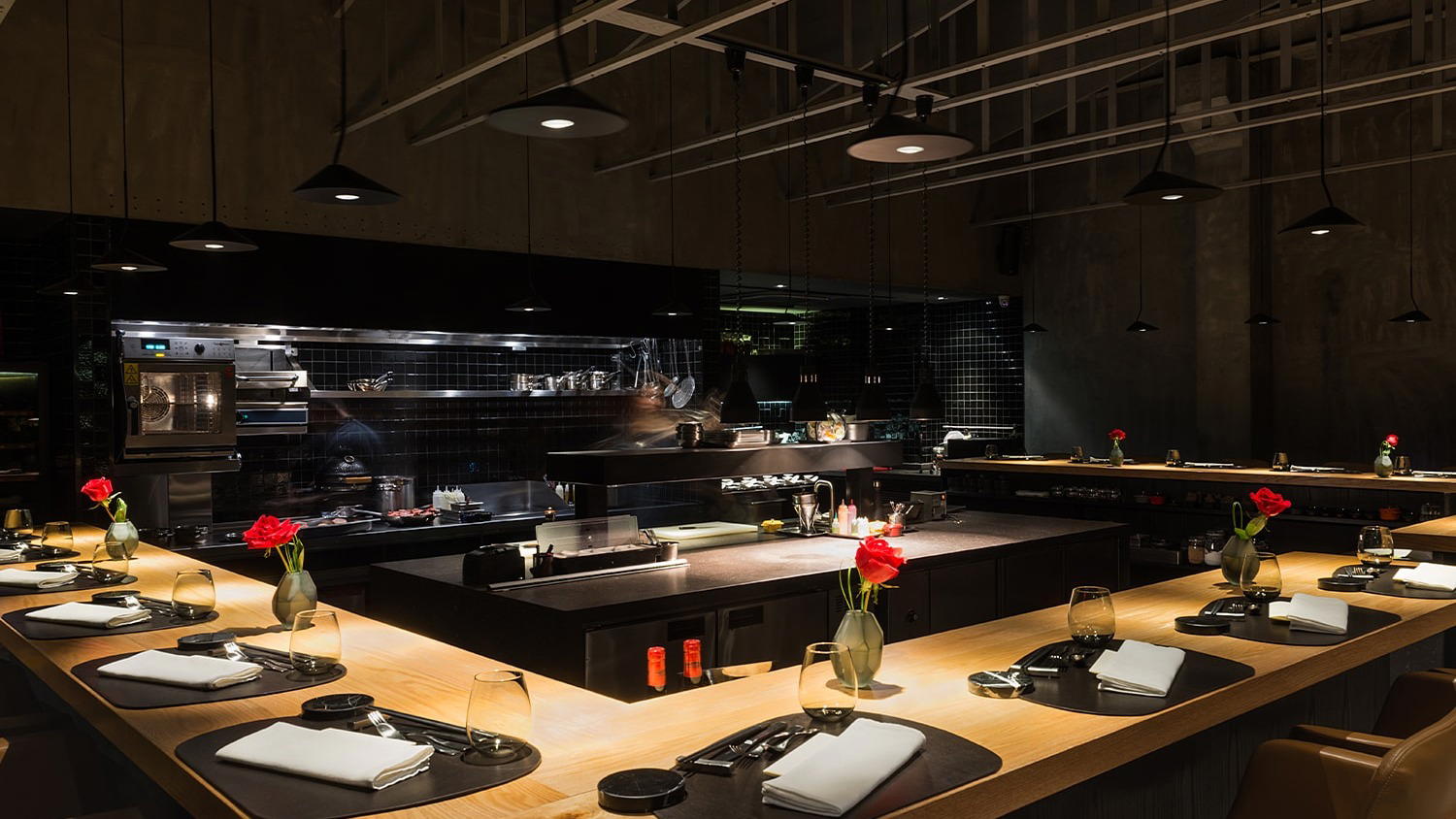
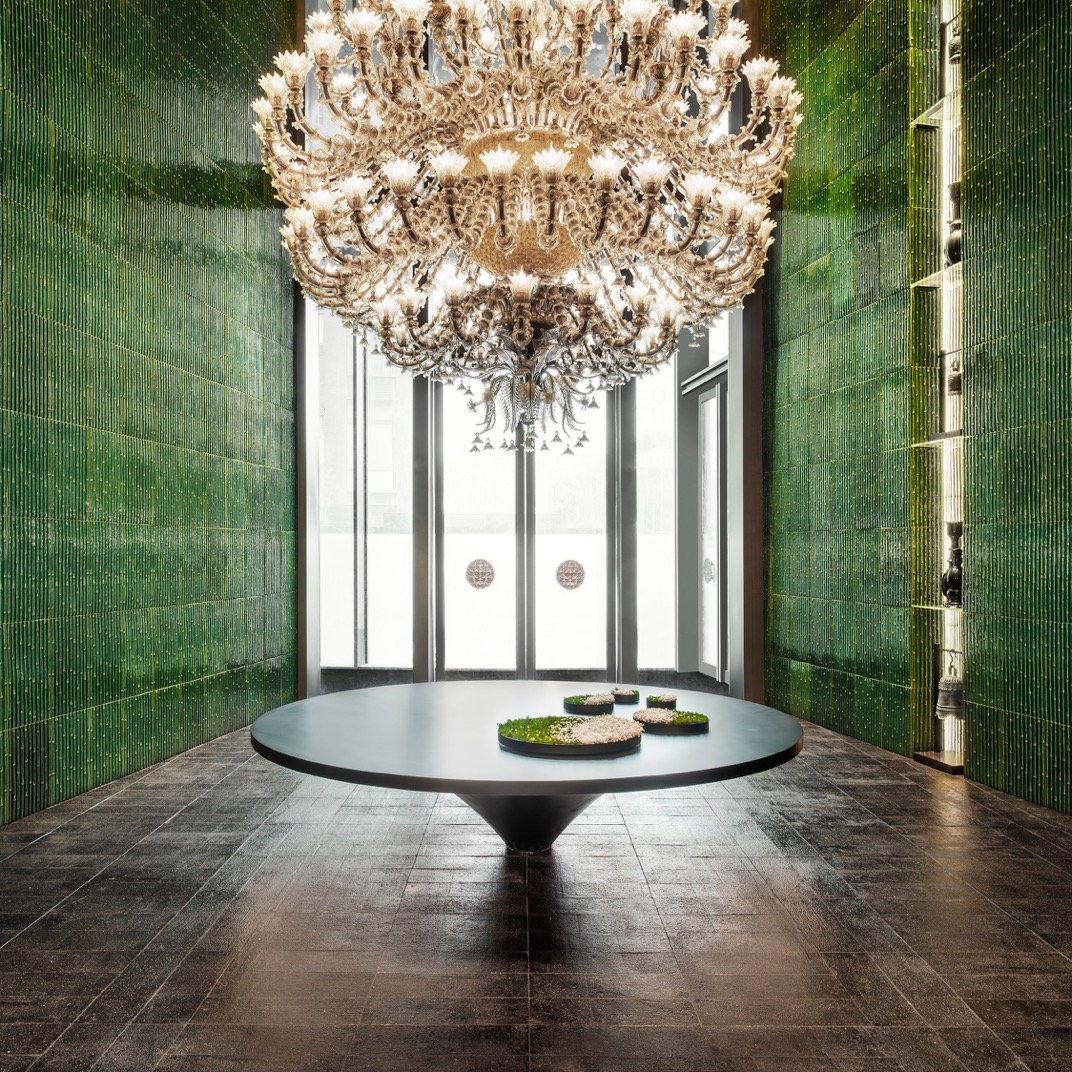
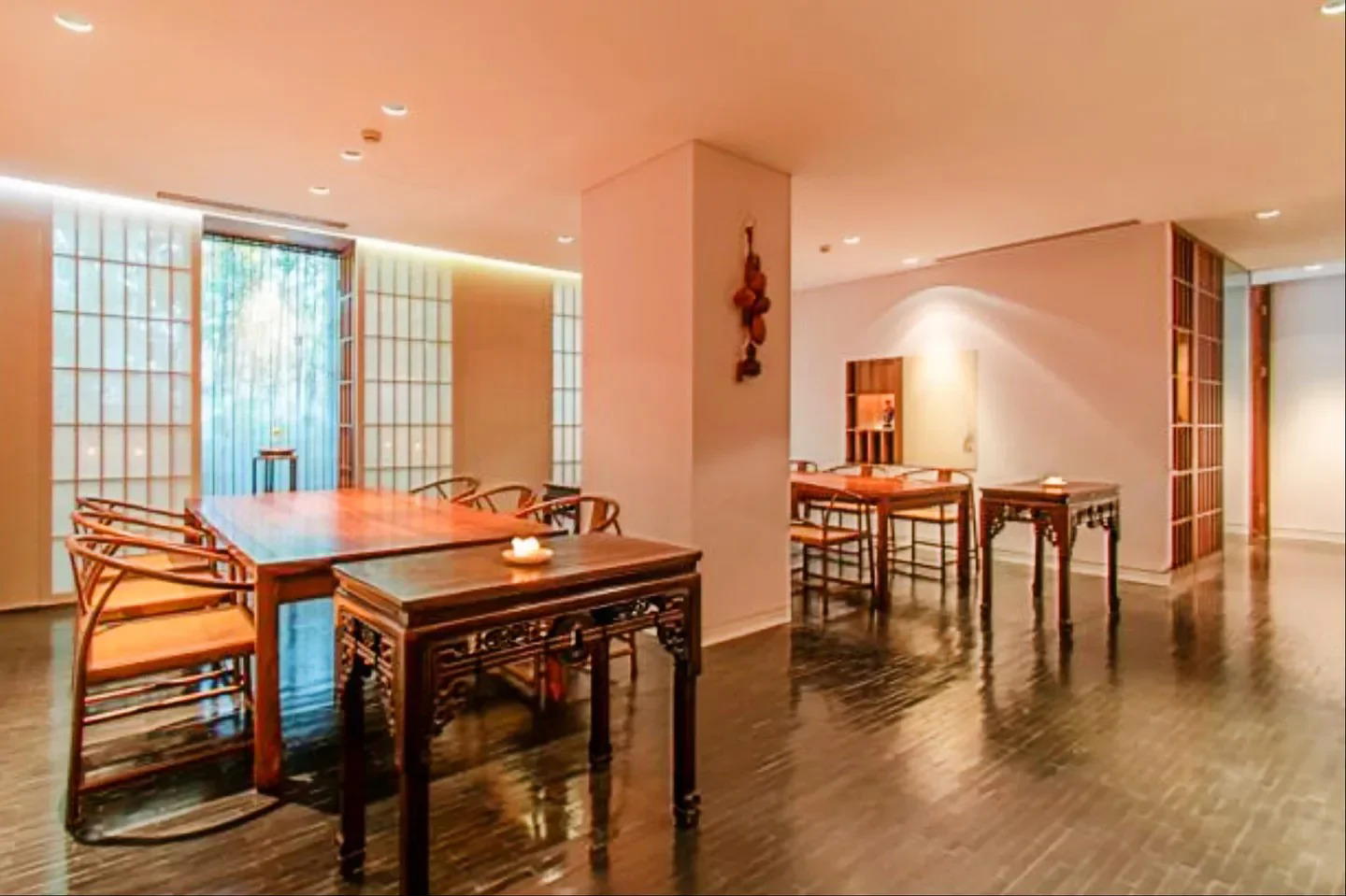
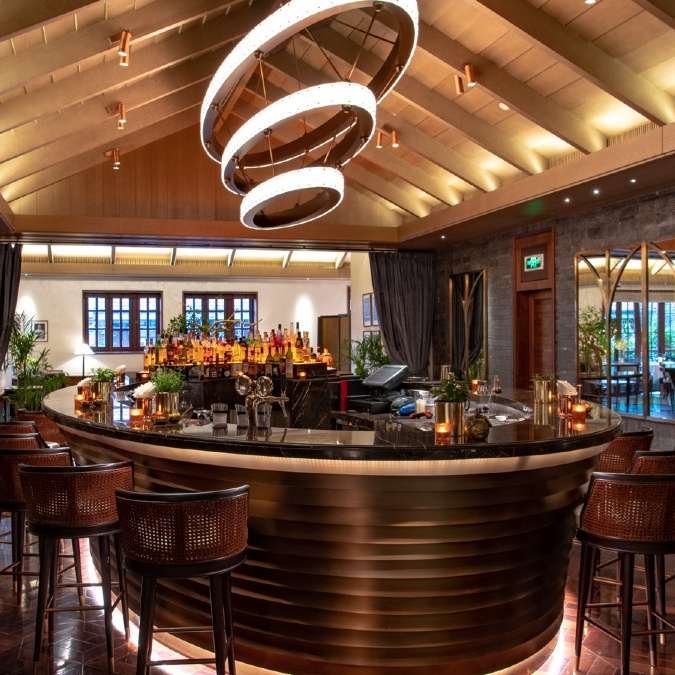
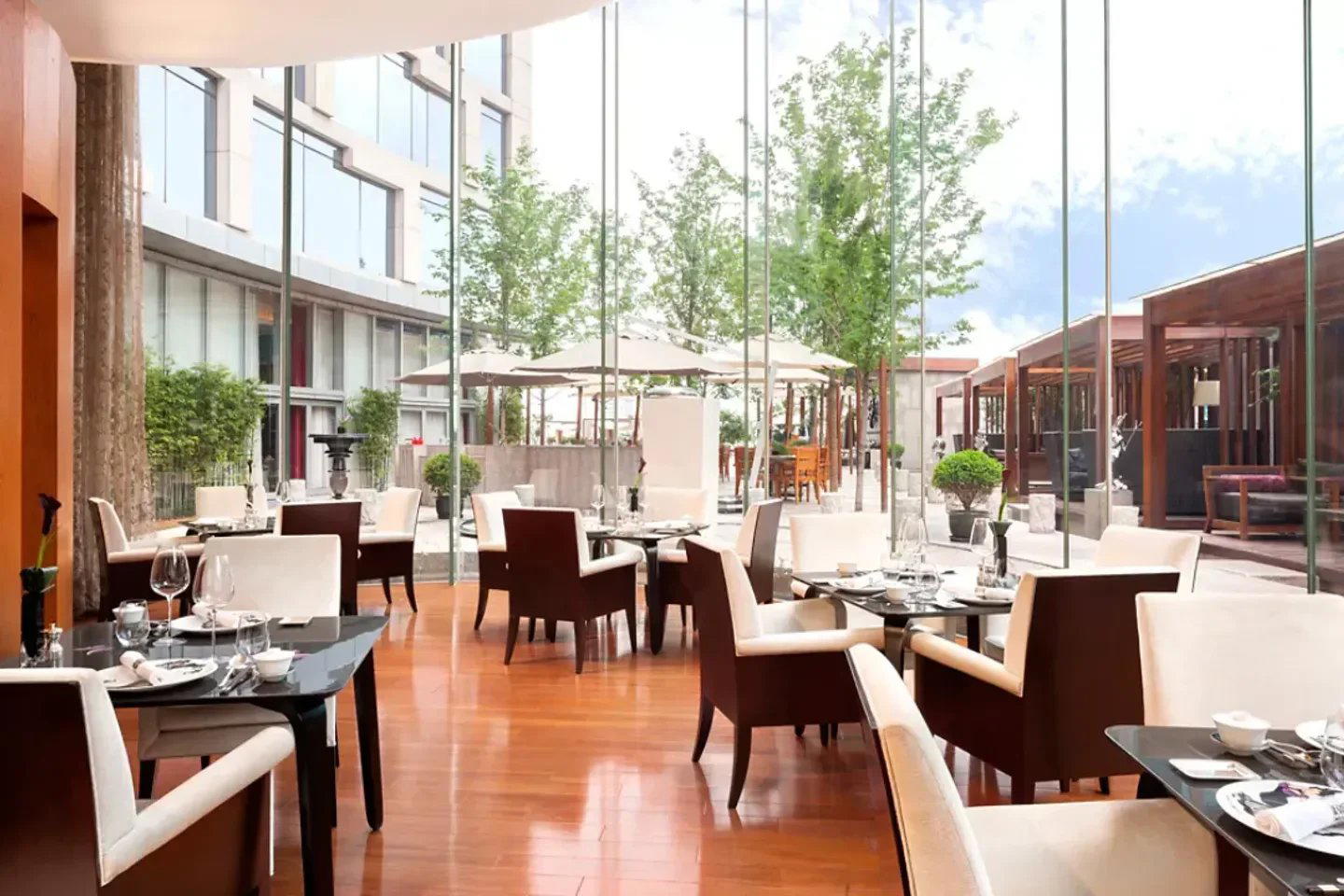
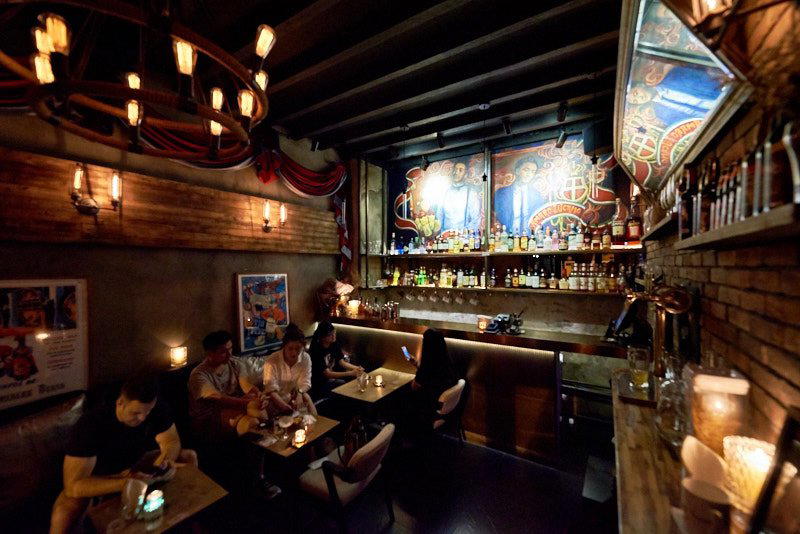
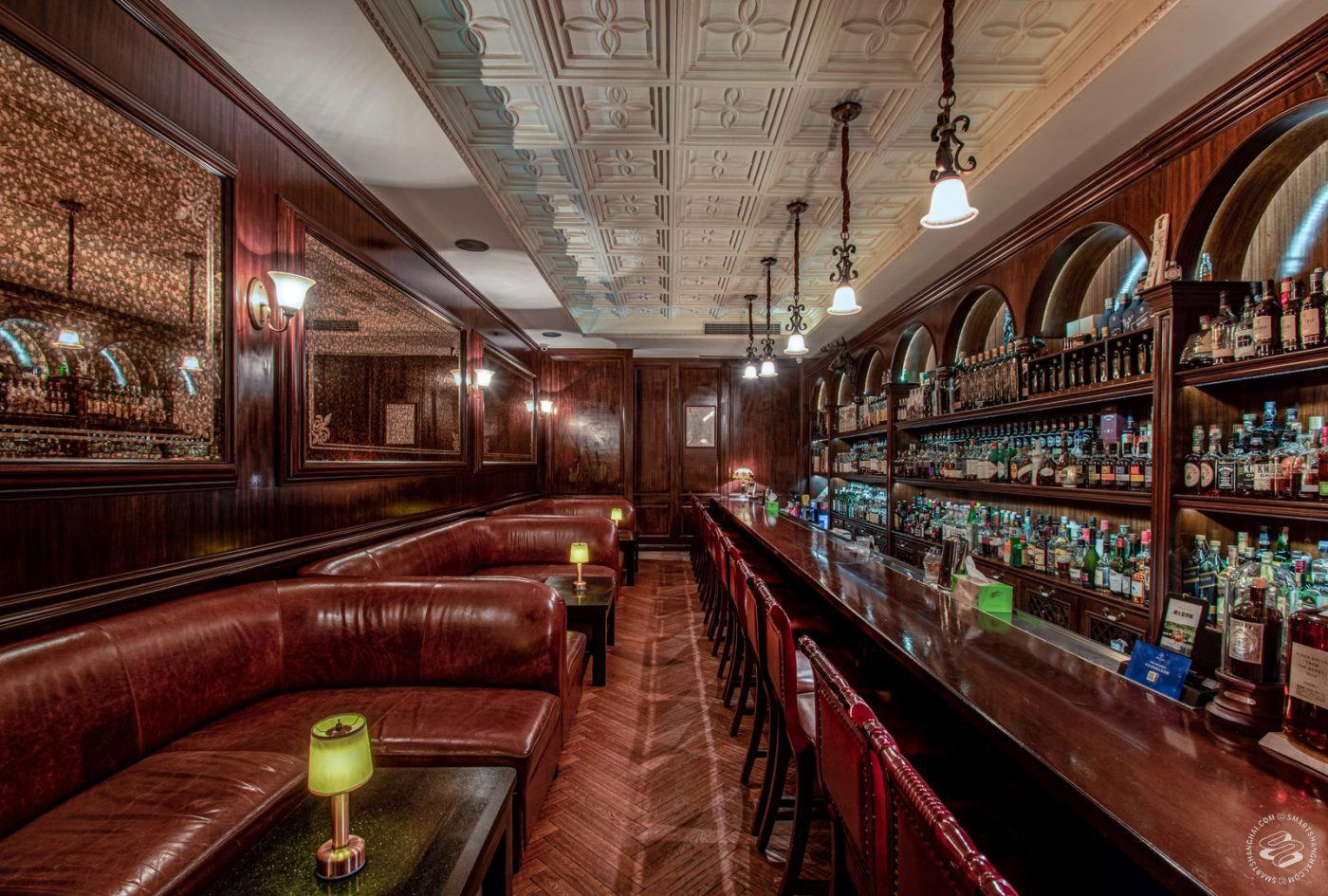
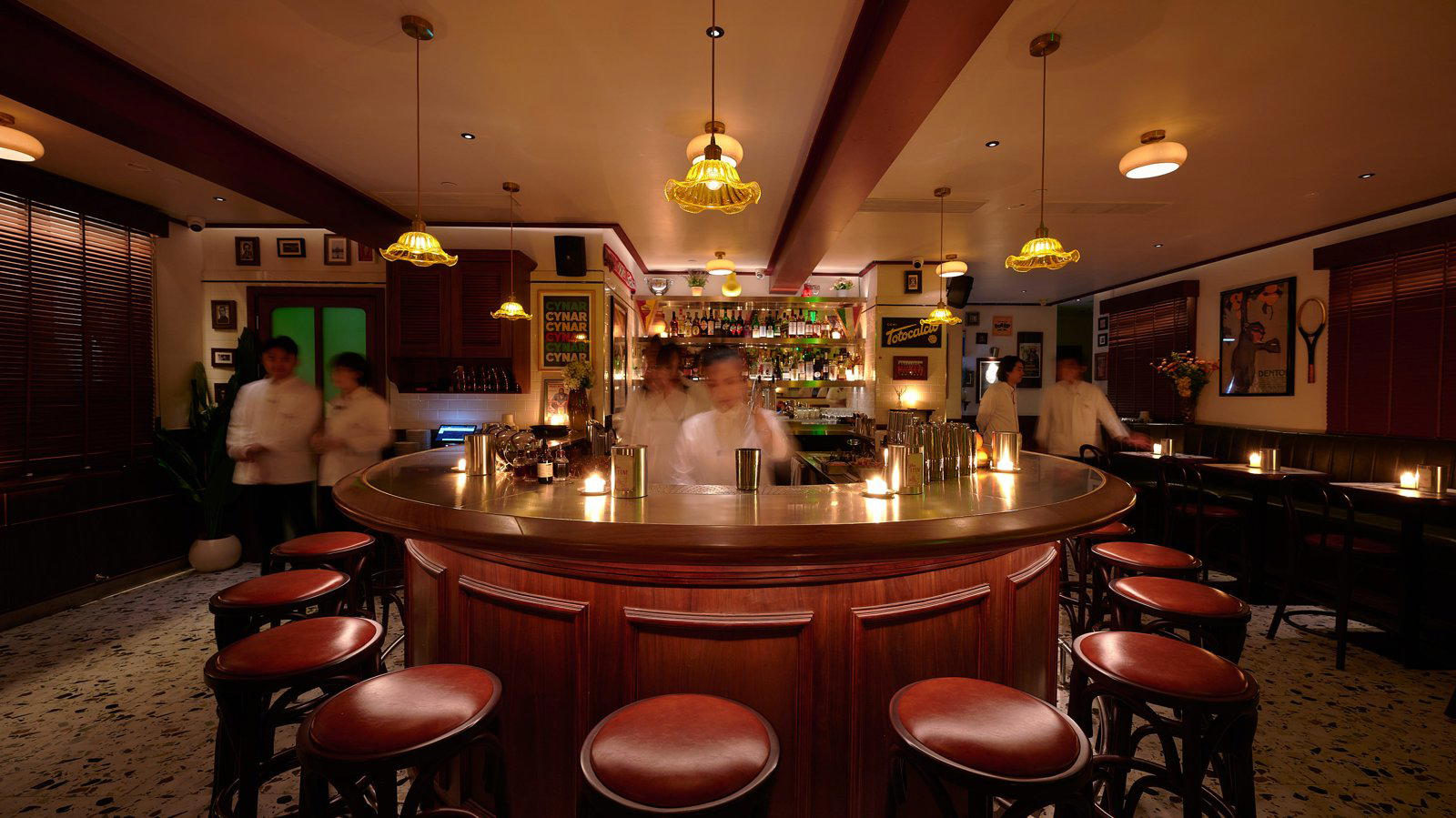
No-frills space with photos of Yunnan, blue tie-dyed tablecloths, cozy interiors, and simple service.