Lechon
Lechon brings the whole-roast tradition of Filipino and Latin lechón into a Portland context, applying professional kitchen technique to a format that rarely gets fine-dining treatment on the West Coast. Located on SW Naito Pkwy in the Pearl District corridor, it represents a broader pattern in Portland's independent dining scene: chefs applying global culinary frameworks to culturally specific ingredients and preparations.
Pearl is the En Primeur Club membership app — saves, bookings, and concierge access live there. Same editors, same standards.
- Address
- 113 SW Naito Pkwy, Portland, OR 97204
- Phone
- +15032199000
- Website
- opentable.com
- Directions
- Get directions
 Saves & bookings on Pearl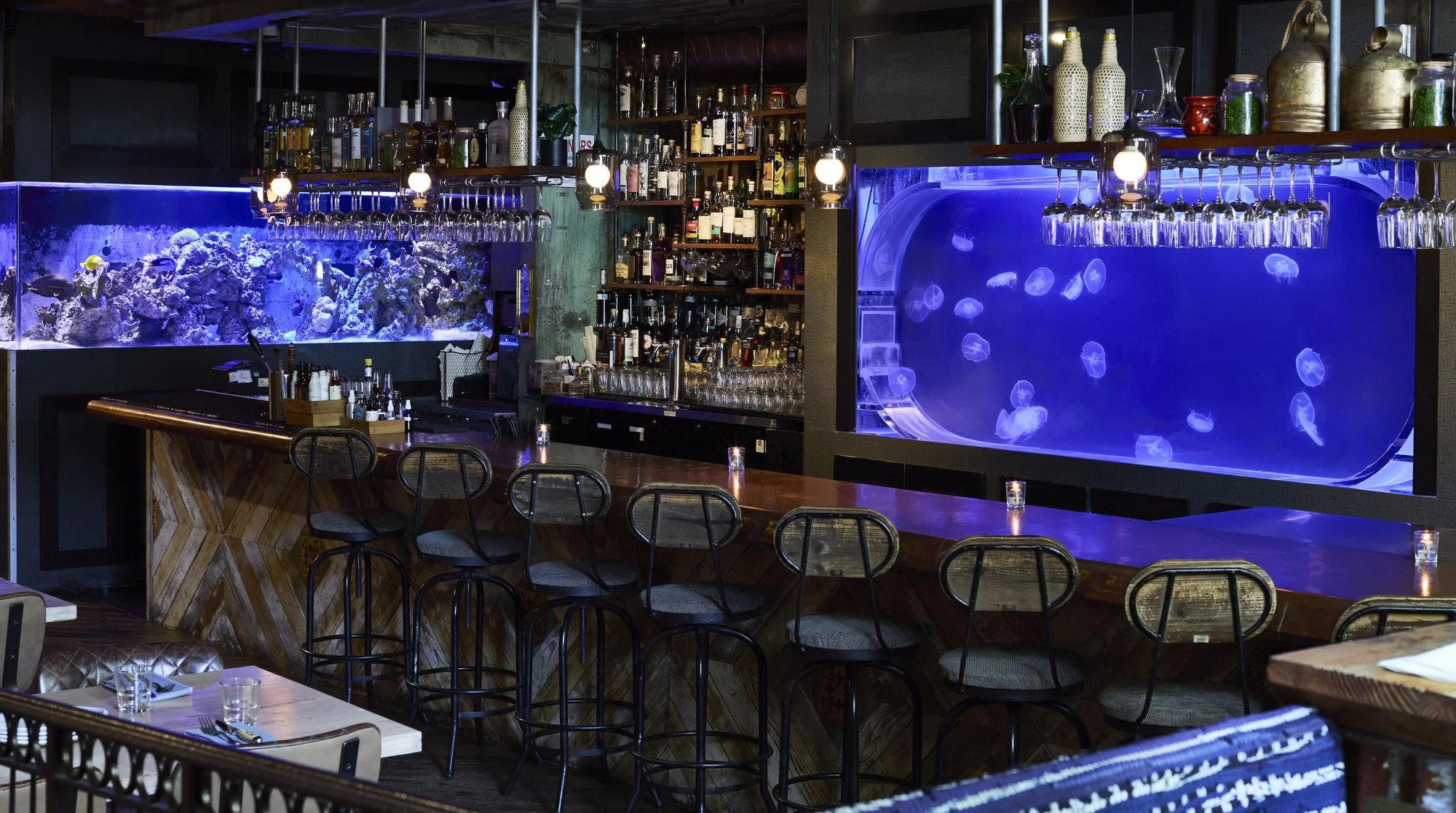
Where the Whole Roast Meets the West Coast Kitchen
SW Naito Pkwy runs along the Willamette River's west bank, a stretch that connects the Pearl District's polished blocks to the older industrial seam of downtown Portland. The address at 113 SW Naito Pkwy places Lechon in that transitional zone, where the city's dining scene has absorbed independent restaurants over the past decade. It is not a destination block in the way that Southeast Division Street or North Mississippi Avenue carry their reputations, which means the restaurants that do set up here tend to rely on the food itself rather than foot traffic or neighborhood celebrity.
The name signals the premise directly. Lechón, in both Filipino and Latin culinary traditions, refers to a whole roasted pig, cooked low and long over coals or in an earthen pit, the skin rendered to a lacquered crack and the interior left impossibly tender. It is a preparation that requires patience, infrastructure, and a specific kind of commitment that most restaurant kitchens, optimized for speed and throughput, are reluctant to make. That Lechon has built an identity around this format in Portland, rather than in a city with a larger Filipino-American population or a stronger Latin culinary infrastructure, says something about both the ambition of the project and the appetite Portland's dining public has developed for culturally specific cooking done at a serious level.
Portland's Independent Dining Template
Portland's restaurant culture has long operated on a particular model: small, independent, chef-driven, with limited capital and high culinary ambition. That model produced a wave of restaurants in the 2010s that earned national attention, ranging from Pok Pok's treatment of northern Thai street food to the hyper-seasonal tasting formats that defined the city's fine-dining tier. What has emerged more recently is a second generation of that same instinct, applied to cuisines that were underrepresented in the earlier wave.
Kann, which applies Haitian culinary tradition through a wood-fire lens, sits in that cohort. So does Berlu, which brought Vietnamese fermentation and technique into a format that reads as contemporary fine dining. Lechon occupies adjacent territory: a preparation with deep cultural roots, executed with the discipline and ingredient sourcing that Portland's independent dining scene has made its operational standard. This is not fusion in the blurring sense. It is the application of professional kitchen rigor to a tradition that predates the professional kitchen entirely.
That approach connects to a broader pattern visible across American restaurant culture. At the level of nationally recognized programs, restaurants like Atomix in New York have demonstrated how rooted culinary traditions can be expressed through contemporary technique without losing their specificity. Blue Hill at Stone Barns in Tarrytown built its entire identity around a farm-to-table methodology that treats sourcing as technique. What Lechon does at its scale and price point is apply a version of that same logic to a preparation that is communal, celebratory, and historically rooted in a way that most tasting-menu formats are not.
Local Ingredients, Global Preparation
The editorial angle that matters most here is the intersection of method and material. Lechón as a technique is globally distributed: versions appear in Puerto Rico, the Philippines, Spain, Cuba, and across Latin America, each with regional variations in seasoning, wood choice, and serving tradition. What happens when that technique lands in the Pacific Northwest is a question worth sitting with. Oregon's agricultural output, particularly its pork producers, heritage breed operations, and the network of small farms that supply Portland's better kitchens, creates an ingredient base that the technique can absorb and express differently than it would in its countries of origin.
This is the productive tension that drives interesting immigrant and diaspora cooking in American cities. The technique carries cultural memory. The ingredients carry local specificity. The result is neither purely traditional nor arbitrarily modern. Portland's independent restaurant community, across formats ranging from Langbaan's private-dining Thai format to the wood-fired Italian grammar of Nostrana and Ken's Artisan Pizza, has consistently demonstrated that imported culinary frameworks applied to Oregon's particular pantry produce results distinct from their source traditions. Lechon belongs to that lineage.
At the tier of nationally celebrated restaurants built around similar principles, the framing holds across different scales. Single Thread Farm in Healdsburg, The French Laundry in Napa, and Providence in Los Angeles all operate on the premise that local ingredients processed through exacting technique produce something greater than either element alone. Lechon applies a version of that logic to a vernacular tradition rather than a classical European one, which positions it as part of a meaningful shift in how American fine dining defines its terms of reference.
Planning Your Visit
Lechon sits at 113 SW Naito Pkwy in downtown Portland, accessible from the Pearl District on foot and close to several Tri-Met lines running along Naito. Lechon recommends reservations, and its hours are Monday through Thursday from 4 to 9 PM, Friday and Saturday from 4 to 10 PM, and closed Sunday.
For readers planning a broader Portland itinerary, our full Portland restaurants guide covers the city's dining scene by neighborhood and format. Those interested in how similar global-technique-meets-local-ingredient frameworks play out at different price points and scales can find relevant comparisons in programs like Lazy Bear in San Francisco, Addison in San Diego, Alinea in Chicago, Le Bernardin in New York City, Emeril's in New Orleans, The Inn at Little Washington, and 8½ Otto e Mezzo Bombana in Hong Kong, each of which applies a distinct cultural framework to its sourcing and preparation logic.
Reputation Context
Comparable venues nearby, for context on price, style, and recognition.
| Venue | Cuisine | Price | Notes |
|---|---|---|---|
| LechonThis venue — the venue you are viewing | South American | $$ | Not listed |
| Magna Kusina | Modern Filipino | $$ | Hosford-Abernethy |
| Broder Nord | Scandinavian Brunch | $$ | Mississippi Ave |
| Cool Moon Ice Cream | Artisanal Ice Cream & Sorbet | $$ | Pearl |
| Papa Haydn | American with Viennese Desserts | $$ | Nob Hill |
| Khun Pic's Bahn Thai | Authentic Thai | $$ | Belmont District |
Continue exploring
More in Portland
Restaurants in Portland
Browse all →
Bars in Portland
Browse all →
Hotels in Portland
Browse all →

At a Glance
- Intimate
- Rustic
- Industrial
- Trendy
- Date Night
- Casual Hangout
- Special Occasion
- Open Kitchen
- Historic Building
- Waterfront
- Street Scene
Current opening hours
- Monday
- 4–9 PM
- Tuesday
- 4–9 PM
- Wednesday
- 4–9 PM
- Thursday
- 4–9 PM
- Friday
- 4–10 PM
- Saturday
- 4–10 PM
- Sunday
- Closed
Hours can change for holidays and private events. Last verified .
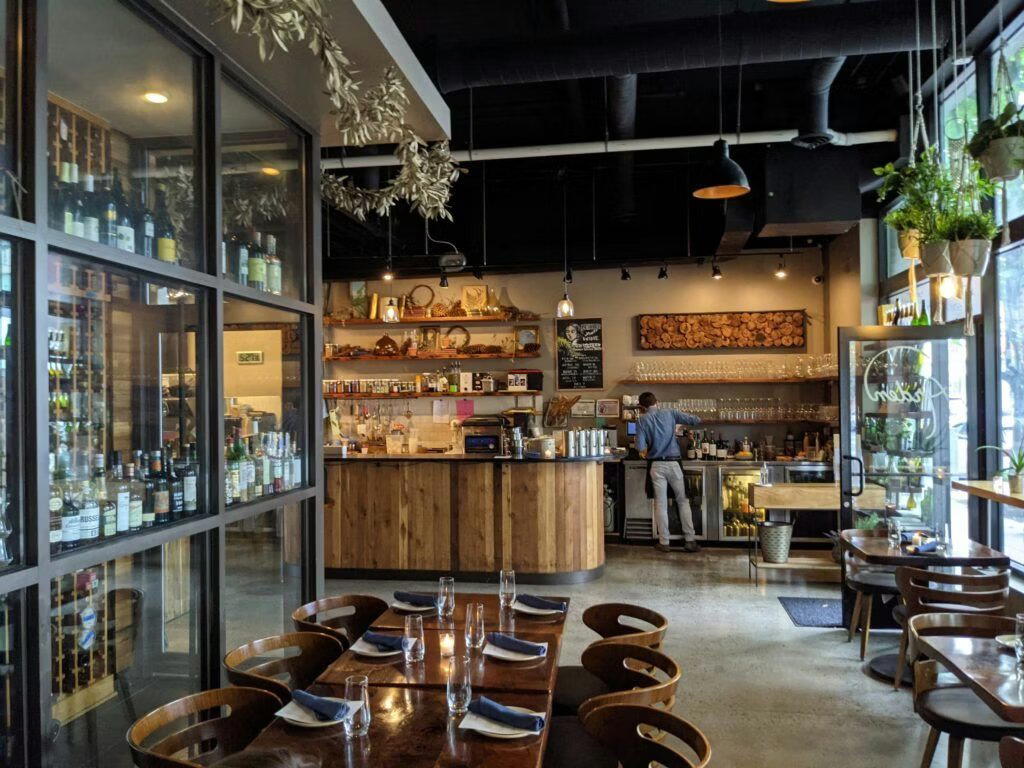
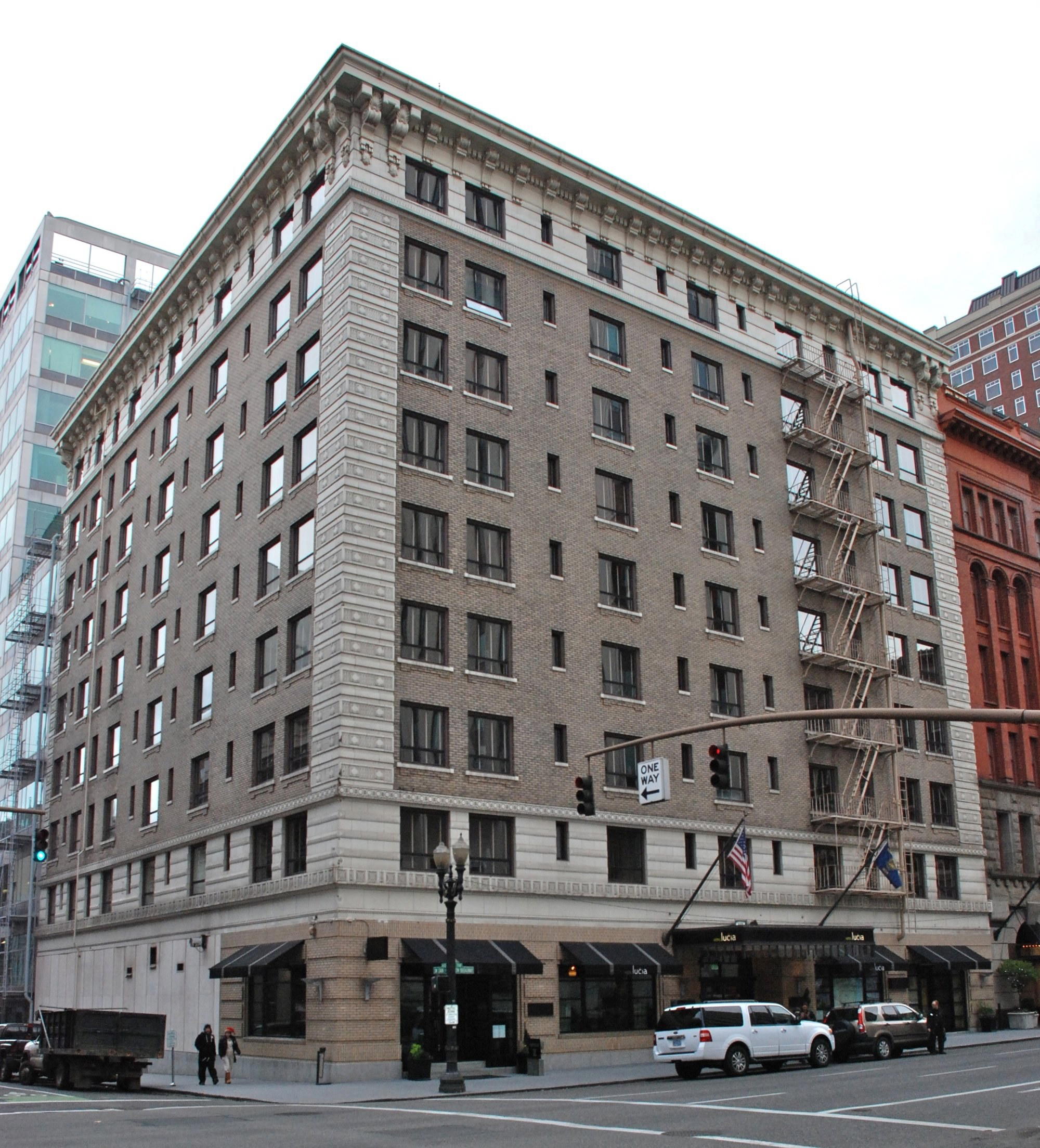
Intimate narrow space with exposed brick walls, industrial chic open kitchen, rough wood bar, and warm lighting creating a heady South American atmosphere.