Papa Haydn
Papa Haydn on NW 23rd Avenue has anchored Portland's dessert and European-leaning cafe scene for decades, occupying a distinct tier among the city's casual-but-serious dining options. The format sits somewhere between a European patisserie and a neighborhood bistro, with a dessert program that draws regulars from across the city. It remains a reference point for anyone mapping Portland's longer-running dining institutions.
Pearl is the En Primeur Club membership app — saves, bookings, and concierge access live there. Same editors, same standards.
- Address
- 701 NW 23rd Ave, Portland, OR 97210
- Phone
- +15032287317
- Website
- papahaydn.com
- Directions
- Get directions
 Saves & bookings on Pearl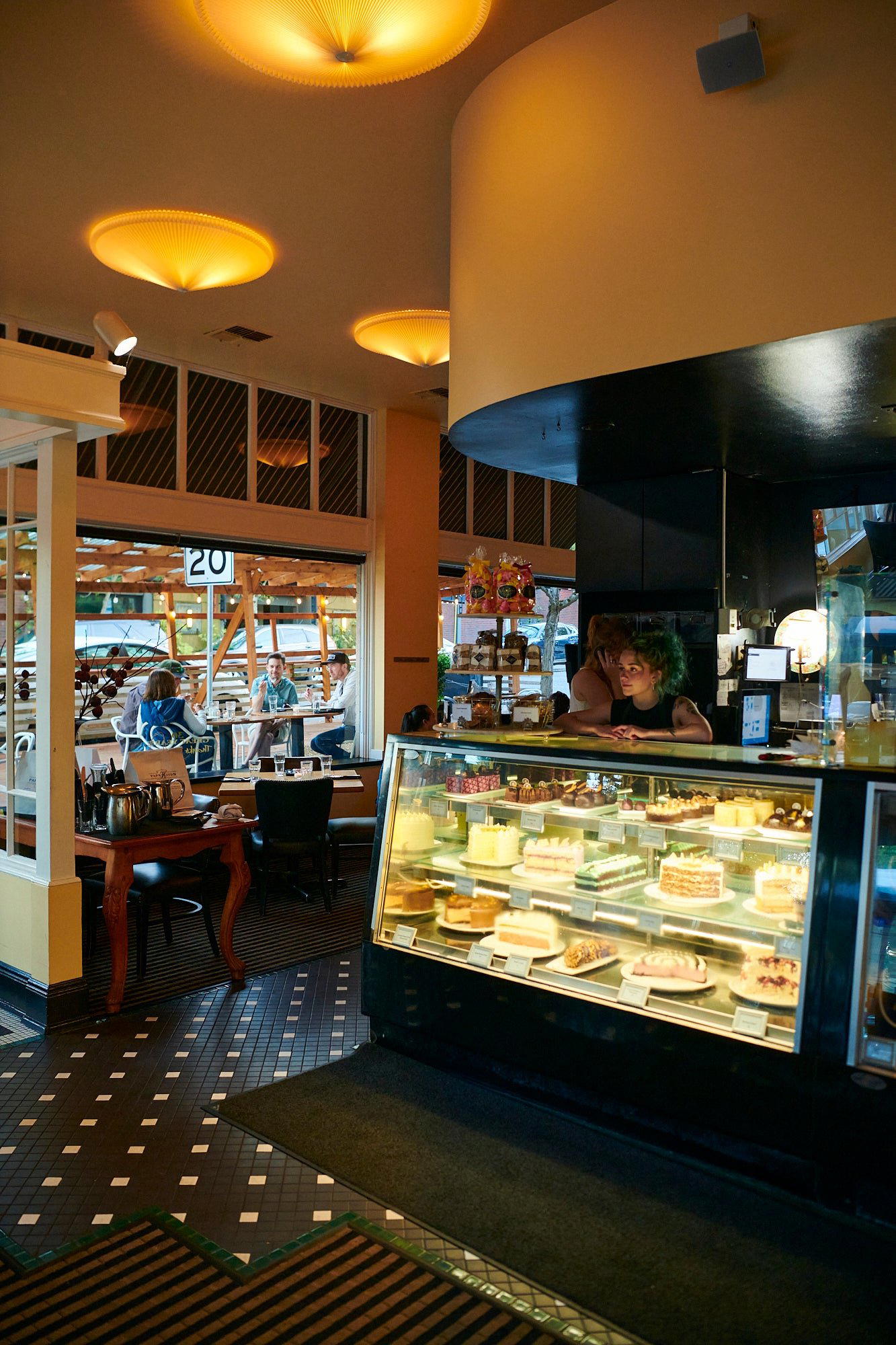
NW 23rd and the Grammar of a Portland Institution
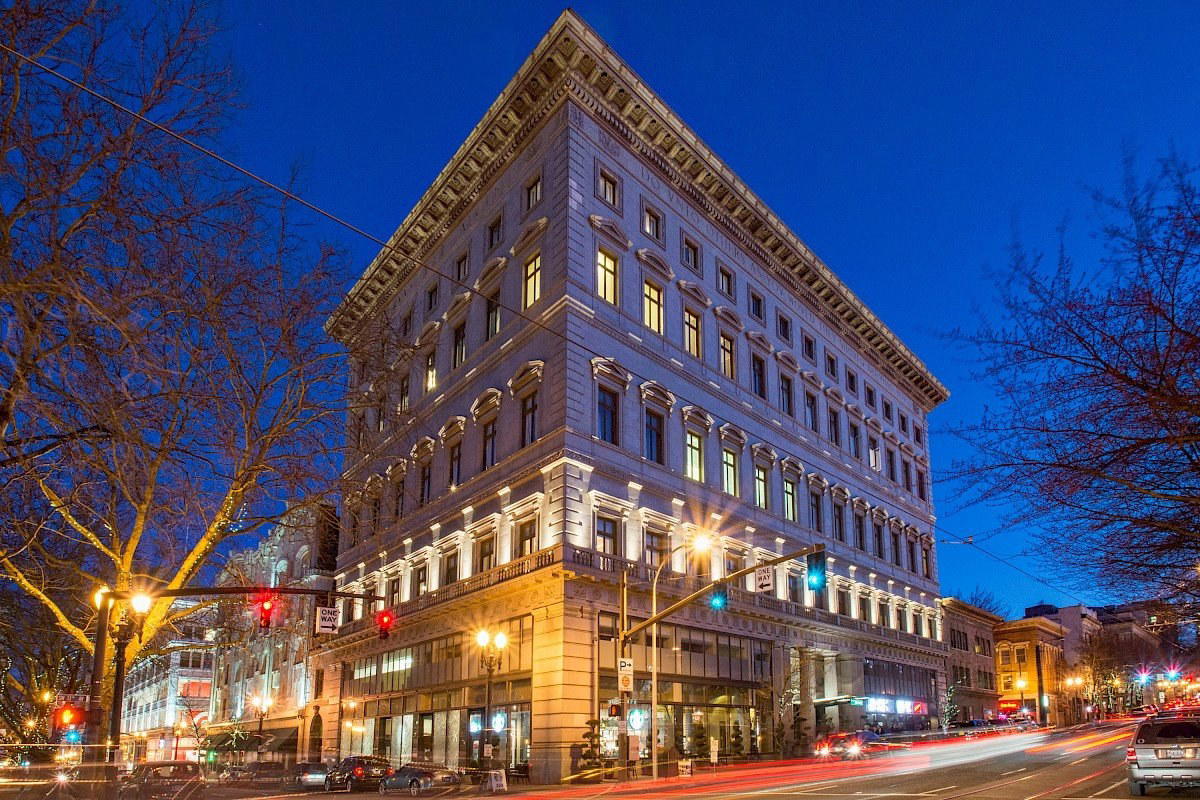
Northwest 23rd Avenue in Portland operates on a different frequency from the city's more talked-about dining corridors. Where the inner Southeast pulls younger operators and rotating concepts, NW 23rd has historically favored establishments with longer arcs, places built on regulars rather than opening-week queues. It fits that pattern. The storefront reads as composed rather than conspicuous: a facade that signals continuity over novelty, the kind of address that earns its reputation across years rather than press cycles.
Walking toward the entrance, the visual register is European in a specific, pre-trend way. This is not the Scandinavian-inflected minimalism that swept American dining in the 2010s, nor the raw-industrial aesthetic that still defines much of Portland's newer stock. The interior trades instead in warmth and detail, the sort of environment where the lighting has been calibrated for lingering, and where the architectural decisions suggest permanence. In a city where concepts open and reformat with considerable speed, that quality of settledness carries its own meaning.
The Dessert Program as the Defining Argument
The category of European-style cafe-bistro is not rare in American cities, but the dessert-led version, where the pastry counter is genuinely the house's strongest statement, is less common than it should be. Papa Haydn's reputation in Portland clusters around its dessert program, which functions as the central editorial reason to visit rather than a supplement to savory courses. This is meaningful context for the city: Portland has a growing tier of technically serious dessert and pastry operations, from the craft doughnut segment (Blue Star Donuts being the visible export) to the pastry programs at destination-level restaurants, but the full-service cafe with dessert at its center occupies a narrower lane.
For readers mapping how Papa Haydn sits relative to Portland's broader dining field, the comparison set is instructive. Langbaan and Berlu represent the city's more technically ambitious tasting-format tier, where the kitchen's conceptual ambition drives the entire proposition. Kann has added a distinct cultural and culinary perspective to Portland's conversation. Nostrana and Ken's Artisan Pizza anchor the city's serious-casual Italian and pizza tier. Papa Haydn's position among these is not competitive in a direct sense; it occupies a different register, the neighborhood-anchored, occasion-flexible European cafe that Portland's dining culture needs alongside its more avant-garde operators.
Atmosphere and the Sensory Contract
The sensory experience at a venue like this is built from accumulation rather than spectacle. There is no single theatrical moment, no dramatically plated centerpiece designed to photograph at a particular angle. Instead, the atmosphere is constructed from the ambient hum of occupied tables, the faint smell of butter and sugar that signals an active pastry operation nearby, the pace of service that matches a room designed for afternoon visits extending into evening. These are not incidental qualities; they define the category of experience the restaurant is selling, and they differentiate it from the more performance-oriented dining that attracts significant press coverage in Portland and nationally.
The room itself invites a certain behavior from its guests. Tables are occupied by people in no particular hurry, which is itself a signal about the format: this is not a venue organized around table turns and reservation pressure. The visual language of the interior, warm materials, considered detail, the weight of an established space, communicates that guests are expected to stay long enough to justify the trip. That contract between space and visitor is one of the more underappreciated forms of hospitality design.
Where Papa Haydn Sits in a Wider National Context
Across American cities, the European-style patisserie-cafe with genuine technical depth in its pastry program is a distinct and relatively small category. At the highest tier nationally, restaurants with recognized pastry programs, from Le Bernardin in New York City to Alinea in Chicago, treat the dessert sequence as an integral part of a formally structured tasting arc. At places like The French Laundry in Napa, Blue Hill at Stone Barns in Tarrytown, or Single Thread Farm in Healdsburg, the pastry chapter arrives as a considered conclusion to a multi-hour commitment. Providence in Los Angeles, Addison in San Diego, Atomix in New York City, Lazy Bear in San Francisco, The Inn at Little Washington, Emeril's in New Orleans, and 8 1/2 Otto e Mezzo Bombana in Hong Kong all demonstrate how pastry has been absorbed into fine dining's grammar at the highest register. The restaurant operates at a deliberately different altitude: accessible, neighborhood-scaled, and organized around the idea that a serious dessert should not require a three-hour omakase commitment to arrive at your table.
That accessibility is a feature rather than a compromise. Portland's dining culture has historically been skeptical of formal hierarchies, and the venues that have earned sustained local loyalty tend to be those that deliver technical seriousness without requiring the full apparatus of occasion dining. The restaurant fits that pattern, which explains why it has outlasted many of the higher-concept openings that generated more coverage in the years around it.
Planning a Visit
The restaurant sits on NW 23rd in the Nob Hill neighborhood, walkable from the central shopping and hotel district and well within range of the broader NW Portland residential area. For visitors using Portland as a base for wider Oregon exploration, NW 23rd offers a concentration of independent retail and restaurants that reads as distinctly local rather than tourist-formatted. The restaurant anchors the dessert end of that strip in a way that makes it a natural stop during afternoon or post-dinner hours.
The Minimal Set
Comparable venues nearby, for context on price, style, and recognition.
| Venue | Cuisine | Price | Notes |
|---|---|---|---|
| Papa HaydnThis venue — the venue you are viewing | Not listed | $$ | Not listed |
| Sure Shot Burger | Concordia, Smashburgers | $$ | Not listed |
| Deschutes Brewery Portland Public House | Pearl, Polished Northwest Pub Fare | $$ | Not listed |
| Sweedeedee | Humboldt, Farm-to-Table American Cafe | $$ | Not listed |
| Hopworks Brewery - Powell Mothership | Creston-Kenilworth, Organic Brewpub | $$ | Not listed |
| Pipsqueak | Not listed | $$ | Southeast Portland, New York-Style Bagels |
Continue exploring
More in Portland
Restaurants in Portland
Browse all →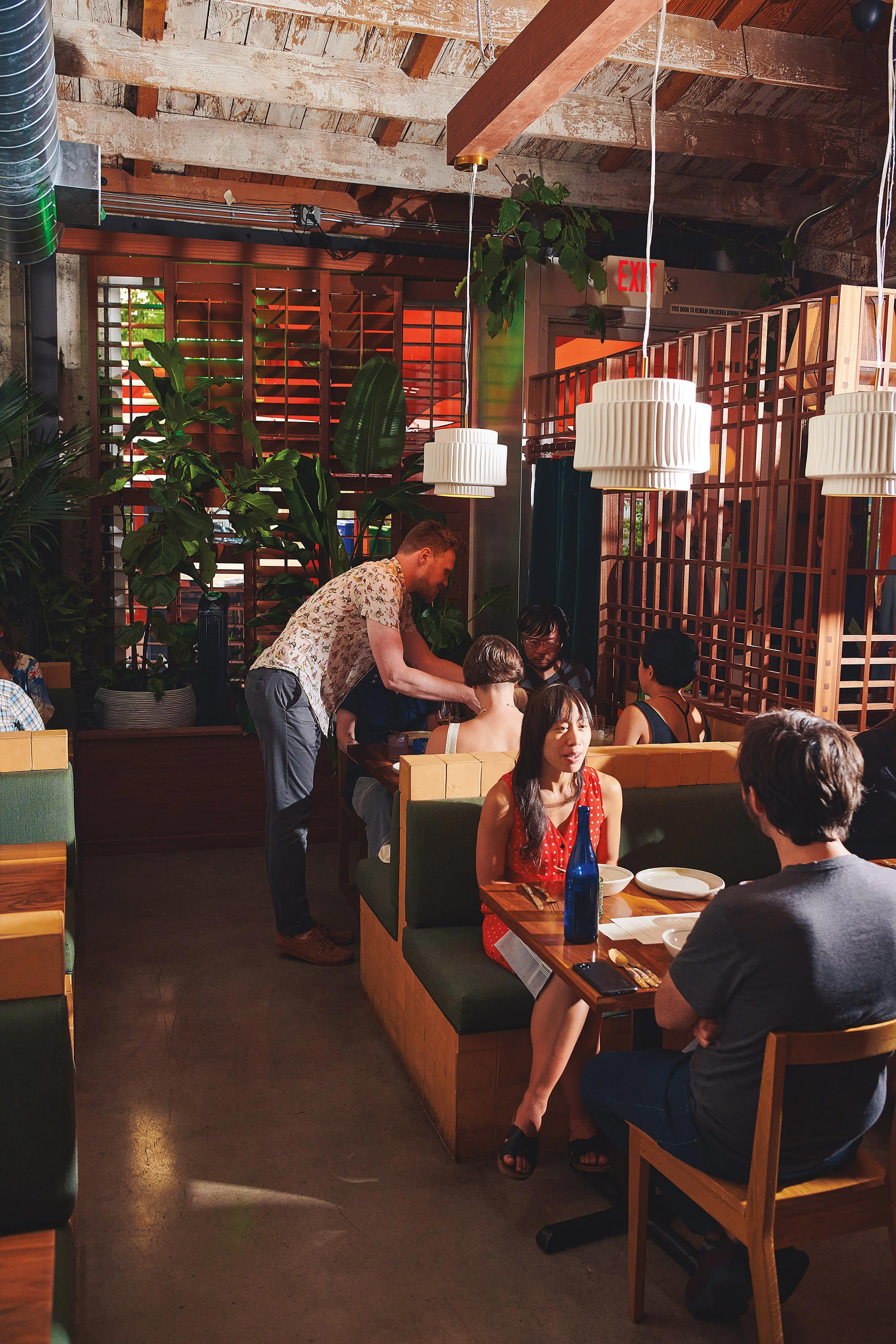
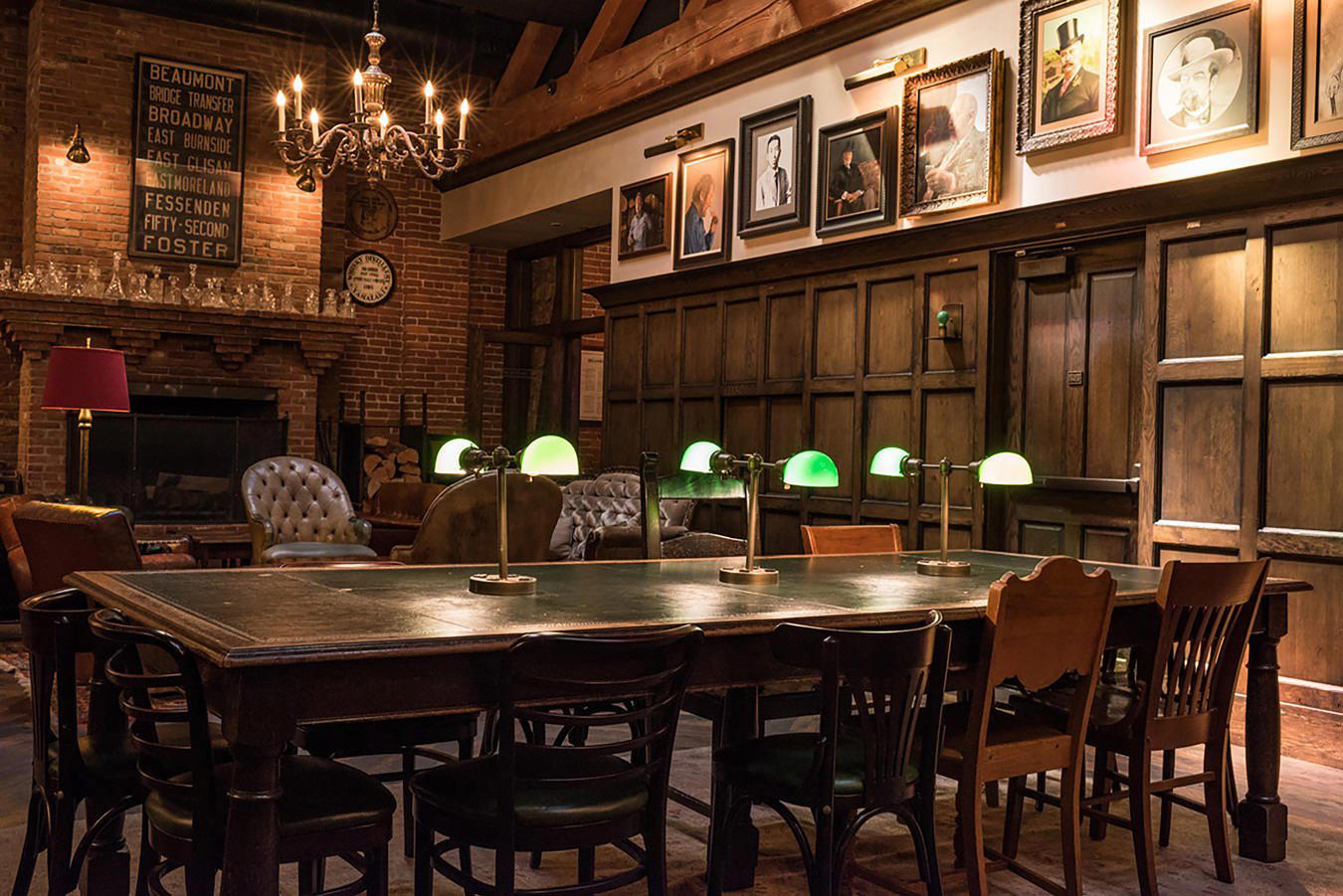
Bars in Portland
Browse all →
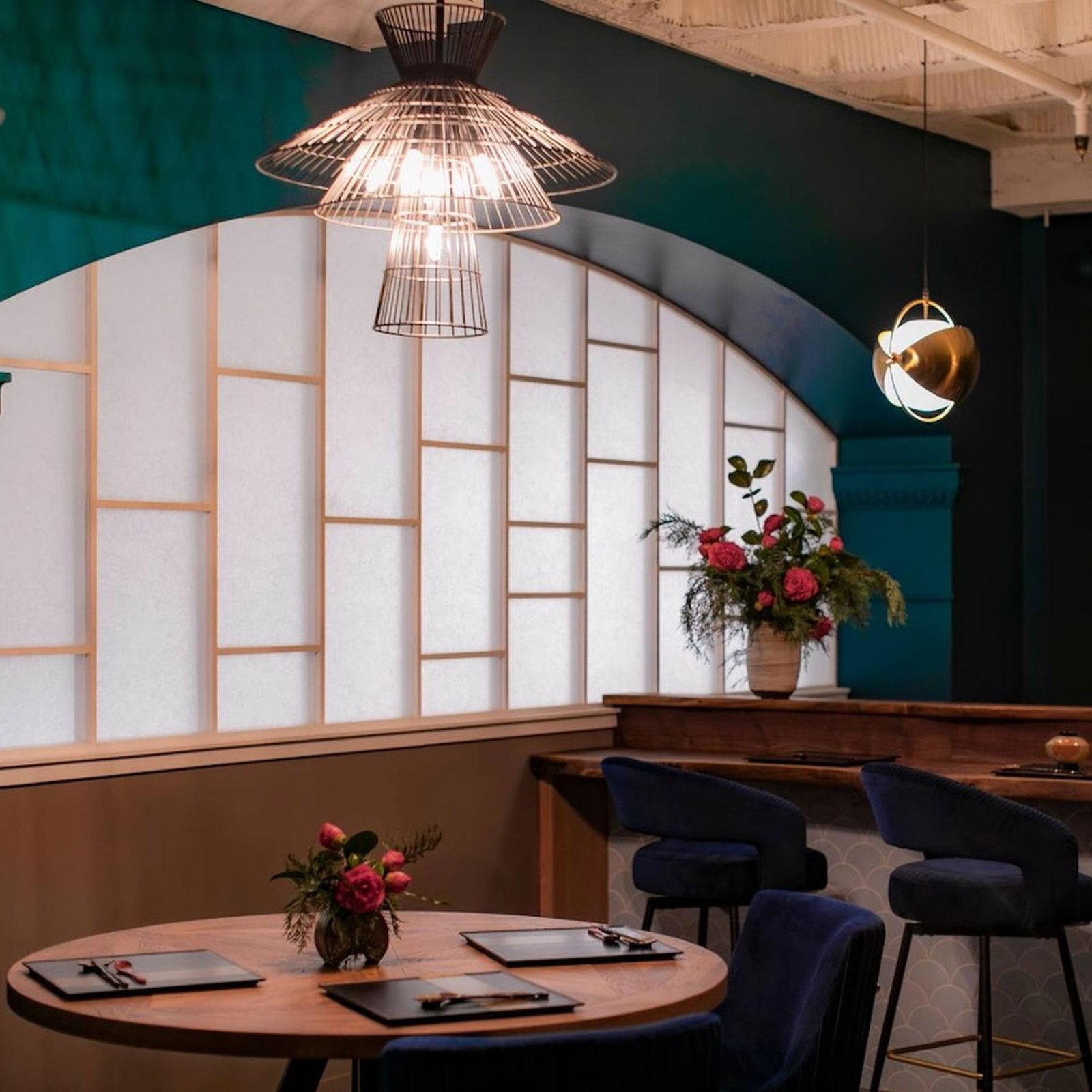
Hotels in Portland
Browse all →
At a Glance
- Classic
- Cozy
- Elegant
- Date Night
- Special Occasion
- Brunch
- Live Music
- Extensive Wine List
- Local Sourcing
Current opening hours
- Monday
- 11:30 AM–10 PM
- Tuesday
- 11:30 AM–10 PM
- Wednesday
- 11:30 AM–10 PM
- Thursday
- 11:30 AM–10 PM
- Friday
- 11:30 AM–11 PM
- Saturday
- 11:30 AM–11 PM
- Sunday
- 10 AM–10 PM
Hours can change for holidays and private events. Last verified .
Cozy and elegant atmosphere with a focus on decadent desserts and seasonal dishes, enhanced by live jazz on select nights.