Where This Address Sits in Zurich's Dining Geography
Zurich's restaurant scene has consolidated around a handful of distinct tiers. At the leading, Michelin-recognised rooms like The Restaurant and The Counter anchor the creative and tasting-menu formats. The sharing-format tier is represented by IGNIV Zürich by Andreas Caminada, whose approach to collective dining has influenced how the city thinks about table formats. Traditional Swiss rooms like Widder hold a separate lane, as does the European neighbourhood-restaurant positioning of Eden Kitchen & Bar. Lebewohlfabrik sits outside these established formats. Its address in Kreis 8 rather than the Altstadt or the Seefeld puts it in the neighbourhood-anchored segment, where regulars form a different relationship with a space than destination diners do.
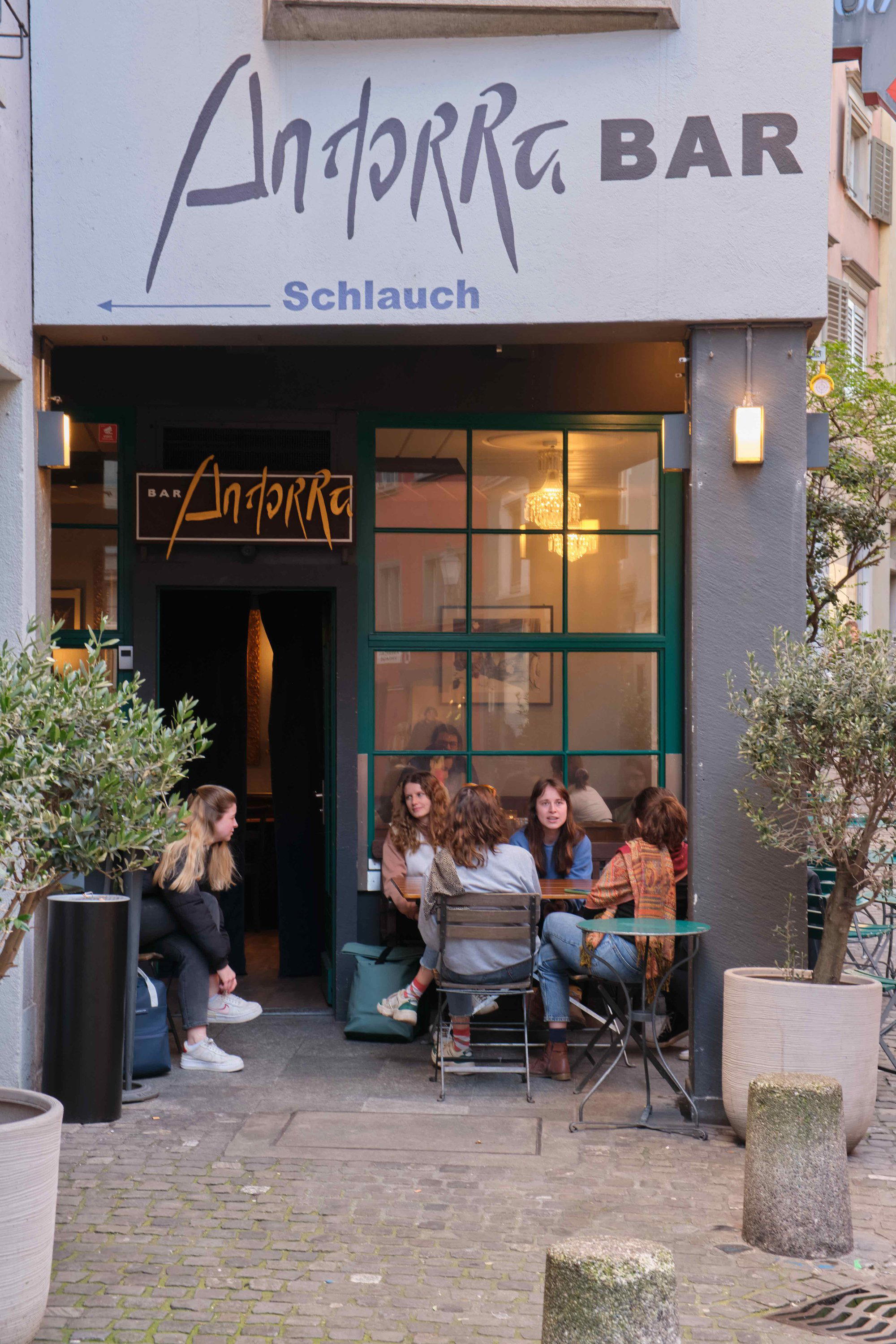
That distinction matters for how the room functions across a week. Neighbourhood venues in Zurich's eastern districts tend to operate with more varied rhythms than hotel restaurants or city-centre addresses: busier on midweek evenings when locals cycle or walk in, quieter on Sundays, shaped more by residential patterns than by tourist flow. The physical design of a converted industrial space reinforces this, the scale is typically more generous than a boutique fine-dining room, allowing the space to absorb both a full house and a half-empty midweek evening without feeling either cramped or desolate.
The Space as Editorial Object
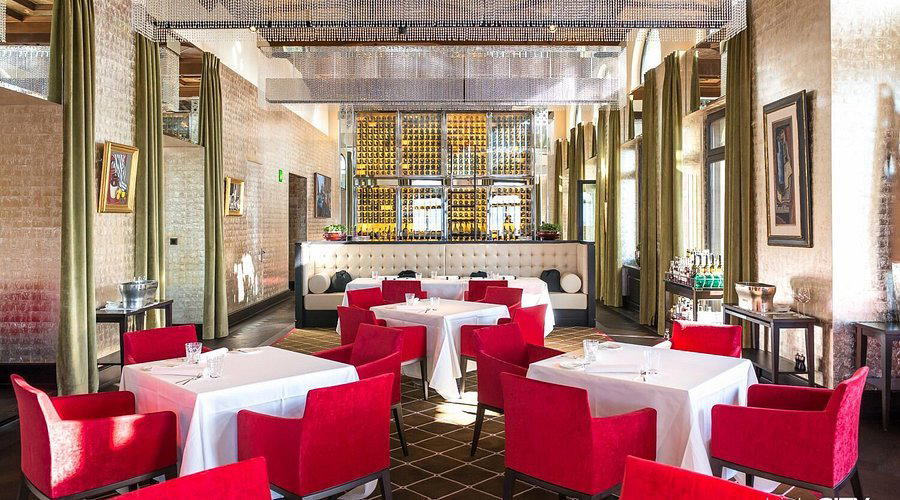
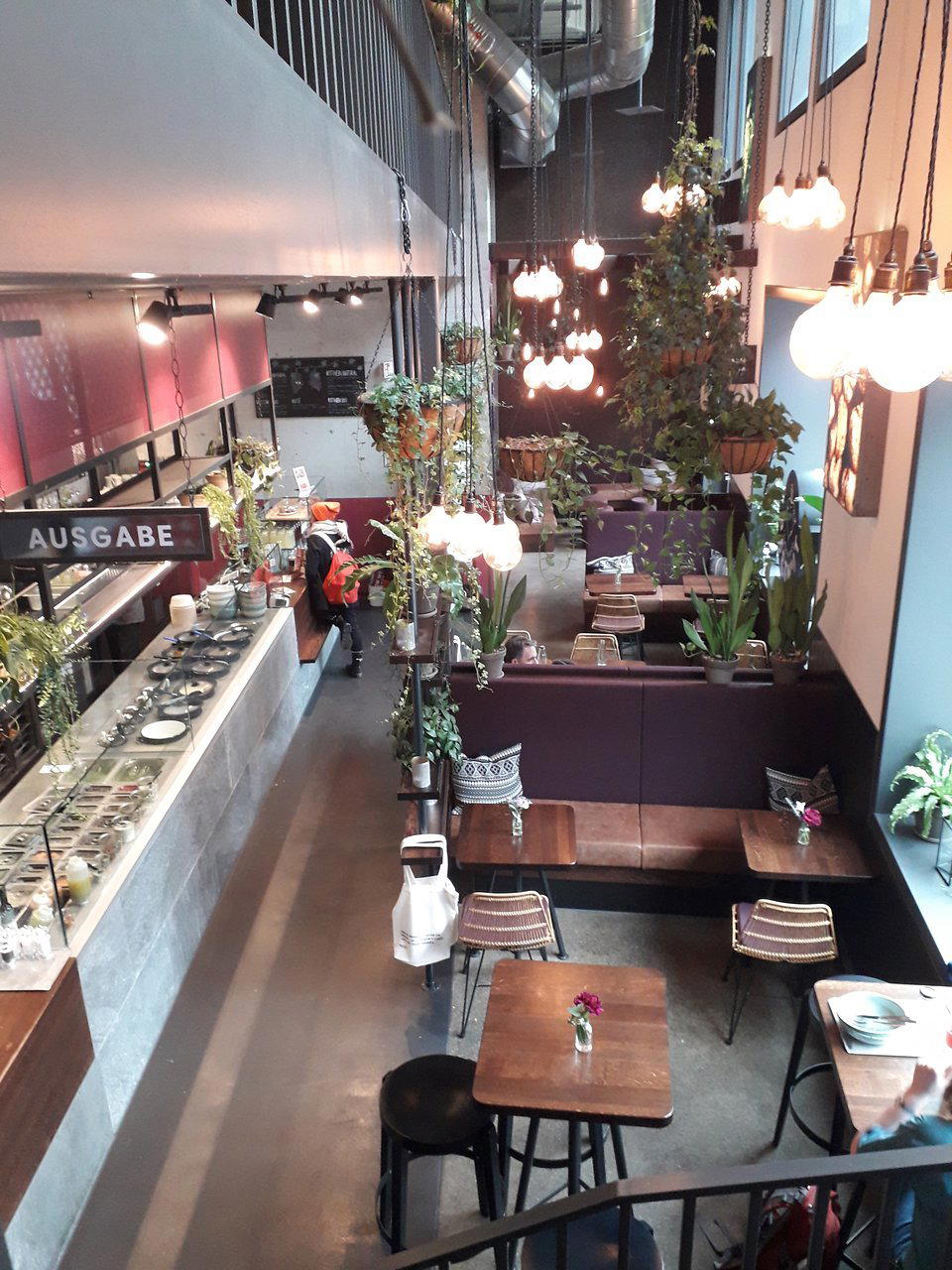
Industrial conversions succeed or fail on decisions that are made before a single table is placed. Ceiling height determines acoustic character; original flooring determines visual warmth; the relationship between natural light sources and interior partitioning determines how the room changes across a lunch and dinner service. Where these decisions are handled with discipline, the result is a room that operates as architecture rather than decor, a space in which the physical container is doing substantive work rather than providing a neutral backdrop.
The Fröhlichstrasse address has the bones for this kind of reading. Kreis 8 conversions from this period of the neighbourhood's development tend to preserve structural elements, exposed concrete, steel-frame windows, double-height volumes, that would be prohibitively expensive to introduce into a purpose-built restaurant. These are the conditions under which seating arrangements take on greater significance: how tables are oriented relative to windows, whether there is spatial differentiation between zones, how sound behaves at different occupancy levels. These are design questions that an industrial shell either answers well or leaves unsolved.
Switzerland's broader dining architecture provides useful comparison points here. The converted spaces associated with Schloss Schauenstein in Fürstenau operate within a historic built fabric that gives the dining experience an immediate context. More straightforwardly contemporary addresses like Memories in Bad Ragaz or focus ATELIER in Vitznau rely on landscape and architectural precision in a different register. Zurich's urban industrial venues work with a third grammar entirely: the city's manufacturing history filtered through contemporary hospitality sensibility.
Zurich's Dining Season and When to Visit
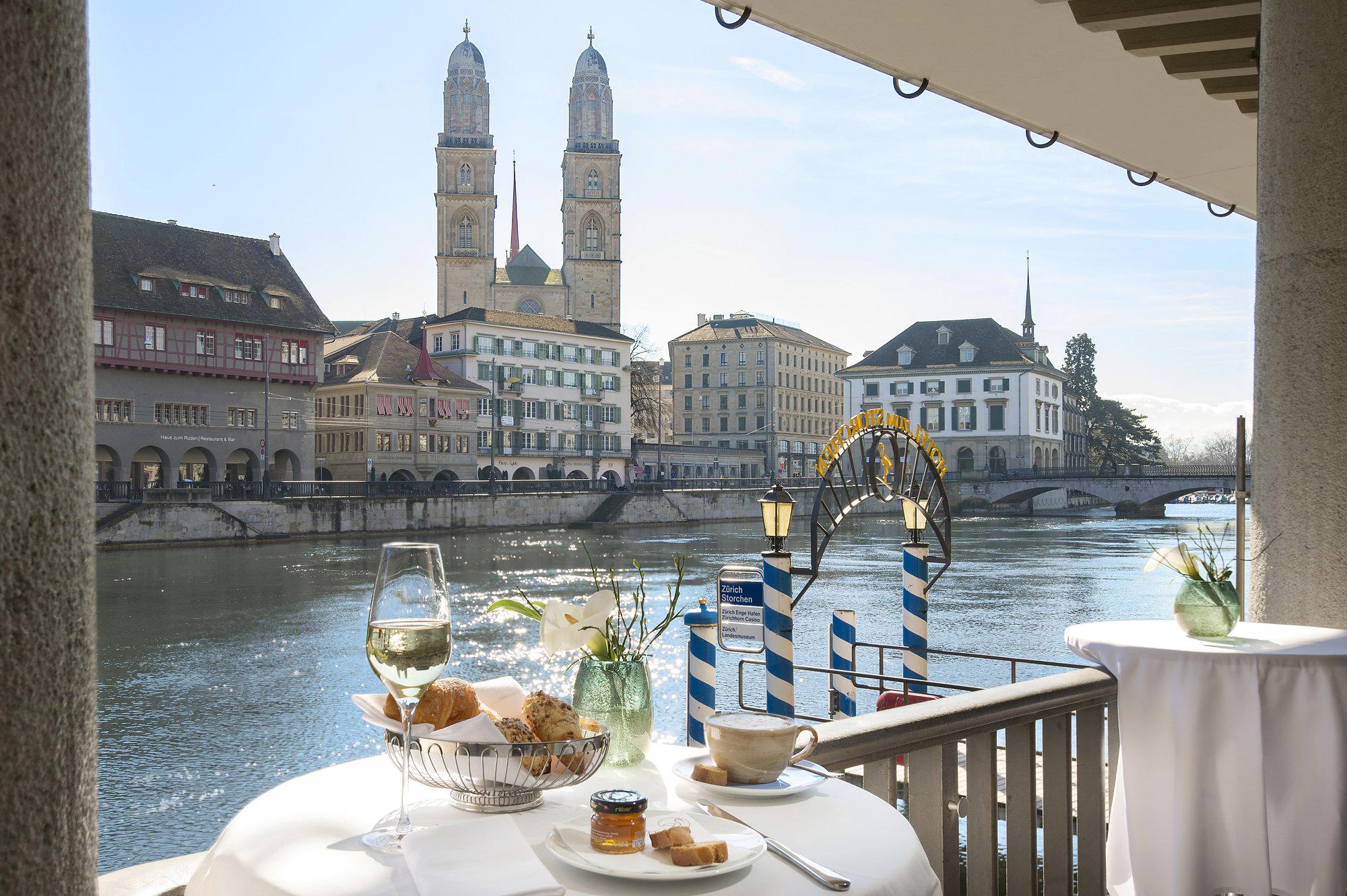
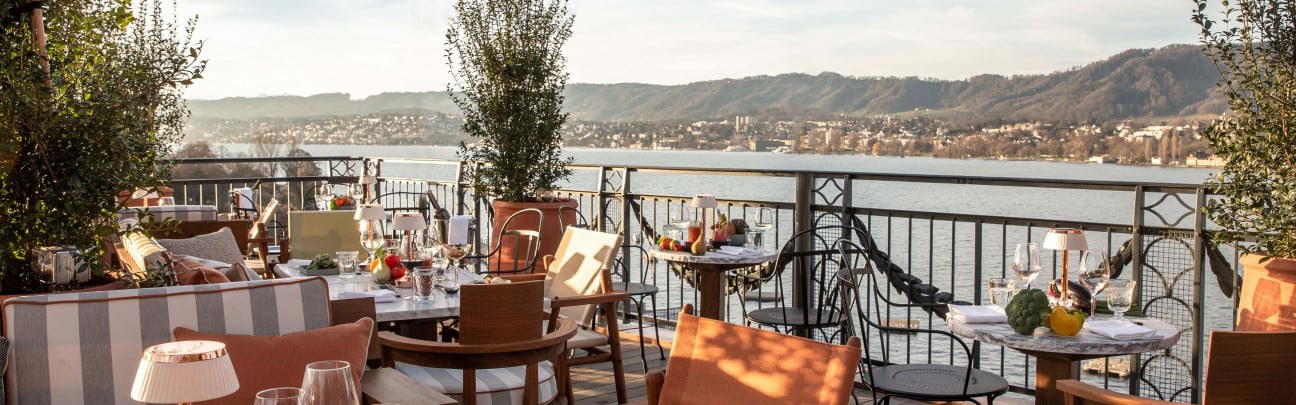
Zurich's dining calendar has a pronounced seasonal structure. The summer months, from late June through August, push life outdoors, and venues with terrace capacity or courtyard access operate in a different mode than they do in winter. Kreis 8's streets, relatively residential and tree-lined in stretches, lend themselves to this shift. Autumn, from September through November, is widely considered the city's most productive dining season: summer tourists have thinned, local residents have returned from August holidays, and the city's restaurant culture returns to a more consistent rhythm. This is the period when reservations are easiest to plan and when kitchen programmes tend to be at their most considered.
Winter in Zurich brings a different logic. The city's position in German-speaking Switzerland means that the months from December through February carry cultural weight around traditional food, fondue, raclette, game dishes, that shapes the city's hospitality atmosphere even in venues that do not themselves serve Swiss cuisine. Spring is transitional: a period when menus across the city begin to shift and when the first genuinely warm evenings draw people back to outdoor seating.
For visitors planning around Switzerland's broader dining geography, Zurich functions well as a hub. Cheval Blanc by Peter Knogl in Basel is reachable in under an hour by rail. Einstein Gourmet in Sankt Gallen and Colonnade in Lucerne both sit within comfortable day-trip range. Those extending further can reach Hotel de Ville Crissier in Crissier, Da Vittorio in St. Moritz, 7132 Silver in Vals, or L'Atelier Robuchon in Geneva for a fuller circuit of Swiss fine dining. For international comparisons, Le Bernardin in New York City and Atomix in New York City represent the kind of programme-depth that Zurich's top tier is measured against globally.
Our full Zurich restaurants guide covers the city's dining scene across formats and price tiers.
Know Before You Go
Planning Details
- Address: Fröhlichstrasse 23, 8008 Zürich, Switzerland
- Neighbourhood: Kreis 8, Zürich
- Getting there: Kreis 8 is served by multiple tram lines from Zurich's central rail network; the address is walkable from the Bellevue interchange
- Leading season: September through November for the most consistent dining experience
- Website / phone: Check current listings for updated contact details