Helsinki Club
Helsinki Club occupies a address on Geroldstrasse 35 in Zurich's Kreis 5, a district that has become the city's most consequential testing ground for independent food and drink concepts. The venue sits within a neighbourhood where industrial conversion and culinary ambition have moved in lockstep over the past decade. EP Club covers it as part of our broader mapping of where Zurich's dining scene is genuinely evolving.
Pearl is the En Primeur Club membership app — saves, bookings, and concierge access live there. Same editors, same standards.
- Address
- Geroldstrasse 35, 8005 Zürich, Switzerland
- Website
- helsinkiklub.ch
- Directions
- Get directions
 Saves & bookings on Pearl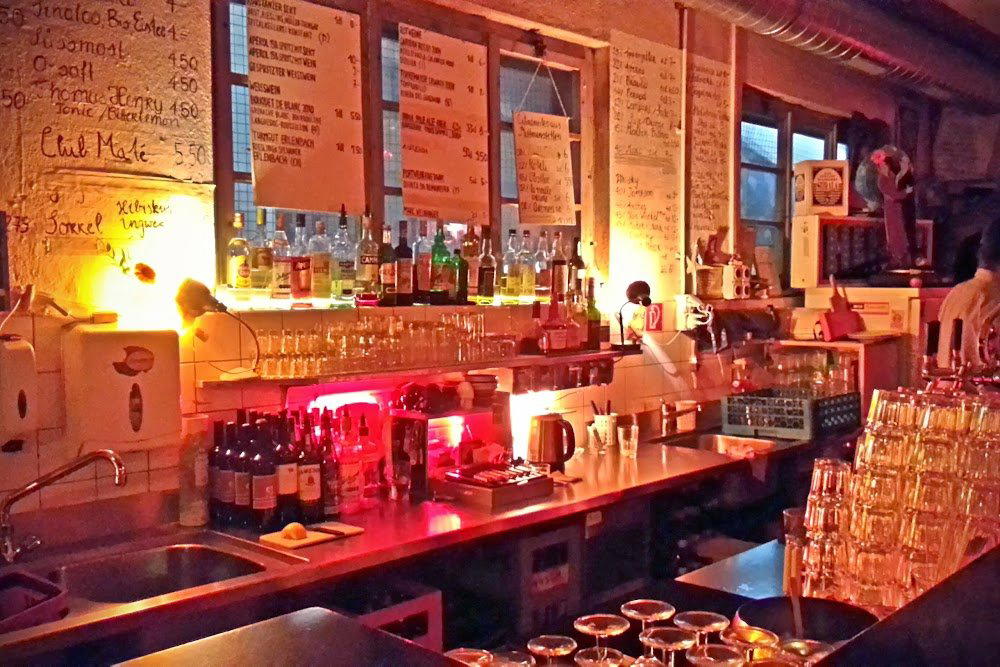
Geroldstrasse and the Kreis 5 Shift
Zurich's fifth district has undergone one of the more legible transformations in Swiss urban dining over the past fifteen years. Where the Geroldstrasse corridor once ran through light-industrial blocks with little culinary infrastructure, it now anchors a cluster of independent venues that operate at a different register from the hotel dining rooms and established fine-dining addresses that define much of the city's centre. Helsinki Club, at Geroldstrasse 35, sits inside this shift. The address places it within walking distance of the Viadukt arches, where the city's appetite for ingredient-led, producer-connected cooking first found consistent expression outside of traditional restaurant formats.
That neighbourhood context matters more than it might seem. Kreis 5 venues have tended to attract operators whose primary interest is in sourcing specificity rather than formal service architecture. The question of where food comes from, and how transparently that origin is communicated to the guest, has defined the district's better operators more than kitchen technique alone. Helsinki Club carries that address as a marker of intent.
Where Ingredient Sourcing Defines the Offer
Across Zurich's independent dining tier, the most meaningful differentiator between concepts that hold and those that fade has consistently been the quality and coherence of supply relationships. Venues operating at the level of IGNIV Zürich by Andreas Caminada or The Counter have demonstrated that sourcing discipline, when visible on the plate and legible on the menu, functions as a trust signal for the city's more attentive diners. The logic applies down the price tiers as well: guests in Kreis 5 have been conditioned to expect producer names, regional specificity, and seasonal discipline as baseline features rather than premium additions.
Switzerland's geographic position gives Zurich operators access to a supply network that few European cities can match within a two-hour radius: Alpine dairy producers in Graubünden, lake fisheries on the Bodensee, vegetable growers in the Rhine valley, and meat producers in Thurgau whose output rarely reaches export channels. Whether Helsinki Club draws directly on these relationships, and with what degree of menu transparency, is the question that would most usefully locate it within its competitive set.
The Kreis 5 Competitive Frame
For context on how Helsinki Club's address positions it, it is worth mapping the dining geography of western Zurich more precisely. The Geroldstrasse and surrounding blocks represent one of a handful of zones in the city where concepts can establish identity without the overhead and expectation load of a Bahnhofstrasse or Niederdorf address. That freedom has produced both the district's energy and its inconsistency: the attrition rate among new openings in Kreis 5 runs higher than in the city's more established dining corridors, precisely because the lower barrier to entry admits both strong operators and weaker ones.
Venues like The Restaurant and Widder represent the more institutionally anchored end of Zurich's dining offer, with the backing structures and kitchen lineages that reduce operational risk. The independent tier that Helsinki Club occupies operates without those buffers, which means the sourcing relationships, the format discipline, and the consistency of execution carry more weight as signals of longevity. Eden Kitchen and Bar demonstrates how Italian-inflected sourcing logic, when applied with consistency, can sustain a position in the city's upper-middle dining tier without institutional backing.
Zurich in the Swiss Fine Dining Map
Any serious engagement with Zurich's restaurant scene requires some sense of where it sits within Switzerland's broader dining geography. The country's highest-credentialed kitchens are distributed outside the major cities with unusual density: Schloss Schauenstein in Fürstenau and Hotel de Ville Crissier in Crissier represent the country's most decorated addresses, while Cheval Blanc by Peter Knogl in Basel, Memories in Bad Ragaz, and 7132 Silver in Vals extend that tier across the country's regions. Colonnade in Lucerne, Da Vittorio in St. Moritz, Einstein Gourmet in Sankt Gallen, and focus ATELIER in Vitznau round out a national picture in which Zurich is a significant node but not the only one.
This distribution matters for how visitors approach Zurich's own dining tier. The city's independent operators compete not only with each other but with the draw of day-trip or overnight destinations whose kitchen credentials have international recognition. For a venue on Geroldstrasse, that competitive frame is less immediately relevant than the block-by-block dynamics of Kreis 5, but it shapes the expectations that internationally travelled guests bring when they arrive.
For comparison across international fine dining scenes, Le Bernardin in New York City and Atomix in New York City illustrate how sourcing transparency and tasting-menu discipline operate at the highest credentialed tier, while L'Atelier Robuchon in Geneva provides a Swiss-adjacent reference point for how counter-format fine dining has evolved in the region. EP Club's full Zurich restaurants guide maps the city's dining offer across all tiers and neighbourhoods.
Planning a Visit
Geroldstrasse 35 is accessible from Zurich Hardbrücke station, which sits on multiple S-Bahn lines and tram connections, placing the address roughly ten minutes from the main station on foot or a short tram ride via the Hardplatz junction. The district is most animated from Thursday through Saturday evenings, when the density of independent venues on and around Geroldstrasse creates a street-level energy that distinguishes it from quieter central Zurich neighbourhoods.
Seasonal timing is a consideration for anyone approaching Zurich's independent dining tier with sourcing quality as a priority. The late spring and summer months, roughly May through September, represent the period when Alpine and regional Swiss producers are at peak output, and when menus across the district's better operators tend to reflect that availability most directly. If proximity to locally sourced seasonal produce is a decision factor, that window is when the logic of eating in Kreis 5 is most coherent.
Continue exploring
More in Zürich
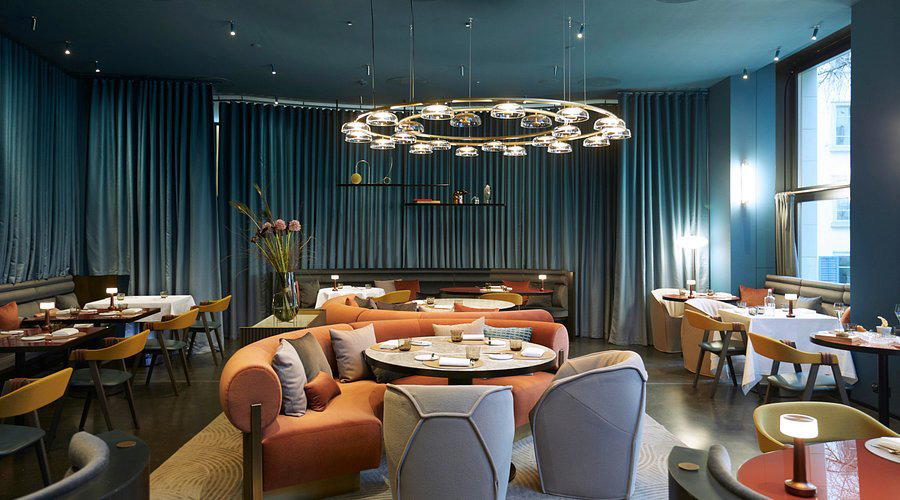
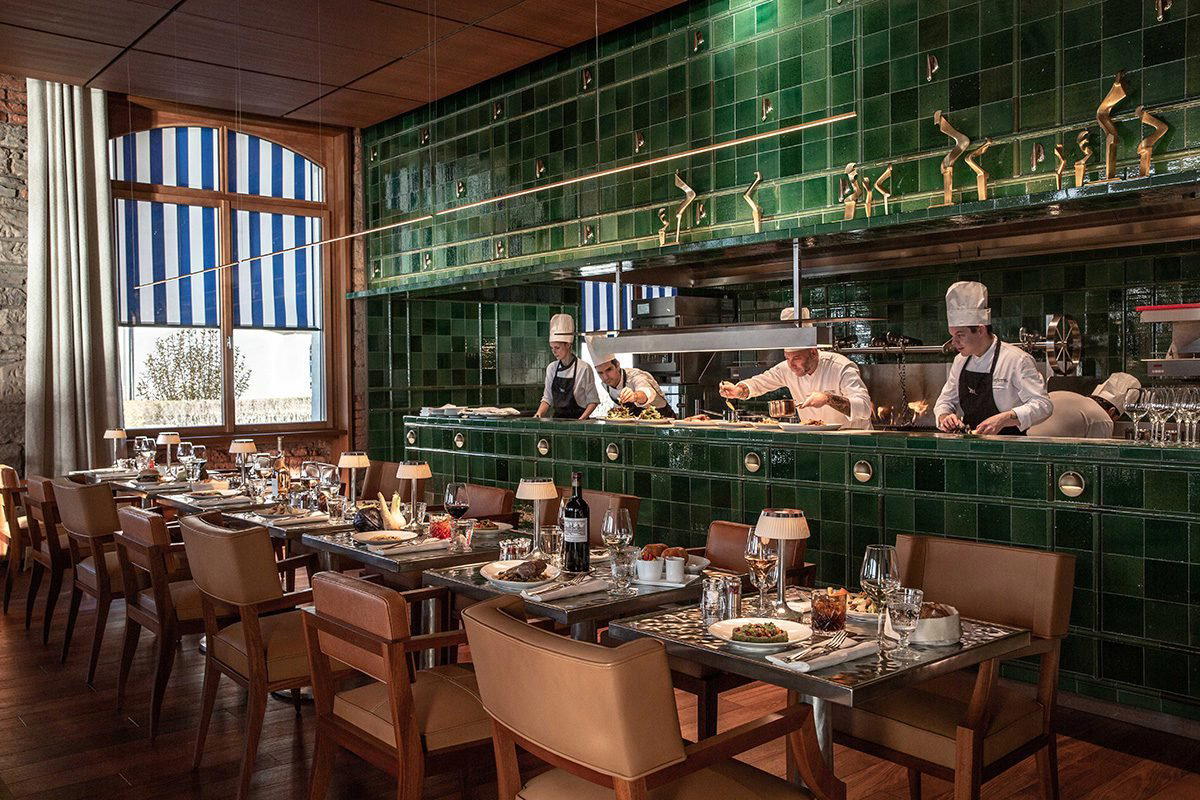
Restaurants in Zürich
Browse all →
Bars in Zürich
Browse all →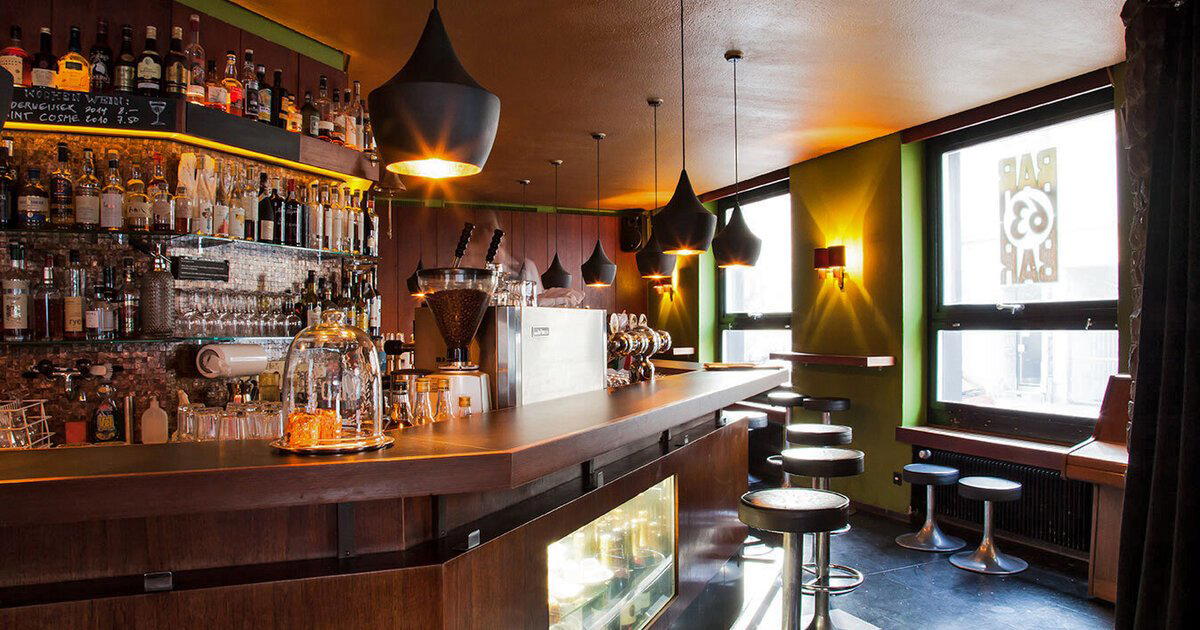
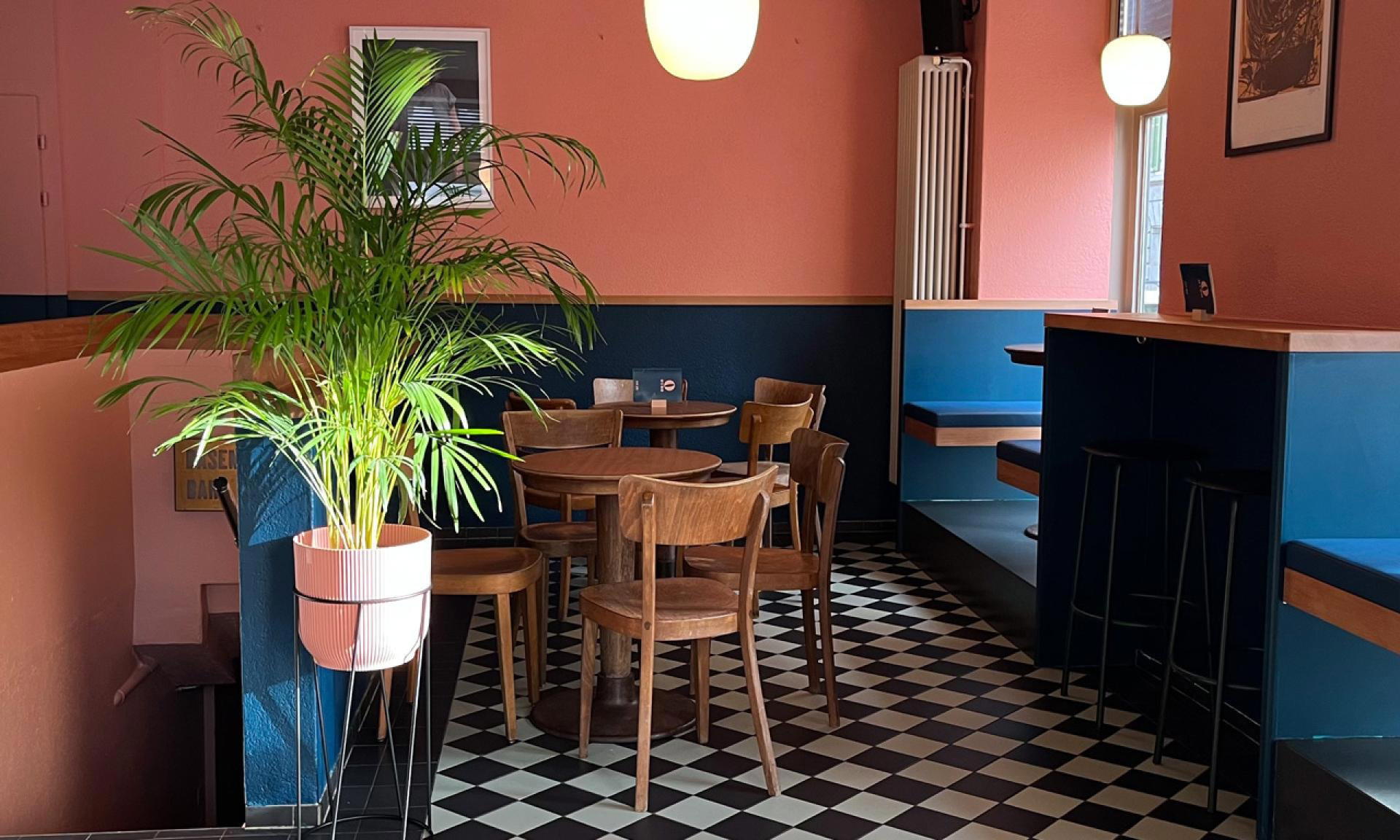

Hotels in Zürich
Browse all →

At a Glance
- Lively
- Energetic
- Bohemian
- Industrial
- Trendy
- Casual Hangout
- After Work
- Late Night
- Group Dining
- Live Music
- Standalone
- Beer Program
Current opening hours
- Monday
- Open 24 hours
- Tuesday
- Open 24 hours
- Wednesday
- Open 24 hours
- Thursday
- Open 24 hours
- Friday
- Open 24 hours
- Saturday
- Open 24 hours
- Sunday
- Open 24 hours
Hours can change for holidays and private events. Last verified .
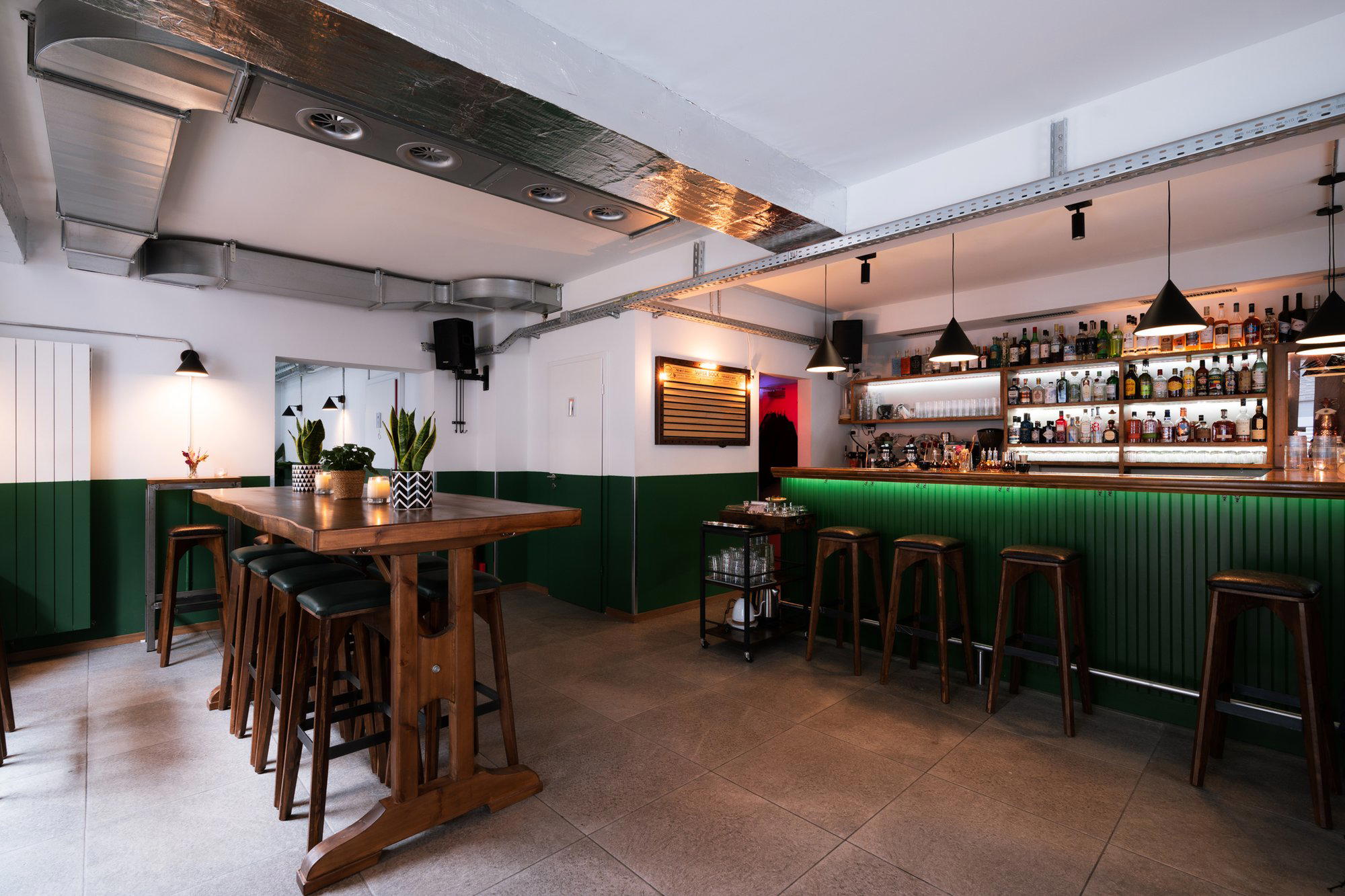
Warm and casual with deliberately unfinished decor—exposed plaster, crooked string lights, and relaxed furnishings that create an intimate, personal atmosphere despite the high-energy live music and dancing.
Know Before You Go
- Getting there
- Geroldstrasse 35, 8005 Zürich, Switzerland