KulturCafé WHISper
On Hornbachstrasse in Zurich's 8008 district, KulturCafé WHISper occupies a quieter register than the city's high-wattage dining rooms. Where neighbours like IGNIV and The Counter operate at full creative intensity, WHISper positions itself closer to the café-culture tradition that Zurich's residential quarters have long sustained. For visitors who read a room before they read a menu, it offers a different kind of entry point into the city's dining week.
Pearl is the En Primeur Club membership app — saves, bookings, and concierge access live there. Same editors, same standards.
- Address
- Hornbachstrasse 23, 8008 Zürich, Switzerland
- Phone
- +41445453512
- Website
- whisper.zuerich
- Directions
- Get directions
 Saves & bookings on Pearl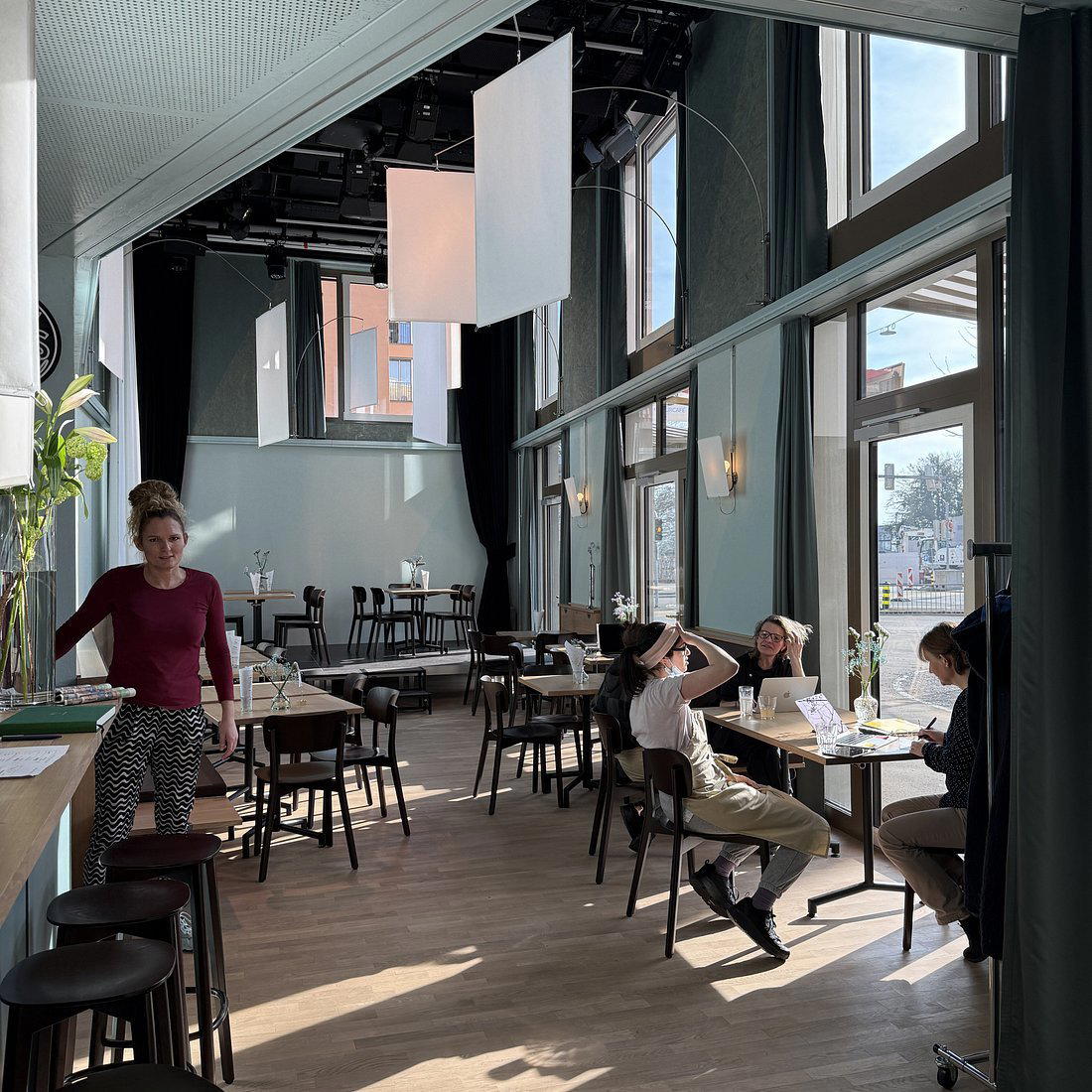
A Quieter Corner of the 8008
Zurich's 8008 postal district runs along the right bank of the lake, a stretch of tree-lined residential streets and low-key neighbourhood commerce that sits at some remove from the Bahnhofstrasse luxury circuit. Hornbachstrasse, where KulturCafé WHISper is addressed, belongs to this quieter geography: a street where the buildings are residential-scale, the foot traffic unhurried, and the ambient noise register noticeably lower than in Zürich's central restaurant corridors. In European café culture broadly, this kind of embedded neighbourhood positioning tends to produce a particular type of room: one that sustains regulars rather than chasing destination diners, where the function of the space matters as much as what arrives on the plate.
That context is worth establishing because it frames what WHISper is competing for. The comparison set in Zurich's upper bracket runs from IGNIV Zürich by Andreas Caminada, operating at the sharing-format end of the €€€€ tier, through to The Counter and The Restaurant at the creative end, or Widder and Eden Kitchen & Bar serving Swiss and Italian registers respectively. WHISper, given its address and format signals, occupies a separate niche from that group: closer to the café-bar hybrid that Swiss cities have long maintained as a social institution distinct from fine dining proper.
The Sourcing Logic Behind Zurich's Café Tier
Across Switzerland, the café category has undergone a quiet recalibration over the past decade. Where the older café model ran on industrial supply chains and standardised menus, a newer generation of neighbourhood operations in cities like Zurich, Basel, and Bern began importing the sourcing discipline that Swiss fine dining had long practised. Switzerland's structural advantage here is geographic proximity to some of Europe's most carefully produced agricultural outputs: Alpine dairy from Graubünden and Appenzell, lake fish from Zurich and Constance, mountain-cured meats from Valais and the Grisons. For a café on Hornbachstrasse, the question of sourcing is less about prestige and more about whether the kitchen is making deliberate choices about where its ingredients originate.
This matters because the sourcing chain is often what separates a neighbourhood café that sustains a following from one that cycles through visitors without retention. In Zurich's residential quarters, where a regular might appear three mornings a week, the provenance of the coffee, the origin of the dairy in the pastry, and the sourcing of any seasonal produce become part of the implicit contract between the operation and the neighbourhood. Switzerland's position within but not inside the EU creates a distinct procurement reality: Swiss producers operate under some of the most stringent welfare and environmental standards in Europe, which tends to push the floor of ingredient quality higher even at modest price points.
For the broader Swiss dining scene, this sourcing baseline is what connects a neighbourhood café to the upper reaches of the country's restaurant hierarchy. Addresses like Schloss Schauenstein in Fürstenau and Hotel de Ville Crissier in Crissier have built international reputations partly on this same Swiss sourcing logic applied at a different intensity level. The principle, however, runs across the country's food culture at every tier.
Where WHISper Sits in the Room Taxonomy
The KulturCafé designation is specific: it signals a space that holds cultural programming or social function alongside food and drink service, a format with deep roots in Central European urban life. Vienna's Kaffeehäuser and Berlin's Kulturcafés established the model: a room that functions as a meeting place, a reading room, a venue for low-key events, with food and drink operating as sustenance for a longer stay rather than as the primary reason to visit. Zurich has its own version of this tradition, visible in the co-working café hybrids of Kreis 4 and the literary café spaces in Kreis 5, but less commonly found in the residential lakeside districts of the 8008.
A space in this format tends to draw a different kind of repeat visitor than a destination restaurant: people who want to be in a room for two hours, not sixty minutes; people for whom the ambient quality of the space is as weighted as the menu. The trade-off is that the kitchen typically operates at lower intensity than a full restaurant brigade, which means the sourcing choices at the supply end become more visible in the finished plate or cup. There is less technique available to compensate for a mediocre ingredient.
Reading WHISper Against Switzerland's Wider Scene
Switzerland's dining geography rewards those willing to travel. Cheval Blanc by Peter Knogl in Basel, Memories in Bad Ragaz, and 7132 Silver in Vals each represent the high-commitment end of Swiss dining, where the journey to the table is part of the proposition. Closer to Zurich, Colonnade in Lucerne and focus ATELIER in Vitznau offer the lakeside format at different price registers. For those ranging further, Einstein Gourmet in Sankt Gallen and Da Vittorio - St. Moritz in St. Moritz extend the Swiss picture into Germanic and Italian Alpine registers respectively. At the European scale, L'Atelier Robuchon in Geneva represents the French-Swiss intersection that Geneva's dining culture sustains.
WHISper, by contrast, is not in that conversation. Its relevance is local and daily, not destination-driven. That is not a diminishment; in a city as expensive as Zurich, a neighbourhood café that functions well for its immediate community is filling a slot that the city's fine dining infrastructure cannot. The full Zurich restaurants guide covers the range, but the category WHISper occupies is one where the editorial metrics of the upper tier, awards density, chef credentials, price bracket, are less useful as evaluation tools than the simpler question of whether the space works for the people it is trying to serve.
For international reference on what serious neighbourhood café programming can achieve at a different scale, Le Bernardin in New York City and Atomix in New York City represent the American end of the sourcing-led fine dining conversation, where ingredient provenance became a critical differentiator well before it reached the café tier. The direction of travel in European café culture suggests a similar trajectory.
Know Before You Go
Know Before You Go
- Address: Hornbachstrasse 23, 8008 Zürich, Switzerland
- District: Zurich 8008, residential lakeside quarter
- Format: KulturCafé — café-bar with cultural programming signals
- Booking: Not confirmed, likely walk-in for café service; check directly for events
- Price range: Not confirmed publicly; the café-format and district suggest a mid-range day spend
- Getting there: The 8008 district is served by tram lines running along Seefeld; Hornbachstrasse is walkable from the Fröhlichstrasse and Hegibachplatz stops
How KulturCafé WHISper Zürich compares with similar nearby venues.
| Venue | Cuisine | Price |
|---|---|---|
| Gandria | Italian | €€€ |
Continue exploring
More in Zürich
Restaurants in Zürich
Browse all →
Bars in Zürich
Browse all →
Hotels in Zürich
Browse all →

At a Glance
- Cozy
- Relaxed
- Casual Hangout
- Standalone
- Local Sourcing
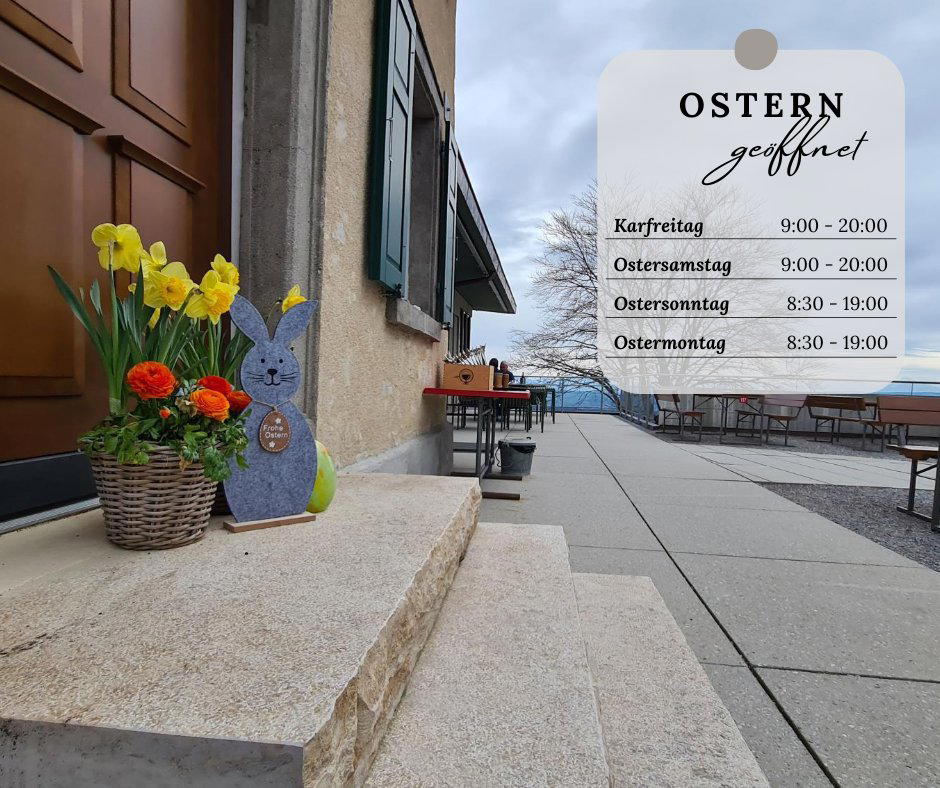
Current opening hours
- Monday
- Closed
- Tuesday
- 8 AM–5 PM
- Wednesday
- 8 AM–8 PM
- Thursday
- 8 AM–5 PM
- Friday
- 8 AM–5 PM
- Saturday
- 9 AM–5 PM
- Sunday
- Closed
Hours can change for holidays and private events. Last verified .
Relaxed and welcoming atmosphere with friendly, supportive staff and fresh, seasonal preparations.
Know Before You Go
- Getting there
- Hornbachstrasse 23, 8008 Zürich, Switzerland