Lebanon's Cafe
Lebanon's Cafe on South Carrollton Avenue sits at the edge of Carrollton, one of New Orleans' quieter residential neighborhoods, where Lebanese and Middle Eastern cooking occupies a dining niche largely bypassed by the city's dominant Creole and Cajun identity. The address alone signals a local institution rather than a tourist-facing operation, placing it in a different register from the French Quarter's better-known tables.
Pearl is the En Primeur Club membership app — saves, bookings, and concierge access live there. Same editors, same standards.
- Address
- 1500 S Carrollton Ave, New Orleans, LA 70118
- Phone
- +15048626200
- Website
- lebanonscafe.com
- Directions
- Get directions
 Saves & bookings on Pearl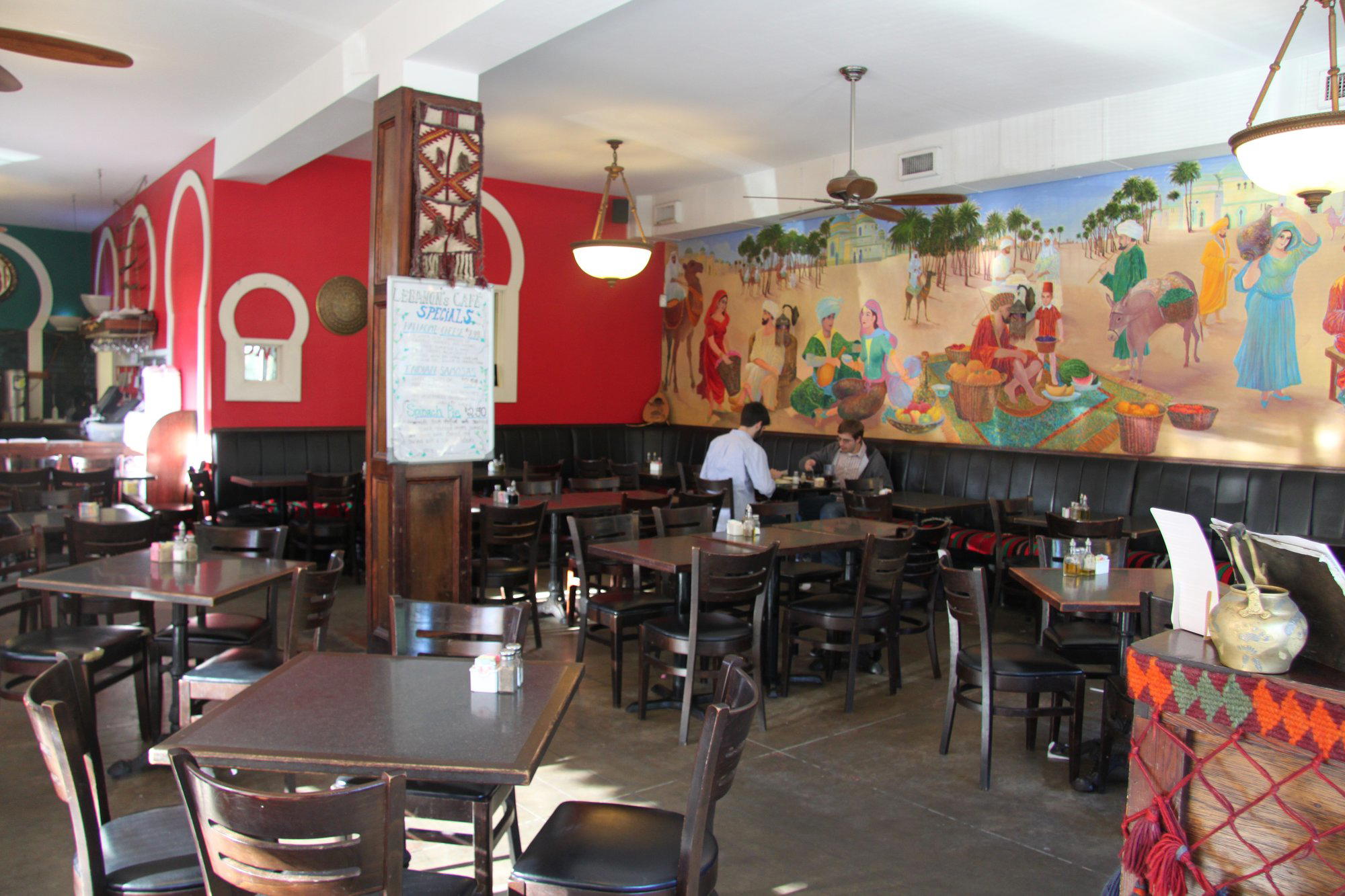
South Carrollton and the Space Between Traditions
New Orleans has long been described through its dominant culinary grammar: roux-based sauces, Gulf seafood, the Creole-Cajun continuum that runs from Commander's Palace to Emeril's and defines the city's restaurant identity at a national level. Against that backdrop, Lebanese cooking occupies a quiet but durable counter-tradition, one that arrived with Lebanese immigrant communities in the late nineteenth and early twentieth centuries and has persisted in neighborhood pockets across the city ever since. Lebanon's Cafe at 1500 S Carrollton Ave sits inside that tradition, in a part of New Orleans where the dining room tends to serve a residential catchment rather than a convention crowd.
Carrollton is one of those neighborhoods that rarely appears in travel features about New Orleans dining, which is itself an editorial fact worth noting. The stretch of South Carrollton Avenue near the cafe runs through a part of the city where the streetcar line passes older shotgun houses and mid-century commercial strips. Dining destinations in this register tend to operate on local loyalty rather than reservation platforms and press cycles. The contrast with French Quarter operations or the contemporary fine-dining tier on Magazine Street is not simply one of cuisine but of spatial logic: these are rooms designed for regulars, not rooms designed to read well in photographs.
What the Physical Setting Signals
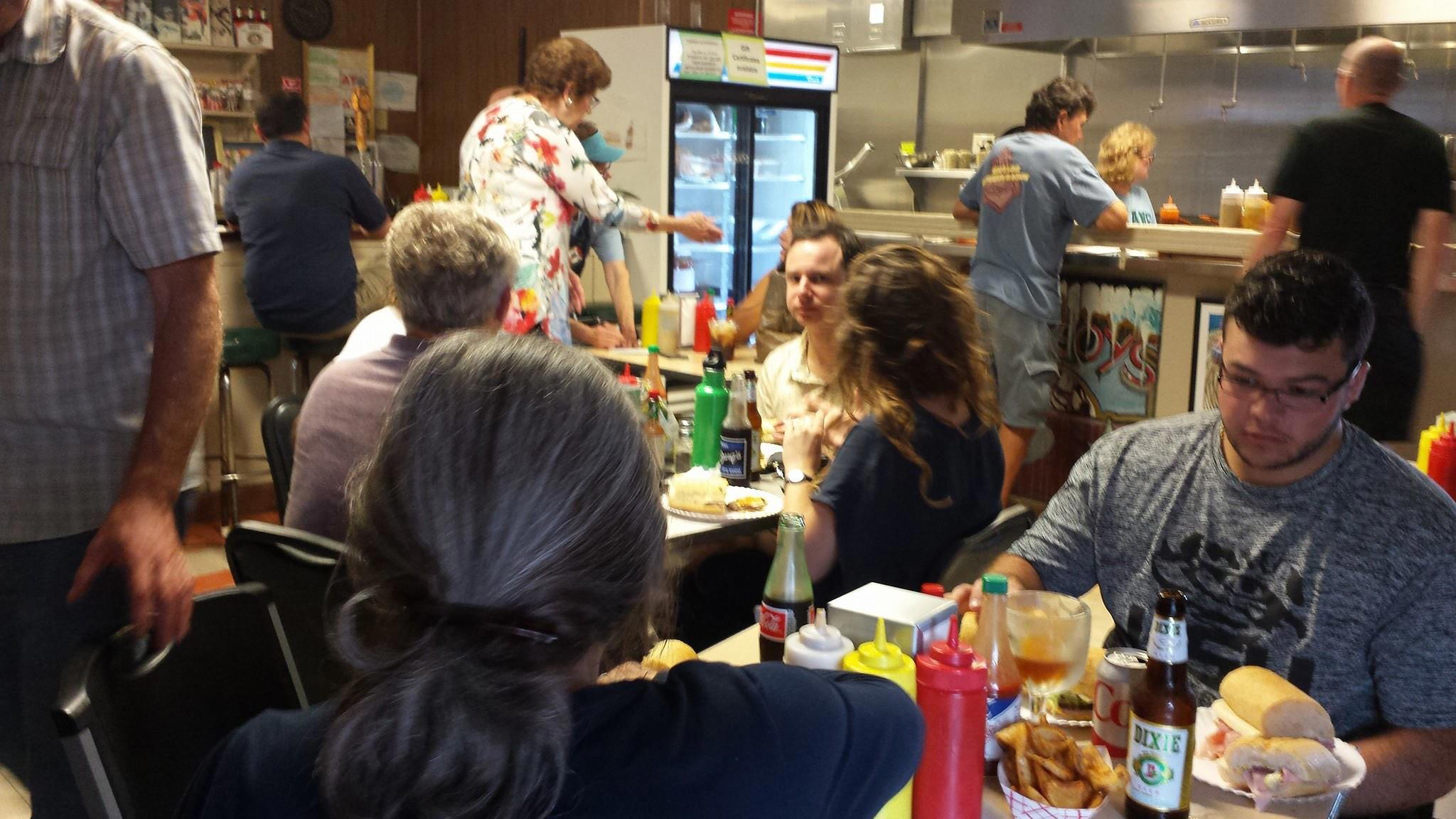
The design and space framework matters when reading a neighborhood Lebanese cafe in New Orleans. The building at 1500 S Carrollton reflects the commercial vernacular of the area: low-profile, accessible from the street, without the theatrical entry sequence that marks destination dining at places like Re Santi e Leoni or Bayona. In Lebanese cafe contexts across American cities, this kind of space tends to prioritize table turnover and communal ease over architectural gesture. The seating arrangements in this tier of restaurant typically favor closely set tables, functional lighting, and walls that accumulate the evidence of years of operation rather than a designed patina.
That physical register communicates something specific to a reader calibrating their expectations. A space like this is not competing with the tasting-menu counters or the chef-driven American contemporary rooms that attract out-of-town visitors. It operates on a different contract with its guests: reliability, portion, value, and the particular comfort of a room that has not been recently renovated to appeal to a new audience. In a city where dining tourism is substantial and well-documented, that kind of room is rarer than it should be.
Lebanese Cooking in a Creole City
The broader context for Lebanese food in New Orleans is worth establishing, because it shapes what a cafe in this tradition actually represents. Lebanese immigration to Louisiana predates the twentieth century, and Lebanese-American families became embedded in New Orleans commercial and civic life across multiple generations. The culinary legacy of that settlement is a small but persistent network of Lebanese restaurants and cafes that have operated largely outside the city's promotional dining identity. That identity, internationally, belongs to Creole refinement and Cajun directness, not to shawarma or kibbeh or fattoush.
Comparative context from other American cities is useful here. In Detroit, Dearborn's Lebanese restaurant density is high enough to constitute a genuine dining district. In New York, Lebanese cooking competes alongside a deep Middle Eastern restaurant field. In New Orleans, the niche is narrower, which means individual operators like Lebanon's Cafe carry more weight as representatives of the tradition. There is no dining district to absorb visitors; the cafe is the destination itself for those seeking this cuisine in the city.
That position differs substantially from the experience of dining at, say, Le Bernardin in New York City or Alinea in Chicago, where the venue exists inside a large comparable set and can be evaluated against direct competitors. It also differs from the farm-to-table model represented by venues like Blue Hill at Stone Barns or Single Thread Farm in Healdsburg, where provenance and seasonal sourcing are the explicit editorial frame. Lebanon's Cafe sits in a different category: the neighborhood specialist, evaluated on consistency, authenticity to tradition, and the quality of the everyday rather than the extraordinary occasion.
Planning a Visit: What to Know Before You Go
Practical orientation for Lebanon's Cafe requires accepting that publicly available information is limited. The cafe is walk-in friendly, and visitors should confirm hours locally before making the trip. For visitors traveling specifically to this address, one reliable approach is to treat it as a walk-in destination and confirm hours locally before making the trip, as neighborhood cafes in this tier frequently operate on schedules that are not published in real time online.
The South Carrollton Avenue location is accessible by streetcar on the Carrollton line, which connects the neighborhood to the French Quarter and the Central Business District without requiring a car. For visitors based in the Quarter or the broader New Orleans dining circuit, the transit connection makes the cafe a viable excursion rather than a significant logistical undertaking. The surrounding block is a working residential commercial strip, not a dining cluster, so the visit is the destination rather than part of a broader evening itinerary in the way that a cluster of restaurants along Magazine Street or in the Warehouse District might be.
For context on how the restaurant sits within the wider New Orleans restaurant field, the city guide covers the city across price tiers and cuisine categories, from the contemporary fine-dining tier represented by venues like Saint-Germain to the neighborhood specialists that define day-to-day eating in the city's residential quarters. Readers interested in how other American cities handle the high-end dining proposition can cross-reference with Providence in Los Angeles, Addison in San Diego, The Inn at Little Washington, Bacchanalia in Atlanta, Atomix in New York City, Lazy Bear in San Francisco, or The French Laundry in Napa to understand the full range of what American restaurant culture produces at different price and ambition levels. For international perspective, 8 1/2 Otto e Mezzo Bombana in Hong Kong represents the kind of starred Italian cooking that anchors luxury dining in major Asian cities, a useful counterpoint to the neighborhood-rooted model the restaurant represents.
Cost and Credentials
Comparable venues nearby, for context on price, style, and recognition.
| Venue | Cuisine | Price | Notes |
|---|---|---|---|
| Lebanon's CafeThis venue — the venue you are viewing | Carrollton, Lebanese | $$ | Not listed |
| Saj | Touro, Lebanese & Middle Eastern | $$ | Not listed |
| Mona's Cafe | Mid-City, Lebanese Middle Eastern | $$ | Not listed |
| Five Happiness | Gert Town, Sichuan and Hunan Chinese | $$ | Not listed |
| Cafe Conmigo | Freret, Cuban Bakery Cafe | $$ | Not listed |
| Stein's Market & Deli | Not listed | $$ | Lower Garden District, New York-Style Deli |
Continue exploring
More in New Orleans
Restaurants in New Orleans
Browse all →
Bars in New Orleans
Browse all →
At a Glance
- Cozy
- Classic
- Casual Hangout
- Family
Current opening hours
- Monday
- 11 AM–9:30 PM
- Tuesday
- 11 AM–9:30 PM
- Wednesday
- 11 AM–9:30 PM
- Thursday
- 11 AM–9:30 PM
- Friday
- 11 AM–9:45 PM
- Saturday
- 11 AM–9:45 PM
- Sunday
- 11:30 AM–9:30 PM
Hours can change for holidays and private events. Last verified .
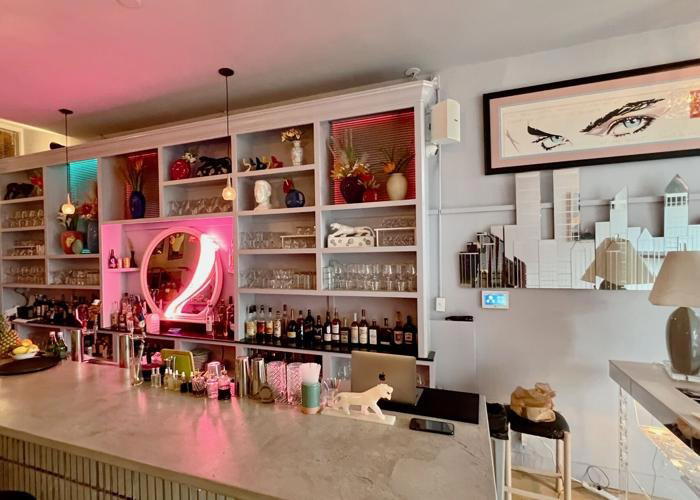
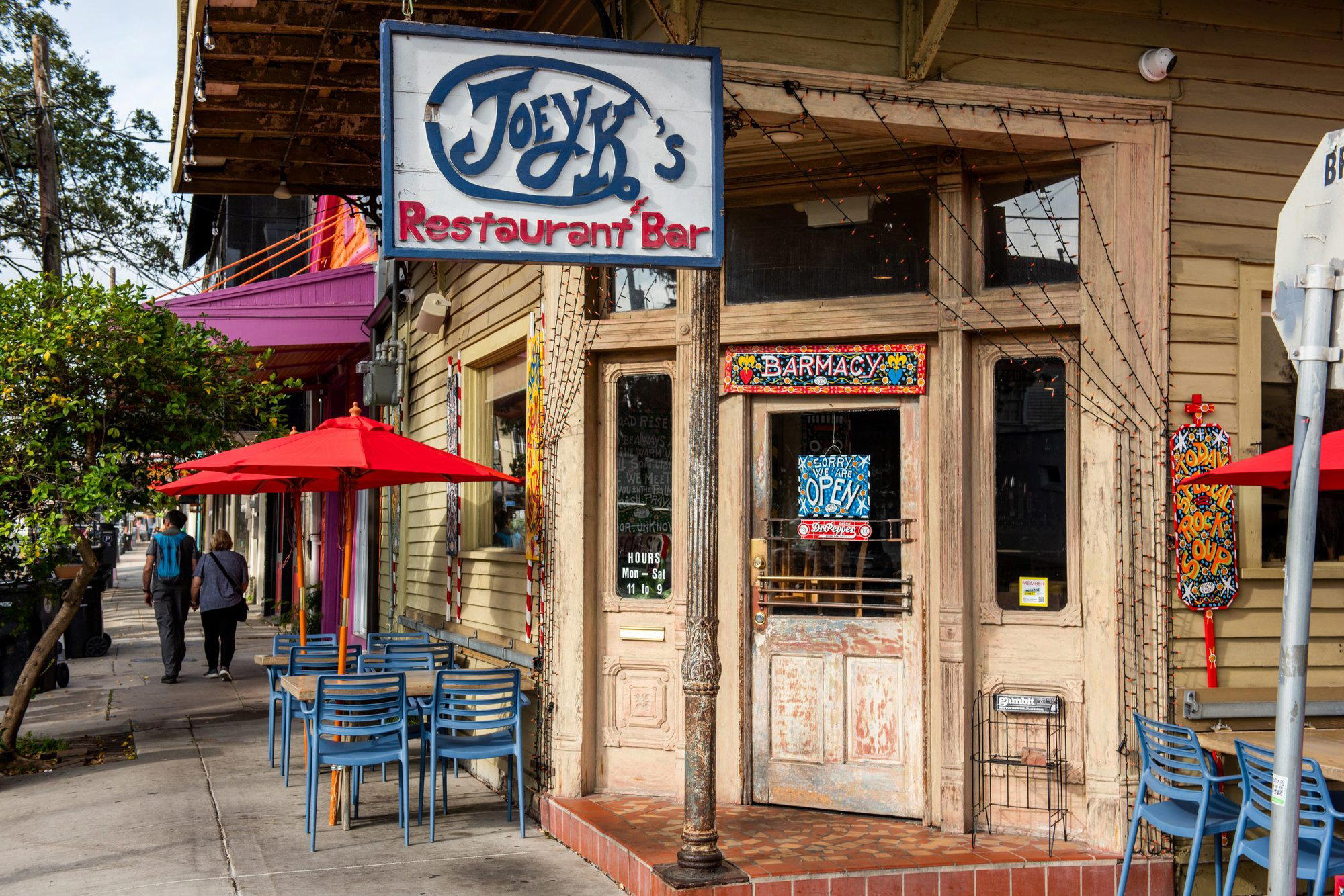
Cozy and warm neighborhood spot with friendly service and comfortable indoor and outdoor seating.