On Magazine Street in New Orleans' Garden District, Saj brings Middle Eastern flatbread traditions into conversation with the city's layered food culture. The address places it squarely in one of the city's most food-forward residential corridors, where neighbourhood restaurants tend to develop loyal, repeat clienteles rather than tourist-heavy foot traffic. A focused concept in a city that rewards specificity.
Pearl is the En Primeur Club membership app — saves, bookings, and concierge access live there. Same editors, same standards.
- Address
- 4126 Magazine St, New Orleans, LA 70115
- Phone
- +15047660049
- Website
- sajnola.com
- Directions
- Get directions
 Saves & bookings on Pearl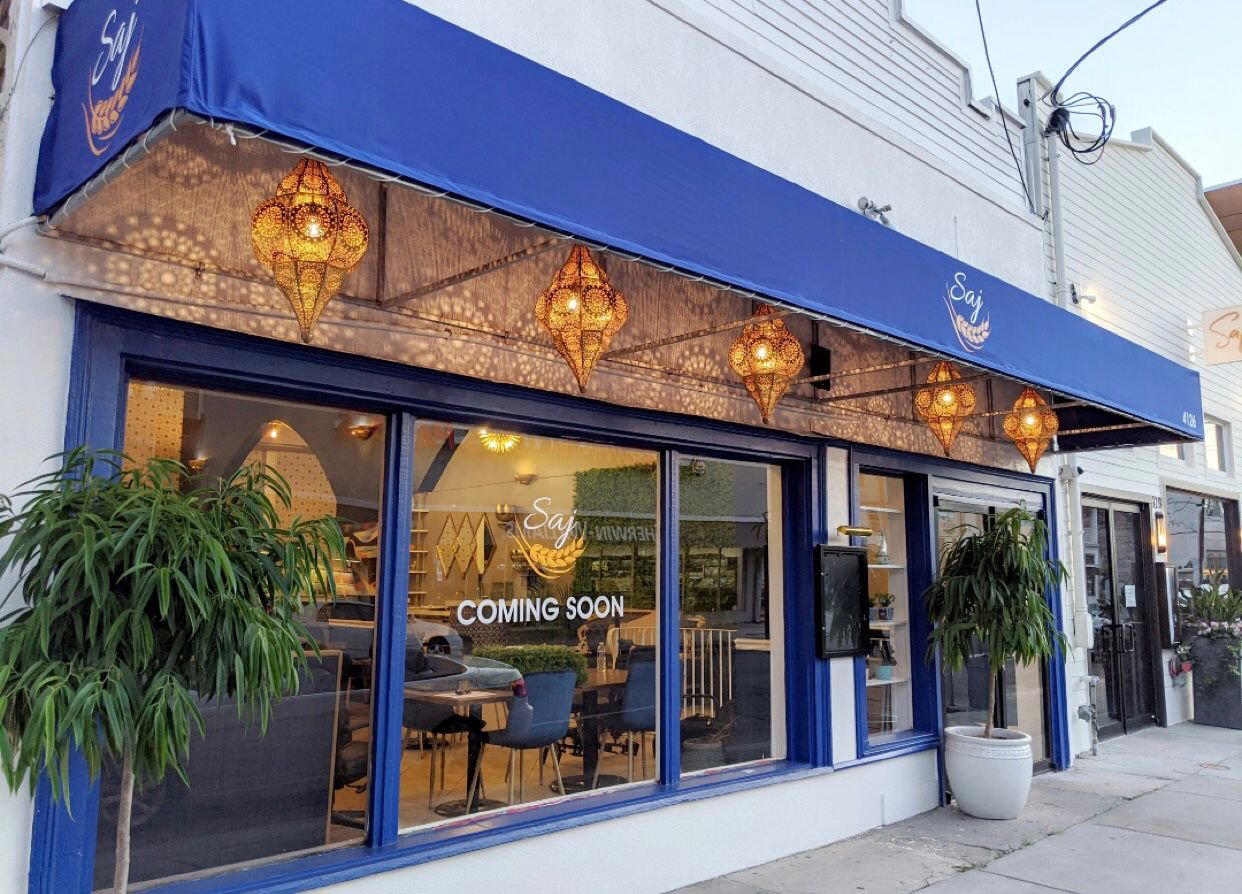
Magazine Street and the Logic of the Neighbourhood Restaurant
New Orleans has two distinct dining economies. One runs through the French Quarter and the Warehouse District, feeding a rotating cast of visitors on a timeline. The other runs down Magazine Street through the Garden District and into Uptown, where restaurants answer to the people who live there. At 4126 Magazine Street, Saj serves Lebanese and Middle Eastern cooking in New Orleans's Garden District, with an accessible price point that shapes almost everything about how the experience reads.
Magazine Street has developed into one of the more food-serious corridors in the city, not because of any single landmark but because of accumulated density: independent operators, deliberate concepts, and a customer base that returns weekly rather than once per trip. Restaurants here tend to earn their place through consistency rather than occasion-driven spectacle. That context matters when reading Saj, a concept whose name references the domed griddle used across the Levant for flatbread cookery, an implement that implies a specific, discipline-driven approach to a staple food.
A Middle Eastern Reference Point in a Creole City
New Orleans' food identity is so dominant that restaurants working outside its Creole-Cajun-French axis sometimes get read as outliers. The more accurate frame is that the city has always absorbed outside influences, from Sicilian grocers in the early twentieth century to Vietnamese communities in the east that now anchor among the more concentrated pho corridors in the American South. Middle Eastern flatbread traditions fit into that longer pattern of absorption and adaptation rather than standing apart from it.
The saj itself, as a cooking surface, rewards precision over flair. Flatbreads cooked on a domed griddle develop a specific texture: thin, slightly charred at the edges, with enough structural integrity to hold fillings without collapsing. The technique is common across Lebanon, Syria, Jordan, and parts of Turkey, where street vendors and sit-down restaurants alike use it as a base for everything from za'atar and olive oil to spiced meats and fresh herbs. In the American context, the format sits somewhere between a taco and a crêpe in terms of how it functions as a vehicle, though that comparison flattens what is actually a distinct culinary tradition with its own internal logic.
New Orleans already has strong points of comparison for this kind of focused, single-format concept. Bayona has long demonstrated that non-Creole cooking can develop deep roots in the city. Elsewhere in the New Orleans dining scene, Zasu and Re Santi e Leoni represent the kind of contemporary, cuisine-specific operators that increasingly define the mid-range tier. Saint-Germain at the higher end and Emeril's as an institutional anchor bracket a scene that has significant room for focused concepts in between.
What the Location Tells You About the Format
The Garden District end of Magazine Street tends to attract concepts that prioritize quality-to-value ratios over theatrical presentation. Diners in this corridor are eating at restaurants they discovered through word of mouth, not through hotel concierge recommendations. That self-selection produces a room dynamic that leans toward regulars, which in turn shapes how kitchens develop their menus over time. Concepts that survive on Magazine Street tend to sharpen rather than diversify, finding a narrower version of what they do well and doing it consistently.
For a flatbread-focused concept, that discipline is built into the format. There is a limited canvas to work with, which means ingredient quality and technique show immediately. There is no rich broth or elaborate sauce to absorb imprecision. This is a category where the comparison set nationally includes operators at different price points and formats: from fast-casual Mediterranean chains to the kind of regionally specific sit-down concept that Saj appears to represent. The Magazine Street address suggests the latter.
Nationally, the premium end of American dining has been moving toward format specificity for several years. Restaurants like Single Thread Farm in Healdsburg and Blue Hill at Stone Barns in Tarrytown have made the case for extreme focus at the high end. At the neighbourhood scale, the same principle applies: a restaurant that does one thing with genuine fluency tends to build a more durable customer base than one that spreads across multiple formats. Saj's name is essentially a declaration of intent in that direction.
Seasonal Considerations and Timing
New Orleans' restaurant scene runs differently across the year. The period from late autumn through Mardi Gras, typically February, represents the city's most intensive dining season, when local operators compete hardest for attention and neighbourhood restaurants often fill earlier in the week than usual. The summer months bring humidity and a slowdown in visitor traffic, but they also produce some of the more relaxed dining experiences in the city, with shorter waits and more room to linger. For a neighbourhood concept on Magazine Street, the shoulder seasons, particularly October through November and again in early spring, often represent one direct entry point.
For context on what serious American restaurant formats look like at other scales, the comparison set runs from Le Bernardin in New York City and Alinea in Chicago through to Providence in Los Angeles, Addison in San Diego, The French Laundry in Napa, The Inn at Little Washington, Bacchanalia in Atlanta, Lazy Bear in San Francisco, and Atomix in New York City. Internationally, 8½ Otto e Mezzo Bombana in Hong Kong represents a different model of format-specific excellence for those building a wider frame of reference.
Peers Worth Knowing
Comparable venues nearby, for context on price, style, and recognition.
| Venue | Cuisine | Price | Notes |
|---|---|---|---|
| SajThis venue — the venue you are viewing | Lebanese & Middle Eastern | $$ | Not listed |
| Mona's Cafe | Lebanese Middle Eastern | $$ | Mid-City |
| Stein's Market & Deli | New York-Style Deli | $$ | Lower Garden District |
| Maïs Arepas | Colombian Arepas | $$ | Central City |
| Brown Butter Depot | Southern Comfort American | $$ | Old Gretna |
| Jamila's Cafe | Authentic Tunisian & Mediterranean | $$ | East Carrollton |
Continue exploring
More in New Orleans
Restaurants in New Orleans
Browse all →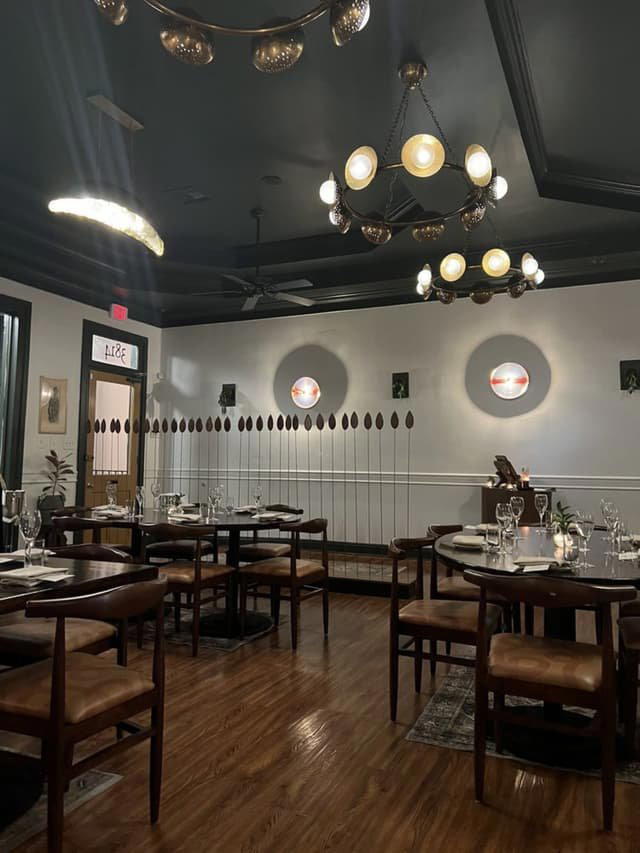
Bars in New Orleans
Browse all →

At a Glance
- Cozy
- Modern
- Casual Hangout
- Group Dining
- Family
- Standalone
- Byob
- Local Sourcing
Current opening hours
- Monday
- 12–9 PM
- Tuesday
- 12–9 PM
- Wednesday
- 12–9 PM
- Thursday
- 12–9 PM
- Friday
- 12–10 PM
- Saturday
- 12–10 PM
- Sunday
- 12–9 PM
Hours can change for holidays and private events. Last verified .
Crisp, contemporary design with bold colors and elegant tile work creating a warm, cozy atmosphere.