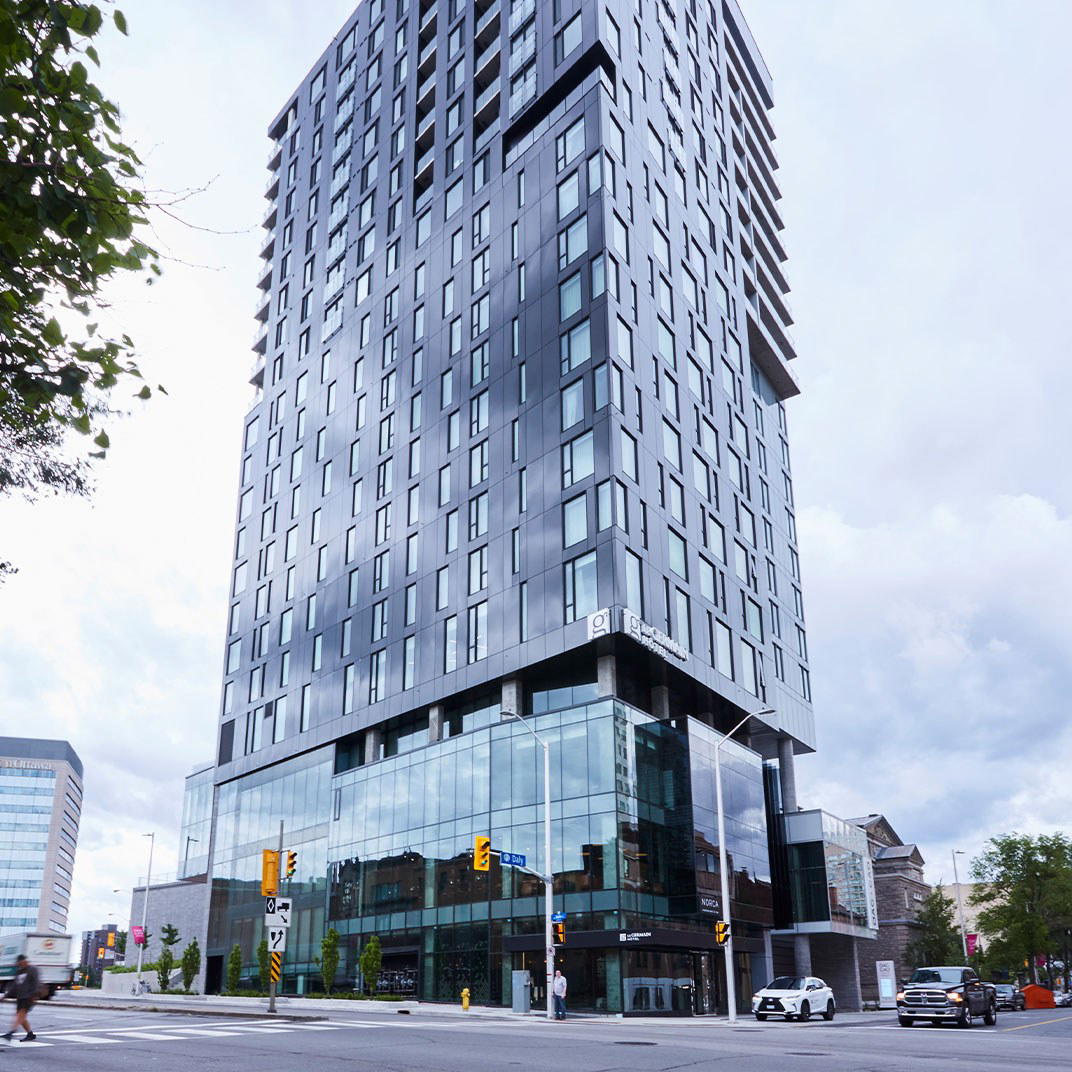
Le St. Laurent sits on St. Laurent Boulevard in Ottawa's east end, in a neighbourhood where the city's French-Canadian roots run closer to the surface than in the downtown core. The address places it outside the usual tourist circuit, which means the room tends to fill with a local crowd rather than a passing one — a reliable indicator of a kitchen earning its repeat business on merit.
Pearl is the En Primeur Club membership app — saves, bookings, and concierge access live there. Same editors, same standards.
- Address
- 460 St. Laurent Blvd, Ottawa, ON K1K 4Z2, Canada
- Phone
- +16134211444
- Website
- lestlaurent.ca
- Directions
- Get directions
 Saves & bookings on Pearl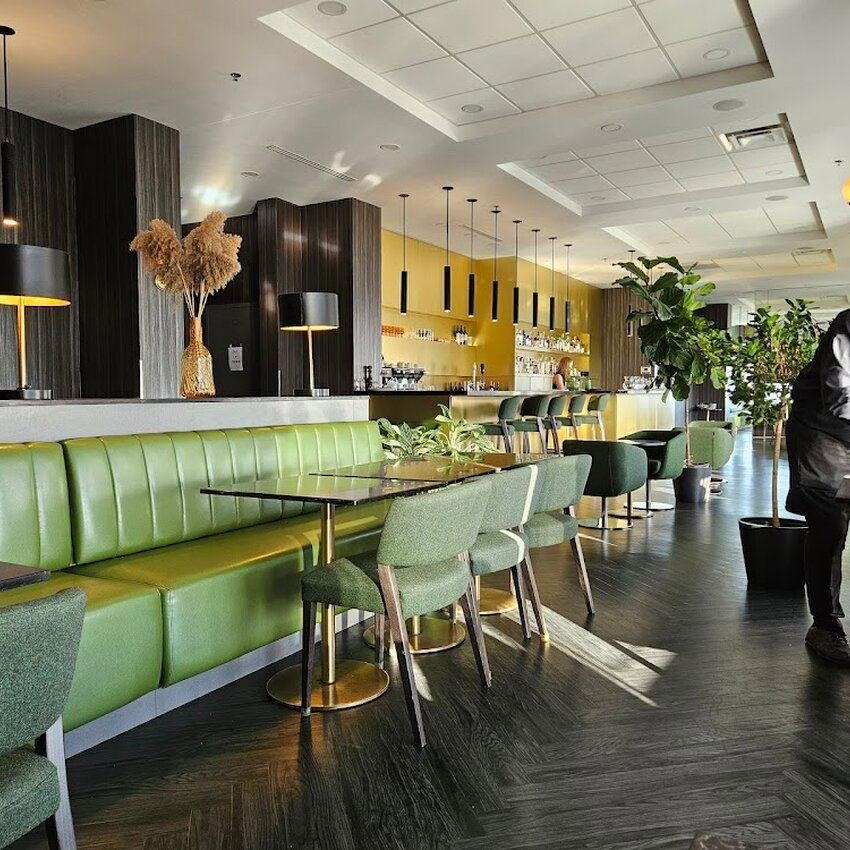
East End Grounding
Ottawa's dining conversation typically anchors itself in Centretown, the Glebe, and Hintonburg — neighbourhoods where the restaurant density is high and the press attention follows. St. Laurent Boulevard operates on a different register. The street runs through an older, more residential Ottawa, a corridor where francophone community life has shaped the commercial strip for decades rather than years. A restaurant at this address is not positioning itself for foot traffic from tourists or gallery-hoppers; it is positioning itself for a neighbourhood that already knows what it wants.
That context matters when thinking about what a restaurant at 460 St. Laurent Blvd is actually doing. The east end of Ottawa sits in a part of the city where Quebec's culinary traditions — the emphasis on hearty, season-driven, land-connected cooking, translate more naturally than the international-influence menus that dominate the city's higher-profile corridors. For diners coming from outside the area, the drive or transit ride east is itself a signal: the room rewards the effort rather than relying on location convenience to fill seats. Comparable patterns appear at places like Eigensinn Farm in Singhampton and The Pine in Creemore, where geographic remove from the city has historically functioned as a filter for the audience rather than a handicap.
Where the Ingredients Come From
Eastern Ontario and western Quebec form one of Canada's more productive agricultural corridors. The Ottawa Valley, running northwest from the city, has supplied dairy, pork, and root vegetables to the region for generations. The Quebec side of the river adds maple production, heritage-breed farming, and a foraging culture that intensified over the past two decades as younger producers began supplying restaurants directly rather than through wholesale chains. A kitchen at this address has access to that supply network in a way that, say, a restaurant in midtown Toronto does not, simply by virtue of proximity and the existing commercial relationships in the francophone food community.
The broader Canadian movement toward hyper-regional sourcing has played out differently in Ottawa than in Montreal or Vancouver. At Tanière³ in Quebec City, the sourcing philosophy reaches the level of documented provenance on the menu itself. At Restaurant Pearl Morissette in Lincoln, the farm-to-table connection is literal, the kitchen and the vineyard share ownership. Ottawa's version of this trend has been quieter, more embedded in neighbourhood restaurants than in flagship destinations, which makes a place like Le St. Laurent a more representative data point for how the city actually eats than the headline venues tend to be.
The St. Laurent Boulevard address also places the restaurant within reach of the Byward Market's produce suppliers, Ottawa's main wholesale and retail food hub, which operates year-round and draws producers from both sides of the provincial border. The practical implication: seasonal menus here rotate on a calendar that reflects what the valley is actually producing, not what a global import schedule can deliver. That rhythm aligns Le St. Laurent with a cohort of Canadian restaurants, Narval in Rimouski is a useful comparison point, where the sourcing geography is inseparable from the cooking identity.
The Ottawa Context
Ottawa's restaurant scene has historically punched below its weight relative to its population size and income profile, a gap that observers have attributed to the dominance of the federal government workforce, which tends to generate conservative dining habits and a preference for reliably mid-range options over adventurous independents. That has been shifting since roughly 2015, with a cluster of more ambitious kitchens opening in the Glebe and Hintonburg, and with the national press beginning to notice places like Alice and Absinthe as evidence that the city could sustain serious cooking. The east end has been slower to attract that kind of attention, which means venues there operate with less expectation management from first-time visitors and more reliance on the quality of the experience itself.
For a comparative sense of where Ottawa's ambitious independents sit relative to the national field, Alo in Toronto and Jérôme Ferrer - Europea in Montreal represent the upper bracket of Canadian fine dining, well-capitalized, award-tracked, operating at a scale and price point that Ottawa's market has rarely sustained. Ottawa's more interesting independent restaurants tend to sit one tier below that in price while matching it more closely in ambition, a dynamic visible at Aiana Restaurant and, in the steakhouse category, at Al's Steakhouse. Le St. Laurent's east-end positioning suggests it operates in that independent-ambitious bracket rather than the tourist-facing or chain-adjacent tier that dominates parts of the Byward Market.
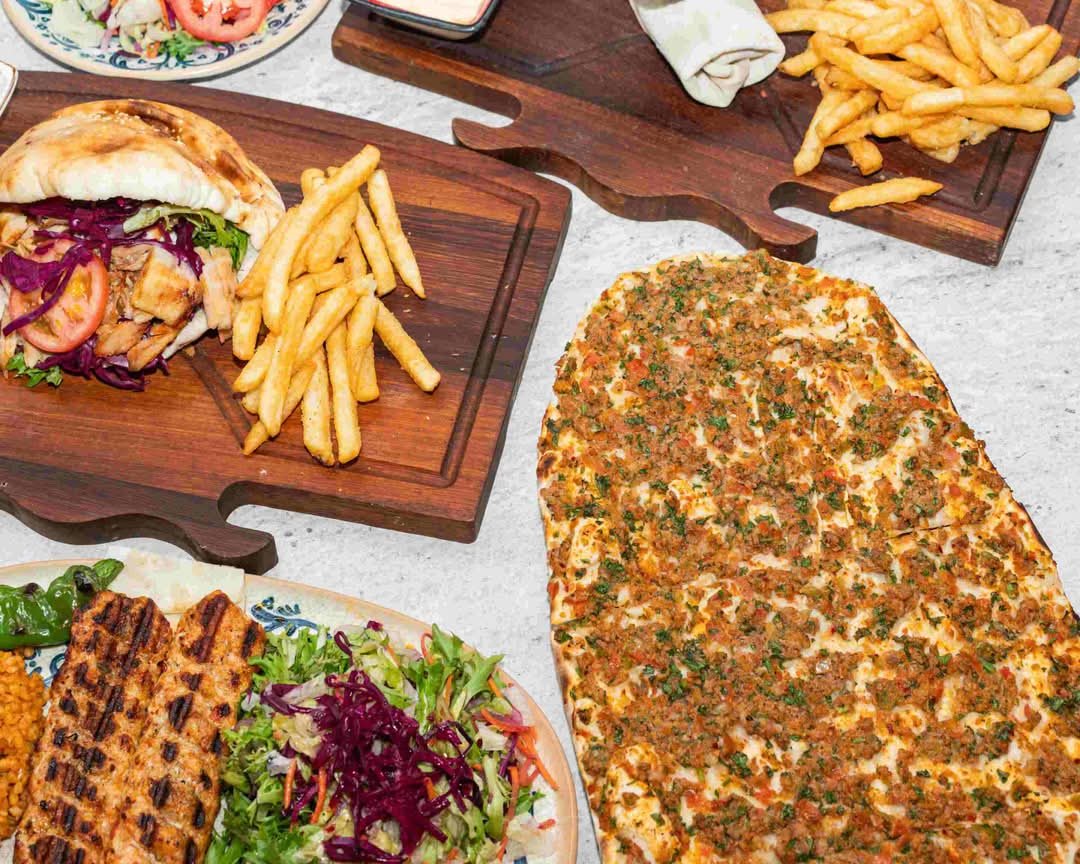
The city's Turkish and Mediterranean options, including A La Istanbul Turkish Cuisine, cluster further west, which means St. Laurent Boulevard maintains a distinct culinary character, Franco-Ontarian and Quebec-influenced, that differentiates it from the more cosmopolitan mix found in central Ottawa. For diners interested in that specific regional cooking tradition, the street is one of the more consistent places in the city to find it.
Planning a Visit
Le St. Laurent sits at 460 St. Laurent Blvd, accessible by OC Transpo along the Boulevard corridor and reachable from the Rideau LRT station with a short connecting ride. The east end location means parking is considerably less contested than at Centretown or Byward Market venues, which is a practical advantage for groups arriving by car. For context on how this address fits into the broader Ottawa dining picture, the full Ottawa restaurants guide maps the city's neighbourhoods and their distinct dining characters. Given the French-Canadian culinary tradition the restaurant draws on, autumn and winter visits tend to align leading with the kitchen's natural register: the valley's harvest peak runs September through November, and root-vegetable, game, and dairy-driven menus read most coherently against the season they were designed for. Reservations are advisable; east-end Ottawa restaurants at this address tend to fill on weekends through word-of-mouth rather than walk-in traffic, which means the room can book out further ahead than its neighbourhood profile might suggest.
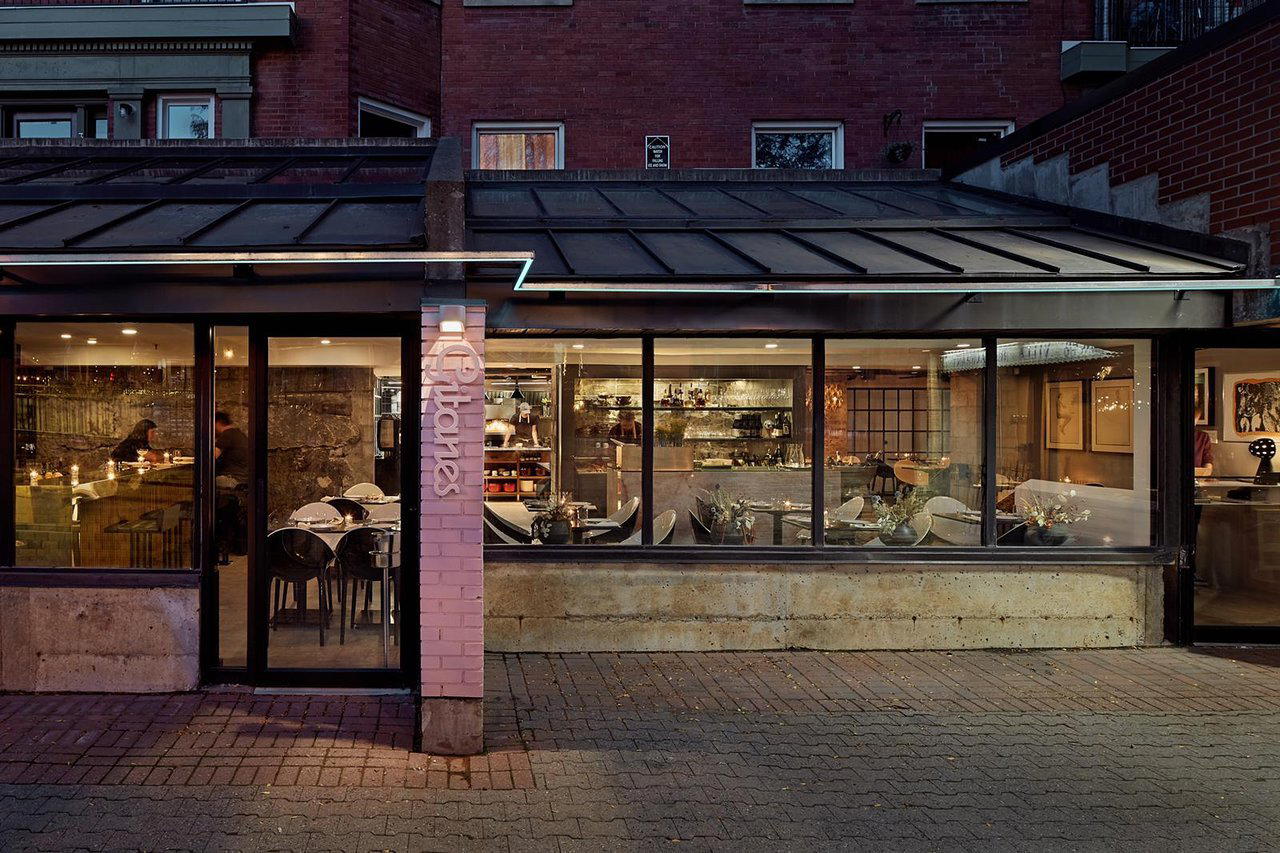
For diners who want to place Le St. Laurent in a wider regional frame before visiting, Aux Anciens Canadiens in Quebec represents the older, more formal expression of the same Quebec-influenced culinary tradition, while Barra Fion in Burlington and AnnaLena in Vancouver demonstrate how differently the Canadian regional-ingredient approach lands when the geography and cultural context shift. Internationally, the French technical tradition that underpins much of this cooking style connects most directly to the seafood precision of Le Bernardin in New York City and the fermentation-forward intensity of Atomix in New York City, though the Ottawa Valley expression is considerably more grounded and less technically theatrical than either. Gitanes and PERCH in Ottawa represent adjacent options for those building a broader Ottawa itinerary.


At a Glance
- Elegant
- Sophisticated
- Modern
- Scenic
- Date Night
- Special Occasion
- Rooftop
- Panoramic View
- Extensive Wine List
- Farm To Table
- Local Sourcing
- Skyline
Current opening hours
- Monday
- Closed
- Tuesday
- Closed
- Wednesday
- 5–9:30 PM
- Thursday
- 5–9:30 PM
- Friday
- 5–10 PM
- Saturday
- 5–10 PM
- Sunday
- 5–9 PM
Hours can change for holidays and private events. Last verified .
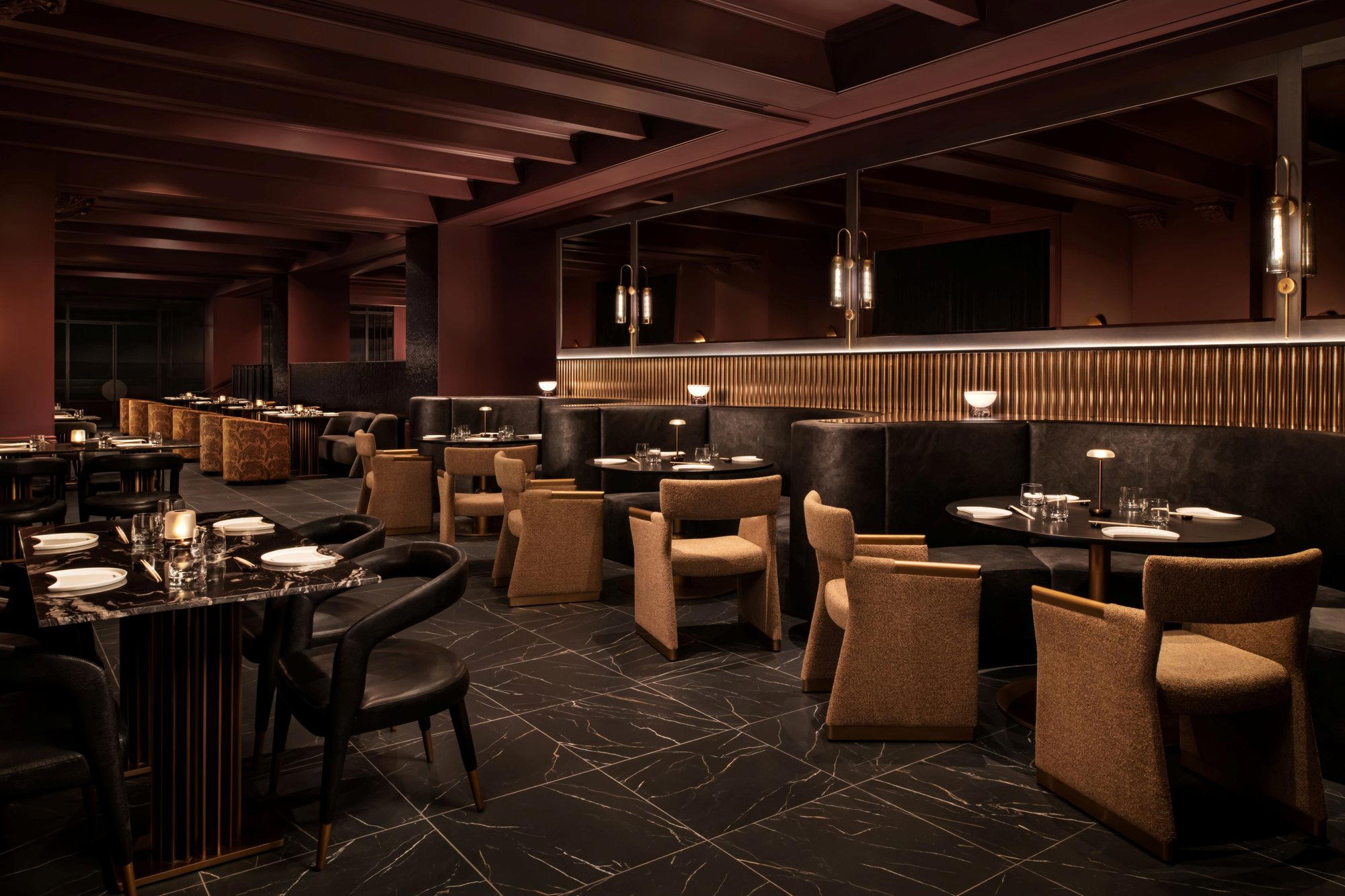
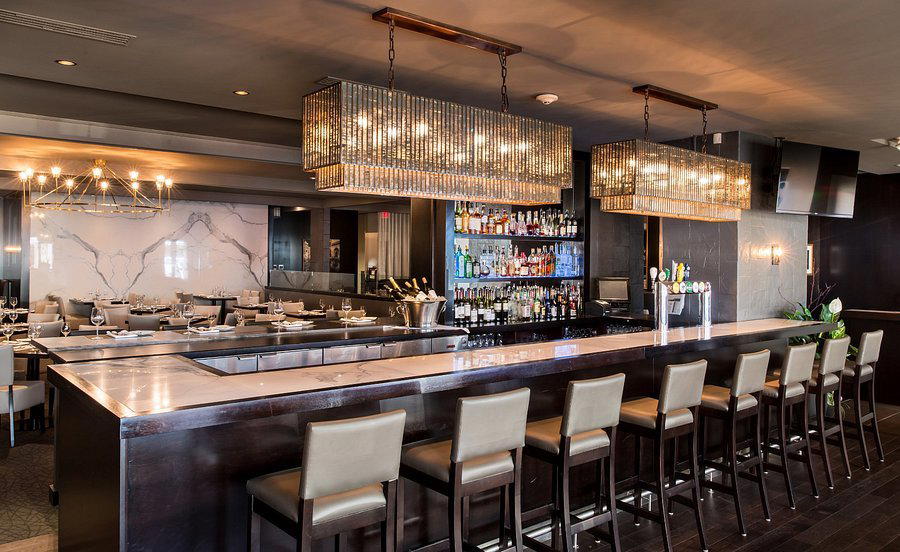
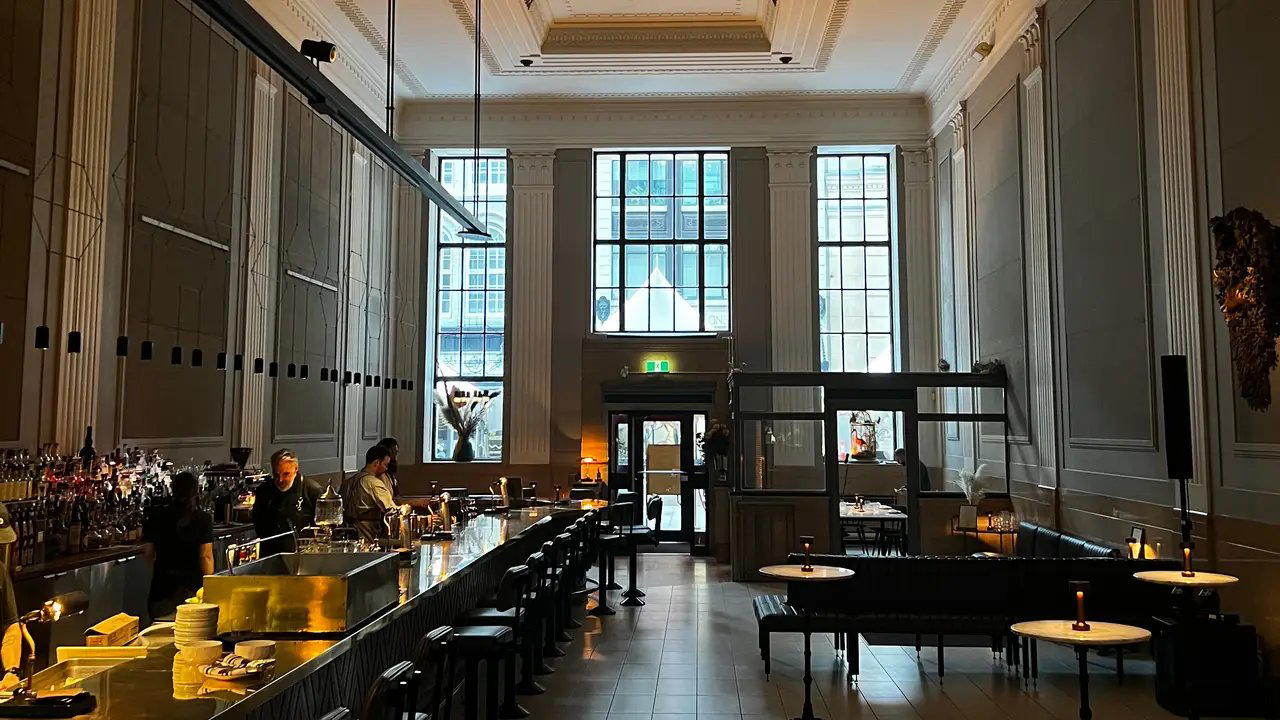
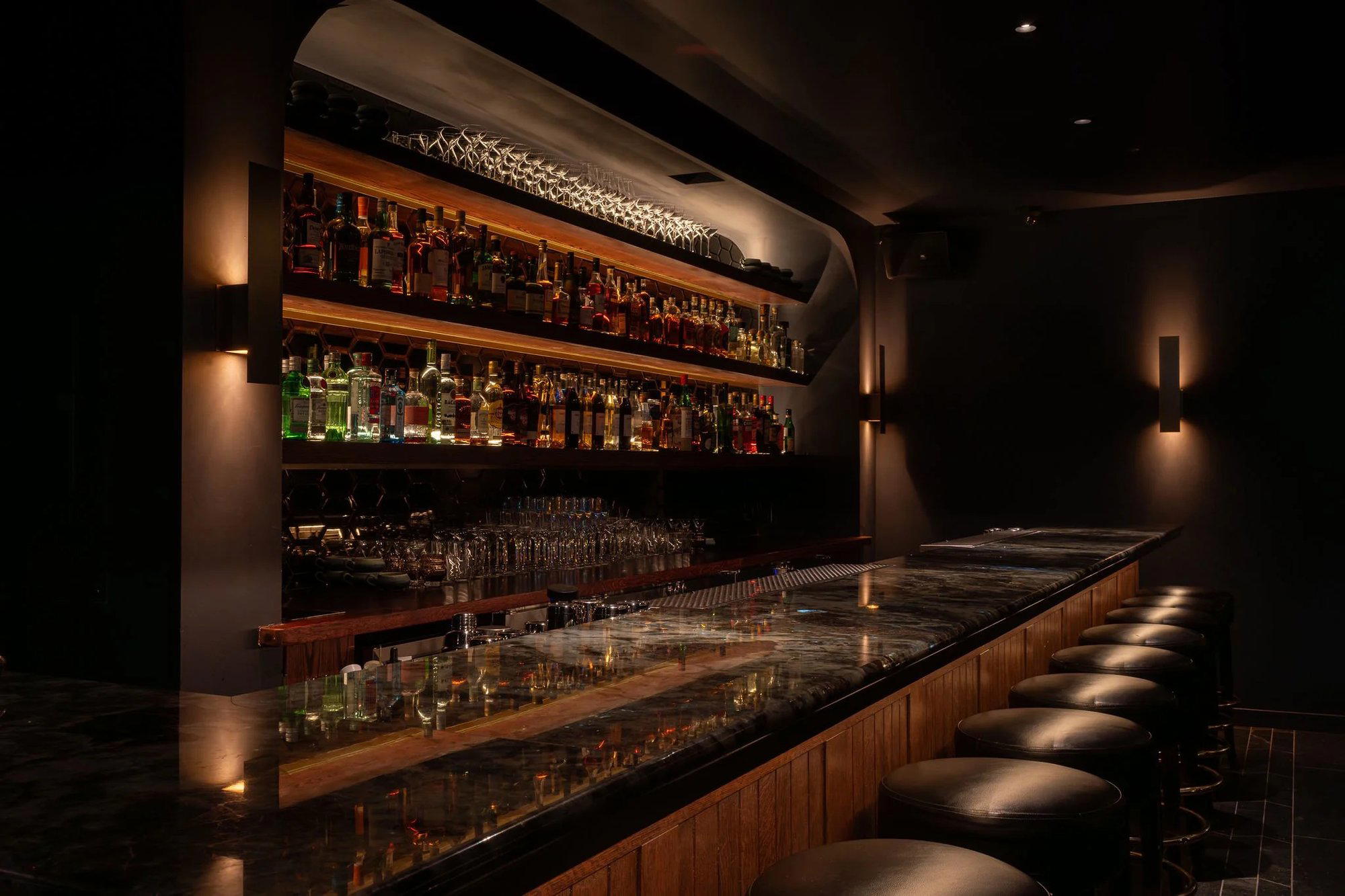
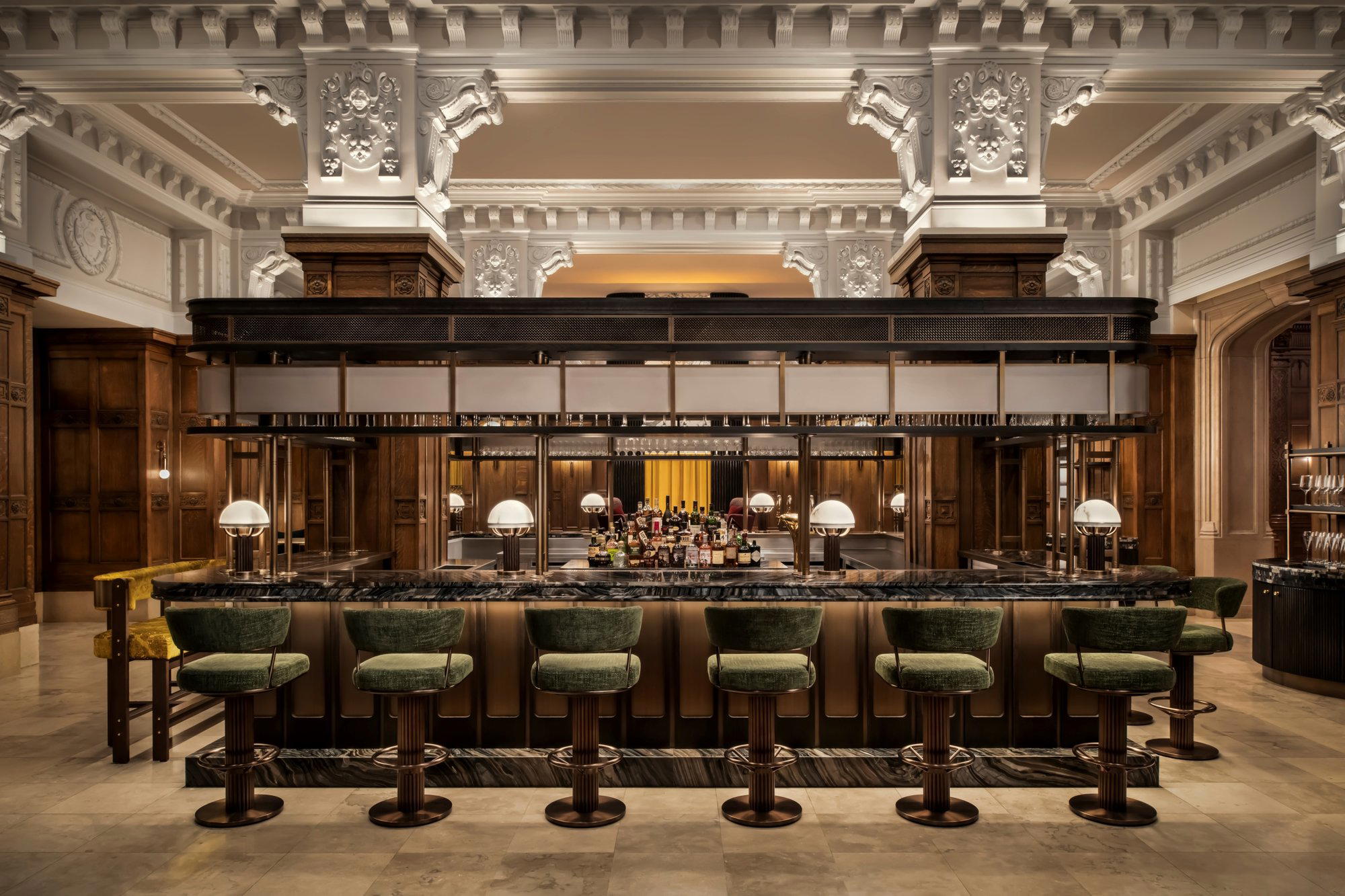
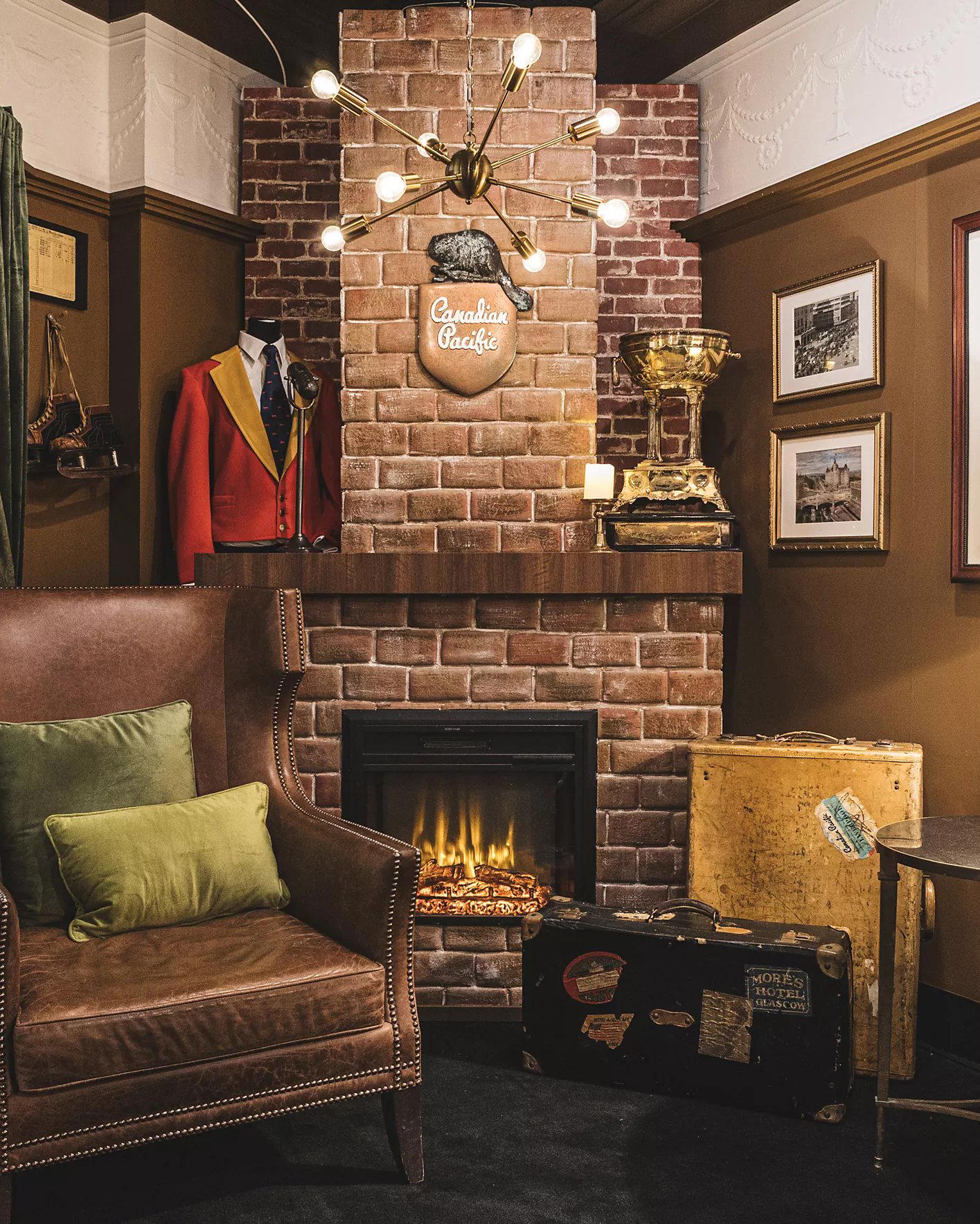
Refined interior that balances classic and modern elements with upscale yet relaxed atmosphere, comfortable seating, and panoramic penthouse views.
Know Before You Go
- Getting there
- 460 St. Laurent Blvd, Ottawa, ON K1K 4Z2, Canada