Le Saint-Michel
Le Saint-Michel sits on Rue de l'Eglise in the heart of La Roche-en-Ardenne, a town where the Ourthe river and dense forest have defined cooking long before farm-to-table became a marketing phrase. The restaurant draws on Belgium's Ardenne larder — game, mushrooms, river fish — in a setting that reflects the town's stone-and-slate character. For the Ardenne dining circuit, it belongs on the itinerary alongside the region's other address-worthy tables.
Pearl is the En Primeur Club membership app — saves, bookings, and concierge access live there. Same editors, same standards.
- Address
- Rue de l'Eglise 17, 6980 La Roche-en-Ardenne, Belgium
- Phone
- +3284402653
- Website
- facebook.com
- Directions
- Get directions
 Saves & bookings on Pearl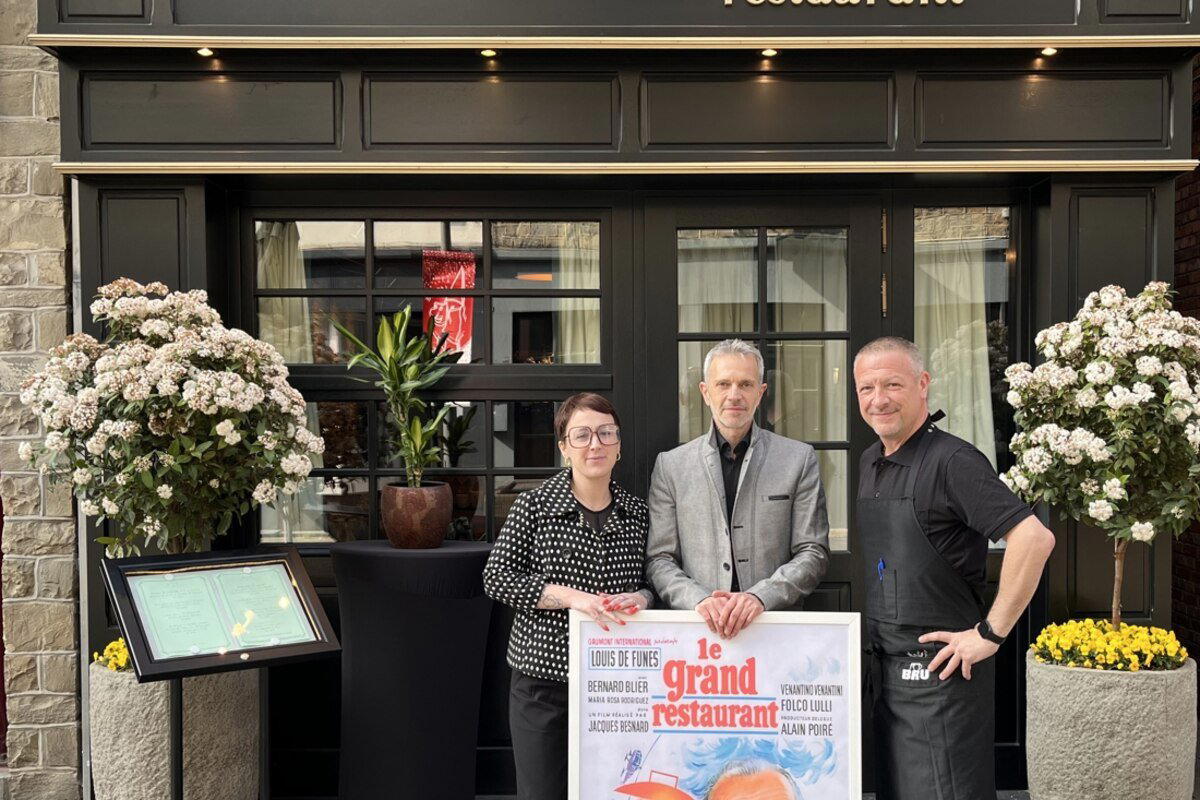
Eating in the Ardenne: What the Forest Puts on the Plate
La Roche-en-Ardenne occupies a loop of the Ourthe river in the Belgian Ardenne, ringed by beech forest and limestone ridges that drop sharply toward the town centre. The setting is not incidental to how the region eats. In the Ardenne, the surrounding land has historically dictated the menu: wild boar and venison from the forest, trout and grayling from cold-running rivers, mushrooms from damp woodland floors in autumn, and a tradition of charcuterie — particularly the cured hams sold under the Ardenne label — that predates any contemporary interest in provenance. When you walk Rue de l'Eglise toward Le Saint-Michel, the stone church facade behind you and the river valley below, that culinary geography is already framing the meal before you've read a single line of a menu.
Belgium's broader restaurant conversation tends to concentrate in Flemish cities, where addresses like Zilte in Antwerp, Boury in Roeselare, and Hof van Cleve in Kruishoutem anchor the country's top tier. The Walloon Ardenne operates on a different register: fewer formal tasting menus, more direct engagement with the regional larder, and a dining public that includes serious walkers, hunters, and cyclists rather than the urban gastronome as default customer. That shapes what kitchens here tend to cook and how they tend to cook it.
Where the Ingredients Come From and Why It Matters
Ardenne cuisine's claim to credibility rests on ingredient geography. The region sits inside one of Western Europe's least densely populated forest zones, and that low human density translates directly into hunting pressure, or the relative absence of it. Wild game from the Ardenne has a documented reputation in Belgian and French markets; the boar and venison that appear on regional menus are not pastoral branding but a reflection of actual supply chains that run from forest to butcher to kitchen in a compressed geography. The same applies to freshwater fish: the Ourthe and its tributaries produce trout under conditions that differ substantially from farmed alternatives, and restaurants in La Roche have historically treated river fish as a serious category rather than a token menu presence.
Autumn is the season that most clearly expresses this: cèpes and girolles from the surrounding woodland, game at the height of its season, and a cooking register that tends toward reduction and depth rather than lightness. Visitors arriving in October or November encounter a version of Ardenne cooking that reflects genuine seasonal supply, not a curated interpretation of it. Spring and summer shift the emphasis toward the river and toward the green, herb-forward cooking that shorter growing seasons in this part of Belgium concentrate into a few productive months. For context on how similarly ingredient-driven thinking operates in a formal fine-dining register elsewhere in Belgium, L'air du temps in Liernu and Le Chalet de la Forêt in Uccle each demonstrate what a rigorous sourcing framework looks like when applied at the highest bracket of Belgian cooking.
Le Saint-Michel in Context
Le Saint-Michel occupies the address at Rue de l'Eglise 17, which places it within the compact pedestrian core of La Roche-en-Ardenne, close to the river and within the cluster of stone buildings that define the town's architectural character. La Roche draws a significant volume of Belgian and Dutch holiday visitors across the outdoor-activity seasons, which means the town sustains a restaurant circuit that includes options at several price points. Within that circuit, the town's more considered tables, including La Claire Fontaine, tend to anchor themselves in the regional ingredient tradition rather than chasing the kind of creative-modern menus that read better in urban contexts. Le Saint-Michel sits within that pattern, drawing on an address that puts it at the centre of where visitors are already moving through the town.
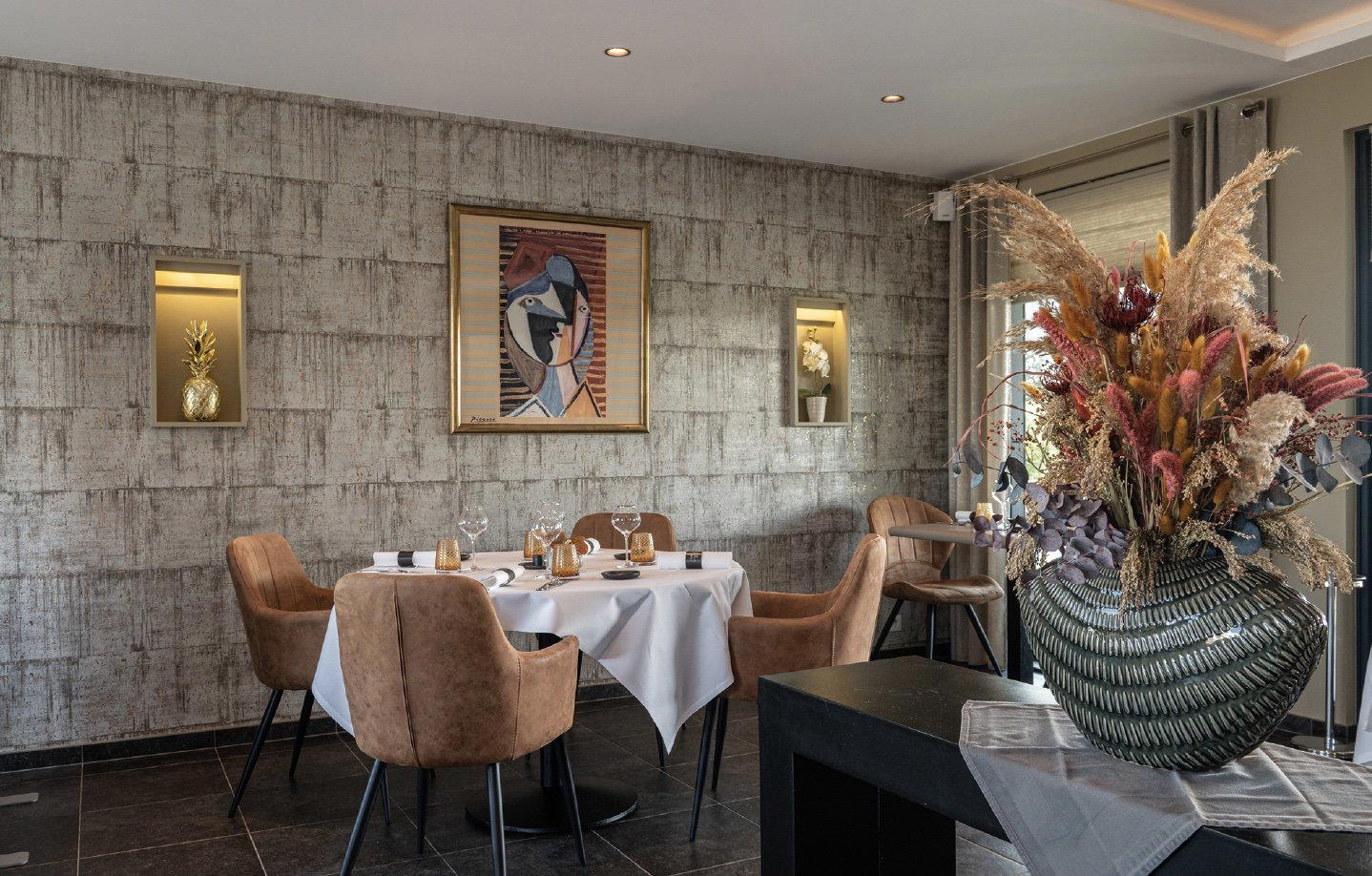
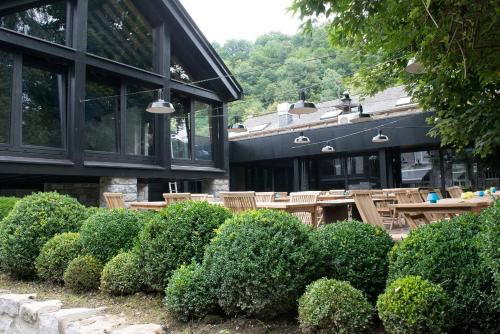
The Ardenne dining format at this level tends toward a structure familiar from rural French practice: a compact menu that reflects what is available and good at the moment, a wine list that balances French and Belgian selections, and a room that reflects the building rather than fighting it. Stone walls, lower ceilings, and natural light limited by the valley topography are common architectural conditions in La Roche, and they produce a particular atmosphere, one that functions as an asset in autumn and winter, when the warmth of an interior becomes a genuine contrast with the cold outside. Comparable regional formats in the Walloon south, such as La Table de Maxime in Our and d'Eugénie à Emilie in Baudour, offer useful reference points for understanding the register at which serious but non-metropolitan Belgian cooking tends to operate.
Planning a Visit
La Roche-en-Ardenne sits roughly 130 kilometres southeast of Brussels by road, a journey of under two hours that makes it viable as a weekend destination rather than a day trip for most Belgian visitors. The town is less accessible by public transport, and the majority of visitors arrive by car, a fact that also applies to the restaurant booking pattern, since guests are typically staying locally rather than making a single-meal trip. Booking ahead is advisable during the peak outdoor seasons (spring weekends and the full autumn hunting season from mid-September through November), when accommodation and tables both tighten. For anyone building a wider Ardenne or Walloon itinerary, our full La Roche-en-Ardenne restaurants guide maps the local field in more detail.
For those benchmarking Belgian regional cooking against the country's urban fine-dining tier, the contrast is instructive. Tables like Bozar Restaurant in Brussels, Willem Hiele in Oudenburg, and Bartholomeus in Heist operate with a different ambition and at a different price point. The Ardenne model prioritises directness: shorter supply chains, a more literal relationship between landscape and plate, and a dining experience where the setting does a significant share of the editorial work. That is a different proposition, not a lesser one. For global reference points on what rigorous sourcing-led cooking looks like at the highest international tier, Le Bernardin in New York and Atomix in New York each demonstrate how deeply a kitchen can commit to a single ingredient philosophy, a useful frame for understanding why the Ardenne's relationship with its own larder has sustained a serious dining tradition for as long as it has.
Addresses like De Jonkman in Sint-Kruis, Castor in Beveren, Maison Colette in Tongerlo, and La Durée in Izegem round out the wider Belgian context for anyone mapping the country's serious tables beyond the obvious urban anchors.
How Le Saint-Michel La Roche En Ardenne compares with similar nearby venues.
| Venue | Cuisine | Price |
|---|---|---|
| Les Pieds dans le Plat | Classic Cuisine | €€€ |
| Les 4 Saisons | Modern Cuisine | €€ |
| La Fleur de Thym | Creative French | €€€ |
Continue exploring
More in La Roche En Ardenne
Restaurants in La Roche En Ardenne
Browse all →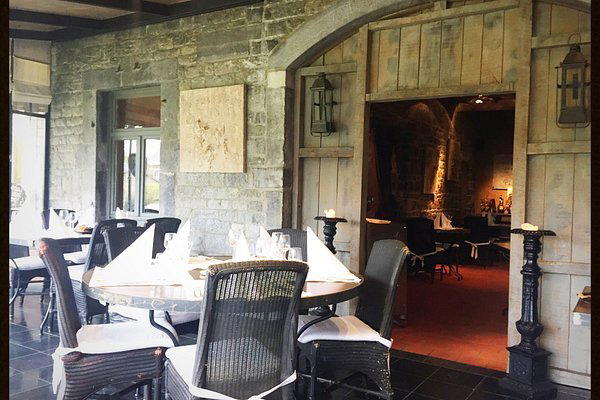
Hotels in La Roche En Ardenne
Browse all →
Wineries in La Roche En Ardenne
Browse all →
At a Glance
- Cozy
- Elegant
- Rustic
- Date Night
- Special Occasion
- Terrace
- Private Dining
- Local Sourcing
Current opening hours
- Monday
- 12–1:30 PM, 6:30–9 PM
- Tuesday
- 9 AM–5 PM, 6:30–9 PM
- Wednesday
- Closed
- Thursday
- 12–1:30 PM, 6:30–9 PM
- Friday
- 12–1:30 PM, 6:30–9:30 PM
- Saturday
- 12–1:30 PM, 6:30–9:30 PM
- Sunday
- 12–1:30 PM, 6:30–9:30 PM
Hours can change for holidays and private events. Last verified .
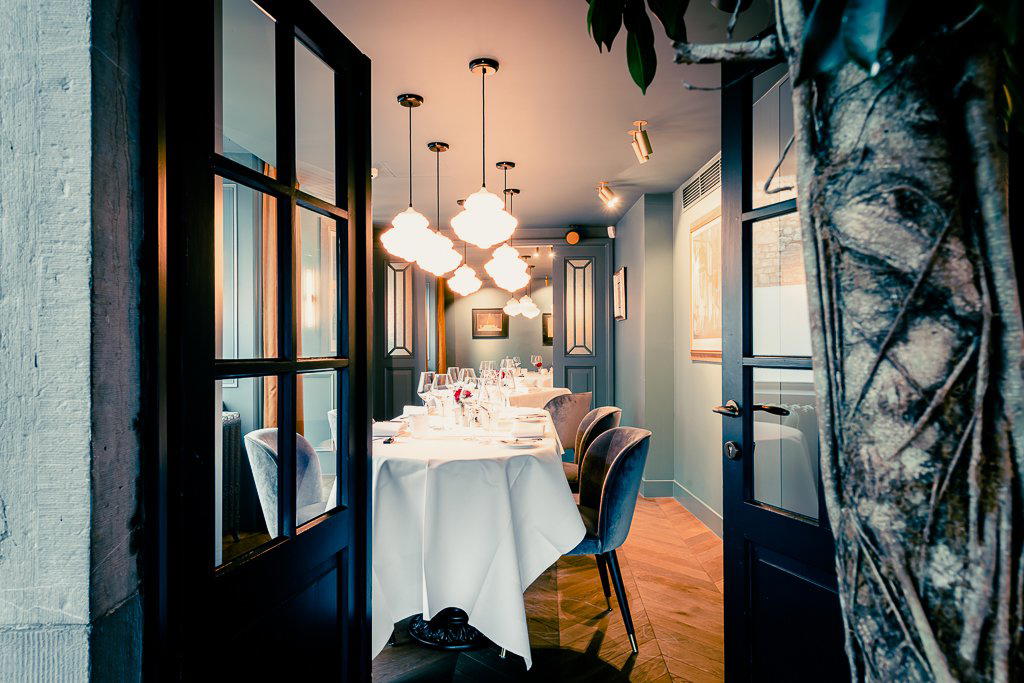
Refined and elegant setting with warm, cozy ambiance from leather, stone, and wood elements.
Know Before You Go
- Getting there
- Rue de l'Eglise 17, 6980 La Roche-en-Ardenne, Belgium