
We're Smart World 2 Radishes
Our verdict
A vegan address in Paris's 9th arrondissement where David and Adrien Valentin work with local, organic produce to deliver plant-based cooking at a genuinely gastronomic register. The kitchen prioritises preparation and taste over novelty, rooting each dish in seasonal biodiversity. For those committed to 100% vegan dining without sacrificing culinary seriousness, 12 Rue Louise-Émilie de la Tour d'Auvergne is a considered choice.

Pearl is the En Primeur Club membership app — saves, bookings, and concierge access live there. Same editors, same standards.
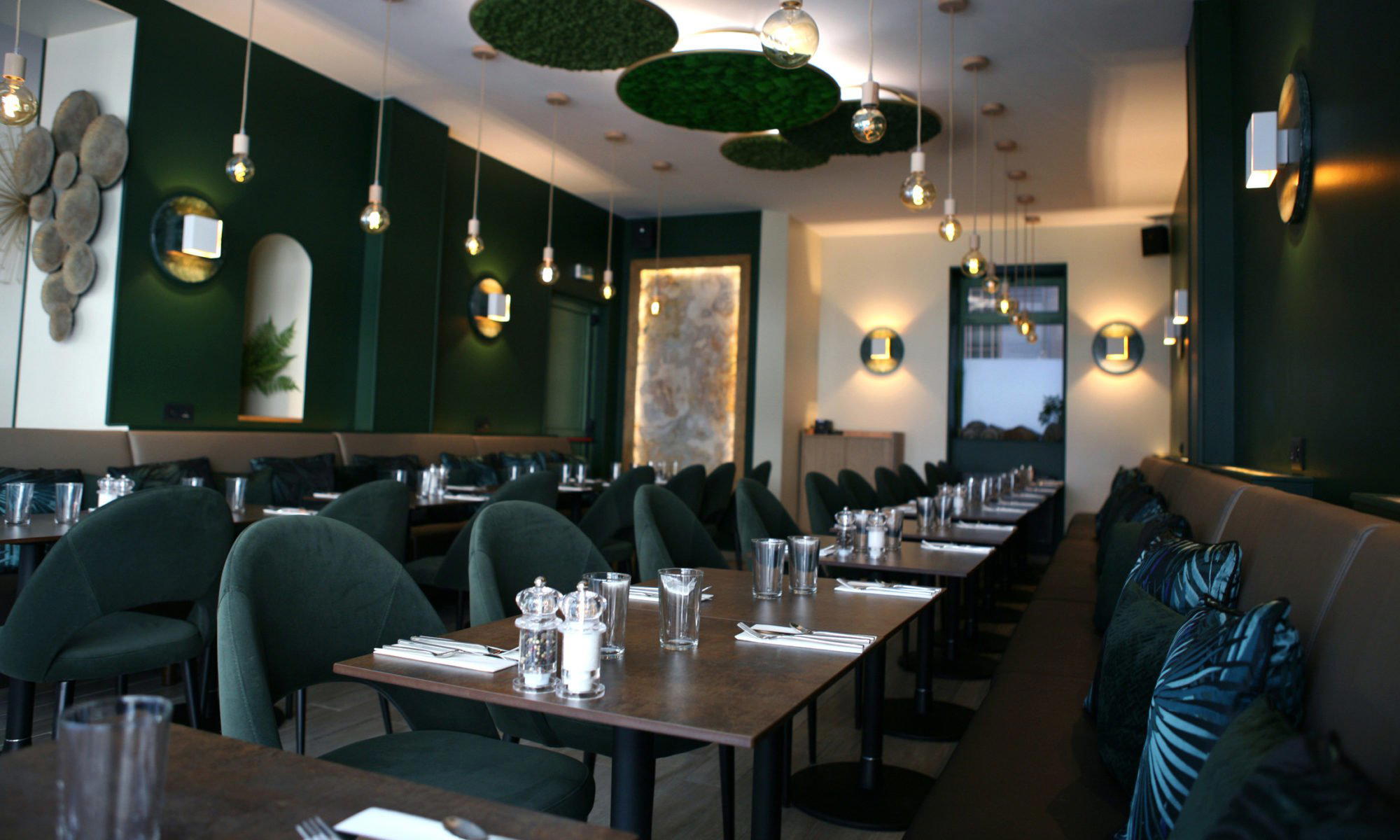
The menu
What to order
- Aubergine Grillée
- Rigatoni crème de poivrons
- Mousse Chocolat
Plant-Based Cooking in a City Built on Butter
Paris has a complicated relationship with vegetables. The classical French canon, the tradition that produced the techniques behind places like L'Ambroisie and Le Cinq at the Four Seasons George V, is built on stocks made from bones, sauces finished with butter, and proteins as the structural centre of every plate. To cook at a serious gastronomic level within those walls, while working exclusively with plants, is a different challenge from what vegan kitchens face in cities with less entrenched culinary orthodoxy. Le Potager de Charlotte, on Rue Louise-Émilie de la Tour d'Auvergne in the 9th arrondissement, sits inside that challenge and takes it seriously.
The 9th is not a neighbourhood associated with avant-garde dining. It sits between the tourist-heavy boulevards of the Opéra district and the more self-consciously fashionable bars and restaurants of the 10th and 11th. That positioning is relevant: the clientele here skews toward locals and committed plant-based diners rather than visitors ticking through a shortlist, which gives the kitchen a specific kind of freedom. It can cook for people who return.
What the Kitchen Prioritises
The approach at Le Potager de Charlotte is rooted in sourcing and preparation rather than spectacle. Local and organic products form the supply base, with an explicit orientation toward biodiversity — meaning the kitchen does not simply substitute animal proteins with commodity plant ingredients but works with the seasonal range of what French agriculture actually produces. That distinction matters in a country where the connection between fine cooking and regional terroir runs through the entire culinary tradition, from Bras in Laguiole, whose vegetable-forward cooking has been a reference point for plant-centric haute cuisine since the 1990s, to Flocons de Sel in Megève, where mountain terroir shapes every menu decision.
David and Adrien Valentin position the restaurant explicitly within a sustainable and health-oriented framework, but the kitchen's declared priority is taste. That ordering — taste first, ethics as context rather than justification, is the cleaner editorial position, and it aligns with how serious vegan cooking has evolved in France over the past decade. The artisanal character of the preparations is where the kitchen's credibility sits: technique applied to vegetables demands as much precision as technique applied to fish or meat, and the reward for getting it right is a plate that does not require the diner to make a political concession in exchange for good food.
Vegan Gastronomy and Where It Fits in Paris
The broader Paris dining spectrum at the leading end remains heavily anchored in classical and modern French idioms. Alléno Paris au Pavillon Ledoyen works through sauce extractions and technical precision; Kei fuses French technique with Japanese product discipline; Arpège under Alain Passard famously pivoted toward vegetables in the early 2000s, though it has never been fully vegan and its prices place it at the furthest end of the accessible spectrum. The gap between that three-Michelin-star vegetable-forward cooking and everyday plant-based dining in Paris has historically been wide. Le Potager de Charlotte occupies a middle position: gastronomically serious without requiring the kind of commitment in time and money that a tasting menu at Mirazur or Troisgros demands.
That positioning has a broader international parallel. Vegan fine dining has expanded significantly across European cities over the past decade, with kitchens in London, Copenhagen, and Berlin establishing that plant-only cooking can operate at a level that does not ask the diner to calibrate their expectations downward. Paris arrived later to that conversation, partly because of the weight of its classical traditions, partly because the city's food culture has historically been slower to absorb dietary frameworks that sit outside the canon. The existence of a restaurant like Le Potager de Charlotte, artisanal, local, gastronomically oriented, is as much a marker of where Parisian dining has arrived as it is a venue profile.
The Address and Getting There
The restaurant is at 12 Rue Louise-Émilie de la Tour d'Auvergne, in the lower part of the 9th arrondissement. The nearest Metro stations are Cadet and Notre-Dame-de-Lorette, both on Line 7, placing the address within easy reach of central Paris. The street itself is residential in character, which means the arrival experience is quieter than the broader Opéra neighbourhood a few blocks south.
Booking in advance is advisable, particularly for dinner service and weekend sittings, as a kitchen of this specificity in a neighbourhood without heavy tourist foot traffic tends to fill from a loyal repeat-customer base rather than walk-ins. Contact and reservation details are best confirmed directly, as operational hours and booking methods for smaller independent restaurants in Paris can shift seasonally. For a wider view of where Le Potager de Charlotte sits within the Paris dining scene, the EP Club Paris restaurants guide maps the full range. For planning around it, the Paris hotels guide, Paris bars guide, Paris wineries guide, and Paris experiences guide cover the surrounding context.
For reference, the classical end of French gastronomy extends well beyond the capital: Auberge de l'Ill in Illhaeusern and Paul Bocuse in Collonges-au-Mont-d'Or represent the tradition from which French cuisine draws its global reputation, a tradition that restaurants like Le Potager de Charlotte are working within, if against some of its foundational assumptions. Internationally, the French fine dining idiom has carried to addresses like Le Bernardin in New York City and more regionally inflected kitchens like Emeril's in New Orleans, all of which underline how far French technique has traveled, and how varied its current expressions have become.
Frequently asked questions
at Le Potager de Charlotte?
The kitchen's declared focus is on preparation and taste, working from local and organic seasonal produce. Given that the menu is built around biodiversity and artisanal technique rather than fixed signatures, what to order will depend on the season, the strongest plates will reflect whatever the French agricultural calendar is producing at the time of your visit. As a reference point, the cuisine philosophy aligns with the vegetable-forward tradition that has been part of serious French cooking since chefs like Michel Bras began placing plants at the centre of their menus.
Is Le Potager de Charlotte reservation-only?
For a restaurant of this scale and specificity in Paris's 9th arrondissement, booking ahead is the practical approach. Smaller independent kitchens with a committed local clientele rarely have walk-in capacity at peak service times. Direct confirmation of reservation policy is advisable, as operational procedures for independent Paris restaurants vary and can change seasonally. The EP Club Paris restaurants guide provides broader context on booking norms across the city's dining categories.
What's the signature at Le Potager de Charlotte?
The restaurant does not appear to operate around a single fixed signature dish in the way that starred venues in Paris, such as those within the Alléno or Arpège tier, anchor their identity to a specific preparation. The kitchen's signature is more structural: 100% vegan cooking at a gastronomic register, grounded in local and organic sourcing and a commitment to taste over novelty. David and Adrien Valentin's approach treats seasonal produce and artisanal preparation as the constant, rather than any individual dish.
What if I have allergies at Le Potager de Charlotte?
If the menu is entirely plant-based, the kitchen already excludes animal products as a structural rule, which removes a significant category of common allergens. That said, specific allergen concerns, nuts, gluten, soy, and cross-contamination protocols, should be communicated directly to the restaurant before your visit. For a kitchen working with artisanal preparations and seasonal ingredients, the team is leading placed to advise on what is present in any given service. Direct contact ahead of booking is the appropriate step; for any Paris restaurant with specific dietary requirements, that direct conversation is always the cleaner approach than relying on general guidance.
Is Le Potager de Charlotte suitable for non-vegans who want to explore plant-based fine dining?
The kitchen's stated priority is taste rather than dietary ideology, which positions it as a reasonable entry point for diners who are curious about plant-based cooking at a gastronomic level but do not identify primarily as vegan. The artisanal, preparation-focused approach means the food is designed to hold up on culinary terms alone. In the context of Paris, where the classical tradition at venues like L'Ambroisie sets the reference for seriousness, a kitchen that grounds its credibility in technique and local sourcing rather than dietary positioning is operating in a register that non-vegan diners with an interest in contemporary French cooking are likely to find substantive.
Price Lens
Comparable venues nearby, for context on price, style, and recognition.
| Venue | Cuisine | Price | Awards | Notes |
|---|---|---|---|---|
| Le Potager de CharlotteThis venue — the venue you are viewing | Seasonal Vegan French | $30–50 | We're Smart World 2 Radishes | Not listed |
| Noé | Contemporary French Bistro | $50–100 | Star Wine List | 2nd Arrondissement, Contemporary French Bistro |
| Comptoir De Vie | Modern French Tasting Counter-Bar | $100–150 | Not listed | 2nd Arrondissement, Modern French Tasting Counter-Bar |
| L'Entr'Acte | Traditional French Bistro | $30–50 | Not listed | 18th Arrondissement - Butte-Montmartre, Traditional French Bistro |
| Sébastien Gaudard | Classic French Patisserie & Café | $30–50 | Not listed | 9th Arrondissement, Classic French Patisserie & Café |
| La Bonne Excuse | Seasonal French Bistro | $50–100 | Not listed | 7th Arrondissement, Seasonal French Bistro |
Recognition history
Dated appearances from independent guides and award organizations, with the underlying list record or original source where available.
We're Smart World 2 Radishes
We're Smart World
Continue exploring
More in Paris
Restaurants in Paris
All restaurants in Paris →
Bars in Paris
All bars in Paris →




Le Potager de Charlotte
The wine
- Wine program
- Curated wine list
- Extensive wine list
Details
- Cozy
- Elegant
- Intimate
- Modern
- Date Night
- Special Occasion
- Open Kitchen
- Extensive Wine List
- Farm To Table
- Local Sourcing
- Organic
- A La Carte
- Wine
- Vegan Options
- Vegetarian Friendly
- Gluten Free Options
Current opening hours
- Monday
- 6:45–10:30 PM
- Tuesday
- 6:45–10:30 PM
- Wednesday
- 6:45–10:30 PM
- Thursday
- 12–2:15 PM, 6:45–10:30 PM
- Friday
- 12–2:15 PM, 6:45–10:30 PM
- Saturday
- 12–2:15 PM, 6:45–10:30 PM
- Sunday
- 11:30 AM–3 PM
Hours can change for holidays and private events. Last verified .
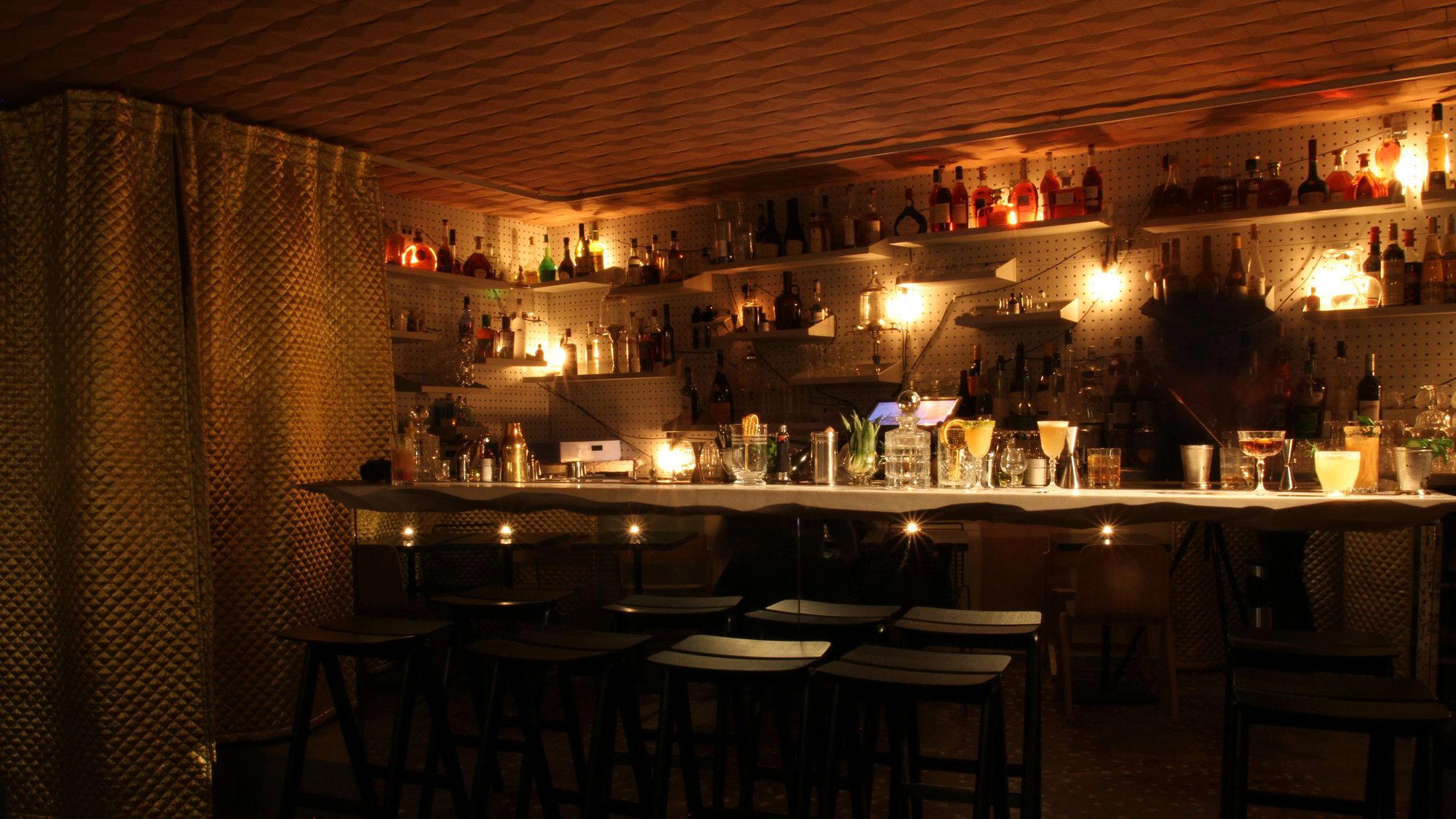
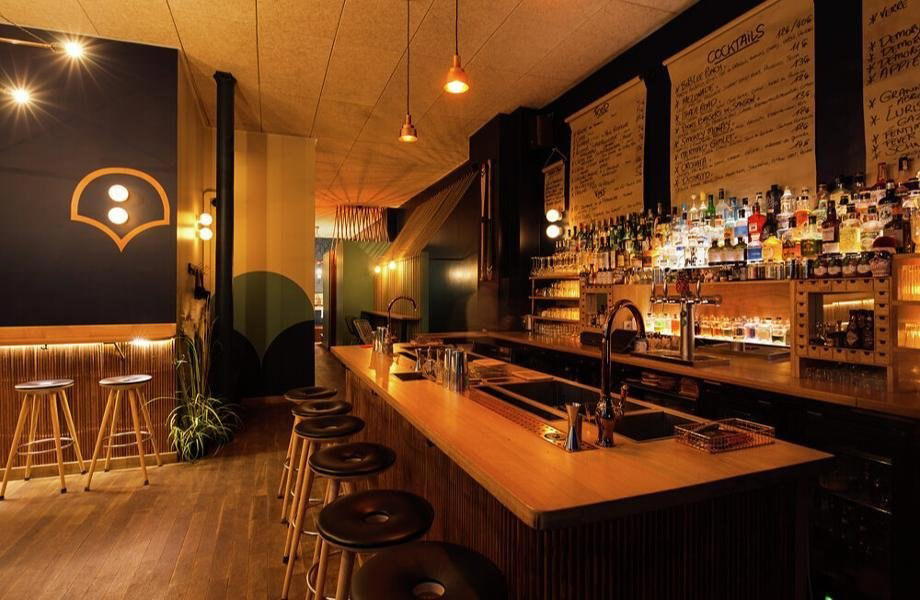
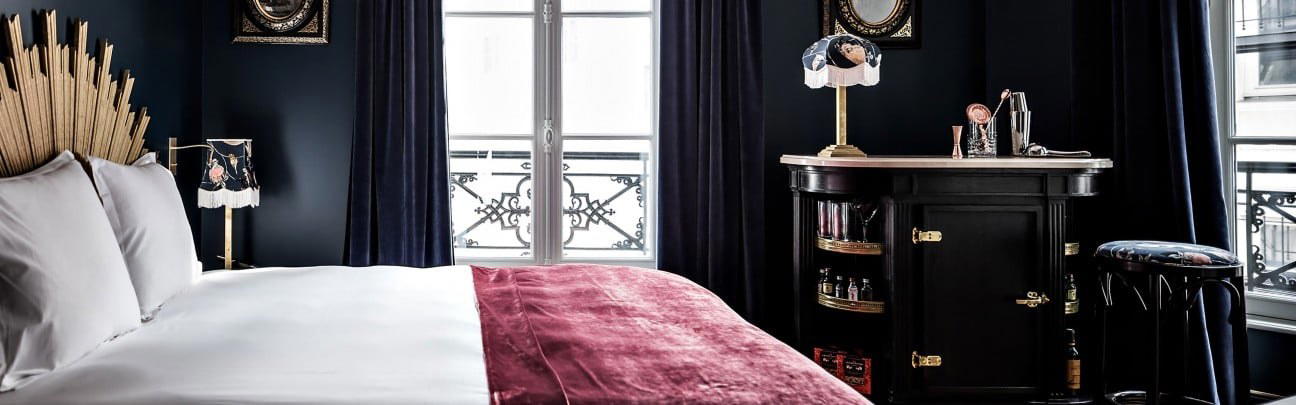
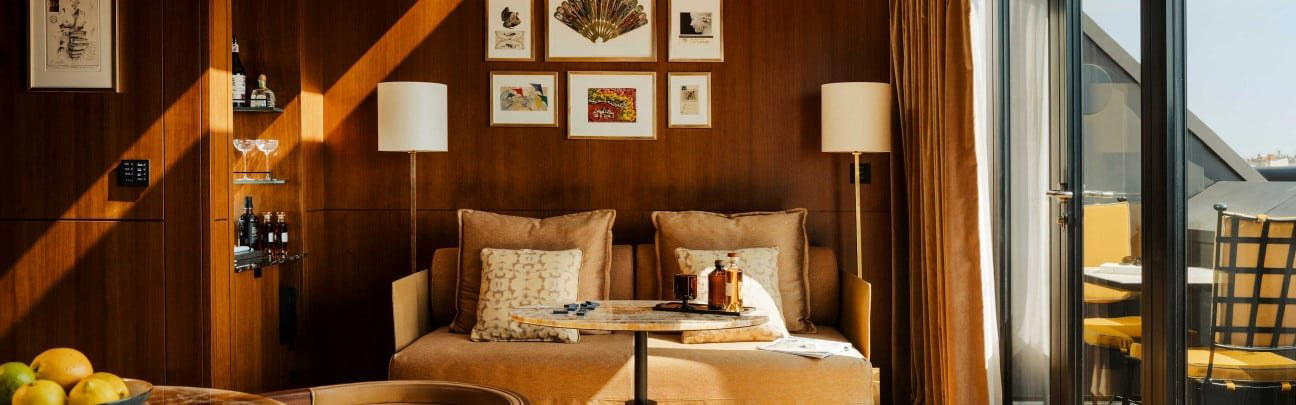
Intimate and beautifully decorated with dimmed lights, art on the walls, and a warm, relaxed atmosphere.