.png)
In the medieval village of Daglan, deep in the Périgord Noir, Le Petit Paris has earned consecutive Michelin Bib Gourmand recognition in 2024 and 2025 for modern cuisine that punches well above its modest price point. With a Google rating of 4.7 across 368 reviews, it represents the kind of serious village cooking that makes rural Dordogne worth a detour. The €€ price range makes it accessible without sacrificing ambition.
Pearl is the En Primeur Club membership app — saves, bookings, and concierge access live there. Same editors, same standards.
- Address
- 18 rue de la République, 24250 Daglan, France
- Phone
- +33 5 53 28 41 10
- Website
- le-petit-paris.fr
 Saves & bookings on Pearl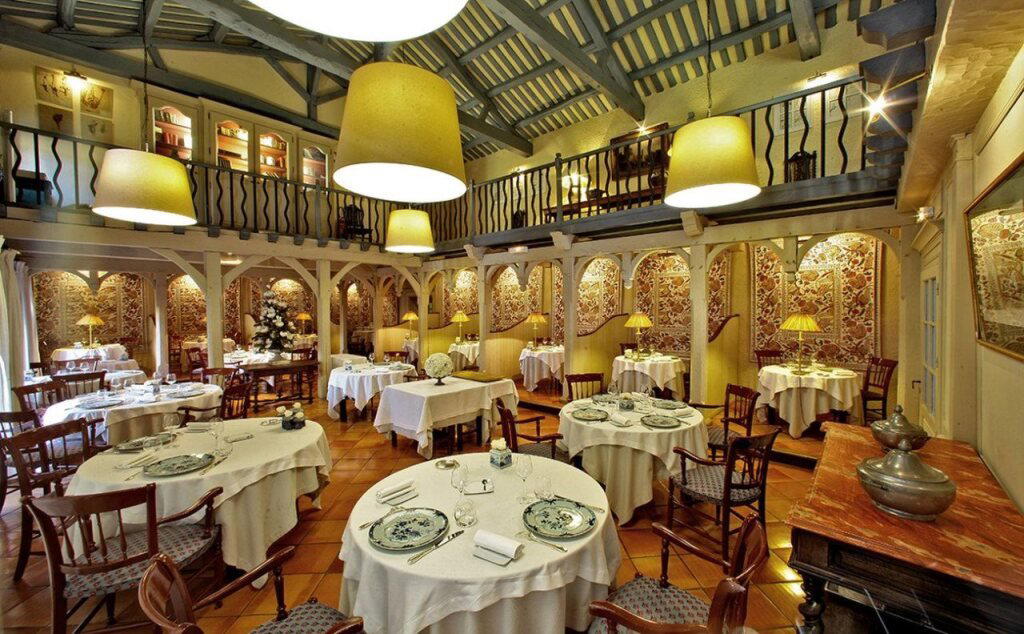
Stone Walls and Serious Cooking in the Périgord Noir
Daglan sits in one of the quieter folds of the Dordogne, a medieval village of ochre stone and market-day calm that most visitors pass through rather than stop at. The main square here functions the way it has for centuries: as a gravitational centre for the surrounding farms, walnut groves, and river valleys. It is precisely this kind of setting that defines Le Petit Paris's cooking, not as backdrop, but as supply chain. The Périgord Noir is among France's most ingredient-dense rural regions: black truffles from the Sarladais, duck and goose from farms that have been force-feeding birds for generations, walnuts pressed into oil on stones older than the republic, and river fish from the Céou and Dordogne. A kitchen operating at the €€ price point in a village of this size has two choices: source locally and cook honestly, or import and cut corners. Michelin Bib Gourmand recognition in 2024 and 2025 underscores the restaurant's consistency at an accessible price point.
What the Bib Gourmand Actually Signals
The Bib Gourmand occupies a specific and often misunderstood place in the Michelin hierarchy. It is not a consolation prize for restaurants that missed a star. It is a distinct designation, awarded to restaurants offering what Michelin describes as good cooking at moderate prices, a harder target to hit consistently than it appears. To earn it twice in succession, in a village rather than a regional city, suggests a kitchen with reliable technique and purchasing discipline rather than occasional inspiration. For context, the Bib sits in a separate competitive register from the multi-star addresses France is known for internationally: the three-starred ambition of Alléno Paris au Pavillon Ledoyen in Paris, the Alpine precision of Flocons de Sel in Megève, or the garden-sourced philosophy of Mirazur in Menton. Le Petit Paris is not trying to occupy that tier, and the comparison is not meant to diminish it. The point is that Michelin's recognition here is specific: this is cooking that delivers on its stated terms, at its stated price, with enough consistency to be called out twice in a row.
Sourcing as Strategy in the Dordogne
The Périgord's culinary reputation rests on a handful of ingredients that happen to be produced locally in exceptional quality. Truffles, specifically Tuber melanosporum, the Périgord black, are traded at the Sorges market and smaller local exchanges from December through February. Duck confit and foie gras are not affectations here; they are the product of a livestock tradition that dates back centuries and is deeply embedded in the local farm economy. Walnuts appear in oil, in salads, in cakes, in liqueurs. For a modern cuisine kitchen in this region, the sourcing argument almost writes itself: the provenance is immediately on hand, the supply relationships are short, and the seasonal calendar is tight enough to force genuine menu rotation. This is the kind of agricultural density that places like Bras in Laguiole have built entire culinary identities around, albeit at a very different price and scale. At Le Petit Paris, the same logic applies at village-restaurant scale, where the distance from farm gate to kitchen pass can be measured in minutes rather than logistics chains. France's great rural restaurants, from Auberge de l'Ill in Illhaeusern in Alsace to Auberge du Vieux Puits in Fontjoncouse in the Aude, have long demonstrated that proximity to primary ingredients is a structural advantage, not simply a marketing position.
Village Dining in a European Context
French village restaurant as a format is under pressure from the same forces affecting rural hospitality across Europe. Younger cooks gravitate toward cities; operating margins in small communities are thin; and the audience that once sustained a weekly menu du jour trade has aged and contracted. What remains tends to split into two categories: the unreformed local brasserie running on habit, and the deliberately ambitious room that has made a case for why it belongs where it is. The latter category is the more interesting one to track, and it requires specific conditions to work: a cook with genuine technical formation, a tourist flow substantial enough to supplement local custom (the Dordogne's summer visitor numbers provide this), and a supply network close enough to keep food costs aligned with accessible pricing. Daglan, sitting within reach of Sarlat-la-Canéda, Les Eyzies, and the Château de Castelnaud, sits inside that tourist geography. The Bib Gourmand signals that Le Petit Paris has built something that works within those conditions rather than despite them.
Planning Your Visit
Le Petit Paris sits at the Bourg in Daglan, a village in the 24250 postal district of the Dordogne. The €€ price point places it in a range accessible to most travellers in the region without advance financial planning, and the 4.7 Google rating across 368 reviews suggests a consistent experience rather than a polarising one. Given its village location and the summer concentration of visitors to the Périgord Noir, booking ahead during July and August is sensible; this is not a room where walk-in availability can be assumed in peak season. Daglan itself has limited accommodation options, which makes Sarlat-la-Canéda, roughly 20 kilometres to the north, the practical base for most visitors; The surrounding area rewards more than a single meal: For context, the three-starred references are worth knowing: Troisgros - Le Bois sans Feuilles in Ouches, Paul Bocuse - L'Auberge du Pont de Collonges in Collonges-au-Mont-d'Or, AM par Alexandre Mazzia in Marseille, Assiette Champenoise in Reims, and Au Crocodile in Strasbourg represent the broader shape of French fine dining, useful framing for understanding where the Bib tier sits within it. International modern cuisine references such as Frantzén in Stockholm and FZN by Björn Frantzén in Dubai extend that comparative context further.
Quick Comparison
Comparable venues nearby, for context on price, style, and recognition.
| Venue | Cuisine | Price | Awards | Notes |
|---|---|---|---|---|
| Le Petit ParisThis venue — the venue you are viewing | Modern French Bistro | $$ | Bib Gourmand | |
| La Table de Léo | French Semi-Gastronomic | $$ | Bib Gourmand | Saint-Avit-Sénieur |
| La Table du Fleuve | French Bistro with Local Charente Terroir | $$ | Bib Gourmand | Bourg-Charente |
| L'Ô à la Bouche | Modern French Bistro | $$$ | Bib Gourmand | Allées Fénelon |
| Jeux 2 Goûts | Modern French Bistro | $$ | Bib Gourmand | centre-ville |
| Auberge du Sombral - Les Bonnes Choses | Traditional French Regional Bistro | $$ | Michelin Plate | Saint-Cirq-Lapopie |
Continue exploring
More in Daglan
Restaurants in Daglan
Browse all →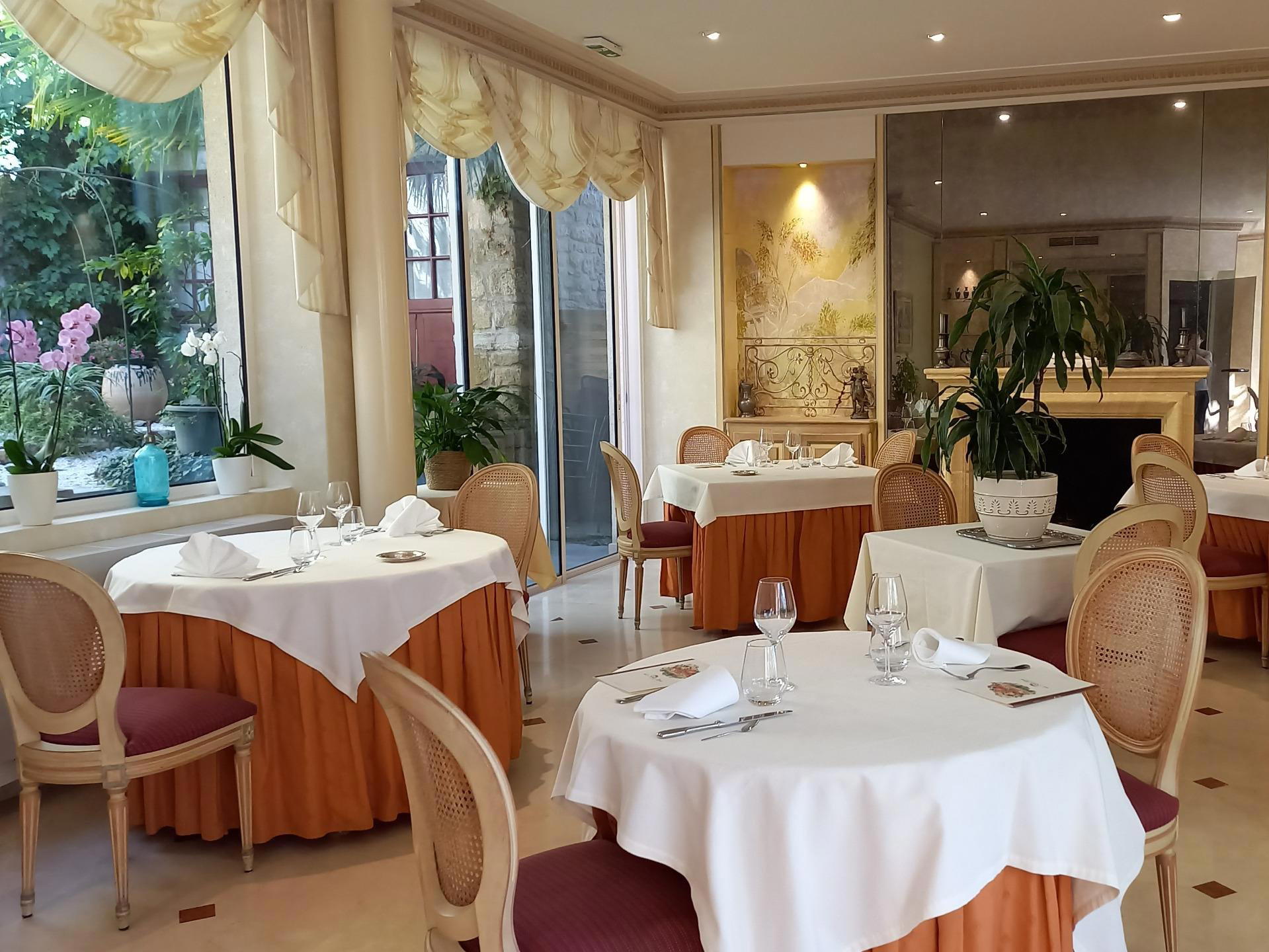
At a Glance
- Rustic
- Cozy
- Elegant
- Scenic
- Date Night
- Special Occasion
- Family
- Terrace
- Extensive Wine List
- Local Sourcing
- Street Scene
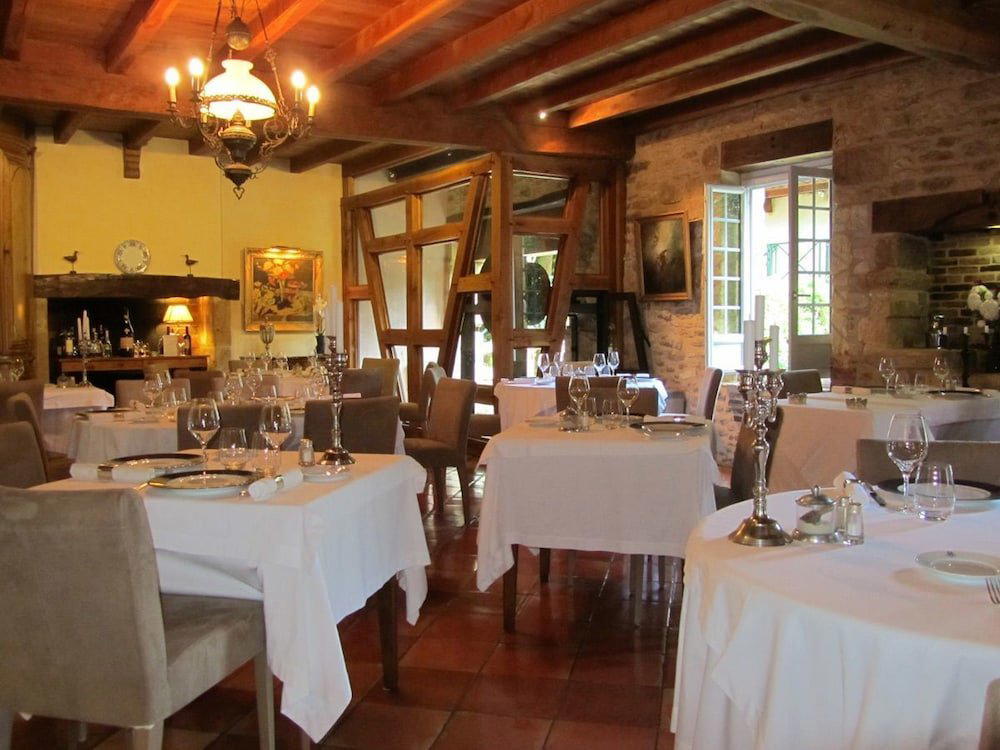
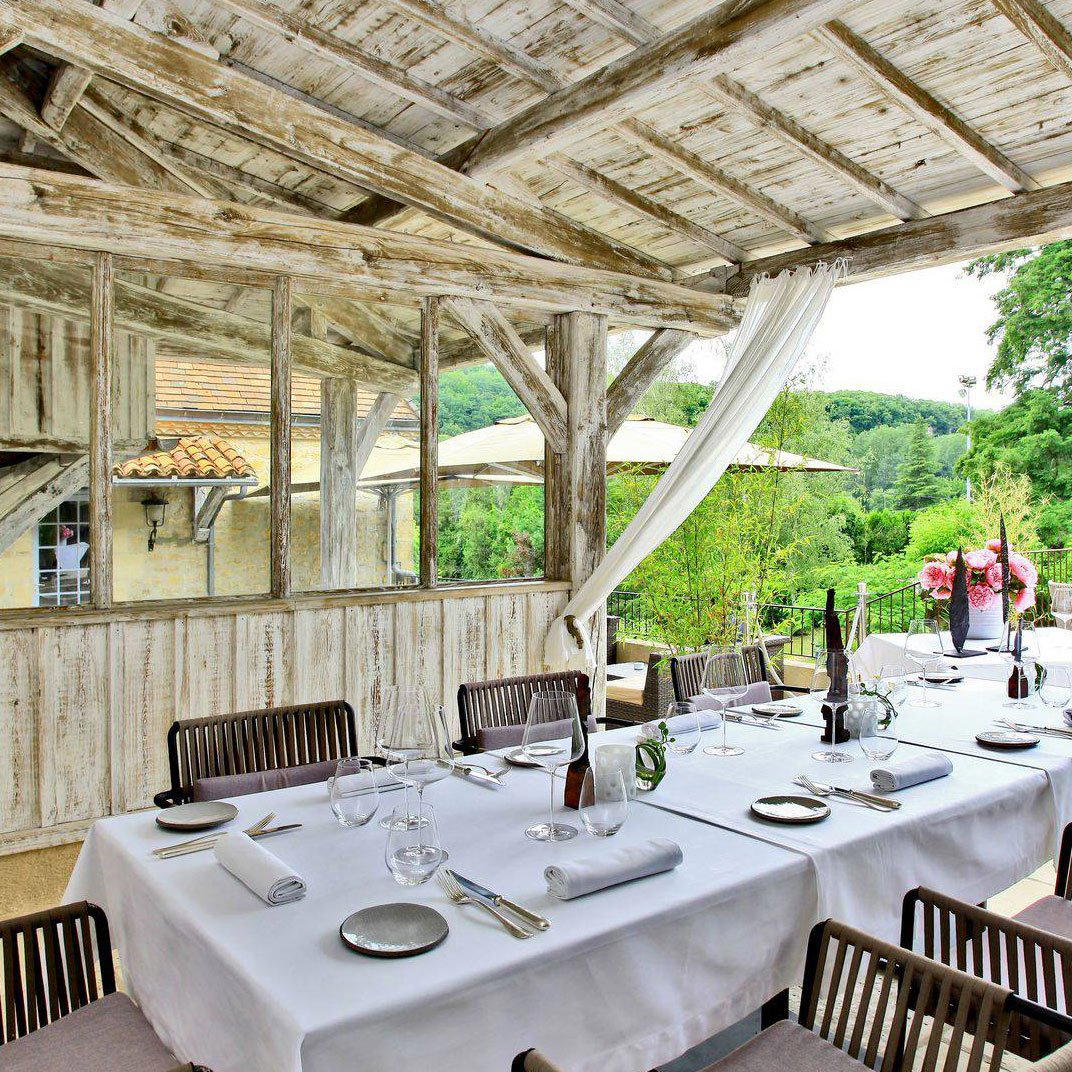
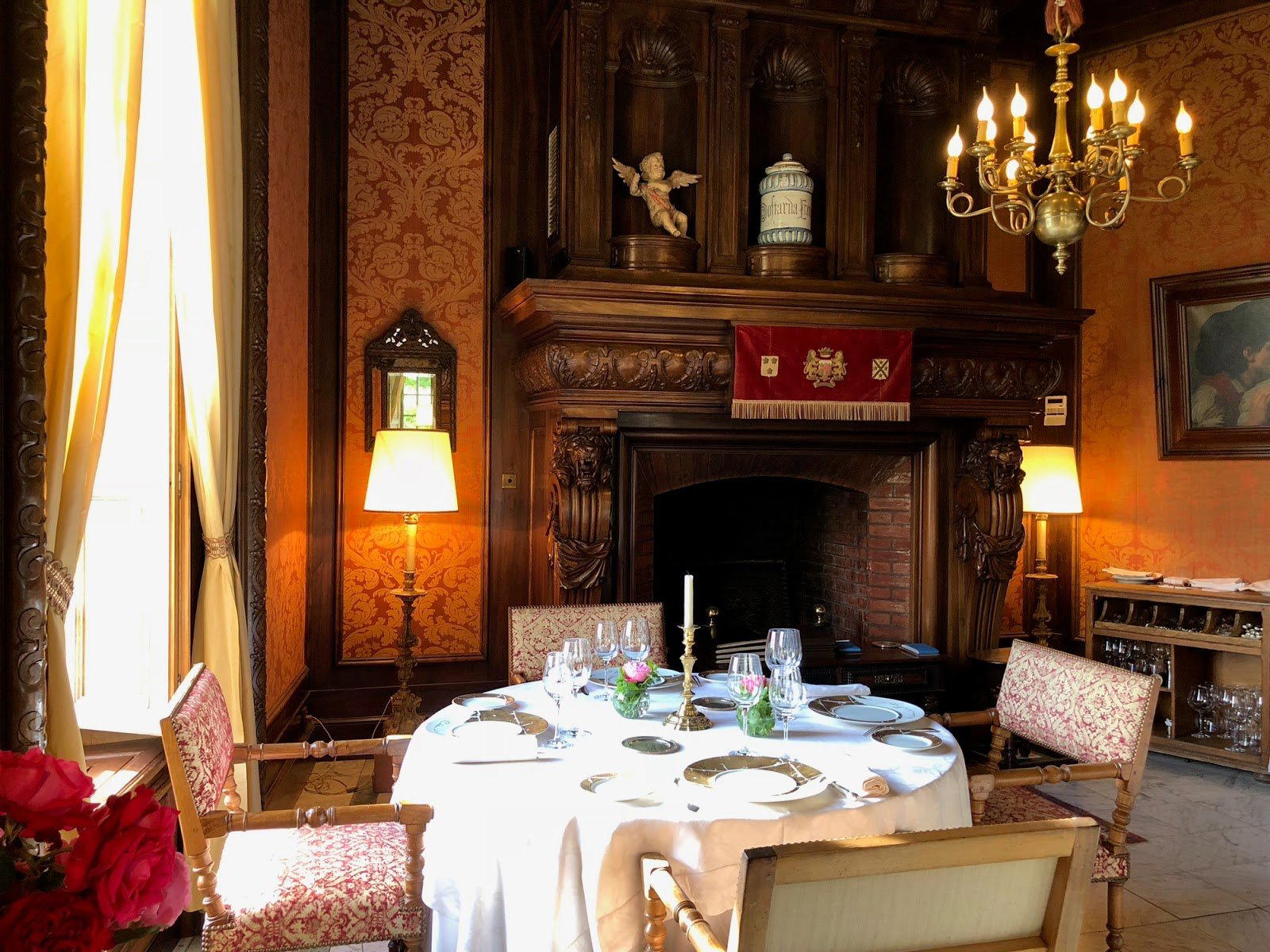
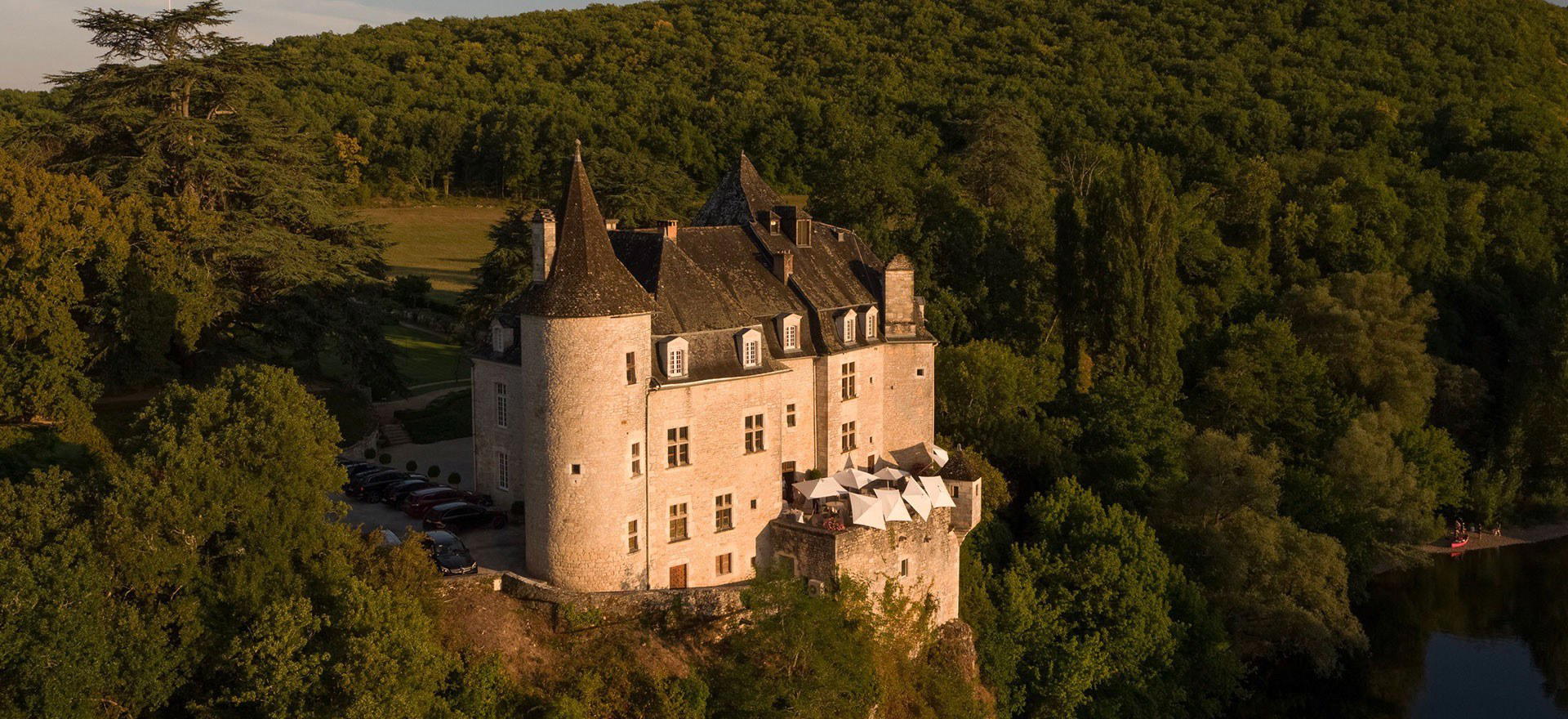
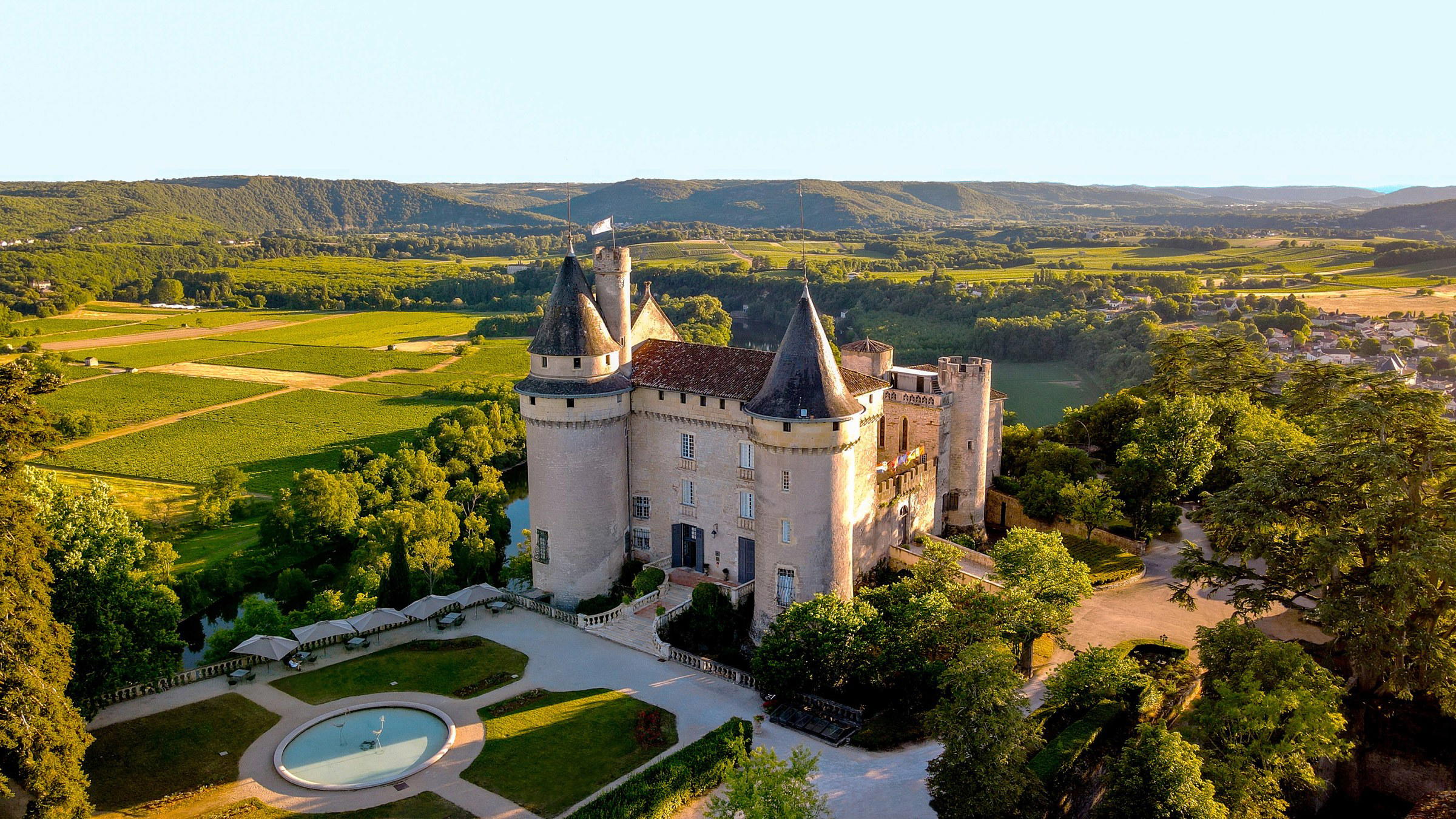
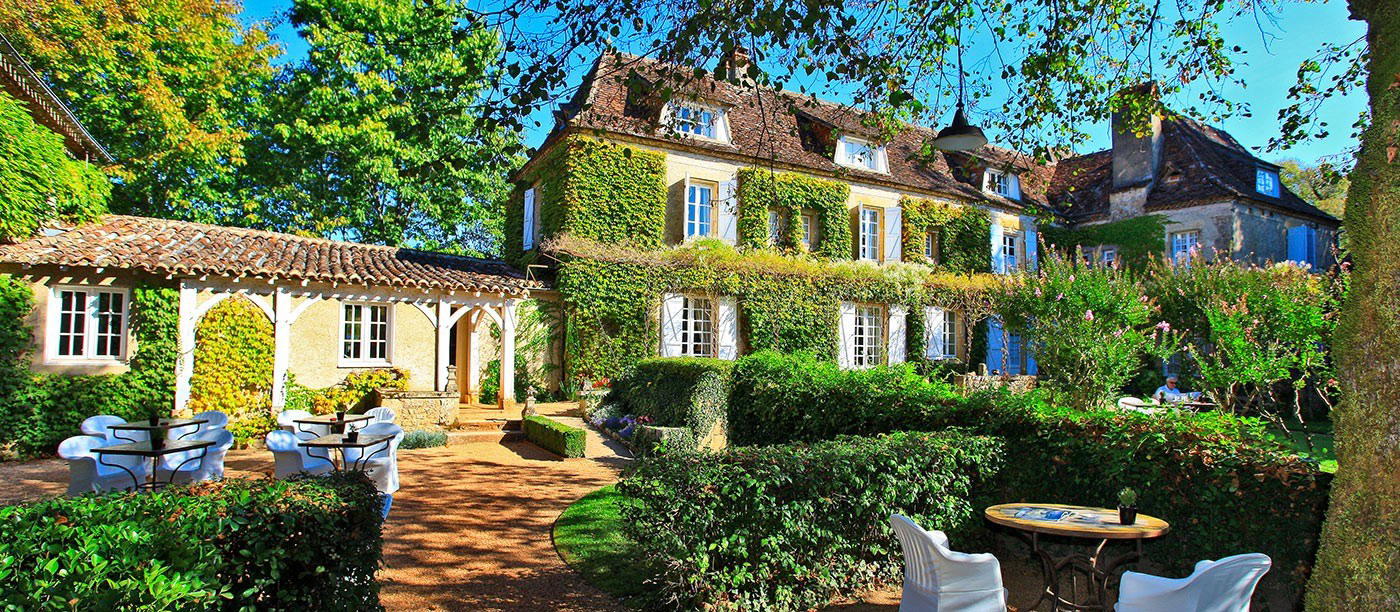
Tastefully rustic dining rooms with warm, cozy charm featuring a fireplace, complemented by a large terrace overlooking the picturesque village square.