Le Pavillon Des Princes sits at 69 Avenue de la Porte d'Auteuil in Paris's 16th arrondissement, where the Bois de Boulogne meets the city's western edge. The address places it in a tier of destination dining that rewards the deliberate trip rather than the spontaneous booking, a format familiar to the 16th's more considered restaurant scene.
Pearl is the En Primeur Club membership app — saves, bookings, and concierge access live there. Same editors, same standards.
- Address
- 69 Av. de la Prte d'Auteuil, 75016 Paris, France
- Phone
- +33144960012
- Website
- pavillondesprinces.com
- Directions
- Get directions
 Saves & bookings on Pearl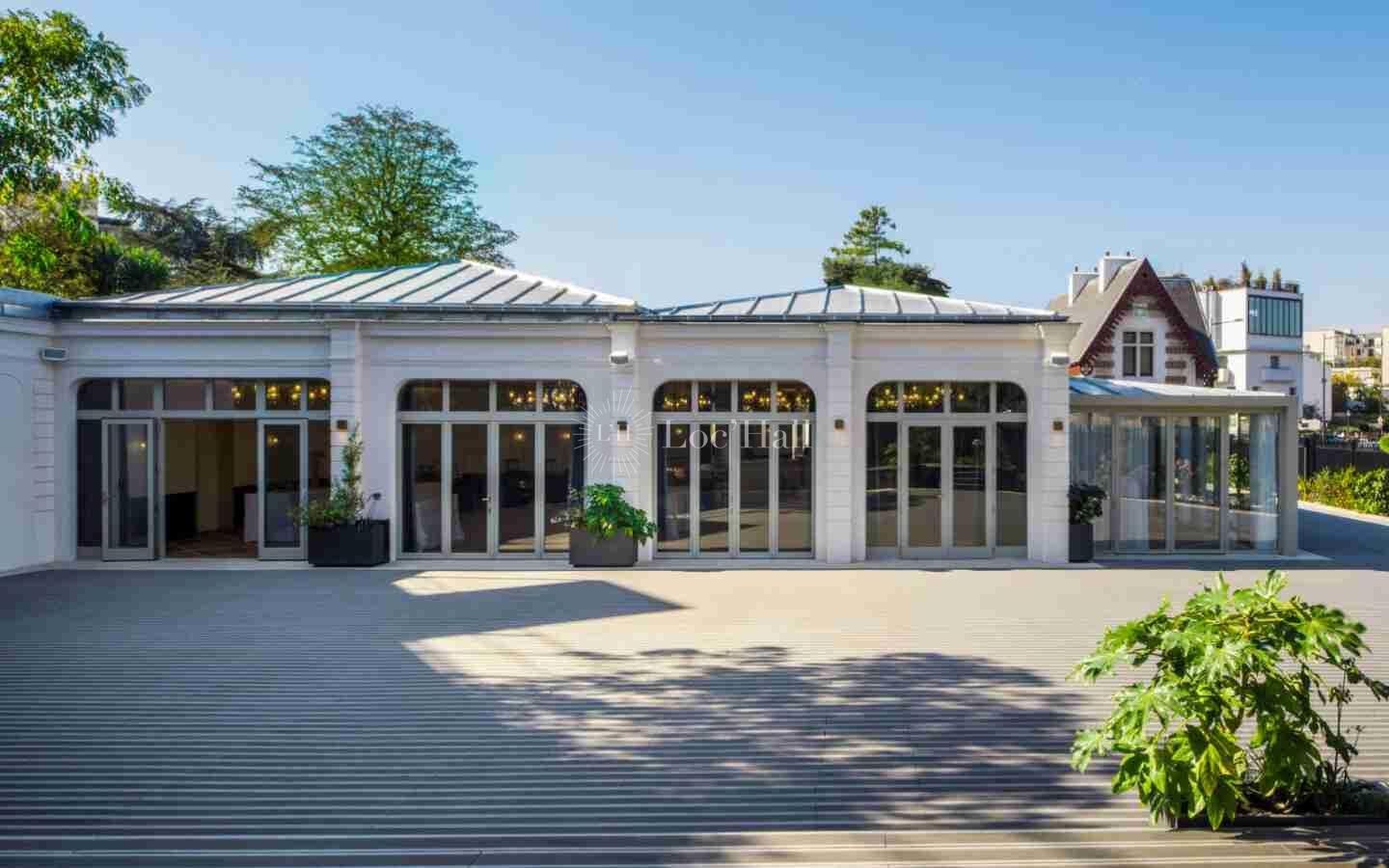
The 16th's Western Frontier: Dining at the Edge of the Bois
Paris's 16th arrondissement has always operated on a different register from the city's more fashionable dining districts. Where the 1st and 8th concentrate their serious restaurants around institutional prestige, think the grand pavillon format of Alléno Paris au Pavillon Ledoyen or the hotel anchor of Le Cinq at the Four Seasons George V, the 16th trades on quieter authority. Restaurants here tend to draw a local professional clientele and destination visitors willing to travel for a specific experience, rather than tourists following a hotel concierge map. Le Pavillon Des Princes is a French Gastronomic restaurant at 69 Avenue de la Porte d'Auteuil in Paris's 16th arrondissement, priced at about $80 per person. It sits at the far southwestern edge of this arrondissement, where the urban grid softens against the perimeter of the Bois de Boulogne.
That geography matters for how the room feels at different hours. The Porte d'Auteuil stretch is not a pedestrian dining strip; it is an address you arrive at deliberately, and the physical setting, the avenue broad, the parkland visible at the corner, gives the space a sense of remove from the compressed lunch crowds of central Paris. That remove behaves differently at noon than at eight in the evening, and understanding that split is useful for deciding when to come.
Lunch Versus Dinner: The Mood Shift That Matters
In France's serious restaurant tradition, the lunch-dinner divide is rarely just about timing. It shapes the clientele, the pace, and often the value proposition in ways that menus alone do not communicate. At destination addresses in the 16th, lunch draws a concentrated professional set: executives from the nearby corporate offices along the périphérique, residents from the surrounding streets who treat a good table as part of a working week rather than a special occasion. The atmosphere at midday tends toward measured efficiency, conversation purposeful, service attuned to the two-hour rhythm that French professional lunching has refined over generations.
Evening service in this part of Paris shifts toward the celebratory or the quietly romantic. Tables turn more slowly. The Bois de Boulogne's edge, which provides a backdrop of green in daylight, becomes less visible after dark, and the interior logic of the room takes over. Across French fine dining broadly, at addresses like Arpège or the technically rigorous Kei, dinner menus tend to run longer and more elaborate, while lunch formats often offer a condensed version of the kitchen's range at a price point that represents better relative value. That pattern is common enough in the 16th to be a working assumption when planning a visit.
For first-time visitors to Le Pavillon Des Princes without a specific occasion in mind, the lunch slot has a practical logic beyond value: the address is easier to reach in daylight, the Bois provides genuine spatial context that disappears at night, and the midday service rhythm suits a meal that is part of a broader day in the western arrondissements.
The Address in Its Regional Context
Placing Le Pavillon Des Princes within French fine dining more broadly requires looking at the category its address and format suggest. The pavillon dining tradition in France has a long history tied to park-adjacent or garden-facing properties, a format that includes the flagship prestige of Pavillon Ledoyen and extends into regional expressions at places like Flocons de Sel in Megève or the deep-rooted country house model of Auberge de l'Ill in Illhaeusern. What these addresses share is a setting that does some of the atmospheric work before the kitchen begins: the arrival, the sense of space, the visual separation from the city's density.
Within Paris specifically, the western pavillons occupy a distinct niche from the more studied minimalism of Left Bank addresses like L'Ambroisie on the Place des Vosges. The 16th's restaurant culture has historically leaned toward a certain formal continuity, classically structured service, French-anchored menus, a room that signals seriousness through proportion and finish rather than conceptual provocation. That positioning aligns the restaurant with a comparable set that values consistency of execution over the kind of seasonal reinvention that drives conversation at, say, Mirazur in Menton or the technically ambitious AM par Alexandre Mazzia in Marseille.
The comparison points that matter most for a traveller calibrating expectations are the provincial French dining houses that have built reputations on longevity and regional anchoring: Troisgros in Ouches, Bras in Laguiole, Paul Bocuse in Collonges-au-Mont-d'Or. Those addresses work because the setting and the food reinforce each other over years. A park-facing pavillon in the 16th operates on a similar premise: the environment is load-bearing.
Planning a Visit: What the Address Implies
The Porte d'Auteuil location, is not difficult, but it requires intention. That is not a drawback; it is the nature of addresses that sit at the city's edge rather than its centre. The same deliberate travel applies to dining at Assiette Champenoise in Reims or making the journey to Auberge du Vieux Puits in Fontjoncouse, the travel is part of the contract.
For visitors spending time in the western arrondissements, Roland Garros is adjacent, the Bois itself a destination, the address slots logically into a day that already has a western axis. For those coming solely for the meal, the lunch format makes more geographic sense than an evening visit, which can feel isolated without nearby evening programming to anchor the trip.
Travellers who have found value in the pavillon format internationally, at Le Bernardin in New York or the technically precise Atomix, will recognise the underlying logic: a room with a defined point of view, a kitchen operating within an identifiable tradition, and a setting that earns its place in the experience rather than merely framing it. The regional French equivalent, at addresses like Au Crocodile in Strasbourg, shows how durably that format travels when the kitchen matches the setting's ambition.
Cuisine Context
Comparable venues nearby, for context on price, style, and recognition.
| Venue | Cuisine | Price | Notes |
|---|---|---|---|
| Le Pavillon Des PrincesThis venue — the venue you are viewing | French Gastronomic | $$$ | Not listed |
| Chez Françoise | Traditional French Bistro | $$$ | 7e Arr. - Palais-Bourbon |
| Huguette | French Seafood Bistro | $$$ | Saint-Germain-des-Prés |
| La Belle Maison | Classic French Bistro | $$$ | Montmartre |
| Comptoir De Vie | Modern French Tasting Counter-Bar | $$$ | 2nd Arrondissement |
| La Table des Ternes | Traditional French Bistro | $$$ | Ternes |
Continue exploring
More in Paris
Restaurants in Paris
Browse all →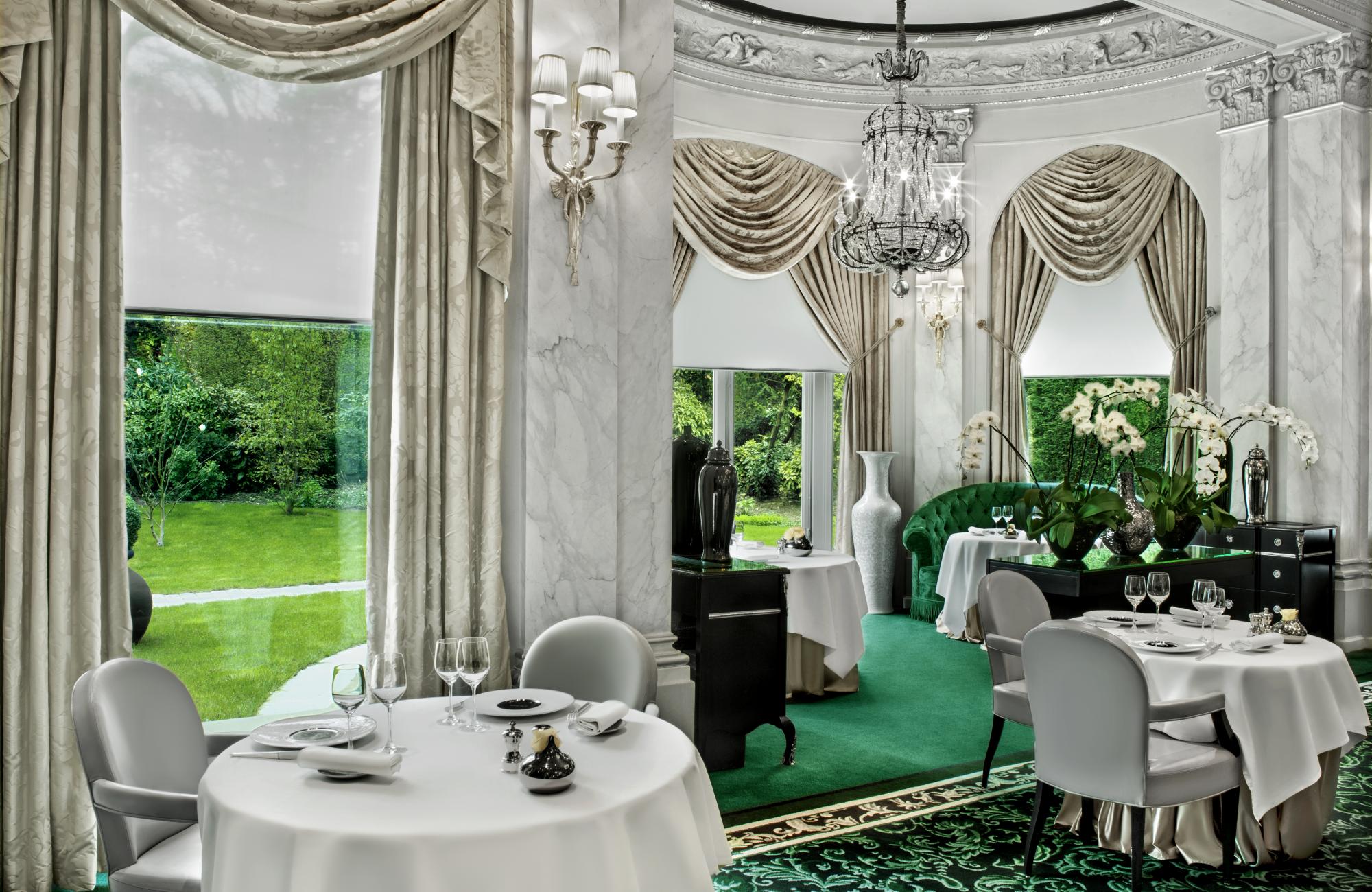

Bars in Paris
Browse all →
Hotels in Paris
Browse all →
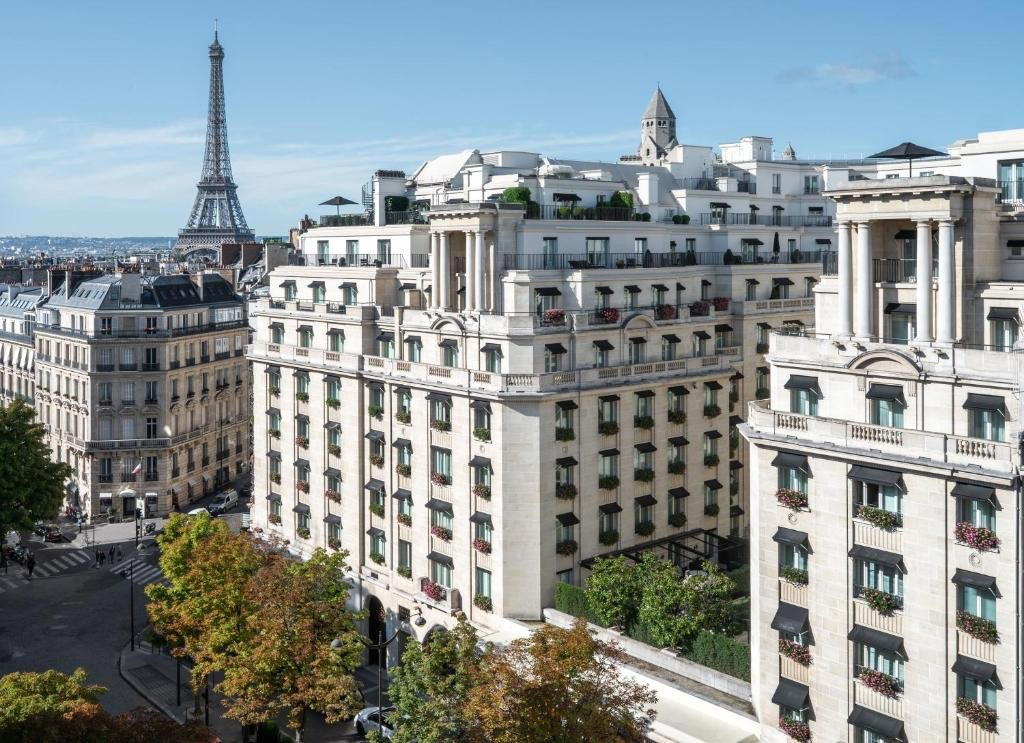
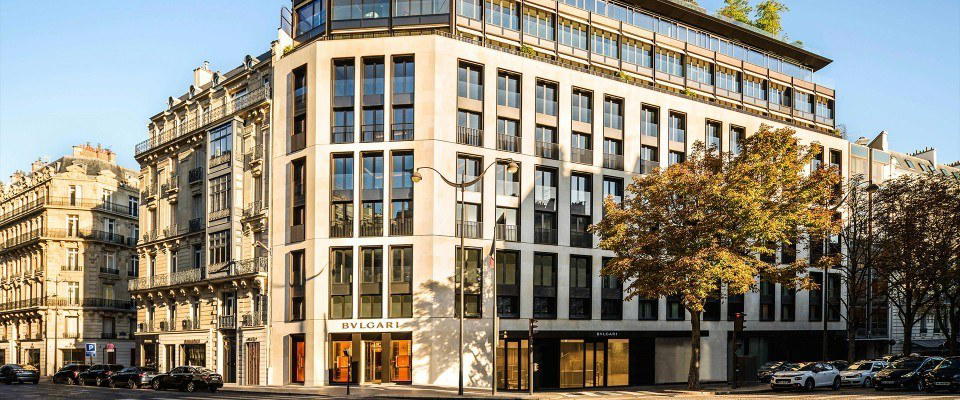



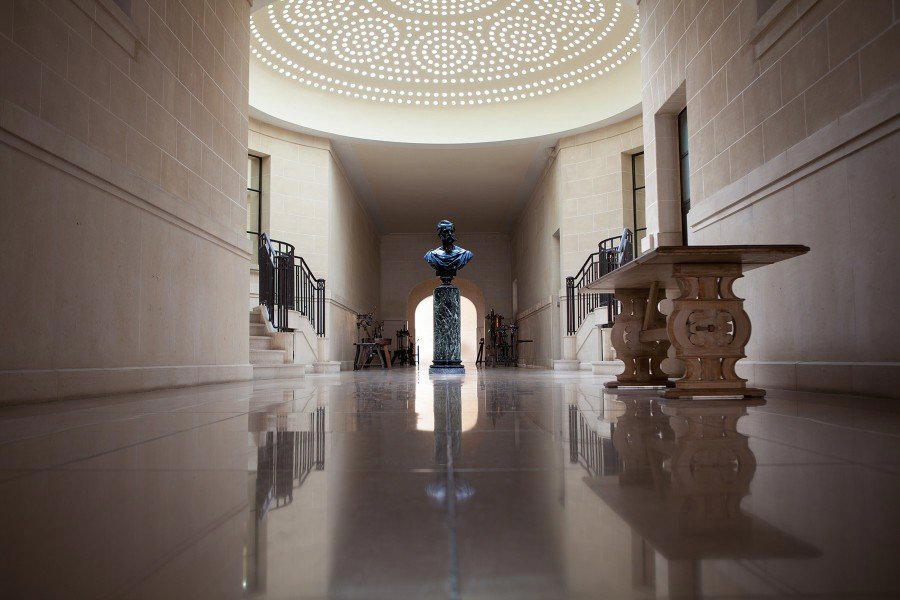
At a Glance
- Elegant
- Sophisticated
- Modern
- Scenic
- Private Event
- Celebration
- Group Dining
- Business Dinner
- Private Dining
- Terrace
- Garden
- Design Destination
- Sommelier Led
- Local Sourcing
- Garden
Elegant, modern reception setting with Sarah Lavoine interiors, professional service, a spacious event hall, and a covered terrace opening onto a garden.