.png)
A Michelin Plate recipient for 2024 and 2025, Le Moulin à Vent occupies a considered mid-price position on Rue des Fossés Saint-Bernard in Paris's 5th arrondissement. The restaurant's modern cuisine approach places it within a Rive Gauche dining tier that prioritises ingredient quality and seasonal discipline over spectacle. A 4.7 Google rating across 1,352 reviews signals consistent delivery rather than occasional peaks.
 Discover on Pearl
Pearl is the En Primeur Club membership app — saves, bookings, and concierge access live there. Same editors, same standards.
- Address
- 20 Rue des Fossés Saint-Bernard, 75005 Paris, France
- Phone
- +33 1 43 54 99 37
- Website
- au-moulinavent.com
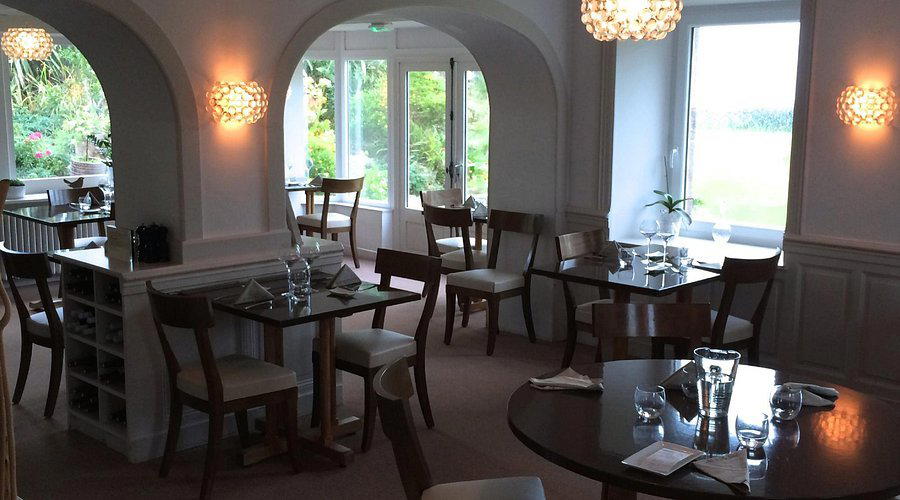
The 5th Arrondissement's Quiet Commitment to Modern French Cooking
Paris's Left Bank has long operated on a different frequency from the grand boulevard restaurants and palace hotel dining rooms that dominate the city's award headlines. The 5th arrondissement, particularly the stretch running east from the Sorbonne toward the Seine, carries a neighbourhood dining culture that has resisted the turn toward destination spectacle. Le Moulin à Vent, at 20 Rue des Fossés Saint-Bernard, is part of that tradition: a mid-price classic French bistro that has held consecutive Michelin Plate recognition in both 2024 and 2025, signalling a kitchen operating with consistent technical discipline in a district where consistency, not celebrity, is the measure of credibility.
The Michelin Plate, distinct from starred recognition, functions as an editorial signal that inspectors consider the cooking worth noting without elevating it into the city's most competitive tier. In a city where €€€€ destinations like Amâlia and Accents Table Bourse command considerable attention, a €€ restaurant on the Rive Gauche occupies a specific and useful position: technically grounded, accessible in price, embedded in its neighbourhood rather than performing for a global dining audience.
Modern Cuisine in Context: Where Le Moulin à Vent Sits in the Paris Tier
Paris's modern cuisine category covers a wide range of ambition and investment. At the upper end, restaurants like 114, Faubourg and the four-star palace dining rooms operate with brigade structures, theatrical service, and price points that reflect all of it. The Michelin three-star tier, represented nationally by addresses such as Mirazur in Menton, Troisgros in Ouches, and historic houses like Auberge de l'Ill in Illhaeusern, sets a national reference point that filters down through the entire French dining system.
Le Moulin à Vent operates well below that rarefied ceiling, and deliberately so. At the €€ price tier, it belongs to a cohort of Paris restaurants where the editorial interest lies in what the kitchen delivers relative to its means, not relative to a three-star benchmark. A Google rating of 4.7 across 1,720 reviews places it among the more consistently regarded addresses in its price band, a volume of reviews that rules out statistical flukes and points toward a kitchen that performs reliably across service types, season, and clientele.
For reference across the wider French scene, the kind of regional cooking discipline that defines addresses like Flocons de Sel in Megève or Bras in Laguiole demonstrates that France's most interesting modern cuisine often develops at a distance from Paris. Le Moulin à Vent's continued Michelin recognition suggests a kitchen tracking those standards within the constraints and context of a Parisian neighbourhood address.
The Sustainability Angle: What the €€ Bracket Signals About Ingredient Decisions
Modern cuisine at the mid-price tier in Paris involves a set of sourcing trade-offs that higher-budget kitchens can sidestep. Restaurants working within a €€ constraint cannot absorb the cost of prestige imports, extended dry-aging programs, or premium by-catch without either compressing margins unsustainably or passing costs directly to the guest. The kitchens that manage this bracket well tend to do so through seasonal discipline: building menus around what regional producers have in volume, reducing waste through whole-product preparation, and rotating offerings frequently enough to respond to supply rather than fixing a static menu that demands year-round sourcing of the same ingredients.
The Michelin Plate designation, held across two consecutive years, suggests that Le Moulin à Vent's kitchen has developed a workable approach to these pressures. Inspectors awarding Plate recognition are not just acknowledging flavour but evaluating the coherence of a cooking program, which at the mid-price level almost always involves a degree of waste reduction and supply-chain pragmatism that higher-tier restaurants do not need to exercise so visibly.
Across Europe, the modern cuisine kitchens that have built lasting reputations at accessible price points tend to be those that treat seasonal limitation not as a constraint to be overcome but as the actual organising principle of the menu. Addresses such as Anona in Paris represent this approach, and the broader international model is visible in how kitchens like Frantzén in Stockholm have made hyper-local sourcing a competitive signal rather than a budget workaround. Le Moulin à Vent's position in the 5th, a historically academic and neighbourhood-driven district with its own market culture along the Seine, gives it proximity to the kinds of supply chains that support this model.
Rive Gauche Positioning: The 5th as a Dining District
The 5th arrondissement does not function as a destination dining district in the way that the 8th or the 1st do. It draws a mixed clientele of residents, university staff, tourists visiting the Latin Quarter, and a subset of informed diners who seek out neighbourhood-embedded cooking over theatrical set-pieces. Restaurants in this district compete less on spectacle and more on consistency, value density, and the kind of reliable seasonal rotation that keeps a local return rate high.
This neighbourhood positioning is itself a sustainability story. A restaurant that builds its business on repeat local custom rather than one-off visitor traffic has structural incentives to maintain quality across the full year, not just during high tourist season. The contrast is with tourist-facing addresses that can afford to coast during peak footfall months. Le Moulin à Vent's 4.7 rating across more than 1,300 reviews, a sample that almost certainly includes both locals and visitors spread across seasons, suggests a kitchen that has not optimised for one audience type at the expense of another.
For diners planning wider Paris exploration, Auberge de Montfleury represents a different neighbourhood register, while the full scope of Paris dining at every tier is covered in our full Paris restaurants guide. Those extending their visit beyond restaurants will find relevant coverage in our full Paris hotels guide, our full Paris bars guide, our full Paris wineries guide, and our full Paris experiences guide. For international modern cuisine at a different scale, FZN by Björn Frantzén in Dubai and Paul Bocuse's Auberge du Pont de Collonges represent the upper ceiling of what the modern French tradition produces at destination scale.
Know Before You Go
- Address: 20 Rue des Fossés Saint-Bernard, 75005 Paris, France
- Price range: €€ (mid-range)
- Cuisine: Modern Cuisine
- Awards: Michelin Plate 2024; Michelin Plate 2025
- Google rating: 4.7 out of 5 (1,352 reviews)
- District: 5th arrondissement, Latin Quarter, Rive Gauche
- Booking: Contact the restaurant directly; hours and booking platform not confirmed
In Context: Similar Options
Comparable venues nearby, for context on price, style, and recognition.
| Venue | Cuisine | Price | Awards | Notes |
|---|---|---|---|---|
| Le Moulin à VentThis venue — the venue you are viewing | Classic French Bistro | $$$ | Michelin Plate | |
| Terra | Modern French Bistro | $$$ | Michelin Plate | Le Marais |
| Aux Prés | French Bistro with Asian Influences | $$$ | Michelin Plate | Saint-Germain-des-Prés |
| Le Café des Artistes | Modern French Bistro | $$$ | Michelin Plate | Ville-d'Avray |
| La Ferme du Pré | Traditional French Bistro | $$$ | Michelin Plate | Bois de Boulogne |
| Racines des Prés | Modern French Bistronomique | $$$ | Michelin Plate | Saint-Germain-des-Prés |
Continue exploring
More in Paris
Restaurants in Paris
Browse all →

Bars in Paris
Browse all →
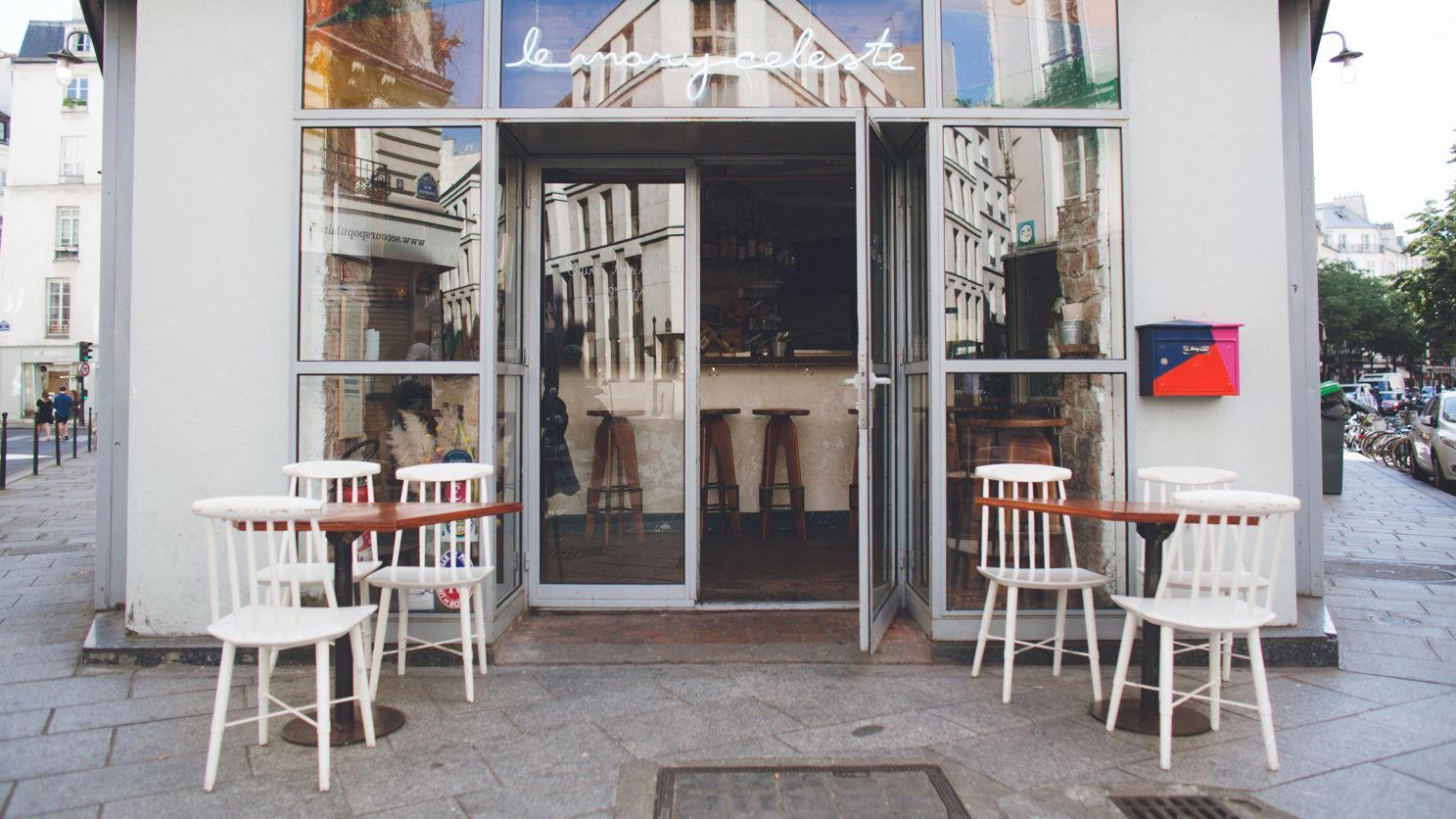
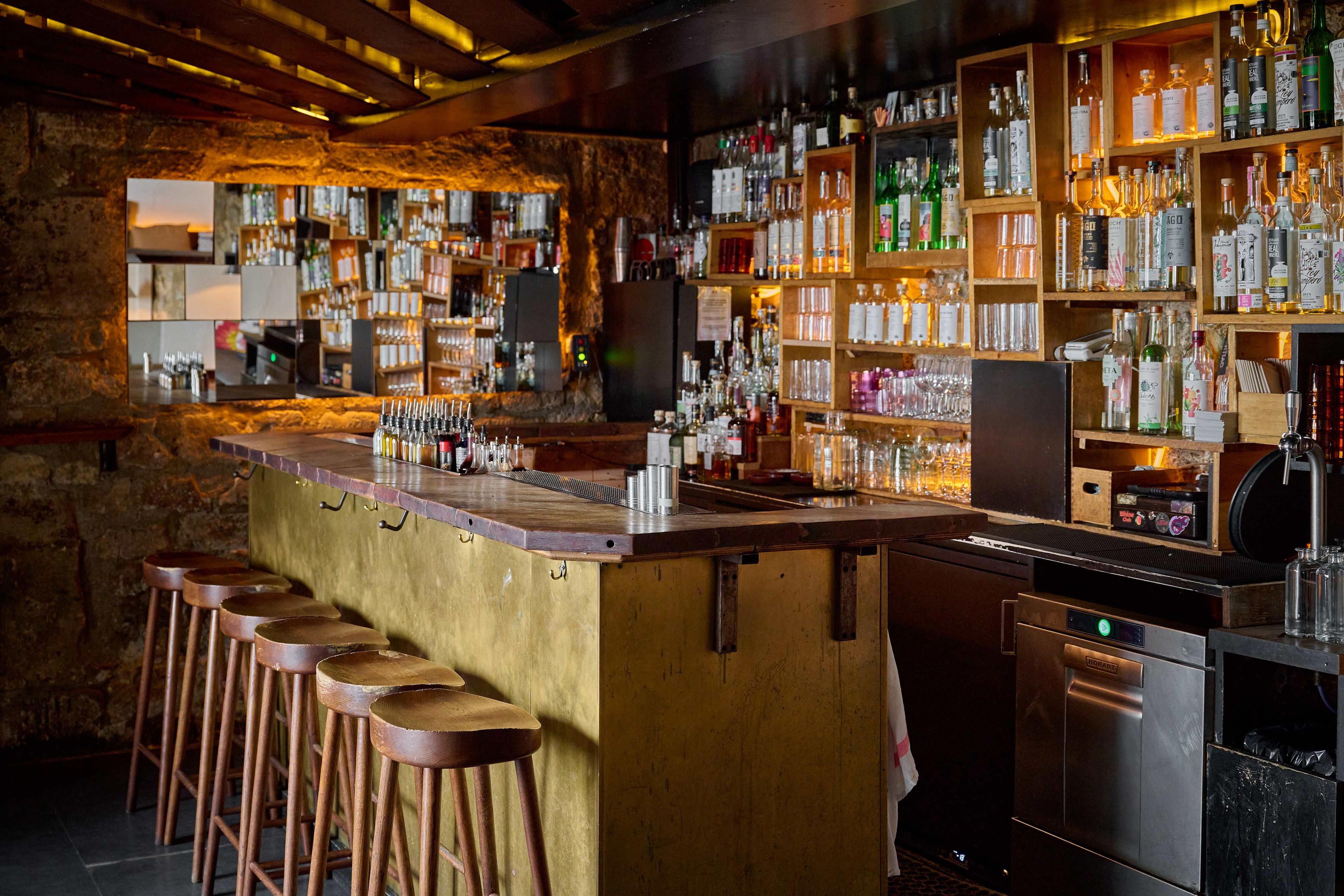
Hotels in Paris
Browse all →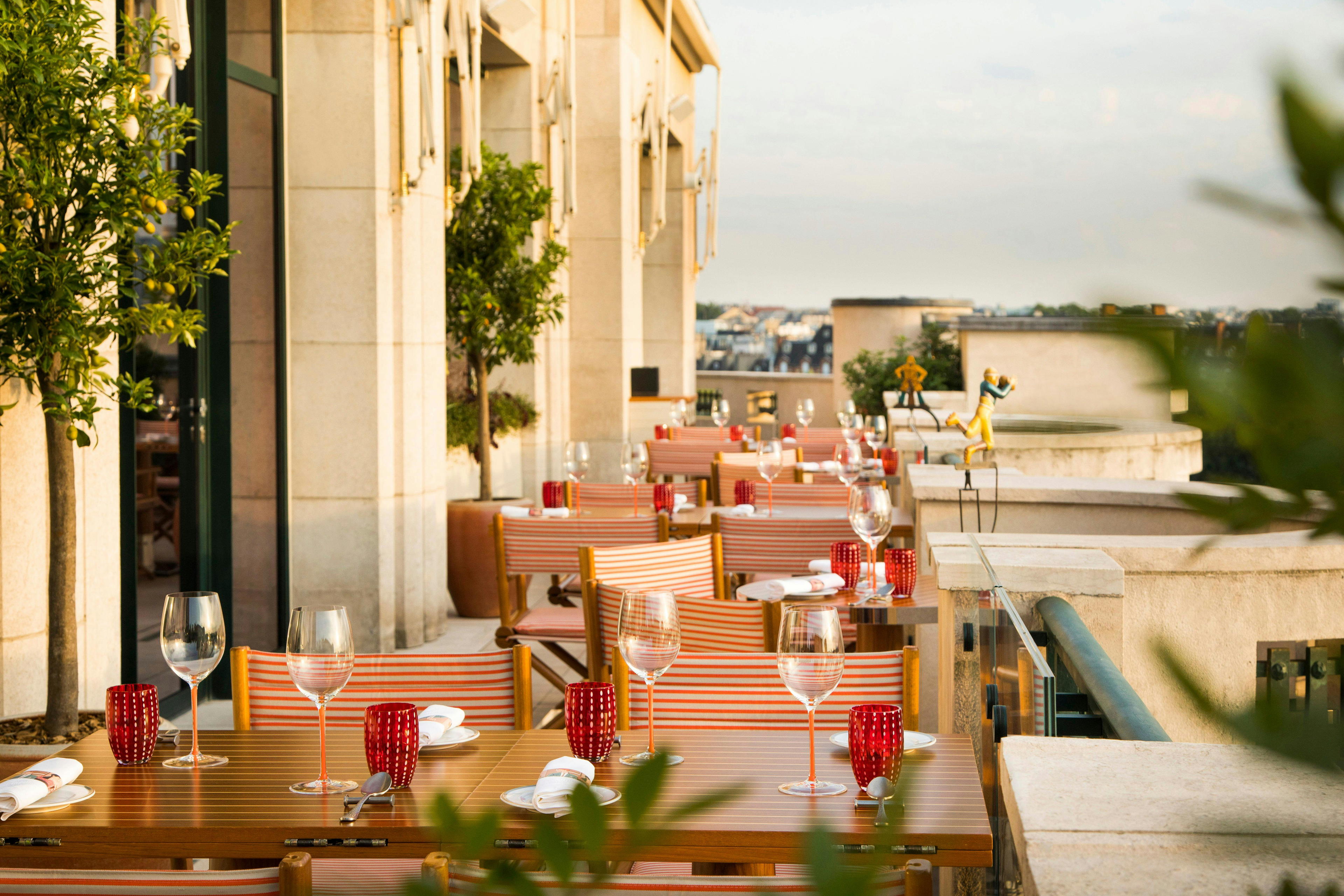
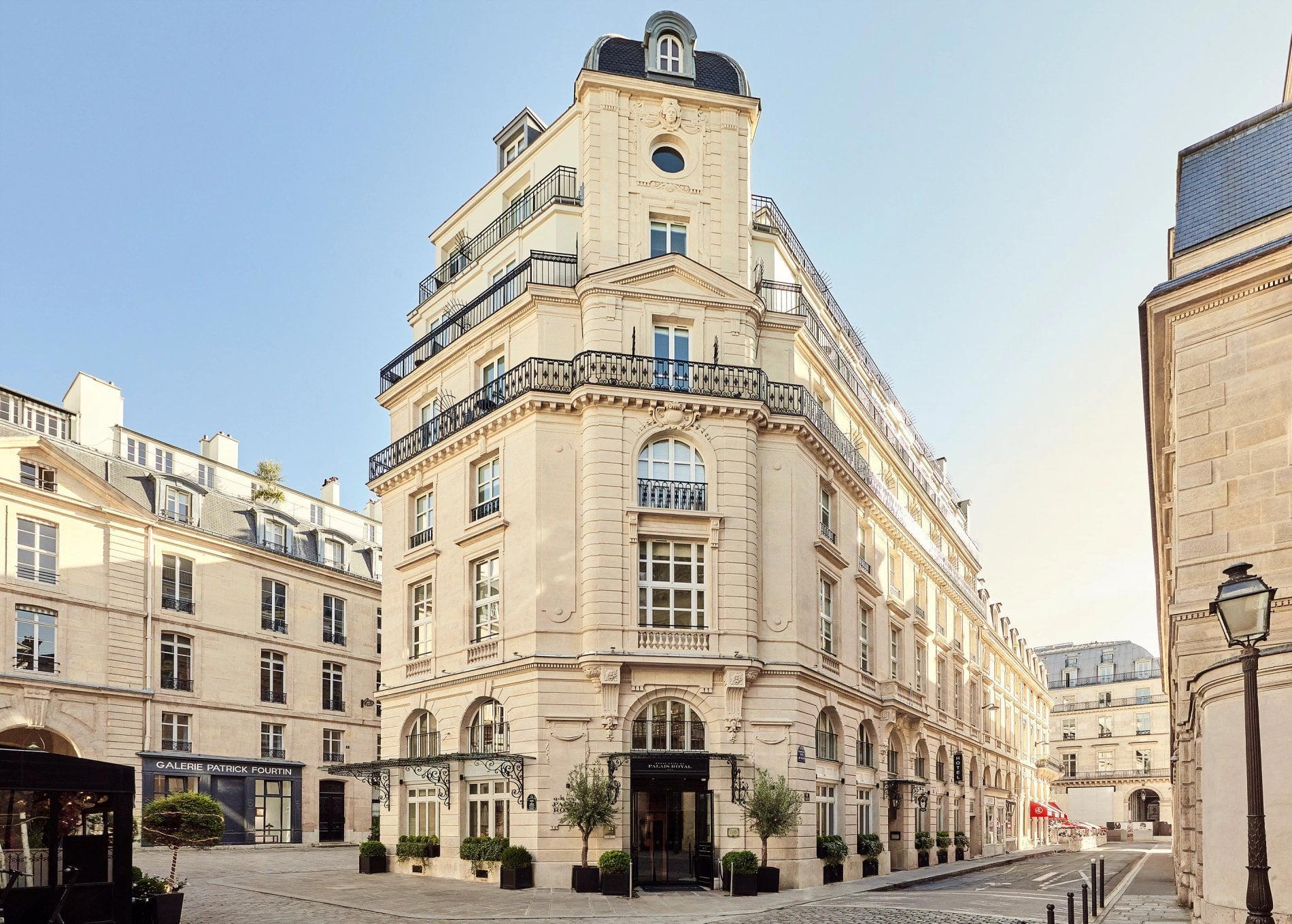


At a Glance
- Classic
- Cozy
- Intimate
- Date Night
- Special Occasion
- Historic Building
- Extensive Wine List
Warm, cozy old-fashioned bistro atmosphere with tight seating and lively Parisian energy.