Le Millésime
.png)
In the heart of Chambolle-Musigny, one of Burgundy's most revered wine villages, Le Millésime holds a Michelin Plate for 2024 and 2025, signalling consistent kitchen standards at a mid-range price point. The cooking sits in a modern register against a backdrop where the surrounding vineyards set the terms for everything on the table. For visitors tracing the Côte de Nuits, it offers a grounded, produce-anchored meal without the formality of a destination restaurant.
 Discover on Pearl
Pearl is the En Primeur Club membership app — saves, bookings, and concierge access live there. Same editors, same standards.
- Address
- 1 Rue Traversière, 21220 Chambolle-Musigny, France
- Phone
- +33 3 80 62 80 37
- Website
- restaurant-le-millesime.com
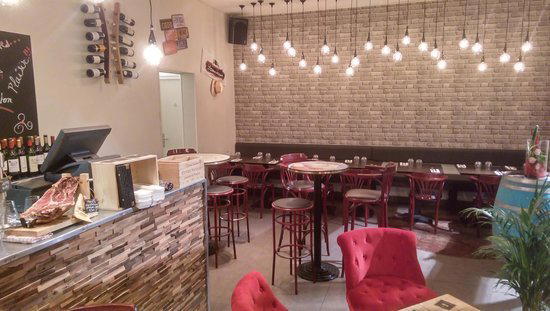
Dining in the Shadow of Grand Cru Vines
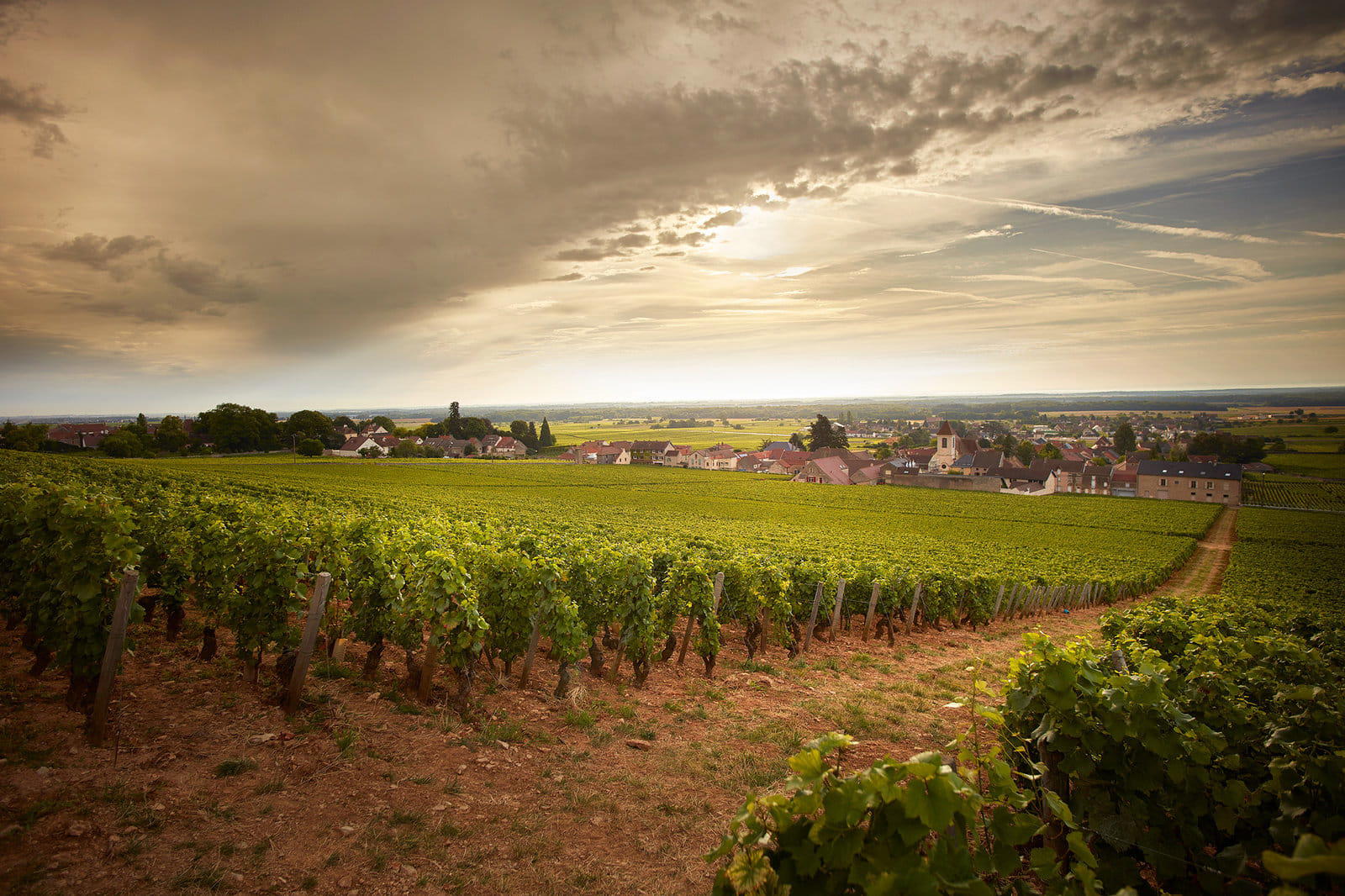
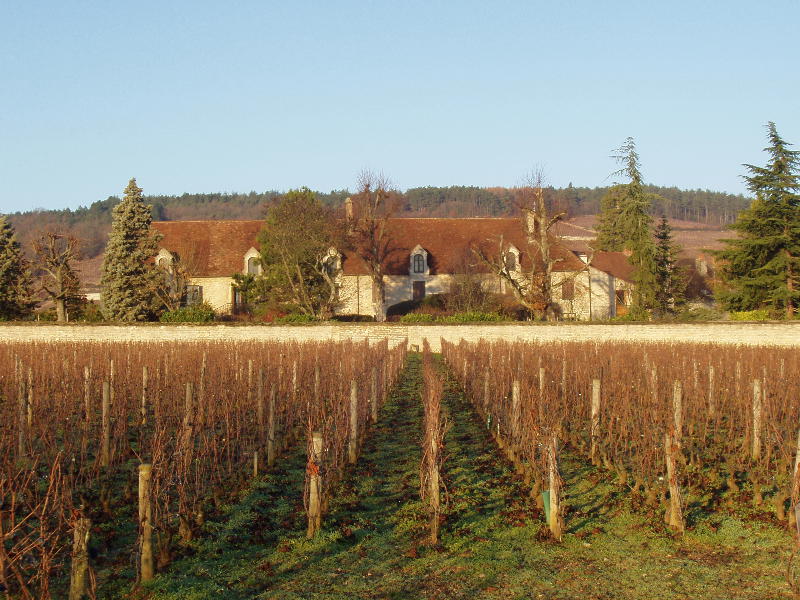
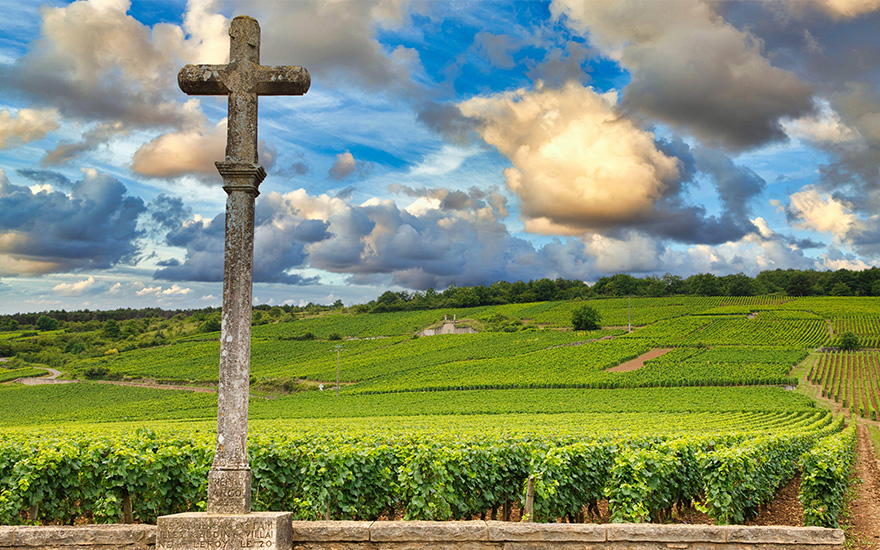
Arriving in Chambolle-Musigny along the narrow road that threads through the Côte de Nuits, the proportions shift almost immediately. The village is compact, its stone buildings pressed close to the lanes, and the vineyards begin almost at the doorstep. This is not a backdrop for dining; it is the operating environment. Restaurants in Chambolle-Musigny exist in a context that most kitchens elsewhere can only reference on a menu. The terroir that produces Musigny and Bonnes-Mares grand crus lies within walking distance of where guests sit down to eat, and that proximity shapes what kitchens here are expected to do with their sourcing.
Le Millésime, at 1 Rue Traversière, sits inside this geography. The address alone positions it within a village whose name carries global recognition in wine circles, and where the expectations around provenance and produce run deeper than in most French provincial towns. Le Millésime has a Michelin Plate in both 2024 and 2025, confirming a dependable standard of regional cooking.
What Grows Here, What Arrives on the Plate
Burgundy's culinary tradition is inseparable from its agricultural specificity. The same logic of terroir that governs the vineyards extends to the market gardens, dairy farms, and livestock operations of the Côte-d'Or. Charolais beef from the western edge of the region, Bresse poultry from just south, mustard from Dijon, blackcurrants for the crème de cassis that anchors a Kir: the ingredients native to this corridor of France are not marketing talking points. They are the product of centuries of selective cultivation in a landscape with a particular climate and soil profile.
Modern cuisine in this setting tends to work with that inheritance rather than against it. The category label the venue carries, modern cuisine, signals a kitchen operating in a contemporary idiom while remaining anchored to French technique and regional produce. At the €€ price point, this means guests are not paying for elaborate ceremony or multi-course tasting architecture. They are paying for a focused, well-sourced plate in a setting where the raw materials available to any kitchen in the village are, by definition, among the most carefully monitored agricultural products in France. Appellation logic extends from the glass to the kitchen garden in ways that do not apply in most other dining contexts.
This places Le Millésime in a comparable set that includes other village-scale producers-to-table restaurants across Burgundy, a format distinct from the grand regional houses you find in Beaune or Dijon, and equally distinct from the internationally scaled fine dining of Paris. For broader context on how France's modern kitchen registers compare across regions, venues like Mirazur in Menton, Flocons de Sel in Megève, and Bras in Laguiole each illustrate how deep produce sourcing shapes restaurant identity in different French terroir zones. In Burgundy, the framework is well established: what comes from the land immediately surrounding the village carries the most weight.
The Michelin Plate in Context
The Michelin Plate, awarded consistently to Le Millésime in both 2024 and 2025, functions as a quality signal rather than a distinction of spectacle. The guide defines it as recognition of good cooking: fresh ingredients, careful preparation, good flavour. It does not imply the elevation of a starred table, but it does draw a clear line between this kitchen and the many undistinguished options along any tourist route. In a village as small as Chambolle-Musigny, where dining options are limited and the visitor profile skews toward wine-literate travellers with high expectations, that consistency matters.
The 4.7 rating across 669 Google reviews reinforces the picture. A volume of 629 reviews for a restaurant in a village of this size suggests meaningful visitor traffic, likely driven by wine tourists moving through the Côte de Nuits, and the score points to a kitchen and service operation that holds up under that pressure. These are not the ratings of a venue coasting on location alone.
For reference, other French kitchens carrying Michelin recognition in very different formats and price brackets include Alléno Paris au Pavillon Ledoyen, Assiette Champenoise in Reims, and Auberge de l'Ill in Illhaeusern. Each operates in a distinct regional and price context. Le Millésime belongs to none of those brackets; it operates at the accessible end of the price spectrum in what is, by any measure, one of the most prestigious wine addresses in the world.
Planning a Visit to Chambolle-Musigny
The village is most naturally approached as part of a Côte de Nuits itinerary. The Route des Grands Crus runs directly through this section of Burgundy, and Chambolle-Musigny sits between Gevrey-Chambertin to the north and Vougeot to the south. Visitors arriving by car from Dijon cover roughly 15 kilometres. The village itself has few dining options, which means Le Millésime operates without much direct local competition, though the broader hospitality infrastructure of Beaune, 25 kilometres to the south, provides an alternative base for those wanting more choice in accommodation or dining.
At the €€ price point, the restaurant is accessible without advance financial planning in the way that a starred tasting menu would require. Given the review volume and the tourist profile of the Côte de Nuits during the summer and harvest seasons, booking ahead is advisable, particularly between June and October when wine tourism peaks across Burgundy. The restaurant's address at 1 Rue Traversière places it within the village core, walkable from most accommodation in the immediate area.
For a complete picture of dining, drinking, and staying in the village and surrounding region, see our full Chambolle-Musigny restaurants guide, our full Chambolle-Musigny hotels guide, our full Chambolle-Musigny wineries guide, our full Chambolle-Musigny bars guide, and our full Chambolle-Musigny experiences guide. For context on modern cuisine operating at the highest international tier, Frantzén in Stockholm and FZN by Björn Frantzén in Dubai illustrate how the category performs in very different contexts. Regional French comparisons outside Burgundy include Auberge du Vieux Puits in Fontjoncouse, Au Crocodile in Strasbourg, AM par Alexandre Mazzia in Marseille, Troisgros in Ouches, and Paul Bocuse in Collonges-au-Mont-d'Or.
In Context: Similar Options
Comparable venues nearby, for context on price, style, and recognition.
| Venue | Cuisine | Price | Awards | Notes |
|---|---|---|---|---|
| Le MillésimeThis venue — the venue you are viewing | Modern French Burgundian | $$$$ | Michelin Plate | |
| Ermitage de Corton | Modern French Fine Dining | $$$$ | Michelin Plate | Chorey-lès-Beaune |
| L'Expression | Modern French Wood-Fired Bistro | $$$$ | Michelin Plate | centre-ville |
| Le Relais de Saulx | Modern French Bistro | $$$$ | Michelin Plate | Beaune town centre |
| Le Relais d'Ozenay | Modern French Gastronomic | $$$$ | Michelin Plate | Ozenay |
| Michel Béjeannin - Auberge de Chavannes | French Gastronomic with Jura and Mediterranean Influences | $$$$ | Michelin Plate | Courlans |
Continue exploring
More in Chambolle-Musigny
Restaurants in Chambolle-Musigny
Browse all →
Bars in Chambolle-Musigny
Browse all →
Hotels in Chambolle-Musigny
Browse all →
At a Glance
- Elegant
- Modern
- Sophisticated
- Intimate
- Date Night
- Special Occasion
- Business Dinner
- Wine Cellar
- Extensive Wine List
- Sommelier Led
- Local Sourcing
- Vineyard
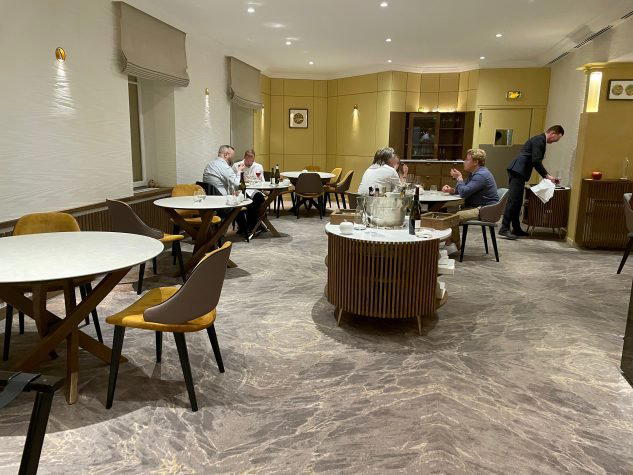
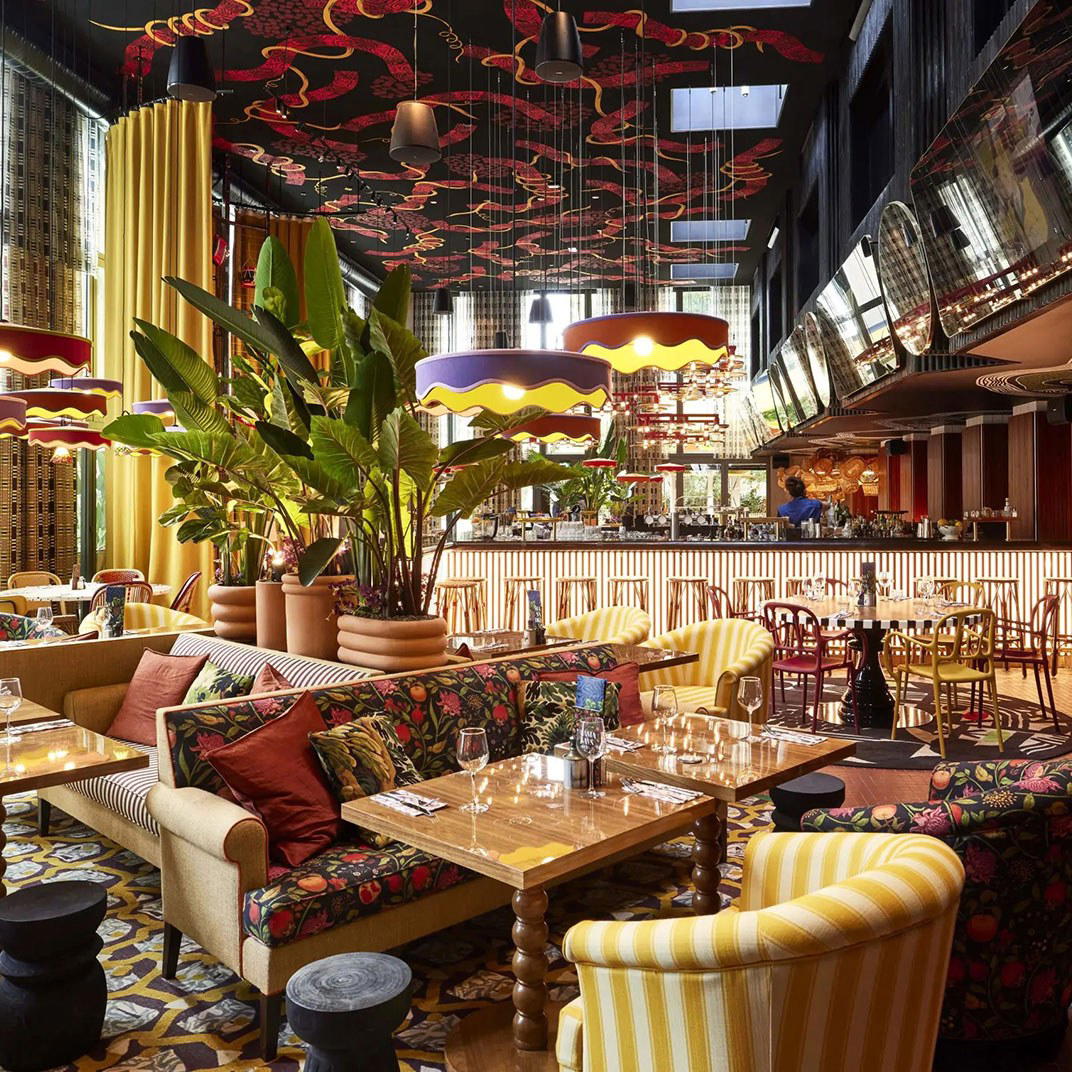
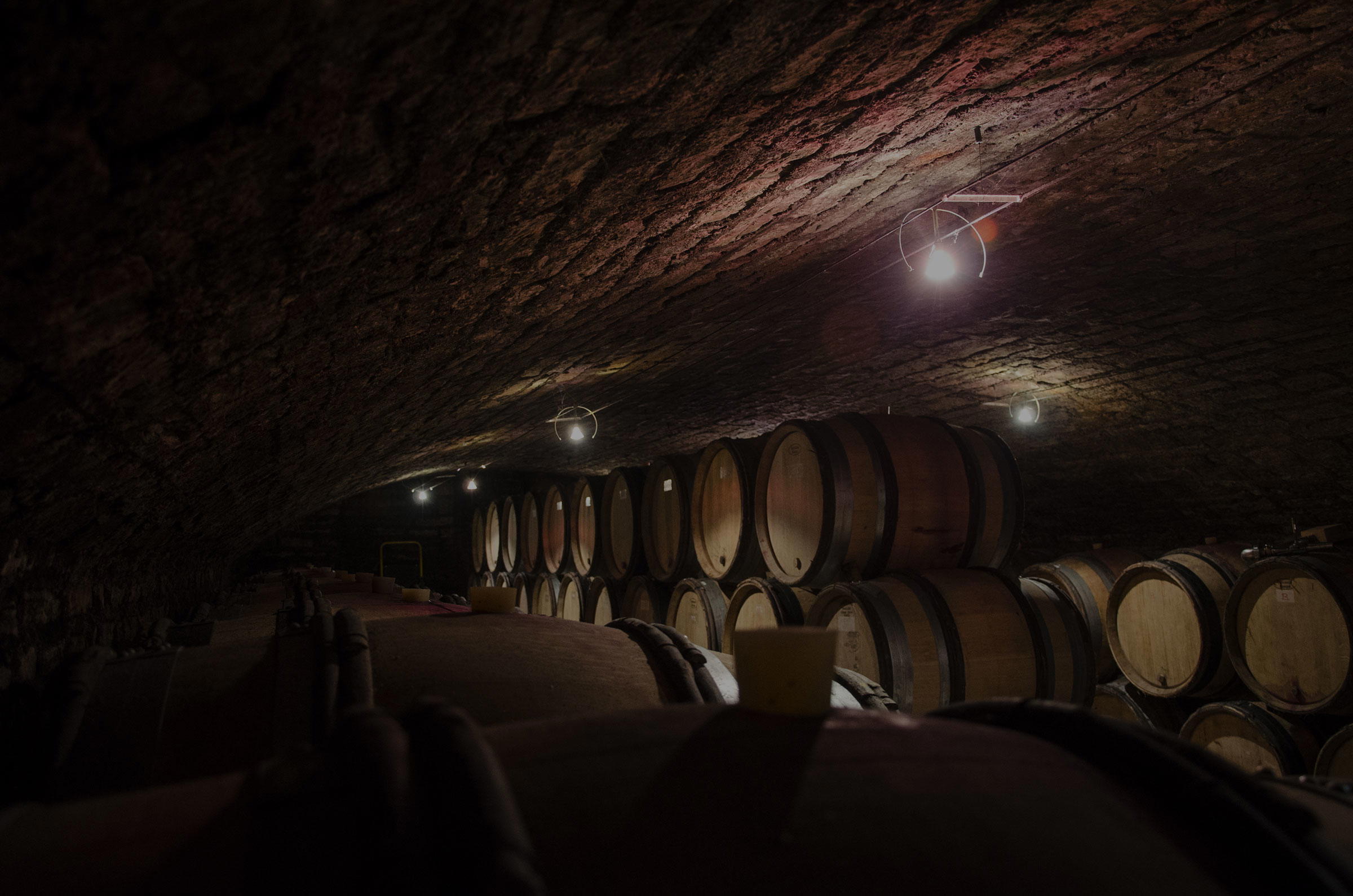
Modern, bright, and spacious with clean lines, well-spaced tables, and a luminous glassed wine cellar creating an elegant and refined atmosphere.