
On Rue de Richelieu in the 2nd arrondissement, Le Mesturet holds its ground as a traditional Parisian bistro operating under chef Alain Fontaine, who is affiliated with the 'Bon pour le climat' initiative. The menu balances classic bistro cooking with seasonal vegetable dishes sourced from local growers. For a celebratory lunch or an unhurried dinner rooted in the rhythms of old Paris, it reads as a considered choice.
Pearl is the En Primeur Club membership app — saves, bookings, and concierge access live there. Same editors, same standards.
- Address
- 77 Rue de Richelieu, 75002 Paris, France
- Phone
- +33 1 42 97 40 68
- Website
- lemesturet.com
- Directions
- Get directions
 Saves & bookings on Pearl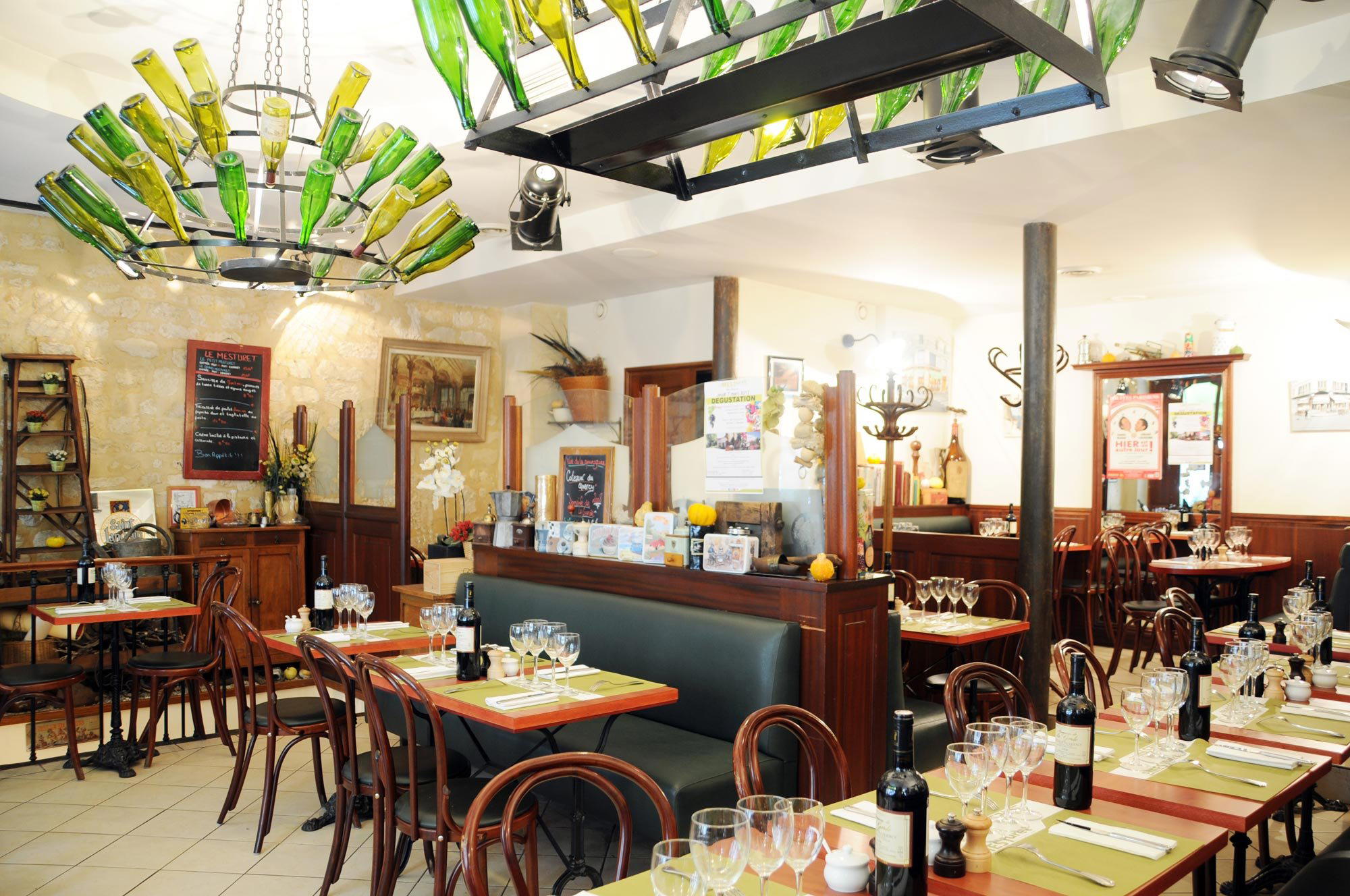
Where the 2nd Arrondissement Keeps Its Everyday Ceremonies
There is a particular kind of restaurant that Paris has always needed and never quite stopped producing: the neighbourhood bistro that operates with enough seriousness to anchor a celebration, yet carries none of the ceremony that makes a dinner feel like an audition. The 2nd arrondissement, long defined by the press galleries of the Bibliothèque nationale and the finance offices clustered around the Bourse, has historically produced exactly this type of room. Le Mesturet, at 77 Rue de Richelieu, sits inside that tradition. The street itself is one of those mid-arrondissement corridors that feels neither touristic nor aggressively residential, which means the room draws a genuinely mixed clientele: professionals marking a contract signing, couples choosing something better than their usual, families visiting from the provinces for whom a proper Parisian bistro still means something.
The Bistro Format as Occasion Setting
Paris has two competing ideas about where to mark an occasion. One school reaches immediately for the white-tablecloth tier: the Michelin-starred rooms, the grand hotel dining rooms, the kind of addresses found on the same shortlist as L'Ambroisie, Le Cinq at the Four Seasons George V, or Alléno Paris au Pavillon Ledoyen. The other school, older and in many ways more Parisian, insists that the right bistro, executed with discipline, is the more honest setting for a meal that matters. Le Mesturet belongs to the second school.
What defines that second-school experience is a kind of deliberate restraint in the physical environment combined with rigour in the plate. The bistro format, at its most coherent, asks diners to pay attention to the food rather than the architecture. It asks for conversation, not performance. For a birthday lunch, a reunion dinner, or a meal that caps a week of travel, that contract is often the more satisfying one.
Alain Fontaine and the 'Bon pour le Climat' Commitment
Parisian bistros have spent the past decade negotiating a genuine tension between tradition and ecological accountability. The old canon, heavy on offal, long-braised meats, and the seasonal rhythms of French rural supply chains, was in some respects already well-positioned for sustainability. But the newer wave of commitment goes further. Chef Alain Fontaine, who runs Le Mesturet, holds affiliation with the 'Bon pour le Climat' initiative, a French programme that asks member restaurants to reduce their carbon footprint through sourcing, supply chain decisions, and menu construction.
In practice, this has shaped the menu's structure. Alongside the traditional bistro cooking that defines the room's identity, Fontaine proposes vegetable dishes built around seasonal produce sourced from local growers. This is not a restaurant that has converted to a plant-forward model or abandoned the classic bistro register; it is one that has expanded what that register can contain. For diners planning an occasion meal in 2024 or 2025, that dual commitment, to tradition and to sourcing integrity, places the restaurant in a coherent position relative to the broader shift in how Parisian restaurants are expected to account for their supply chains. Comparable moves toward climate-conscious sourcing can be found at properties across the French regions, from Bras in Laguiole to Flocons de Sel in Megève, though the contexts differ significantly from a city bistro.
Reading the Room: Le Mesturet in Its Competitive Set
The 2nd arrondissement sits at a remove from the more heavily trafficked restaurant corridors of the Marais or Saint-Germain. That matters when choosing a room for a milestone meal: the neighbourhood operates at a slightly lower temperature than those areas, which typically means more space between tables, easier reservations, and a clientele that is eating rather than being seen eating. For diners comparing options, the contrast with Michelin-calibre addresses such as Kei or Arpège is not a question of which is better in the abstract; it is a question of what the occasion calls for.
A significant anniversary or a Michelin-chase dinner should probably look further into the starred tier. A genuine Parisian bistro experience that carries sufficient quality to mark something real, without the formality and pricing architecture of the grand rooms, places the restaurant in clear view. The room also sits at a different register from contemporary French operations influenced by international technique, such as Kei, whose Franco-Japanese approach appeals to a specific kind of occasion diner. The restaurant's value is in its Frenchness: sourced, seasonal, and grounded in a culinary tradition that predates most of the rooms that have tried to reinvent it.
For those arriving from outside France and comparing the Paris bistro experience against other French regional anchors, the tradition at the restaurant shares a lineage with places like Auberge de l'Ill in Illhaeusern or Troisgros in Ouches, though the scale, ambition, and context are entirely distinct. The Parisian bistro is its own form, not a lesser version of the grand provincial table.
Planning Your Visit
The restaurant is located at 77 Rue de Richelieu in the 2nd arrondissement, within walking distance of the Bibliothèque nationale de France Richelieu and the Bourse district. The address places it conveniently for pre- or post-theatre dining given the proximity to several theatres along the grands boulevards. For occasion dining, midweek lunches at a room of this type typically carry less pressure on pacing than weekend evenings, when neighbourhood bistros in Paris tend to fill quickly and turn tables faster.
For those comparing bistro-level Paris options against internationally minded French cooking in other cities, it is worth noting that the bistro format has its own rules, quite separate from what one finds at a room like Le Bernardin in New York or even Paul Bocuse's Auberge du Pont de Collonges outside Lyon.
Where It Fits
Comparable venues nearby, for context on price, style, and recognition.
| Venue | Cuisine | Price | Notes |
|---|---|---|---|
| Le MesturetThis venue — the venue you are viewing | Traditional French Bistro | $$ | Not listed |
| Juveniles | Seasonal French Bistro | $$ | Louvre / Palais-Royal |
| Les Résistants | Modern French Farm-to-Table | $$ | 10th Arrondissement (Château d'Eau) |
| Glou | Modern French Bistro | $$ | Le Marais |
| Café Delmas | Classic French Brasserie | $$ | Quartier Latin |
| Chez Léon | Traditional French Bistro | $$ | Madeleine |
Recognition history
Dated appearances from independent guides and award organizations, with the underlying list record or original source where available.
We're Smart World 1 Radish
We're Smart World
Continue exploring
More in Paris
Restaurants in Paris
Browse all →
Bars in Paris
Browse all →
Hotels in Paris
Browse all →

At a Glance
- Classic
- Cozy
- Lively
- Group Dining
- Casual Hangout
- Family
- Historic Building
- Extensive Wine List
Current opening hours
- Monday
- 11:30 AM–11 PM
- Tuesday
- 11:30 AM–11 PM
- Wednesday
- 11:30 AM–11 PM
- Thursday
- 11:30 AM–11 PM
- Friday
- 11:30 AM–11 PM
- Saturday
- 11:30 AM–11 PM
- Sunday
- 11:30 AM–11 PM
Hours can change for holidays and private events. Last verified .
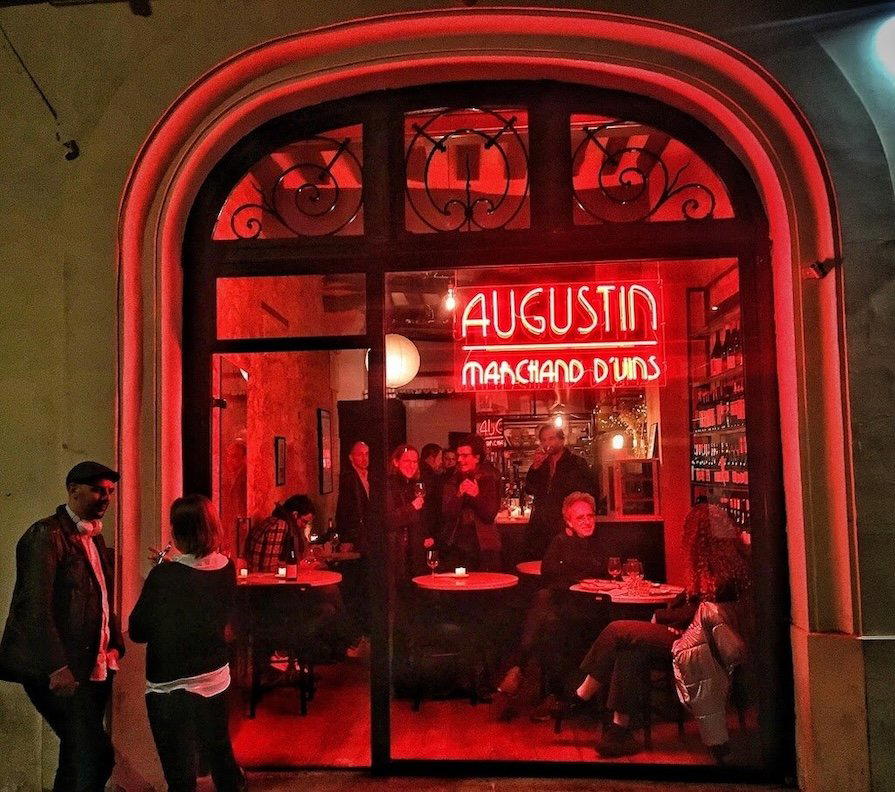
Cozy old Paris style with warm lighting, vintage decor, and inviting bistro atmosphere.