

Michelin Plate
Our verdict
On the Rue de Montmorency in the 3rd arrondissement, Le Mazenay operates at the intersection of French regional sourcing and considered technique. Chef Denis Groison holds a Michelin Plate and an Opinionated About Dining Casual Europe recognition for 2025, placing the restaurant in a small tier of mid-price Paris addresses where produce quality and kitchen discipline carry more weight than formal ceremony.

Pearl is the En Primeur Club membership app — saves, bookings, and concierge access live there. Same editors, same standards.
- Address
- 46 Rue de Montmorency, 75003 Paris, France
- Phone
- +33 6 42 83 79 52
- Hours
- Mon–Wed 12:15–2 PM, 7:15–10:30 PMThu 12:15–2 PM, 7–10:30 PMFri 12:15–2 PMSat–Sun Closed
- Website
- lemazenay.com
- Directions
- Get directions
- Booking
- Book on the venue's website
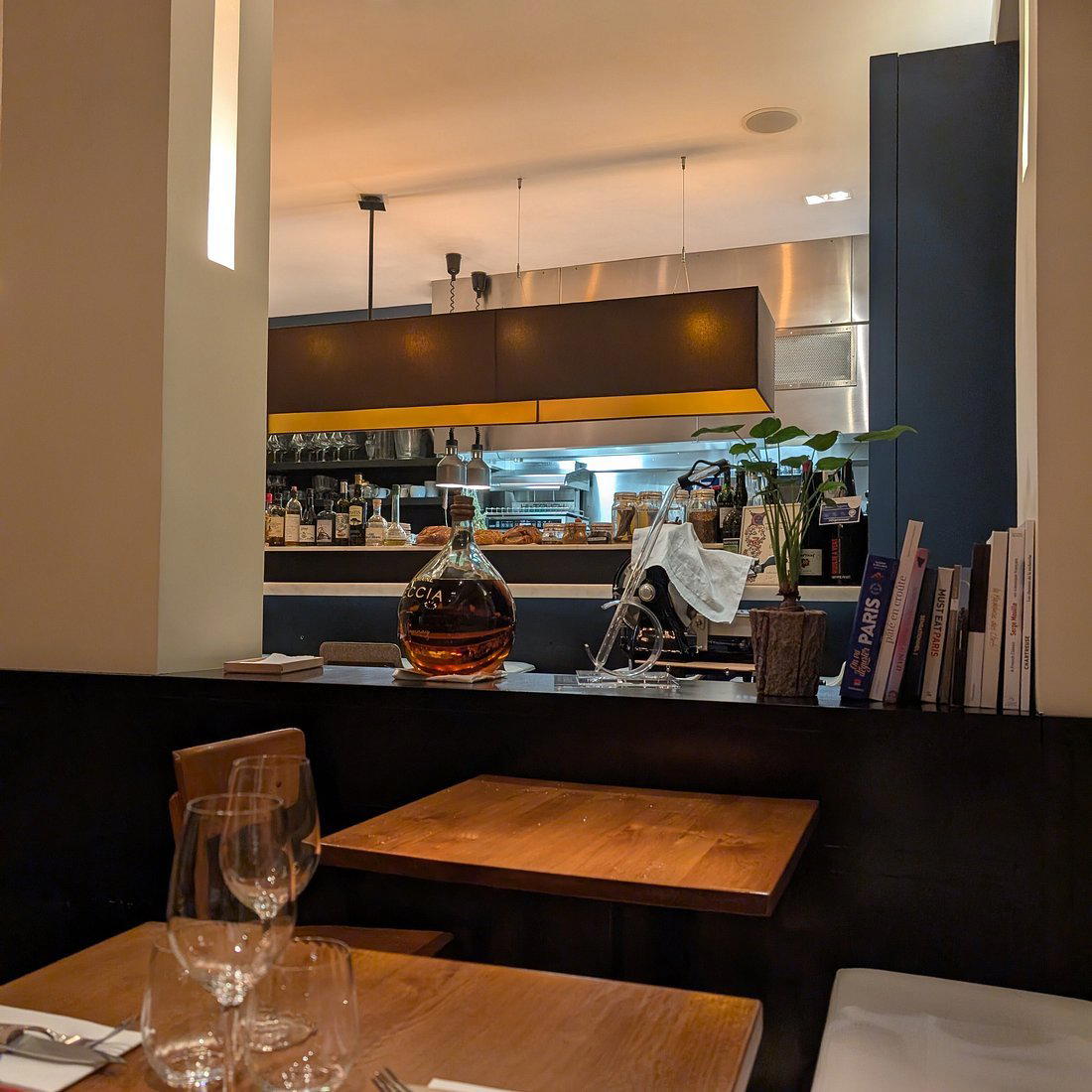
Farm Cooking in the Marais: Where Sourcing Meets Craft
Paris has always maintained two parallel dining traditions: the grand table built around classical brigade technique, and the smaller, producer-driven room where the supply chain is the argument. That second category has grown considerably since the early 2010s, shaped by a generation of cooks who trained in formal kitchens — some at addresses like Flocons de Sel in Megève, Mirazur in Menton, or the older lineages stretching back through Troisgros in Ouches and Bras in Laguiole — then redirected that technical vocabulary toward ingredient-first formats at accessible price points. Le Mazenay, at 46 Rue de Montmorency in the 3rd arrondissement, sits inside this pattern.
The address itself carries some historical weight. The Rue de Montmorency is one of the oldest streets in Paris, and the 3rd arrondissement has evolved from a district of trade and craft into one of the city's more considered dining neighbourhoods, home to a concentration of rooms that operate without the theatrical apparatus of the grand brasserie or the tasting-menu formality of the higher Michelin tiers. In this context, Le Mazenay occupies a particular niche: farm-to-table at the €€ price range, with enough critical recognition to place it above the casual bistro tier.
The Case for Produce-Led Cooking in a Technique-Heavy City
The tension in Paris between classical French technique and ingredient-forward simplicity is older than the bistronomie movement of the 1990s, but it sharpened considerably after chefs began returning from seasons in Scandinavian kitchens, from Basque cider-house traditions, and from the natural wine rooms of Lyon. What the farm-to-table format demands, in its more disciplined expressions, is not the abandonment of technique but its subordination to the calendar and the supplier. A cook trained in classical French method who commits to seasonal sourcing is working harder in some respects than one who can rely on year-round commodity supply, because the menu must move with the produce rather than the other way around.
Le Mazenay, under chef Denis Groison, operates within this model. The restaurant holds a Michelin Plate for both 2024 and 2025, a designation that signals consistent kitchen quality without the full star apparatus, and it earned recognition in the Opinionated About Dining Casual in Europe list for 2025. OAD's casual category has become a meaningful reference point for exactly this tier: restaurants where the cooking is serious, the sourcing is considered, and the price point keeps the room accessible rather than occasion-only. In the broader Paris context, where €€€€ creative addresses like Alléno Paris au Pavillon Ledoyen occupy a different competitive set entirely, Le Mazenay represents the more democratised end of serious French cooking.
For comparison within the European farm-to-table category, addresses like BOK Restaurant in Münster and Clostermanns Le Gourmet in Niederkassel operate along similar structural lines: regional producers, technique-informed preparation, and a format that foregrounds the supply chain as the primary editorial statement of the kitchen.
Technique as Context, Ingredient as Argument
The editorial angle that defines farm-to-table at its most coherent is not rusticity but precision applied to local material. The farms and market gardens within reach of Paris, in the Île-de-France, the Loire Valley, Normandy, and Brittany, supply produce of considerable quality, and a kitchen that knows how to work with that supply chain rather than against it can produce food that reads simultaneously as French and seasonal. This is distinct from the approach at addresses with longer classical pedigrees: Auberge de l'Ill in Illhaeusern or Paul Bocuse in Collonges-au-Mont-d'Or carry institutional weight built over generations; a room like Le Mazenay earns its position through what lands on the plate this season, not what the house has accumulated over decades.
The Marais neighbourhood brings its own context. The 3rd and 4th arrondissements now carry a dense concentration of rooms at different price registers, from the neo-bistro tier where Capitaine and Simone, Le Resto operate, to the market-focused addresses gathering around the covered market streets, to the more internationally visible rooms that have moved into the area as rents and foot traffic have shifted since the mid-2010s. Within this neighbourhood grid, Le Mazenay's positioning at €€ with sustained critical recognition over two Michelin cycles reads as a stable signal in a neighbourhood that turns over quickly.
Situating Le Mazenay in the Mid-Price Paris Field
€€ farm-to-table tier in Paris is more crowded now than it was a decade ago, and the distinguishing factors have narrowed. The dual Michelin Plate across consecutive years, combined with OAD Casual Europe recognition, positions Le Mazenay in a small cohort of Paris addresses where the kitchen's intent is legible to guide infrastructure without having crossed into starred territory. For context, nearby addresses in the bistronomie-adjacent space, Beurre Noisette, Flocon, occupy overlapping terrain but with different stylistic emphases.
For a city whose dining identity is still shaped by the question of what French cooking means when stripped of formality and excess, rooms like Le Mazenay function as a useful test case. The answer they offer is not nostalgic, this is not country cooking transplanted to the city, but it is grounded: produce with a legible origin, cooked with the kind of attention that formal training makes possible, at a price that doesn't require the meal to be an event.
Know Before You Go
- Address: 46 Rue de Montmorency, 75003 Paris, France
- Cuisine: Farm to table
- Price range: €€
- Chef: Denis Groison
- Awards: Michelin Plate (2024, 2025); Opinionated About Dining Casual in Europe (2025)
- Neighbourhood: 3rd arrondissement (Le Marais)
Frequently asked questions
What's Le Mazenay known for in terms of accolades?
Le Mazenay has received recognition including: Opinionated About Dining Casual in Europe (2025); Michelin Plate (2025); Michelin Plate (2024).
What should I order at Le Mazenay?
Le Mazenay operates within a farm-to-table format under chef Denis Groison, so the most direct path into what the kitchen does well is to follow whatever reflects current market sourcing rather than anchoring to fixed signatures. The Michelin Plate recognition in both 2024 and 2025 points to consistent execution rather than one-off dishes, which means the seasonal menu rotation is the product. At the €€ price point in Paris's 3rd arrondissement, the value sits in courses built around producer relationships, so ask the floor what arrived that week.
What's the price range at Le Mazenay?
Pricing at Le Mazenay is listed as €€.
Where do I go for Le Mazenay?
Le Mazenay is located at 46 Rue de Montmorency, 75003 Paris, France, Paris.
What It’s Closest To
A quick snapshot of similar venues for side-by-side context.
| Venue | Cuisine | Price | Awards | Notes |
|---|---|---|---|---|
| Le MazenayThis venue — the venue you are viewing | French Bistro with Vietnamese Accents | $30–50 | Michelin Plate | Not listed |
| Alléno Paris au Pavillon Ledoyen | Modern French Fine Dining | $150–200 | 3 Michelin Stars · World's 50 Best #79 | Creative |
| Kei | Modern French with Japanese Influences | $300–500 | 3 Michelin Stars · World's 50 Best #93 | Contemporary French, Modern Cuisine |
| L'Ambroisie | Classic French Haute Cuisine | $300–500 | 2 Michelin Stars · World's 50 Best #23 | French, Classic Cuisine |
| Le Cinq - Four Seasons Hôtel George V | French, Modern Cuisine | Not listed | Michelin 3 Star | Not listed |
| Plénitude | Modern French Sauce-Led Fine Dining | $300–500 | 3 Michelin Stars · World's 50 Best #14 | Contemporary French |
Recognition history
Dated appearances from independent guides and award organizations, with the underlying list record or original source where available.
Michelin Plate
Michelin
Opinionated About Dining Casual in Europe Recommended
Opinionated About Dining
Full recognition history (5 entries)
Michelin Plate
Michelin
Opinionated About Dining Casual in Europe
Opinionated About Dining
Michelin Plate
Michelin
Continue exploring
More in Paris
Restaurants in Paris
Browse all →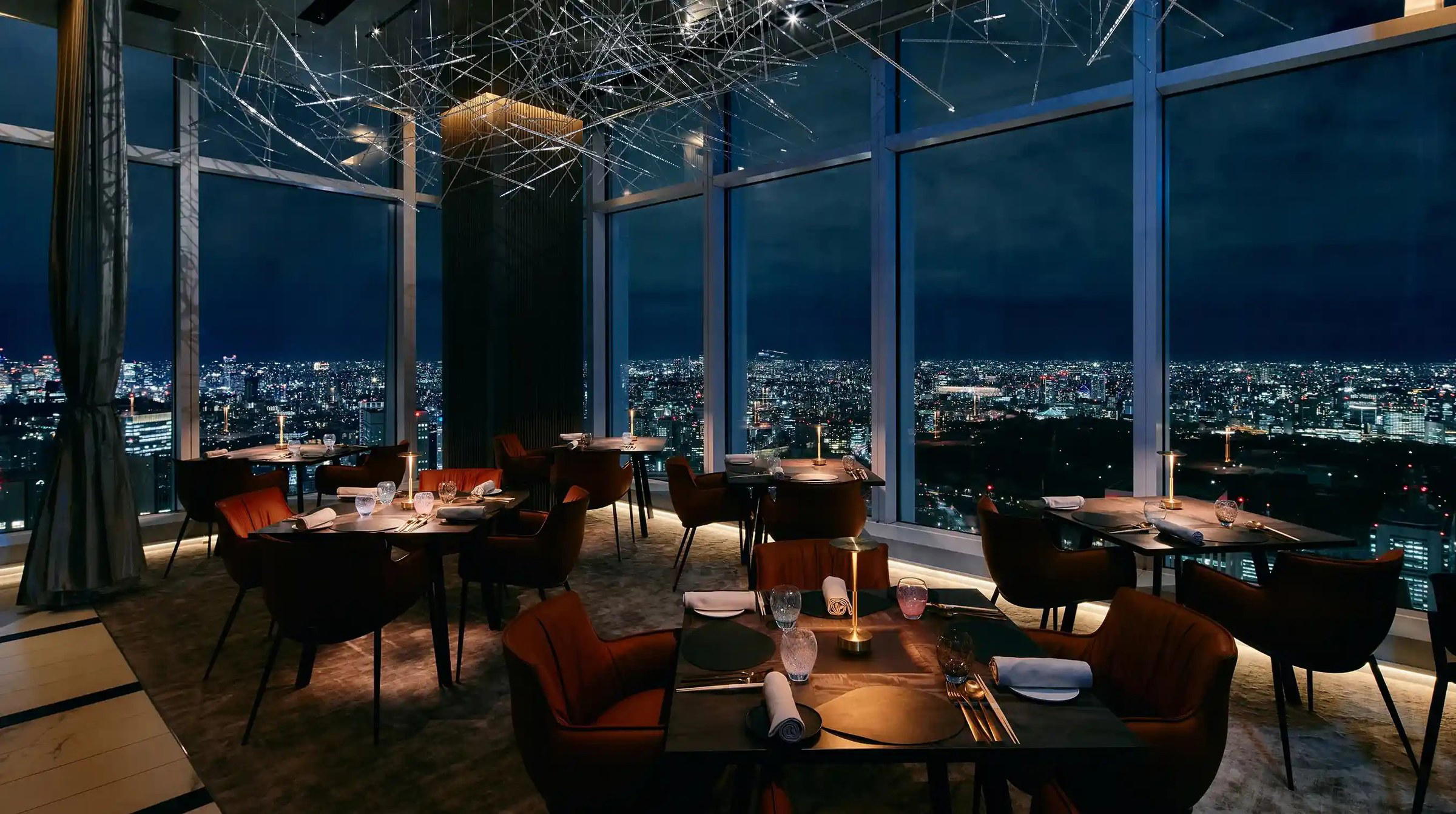
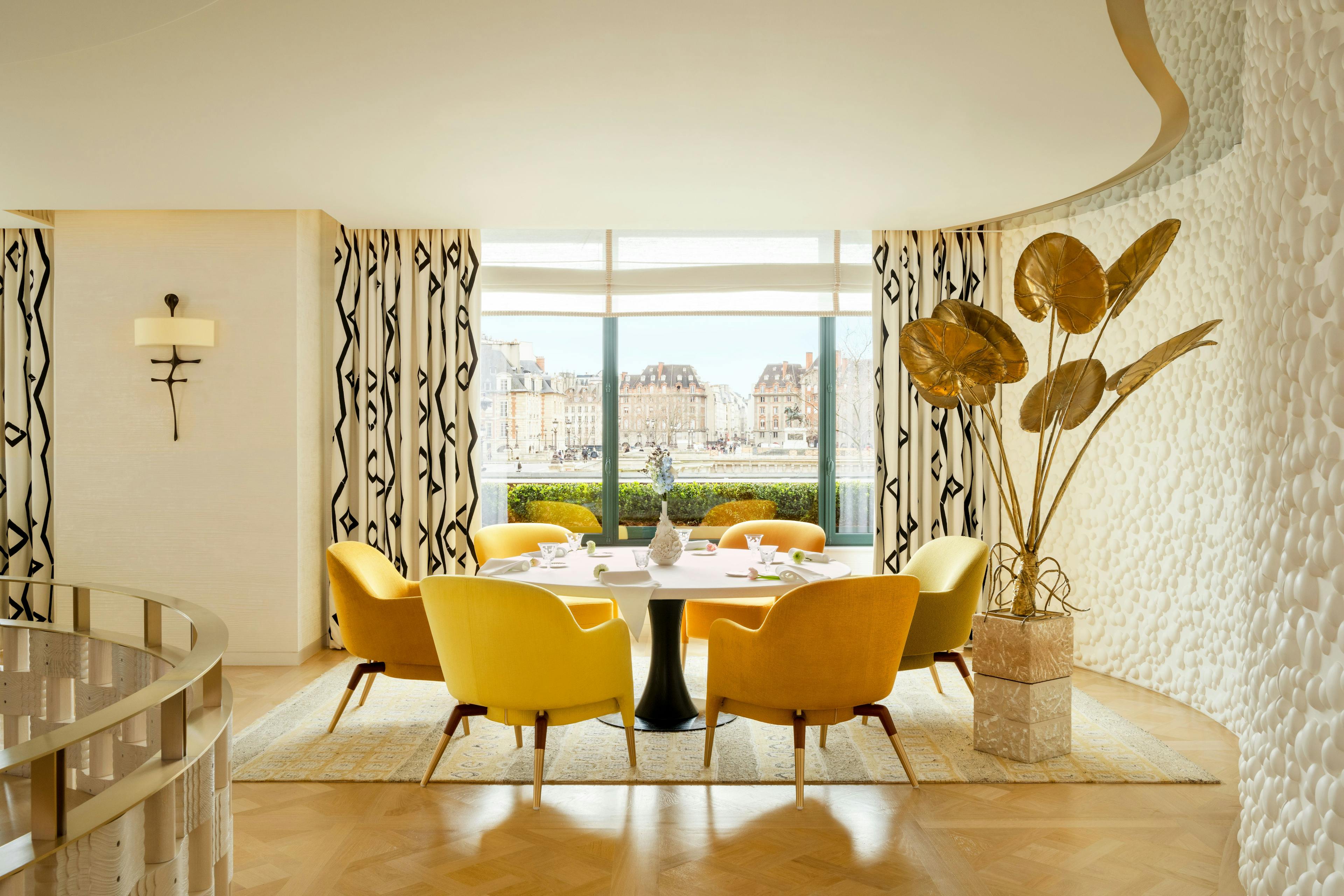
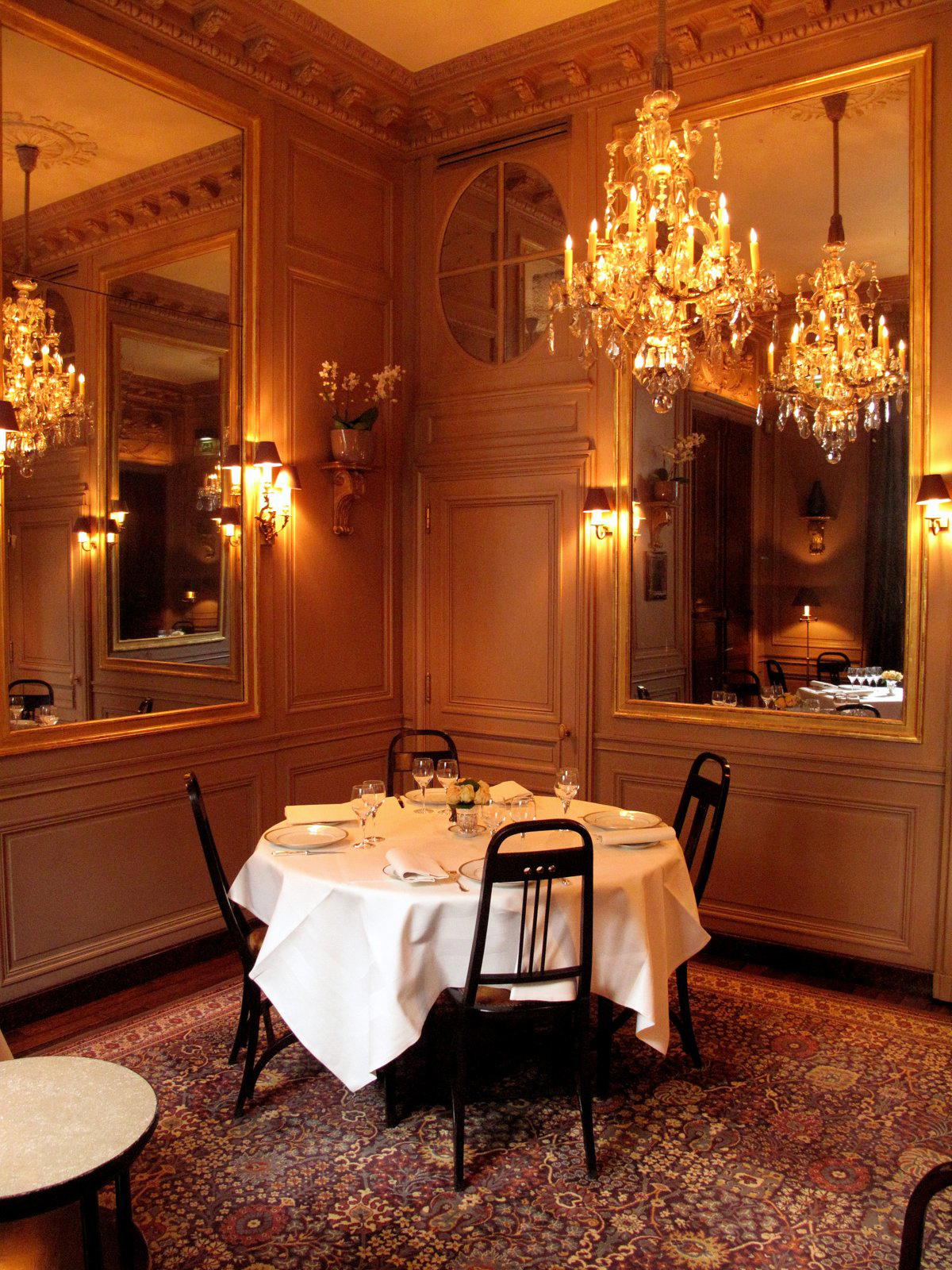
Bars in Paris
Browse all →
Hotels in Paris
Browse all →



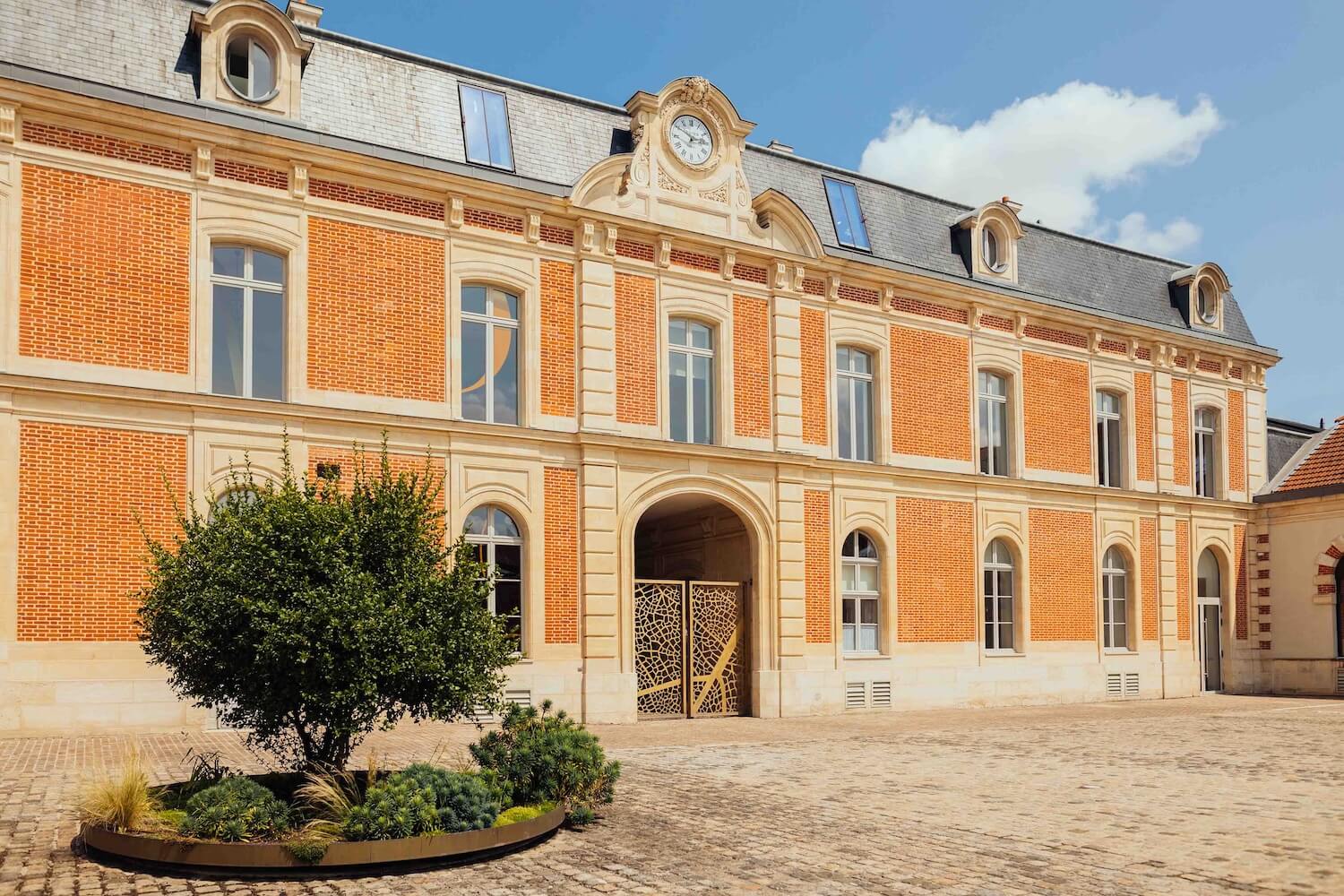
Le Mazenay
The wine
- Wine program
- Exceptional wine program
- Extensive wine list
Details
- Cozy
- Elegant
- Classic
- Intimate
- Date Night
- Business Dinner
- Casual Hangout
- Open Kitchen
- Extensive Wine List
- Local Sourcing
- Farm To Table
- A La Carte
- Wine
Current opening hours
- Monday
- 12:15–2 PM, 7:15–10:30 PM
- Tuesday
- 12:15–2 PM, 7:15–10:30 PM
- Wednesday
- 12:15–2 PM, 7:15–10:30 PM
- Thursday
- 12:15–2 PM, 7–10:30 PM
- Friday
- 12:15–2 PM
- Saturday
- Closed
- Sunday
- Closed
Hours can change for holidays and private events. Last verified .
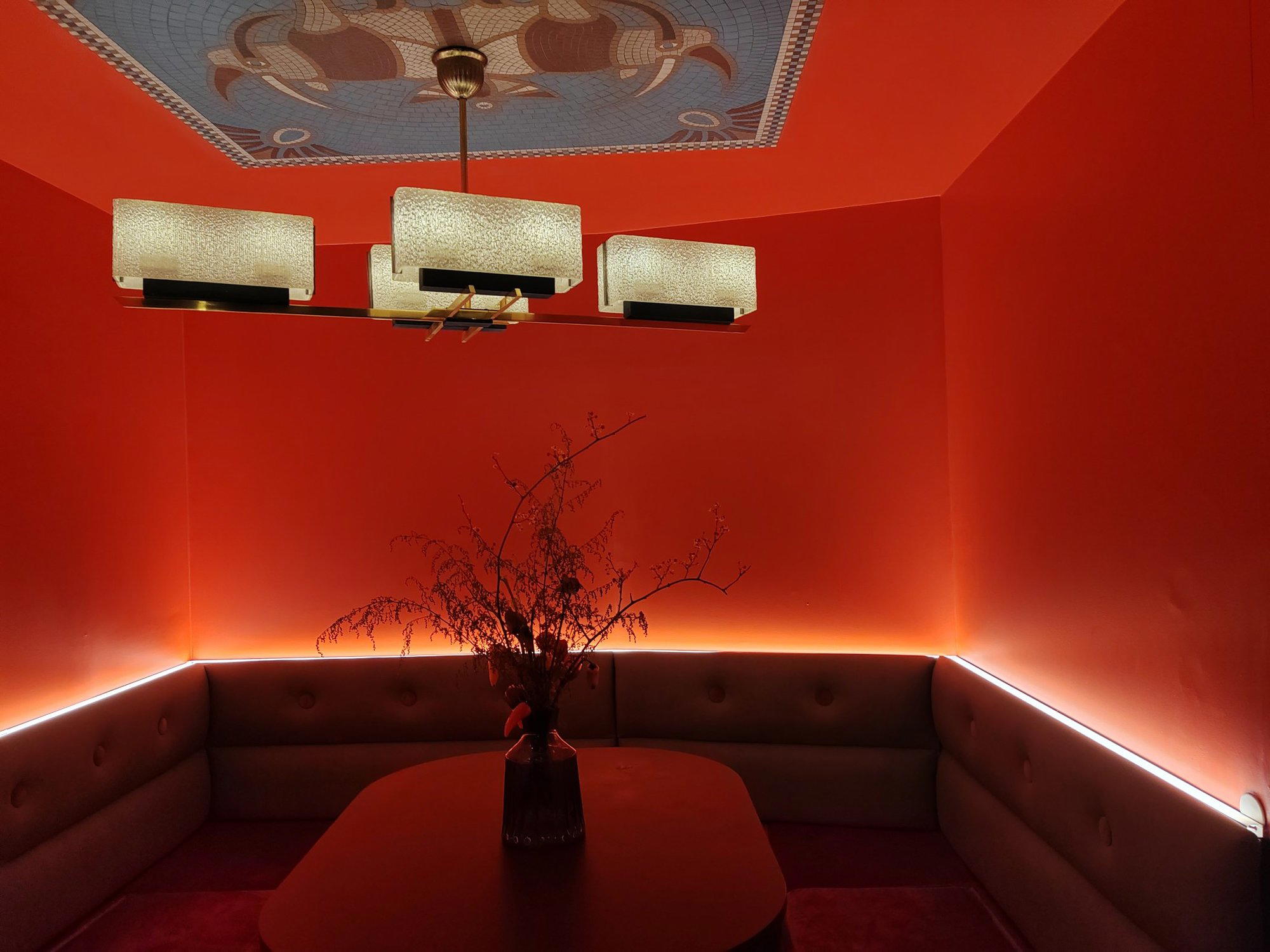
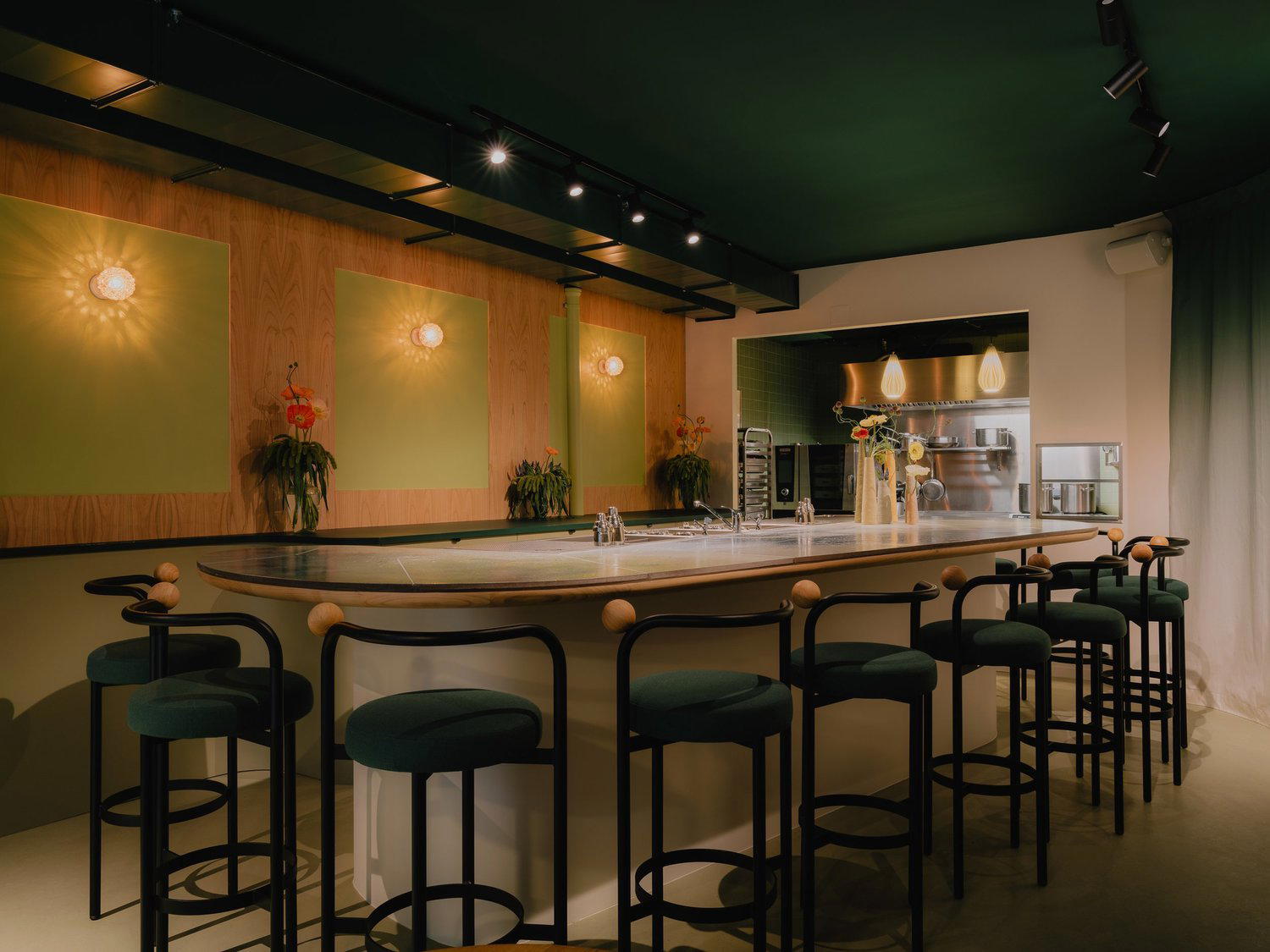
Simple elegant decor with mosaic tiling, designer chandelier, open kitchen, warm and convivial atmosphere evoking a traditional yet modern French bistro.