.png)
A Michelin Plate-recognised farm-to-table address in Cambo-les-Bains, Capitaine sits at the productive intersection of Basque Country produce and considered French technique. With a 4.7 Google rating across 438 reviews, it has built a following that extends well beyond the spa town's usual visitor circuit. At the €€€ price point, it occupies a credible middle tier between village bistro and destination dining.

Where the Basque Interior Eats
The farm-to-table movement has split into two recognisable camps across France. One has been absorbed by Paris's bistronomie scene, where the vocabulary of local sourcing now functions as branding shorthand on chalkboard menus from the 10th arrondissement to the 18th. The other has remained quietly serious in the regions, where the distance between field and plate is a practical reality rather than a marketing claim. Cambo-les-Bains belongs to the second camp. The Basque Country interior has long maintained a culinary culture built around proximity: Espelette peppers grown in visible quantity on village walls, sheep's milk cheeses produced within walking distance of the restaurants that serve them, and a tradition of cooking that treats the pyrenean foothills as both garden and larder.
Capitaine works within that tradition, and the Michelin Plate recognition it earned in 2024 places it inside a specific conversation about what farm-to-table cooking actually means when the farm is demonstrably nearby. A Michelin Plate signals good cooking without the three-star theatricality of addresses like Alléno Paris au Pavillon Ledoyen or the long-established rural grandeur of Auberge de l'Ill in Illhaeusern. It means the kitchen is doing something worth noticing, priced at €€€ rather than the €€€€ of Paris's creative tier.
The Evolution of a Regional Table
Farm-to-table restaurants in France's provincial towns have undergone a quiet but consistent transformation over the past decade. The format that once meant little more than a fixed menu of seasonal vegetables has matured, in the better addresses, into something more disciplined: closer relationships with named producers, a rotation that tracks the agricultural calendar with precision, and a willingness to let sourcing constrain creativity rather than merely decorate it. The difference between a restaurant that mentions local produce and one that structures its entire menu around what is available in a given week is observable on the plate.
Capitaine's 4.7 rating across 438 Google reviews suggests consistency over time rather than a single wave of enthusiasm. Restaurants that hold above 4.5 across more than 400 reviews in regional France tend to have earned it through return visits and word of mouth rather than a spike of social media attention. That trajectory is the clearest signal of a kitchen that has refined its approach rather than rested on an opening formula. For a point of comparison at the Michelin-recognised farm-to-table level elsewhere in Europe, Au Gré du Vent in Seneffe and BOK Restaurant in Münster show how the format has developed regional specificity across different national contexts.
Cambo-les-Bains and Its Dining Tier
Cambo-les-Bains is a spa town in the Pyrénées-Atlantiques department, better known historically as the final residence of Edmond Rostand than as a dining destination. That relative obscurity is part of what makes Michelin Plate recognition here meaningful: it points to a kitchen cooking seriously for a local and regional audience rather than positioning itself for destination tourism. The contrast with France's more visible farm-to-table houses is instructive. Bras in Laguiole built a destination around precisely this philosophy over decades, eventually earning three stars and becoming a reference point for vegetable-led French haute cuisine. Flocons de Sel in Megève occupies a similarly remote alpine setting with three-star standing. Capitaine operates at a different scale and ambition, but the underlying principle — that serious cooking belongs in the regions as much as in Paris — connects them.
At the €€€ price tier, Capitaine sits in a bracket that is becoming harder to sustain in French regional dining. Rising food costs have pressured mid-tier restaurants to either move down toward simpler brasserie formats or push up toward tasting-menu territory. Holding a Michelin Plate at €€€ in 2024 suggests the kitchen has found a working equation between produce quality and accessible pricing, a balance that is genuinely difficult in proximity-sourcing models where the premium ingredient costs fall entirely on the operator.
Reading the Basque Kitchen
The Basque Country brings a particular culinary logic to farm-to-table cooking that differs from, say, the Loire Valley or Provence approach. The cuisine here has always been product-forward by instinct rather than ideology: the region's indigenous ingredient culture, from the piment d'Espelette to the Ossau-Iraty cheese and the coastal fish landed at Saint-Jean-de-Luz, predates the contemporary farm-to-table movement by centuries. Restaurants working in this territory are building on an existing identity rather than constructing one from scratch. That gives the leading addresses a groundedness that more self-consciously seasonal kitchens in cities sometimes lack.
For readers who have followed farm-to-table cooking in Paris through addresses like Beurre Noisette, Flocon, Le Mazenay, or Simone, Le Resto, Capitaine represents a different point on the same spectrum: the regional source rather than the urban interpreter. The produce that Paris kitchens seek out and present as discovery is, in Cambo-les-Bains, simply what is available at the local market. That proximity changes what is possible on a plate and, arguably, what is necessary to say about it.
The broader French farm-to-table movement's highest points of reference , from Mirazur in Menton with its garden-to-table precision to Troisgros in Ouches with its supplier-named menus , demonstrate what regional sourcing looks like at its most considered. Paul Bocuse's Auberge du Pont de Collonges set an earlier benchmark for the idea that French regional cooking was itself the tradition worth preserving. Capitaine inherits that lineage at a more intimate, less institutionalised scale.
Planning Your Visit
- Location: Cambo-les-Bains, Pyrénées-Atlantiques, Basque Country, France
- Price range: €€€
- Recognition: Michelin Plate (2024)
- Google rating: 4.7 from 438 reviews
- Cuisine: Farm to table, Basque Country produce focus
- Timing: Autumn is the high-season for Basque produce: fresh peppers, mushrooms, and game overlap in October and November, making this a particularly productive moment to visit the region's kitchen tables
- Getting there: Cambo-les-Bains lies approximately 20 kilometres from Bayonne and its TGV connection to Paris Montparnasse. A car is practical for reaching the town from the coast or from Biarritz airport
Comparable Options
A small peer set for context; details vary by what’s recorded in our database.
| Venue | Cuisine | Price | Notes |
|---|---|---|---|
| Capitaine | Farm to table | €€€ | This venue |
| Alléno Paris au Pavillon Ledoyen | Creative | €€€€ | Creative, €€€€ |
| Kei | Contemporary French, Modern Cuisine | €€€€ | Contemporary French, Modern Cuisine, €€€€ |
| L'Ambroisie | French, Classic Cuisine | €€€€ | French, Classic Cuisine, €€€€ |
| Le Cinq - Four Seasons Hôtel George V | French, Modern Cuisine | €€€€ | French, Modern Cuisine, €€€€ |
| Plénitude | Contemporary French | €€€€ | Contemporary French, €€€€ |
Continue exploring
More in Paris
Restaurants in Paris
Browse all →Bars in Paris
Browse all →Hotels in Paris
Browse all →At a Glance
- Cozy
- Rustic
- Intimate
- Sophisticated
- Date Night
- Special Occasion
- Open Kitchen
- Natural Wine
- Sommelier Led
- Local Sourcing
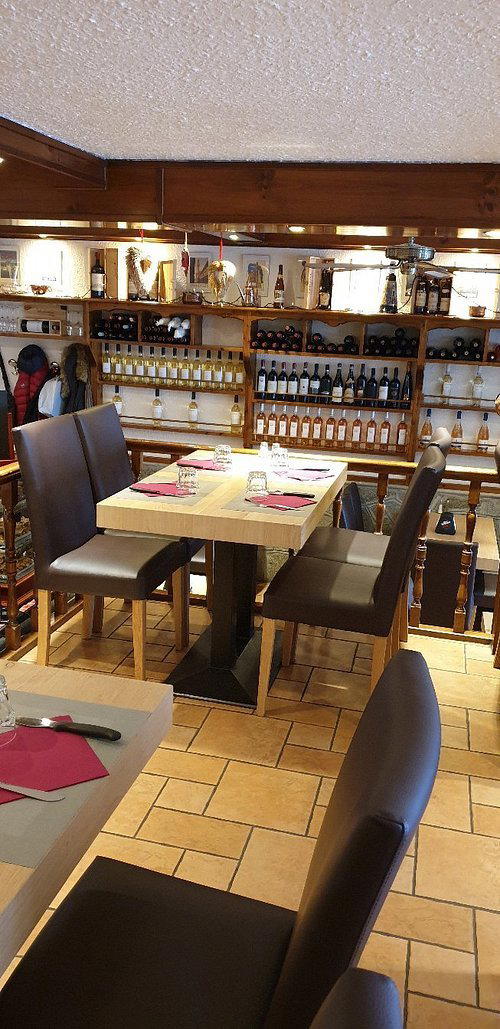
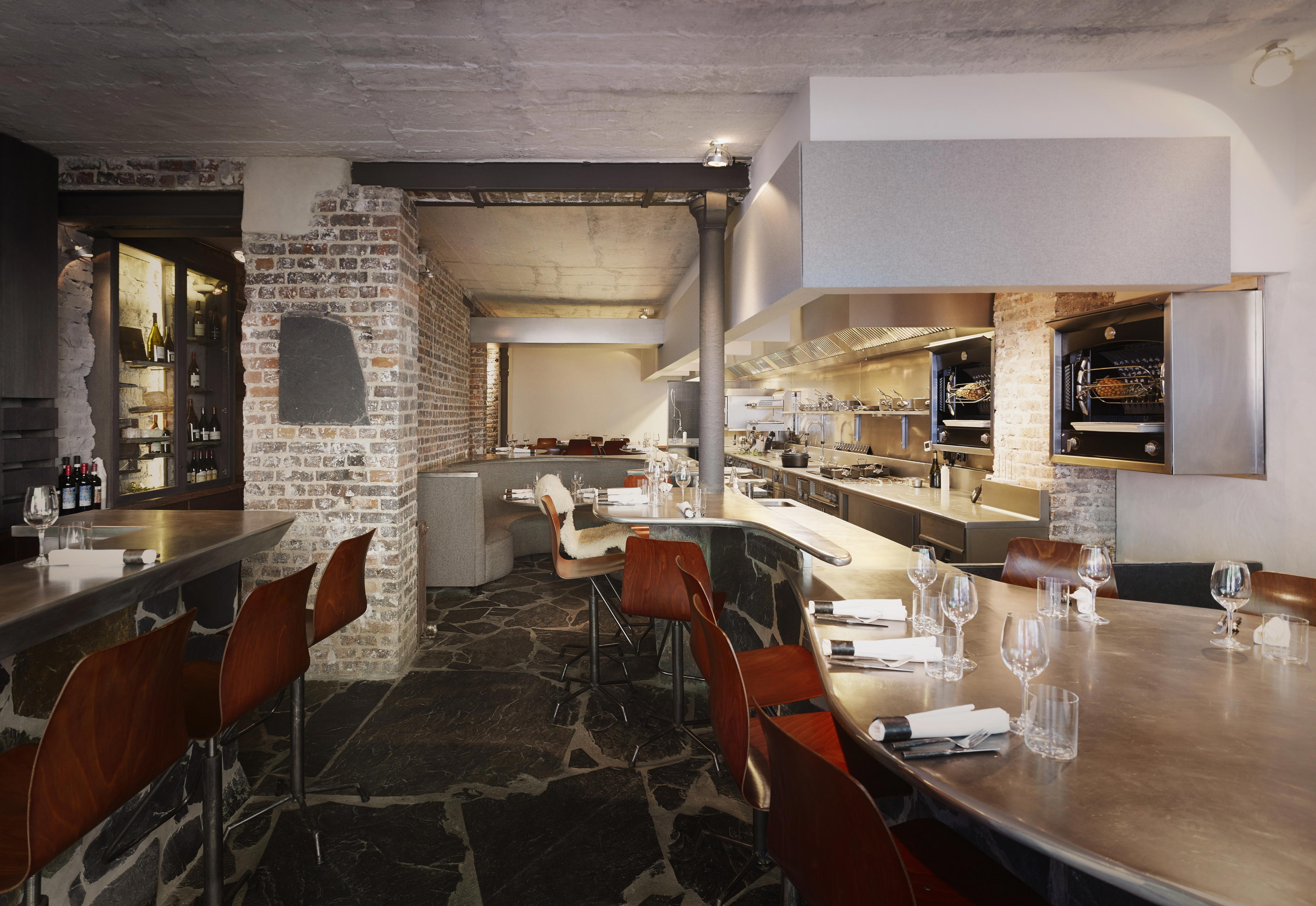
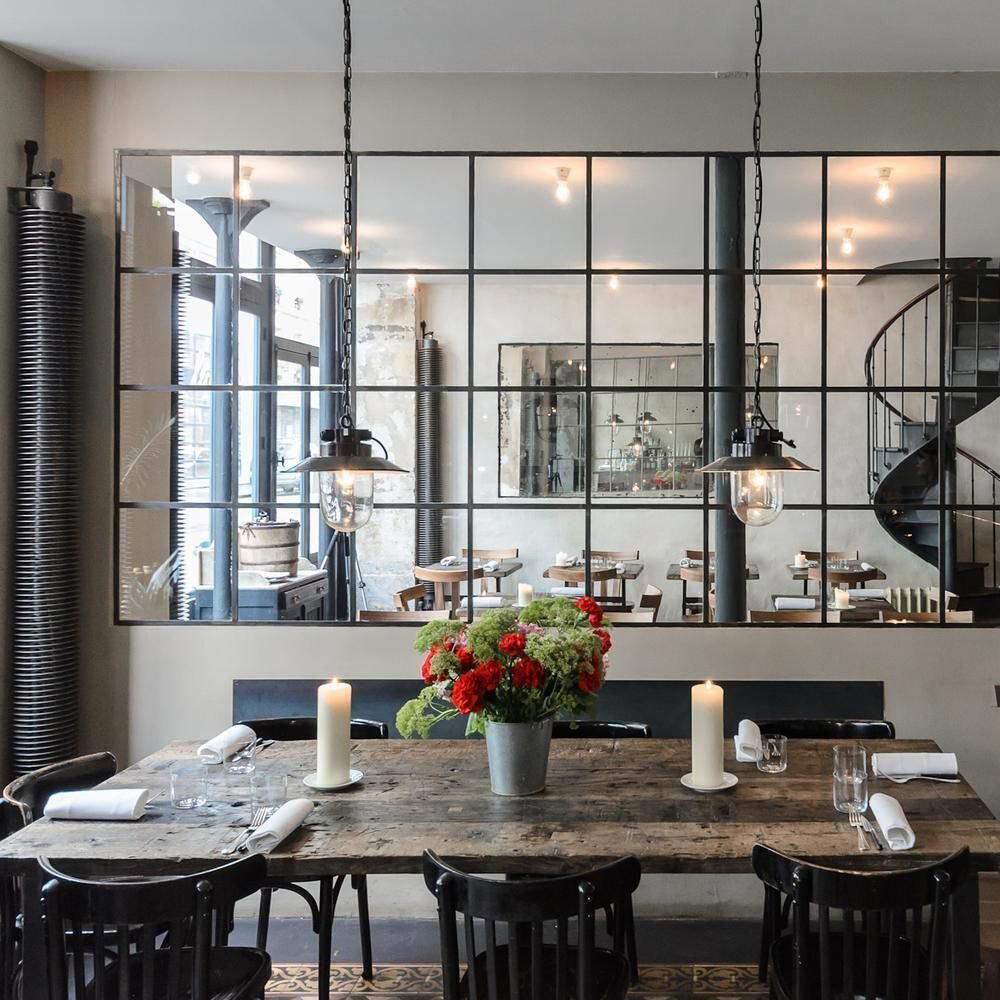
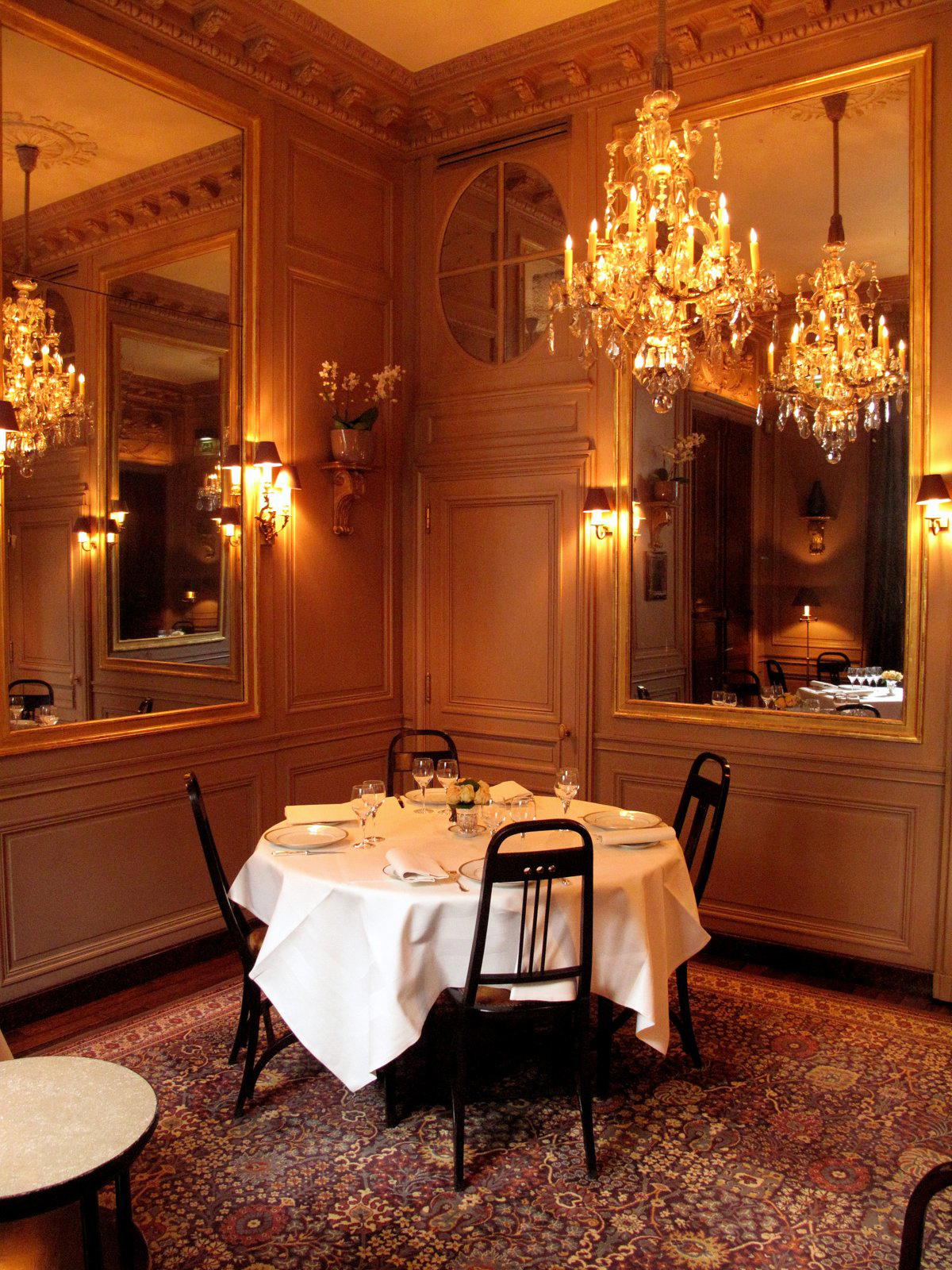
Cozy bistro atmosphere with rustic wooden tables, soft lighting, and warm, unpretentious decor.