

High in the Aravis massif above Annecy, Le Hameau de mon père has occupied a singular position in French gastronomic dining for decades, appearing on the World's 50 Best Restaurants list in 2004 and carrying 77 points on La Liste 2026. The setting, at 1,450 metres in Manigod, is inseparable from the cooking: alpine herbs, mountain dairy, and a classical technique pushed into territory that few kitchens in the French Alps have attempted.
Pearl is the En Primeur Club membership app — saves, bookings, and concierge access live there. Same editors, same standards.
- Address
- 368 Imp. des Maisons des Bois, 74230 Manigod, France
- Phone
- +33 4 50 60 00 00
- Website
- lehameaudemonpere.com
 Saves & bookings on Pearl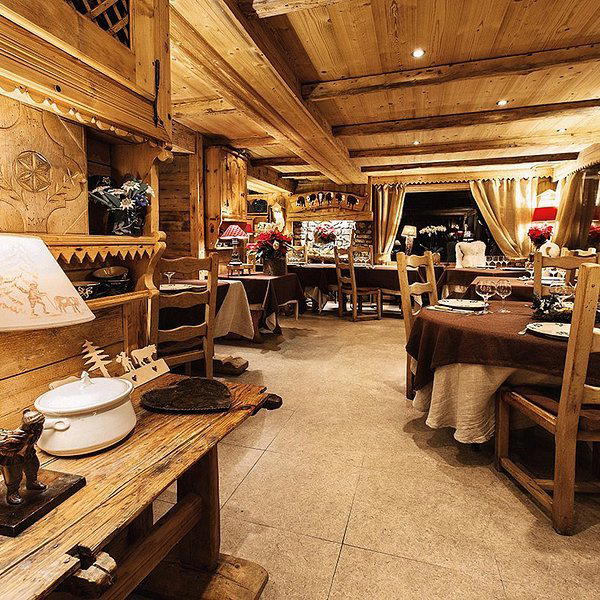
Where the Mountain Becomes the Menu
The road to Manigod rises sharply from the Thônes valley, switchbacking through spruce forest before opening onto the high chalets of the Aravis plateau. At 1,450 metres, the air changes texture and the cooking at Le Hameau de mon père changes along with it. This is not an alpine restaurant that happens to serve refined food; it is a restaurant where the altitude shapes the cooking. The surrounding meadows and forest have functioned as a larder here, and the kitchen has long drawn its identity from what grows, dries, and ferments at this elevation rather than what arrives from Paris wholesale markets.
That positioning places the restaurant inside a specific tradition in French haute cuisine: the terroir-anchored gastronomic house, a category that includes Bras in Laguiole and, in the broader Alpine corridor, Flocons de Sel in Megève. What each shares is the insistence that place precedes technique, that the cook's first obligation is to render a specific geography legible on the plate.
Classical Structure, Unconventional Ingredients
French gastronomic dining has been arguing with itself for thirty years over the boundary between classical technique and innovation. The orthodoxy, stocks reduced to intensity, sauces built over hours, proteins treated with formal precision, remains the structural language of the form. The argument concerns what you build with that language. At the more conservative end of the spectrum sit houses like Paul Bocuse - L'Auberge du Pont de Collonges in Collonges-au-Mont-d'Or and Auberge de l'Ill in Illhaeusern, where the canon is the point. At the other end are kitchens like AM par Alexandre Mazzia in Marseille and Mirazur in Menton, where the classical vocabulary has been largely disassembled and rebuilt from scratch.
Le Hameau de mon père occupies a position that resists easy placement on that axis. The classical scaffold is present: the seriousness of preparation, the attention to temperature and timing, the formal progression of courses. What disrupts the expected trajectory is the ingredient vocabulary. Alpine plants, many gathered from the slopes immediately surrounding the property, arrive in preparations that classical French training would rarely have reached for. The tension between the rigour of the method and the unfamiliarity of the material is what gives the cooking its particular character. This is not fusion in the contemporary sense; it is classical French technique applied to a botanical register that the Escoffier canon never fully mapped.
That approach has earned recognition across multiple decades and evaluation systems. A World's 50 Best ranking of 46th in 2004 placed the restaurant in the upper tier of global fine dining at the time. For comparison, Alléno Paris au Pavillon Ledoyen and Troisgros - Le Bois sans Feuilles in Ouches operate in the same La Liste tier, suggesting a peer group defined by longevity and critical consistency rather than current hype cycles.
The Manigod Setting and What It Demands of the Visitor
Manigod is not a restaurant town in the way that Lyon or Paris are restaurant cities. It is a mountain village in the Haute-Savoie with a skiing economy in winter and hiking traffic in summer, and the restaurants that operate here do so within that seasonal rhythm. Le Hameau de mon père, at its address on the Impasse des Maisons des Bois, sits above the main village in a range of high pasture and chalets. The experience of arriving here is part of what the restaurant asks of you: a deliberate journey, not a casual detour.
That deliberateness has consequences for planning. Manigod sits roughly between Annecy and the Col de la Croix-Fry, accessible by road but not by rail or convenient public transport. Most visitors base themselves in Annecy or at properties in the valley and drive up. The restaurant's operating season aligns with the mountain calendar, and the high altitude and alpine economy shape opening schedules in ways that urban restaurants do not face.
For those making a full alpine dining trip, the other options in Manigod occupy different registers. La Table de Marie-Ange offers traditional Savoyard cuisine at a more accessible price point, while Le Hameau de mon Père, with Gilles Leininger in the kitchen, represents the village's other gastronomic option. Maison des Bois rounds out the concentrated fine dining presence that makes Manigod a more serious destination than its size would suggest.
A Google Rating and What It Signals
A 4.6 from 379 Google reviews is a meaningful data point for a restaurant of this category and remoteness. High-end gastronomic destinations typically attract two types of reviewer: specialists who have sought the restaurant out specifically and occasional visitors who encounter it by geography. A 4.6 at this volume suggests the experience is consistent enough to hold its score across both groups, which at this price tier is harder than it sounds. The occasional dramatic score variance that afflicts destination fine dining restaurants, when expectations built around historical reputation meet a current kitchen, does not appear to have collapsed the average here.
The New French Tension, Applied Locally
The debate within French gastronomic cooking is partly generational and partly philosophical. Kitchens like Jardin des Sens in Montpellier and Bellefeuille in Paris represent different responses to the same pressure: how does French haute cuisine remain coherent and meaningful when the global fine dining conversation has moved so dramatically since the 1990s? The answer has not been singular. Some kitchens have doubled down on classicism as a value in itself. Others have absorbed international technique while maintaining French product sourcing and structure. A smaller group has used landscape as the primary organising principle, letting geography set the agenda rather than canon or trend.
Le Hameau de mon père belongs to that last group, and it is worth noting how unusual that position remains even within French dining. The alpine herb tradition, the use of wild and foraged material at altitude, and the decision to operate from a mountain address rather than a city base all constitute a deliberate argument about where French gastronomy can be practised and what it can say when the kitchen is embedded in a specific terrain. That argument does not require agreement from the diner. It does require engagement, which is precisely what the journey to Manigod demands before a single course arrives.
Planning Your Visit
The restaurant's address is 368 Impasse des Maisons des Bois, 74230 Manigod. Given the alpine location and reservation-essential policy, confirming reservations well in advance is advisable. For broader context on what Manigod offers beyond this table, see our full Manigod restaurants guide, as well as guides to hotels, bars, wineries, and experiences in the area.
Where It Fits
Comparable venues nearby, for context on price, style, and recognition.
| Venue | Cuisine | Price | Awards | Notes |
|---|---|---|---|---|
| Le Hameau de mon pèreThis venue — the venue you are viewing | Avant-Garde Alpine French Fine Dining | $$$$ | World's 50 Best #46 | |
| La Table de Marie-Ange | Alpine Savoyard Fine Dining | $$$$ | Michelin Plate | Manigod, Haute-Savoie |
| Moulin de Mougin | French Fine Dining | $$$$ | World's 50 Best #37 | Mougins |
| Maison Benoît Vidal | Savoie Fine Dining | $$$$ | Michelin 2 Star | Annecy-le-Vieux |
| L'Auberge de Saint-Rémy - Fanny Rey & Jonathan Wahid | Modern French Provençal Fine Dining | $$$$ | Michelin 2 Star | Saint-Rémy-de-Provence |
| La Colombe | Provençal Mediterranean Bistro | $$$ | Michelin Plate, World's 50 Best #55 | Hyères Ouest |
Continue exploring
More in Manigod
Restaurants in Manigod
Browse all →

At a Glance
- Romantic
- Elegant
- Rustic
- Scenic
- Intimate
- Sophisticated
- Whimsical
- Special Occasion
- Date Night
- Celebration
- Panoramic View
- Open Kitchen
- Hotel Restaurant
- Extensive Wine List
- Local Sourcing
- Farm To Table
- Mountain
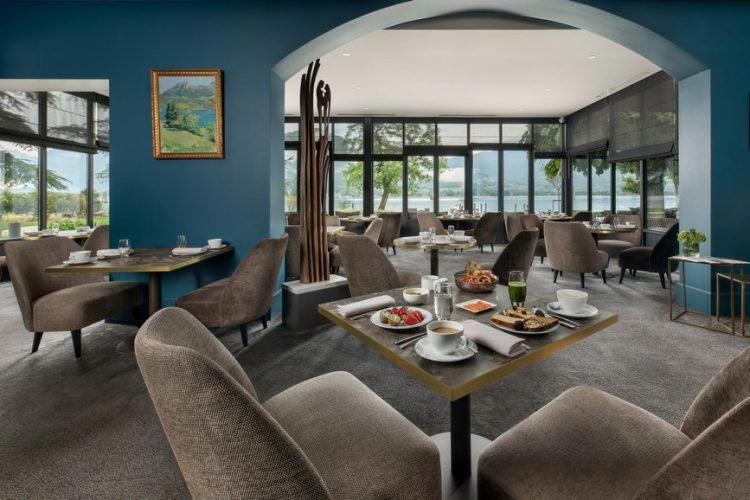
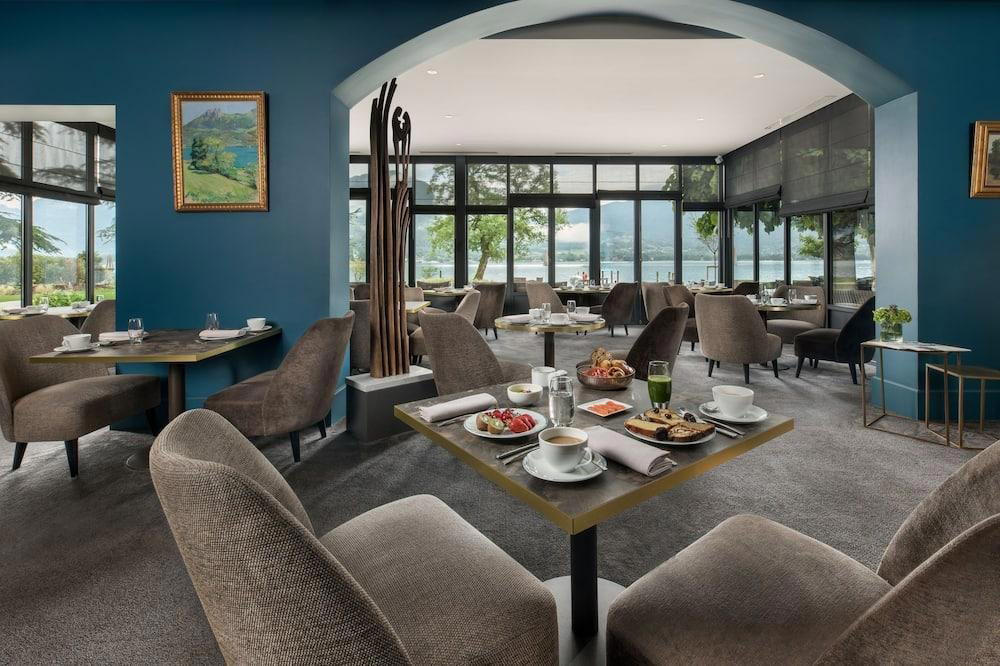
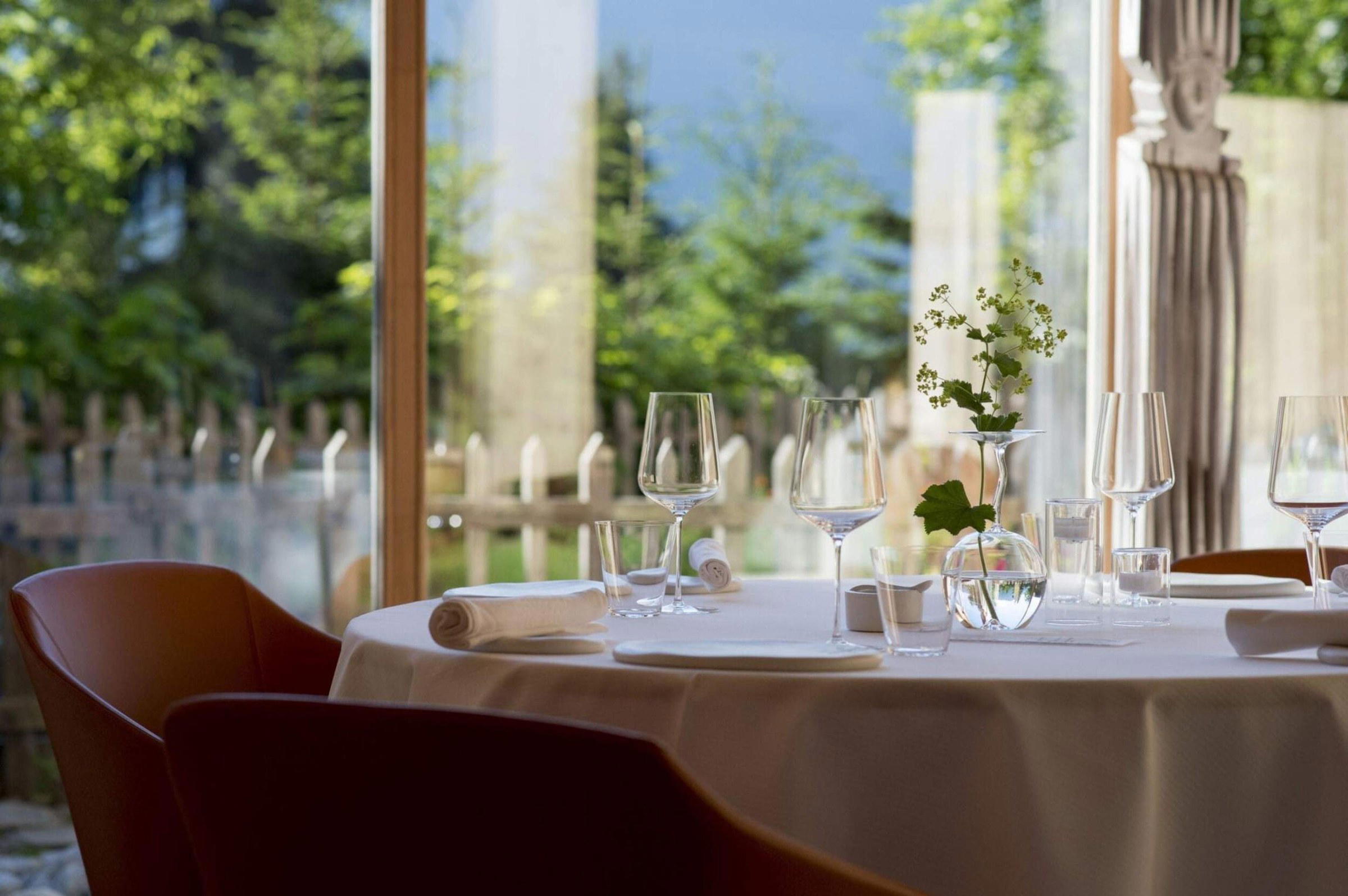
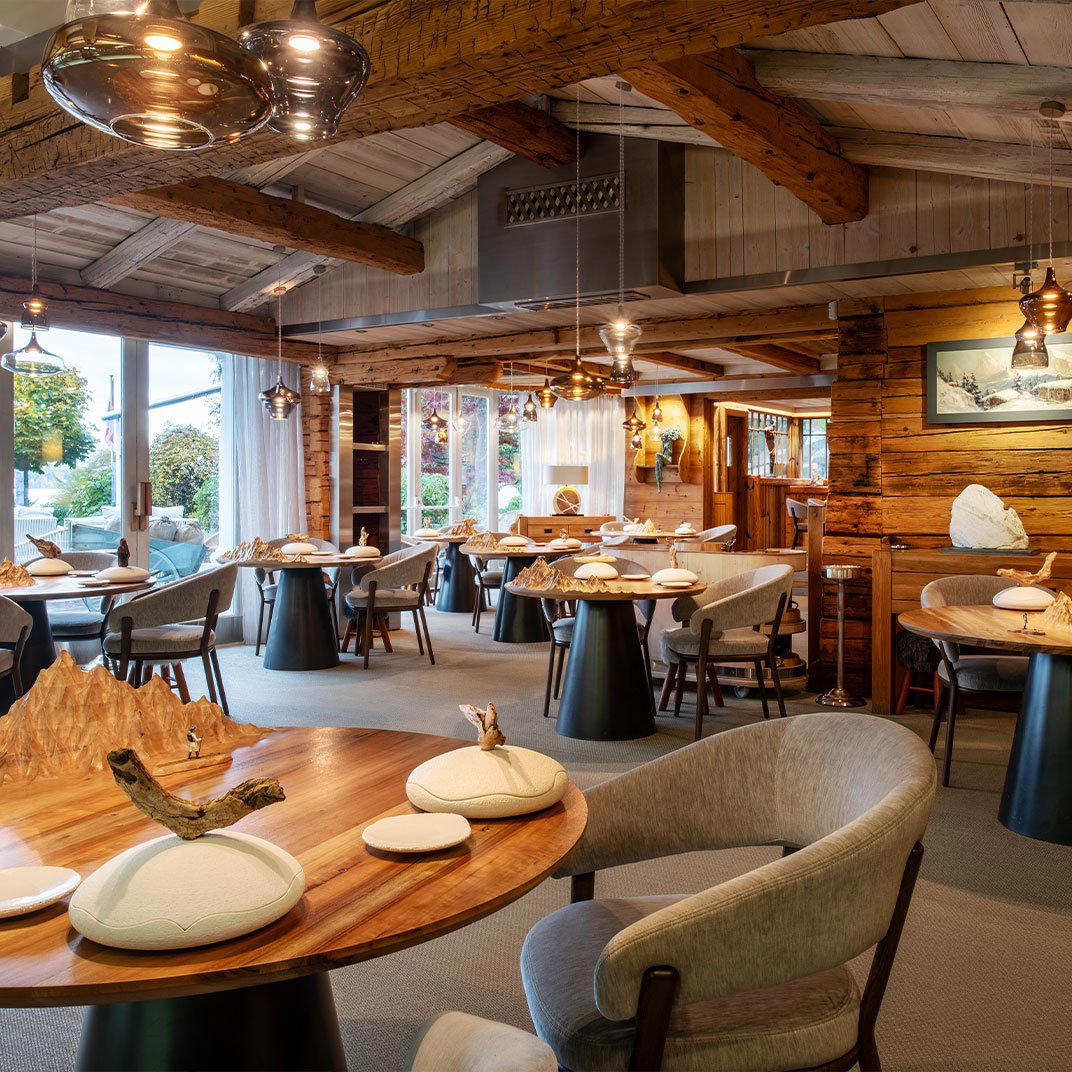
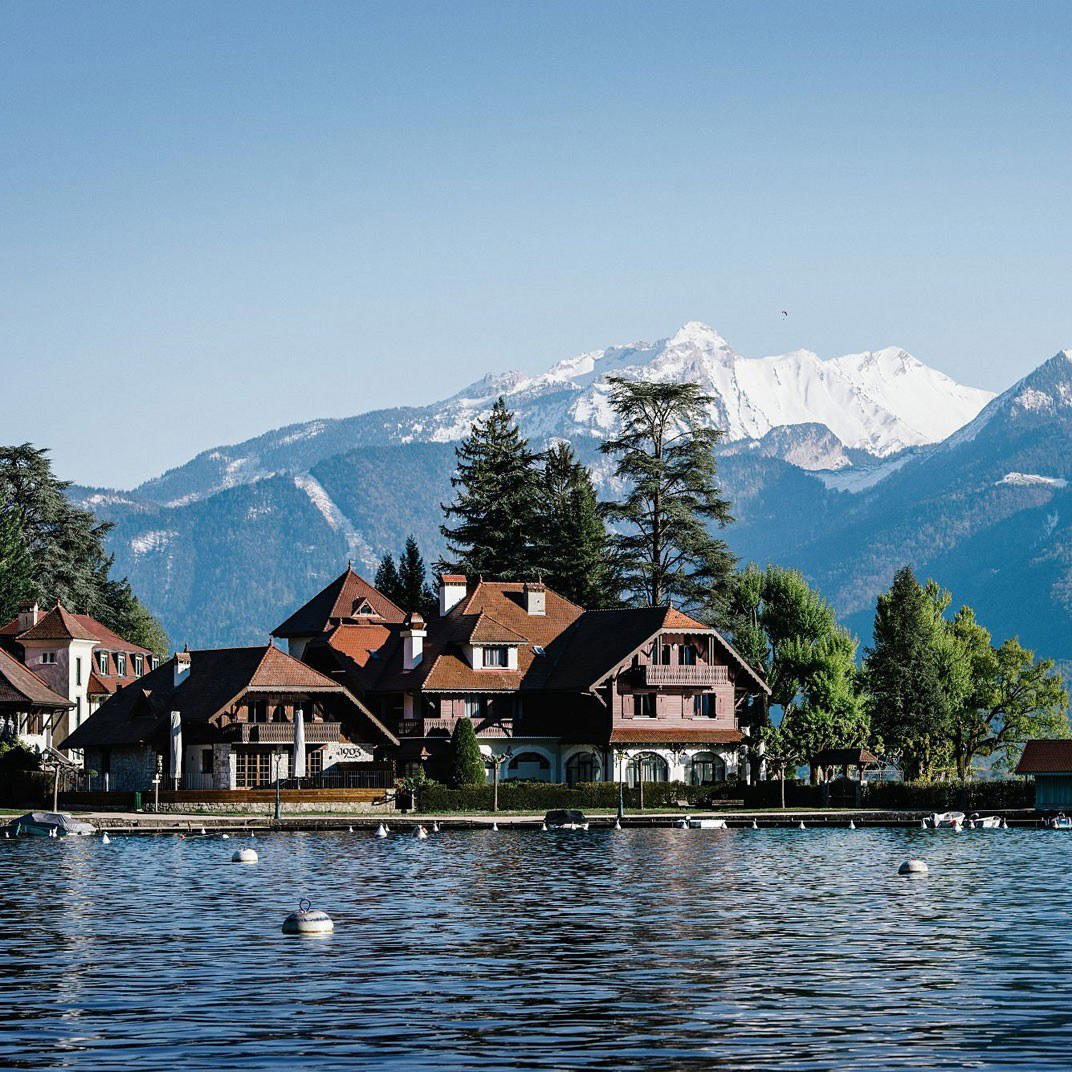
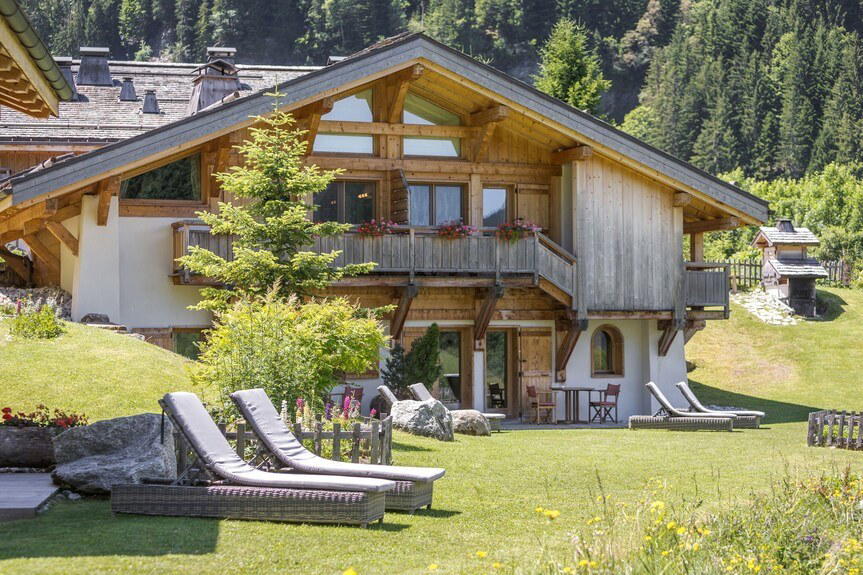
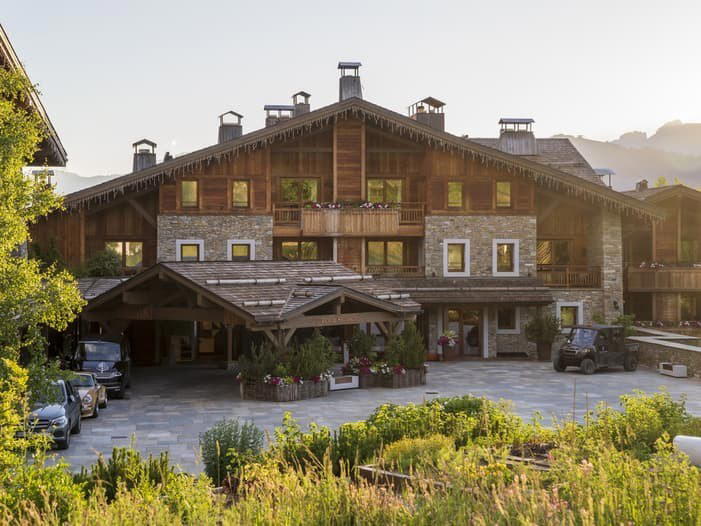
Warm, welcoming atmosphere in a splendid chalet with extraordinary mountain views including Mont Blanc, featuring attentive service, educational elements like herb explanations, and a magical, immersive dining experience.