Google: 4.8 · 61 reviews
.png)
A Michelin Plate-recognised address on the Route du Col de la Croix Fry, La Table de Marie-Ange anchors itself in the traditional cuisine of the Aravis massif. Rated 4.8 across 52 Google reviews, it sits at the more grounded end of Manigod's restaurant spectrum, where the food draws from alpine proximity rather than gastronomic spectacle.
 Discover on Pearl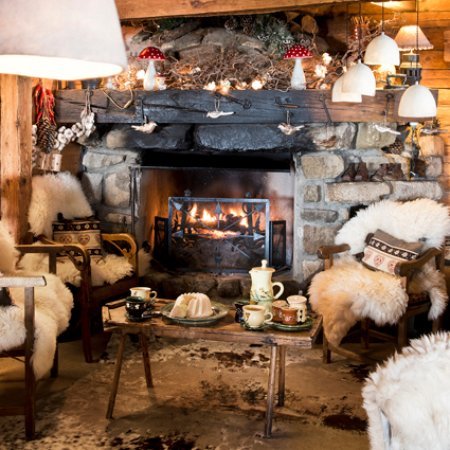
Where the Aravis Mountains Set the Menu
The Route du Col de la Croix Fry climbs through a landscape that does most of the editorial work before you arrive anywhere. Pastures give way to stands of fir, the air shifts noticeably thinner and cleaner above 1,400 metres, and the farmhouses that punctuate the road carry the particular gravity of buildings that have weathered serious winters. La Table de Marie-Ange sits at Pré Jean, a few kilometres along this road, in a setting that makes the sourcing argument for alpine cooking without requiring a word from the kitchen.
This is the context that defines traditional Savoyard cuisine at its most coherent: altitude determines what grows and what grazes, season determines what appears on the plate, and proximity collapses the gap between producer and cook that many urban restaurants spend considerable effort simulating. At the Michelin Plate level — the guide's recognition for good cooking that falls short of star distinction — the kitchen's work is assessed on quality and consistency rather than technical ambition, which suits a room that draws visitors coming off the slopes or arriving after the drive up from Annecy.
Traditional Cuisine in an Alpine Context
The Savoie region has one of France's most coherent ingredient narratives. The dairy output of the Aravis, the Beaufortain, and the adjacent massifs underpins the cheeses that appear across France's better restaurants: Abondance, Beaufort, Reblochon , each carrying an AOC designation that ties the flavour to altitude, breed, and pasture. A kitchen at this elevation, working in the traditional register, draws on that supply chain as a matter of geography rather than sourcing philosophy. The result is food that tastes of where it is, which is a harder thing to achieve than it sounds.
France's traditional cuisine category encompasses a wide range, from village inns serving unchanged regional plates to more considered kitchens that treat heritage recipes as a starting point for refinement. Michelin's Plate recognition, awarded here in both 2024 and 2025, positions La Table de Marie-Ange within the latter grouping: a kitchen producing food with sufficient quality and consistency to merit the guide's acknowledgement, but operating outside the starred tiers occupied by addresses like Le Maison de Marc Veyrat on the same mountain road. That distinction matters for readers calibrating expectations: this is a serious address for regional cooking, not a destination for gastronomic theatre.
Manigod's Dining Tier
Manigod is a small commune that punches above its size in dining terms, partly because it sits on the Croix Fry road and partly because of the concentration of ambitious kitchens that have established themselves here. The result is a dining spectrum unusual for a village of this scale. At one end, Le Maison de Marc Veyrat represents the French gastronomic tier in its most elaborate form. Le Hameau de mon Père, with Gilles Leininger in the kitchen, occupies a similar price bracket at €€€. Maison des Bois adds a further option at the upper end of the local range.
La Table de Marie-Ange sits at €€€ within this local context, which places it at a price point where the comparison is with restaurants doing substantive regional work rather than budget mountain fare. A 4.8 Google rating from 52 reviews is a meaningful signal at this size of sample: it reflects a kitchen with genuine consistency, not a single exceptional visit skewing a thin dataset.
The Ingredient Argument for This Elevation
France's traditional cuisine category has a geographic logic that becomes clearest in mountain regions. The Alps produce some of the country's most terroir-specific ingredients: dairy tied to altitude and breed, river fish from cold, fast-moving water, game from forests that begin at the treeline. The restaurants of Megève, Chamonix, and the Aravis valley have built reputations on this supply chain, most visibly at Flocons de Sel in Megève, where Emmanuel Renaut's three-star kitchen has made alpine provenance a signature rather than a backdrop.
At the Michelin Plate tier, the same ingredients appear in a different register. The ambition is accurate cooking of regional material rather than transformation of it, and the context of the Croix Fry road places those ingredients within arm's reach. The French traditional kitchen at this level tends to be assessed on whether it does justice to what it has, which is a different critical standard from the one applied to starred restaurants working in transformative or highly technical modes.
For comparison, the traditional cuisine format operating at high quality in other French regions , Auberge Grand'Maison in Mûr-de-Bretagne, or Auga in Gijón working the northern Spanish coast , illustrates how the format travels: locally specific ingredients, cooking that foregrounds regional tradition, and a price-to-quality relationship calibrated for a repeat local and visiting audience rather than a destination pilgrim making a once-in-a-decade trip. La Table de Marie-Ange belongs in that broader category of restaurants where the point is not to astonish but to feed well and accurately.
France's Traditional Table in Wider Context
The Michelin Plate represents a different kind of endorsement than a star. The guide awards it to restaurants where the food is good and the cooking is sound, without requiring the technical ambition or creative programme that star candidacy demands. It is, in practical terms, a quality signal for restaurants operating in the regional and traditional register , which is the majority of France's serious dining outside its starred tier.
That tier includes some of France's most culturally significant kitchens: Auberge de l'Ill in Illhaeusern, Bras in Laguiole, and Paul Bocuse in Collonges-au-Mont-d'Or all carry their own distinct weight in French culinary history. At the other end of the ambition spectrum, addresses like La Table de Marie-Ange represent the quieter, less-discussed category of restaurants that keep the regional tradition functioning at a daily level. The French table, in its traditional form, has always relied on this tier more than the starred one.
Planning Your Visit
Manigod is accessible from Annecy, roughly 30 kilometres to the west, making it a realistic drive for visitors based in the Haute-Savoie. The Croix Fry road is the principal approach, and the restaurant's address at Pré Jean, 4910 Route du Col de la Croix Fry, places it on the ascent toward the col. The €€€ price range positions this as a considered dinner or lunch rather than a casual stop, and the Michelin Plate recognition across consecutive years (2024 and 2025) suggests a kitchen with stability. For anyone building a broader Manigod itinerary, the full picture is available in our full Manigod restaurants guide, alongside our Manigod hotels guide, bars guide, wineries guide, and experiences guide for the full range of options on this stretch of the Alps.
For context on what the broader Haute-Savoie and French alpine kitchen has produced at the starred tier, Flocons de Sel in Megève represents the benchmark in the region. Those seeking the wider French fine dining frame can reference Alléno Paris au Pavillon Ledoyen, Mirazur in Menton, Troisgros in Ouches, and AM par Alexandre Mazzia in Marseille as coordinates across the full spectrum of contemporary French cooking.
Peer Set Snapshot
A quick look at comparable venues, using the data we have on file.
| Venue | Cuisine | Price | Awards | Notes |
|---|---|---|---|---|
| La Table de Marie-Ange | Traditional Cuisine | €€€ | Michelin Plate (2025); Michelin Plate (2024) | This venue |
| Le Hameau de mon Père | Gilles Leininger | $$$ | Gilles Leininger, $$$ | |
| Le Maison de Marc Veyrat | French Gastronomic | World's 50 Best | French Gastronomic | |
| Maison des Bois |
Continue exploring
More in Manigod
Restaurants in Manigod
Browse all →
At a Glance
- Romantic
- Scenic
- Elegant
- Cozy
- Intimate
- Date Night
- Celebration
- Special Occasion
- Family
- Terrace
- Panoramic View
- Private Dining
- Historic Building
- Hotel Restaurant
- Extensive Wine List
- Sommelier Led
- Local Sourcing
- Farm To Table
- Mountain
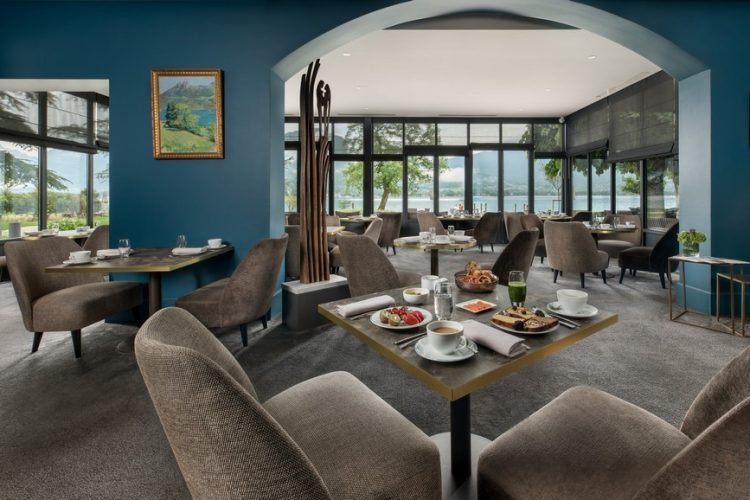
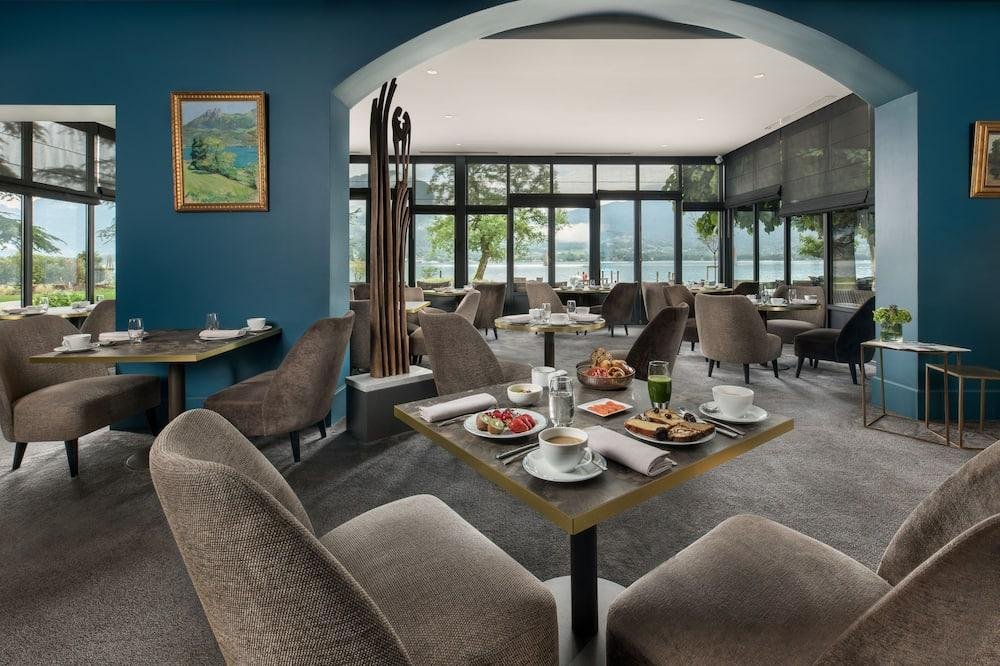
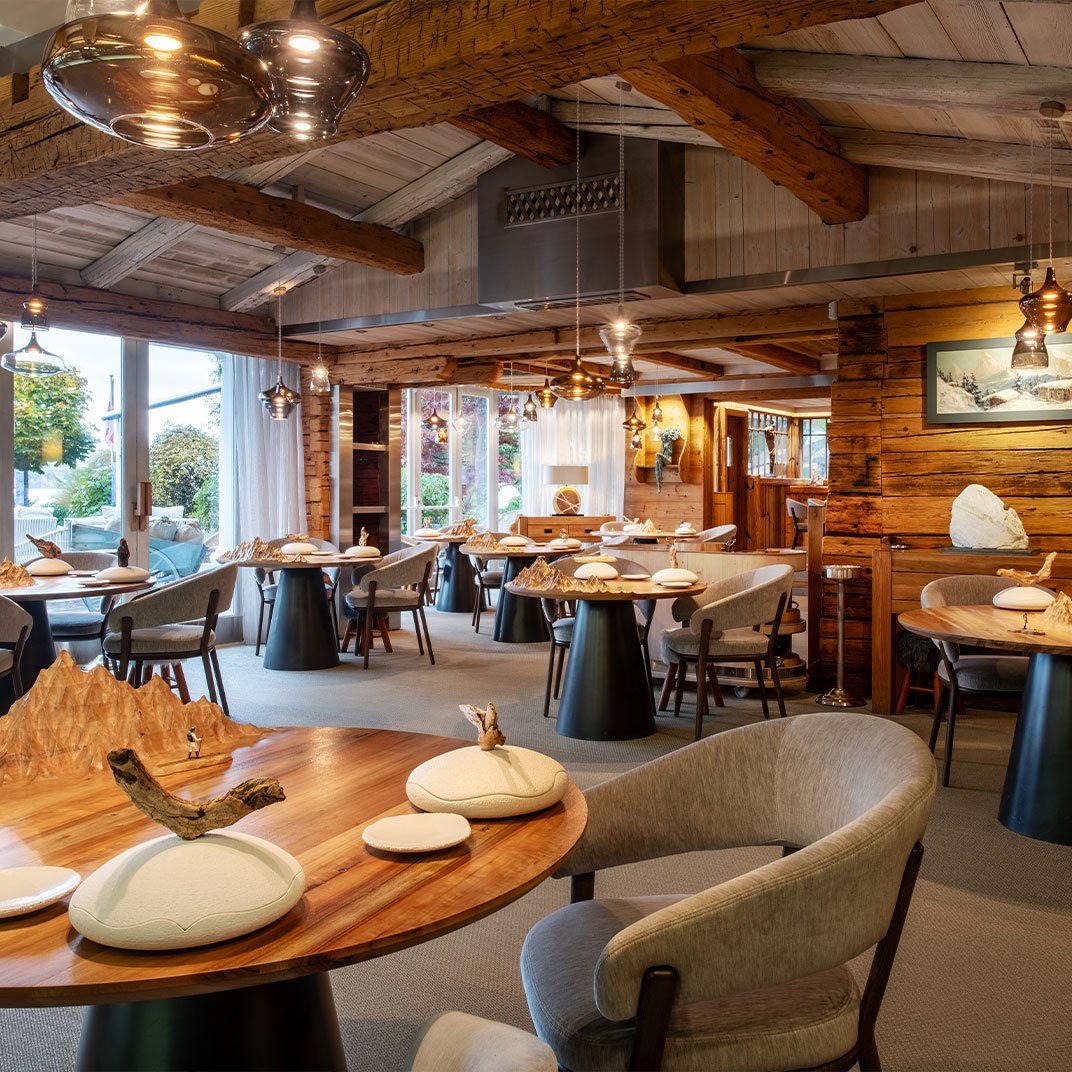
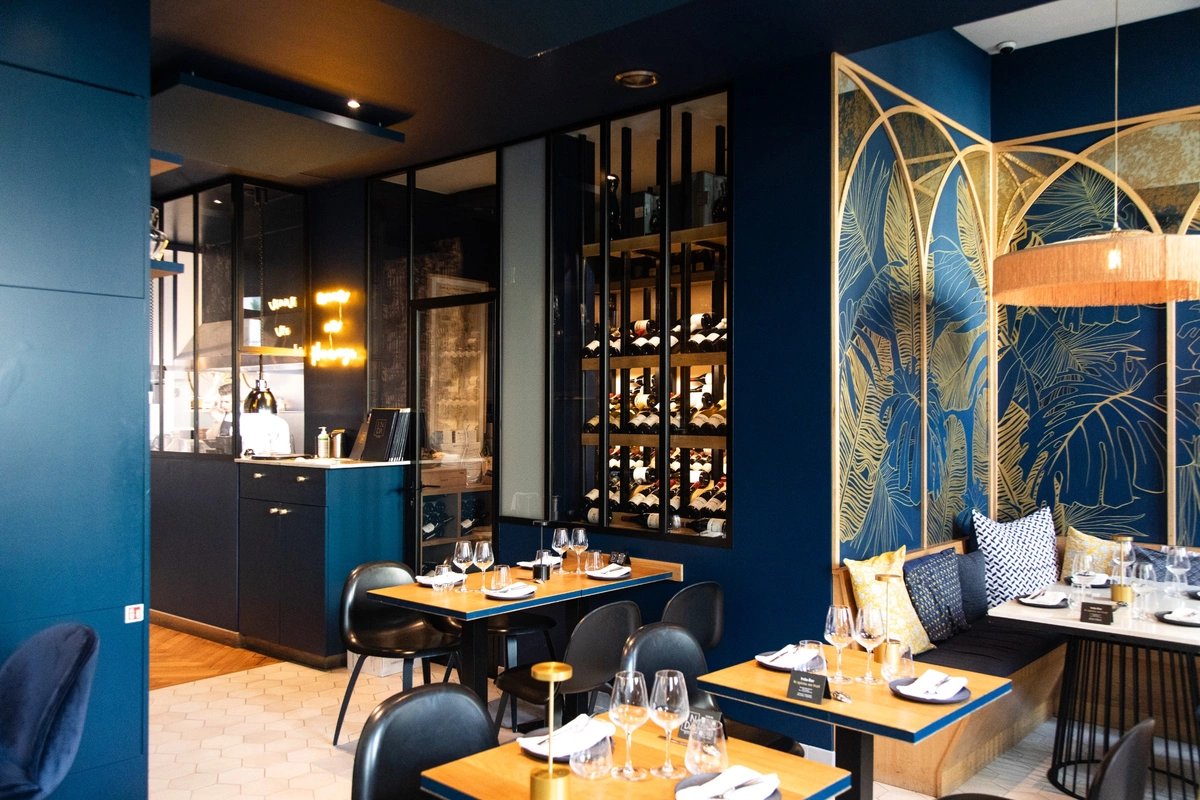
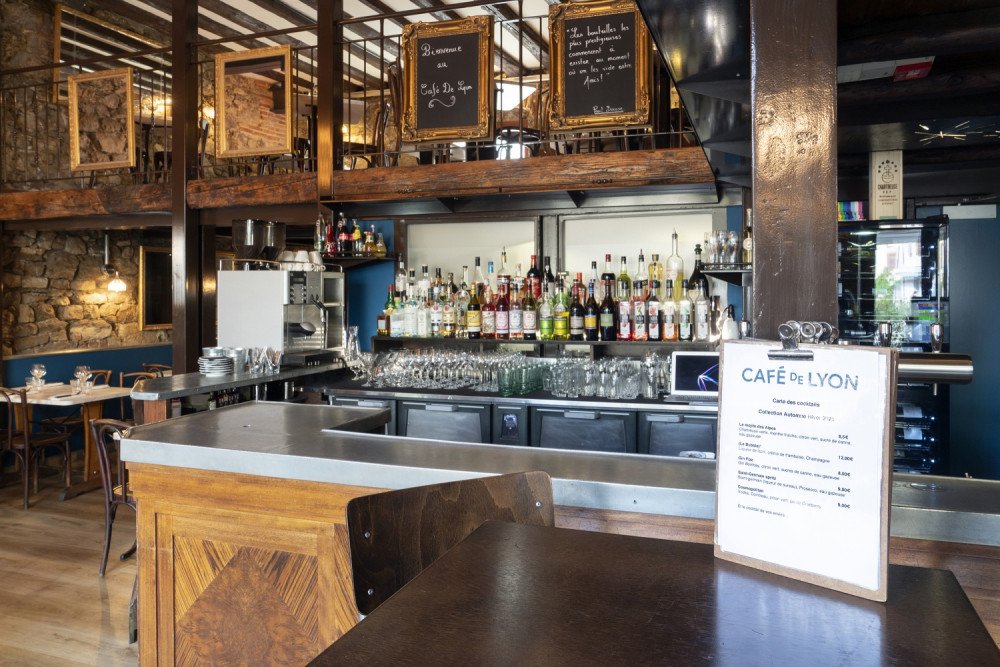
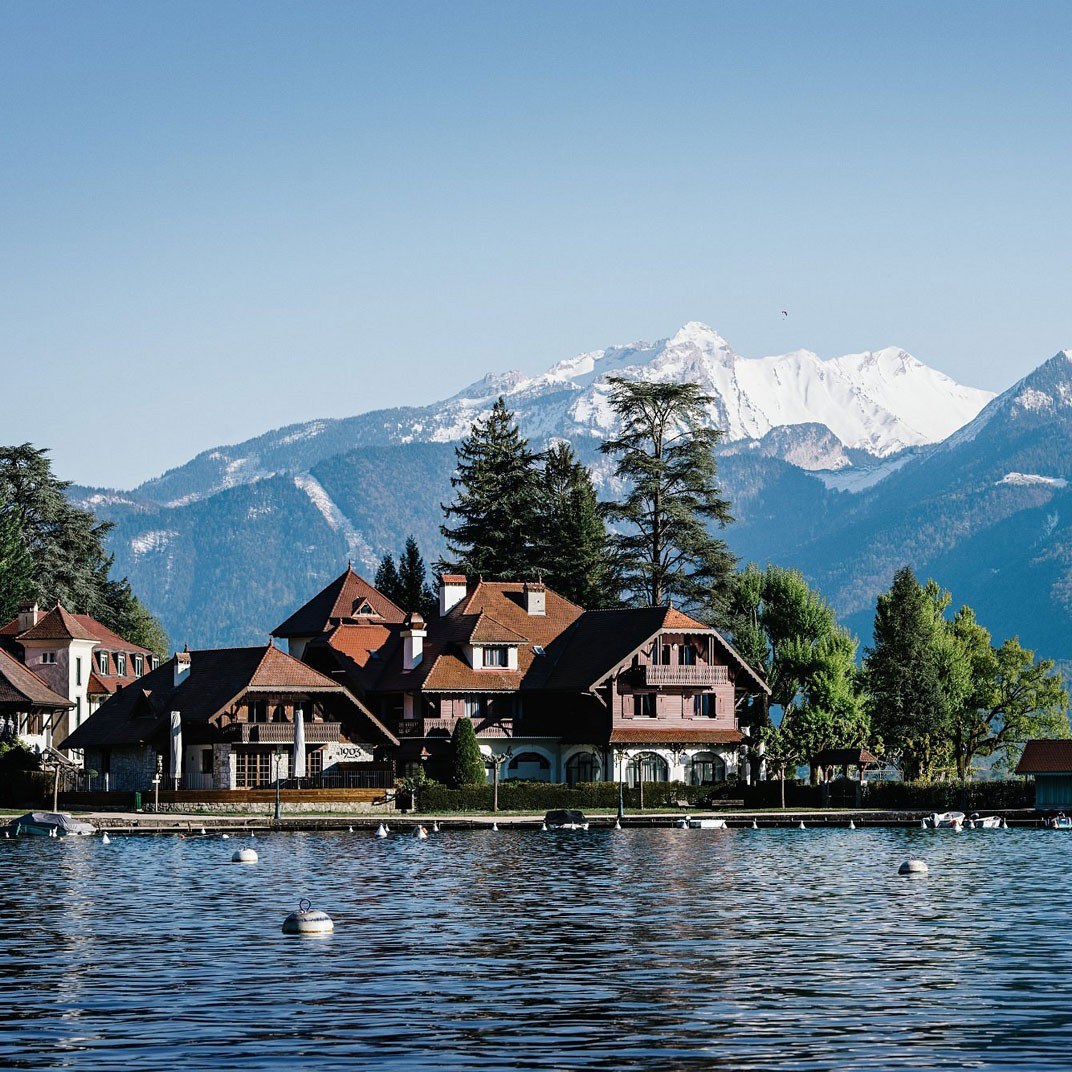
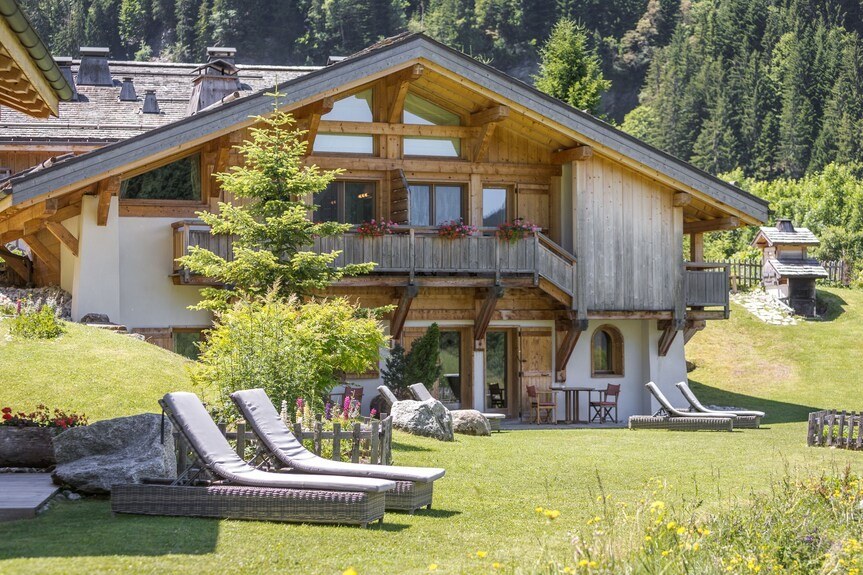
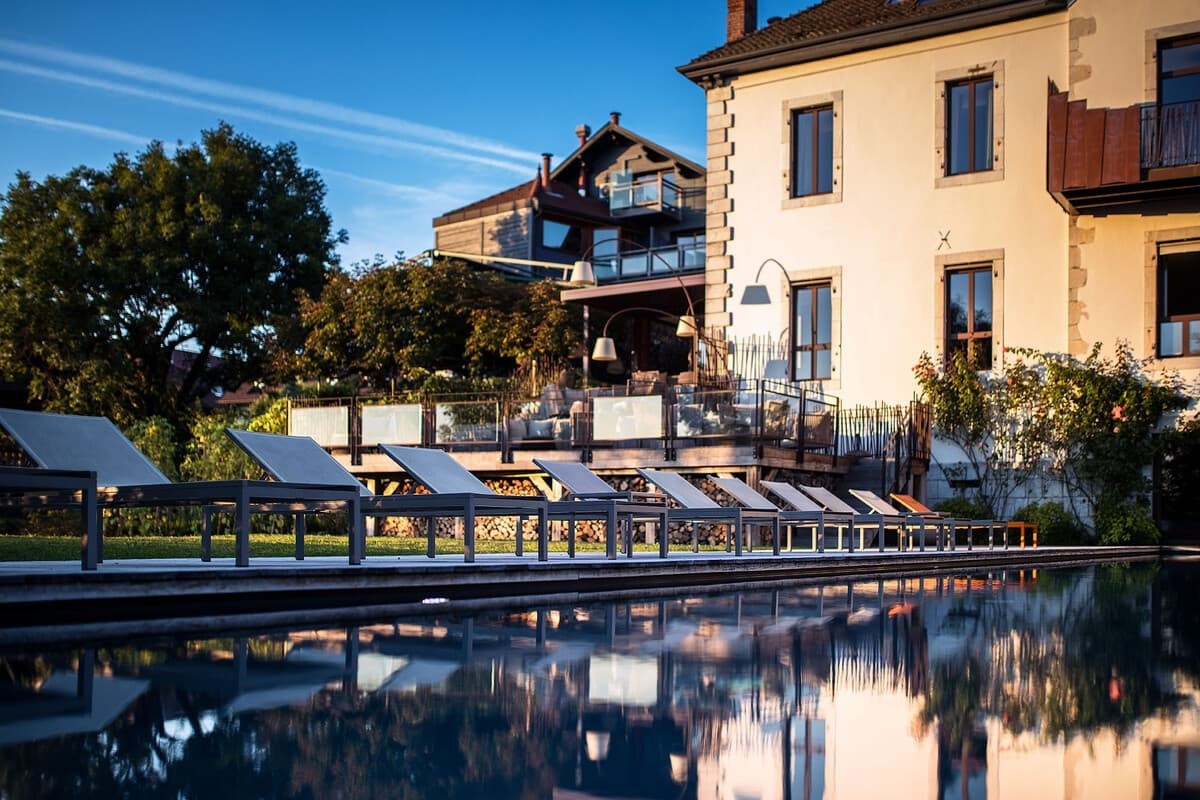
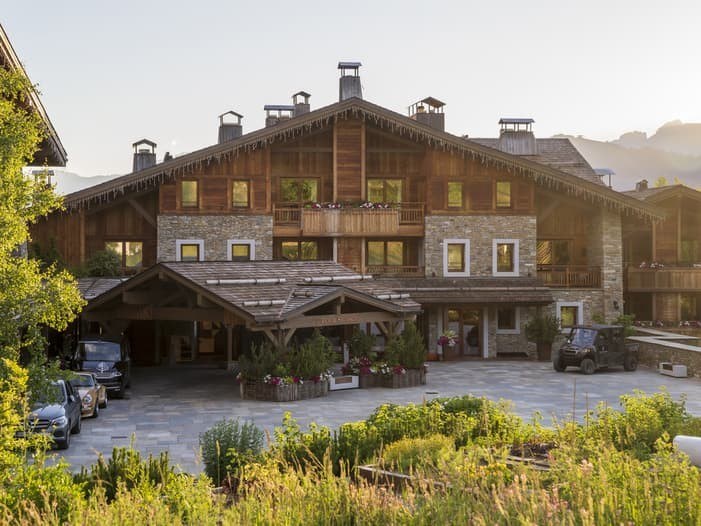
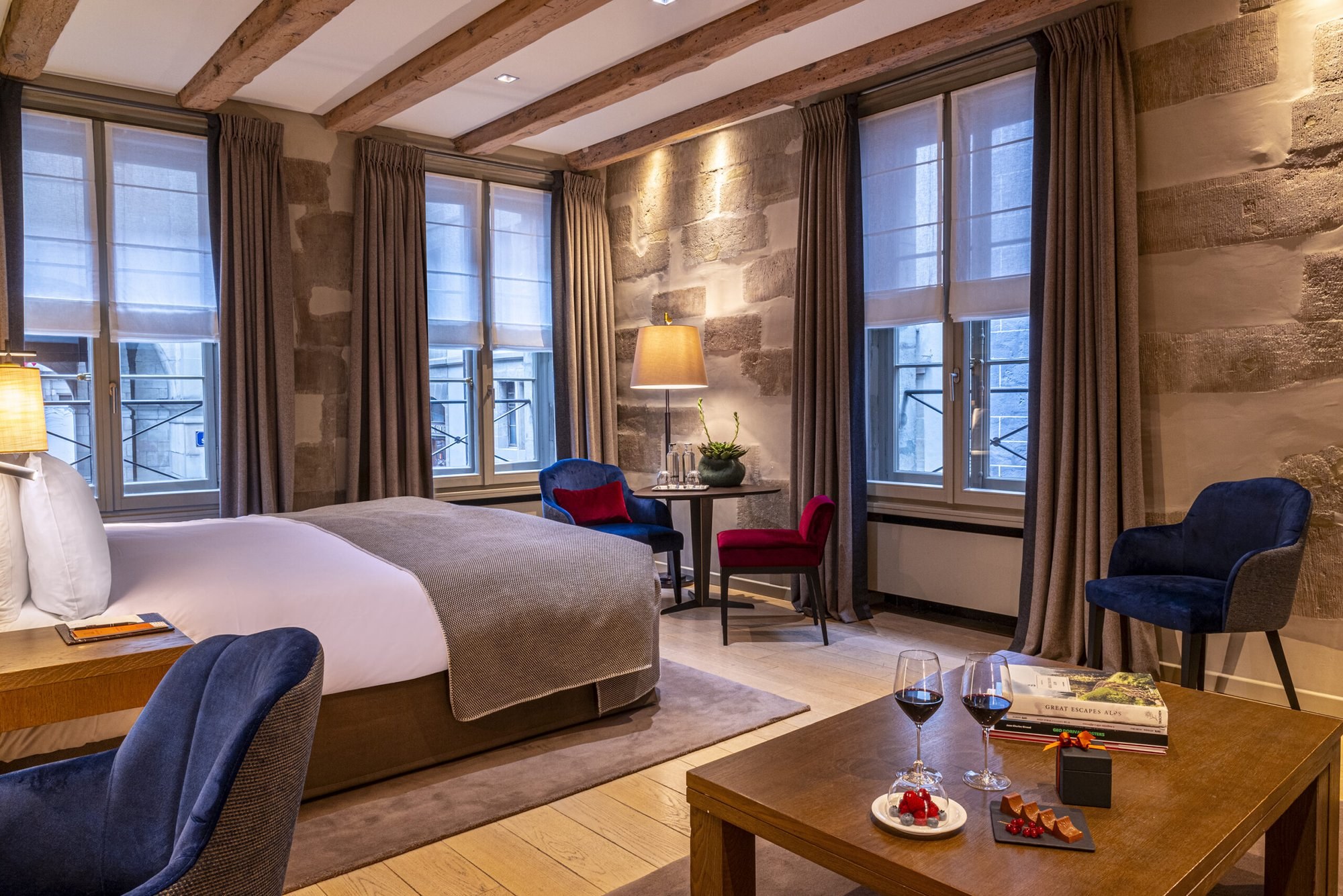
Warm, intimate mountain lodge atmosphere with authentic wood furnishings, sheepskin-covered banquettes, soft lighting, a cozy fireplace, and floor-to-ceiling windows framing breathtaking alpine vistas.