
Le Louis Vins occupies a quietly serious position in the 5th arrondissement's bistro canon. Under Bertrand Gouillon-Valentin's kitchen direction, the address on Rue de la Montagne Sainte-Geneviève has built a reputation as much on its wine list as on its plates. For Left Bank dining that rewards attention rather than spectacle, few addresses in the quartier Latin make a stronger case.
Pearl is the En Primeur Club membership app — saves, bookings, and concierge access live there. Same editors, same standards.
- Address
- 9 Rue de la Montagne Ste Geneviève, 75005 Paris, France
- Phone
- +33 1 43 29 12 12
- Website
- lava-paris.com
- Directions
- Get directions
 Saves & bookings on Pearl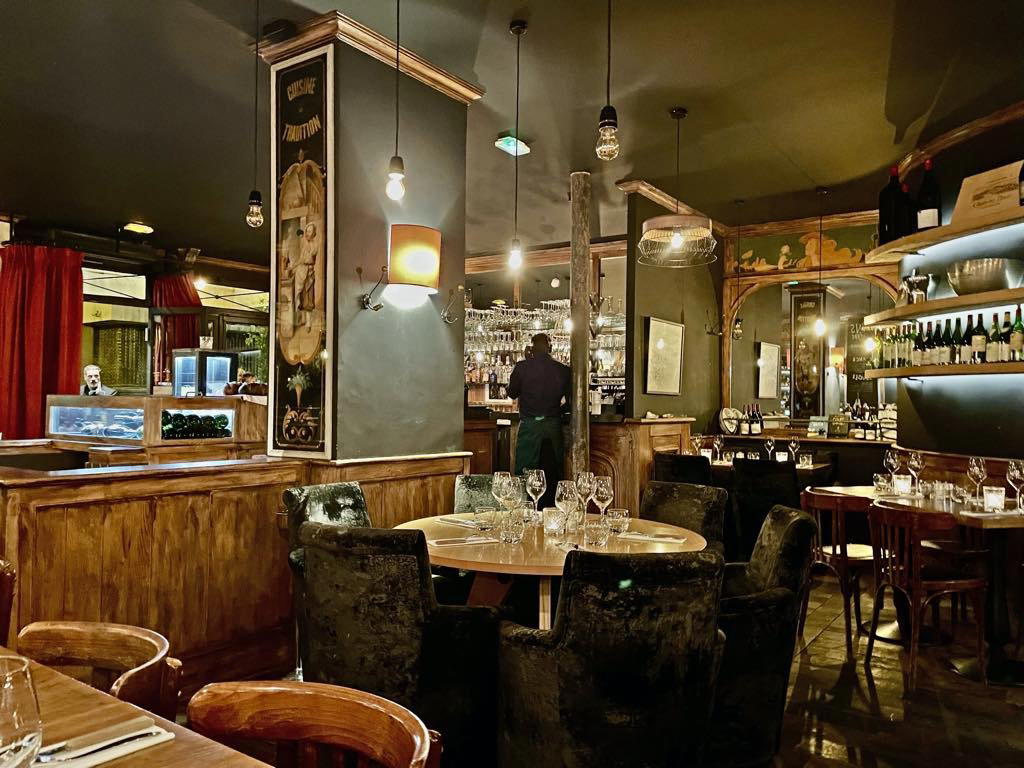
The Left Bank Bistro as a Wine Argument
Le Louis Vins is a modern French bistro in Paris's 5th arrondissement, with a smart casual dress code and a recommended reservation policy. Paris's 5th arrondissement operates at a remove from the theatrical dining of the Right Bank. The quartier Latin has long preferred conviction over spectacle: tighter rooms, shorter menus, wine lists that repay careful reading. Le Louis Vins, on Rue de la Montagne Sainte-Geneviève, sits squarely inside that tradition. Its address is a few minutes' walk from the Panthéon, in a pocket of the 5th that still sustains the kind of neighbourhood bistro the broader city has largely lost to tourism pressure or rent inflation. What distinguishes it within that category is the weight placed on the wine list, not as a secondary feature, but as the central editorial statement of the address.
This is a pattern worth understanding in context. Paris has two distinct bistro registers at the moment. The first is the self-consciously neo-bistro format, often helmed by chefs who trained in three-Michelin-star kitchens before deliberately downsizing, where natural wine and small-producer sourcing function as an identity marker. The second is the classically-oriented bistro, where the wine list is built on depth and range rather than ideology, and where the kitchen's role is to provide a setting for that list rather than compete with it. Le Louis Vins belongs to the second type. Its reputation has consolidated around the quality of what's in the cellar, with the kitchen operating as a capable and consistent companion to that focus.
At Le Louis Vins, the relationship is inverted: the wine list is the anchor, and the food provides the occasion. That inversion is not a weakness; it is a deliberate positioning that places the address in a specific and underserved niche in the city's dining offer.
What the Wine List Signals
A wine list functions as a declaration of intent. The depth of a cellar, the range of regions represented, the proportion of grower producers versus négociant labels, the presence or absence of back-vintages, each of these is a decision that reflects a point of view. In the bistro format, which typically operates on tighter margins than a gastronomic restaurant, committing serious resources to the cellar is a meaningful signal. It tells you that the operator's primary audience is the guest who arrives with a specific bottle in mind, or who wants to be guided toward one.
At the restaurant, the wine list is a genuine point of focus within the 5th's offer. The room and the format are bistro in scale and informality; the list operates at a different register. That gap, between the informality of the setting and the seriousness of what's in the glass, is precisely the appeal for a certain kind of diner. It is the same logic that drives the reputation of wine-forward bistros in Lyon's bouchon tradition, or the better natural wine bars in London's current scene: the idea that particularly interesting wine drinking happens when the room doesn't feel like a performance.
The Kitchen Under Bertrand Gouillon-Valentin
The bistro format in Paris has always required that the kitchen operate efficiently within tight constraints. Bertrand Gouillon-Valentin's direction at the restaurant has drawn recognition as a serious address, which in the context of the 5th arrondissement's competitive neighbourhood bistro scene is a meaningful credential. The cuisine sits within the French bistro tradition rather than working against it: the focus is on execution and sourcing rather than on technical novelty. Dishes are structured to accompany wine rather than dominate it, which is both a stylistic choice and a functional necessity given the list's role as the main event.
This kitchen-as-setting approach is not distinctive to the restaurant in the Paris bistro canon, but it is increasingly rare. The pressure on younger chefs to produce menus that read well on social media has pushed the bistro format toward more visually complex, technique-forward cooking. Kitchens that hold the line on simplicity, that understand a roast chicken or a well-sourced côte de boeuf as a complete argument, are easier to find in Burgundy or the Auvergne than they are in central Paris. That restaurant maintains this discipline in the 5th, where tourist traffic and competition for covers are both considerable, reflects a clear set of priorities.
Placing It in the Paris Dining Map
The 5th arrondissement is not Paris's most fashionable dining district. The Marais, Saint-Germain, and the 11th arrondissement pull more critical attention and a younger, more trend-sensitive audience. The 5th's dining identity is built on longevity and regulars rather than on the cycle of openings and closings that defines the city's more visible restaurant quarters. The restaurant fits that character: it has consolidated a reputation over time rather than arriving with a launch moment. For visitors who approach Paris through a wine lens, the address functions as a fixed point, somewhere to eat and drink well at a moderate price level.
That gastronomic tier is well-documented elsewhere on EP Club. Arpège, Kei, and the broader constellation of Paris's starred addresses, comparable in ambition to destinations like Mirazur in Menton, Flocons de Sel in Megève, or France's institutional benchmarks like Troisgros, Auberge de l'Ill, and Bras, occupy a different category entirely. Internationally, the French gastronomic tradition connects to addresses like Le Bernardin in New York and the enduring legacy of Paul Bocuse. The restaurant is not in conversation with that category. It is operating in a different and more intimate register, and the comparison only matters insofar as it clarifies what the address is not trying to be.
Planning Your Visit
The restaurant is at 9 Rue de la Montagne Sainte-Geneviève in the 5th arrondissement, walkable from the Maubert-Mutualité metro stop and a short distance from the Luxembourg Gardens. Given its position as a recognised quality address in a neighbourhood with sustained demand and limited covers in this format, booking in advance is advisable rather than optional, particularly for evening sittings midweek or on weekends. Arriving with a specific wine interest or a willingness to be guided by the list will shape the experience more than any particular dish choice. For broader context on where this address sits within the city's offer, EP Club's full Paris restaurants guide provides a mapped view across all categories and price points. An address like Emeril's in New Orleans offers a useful transatlantic contrast in how a wine-and-food pairing philosophy can define an address's identity across different culinary cultures.
Cost Snapshot
Comparable venues nearby, for context on price, style, and recognition.
| Venue | Cuisine | Price | Notes |
|---|---|---|---|
| Le Louis VinsThis venue — the venue you are viewing | Latin Quarter, Modern French Bistro | $$ | Not listed |
| KOKORO | Not listed | $$ | Quartier Latin, Franco-Japanese Fusion Bistro |
| Café Mélia | Le Marais, Traditional French Bistro | $$ | Not listed |
| Le Compas | Not listed | $$ | Bonne-Nouvelle, Traditional French Brasserie |
| Season Marais | Le Marais, Modern Healthy French Café | $$ | Not listed |
| Dupin | Not listed | $$ | Notre-Dame-des-Champs, Modern French Bistro |
Recognition history
Dated appearances from independent guides and award organizations, with the underlying list record or original source where available.
Star Wine List
Star Wine List
Continue exploring
More in Paris
Restaurants in Paris
Browse all →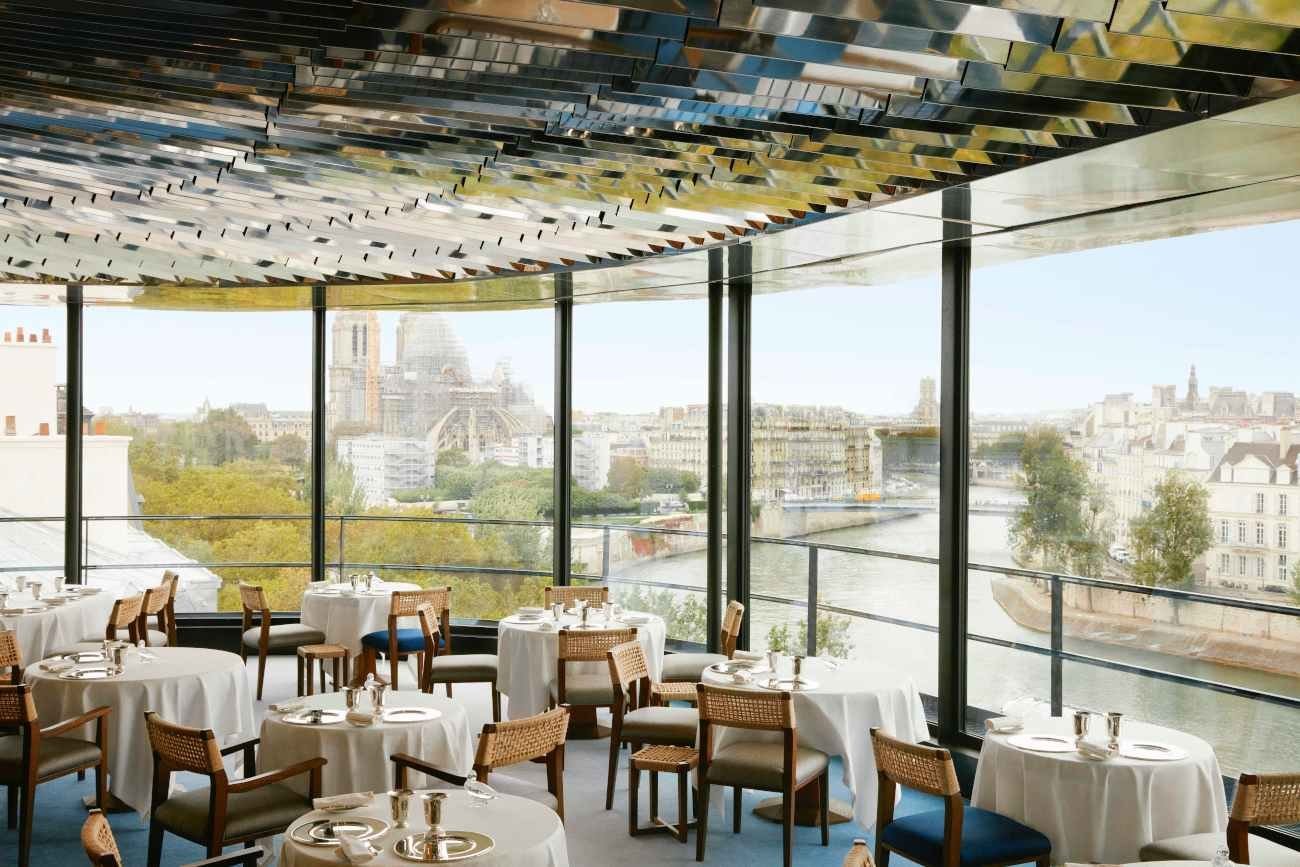
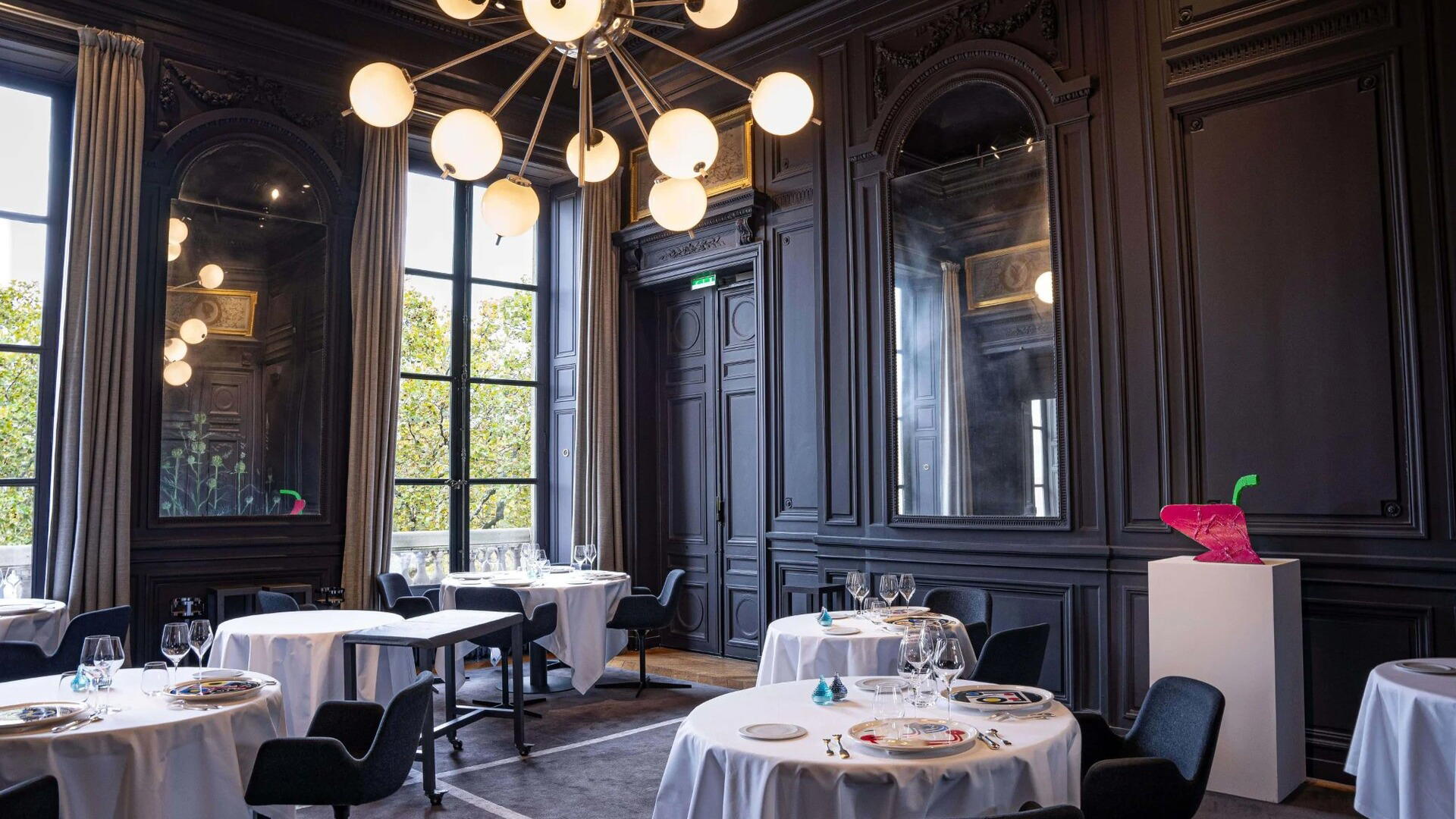
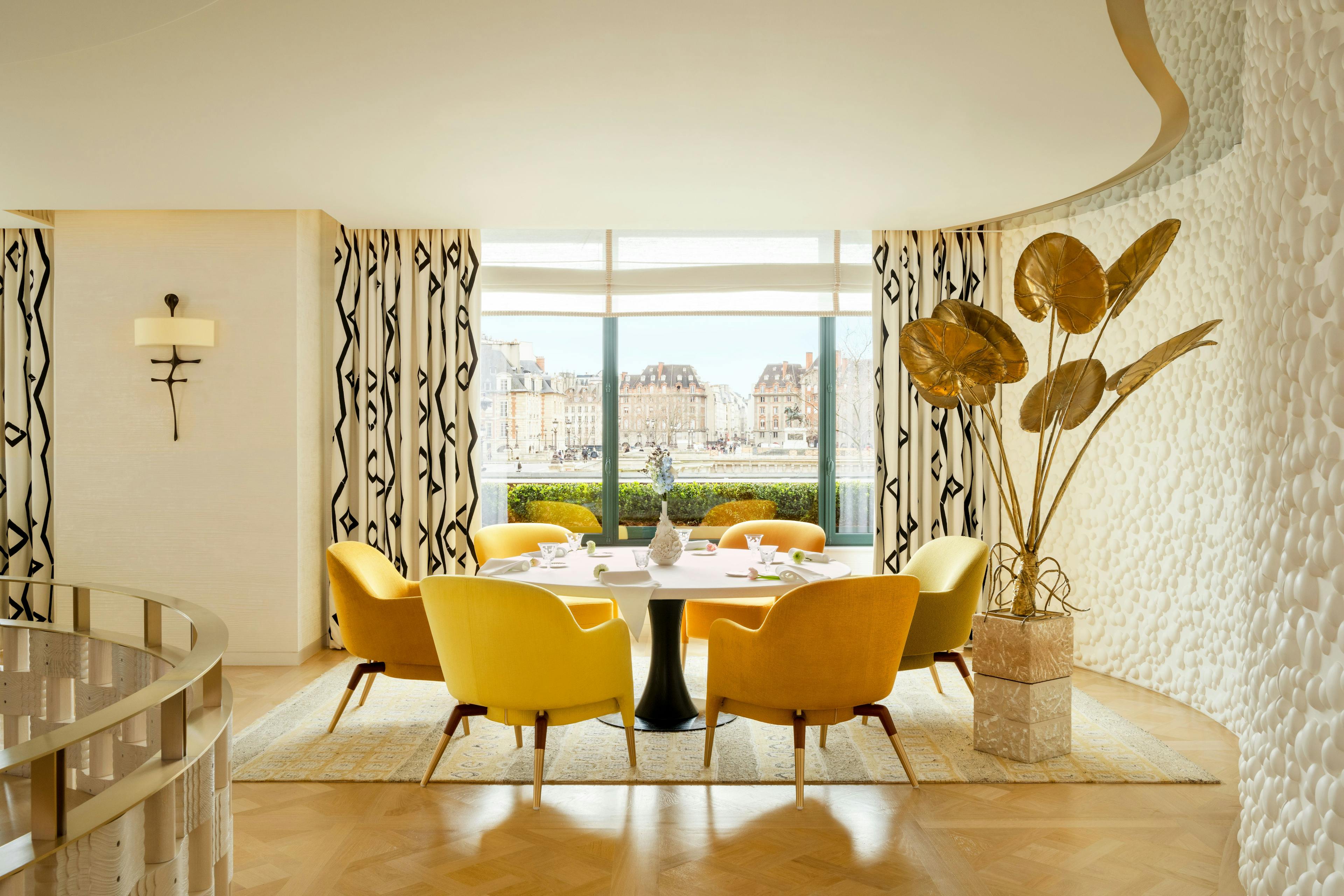
Bars in Paris
Browse all →
Hotels in Paris
Browse all →
Wineries in Paris
Browse all →
At a Glance
- Cozy
- Classic
- Intimate
- Date Night
- Casual Hangout
- Standalone
- Extensive Wine List
- Local Sourcing
Current opening hours
- Monday
- 6:30 PM–12 AM
- Tuesday
- 6:30 PM–12 AM
- Wednesday
- 6:30 PM–12 AM
- Thursday
- 12–2:30 PM, 6:30 PM–12 AM
- Friday
- 12–2:30 PM, 6:30 PM–12 AM
- Saturday
- 12–2:30 PM, 6:30 PM–12 AM
- Sunday
- 6:30 PM–12 AM
Hours can change for holidays and private events. Last verified .
Woody decor with hanging light fixtures and attentive service in a cozy, bistronomique atmosphere.