
On a narrow street in old Avignon, Le Joat turns the Provence region's seasonal produce into focused modern cuisine with serious kitchen credentials behind it. The chef's background at Pollen, Le Carré d'Alethius, and Le 1920 shows in technique-driven cooking where the same ingredient appears in multiple forms on the same plate. A discreet address that rewards those paying attention to the city's mid-tier modern dining scene.
Pearl is the En Primeur Club membership app — saves, bookings, and concierge access live there. Same editors, same standards.
- Address
- 19 rue des Trois-Faucons
- Phone
- +33 4 90 03 14 41
- Website
- lejoat.com
- Directions
- Get directions
 Saves & bookings on Pearl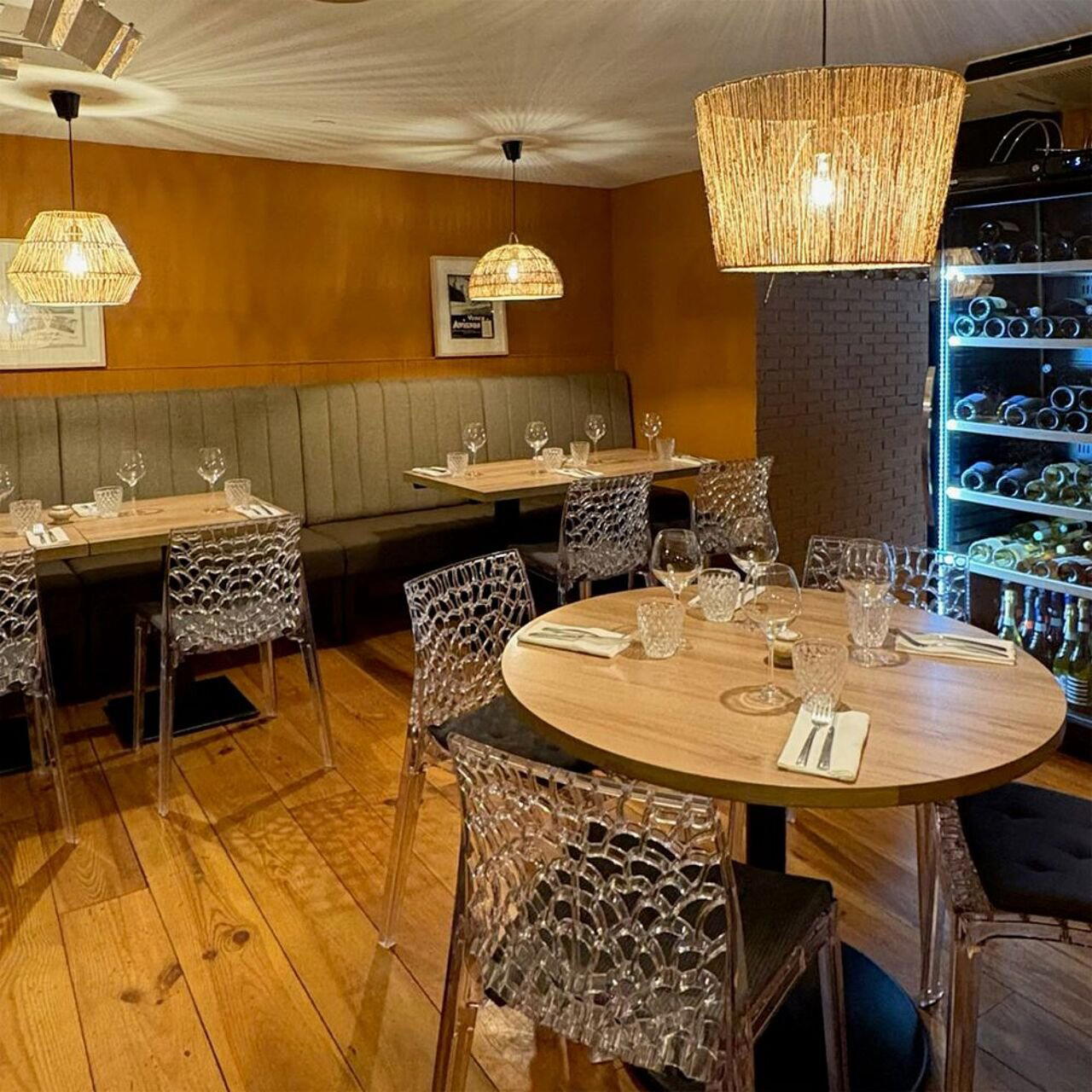
A Narrow Room, a Serious Kitchen
Old Avignon's dining scene is not short of medieval stone and theatrical settings. What is rarer is a room that directs attention toward the plate. At 19 rue des Trois-Faucons, Le Joat occupies a long, narrow space where vintage hardwood floors and beamed ceilings set the physical register, then yield to a cooler, more contemporary layer: designer pendant lights, Plexiglas seating, pale wood table surfaces. The result is a room that reads as composed rather than decorated.
Avignon sits at the northern edge of Provence, an hour from the Luberon markets and a short drive from the Rhône valley farms and orchards that supply much of the region's leading produce. That geography matters in understanding what a kitchen like this one can do with seasonal sourcing. The Provence agricultural calendar runs long: asparagus and tender herbs in spring, stone fruit and courgette flowers through summer, ceps and game as autumn arrives, and winter roots that hold flavour through the colder months. Le Joat takes that supply chain seriously.
Where the Food Comes From, and Why It Shows
Modern French cooking in regional cities has increasingly organised itself around a recognisable grammar: seasonal produce sourced close to the kitchen, technique drawn from classical training, and a menu structure that shifts with the market rather than with the calendar quarter. Le Joat works within that framework, and the evidence is in the approach to individual ingredients rather than in any single signature dish. The chef's method of preparing the same ingredient in multiple textures and forms on a single plate is not ornamental. It reflects a kitchen that starts with the raw material and asks what it can do structurally, rather than starting with a flavour combination and sourcing backward.
The peas served alongside the Salers ribeye illustrate this directly. Salers beef, from the volcanic plateau of Cantal in the Massif Central, is a grass-fed breed known for its lean, mineral-driven flavour; it is not a commodity protein. Pairing it with peas prepared in several forms simultaneously treats a single vegetable as a multi-dimensional element rather than a garnish. That approach demands quality at source: a pea that has sat in cold storage does not repay the kind of textural analysis a fresh-picked one does. The strawberry and elderflower soufflé follows the same logic applied to dessert, where two ingredients whose seasons briefly overlap in late spring and early summer define the timing of the dish's appearance rather than the other way around.
Within Avignon's modern cuisine bracket, the restaurant occupies a different register from the La Mirande or La Vieille Fontaine tier at €€€€, sitting closer to the mid-range where technique competes with value. Pollen, where the chef trained, represents one reference point in the city's modern cooking conversation; Acte 2 and Bibendum offer alternative positions in the same general register. What distinguishes the restaurant within that peer group is the specificity of the sourcing logic and the coherence of the ingredient-led approach across courses.
The Kitchen Lineage
Across French regional cooking, the trajectory of a chef through named kitchens functions as a kind of credential shorthand. Passing through serious houses leaves traces in technique, in the understanding of produce seasons, and in the discipline of menu construction. The chef here worked at Pollen, Le Carré d'Alethius, and Le 1920 before opening in old Avignon. The orientation toward seasonal produce and textural technique points toward a clear underlying discipline.
International comparisons are a different matter: a kitchen like Le Bernardin in New York or Alléno Paris au Pavillon Ledoyen operates at price points and institutional scales that make direct comparison unhelpful. The more useful frame for the restaurant is the regional French model: a chef with serious-kitchen experience, working in a small room in old Avignon, using local produce with structural intention.
Planning Your Visit
The restaurant sits at 19 rue des Trois-Faucons in the old city. A reservation is essential.
For those tracing Rhône valley wine alongside the food, the proximity to Châteauneuf-du-Pape and the southern Rhône appellations makes Avignon a logical base for a wine-and-dining trip that extends well beyond the city itself. represents an interesting transatlantic counterpoint for readers thinking about what serious regional cooking looks like when it anchors itself this deliberately to local supply chains.
Comparable Spots, Quickly
Comparable venues nearby, for context on price, style, and recognition.
| Venue | Cuisine | Price | Awards | Notes |
|---|---|---|---|---|
| Le JoatThis venue — the venue you are viewing | Modern French Seasonal Fine Dining | $$$ | Michelin Plate | Not listed |
| Bibendum | Modern French Bistronomique | $$$ | Bib Gourmand | Intra-muros |
| L'Agape | Modern French Bistro | $$$ | Bib Gourmand | centre historique |
| L'Essentiel | Contemporary French Bistro | $$$ | Not listed | Avignon City Center |
| Sevin | Modern Seasonal Provençal | $$$$ | Michelin Plate | Centre ville |
| Acte 2 | Modern French Seasonal Tasting Menu | $$$$ | Michelin Plate | Centre ville |
Recognition history
Dated appearances from independent guides and award organizations, with the underlying list record or original source where available.
Michelin Plate
Michelin
Continue exploring
More in Avignon
Restaurants in Avignon
Browse all →
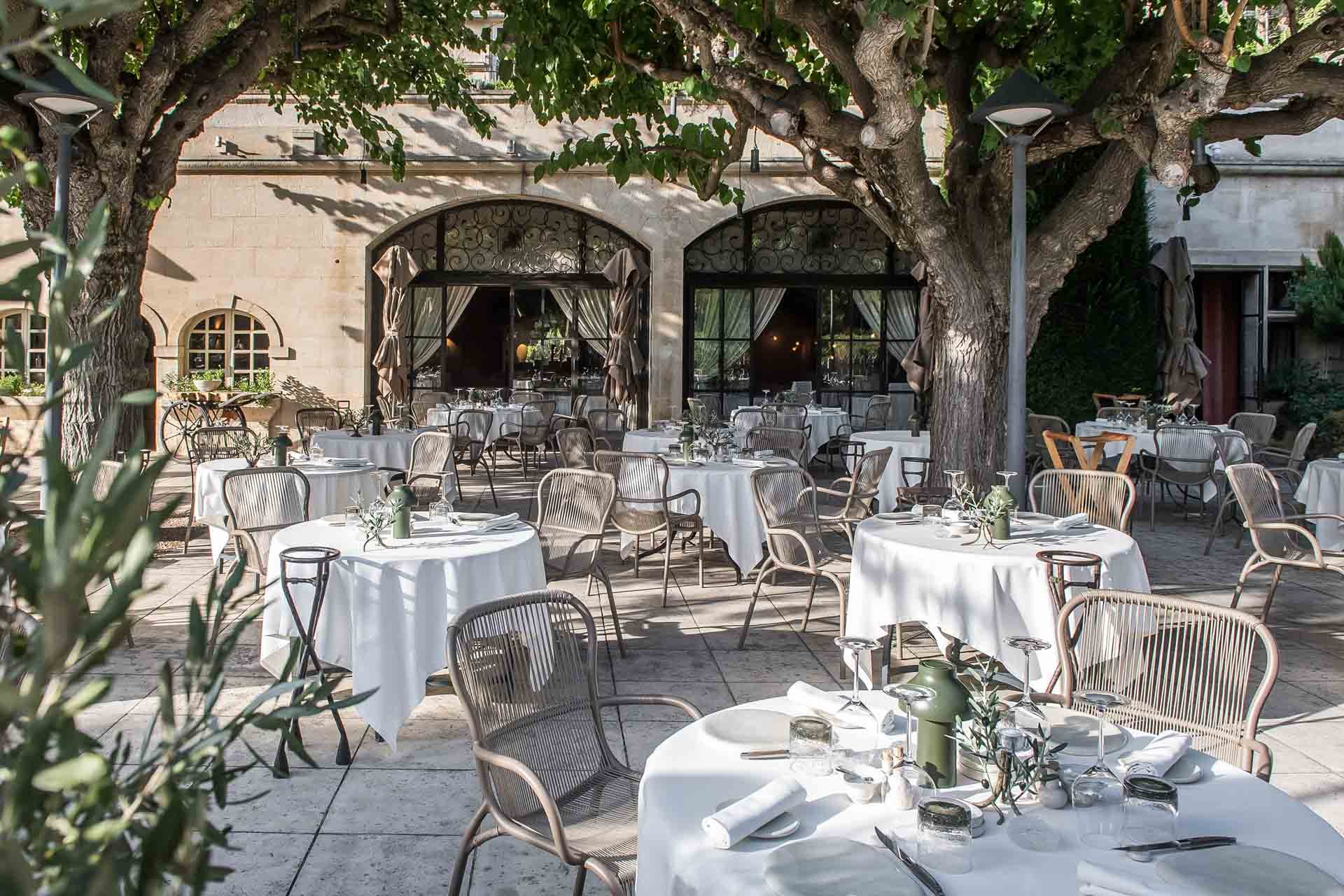
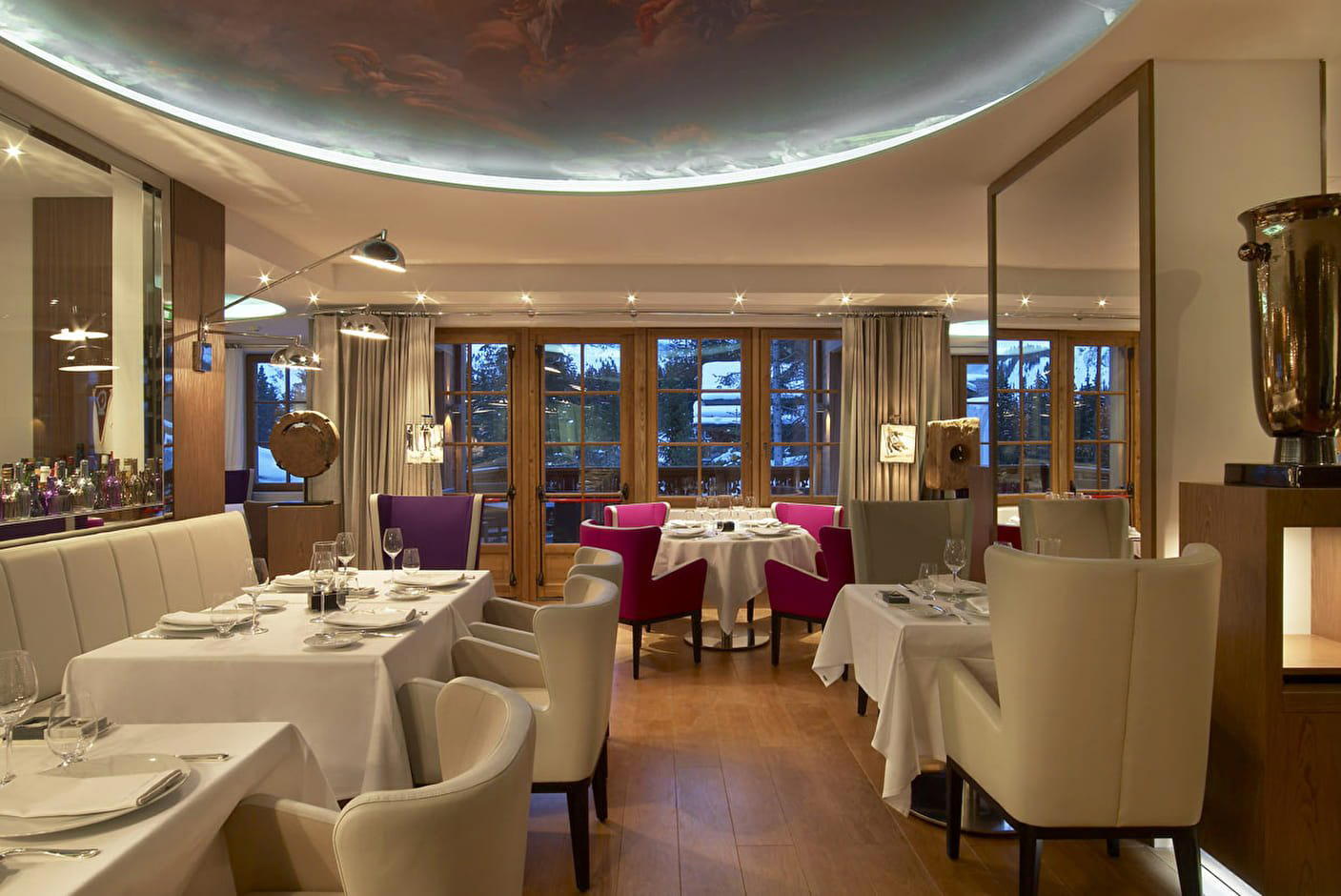
Bars in Avignon
Browse all →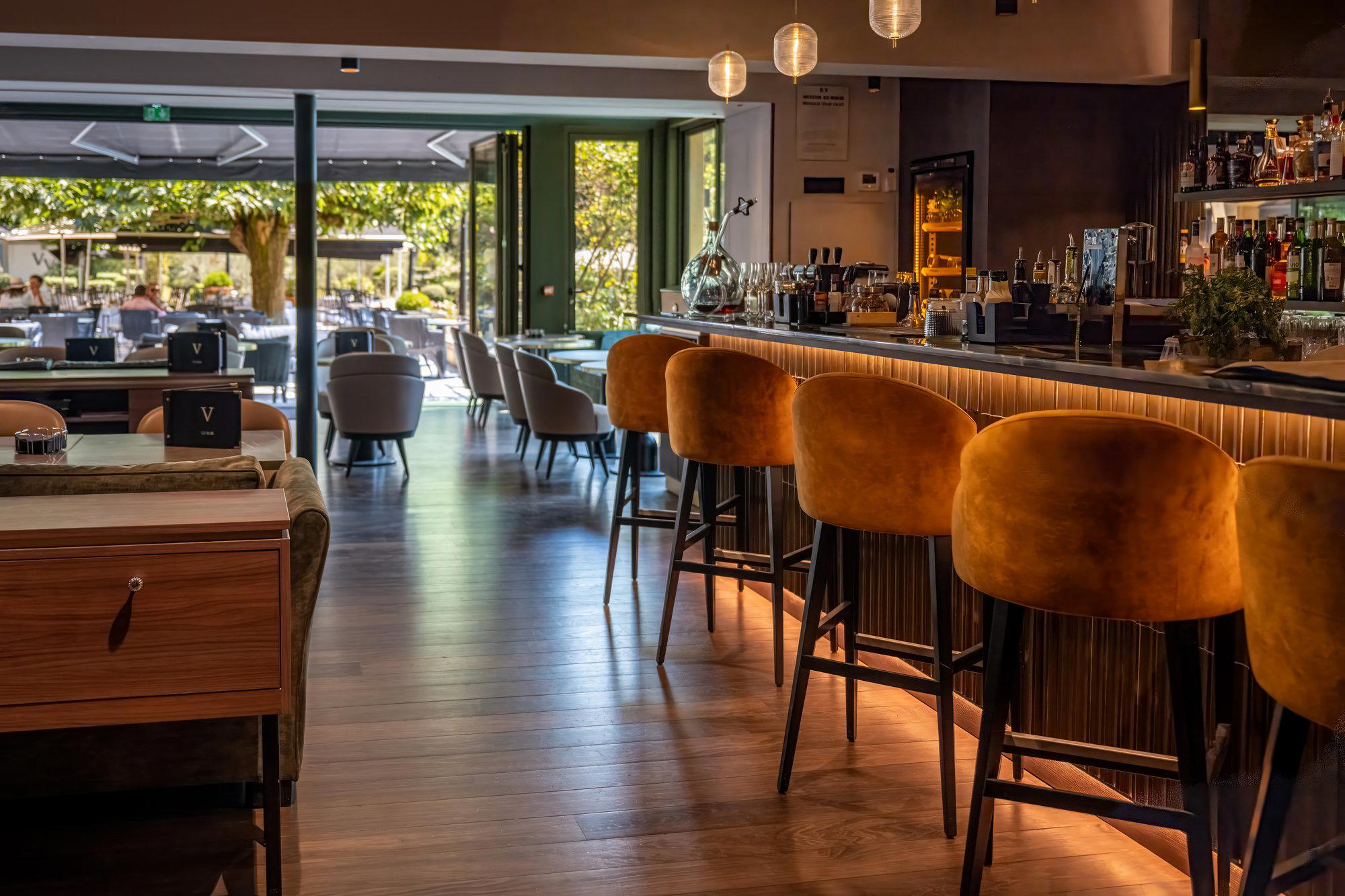
Hotels in Avignon
Browse all →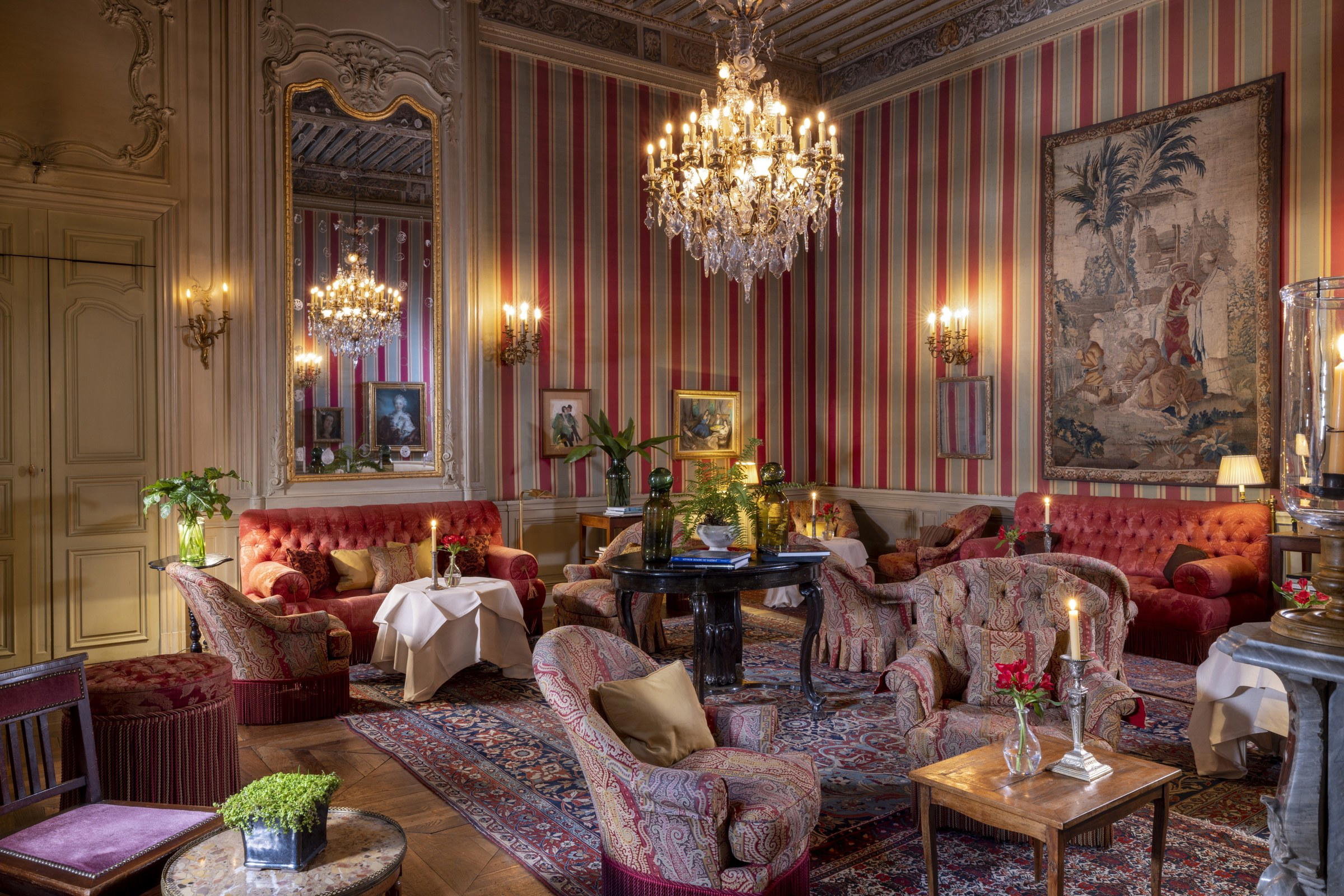
At a Glance
- Intimate
- Elegant
- Sophisticated
- Date Night
- Special Occasion
- Celebration
- Standalone
- Historic Building
- Sommelier Led
- Farm To Table
- Local Sourcing
Current opening hours
- Monday
- Closed
- Tuesday
- 12–1:30 PM, 7:30–9:30 PM
- Wednesday
- 12–1:30 PM, 7:30–9:30 PM
- Thursday
- 12–1:30 PM, 7:30–9:30 PM
- Friday
- 12–1:30 PM, 7:30–9:30 PM
- Saturday
- 12–1:30 PM, 7:30–9:30 PM
- Sunday
- Closed
Hours can change for holidays and private events. Last verified .
Warm and refined with vintage hardwood floors, beamed ceilings, and contemporary touches; intimate dining room with attentive, friendly service creating a welcoming yet sophisticated atmosphere.