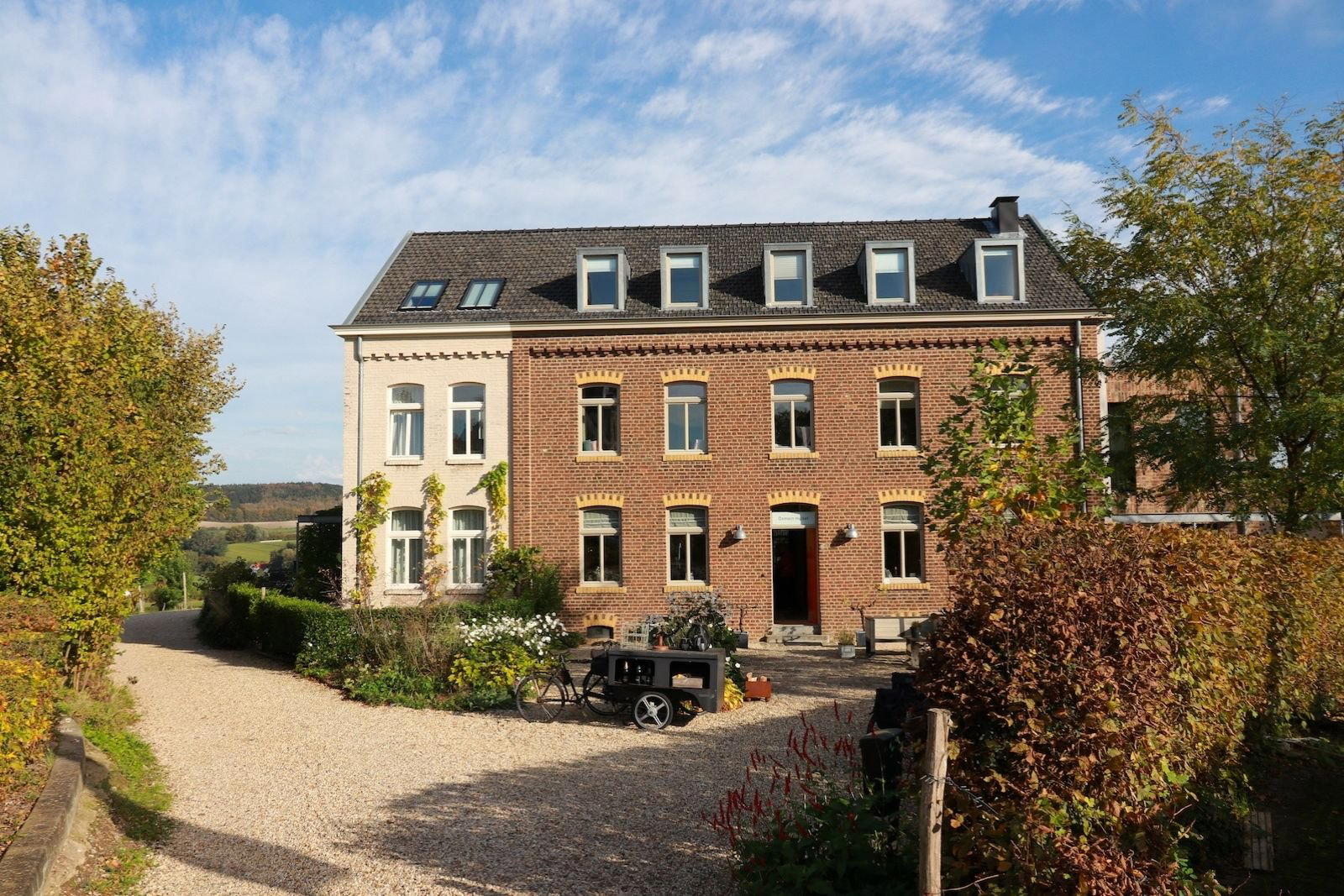
Le Jardin de Caroline sits on Rue Saivelette in Blegny, a commune in the Liège province where the Belgian table tradition runs deep and local sourcing is less a trend than a baseline expectation. In a region where garden-to-table cooking predates the marketing language that now surrounds it, a venue bearing the word 'jardin' carries weight. Confirm current hours and booking directly before visiting.
Pearl is the En Primeur Club membership app — saves, bookings, and concierge access live there. Same editors, same standards.
- Address
- Rue Saivelette 8, 4671 Blegny, Belgium
- Phone
- +3243874211
- Website
- lejardindecaroline.be
- Directions
- Get directions
 Saves & bookings on Pearl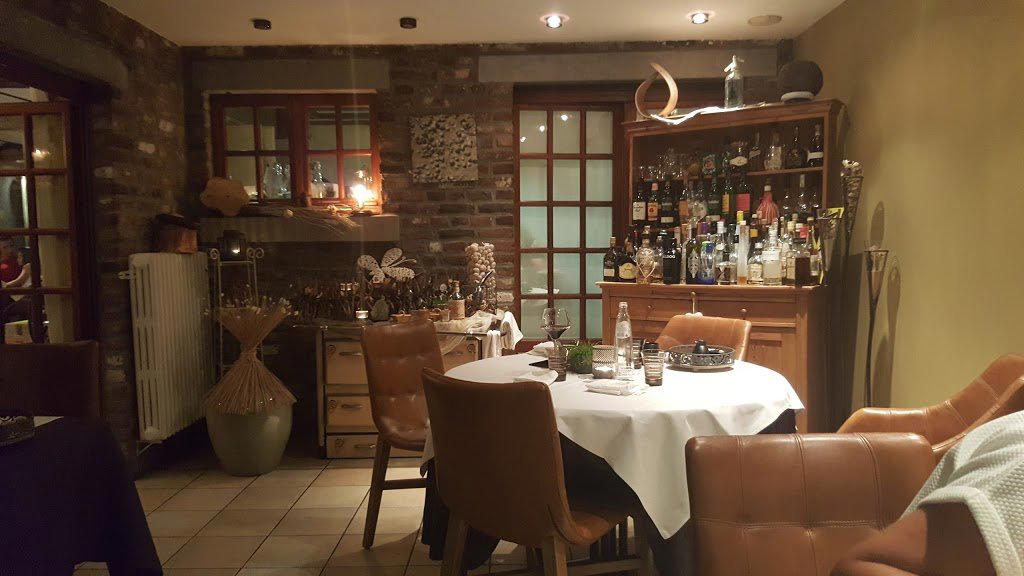
Where the Belgian Table Tradition Still Feels Grounded
The Liège province has never needed much persuasion to eat well. In the towns and villages east of the city, where the land flattens into gentle agricultural corridors before rising again toward the Ardennes, cooking tends to be rooted rather than performative. Blegny sits inside that tradition. The commune is better known internationally for its coal-mining heritage and UNESCO recognition than for its restaurant scene, which means the dining that does exist here operates largely outside the circuits that generate press coverage and Michelin consideration. That obscurity is not a failure of quality. It is, in many cases, a function of geography and local orientation.
Le Jardin de Caroline, addressed at Rue Saivelette 8, occupies a position in that local fabric. The name itself signals a particular register: a jardin, in the culinary vocabulary of French-speaking Belgium, implies something cultivated, seasonal, and close to hand. It points toward a kitchen that draws from what grows nearby rather than one that constructs a menu from imported protein and global reference points.
Ingredient Sourcing in the Liège Region: A Baseline, Not a Differentiator
Understanding what a venue like Le Jardin de Caroline likely represents requires understanding the sourcing culture of the broader Liège area. Belgian gastronomy at the serious end of the spectrum has long operated on a premise that the distance between field and plate should be short. This is not a contemporary affectation. The brasseries and maisons de bouche of Wallonia have sourced from regional farmers, orchards, and river systems for generations, long before farm-to-table became a phrase that appeared on menus in English.
The province of Liège in particular benefits from its geography. The Meuse valley, the Herve plateau to the east, and the edges of the Ardennes to the south produce a range of ingredients with genuine regional identity: Herve cheese, which carries protected designation status; lamb from the plateaux; river fish from the Amblève and its tributaries; and seasonal produce from smallholder operations that rarely reach the wholesale markets serving larger urban kitchens. A kitchen positioned in Blegny, sitting between Liège and the German border, has access to that supply network in a way that a city-centre restaurant does not. Proximity to the source is structural here, not aspirational.
For comparison, consider where Belgium's formally recognized kitchens source their ingredients. Willem Hiele in Oudenburg has built its reputation on hyper-local North Sea and coastal sourcing. Hof van Cleve in Kruishoutem draws from the agricultural richness of the Flemish Ardennes. In Wallonia, L'air du Temps in Liernu has made its kitchen garden a structural element of the cooking, not a decorative footnote. The premise that sourcing defines a kitchen's character runs through Belgian fine dining from coast to Ardennes. What changes is the scale and the formality with which it is presented.
Blegny's Dining Scene and What It Represents
Blegny's restaurant community is small and locally anchored. Le Barbecue de Jacky represents the other recognizable name in the commune's dining options, operating in a distinctly different register. Between venues like that and a place named after a garden, the local offer covers a range of formats without aspiring to the kind of density you find in Liège itself or in gastronomically saturated Flemish cities like Antwerp, where Zilte operates from a position of considerable critical recognition, or Roeselare, where Boury holds three Michelin stars.
That contrast matters for context. Belgium's formally awarded dining is heavily concentrated in Flanders and in Brussels. Wallonia's dining culture is no less serious, but it tends toward a different kind of ambition: depth of tradition, regional specificity, and a resistance to the kind of international positioning that drives award cycles. Venues like La Table de Maxime in Our and d'Eugénie à Emilie in Baudour operate in that Walloon register: serious, place-specific, less interested in global comparison than in executing a genuinely local vision.
Le Jardin de Caroline sits within that same orientation. It is a Blegny address, serving a Blegny public, in a province where the French-Belgian table tradition is absorbed as a matter of course rather than performed for outside approval.
Planning Your Visit
Blegny is accessible by car from Liège in under twenty minutes, and the commune is well connected to the broader Liège-Aachen corridor. Visitors combining a meal here with a visit to the Blegny-Mine UNESCO site will find the logistics direct. Because no current booking information, phone number, or website is confirmed in available records, the practical advice is direct: contact the venue through local directory resources or via the Blegny tourism office before making a specific journey. Hours, reservation requirements, and seasonal closures are details that shift at this scale, and confirming them in advance saves the kind of frustration that comes from arriving at a small restaurant that is closed for a private event. For a broader map of what the region offers, our full Blegny restaurants guide covers the commune's dining options with current detail.
Readers with a wider interest in Belgian dining at formal levels will find the full range mapped across our coverage: from Bozar Restaurant in Brussels and Le Chalet de la Forêt in Uccle to Castor in Beveren, De Jonkman in Sint-Kruis, Bartholomeus in Heist, Maison Colette in Tongerlo, and La Durée in Izegem. For those whose interest extends beyond Belgium, the sourcing-led ethos that defines the best of this region has international counterparts: Le Bernardin in New York City applies a similar discipline to seafood sourcing, while Atomix in New York City demonstrates how ingredient origin can function as a structural narrative across a tasting format.
Continue exploring
More in Blegny
Restaurants in Blegny
Browse all →
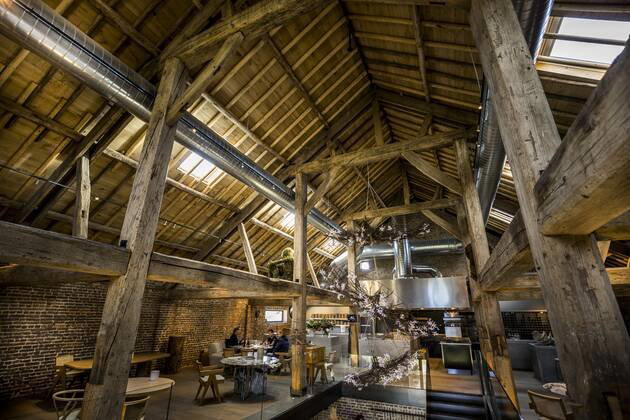
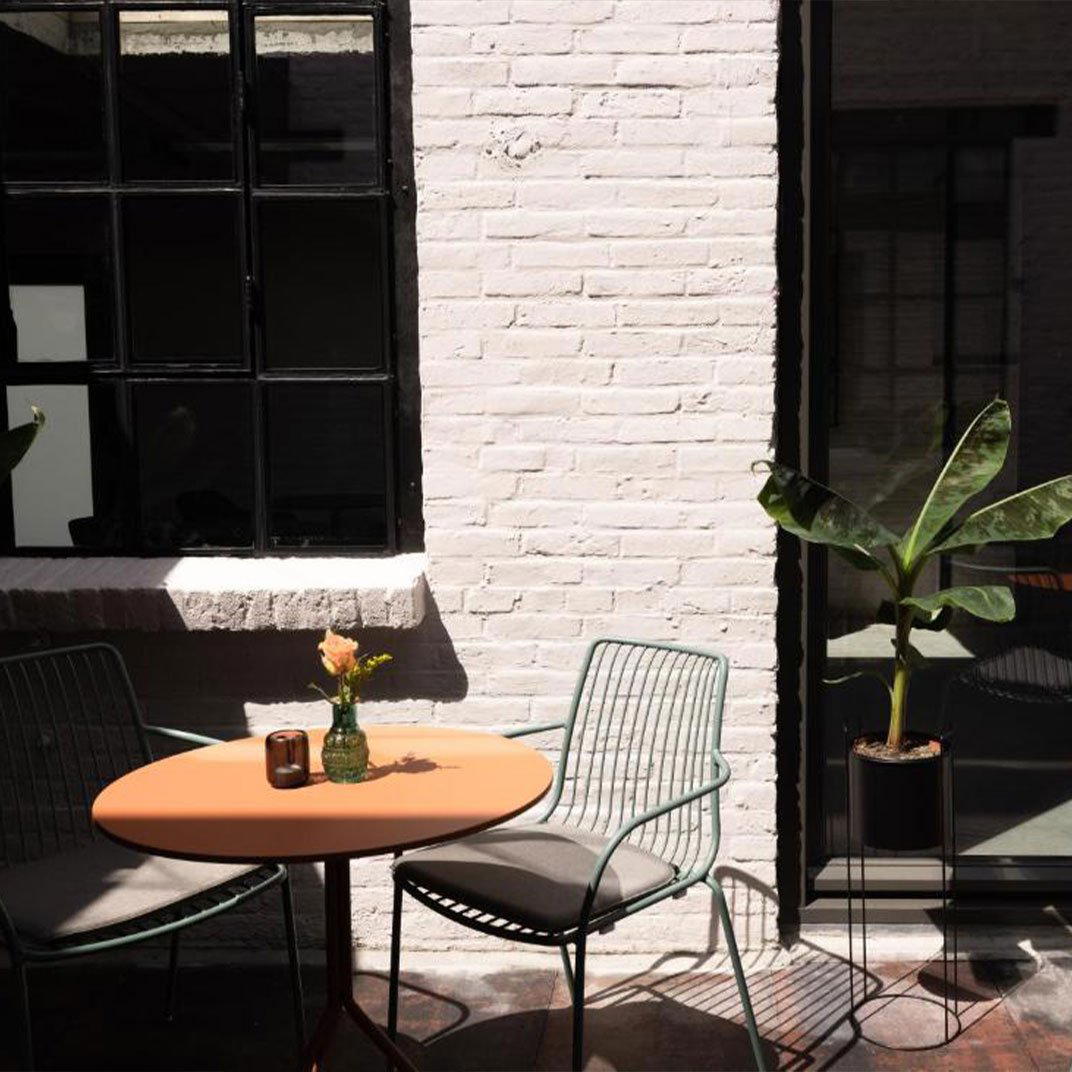
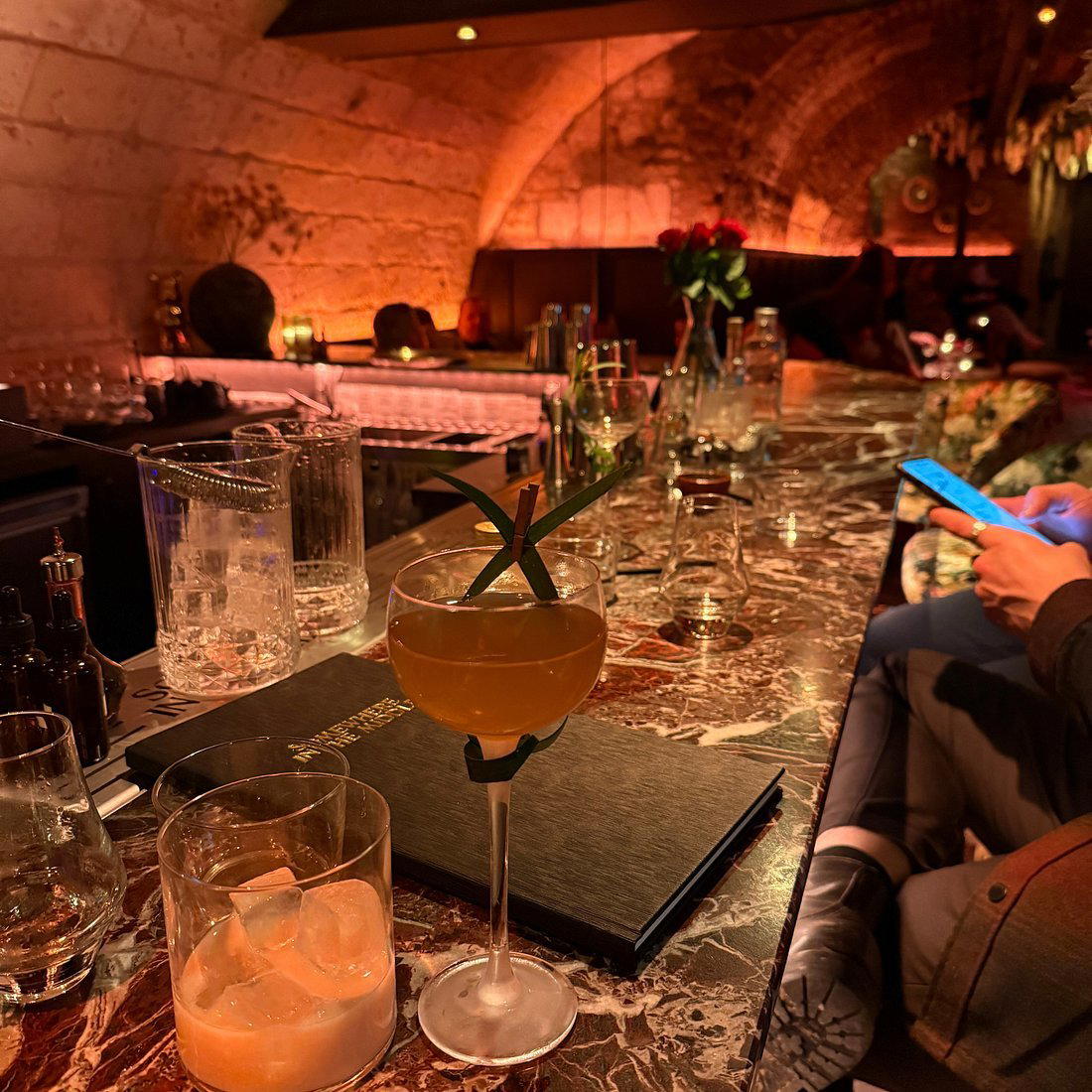
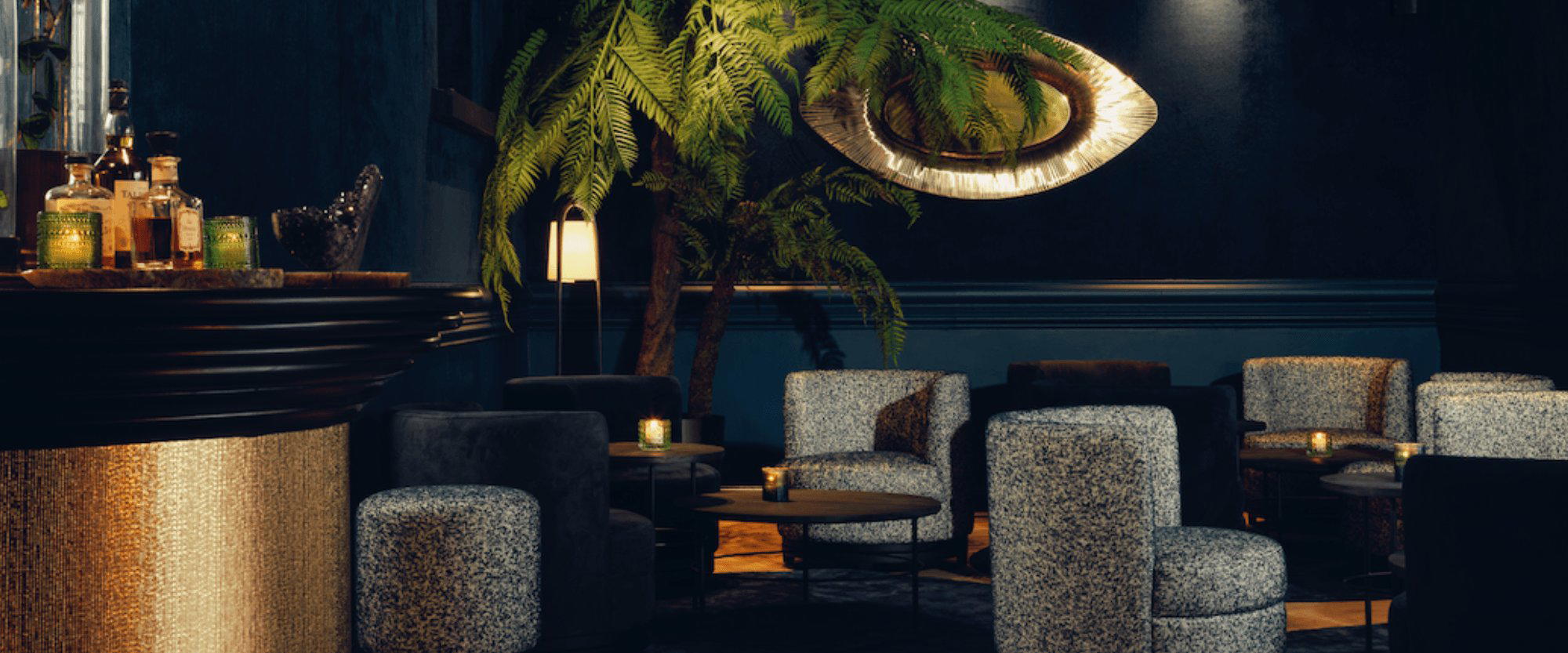
Bars in Blegny
Browse all →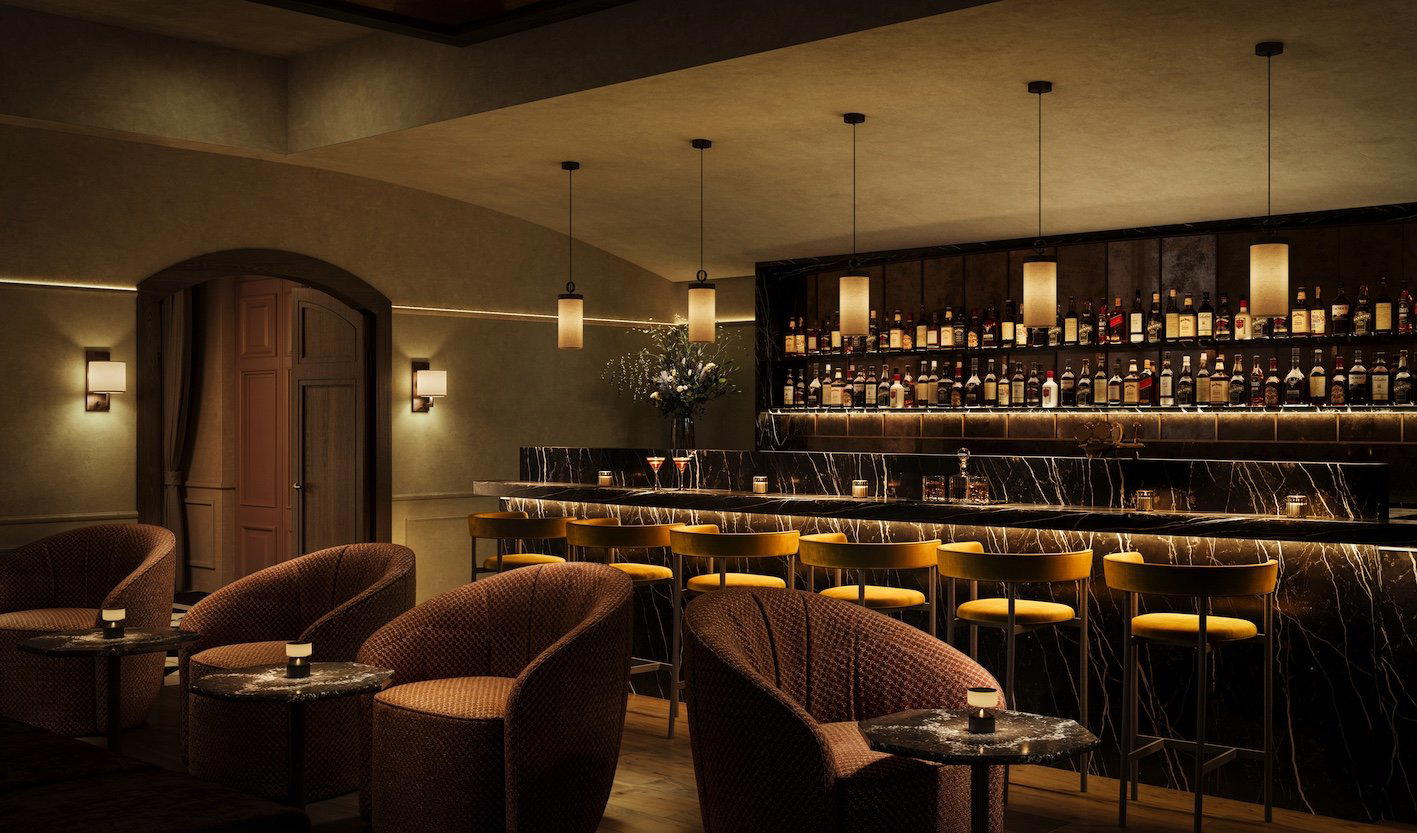
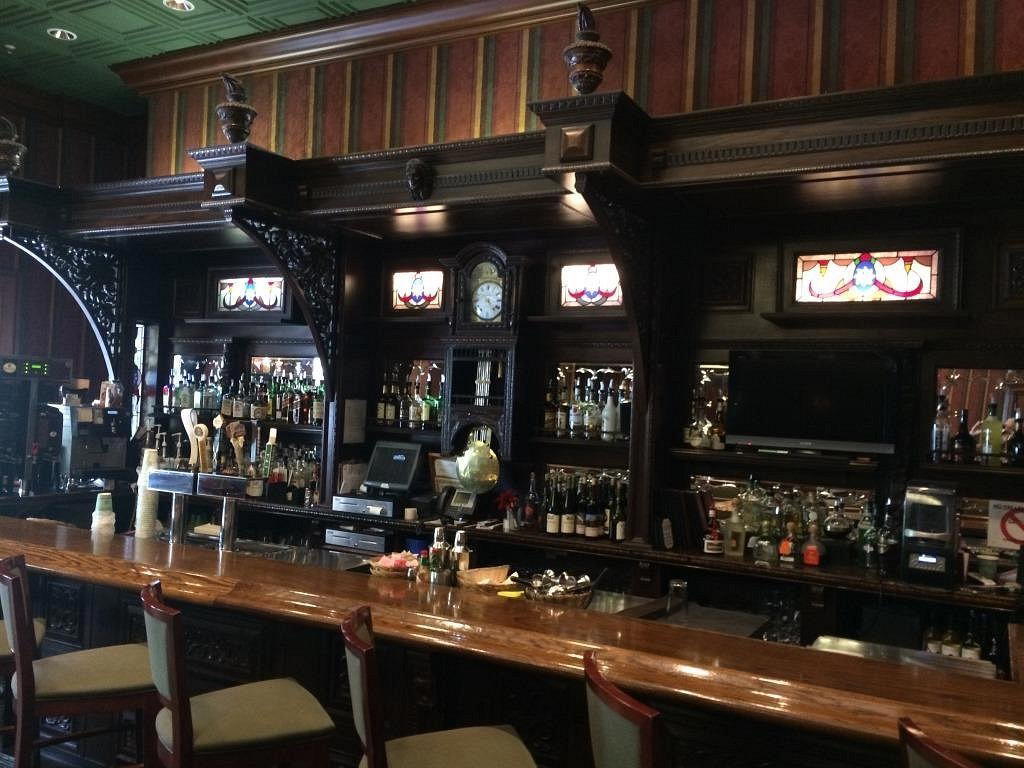
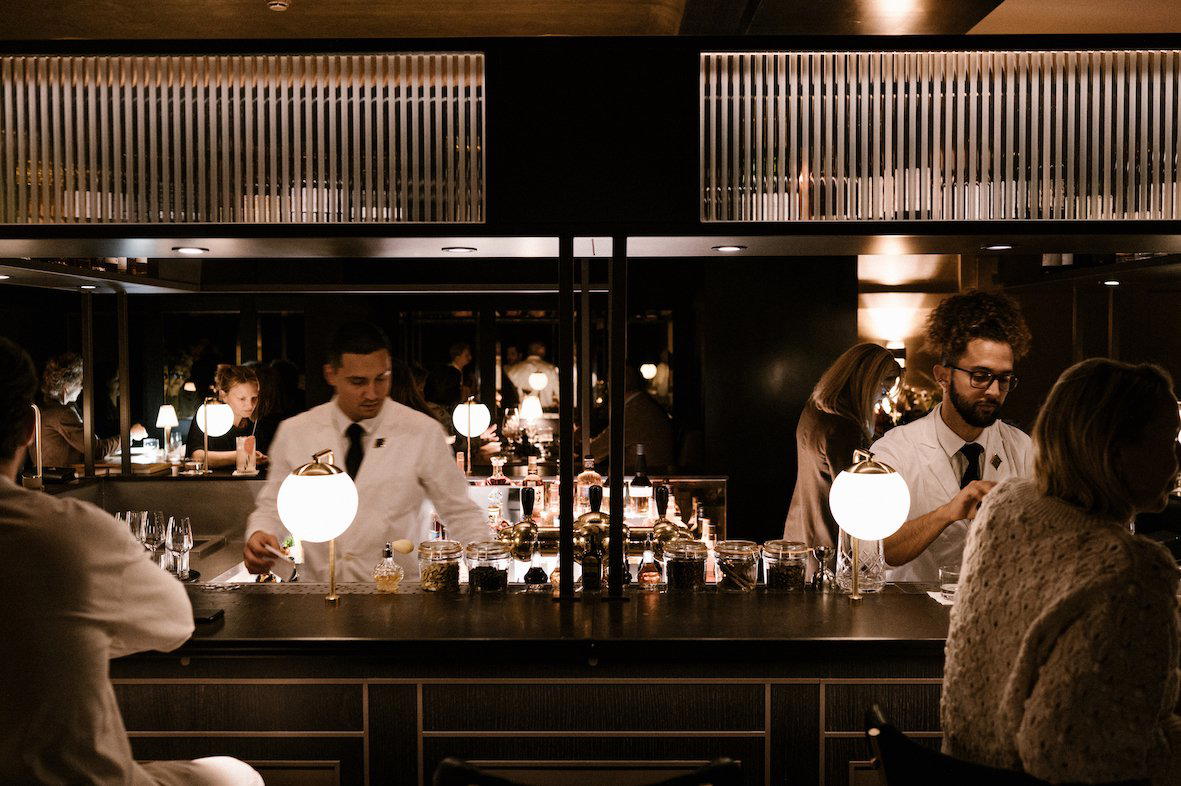
Hotels in Blegny
Browse all →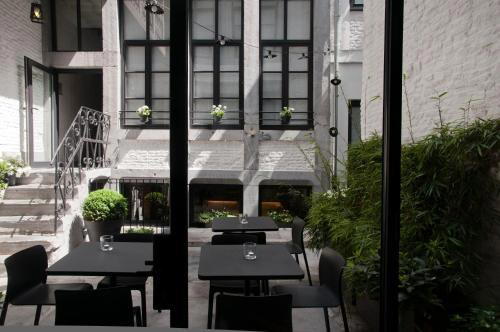
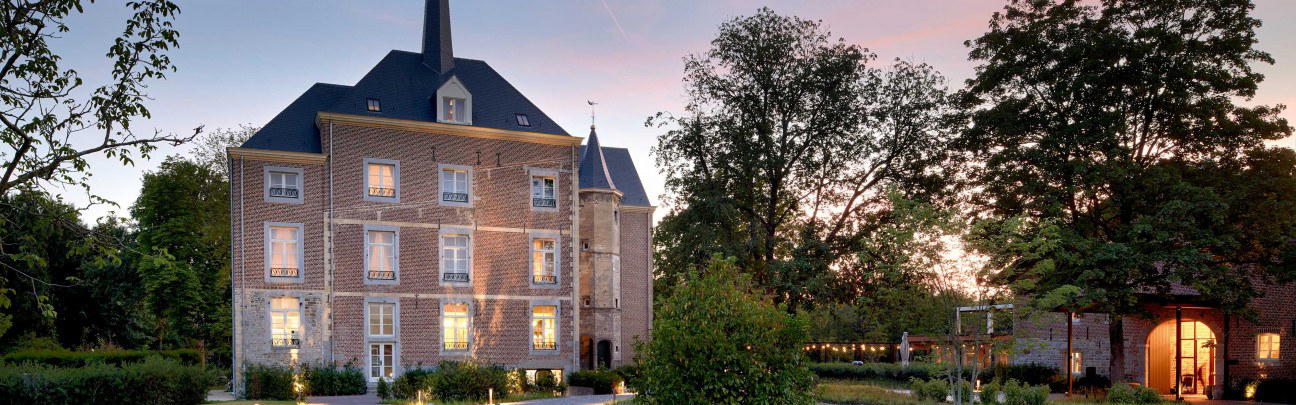
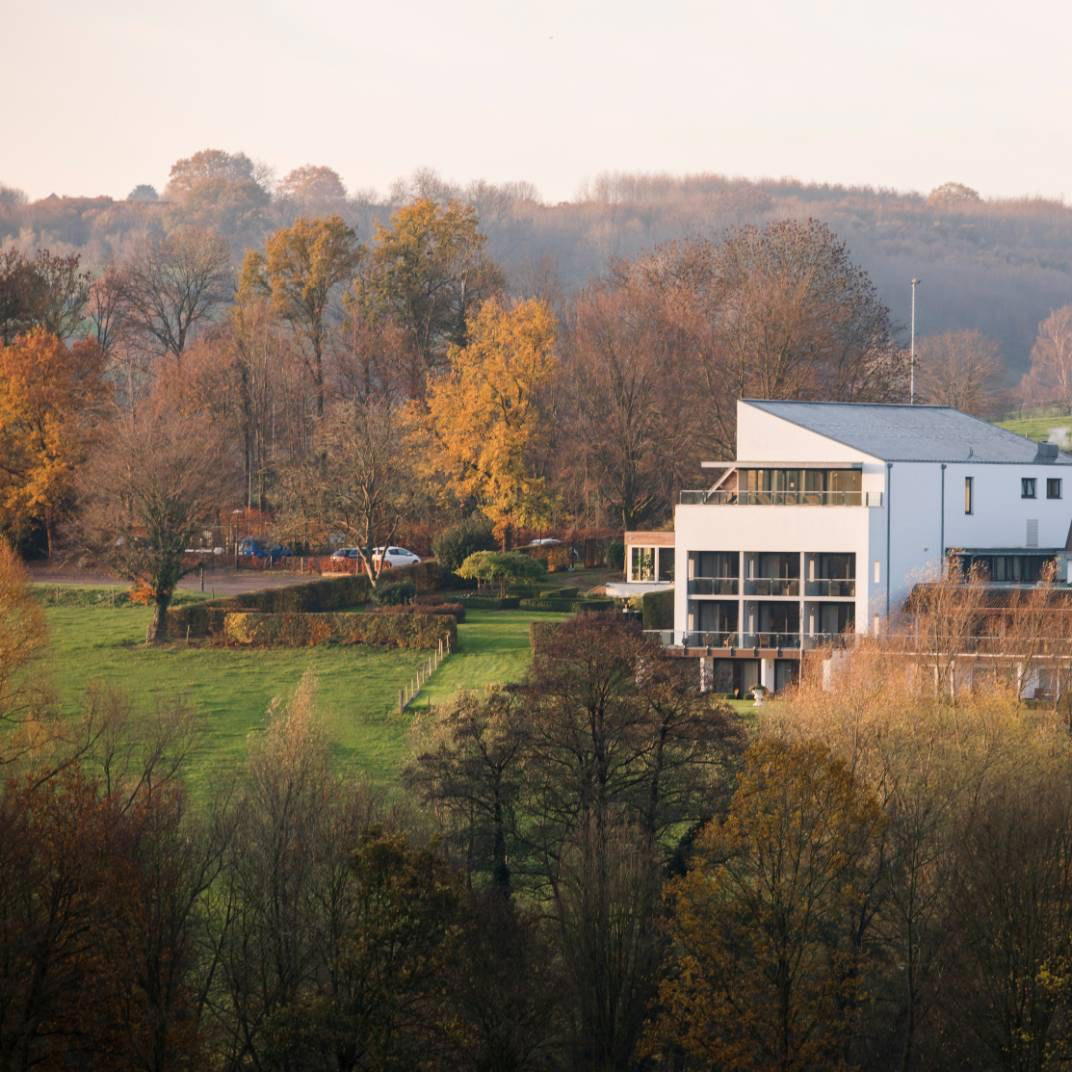
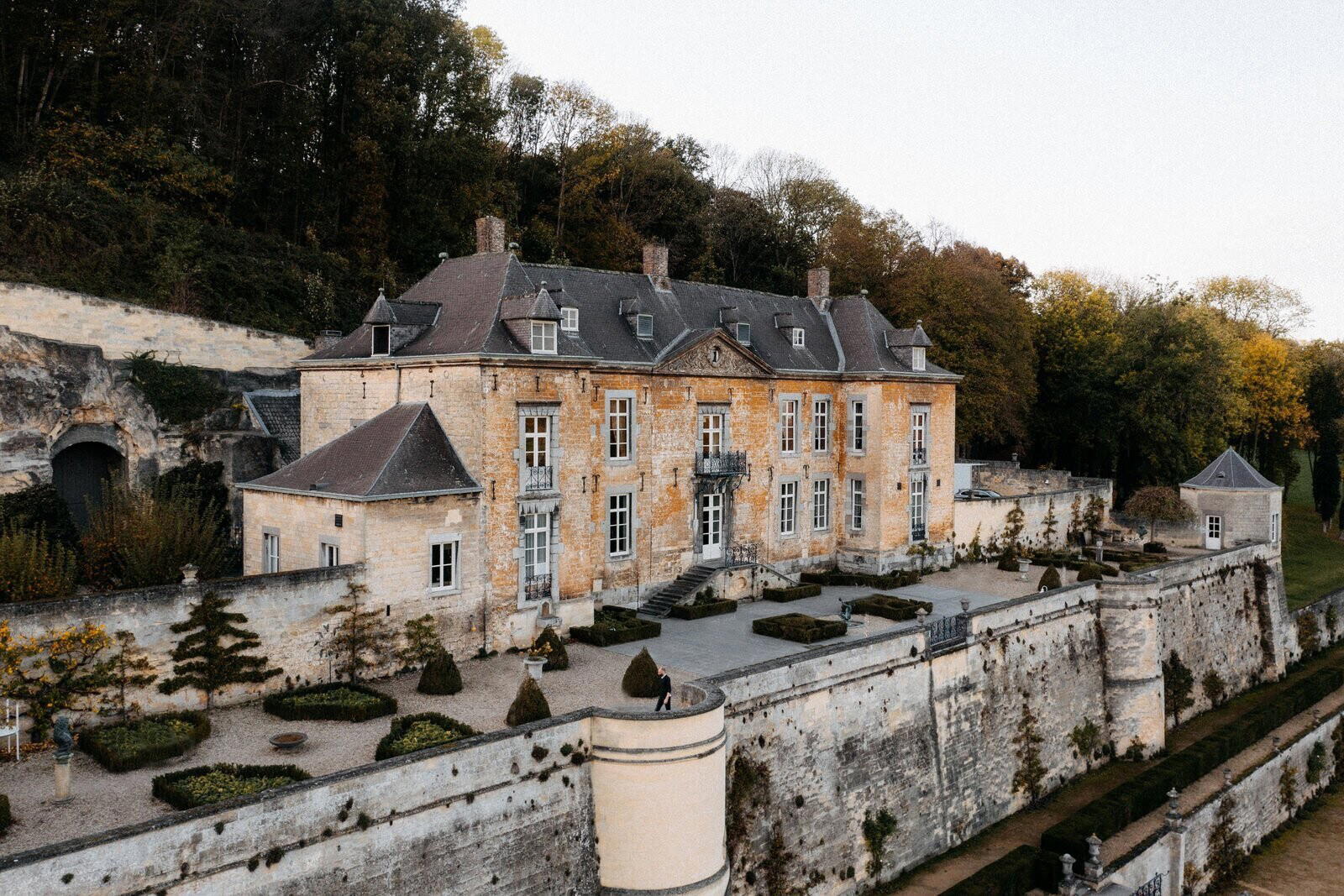
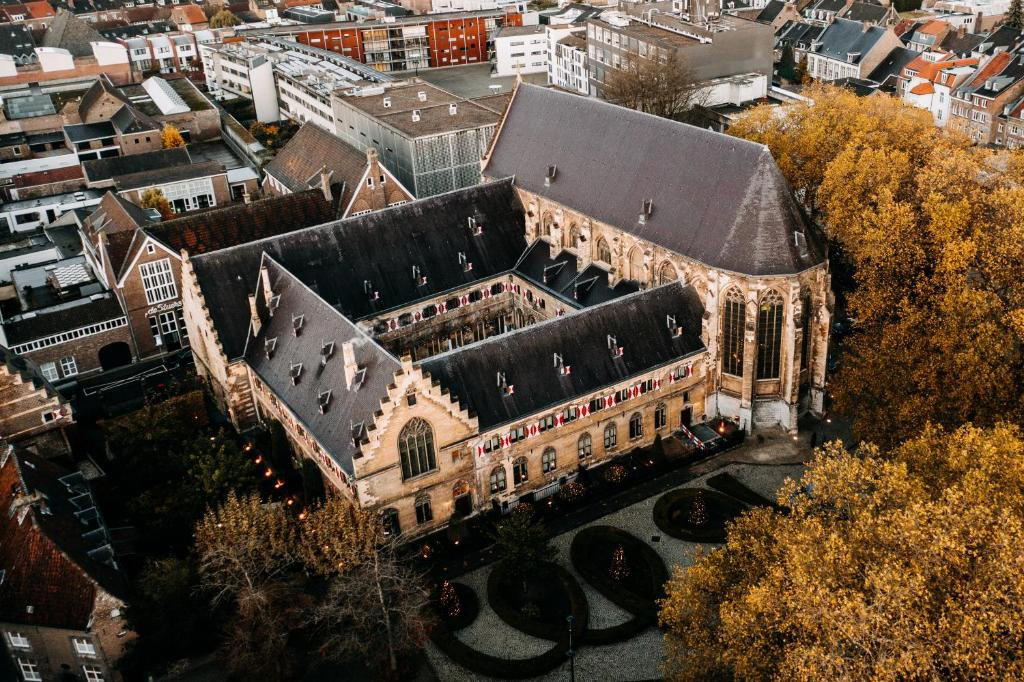

At a Glance
- Cozy
- Elegant
- Date Night
- Special Occasion
- Terrace
- Garden
Current opening hours
- Monday
- Closed
- Tuesday
- Closed
- Wednesday
- Closed
- Thursday
- 12–2 PM
- Friday
- 12–2 PM, 7–9 PM
- Saturday
- 12–2 PM, 7–9 PM
- Sunday
- 12–2:30 PM
Hours can change for holidays and private events. Last verified .
Cute decor and relaxed ambiance with kind and attentive service.
Know Before You Go
- Getting there
- Rue Saivelette 8, 4671 Blegny, Belgium