
A low-cost, takeout-only bread, sandwich, and cake stop near Hanzomon, Le Grenier à Pan Koujimachi ten belongs to Tokyo’s serious everyday bakery circuit rather than the city’s tasting-menu economy. Its Tabelog Bread TOKYO 100 selection in 2022, plus earlier Bread 100 selections, gives it a clear signal for travelers building a precise Kojimachi or Hanzomon food day.
Pearl is the En Primeur Club membership app — saves, bookings, and concierge access live there. Same editors, same standards.
- Address
- Japan, 〒102-0083 Tokyo, Chiyoda City, Kojimachi, 1 Chome−8−8 Grand Maison Kōjimachi, 1F
- Phone
- +81 3-3263-0184
- Website
- legrenierapain.jp
 Saves & bookings on Pearl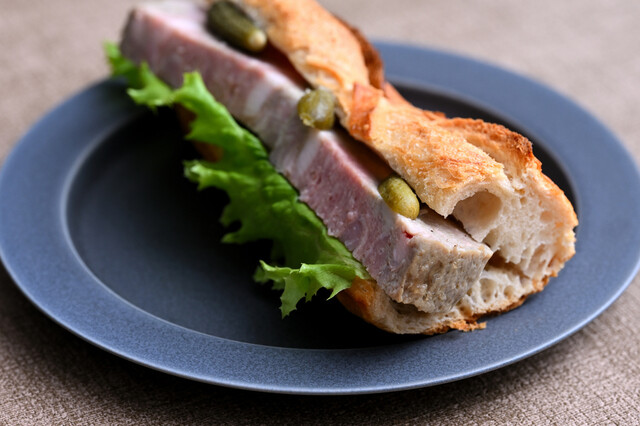
Around Hanzomon, Tokyo’s bakery culture feels less theatrical than in the shopping districts: office workers, embassy staff, and neighbourhood regulars move quickly, buying bread as part of the day rather than making a ceremony of it. That is the useful lens for Le Grenier à Pan Koujimachi ten. It belongs to the city’s practical French-bakery lane, where the case matters more than the dining room, and timing matters more than lingering.
Tokyo has a serious bread scene that often hides in plain sight because it sits outside the usual sushi, ramen, and kaiseki itinerary. The stronger bakeries are judged on repeatability: viennoiserie that survives a commute, sandwich bread with enough structure for a workday lunch, cakes that make sense as an after-office purchase. The Tabelog Bread TOKYO 100 selection in 2022 places this Kojimachi shop inside that conversation, with earlier Bread 100 selections in 2018, 2019, and 2020 adding a pattern rather than a single-year flash.
A Hanzomon bakery built for precision, not lingering
The format is part of the argument. Takeout-only bakeries in Tokyo reward a different kind of planning from restaurants: no dining room rhythm, no table turnover calculus, and no long sit-down meal to justify a detour. The visitor decision is sharper. If the day already runs through Hanzomon, Kojimachi, Nagatacho, or the Imperial Palace side of Chiyoda, this is a compact food stop that fits between appointments, museums, or transit legs.
That position separates it from destination dining. A counter omakase asks for a calendar strategy; a bakery like this asks for route strategy. The payoff is in folding a recognised bread address into the day without giving up half a schedule. In Tokyo, that distinction matters. The city’s strongest eating days often come from combining one anchored meal with smaller, category-specific stops: coffee in one neighbourhood, bread in another, a bar later in the evening.
The categories are broad enough to be useful without turning the visit into a tasting exercise: bread, sandwiches, and cake. That range makes the shop practical across the day, from breakfast to a desk lunch to something carried back to a hotel room. The average spend sits in the low end of Tokyo’s dining scale, which is another reason the recognition is notable. In a city where prestige can attach to scarcity and ceremony, the bakery category still leaves room for daily-use excellence.
Where it fits in Tokyo's bread hierarchy
Tabelog’s Hyakumeiten lists are not Michelin-style star systems; they operate more like category maps for diners who want to understand depth beyond famous restaurant genres. Bread is a particularly revealing category in Tokyo because it sits between imported technique and local habit. French forms have long been absorbed into Japanese city life, but the buying pattern remains local: small quantities, high turnover, and a premium on consistency.
Le Grenier à Pan Koujimachi ten is useful because it sits in Chiyoda rather than in a neighbourhood built around leisure browsing. That gives it a different role from bakeries in shopping-heavy or café-heavy districts. It reads as an urban utility with credentials, the kind of place that can improve a tightly planned day without demanding that the day revolve around it.
Within the supplied Tokyo comparison group, Ichigenya shares the same low-price band, while Petit A La Campagne and SOLEIL sit one spending tier higher. Those comparisons matter less as cuisine parallels than as traveller-budget signals: this address is positioned for a quick purchase rather than a seated lunch plan. エリオ・ロカンダ・イタリアーナ and Mizukami belong to a different restaurant rhythm entirely, so they are less useful as direct substitutes than as evidence of how varied Chiyoda-area dining can be within a short radius.
The editorial call is simple: treat this as a category specialist, not a general restaurant booking. The value is highest for travelers who already understand Tokyo as a sequence of precise food stops. It is less compelling for anyone seeking a long lunch, a room with atmosphere, or a chef-led narrative. In that sense, the absence of a sit-down format is not a drawback; it defines the use case.
How to fold it into a Tokyo food day
The strongest plan is to pair this kind of stop with a broader Chiyoda or central Tokyo itinerary. Hanzomon and Kojimachi are not built around late-night wandering in the way Shinjuku, Shibuya, or Ebisu are, so the bakery works better earlier in the day or as a practical bridge between cultural stops and transport. Payment flexibility also suits travelers moving through Tokyo with transport IC cards or QR payments rather than cash-only assumptions.
For broader planning, use Our full Tokyo restaurants guide to place this bakery beside more formal meals, then build the rest of the day through Our full Tokyo hotels guide, Our full Tokyo bars guide, Our full Tokyo wineries guide, and Our full Tokyo experiences guide. Nearby or Tokyo-based food entries worth cross-checking by itinerary style include. 鮪と炭火焼き うお炭 秋葉原店, 12/10 Shinjuku ten, 124. KAGURAZAKA (Yakitori), 2D Cafe, and 3 Chome no Curry Ya San.
Travelers extending the same food-first logic beyond central Tokyo can compare formats with -Grilled beef Sukiyaki- KAMAKURA TANUKIAN 鎌倉 たぬき庵 in Kamakura.cafe in Osaka.know in Kumamoto, (Shoku) Vietnam in Kawasaki, [Curry Senmon Ten] Maruyama Kyoju. in Sapporo, [ki:] in Kyoto, Jōdo Saké Bar in Los Angeles, and Onigiri Time in Pasadena. The useful comparison is not cuisine; it is how each place fits into a day without wasting movement.
For EP Club readers, the verdict is practical rather than romantic. Le Grenier à Pan Koujimachi ten is a credentialed bakery stop in a businesslike part of Tokyo, with a low spend profile and a format that rewards efficient planning. Use it when the route already points toward Hanzomon or Kojimachi, and let it play the role Tokyo bakeries often play well: a small, precise purchase that improves the day without asking to become the day.
Cuisine Lens
Comparable venues to anchor price and recognition.
| Venue | Cuisine | Price | Notes |
|---|---|---|---|
| Le Grenier à Pan Koujimachi ten | French Bakery | $ | Chiyoda |
| Boulangerie Paris no Sora no Shita | French-style bakery & sandwich shop | $ | Setagaya |
| BOULANGERIE SEIJI ASAKURA | French-Japanese bakery | $ | Minato |
| Patisserie la glycine | French-style patisserie & cake shop | $ | Meguro |
| MAISON D'AHNI | Basque-style French patisserie | $$ | Minato |
| IL PLEUT SUR LA SEINE | French Patisserie | $$ | Shibuya |
Recognition history
Dated appearances from independent guides and award organizations, with the underlying list record or original source where available.
Tabelog 100 #97 · No. 97
Tabelog · Tabelog 100 - Bread - TOKYO - 2022









At a Glance
- Classic
- Cozy
- Solo
- Family
- Casual Hangout
- Brunch
- Standalone
Current opening hours
- Monday
- 8 AM–8:30 PM
- Tuesday
- 8 AM–8:30 PM
- Wednesday
- 8 AM–8:30 PM
- Thursday
- 8 AM–8:30 PM
- Friday
- 8 AM–8:30 PM
- Saturday
- 9 AM–8 PM
- Sunday
- 9 AM–6 PM
Hours can change for holidays and private events. Last verified .
A casual, bakery-style atmosphere focused on fresh bread and sweets rather than full-service dining.