Le Grand et La Terrasse
Our verdict
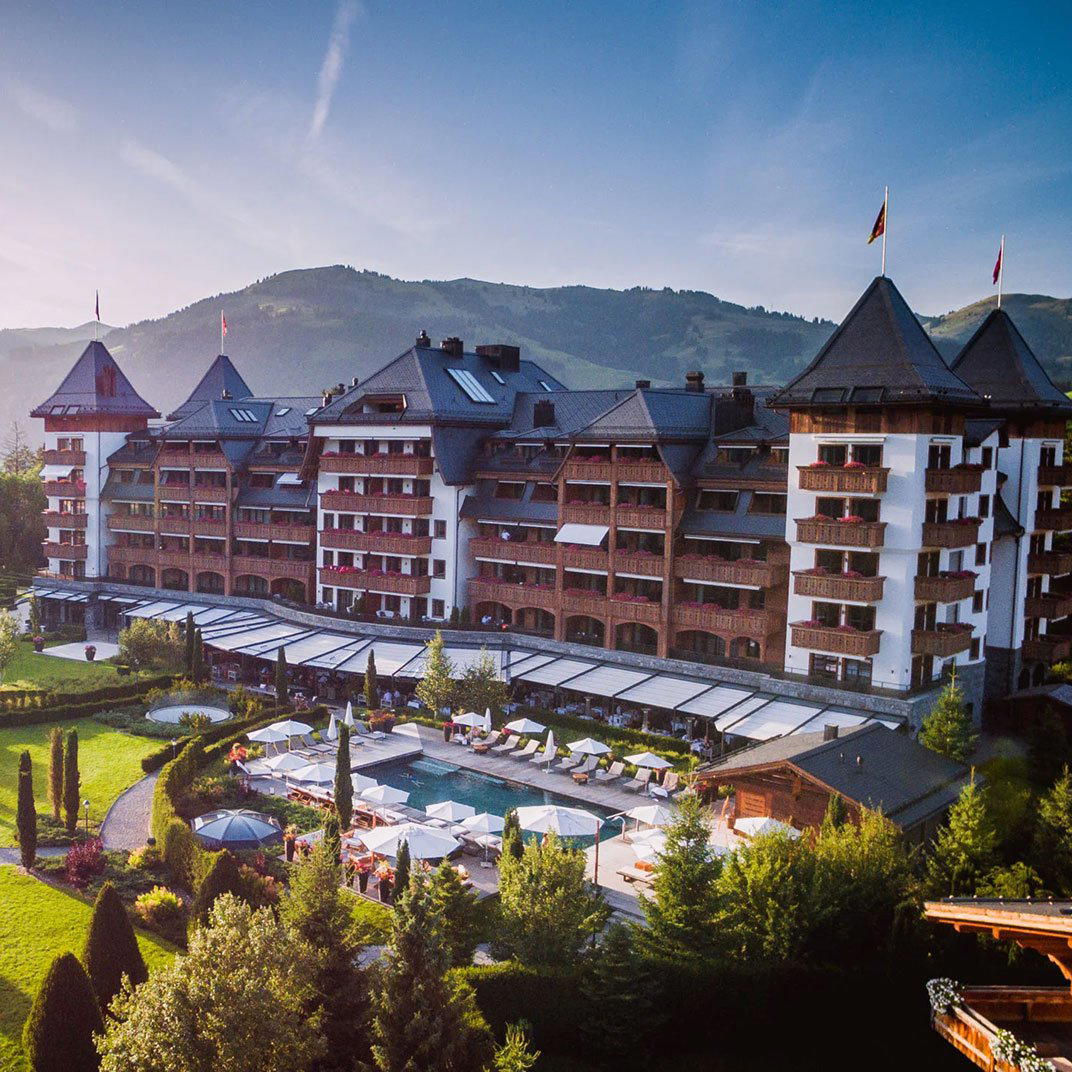
Le Grand et La Terrasse occupies one of Gstaad's most recognisable addresses on Palacestrasse, where the Alpine setting frames a dining room that takes its sourcing seriously. In a village that positions itself at the top of Swiss resort dining, the restaurant sits within a competitive tier that includes both modern European and classic Alpine cooking traditions. Visitors travelling to Gstaad for the broader food and hotel scene should factor it into their planning early.

Pearl is the En Primeur Club membership app — saves, bookings, and concierge access live there. Same editors, same standards.
- Address
- Palacestrasse 28, 3780 Gstaad, Switzerland
- Phone
- +41337485000
- Website
- palace.ch
- Directions
- Get directions
- Booking
- Book on the venue's website
The menu
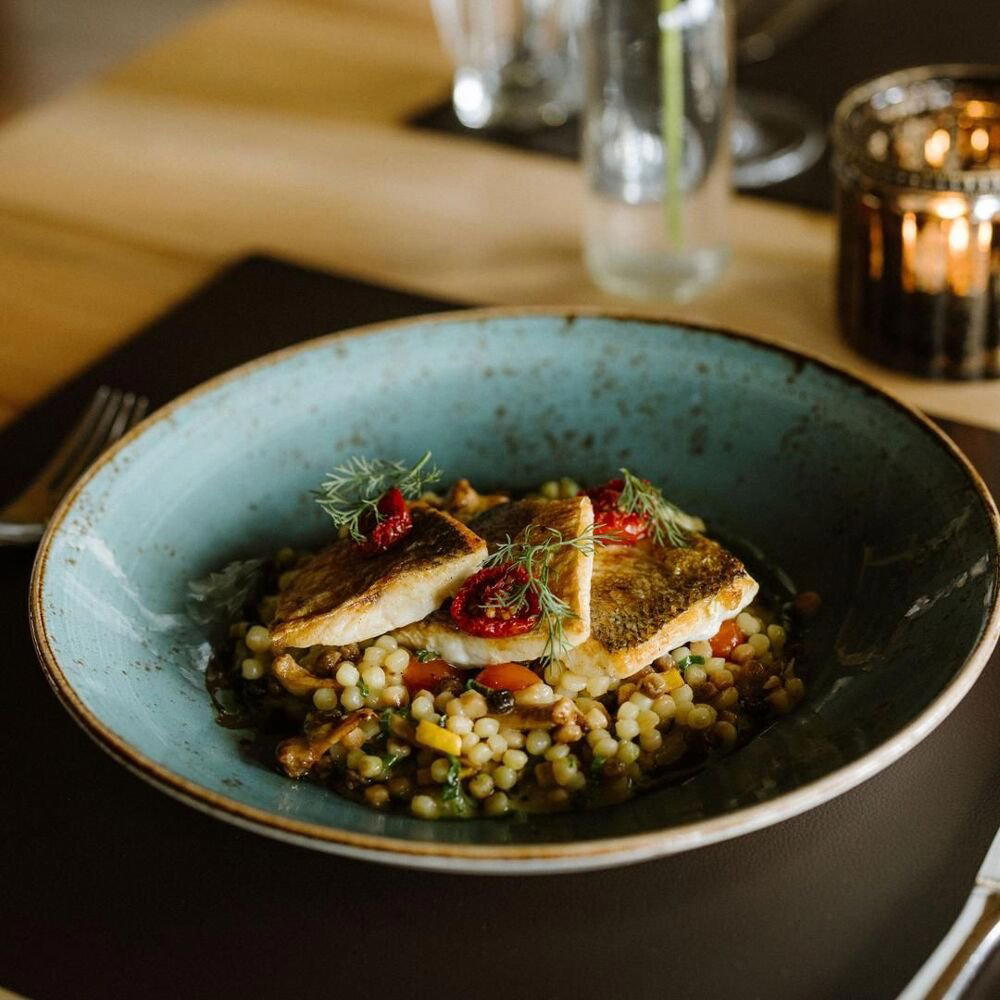
What to order
- Spaghetti Gildo
- Crêpes Suzette
- Lobster
- Lamb and Chicken Curry
- Creme Hasselnut Brûlée
Where Palacestrasse Meets the Plate
Gstaad's dining identity has always been shaped by altitude in two senses: the literal Alpine geography that defines what grows, grazes, and ages here, and the social altitude of a resort that draws a clientele with high expectations of both ingredient quality and setting. Palacestrasse, the village's most formally legible address, concentrates several of these expectations into a short stretch of road. Le Grand et La Terrasse sits at Palacestrasse 28, where the address itself carries a shorthand for the calibre of operation a visitor can anticipate before they walk through the door.
The broader pattern across Swiss Alpine dining is that restaurants at this address tier do not rely on novelty programming to justify their position. They rely on sourcing depth, kitchen consistency, and a setting that reinforces the value of the meal. In Gstaad, where the surrounding Bernese Oberland produces some of Switzerland's most traceable dairy, meat, and mountain herb supply chains, the sourcing argument is not merely a menu marketing device. It is a structural advantage built into the geography.
The Alpine Sourcing Argument
Swiss Alpine cuisine, at its most considered, is a function of what the terrain produces at different altitudes and seasons. The Bernese Oberland's dairy traditions run deep: Gruyère production in the broader canton, Alpkäse from summer pastures, and the kind of grass-fed beef that benefits from short supply chains between farm and kitchen. For a restaurant on Palacestrasse, proximity to those supply chains is a measurable advantage. The question is always whether a kitchen uses that proximity actively, building menus around what the season actually produces, or defaults to the international luxury-hotel ingredient list that a resort clientele might expect regardless of location.
Switzerland's most credentialled kitchens have consistently made the case for the former. Schloss Schauenstein in Fürstenau, which holds three Michelin stars, has built its identity around hyper-local sourcing from the Graubünden region. Hotel de Ville Crissier in Crissier similarly treats Swiss produce as the primary argument rather than a secondary note. These are the reference points that define what serious sourcing commitment looks like at the upper tier of Swiss dining. Further afield, Memories in Bad Ragaz and Cheval Blanc by Peter Knogl in Basel demonstrate how Swiss kitchens across different regions have each developed a relationship with local terroir that gives their menus a geographic specificity difficult to replicate elsewhere.
Within Gstaad itself, the dining scene has diversified considerably in recent years. Martin Göschel represents the modern European end of the market at the leading price tier. Gildo's Ristorante and La Bagatelle cover Italian and classic French formats respectively, while MEGU positions Japanese cuisine within the resort's international appetite. Le Grand et La Terrasse enters this context not as an outlier but as an address that carries the weight of its Palacestrasse location into a conversation already populated by serious kitchens.
The Terrasse Factor
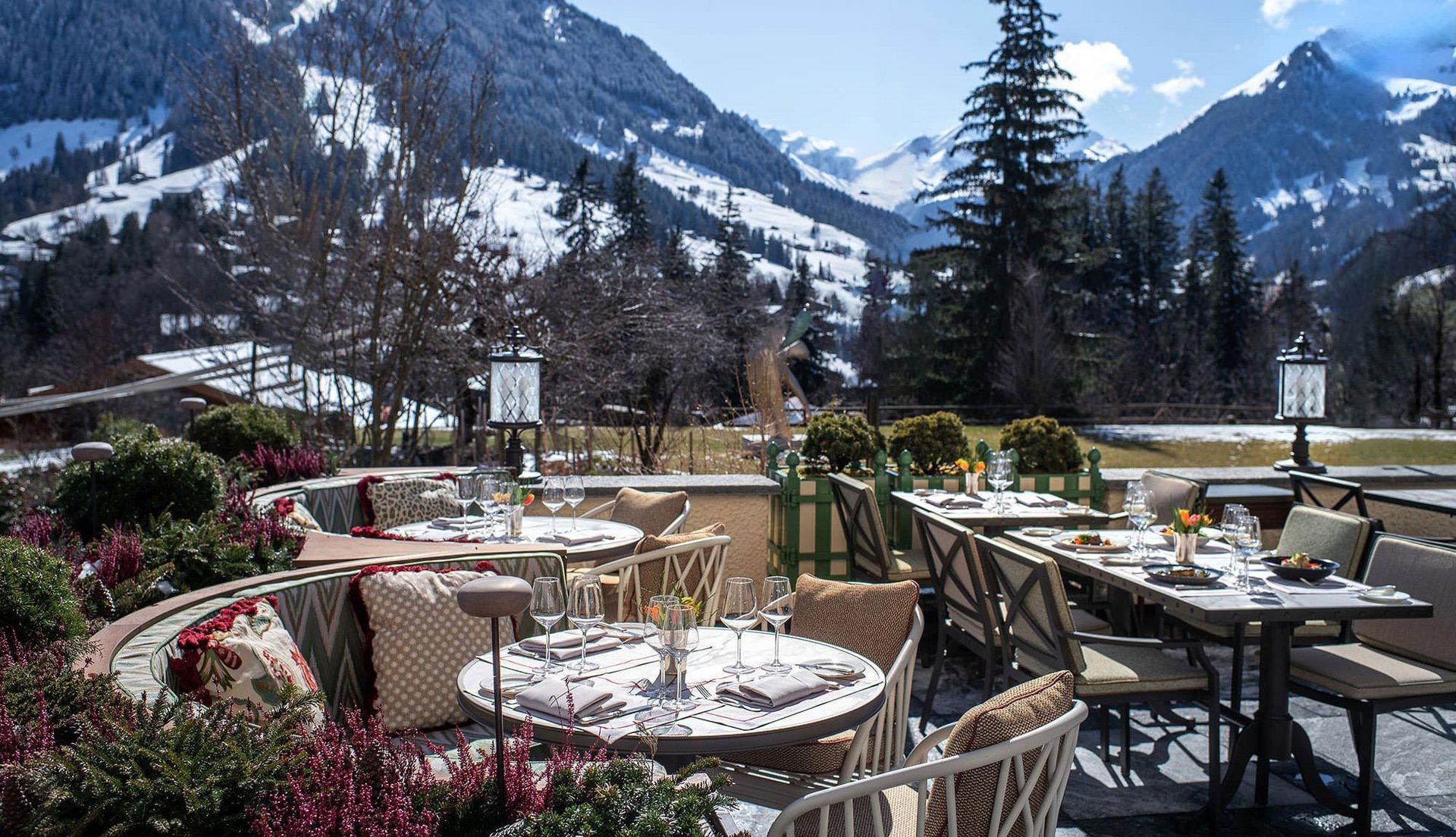
In Alpine dining, the outdoor setting is not a seasonal add-on. It is, in many cases, the primary reason a reservation gets made. A terrasse in Gstaad, facing the surrounding peaks and village architecture, operates as an extension of the sourcing argument: the environment that produced the ingredients on the plate is visible from the table. This direct line between landscape and menu is something that resort dining rooms in flatter geographies spend considerable effort trying to simulate. Here, it is simply a fact of the address.
The broader Swiss Alpine restaurant tradition has always understood this. Kitchens in Vals, where 7132 Silver operates within a landmark architectural context, and in Vitznau, where focus ATELIER uses the lakeside setting as an active part of the experience, have demonstrated that the physical environment of a Swiss destination restaurant is part of the product. Le Grand et La Terrasse's name makes the same argument structurally: the terrace is not an afterthought but a defined element of what the restaurant offers.
Placing Le Grand et La Terrasse in Swiss Context
Switzerland's restaurant geography rewards the traveller who plans by region rather than by city alone. Da Vittorio in St. Moritz shows how a resort context can support serious Italian cooking at altitude. Einstein Gourmet in Sankt Gallen and IGNIV Zürich by Andreas Caminada demonstrate what the country's urban restaurant tier looks like. Colonnade in Lucerne adds another data point for hotel-adjacent fine dining done with geographic specificity. Viewed against these peers, Gstaad's restaurant scene has moved from a purely seasonal, hotel-dependent model toward a year-round proposition with enough independent kitchen identity to justify a trip built around eating rather than skiing alone.
For international visitors calibrating Switzerland against other high-altitude or high-precision dining destinations, the comparison set extends further. Le Bernardin in New York City and Atomix in New York City represent what rigorous sourcing and format discipline look like at the highest end of the global market. Swiss Alpine dining operates on a different register, one where the ingredient story is inseparable from the geography, but the underlying commitment to sourcing integrity is a shared value across these very different contexts.
Planning Your Visit
Le Grand et La Terrasse is located at Palacestrasse 28, 3780 Gstaad, Switzerland. Given the address and the resort context, visitors should anticipate that demand peaks during the winter ski season and again during the summer festival period, when Gstaad's calendar concentrates a high volume of visitors into the village. Booking well in advance of either season is standard practice for any serious restaurant on the Palacestrasse corridor. Gstaad is accessible by the Montreux-Bernese Oberland railway (MOB), with the village station a short distance from the Palacestrasse address. For a broader view of what the village's dining scene offers across different formats and price points, the full Gstaad restaurants guide maps the current landscape with editorial context.
Frequently asked questions
How do I find Le Grand et La Terrasse?
Le Grand et La Terrasse is located at Palacestrasse 28, 3780 Gstaad, Switzerland, Gstaad.
How does Le Grand et La Terrasse compare to other Gstaad restaurants for outdoor Alpine dining?
Gstaad has a compact but competitive dining strip along Palacestrasse, and Le Grand et La Terrasse is directly embedded in it at number 28, rather than positioned as a hotel satellite or slope-side outpost. A dedicated terrasse at that address puts it among the village's most centrally located outdoor dining options. For a resort where the summer season rivals winter for footfall, that positioning carries practical weight for visitors planning around warm-weather meals.
What's the must-try dish at Le Grand et La Terrasse?
Given the Gstaad resort context and Alpine sourcing traditions of the Bernese Oberland, the kitchen is positioned around seasonal, altitude-driven produce. check the venue's official channels at Palacestrasse 28, Gstaad for current menu information.
Is Le Grand et La Terrasse reservation-only?
In Gstaad's resort dining context, peak season tables at address-recognised restaurants on Palacestrasse typically require advance booking, particularly during the winter ski season and summer festival periods. Reaching out directly to the venue ahead of your visit is the practical approach.
What makes Le Grand et La Terrasse worth seeking out?
The venue sits at Palacestrasse 28, the central artery of Gstaad's resort village, placing it within the social and gastronomic core of one of Switzerland's most established Alpine destinations. The terrace element, given Gstaad's setting in the Bernese Oberland, shifts from amenity to primary draw across the warmer months. That combination of address and outdoor format is specific to very few restaurants in the Swiss Alps.
Quick Comparison
| Venue | Cuisine | Price | Awards | Notes |
|---|---|---|---|---|
| Le Grand et La TerrasseThis venue — the venue you are viewing | Swiss & European Fine Dining | $150–200 | Not listed | Not listed |
| Martin Göschel | Modern French-Swiss Fine Dining | $200–300 | 1 Michelin Star · Falstaff Restaurant - 95 Falstaff Points | Modern Cuisine |
| The Mansard Restaurant | Swiss Brasserie with International Influences | $50–100 | Michelin Bib Gourmand | Not listed |
| Gildo's Ristorante | Authentic Upmarket Italian | Not listed | Michelin Plate | Not listed |
| La Bagatelle | Classic French with Swiss Regional Accents | $100–150 | Michelin Plate · Star Wine List | Not listed |
| MEGU | Modern Japanese | Not listed | Michelin Plate · La Liste Top Restaurants | Not listed |
Continue exploring
More in Gstaad
Restaurants in Gstaad
Browse all →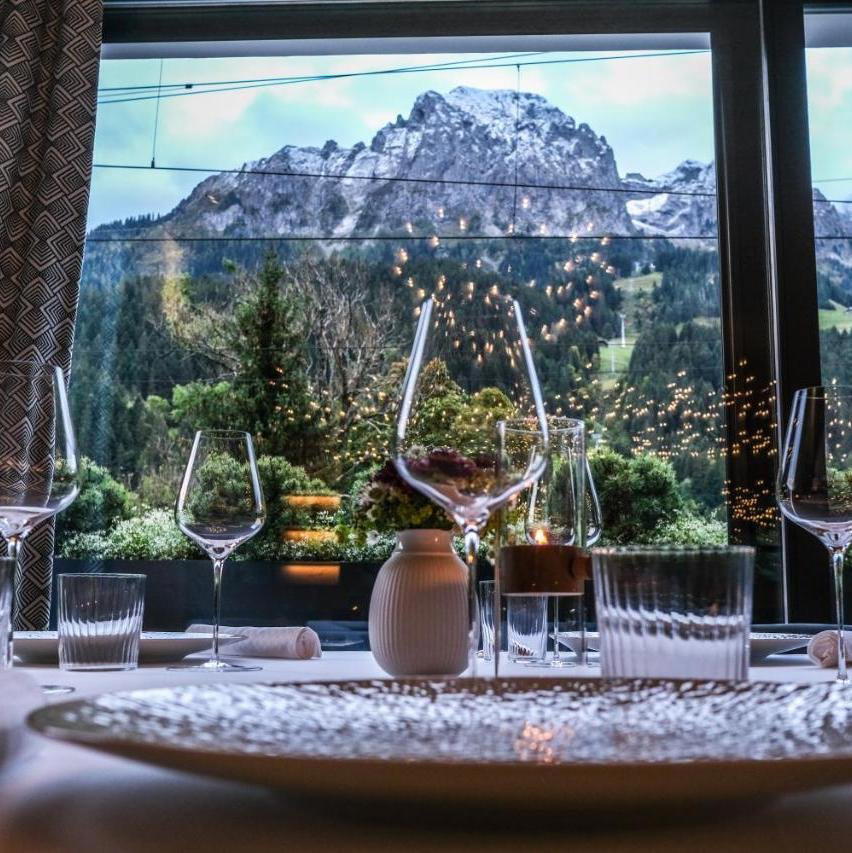
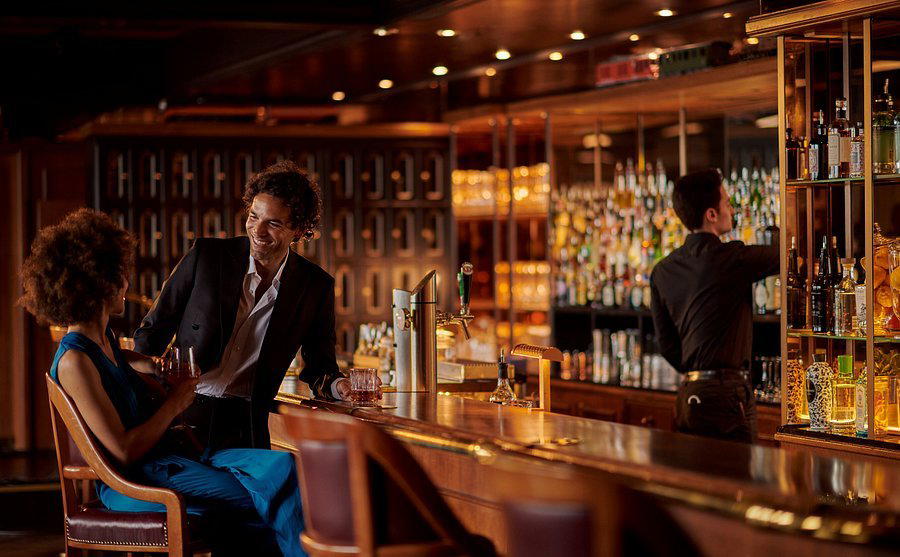
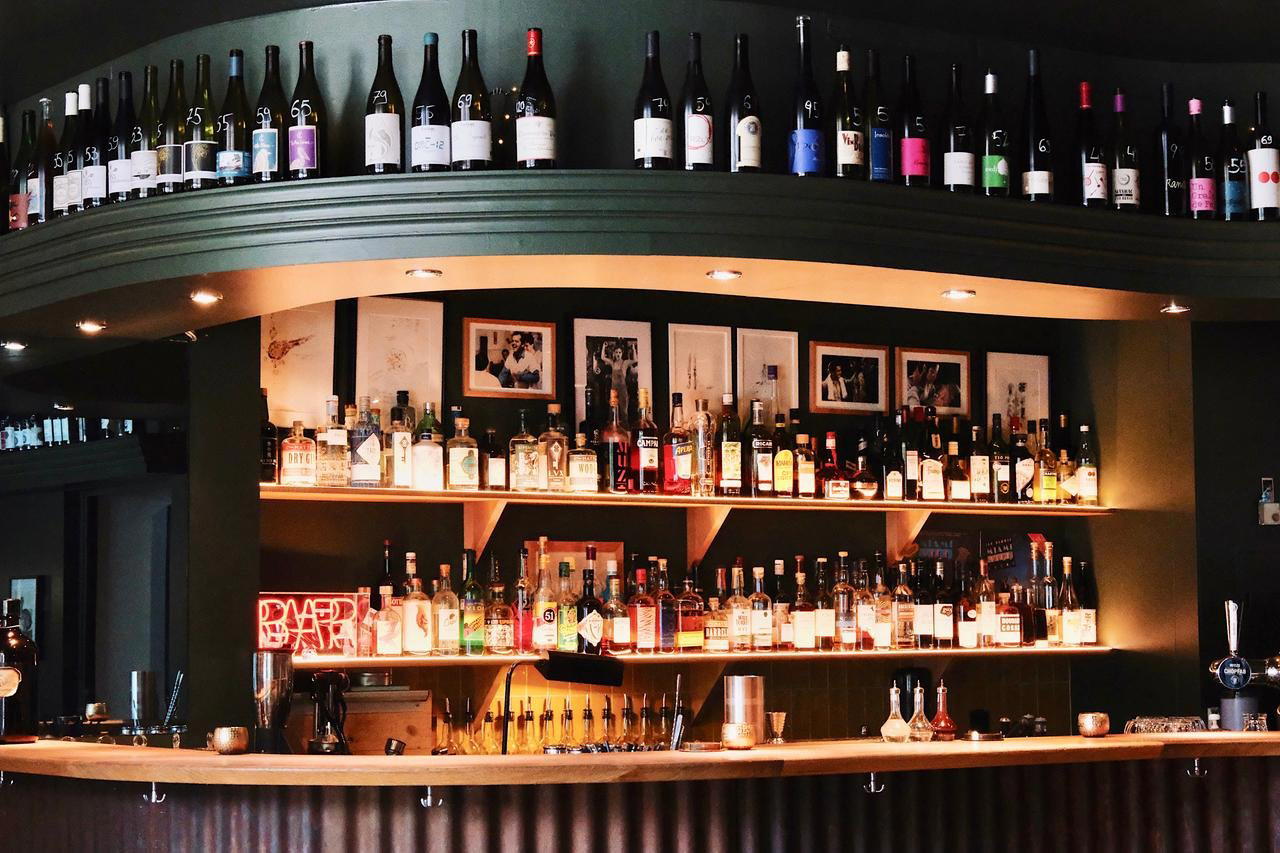
Bars in Gstaad
Browse all →

Hotels in Gstaad
Browse all →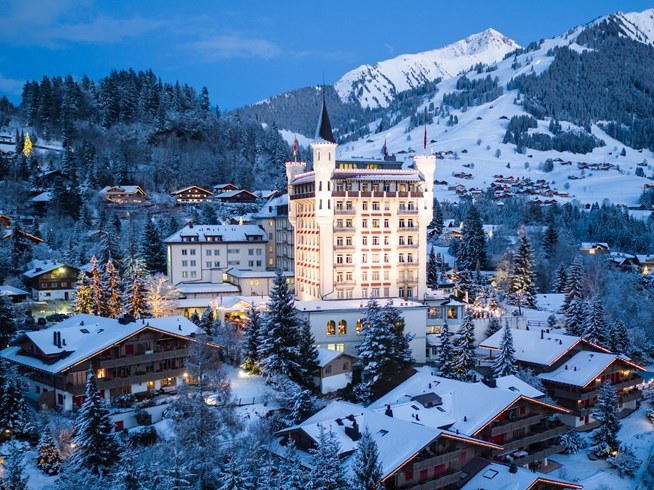
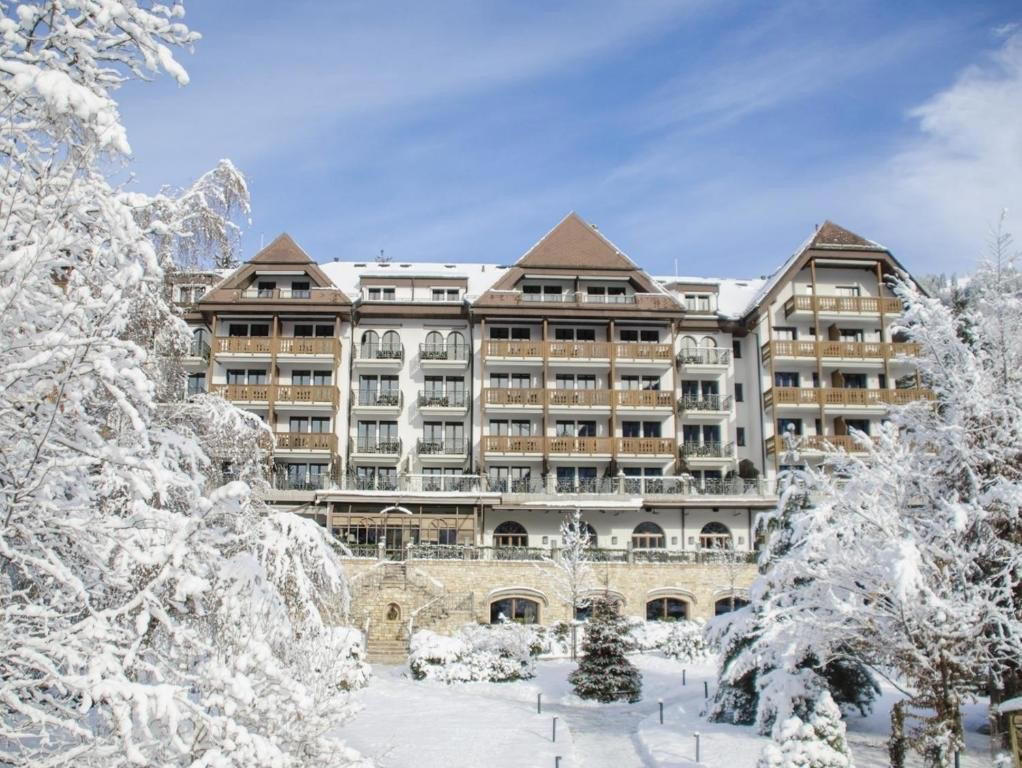
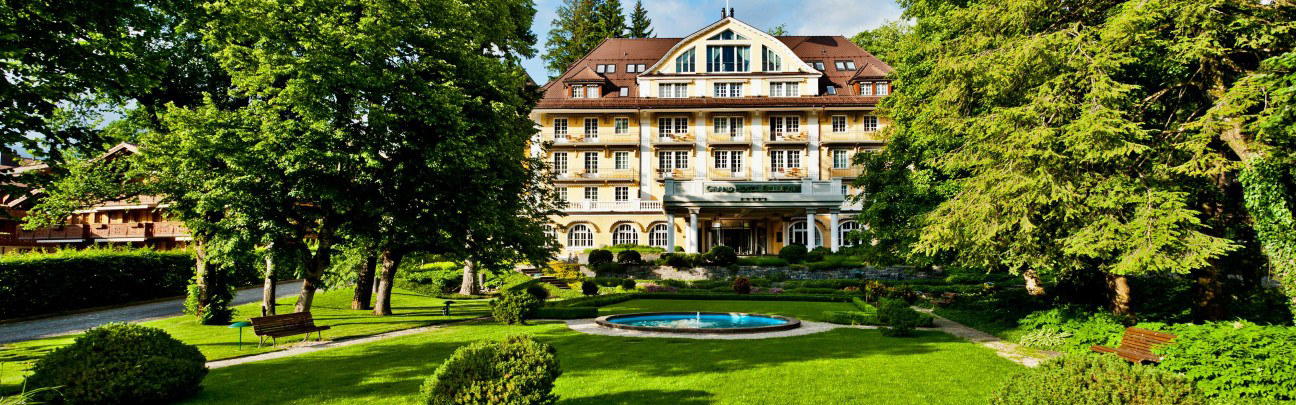
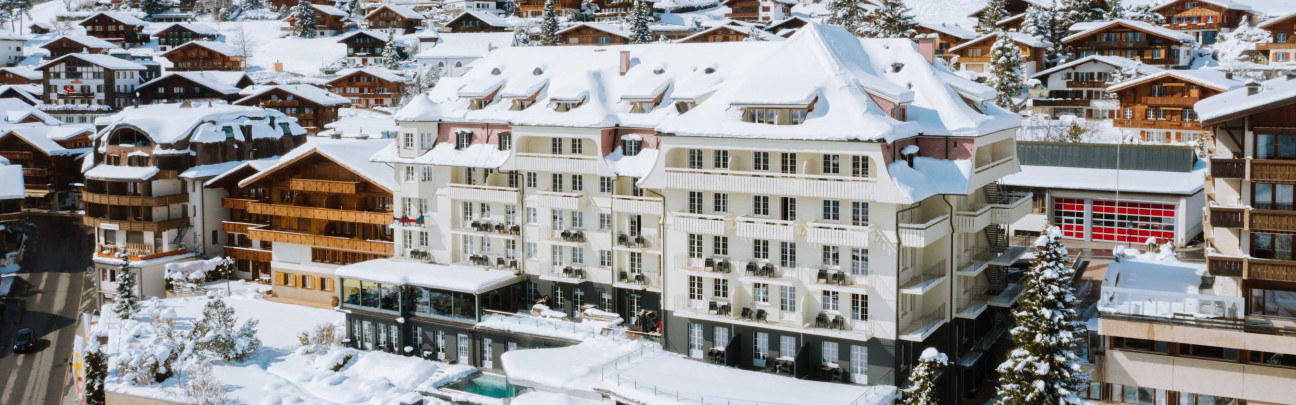
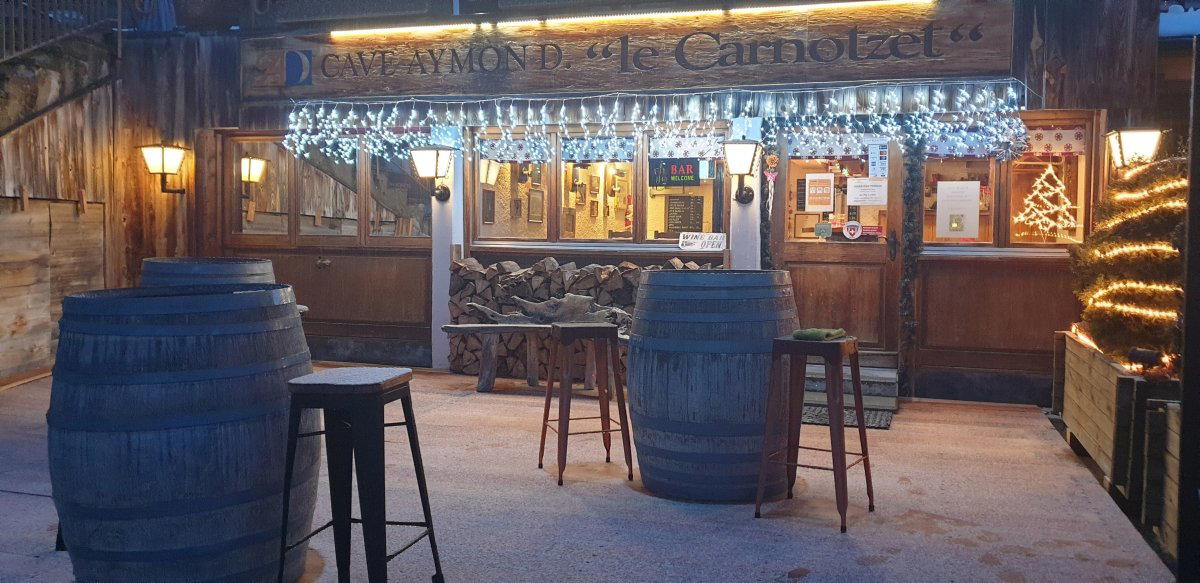


Le Grand et La Terrasse
The wine
- Wine program
- Curated wine list
- Extensive wine list
- Sommelier-led
Details
- Elegant
- Sophisticated
- Scenic
- Classic
- Date Night
- Business Dinner
- Celebration
- Special Occasion
- Terrace
- Panoramic View
- Hotel Restaurant
- Open Kitchen
- Extensive Wine List
- Sommelier Led
- Local Sourcing
- Mountain
- A La Carte
- Prix Fixe
- Wine
- Signature Cocktails
- Vegetarian Friendly
- Vegan Options
- Gluten Free Options
- Allergy Accommodating
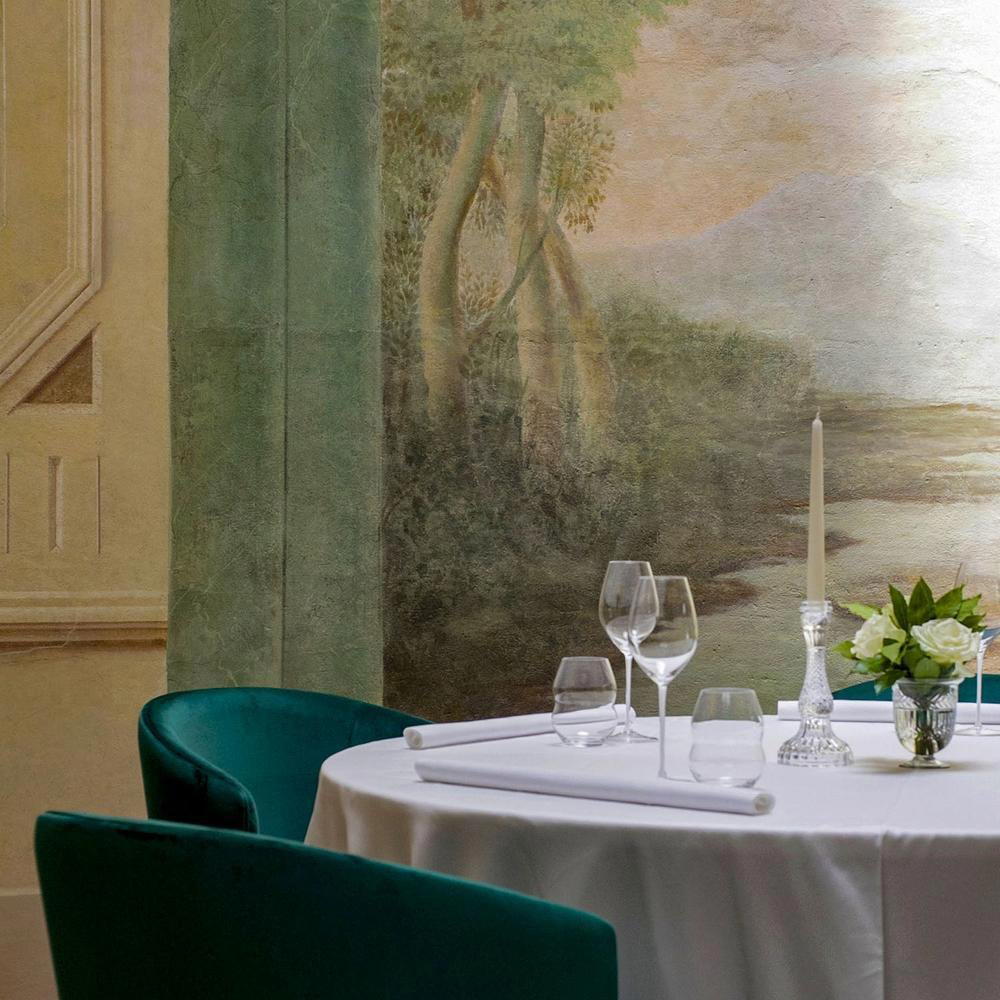
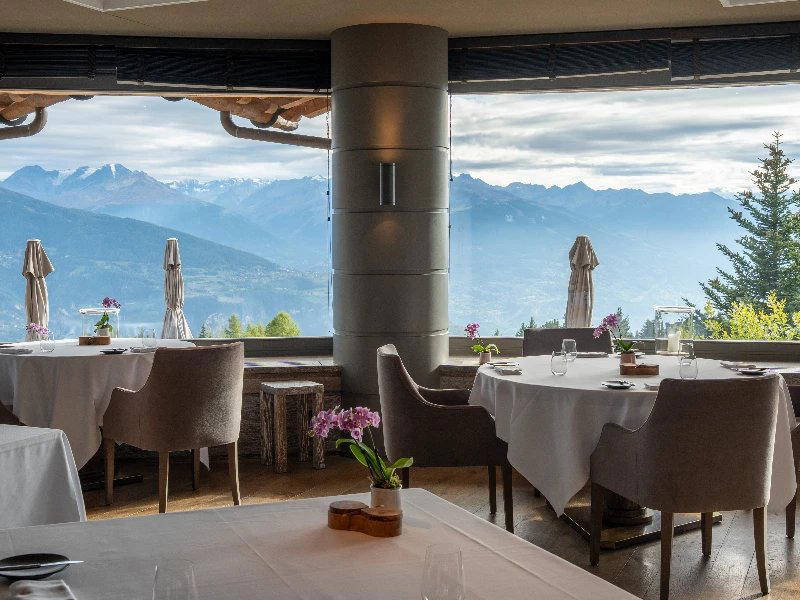
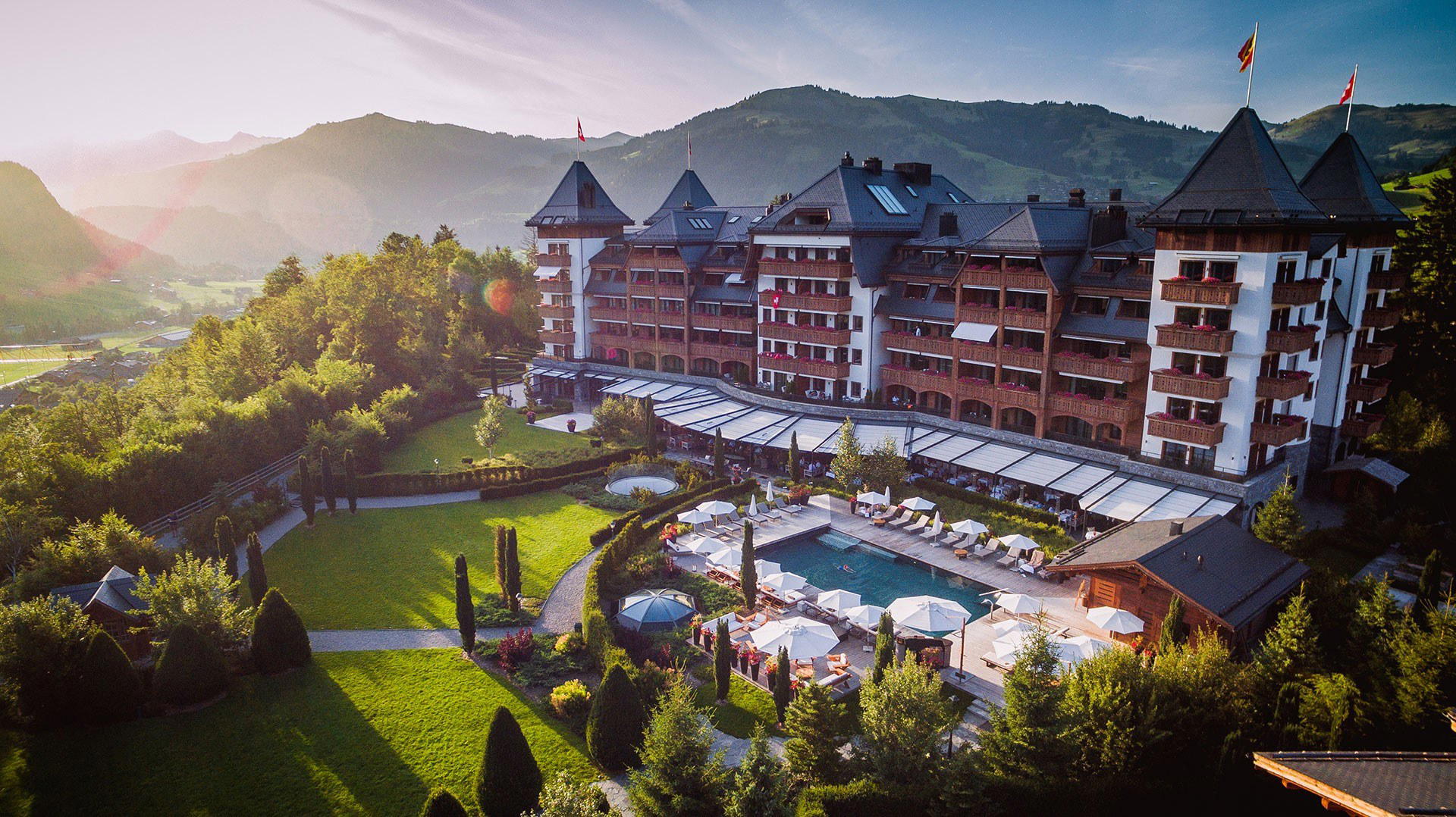
Refined and elegant dining room with soft lighting and dramatic views of the Swiss Alps; the atmosphere balances sophistication with authentic Alpine warmth.