Domaine Histoire d’Enfer SA

A small Valais domaine in Sierre with a precise Alpine register: biodynamic farming, low yields, limestone sites and a portfolio that moves between Cornalin, Petite Arvine, Pinot Noir, Syrah and Chasselas. Founded in 2008 by Dr. Patrick Regamey, Domaine Histoire d’Enfer SA has drawn Falstaff, Decanter and Robert Parker attention for wines that make Valais feel less peripheral than tightly argued.
Pearl is the En Primeur Club membership app — saves, bookings, and concierge access live there. Same editors, same standards.
- Address
- Entre deux torrents 39, 3960 Sierre, Switzerland
- Phone
- +41 79 963 75 61
- Website
- histoiredenfer.ch
- Directions
- Get directions
 Saves & bookings on Pearl
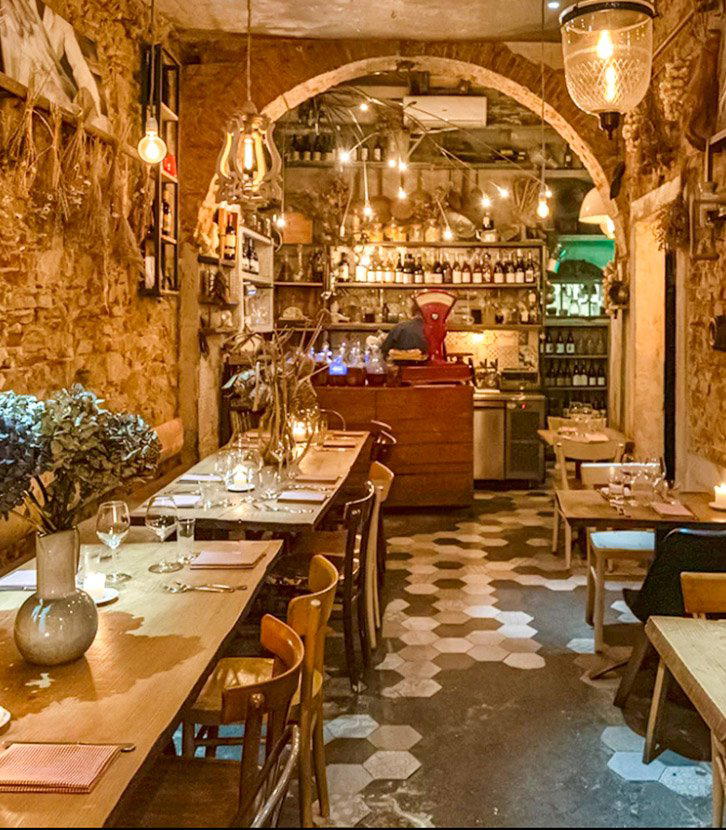
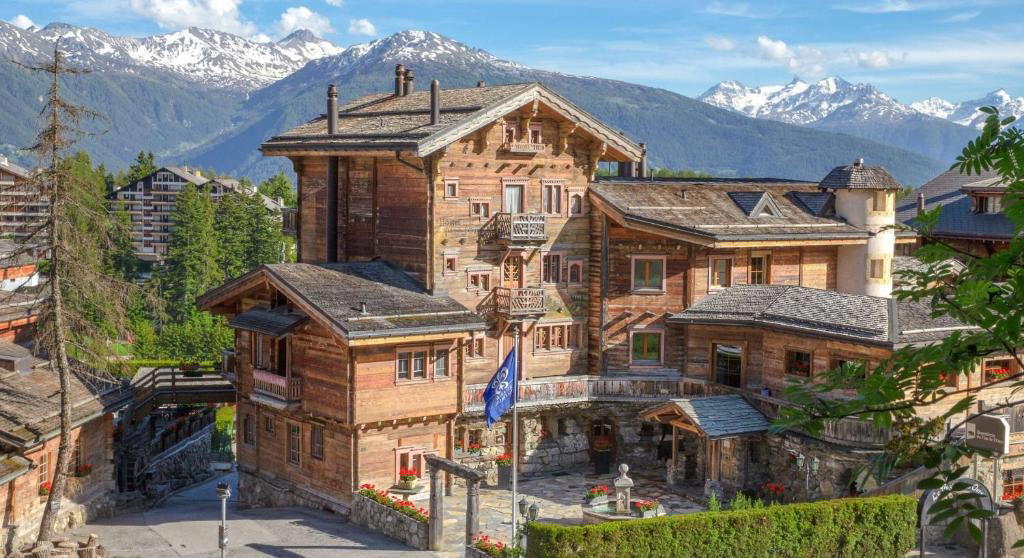
Approaching Domaine Histoire d’Enfer SA in Sierre means recalibrating scale. The picture is not of a large visitor complex or a tourism-first destination, but of a small, high-precision Valais estate focused on fine wine. Its identity is best understood through restraint: intimate atmosphere, rigorous attention and a terroir-driven sensibility rooted in Alpine character.
Specific grapes, vineyard practices, tasting formats, visitor policies, awards, critic scores, production figures and individual biographies should not be assumed from the public-facing romance of the region. What can be said confidently is that Domaine Histoire d’Enfer SA is positioned as a sophisticated, elegant and serious wine address in Sierre, with an emphasis on patience, time and place rather than spectacle.
Limestone, altitude and the modern Valais argument
Valais is often discussed through its dramatic landscape, but for Domaine Histoire d’Enfer SA the emphasis is broader and more careful: a terroir-driven Alpine identity expressed through fine wine. That does not require inventing a technical dossier. The estate’s appeal, as confirmed here, lies in scale and attitude. It is small rather than expansive, precise rather than casual, and oriented toward the seriousness of Valais wine rather than a generic hospitality experience.
This matters for readers planning around Sierre. A venue can be compelling without a long checklist of public amenities, named cuvées or quoted scores. In this case, the grounded description points to an intimate and rigorous estate where the value is in the sense of concentration: time, patience and Alpine identity are part of the character. Visitors and collectors should therefore treat the domaine as a focused wine address, not as a broad leisure facility with assumed food service, casual drop-in programming or large-scale public infrastructure.
The price level is listed as $$$, which places expectations above the purely casual category. That signal should be read alongside the atmosphere: sophisticated, elegant and precise. No specific bottle price, tasting fee, service format or purchasing policy is confirmed here.
What the tasting format tells you about the wines
Rather than fill those gaps with assumptions, the safest interpretation is to approach the winery as a small Valais estate whose public identity is built around precision and terroir. If you are planning a visit, confirm practical arrangements directly before making the trip.
That restraint is important. Many wine estates are easy to overdescribe: one can quickly slide from “small” into invented seat counts, from “serious” into awards, or from “terroir-driven” into unsupported claims about farming methods and cellar technique. For the winery, the grounded language is enough to establish the tone. The experience should be framed around fine wine, intimacy, rigor and Alpine place, not around hospitality extras.
Within Sierre, it is best considered as part of a broader wine and dining itinerary without forcing direct comparisons to named venues. Other dining rooms, bars, hotels and experiences in Sierre may shape the rest of a trip, but the winery itself occupies a narrower role: a serious Valais wine estate with a high-precision identity. The useful planning question is not whether it offers every convenience, but whether the trip is built with enough time and focus for a small, exacting wine address.
Why collectors should take this small estate seriously
The collector case for the winery should be made cautiously and honestly. What is confirmed is the estate’s positioning: small, precise, Valais-based, fine-wine focused, terroir-driven and grounded in Alpine identity. For a collector, those qualities can be meaningful even without a public roll call of accolades.
Sierre is a useful place for this kind of attention because it encourages a slower reading of wine. The description of the winery leans into patience and time, two words that matter in any serious wine context. They suggest that the estate is not trying to be understood through speed, volume or spectacle. Its appeal is quieter: a disciplined sense of place, an intimate atmosphere and a sophisticated approach to fine wine.
That also sets the right expectation for editorial coverage. This is not a page for invented menus, unsupported grape lists or speculative prestige markers. It is a concise guide to a venue whose identity is already distinctive: the winery in Sierre, a small high-precision Valais estate with an elegant, rigorous and terroir-driven character. For readers who value Alpine wine culture, that is the grounded reason to pay attention.
Recognition history
Dated appearances from independent guides and award organizations, with the underlying list record or original source where available.
Falstaff Winery - 5 Stars
Falstaff
Continue exploring
More in Sierre
Wineries in Sierre
Browse all →Bars in Sierre
Browse all →
Restaurants in Sierre
Browse all →
At a Glance
- Sophisticated
- Elegant
- Intimate
- Rustic
- Wine Education
- Special Occasion
- Romantic Getaway
- Solo Exploration
- Group Outing
- Estate Grounds
- Private Tasting
- Biodynamic
- Organic
- Sustainable
- Mountain
- Vineyard
- Valais AOC
- Cornalin
- Petite Arvine
- Pinot Noir
- Syrah
- Chasselas
- Still Red
- Still White
- Dessert
- Appointment Tasting
- Off Site Tasting Events
Small, high-precision Valais estate focused on fine wine; atmosphere is intimate, rigorous and terroir-driven, with an emphasis on patience, time and Alpine identity rather than tourism or large public facilities.