Gildo's Ristorante

Gildo's Ristorante brings Italian cooking to Palacestrasse 28, holding consecutive Michelin Plate recognition in 2024 and 2025. In a Gstaad dining scene weighted toward Swiss Alpine and French formats, it occupies the mid-to-upper price tier as the resort's clearest Italian reference point.
Pearl is the En Primeur Club membership app — saves, bookings, and concierge access live there. Same editors, same standards.
- Address
- Palacestrasse 28, 3780 Gstaad, Switzerland
- Phone
- +41 33 748 50 00
- Website
- palace.ch
- Directions
- Get directions
 Saves & bookings on Pearl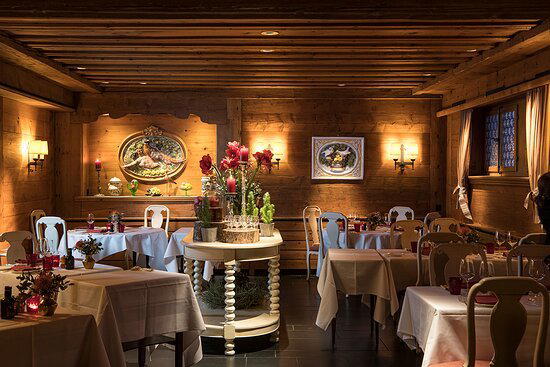
Italian in the Alps: A Different Kind of Resort Dining
Gstaad's dining room has long been organised around altitude and occasion. The big tables in this part of the Bernese Oberland tend toward Swiss Alpine foundations, formal French service, or the broad international menus that luxury resorts deploy when they would rather offend no one. Italian cooking, in the specific sense of a kitchen committed to regional tradition rather than a pan-European gesture toward pasta, occupies a narrower space here. Gildo's Ristorante, on Palacestrasse 28, holds that space with two consecutive Michelin Plate recognitions, awarded in both 2024 and 2025.
The Michelin Plate is a meaningful signal in this context. It does not indicate a starred kitchen, but it does mean the guide's inspectors have confirmed consistent, quality cooking. In a small Alpine resort where several restaurants rely on seasonal tourist traffic and the captive audience of wealthy second-home visitors, that kind of external verification matters more than it might in a larger city with a deeper critical culture.
What Regional Italian Means Here
Italian cuisine in Europe's ski resorts rarely commits to a single region. The more common format is a composite: risotto alongside Neapolitan-style pizza, a nod to Florentine steak, a Sicilian dessert, all assembled for an audience that associates Italy with pleasure rather than provenance. The more demanding version of Italian cooking, the kind that anchors itself in a specific regional grammar, is rarer in this context and harder to sustain when the guest base changes.
The question worth asking of any Italian kitchen operating at the €€€ price point in a place like Gstaad is which regional tradition it draws from, and how seriously. Northern Italian cooking, informed by the traditions of Lombardy, Piedmont, or Emilia-Romagna, fits the Alpine geography more naturally than Neapolitan or Roman idioms. Butter, cream, and rice appear where olive oil and tomato would dominate further south. Risotto and fresh egg pasta carry different weight than dried pasta in a northern kitchen. These are not arbitrary distinctions: they reflect centuries of agricultural geography, and a kitchen that understands them tends to produce food that tastes anchored rather than assembled.
Placing Gildo's in Gstaad's Competitive Set
At €€€, Gildo's sits in the middle tier of Gstaad's restaurant price range. Martin Göschel, the village's Michelin-starred modern cuisine address, operates at €€€€. La Bagatelle covers classic French at the same €€€ tier. MEGU brings Japanese cooking to the same price bracket, while Sommet at Hôtel The Alpina anchors Swiss Alpine cooking at the summit of the market. The Mansard Restaurant operates at the more accessible €€ level with an international format.
Within this structure, Gildo's occupies a specific niche: the only Italian address with documented Michelin recognition in town, priced below the starred competition but above particularly casual options. For a guest choosing between French, Swiss Alpine, Japanese, and Italian at roughly equivalent spend, the differentiation is primarily about cuisine category. Gildo's wins or loses that decision on whether the Italian cooking it delivers is more convincing than the French or Japanese alternatives at the same price. Michelin's consecutive plate recognition in 2024 and 2025 suggests the kitchen has maintained standards across at least two inspection cycles, which in a seasonal resort environment is harder than it sounds.
The Palacestrasse Address
Palacestrasse is Gstaad's central spine. The road runs through the village's commercial and hospitality core, connecting the main hotels and retail addresses that define the resort's public face. An Italian restaurant at number 28 is operating in direct visibility rather than at the margins, which means it draws both walk-in resort traffic and intentional diners. A sample that small is statistically unreliable: it tells you almost nothing about the kitchen's consistency, and Michelin's repeated plate recognition is a considerably stronger signal.
Switzerland's Italian Dining Tradition in Context
Switzerland has a legitimate Italian culinary tradition rooted in Ticino, the Italian-speaking canton that borders Lombardy and Piedmont. Ticinese cooking shares characteristics with the northern Italian regions across the border: polenta, lake fish, meat-based risotti, and a use of local wine that tracks more closely with the Lombardy tradition than with anything south of Florence. That regional proximity means Italian cooking in Switzerland, when done with seriousness, can draw on genuine cross-border culinary exchange rather than approximation.
Swiss fine dining more broadly operates at a high technical level. The country's restaurant density relative to its Michelin star count is among the highest in Europe, with addresses like Cheval Blanc by Peter Knogl in Basel, Memories in Bad Ragaz, 7132 Silver in Vals, and Colonnade in Lucerne representing the range of formats and ambitions active across the country. Against that backdrop, a Plate-recognised Italian in an Alpine resort represents a specific and functional category: not the cutting edge of Swiss gastronomy, but a reliable destination for cuisine that is otherwise underrepresented in this geography.
Planning Your Visit
Gildo's Ristorante is at Palacestrasse 28, 3780 Gstaad. The €€€ price tier in Gstaad reflects the resort premium applied across most categories in the village. Gildo's Ristorante is recommended for reservations and follows these hours: Mon: Closed; Tue: 7–10:30 PM; Wed: 7–10:30 PM; Thu: 7–10:30 PM; Fri: 7–10:30 PM; Sat: 7–10:30 PM; Sun: Closed.
How It Stacks Up
Comparable venues nearby, for context on price, style, and recognition.
| Venue | Cuisine | Price | Awards | Notes |
|---|---|---|---|---|
| Gildo's RistoranteThis venue — the venue you are viewing | Authentic Upmarket Italian | $$$$ | Michelin Plate | Not listed |
| MEGU | Modern Japanese | $$$$ | Michelin Plate | Gstaad |
| Sommet - Hôtel The Alpina | Modern French Fine Dining with Global Influences | $$$$ | Not listed | Gstaad |
| La Bagatelle | Classic French with Swiss Regional Accents | $$$$ | Michelin Plate | Gstaad |
| The Mansard Restaurant | Swiss Brasserie with International Influences | $$$$ | Bib Gourmand | Gstaad |
| Monti | Italian-inspired Sharing | $$$$ | Not listed | Gstaad |
Recognition history
Dated appearances from independent guides and award organizations, with the underlying list record or original source where available.
Michelin Plate
Michelin
Michelin Plate
Michelin
Continue exploring
More in Gstaad
Restaurants in Gstaad
Browse all →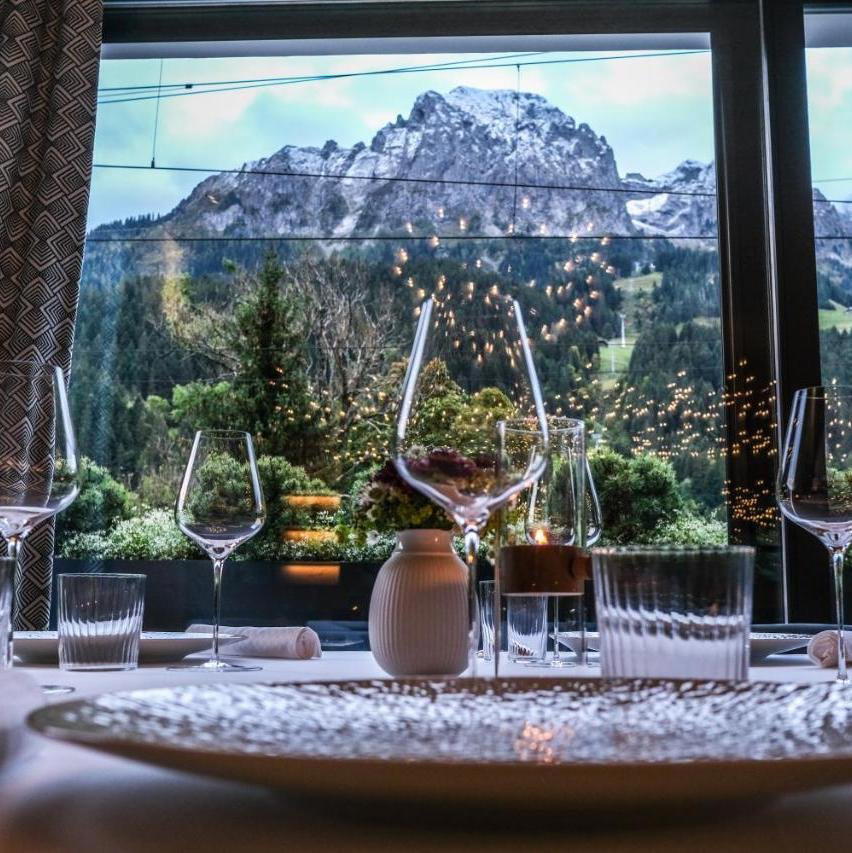
Bars in Gstaad
Browse all →

Hotels in Gstaad
Browse all →

At a Glance
- Elegant
- Cozy
- Sophisticated
- Date Night
- Special Occasion
- Hotel Restaurant
- Mountain
Current opening hours
- Monday
- Closed
- Tuesday
- 7–10:30 PM
- Wednesday
- 7–10:30 PM
- Thursday
- 7–10:30 PM
- Friday
- 7–10:30 PM
- Saturday
- 7–10:30 PM
- Sunday
- Closed
Hours can change for holidays and private events. Last verified .
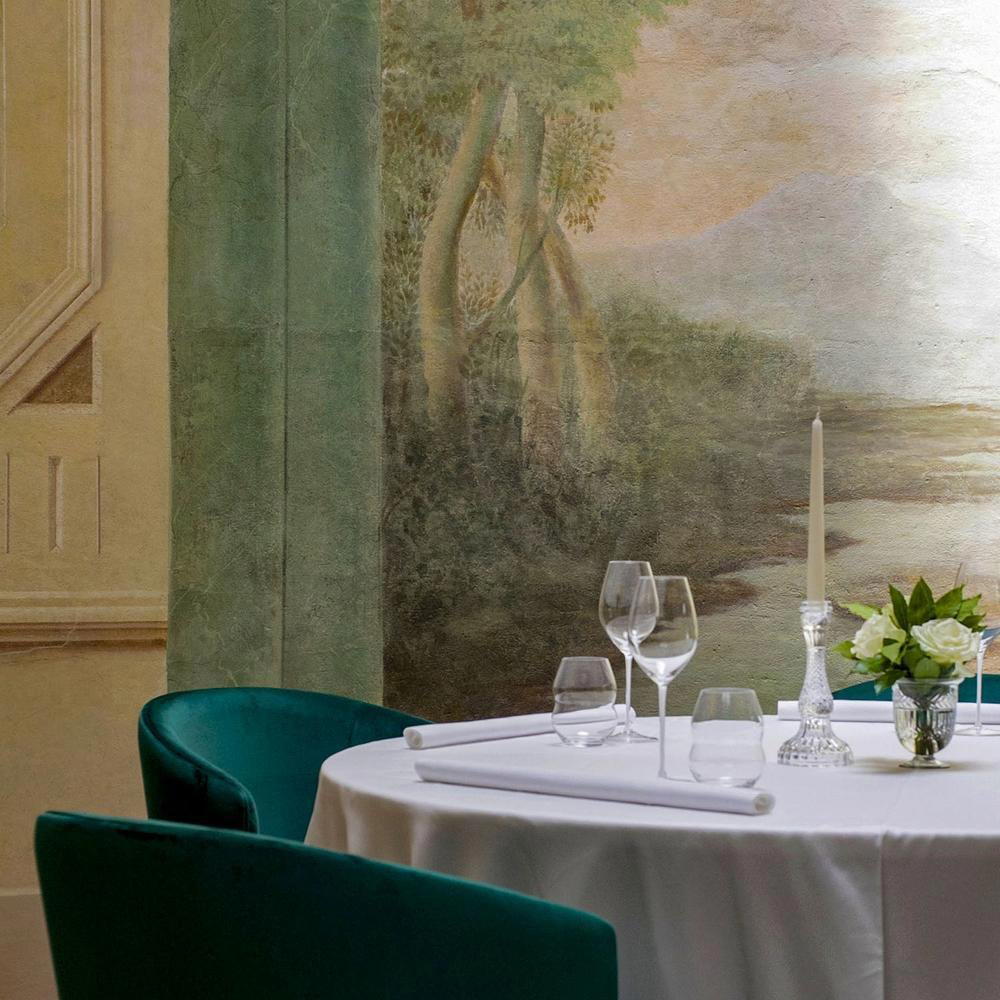
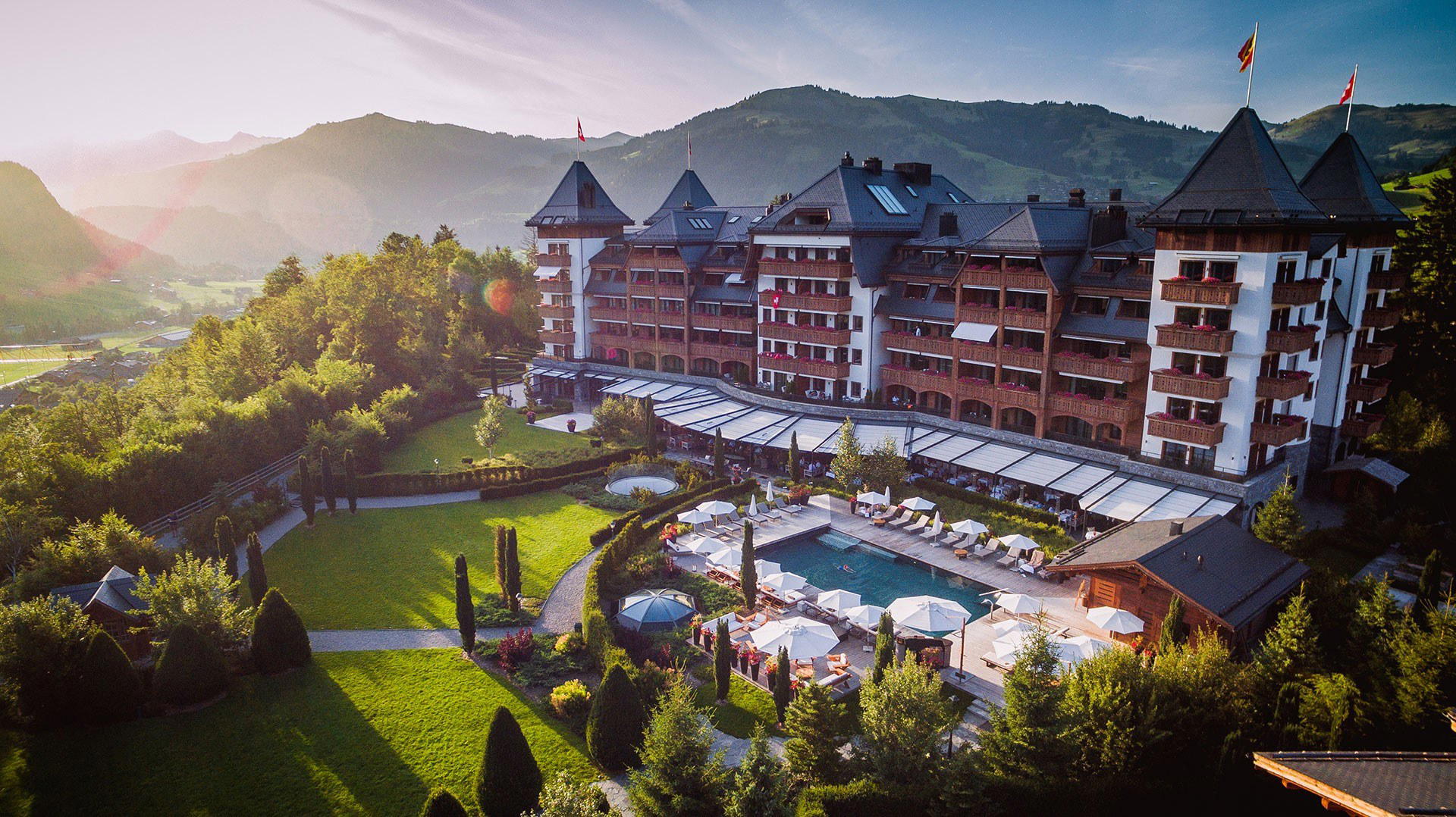
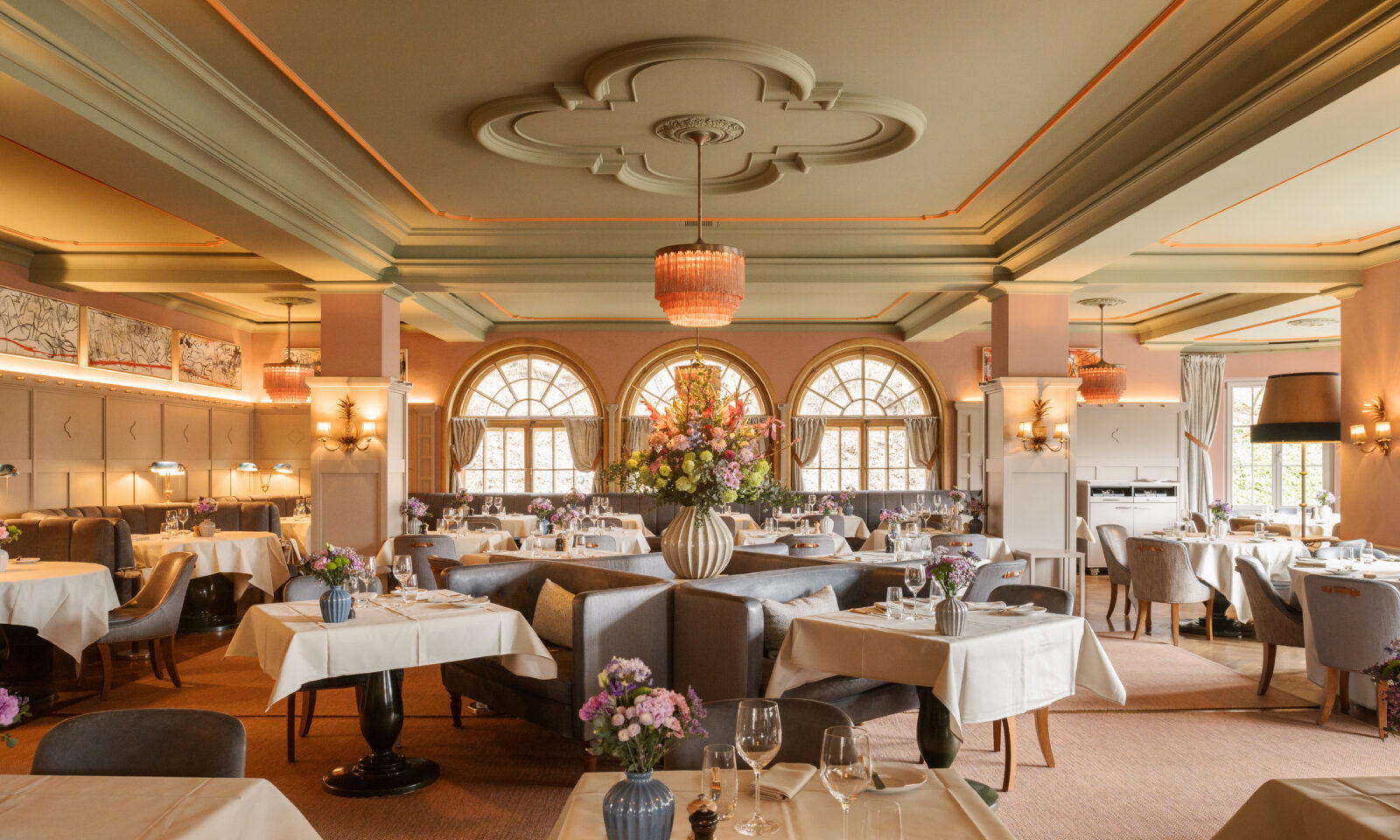
Stylish Alpine ambience with warm, cozy atmosphere, excellent service, and elegant decor.