MEGU



Gstaad's Japanese table at a resort altitude where French and Swiss kitchens dominate. MEGU holds a Michelin Plate for 2024 and 2025, alongside a La Liste score of 80.5 points, making it the clearest representative of ingredient-led Japanese cooking in the Bernese Oberland. At €€€, it sits in the mid-upper tier of the village's dining options, between The Mansard's accessible international format and the higher-end modern European rooms.
Pearl is the En Primeur Club membership app — saves, bookings, and concierge access live there. Same editors, same standards.
- Address
- Alpinastrasse 23, 3780 Gstaad, Switzerland
- Phone
- +41 33 888 98 66
- Website
- thealpinagstaad.ch
- Directions
- Get directions
 Saves & bookings on Pearl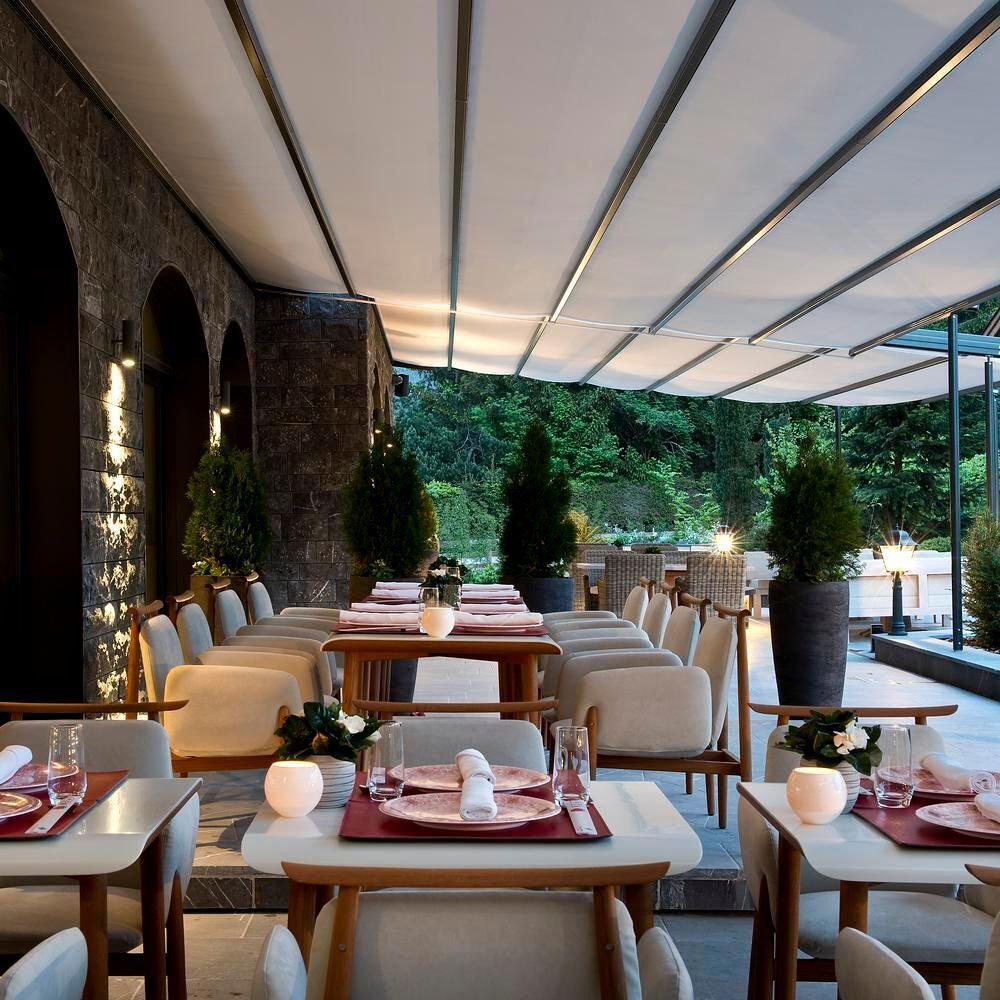
Japanese precision at 1,050 metres
The dominant register of Alpine dining is French technique and Swiss terroir: fondue variations, game from the surrounding hills, cheese boards assembled from local dairies, and the occasional multi-course French-Swiss hybrid that fills Gstaad's upper price tier. Against that backdrop, a Japanese kitchen committed to raw-material discipline is a different proposition entirely. MEGU is a Modern Japanese restaurant on Alpinastrasse 23 in Gstaad, Switzerland.
Japanese cuisine, in its more rigorous expressions, organises itself around a hierarchy of materials. Dashi, the foundational stock drawn from kombu and katsuobushi, functions less as a flavour agent and more as a structural medium through which ingredient quality becomes legible. When a kitchen is serious about its materials, that seriousness shows in the dashi: in the clarity of the broth, in what it allows to come forward. The same logic applies to seasonal produce decisions, to fish sourcing, and to the temperature and texture management that characterises Japanese knife work at its most careful. This is the tradition MEGU operates in, and it is a tradition with almost no local competition in Gstaad.
Where MEGU sits in Gstaad's dining hierarchy
Gstaad's restaurant scene is small by the standards of a major European city, but it punches above its population given the resort's clientele. The recognitions cluster toward French-influenced and Alpine formats: La Bagatelle in classic French, Sommet at The Alpina in Swiss Alpine, Martin Göschel at the modern European end. Gildo's Ristorante covers Italian, and The Mansard Restaurant operates in an accessible international register at a lower price point.
MEGU occupies a position those kitchens cannot fill. Its two consecutive Michelin Plates, awarded for 2024 and 2025, signal consistent kitchen quality recognised by the guide's assessors. A La Liste score in the 2025 rankings places it inside a broader international reference frame. At €€€€, it sits at the summit of the village's price tier.
The ingredient logic of Japanese cooking at altitude
One of the practical challenges of running a serious Japanese kitchen outside Japan is supply chain. In Tokyo, the relationship between restaurant and fish market is measured in minutes and in generational trust. Myojaku and Azabu Kadowaki in Tokyo operate within a system where the Tsukiji and Toyosu relationships are foundational to the menu's daily logic. Operating that kitchen tradition in the Swiss Alps requires either consistent import logistics or the discipline to adapt the menu to what European sourcing can actually deliver at the required standard.
The leading Japanese kitchens outside Japan have resolved this through selective emphasis: seasonal European fish that can be handled with Japanese technique, premium imports flown in for specific preparations, and a menu architecture that doesn't overextend into areas where the supply chain would undermine the standard. Its Michelin Plate recognition signals that the kitchen is meeting a quality threshold despite that structural challenge. It does not imply starred-level complexity, but it does confirm that assessors found the kitchen consistent enough to recommend.
Switzerland itself has a reference frame for this kind of supply-chain discipline. The country's three-starred kitchens, including Hotel de Ville Crissier in Crissier and Schloss Schauenstein in Fürstenau, have built international reputations partly on sourcing rigour: local produce at peak condition, tight supplier relationships, and seasonal menus that reflect what is genuinely available rather than what a fixed menu requires year-round. Memories in Bad Ragaz, Cheval Blanc by Peter Knogl in Basel, and 7132 Silver in Vals operate with similar sourcing seriousness at the upper end of the Swiss dining spectrum. The ingredient-forward logic that defines Japan's leading kitchens is not unfamiliar to Switzerland's serious dining culture, even if the specific materials differ.
Google reviews and the resort-dining effect
That sample size is small, a function of the village's limited dining footfall outside peak ski and summer seasons rather than of the restaurant's standing, but the score is consistent with a kitchen that delivers reliably rather than one that generates polarised reactions. Resort restaurants frequently skew toward either high frustration scores from visitors whose expectations were set by price alone, or inflated enthusiasm from infrequent visitors who treat any good meal as notable. A 4.3 with a modest review count suggests a kitchen that earns its recognitions without the volatility that can affect seasonal resort dining.
Timing and planning your visit
Gstaad operates on two distinct seasonal peaks: the ski season, which runs from December through late March, and a summer season in July and August when the village attracts a different but equally affluent visitor set. Both periods concentrate dining demand significantly. Given MEGU's recognitions and its position in the village, reservations during peak periods warrant advance planning. The address at Alpinastrasse 23 places it within the central village, accessible on foot from most of Gstaad's hotel properties.
For a different expression of Swiss Alpine dining at serious level, Colonnade in Lucerne offers a useful point of comparison at similar recognitions.
Just the Basics
Comparable venues nearby, for context on price, style, and recognition.
| Venue | Cuisine | Price | Notes |
|---|---|---|---|
| MEGUThis venue — the venue you are viewing | Gstaad, Modern Japanese | $$$$ | Not listed |
| Gildo's Ristorante | Gstaad, Authentic Upmarket Italian | $$$$ | Not listed |
| Rialto | Promenade, Asian-Mediterranean Fusion | $$$ | Not listed |
| La Bagatelle | Not listed | $$$$ | Gstaad, Classic French with Swiss Regional Accents |
| The Mansard Restaurant | Not listed | $$$$ | Gstaad, Swiss Brasserie with International Influences |
| Sommet - Hôtel The Alpina | Not listed | $$$$ | Gstaad, Modern French Fine Dining with Global Influences |
Recognition history
Dated appearances from independent guides and award organizations, with the underlying list record or original source where available.
Falstaff Restaurant - 95 Falstaff Points
Falstaff
La Liste Top Restaurants
La Liste
Michelin Plate
Michelin
Michelin Plate
Michelin
Continue exploring
More in Gstaad
Restaurants in Gstaad
Browse all →
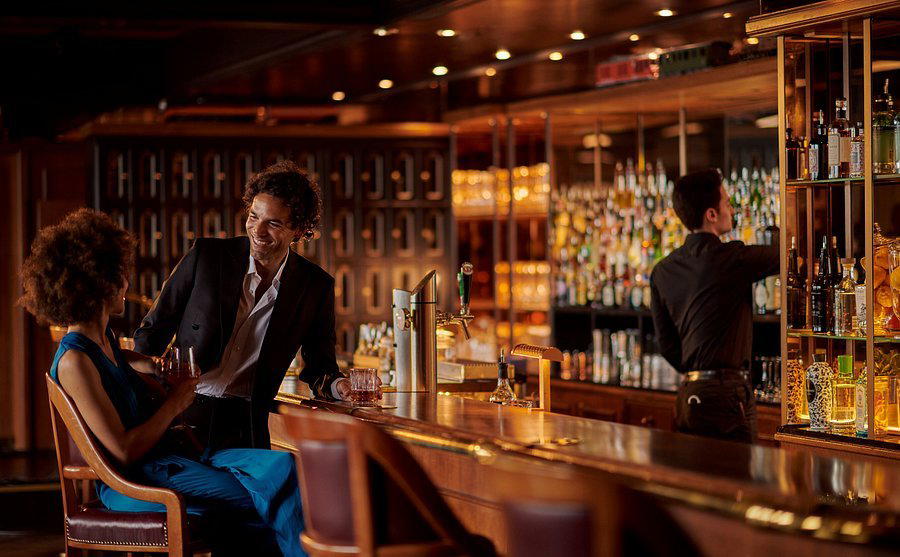
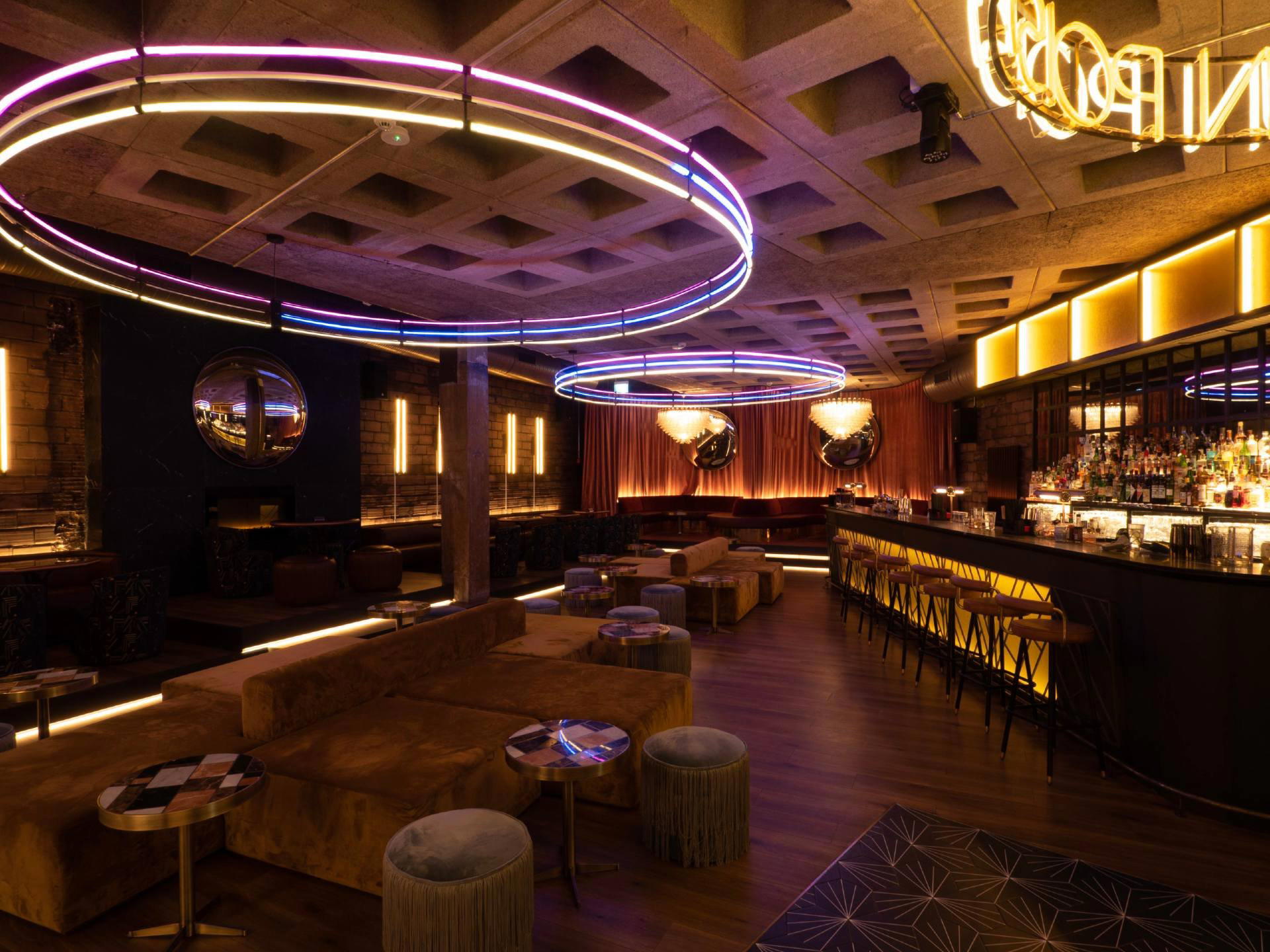
Bars in Gstaad
Browse all →

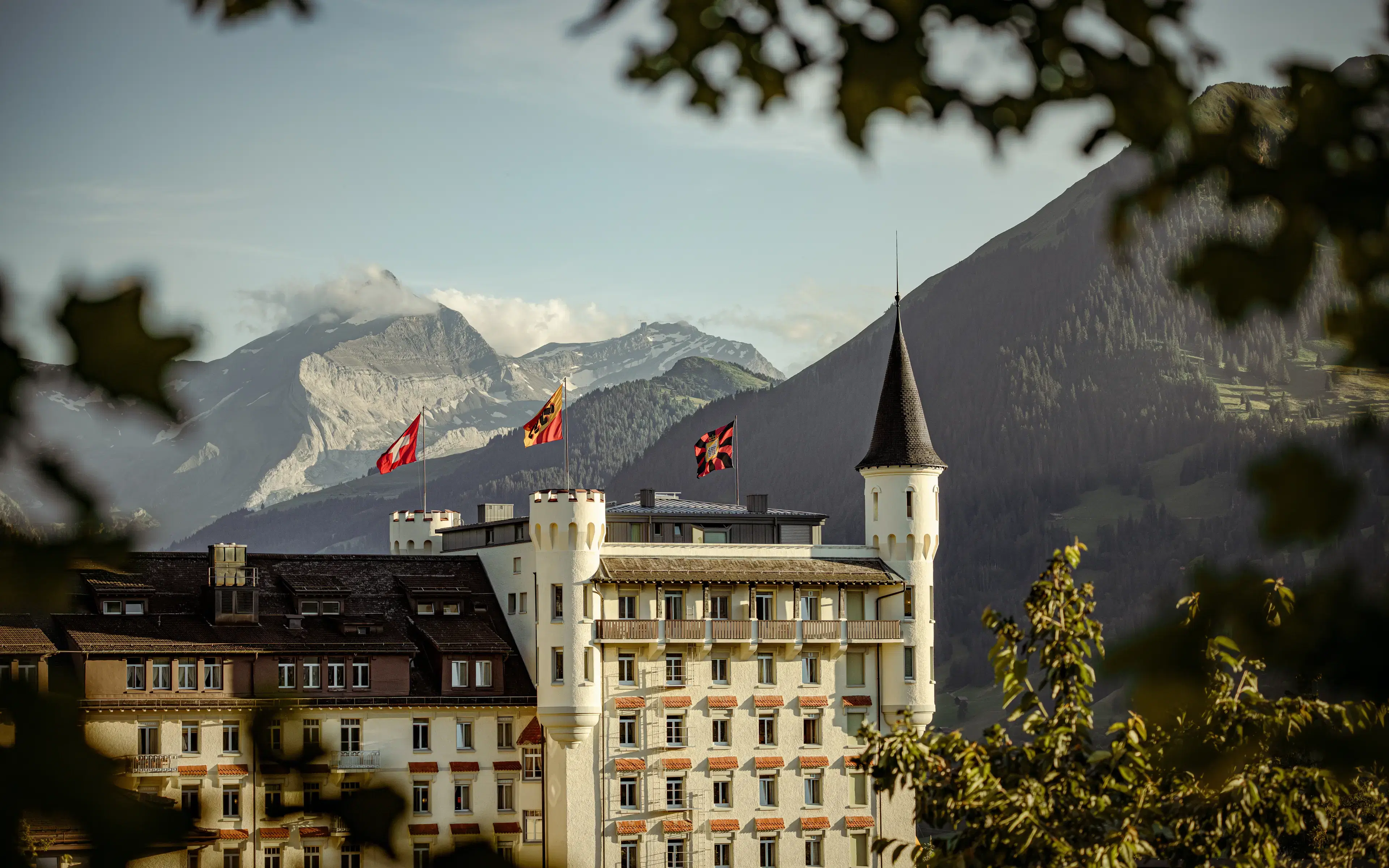
Hotels in Gstaad
Browse all →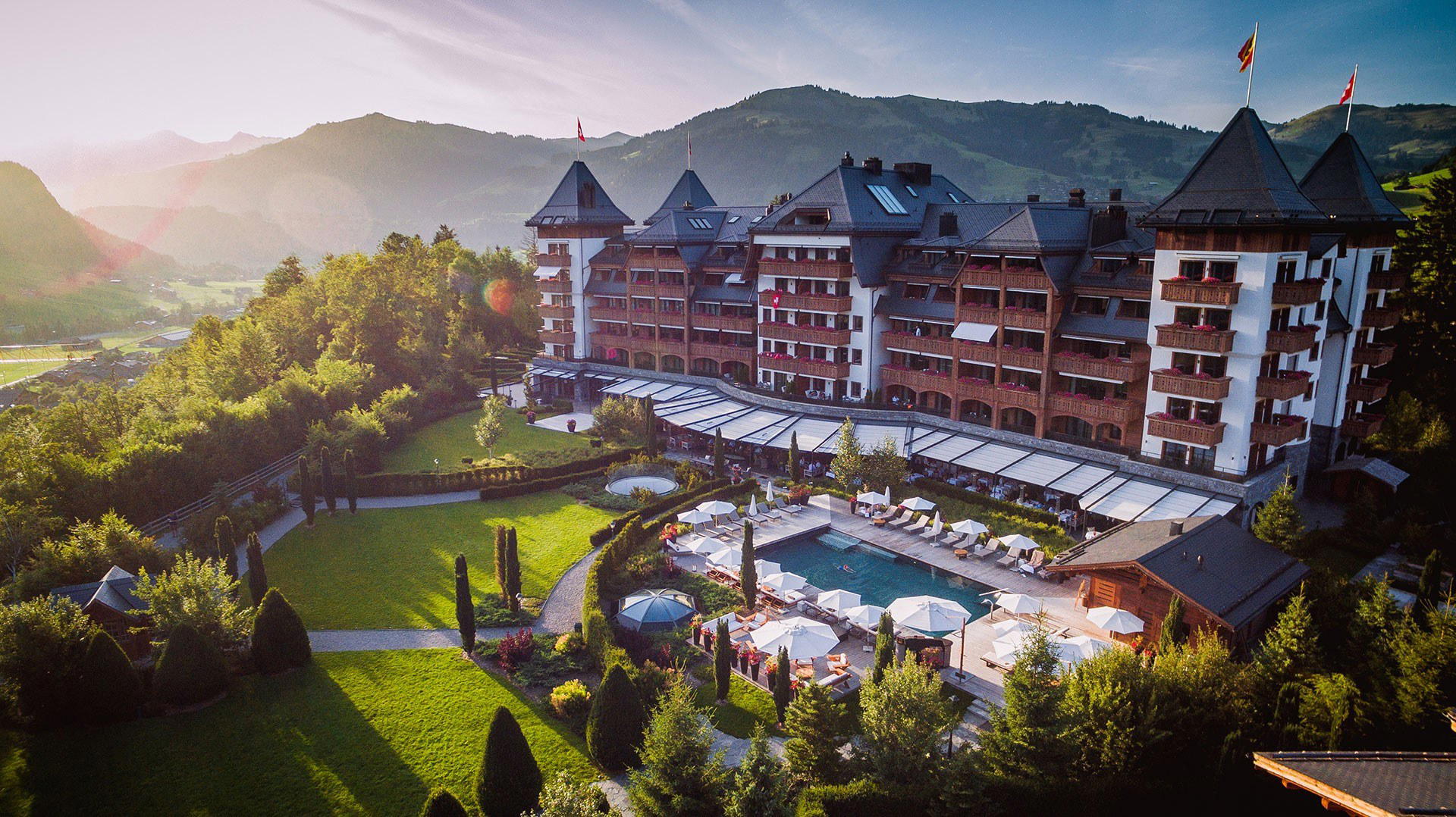

At a Glance
- Sophisticated
- Elegant
- Modern
- Special Occasion
- Date Night
- Business Dinner
- Hotel Restaurant
- Terrace
- Extensive Wine List
- Sake Program
- Mountain
Current opening hours
- Monday
- 12–2:30 PM, 7–10:30 PM
- Tuesday
- Closed
- Wednesday
- Closed
- Thursday
- 12–2:30 PM, 7–10:30 PM
- Friday
- 12–2:30 PM, 7–10:30 PM
- Saturday
- 12–2 PM, 7–10:30 PM
- Sunday
- 12–2:30 PM, 7–10:30 PM
Hours can change for holidays and private events. Last verified .
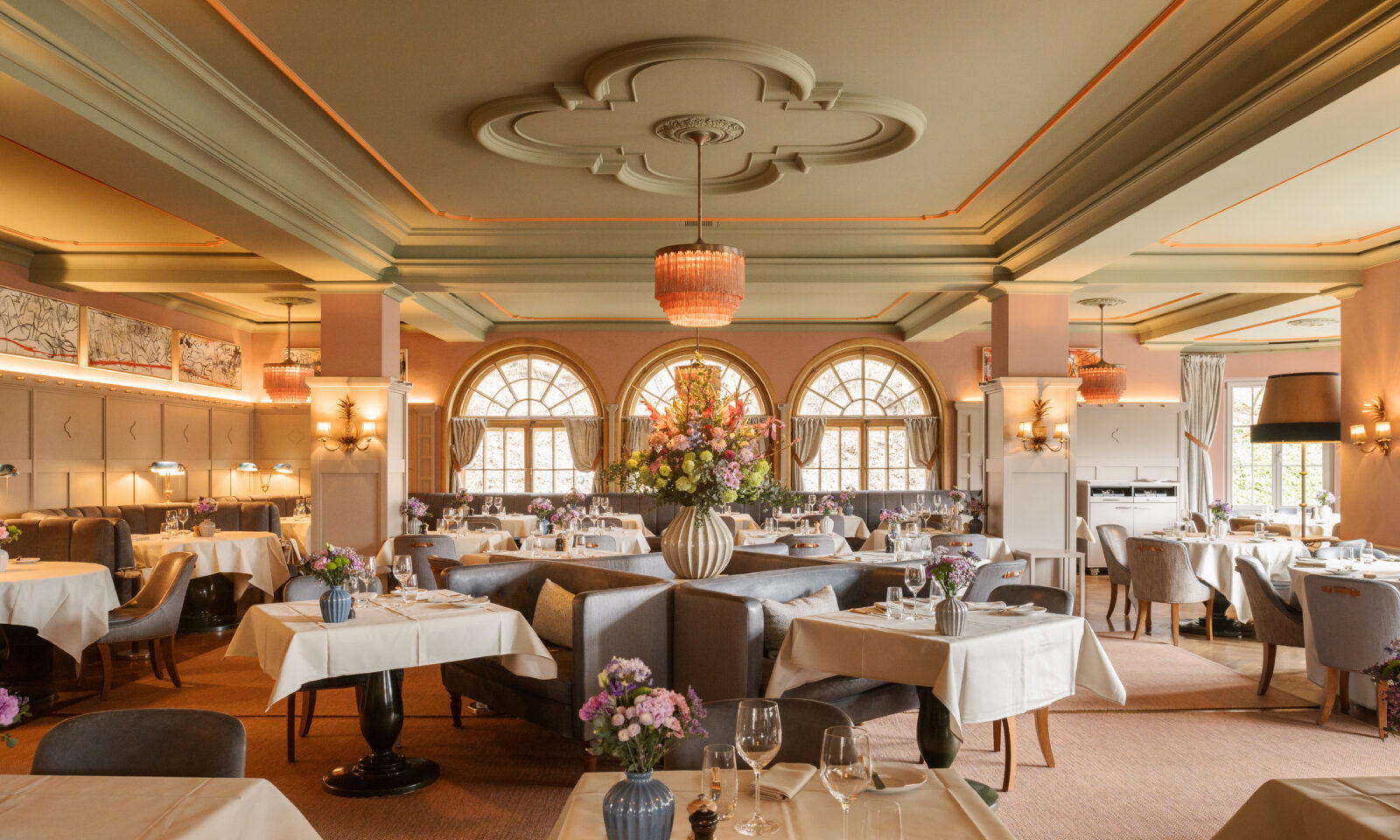
Sophisticated and elegant atmosphere with distinctive interior design inspired by the Far East, featuring a sushi counter and delightful summer terrace.