La Pinte des Mossettes

A Michelin-starred farmstead in the Fribourg Alps, La Pinte des Mossettes reaches its one star through hyper-seasonal, plant-forward cooking rooted in the mountain pastures and lake systems surrounding Cerniat. Herbs, wild flowers, and foraged aromatics shape a menu that shifts with the altitude and the calendar. At €€€€ pricing, it occupies a rare position: serious fine dining at significant elevation, well off Switzerland's urban restaurant circuit.
Pearl is the En Primeur Club membership app — saves, bookings, and concierge access live there. Same editors, same standards.
- Address
- Route des Echelettes 8, Cerniat, 1654, Switzerland
- Phone
- +41 26 927 20 97
- Website
- lapintedesmossettes.ch
- Directions
- Get directions
 Saves & bookings on Pearl
Where the Mountain Does the Talking
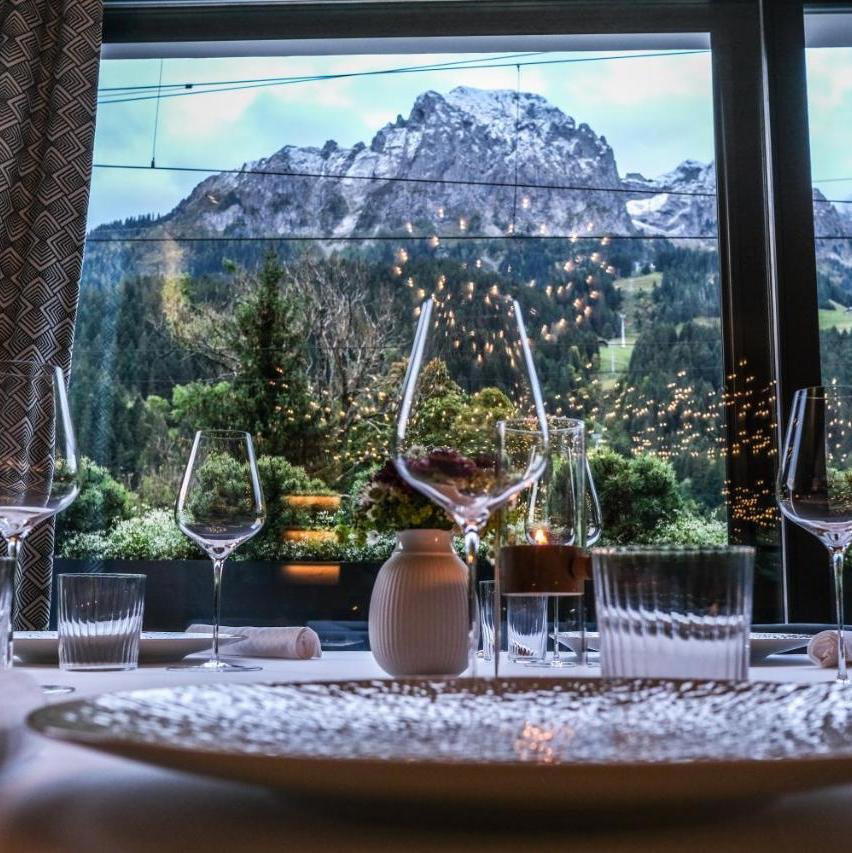
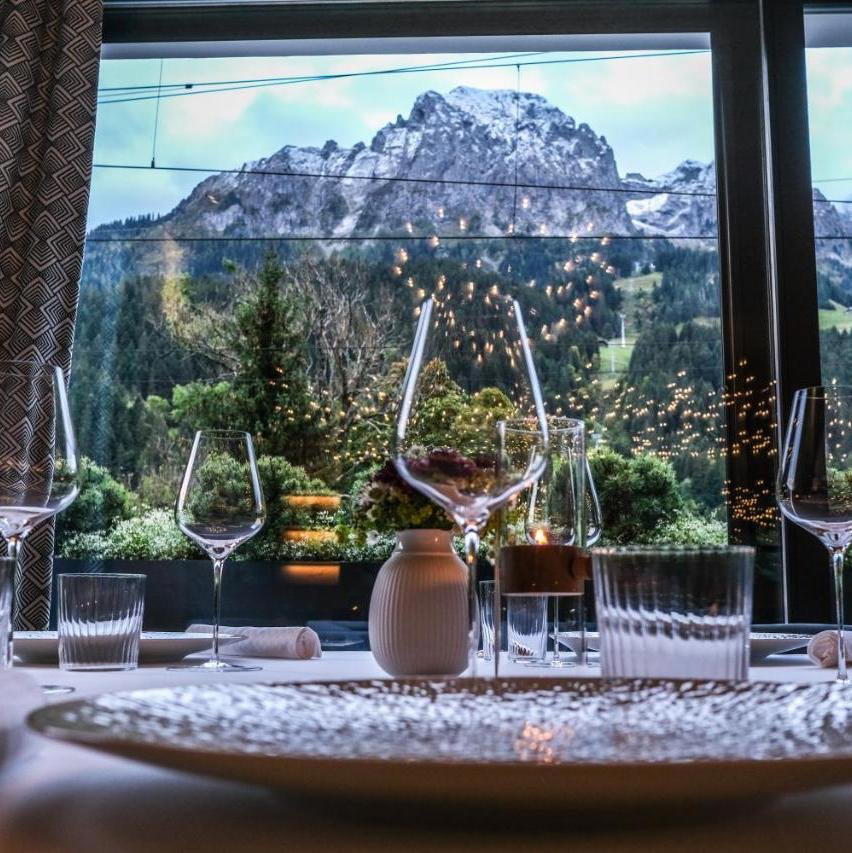
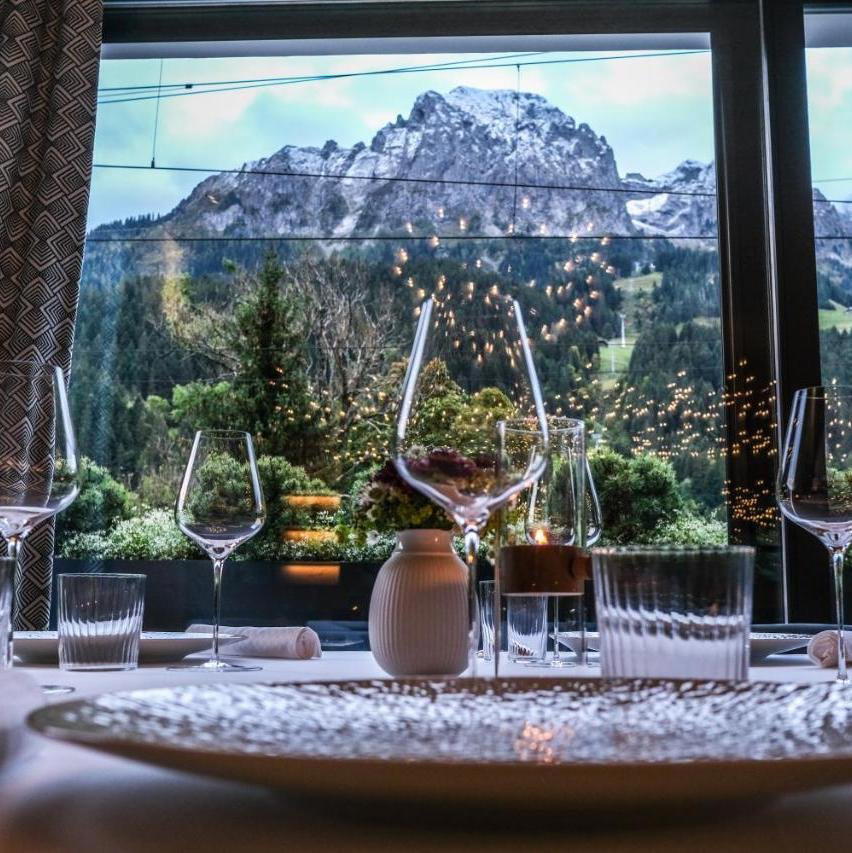
The approach to La Pinte des Mossettes sets the frame before a single dish arrives. The road climbs through Fribourg's Pre-Alps, passing summer pastures and timber-framed farmhouses, until an old stone farmstead appears against an open sky above Cerniat. The panoramic terrace faces out over rolling highland terrain. Inside, the floorboards creak underfoot and a fireplace anchors the room. This is not a restaurant that has been designed to look rustic, it is a working farmstead that has been inhabited for long enough that the rusticity is structural. That distinction matters to understanding how the kitchen operates.
Switzerland's mountain fine dining circuit is smaller and more geographically scattered than the urban cluster around Zurich or Geneva. Properties like Schloss Schauenstein in Fürstenau and Memories in Bad Ragaz draw serious dining audiences to non-metropolitan addresses, but they operate within architecturally formal settings. La Pinte des Mossettes sits in a different register entirely: the informality is physical and genuine, and the cooking answers to the terrain rather than to any urban fine-dining convention. Its Michelin star confirms the kitchen's technical standing, but the scenery remains a major part of the appeal.
Sourcing at Altitude: What Grows Here and Why It Matters
The Fribourg Pre-Alps produce a specific foraging ecology. At the elevations above Cerniat, growing seasons are compressed, which means the window for any given herb, flower, or aromatic plant is narrow and non-negotiable. Kitchens that source seriously from this environment cannot fake seasonality with imports or cold-storage extensions, the ingredient either exists at that altitude in that week, or it does not. The menu at La Pinte des Mossettes treats this constraint as its organising principle rather than a limitation to be worked around.
Herbs, wild flowers, and aromatic plants form the recurring vocabulary of the kitchen. The Michelin citation references early tomatoes paired with crayfish bisque laced in clary sage, a combination that places a cultivated crop, a freshwater species, and a foraged aromatic within a single composition. That is not herb-garden garnishing. It is sourcing-led construction, where the aromatic plant defines the dish's register rather than decorating it.
Lake Geneva supplies fish to the kitchen. The citation notes confit of fish from the lake in hazelnut butter, which positions the preparation in the Francophone Swiss tradition of freshwater fish cookery, a tradition with deep roots in the arc from Geneva through Lausanne and into the Fribourg lowlands. The technique of confit, applied to lake fish rather than poultry or duck, extends the cooking time while preserving moisture, and hazelnut butter adds a fat richness that complements rather than overwhelms lean freshwater flesh. These are not decorative choices; they follow from what the lake produces and what the mountain pantry offers.
Red fruit pickled in fig leaf oil, silky hazelnut milk, and squash seeds appear in the Michelin notes as further illustrations of the kitchen's method: preservation techniques (pickling), nut-based dairy alternatives (hazelnut milk), and seed ingredients that reflect the end-of-season harvest. The cumulative picture is of a kitchen that works through the Pre-Alpine growing cycle from spring's first herbs to late-autumn's root vegetables and stored seeds, with each service reflecting an exact moment in that calendar. For those interested in how plant-forward haute cuisine operates at its most geographically specific, this is a relevant address to study, compare it against the Paris-based context of Arpège, which runs a similarly ingredient-driven philosophy from an urban garden base, or Alléno Paris au Pavillon Ledoyen for a contrasting creative approach that works at higher abstraction from its raw materials.
Vegetable-Forward at the €€€€ Tier
Plant-forward cooking at the leading price tier is not as common in Switzerland as in France or the UK. The country's fine-dining default leans heavily toward protein-centric menus, with alpine cheese and cured meats as supporting vocabulary and game as a seasonal centrepiece. La Pinte des Mossettes runs counter to this pattern, with herbs and vegetables as the structural load-bearers rather than supplements. The menu is described as veggie-leaning rather than strictly vegetarian, which means animal proteins appear, the crayfish, the lake fish, but they arrive in contexts where the plant elements carry the flavour argument.
At €€€€ pricing, the restaurant sits in the same tier as focus ATELIER in Vitznau, IGNIV Zürich by Andreas Caminada, and Einstein Gourmet in Sankt Gallen, all Michelin-starred addresses with formal kitchen programmes. The difference is format and location: those restaurants operate within or adjacent to urban infrastructure, with hotel concierge networks and city visitor flows supporting their covers. The restaurant requires a deliberate alpine drive and operates from a farmstead without those feeder systems. The decision to eat there is, by definition, the entire evening's plan, not a component of a broader city itinerary.
The Drinks Programme: Wine and Plant-Based Alternatives
The wine list is carefully curated, with an emphasis on Swiss and French regional producers compatible with the kitchen's agricultural philosophy. Fribourg sits between the wine-producing cantons of Vaud and the Bernese Mittelland, and the region's own wine production, though modest in volume, yields whites from Chasselas that pair logically with the lake-fish preparations. Beyond wine, the restaurant offers the option to compose a non-alcoholic plant-based beverage pairing, a relatively rare provision at this price tier in Switzerland, and one that aligns with the kitchen's herb and aromatic plant sourcing. Guests avoiding alcohol are not directed toward commercial juices but toward house-composed drinks that mirror the menu's ingredient logic. For further context on Swiss fine dining beverage culture, Cheval Blanc by Peter Knogl in Basel and Colonnade in Lucerne represent the more classically French-influenced end of the Swiss cellar spectrum.
Planning the Visit
Cerniat sits in the Charmey valley of canton Fribourg, accessible by car from Bulle in approximately 20 minutes and from Fribourg city in around 45 minutes. There is no rail connection to the village; a car or arranged transfer is required. The address at Route des Echelettes 8 places the restaurant above the main valley floor, with the approach road through alpine pasture forming part of the experience. Given the Michelin-starred status and the remote setting, reservations should be made well in advance. The panoramic terrace operates in fair weather; the fireplace-anchored interior is the alternative in the mountain's colder months.
For comparison against other Swiss addresses at the same price point and recognition level, Hotel de Ville Crissier in Crissier, 7132 Silver in Vals, and L'Atelier Robuchon in Geneva offer alternative reference points across different Swiss culinary traditions. Da Vittorio in St. Moritz represents the alpine luxury-resort model of fine dining, a useful contrast to the restaurant' farmstead approach.
Comparable Venues
Comparable venues nearby, for context on price, style, and recognition.
| Venue | Cuisine | Price | Awards | Notes |
|---|---|---|---|---|
| La Pinte des MossettesThis venue — the venue you are viewing | Creative Seasonal French | $$$$ | Michelin 1 Star | Not listed |
| Le Trianon | French Contemporary Fine Dining | $$$$ | Michelin 1 Star | Mont Pèlerin |
| Restaurant GERBER WYSS | Modern Swiss Vegetable-Centric Fine Dining | $$$$ | Michelin 1 Star | Old Town (Vieille Ville) |
| Au 1465 | Modern Alpine Fine Dining | $$$$ | Michelin 1 Star | Champex-Lac |
| Du Cerf | Classic French Fine Dining | $$$$ | Michelin 1 Star | Sonceboz |
| Des Trois Tours | French Contemporary Innovative | $$$$ | Michelin 1 Star | Bourguillon |
Recognition history
Dated appearances from independent guides and award organizations, with the underlying list record or original source where available.
Michelin 1 Star
Michelin
Michelin 1 Star
Michelin
Continue exploring
More in Cerniat
Restaurants in Cerniat
Browse all →
Bars in Cerniat
Browse all →
Hotels in Cerniat
Browse all →

At a Glance
- Rustic
- Cozy
- Scenic
- Intimate
- Elegant
- Date Night
- Special Occasion
- Terrace
- Historic Building
- Natural Wine
- Farm To Table
- Local Sourcing
- Mountain
- Garden
Cozy historic chalet with creaking floorboards, fireplace, panoramic terrace, and serene mountain surroundings.