Our verdict
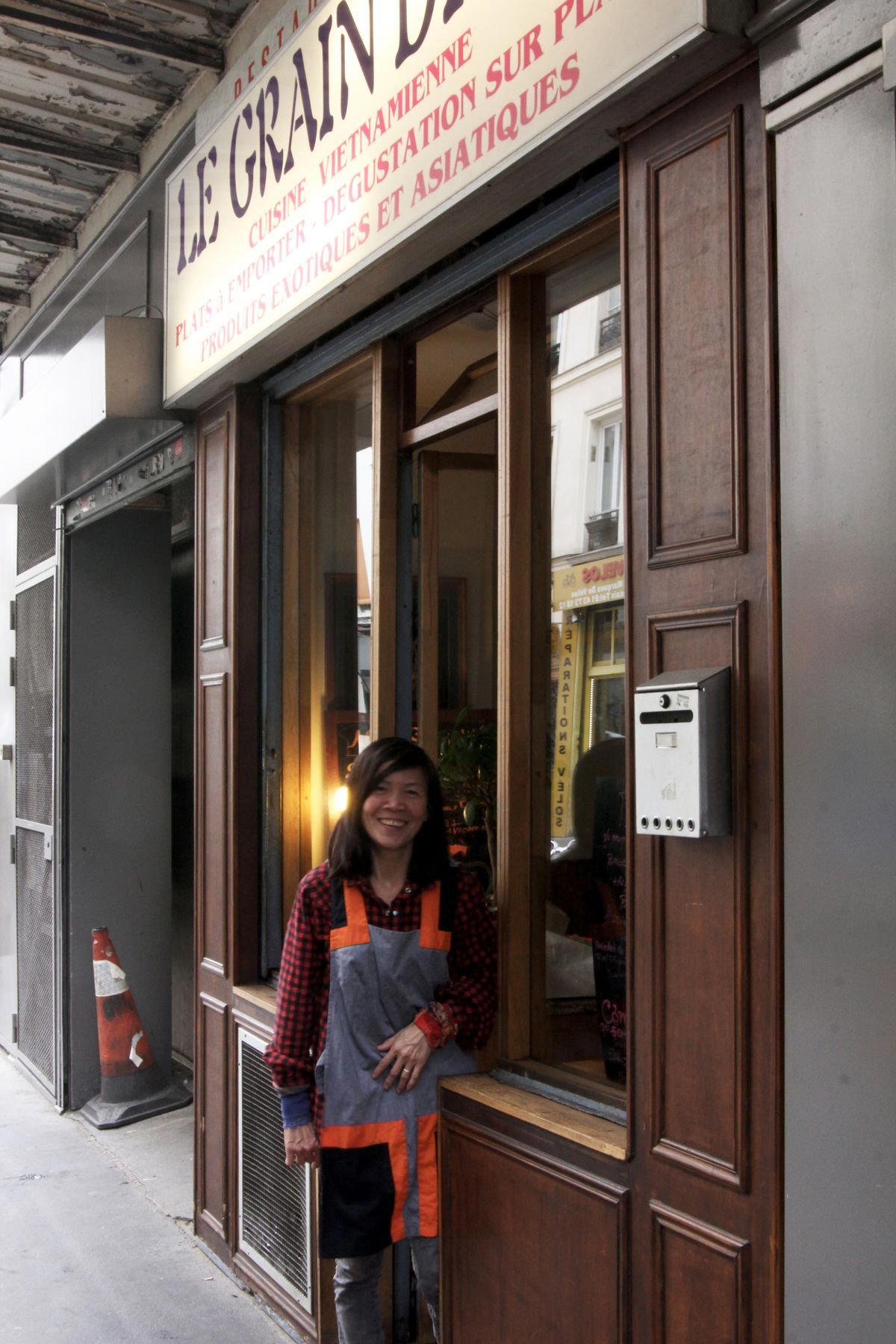
Le Grain de Riz occupies a quiet stretch of the 11th arrondissement, operating within a Paris dining scene that has grown increasingly attentive to provenance, waste reduction, and ethical sourcing. The address on Rue Godefroy Cavaignac places it away from the well-worn tourist circuits, in a neighbourhood where independent restaurants set the tone rather than follow it.

Pearl is the En Primeur Club membership app, where members save venues, book tables and use the concierge.
The menu
What to order
- Poulet à la citronnelle
- Porc au caramel
The 11th and the Question of Where Paris Eats Seriously
The 11th arrondissement has spent the better part of a decade absorbing a particular kind of restaurant: one that cares where things come from. While the formal dining rooms of the 8th and the palace hotels of the 16th continue to anchor the trophy-table circuit, the neighbourhoods east of République have developed a different kind of seriousness. Rue Godefroy Cavaignac, where Le Grain de Riz sits, is the kind of street where a restaurant earns its reputation through consistency rather than ceremony. Compared to the grand-room formality of L'Ambroisie or the architectural theatre of Alléno Paris au Pavillon Ledoyen, this address operates at a different register entirely.
Rice, Grain, and the Ethics of Ingredient Focus
The name itself is a signal. Le Grain de Riz translates literally as the grain of rice, a unit so small it functions almost as a philosophical statement: that the worth of a dish begins at the level of the individual ingredient, not the architectural plating or the room's chandelier count. This kind of ingredient-forward naming has become more common in Paris as restaurateurs position themselves within a broader conversation about sustainability, sourcing transparency, and the environmental cost of restaurant supply chains.
France has a long tradition of producer-to-plate cooking, from the market-sourcing orthodoxy of classic cuisine to the more recent generation of chefs who have formalised relationships with named farms and cooperatives. Venues like Bras in Laguiole helped establish that ethical sourcing and three-star ambition could coexist. More recently, Mirazur in Menton has used biodynamic growing and an on-site garden to anchor its sourcing philosophy at the highest level of recognition. Le Grain de Riz operates in a less rarified tier but within the same current of thinking: that what goes on the plate before anyone touches it in the kitchen is the first and most consequential decision a restaurant makes.
Sustainability as Structure, Not Garnish
Across Paris's independent restaurant community, sustainability has moved from marketing language toward operational method. In practice, this means shorter supplier lists, nose-to-tail approaches, reduced protein volumes offset by more complex vegetable and grain cookery, and a willingness to let seasonal availability constrain the menu rather than supplement it. The 11th is home to a cluster of restaurants working in this mode, which has made the arrondissement a reference point for visitors who want to eat within a coherent ethical framework without booking six months ahead at a three-starred address.
Grain and rice-forward cooking fits naturally into this framework. These are ingredients that carry lower environmental footprints than most proteins, require careful technique to reach their potential, and anchor cuisines across Southeast Asia, West Africa, and the Levant that have historically been underrepresented in Parisian fine or semi-fine dining. A restaurant organised around such an ingredient implicitly makes a statement about which culinary traditions it takes seriously. For comparison, the Franco-Japanese axis explored at Kei shows how Paris has accommodated non-French culinary lineages within formal dining; what the independent neighbourhood tier offers is a less institutionalised version of the same cross-cultural engagement.
The 11th as a Neighbourhood Argument
To understand where Le Grain de Riz fits, it helps to understand what the 11th has become. Bounded by Bastille to the west and Nation to the east, it is dense with working restaurants, wine bars, and the kind of serious lunch counter that keeps irregular hours by design rather than disorganisation. It is not a neighbourhood that rewards the approach of walking in without a plan; the better addresses fill quickly, particularly at lunch, and many close mid-week or operate limited services. Arriving via the Voltaire or Charonne metro stops covers most of the arrondissement's central axis, with Rue Godefroy Cavaignac accessible within a short walk from either.
It is closer to the network of independently-run restaurants that have made Paris's eastern arrondissements the city's most active zone for new cooking. The comparison to France's destination restaurants, whether Flocons de Sel in Megève, Auberge de l'Ill in Illhaeusern, or Les Prés d'Eugénie, is less about register than about seriousness of purpose. Each of those addresses has made a specific argument about what French cooking can be. The neighbourhood restaurants of the 11th are making a different version of the same argument, at a price point and in a context that is accessible rather than aspirational.
Planning a Visit
Le Grain de Riz is at 49 Rue Godefroy Cavaignac in the 11th arrondissement, within walking distance of the Voltaire metro stop on line 9. Given the format and neighbourhood, booking ahead is advisable, particularly for dinner and weekend service. Dress expectations in this part of Paris tend toward smart-casual rather than formal. For readers planning a broader Paris itinerary, our full Paris restaurants guide covers the range from neighbourhood independents through to multi-starred destinations.
Frequently asked questions
Is Le Grain de Riz child-friendly?
Paris's 11th arrondissement generally supports a relaxed neighbourhood dining culture, and independent restaurants in this tier tend to accommodate families more comfortably than formal dining rooms. That said, the experience is shaped by the specific service and seating format on a given evening. If dining with children, contacting the restaurant directly to confirm is the most practical step. Restaurants in this price tier in Paris are typically more flexible than their starred counterparts in the 8th or 16th.
How would you describe the vibe at Le Grain de Riz?
The address on Rue Godefroy Cavaignac positions it firmly within the independent, neighbourhood-focused dining culture that defines the 11th. Expect a room that prioritises the food and the company over formal ritual. The contrast with the palace-adjacent formality of somewhere like Le Cinq or the grand-occasion weight of L'Ambroisie is the point, not a shortcoming. No awards data is currently confirmed, which is itself consistent with a venue operating outside the trophy-table circuit.
What do people recommend at Le Grain de Riz?
What the name and positioning suggest is a kitchen that takes grain-based and ingredient-led cooking seriously. For verified menu detail, checking recent visitor reviews on aggregator platforms or contacting the restaurant directly will give the most accurate picture of what is currently being served.
Should I book Le Grain de Riz in advance?
For any independently-run restaurant in the 11th with a focused format, booking ahead is the reliable approach. Paris's eastern arrondissements have seen sustained demand at this tier of dining, and smaller rooms fill without the kind of booking-window visibility that a Michelin-starred address like Arpège requires months in advance. A few days' notice is likely sufficient for most services, but confirming via the platform or in person is advisable.
What makes Le Grain de Riz worth seeking out?
The argument for this address is primarily one of context: a Paris dining scene that has produced some of France's most discussed restaurants, from Troisgros to Paul Bocuse as historical reference points, now also contains a layer of independent, ethically-oriented neighbourhood cooking that operates on its own terms. Le Grain de Riz sits within that layer, in a neighbourhood that rewards visitors who move beyond the arrondissements most commonly listed in conventional guides.
Is Le Grain de Riz connected to any particular culinary tradition or regional influence?
The name's reference to rice points toward culinary traditions where grain is central rather than peripheral, which distinguishes this address from the butter-and-stock classical French mainstream. This positions it within a broader Paris shift toward cuisines that have historically occupied the margins of the city's restaurant culture, a shift visible across the 11th and neighbouring arrondissements. For visitors interested in how French restaurants are engaging with non-European culinary lineages, this part of Paris is more instructive than the formal dining rooms of the centre, including Lazy Bear in San Francisco and Le Bernardin in New York as international reference points for how ingredient-focus and ethical sourcing translate across different culinary cultures.
Budget and Context
| Venue | Cuisine | Price | Awards | Notes |
|---|---|---|---|---|
| Le Grain de RizThis venue (the venue you are viewing) | Traditional Vietnamese from Saigon | $10–20 | Not listed | Not listed |
| Alléno Paris au Pavillon Ledoyen | Modern French Fine Dining | $150–200 | 3 Michelin Stars · World's 50 Best #79 | Creative |
| Kei | Modern French with Japanese Influences | $300–500 | 3 Michelin Stars · World's 50 Best #93 | Contemporary French, Modern Cuisine |
| L'Ambroisie | Classic French Haute Cuisine | $300–500 | 2 Michelin Stars · World's 50 Best #23 | French, Classic Cuisine |
| Le Cinq - Four Seasons Hôtel George V | Modern French Fine Dining | $300–500 | 3 Michelin Stars · World's 50 Best #24 | French, Modern Cuisine |
| Pierre Gagnaire | Avant-Garde French Fine Dining | $200–300 | 3 Michelin Stars · World's 50 Best #17 | French, Creative |
Continue exploring
More in Paris
Restaurants in Paris
All restaurants in Paris →
Bars in Paris
All bars in Paris →



Details
- Cozy
- Casual
- Casual Hangout
- Standalone
- A La Carte
Current opening hours
- Monday
- 11:30 AM–3:30 PM, 6:30–10 PM
- Tuesday
- 11:30 AM–3:30 PM, 6:30–10 PM
- Wednesday
- 11:30 AM–3:30 PM, 6:30–10 PM
- Thursday
- 11:30 AM–3:30 PM, 6:30–10 PM
- Friday
- 11:30 AM–3:30 PM, 6:30–10 PM
- Saturday
- 11:30 AM–3:30 PM, 6:30–10 PM
- Sunday
- Closed
Hours can change for holidays and private events. Hours as of .
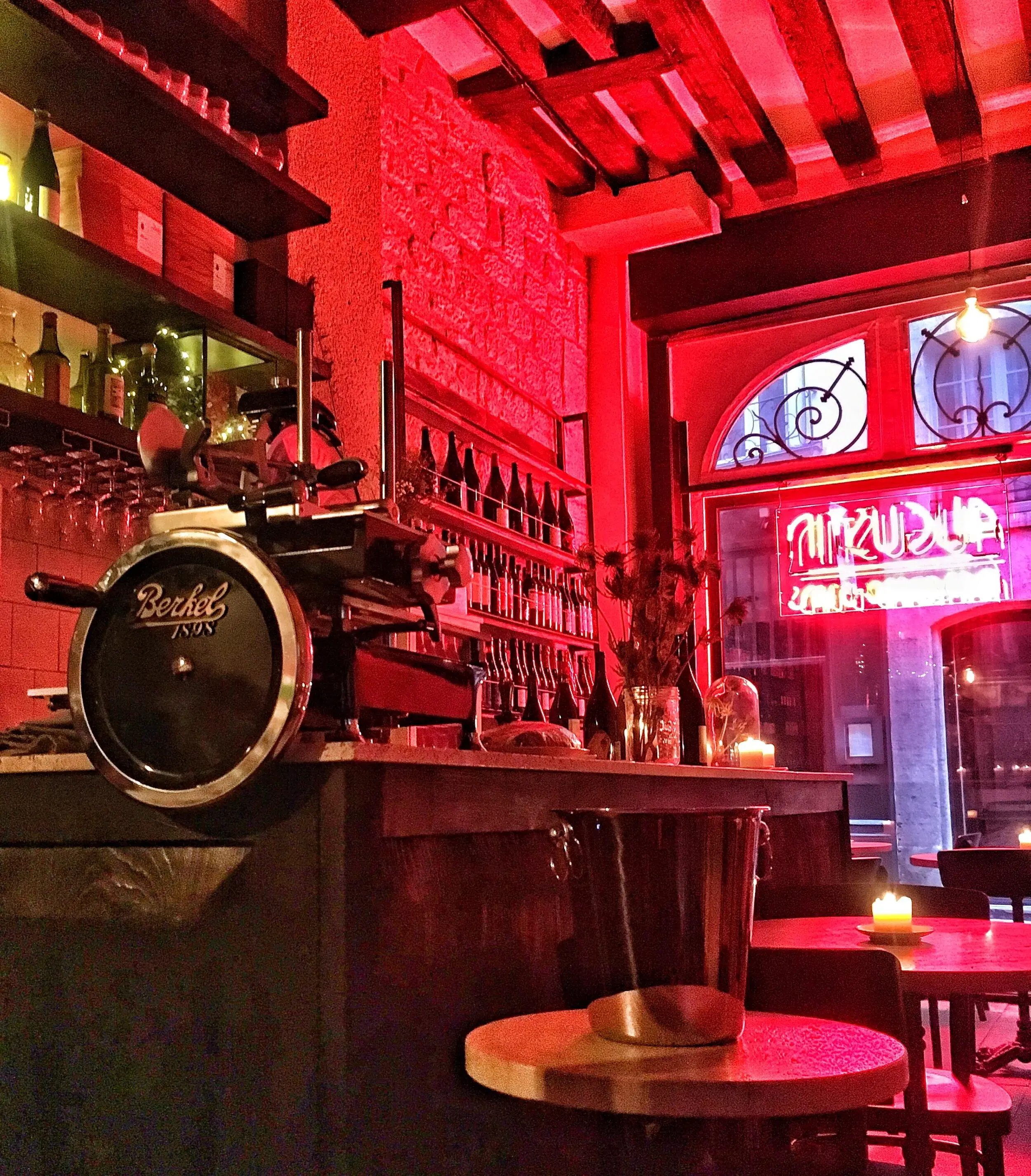
Loufoque and down-to-earth with ultra-simple decor and friendly service.