Maison de la culture Arménienne occupies a quietly significant address at 17 Rue Bleue in Paris's 9th arrondissement, operating as a cultural institution rather than a conventional dining destination. For visitors drawn to the Armenian diaspora's presence in the French capital, this address sits at the intersection of community memory and Parisian civic life — a reference point that no restaurant guide quite accounts for.
Pearl is the En Primeur Club membership app — saves, bookings, and concierge access live there. Same editors, same standards.
- Address
- 17 Rue Bleue, 75009 Paris, France
- Phone
- +33 1 48 24 63 89
- Website
- facebook.com
- Directions
- Get directions
 Saves & bookings on Pearl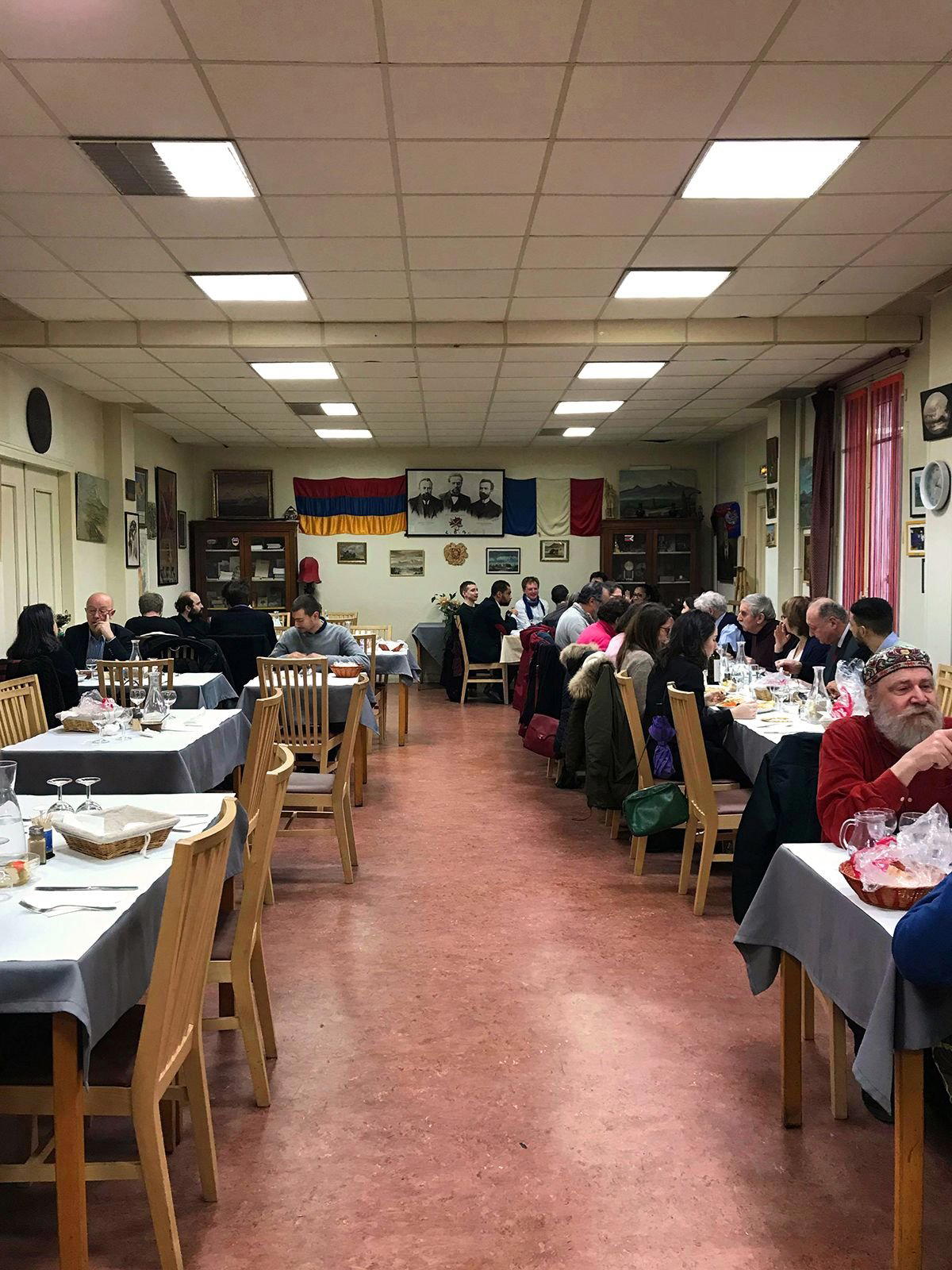
Rue Bleue and the Armenian Quarter: A Diaspora's Paris Address
The 9th arrondissement does not announce itself the way the Marais or Saint-Germain do. Its identity is assembled from print trades, bourgeois apartments, and the slow accumulation of immigrant communities who arrived over a century and built institutions rather than enclaves. Rue Bleue sits in that quieter civic register — a street that connects the Grands Boulevards to the Faubourg Poissonnière without drama, and where the Maison de la culture Arménienne has held its address for decades as one of the more enduring expressions of Armenian cultural life in France.
France is home to one of the largest Armenian diaspora communities in Western Europe, concentrated particularly in the Île-de-France region and in Marseille. The arrival of Armenian refugees following the 1915 genocide seeded communities across French cities, and Paris became a centre for cultural preservation and political advocacy in ways that shaped how the broader French public encountered Armenian identity. That history is not background noise at an address like this — it is the institutional purpose.
Cultural Institutions as Dining Context: What the Maison Represents
For visitors to Paris interested in Armenian cuisine, understanding the distinction between cultural institutions and dedicated restaurants matters. The Maison de la culture Arménienne operates as a cultural centre, not a restaurant in the conventional sense. Depending on programming cycles, it may host events, film screenings, exhibitions, and community gatherings where food and hospitality feature as part of a broader cultural offer rather than as a standalone dining proposition. This positions it differently from, say, a dedicated Armenian restaurant in the 11th or the 16th, where the kitchen is the primary proposition.
Armenian cuisine in Paris exists across a spectrum. At one end, community-run spaces affiliated with cultural organisations serve traditional dishes, manti (small dumplings in yogurt broth), lahmacun, dolma, grilled meats seasoned with dried herbs and spices that trace their lineage to Anatolia and the Caucasus. At the other end, a handful of more formal Armenian restaurants operate in the city's mainstream dining circuit, drawing on the cuisine's proximity to Lebanese, Turkish, and Persian traditions that increasingly resonate with Parisian palates already attuned to Levantine cooking.
The Maison de la culture Arménienne at 17 Rue Bleue sits in the institutional tier of this spectrum, and visiting it as a cultural act, rather than as a dining act, is the appropriate frame.
The 9th Arrondissement as Context
The 9th is not where Paris's dominant fine dining conversation happens. That conversation runs through the 8th, where Alléno Paris au Pavillon Ledoyen and Le Cinq at the Four Seasons Hôtel George V anchor the luxury end; through the 1st, where Kei operates its Franco-Japanese counter; or through the 4th, where L'Ambroisie maintains its position as one of the city's most classically composed addresses. Even Arpège, Alain Passard's vegetable-forward institution in the 7th, represents a different kind of Paris dining conversation, one defined by Michelin recognition and long booking windows.
9th offers something else: a neighbourhood where cultural institutions, independent theatres, and community organisations shape the character of streets alongside cafés and bistros. For visitors whose Paris itinerary extends beyond fine dining into the city's diaspora culture, this arrondissement provides a different kind of reference grid.
Armenian Cuisine: What to Understand Before You Go
Armenian cuisine occupies a position in the broader Middle Eastern and Caucasian food tradition that is distinct from its neighbours while sharing key techniques and ingredients. The cuisine is built around grain-forward dishes, fermented dairy (particularly matzoon, a cultured milk product), stone-fruit preserves, and slow-cooked meat preparations that reflect a highland agricultural tradition. Herbs, tarragon, mint, flat-leaf parsley, appear in quantities that align the cooking more closely with Georgian and Persian traditions than with Arab cuisines.
In Paris, this culinary tradition has been preserved primarily through community events and family-run establishments rather than through the kind of chef-driven restaurant storytelling that French fine dining favours. That makes spaces like the Maison de la culture Arménienne reference points for a different kind of food experience: one rooted in collective memory and communal occasion rather than individual authorship.
For those interested in how diaspora cuisines survive and adapt in major European capitals, the Armenian presence in Paris offers a well-documented case study. France formally recognised the Armenian genocide in 2001, a decision that strengthened the community's civic standing and reinforced the role of cultural institutions as custodians of a shared history that extends beyond food into language, religion, and political identity.
Planning a Visit: Practical Orientation
Because the Maison de la culture Arménienne functions as a cultural centre rather than a restaurant with fixed service hours, advance research is essential before visiting with the expectation of a food experience. Programming is event-driven; food may be available during specific cultural evenings, festivals, or community gatherings rather than on a walk-in basis. Checking current event schedules directly, the institution is located at 17 Rue Bleue, 75009, is the appropriate first step.
For visitors building a wider Paris itinerary that includes both serious restaurant dining and cultural depth, the EP Club covers the full range: from Mirazur in Menton and Flocons de Sel in Megève to France's historic institutions like Paul Bocuse's Auberge du Pont de Collonges, Troisgros in Ouches, Bras in Laguiole, Auberge de l'Ill in Illhaeusern, Les Prés d'Eugénie in Eugénie-les-Bains, La Table du Castellet, Georges Blanc in Vonnas, and Auberge du Vieux Puits in Fontjoncouse. The full Paris restaurants guide covers the city's broader dining range, from neighbourhood addresses to multi-starred rooms. Further afield, Le Bernardin in New York City and Lazy Bear in San Francisco represent the kind of intentional, experience-driven dining that shares a sensibility with cultural programming built around food and occasion.
Logistics at a Glance
| Detail | Maison de la culture Arménienne | Typical Paris Bistro | Michelin-Starred Paris Restaurant |
|---|---|---|---|
| Format | Cultural institution / event-driven | Walk-in, set service hours | Reservation required |
| Booking | Event-specific | Same-day or no booking | Weeks to months ahead |
| Price range | Not applicable as standard restaurant | €€ | €€€€ |
| Dress code | Casual / cultural occasion | Casual | Smart to formal |
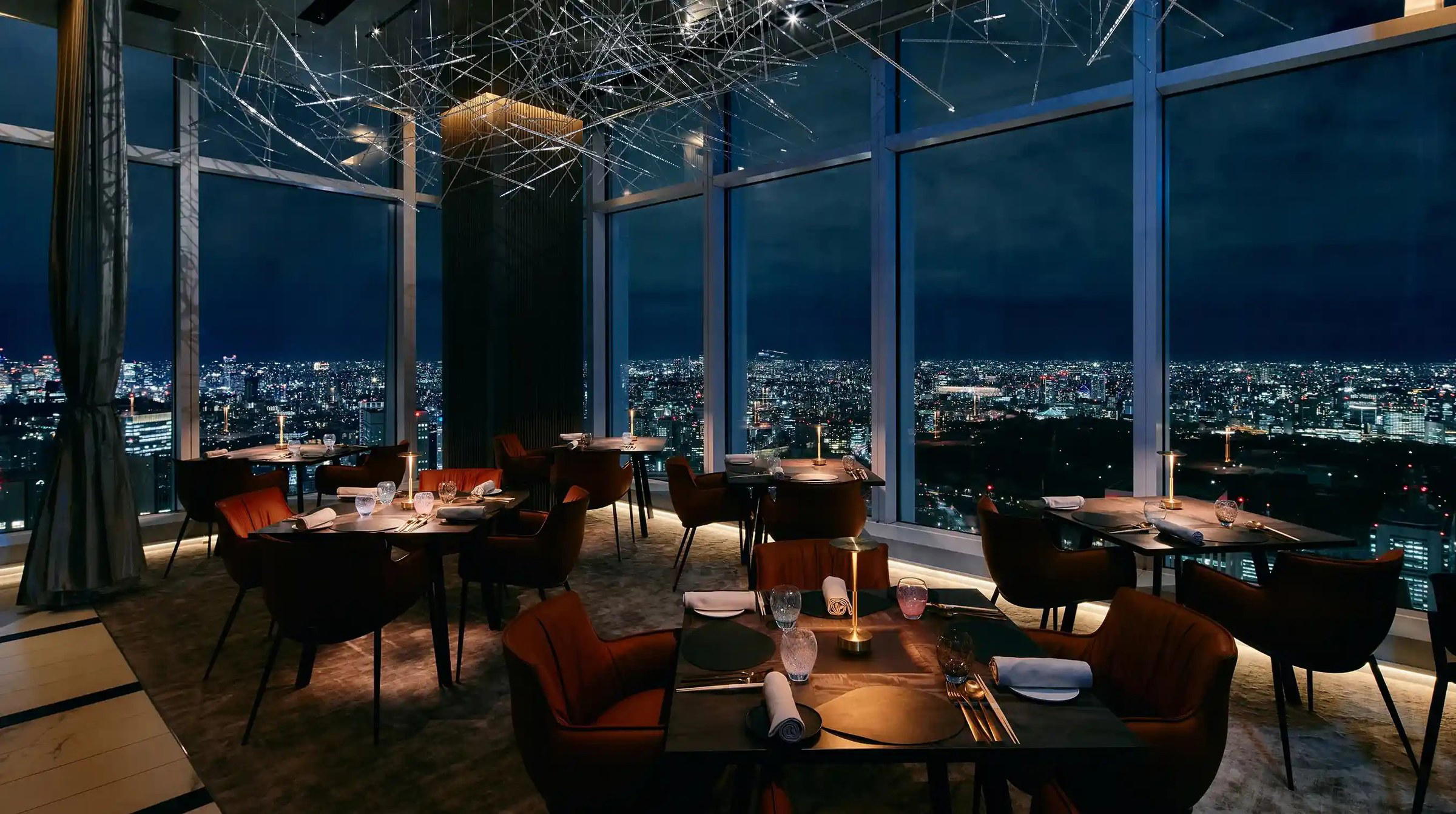
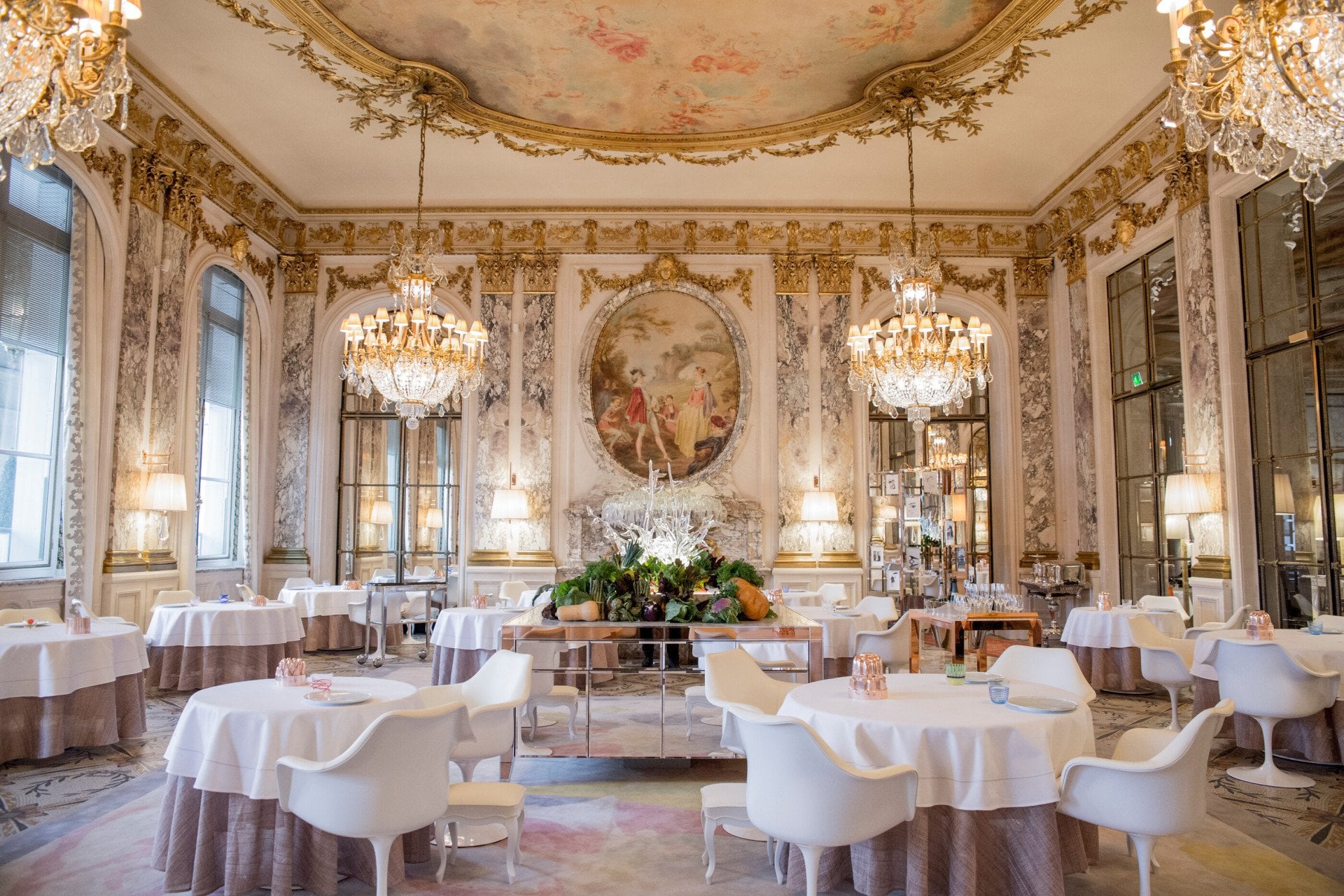
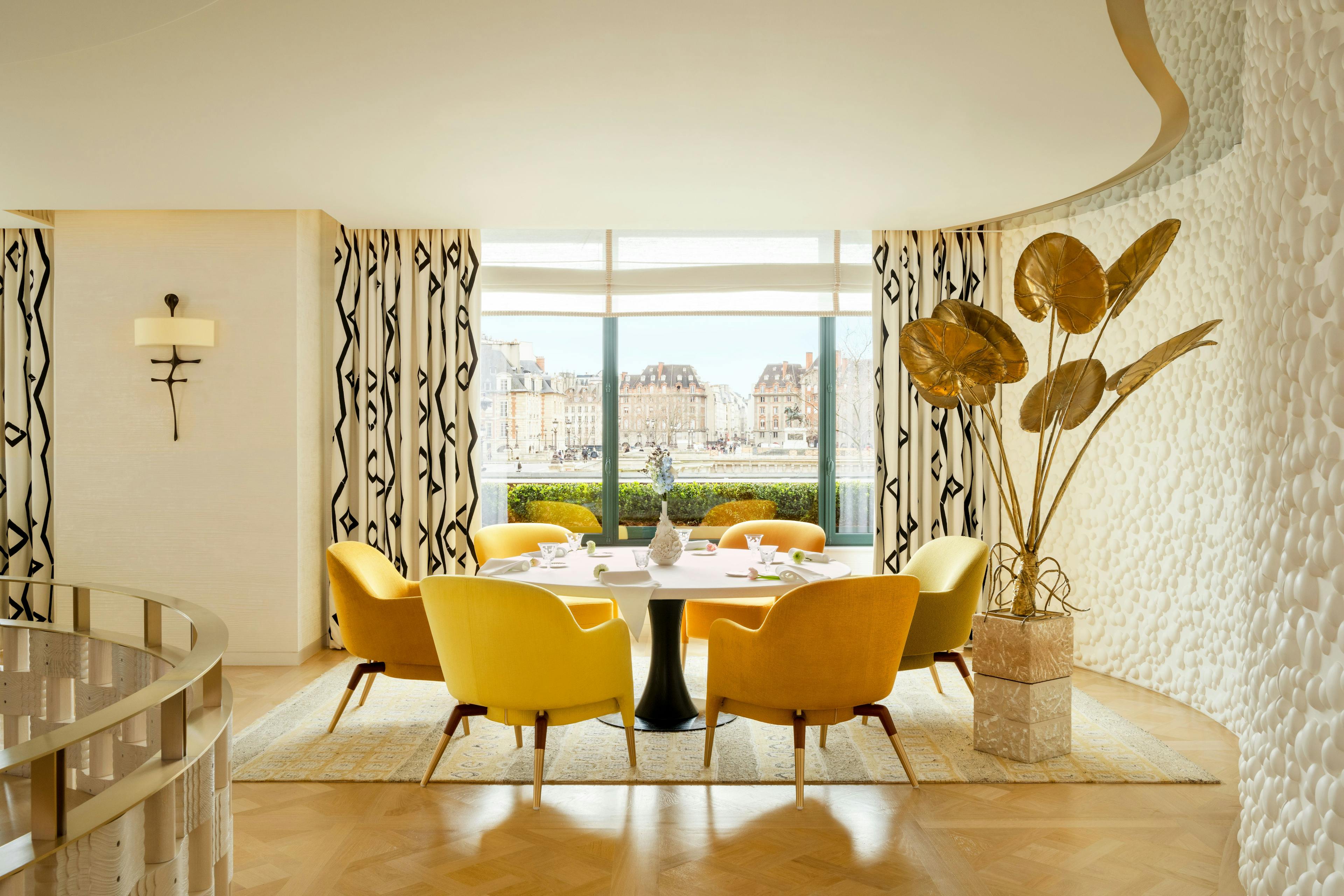
How Maison de la culture Arménienne Paris compares with similar nearby venues.
| Venue | Cuisine | Price |
|---|---|---|
| NESO | Modern French, Creative | €€€€ |
| Abri Soba | Japanese | €€ |
At a Glance
- Cozy
- Intimate
- Casual Hangout
Current opening hours
- Monday
- 12–3 PM, 7–11 PM
- Tuesday
- 12–3 PM, 7–11 PM
- Wednesday
- 12–3 PM, 7–11 PM
- Thursday
- 12–3 PM, 7–11 PM
- Friday
- 12–3 PM, 7–11 PM
- Saturday
- 12–3 PM, 7–11 PM
- Sunday
- Closed
Hours can change for holidays and private events. Last verified .
Homely and welcoming with a comforting, heartfelt atmosphere.
Know Before You Go
- Getting there
- 17 Rue Bleue, 75009 Paris, France