Le Goût du Large

Michelin Plate
Our verdict
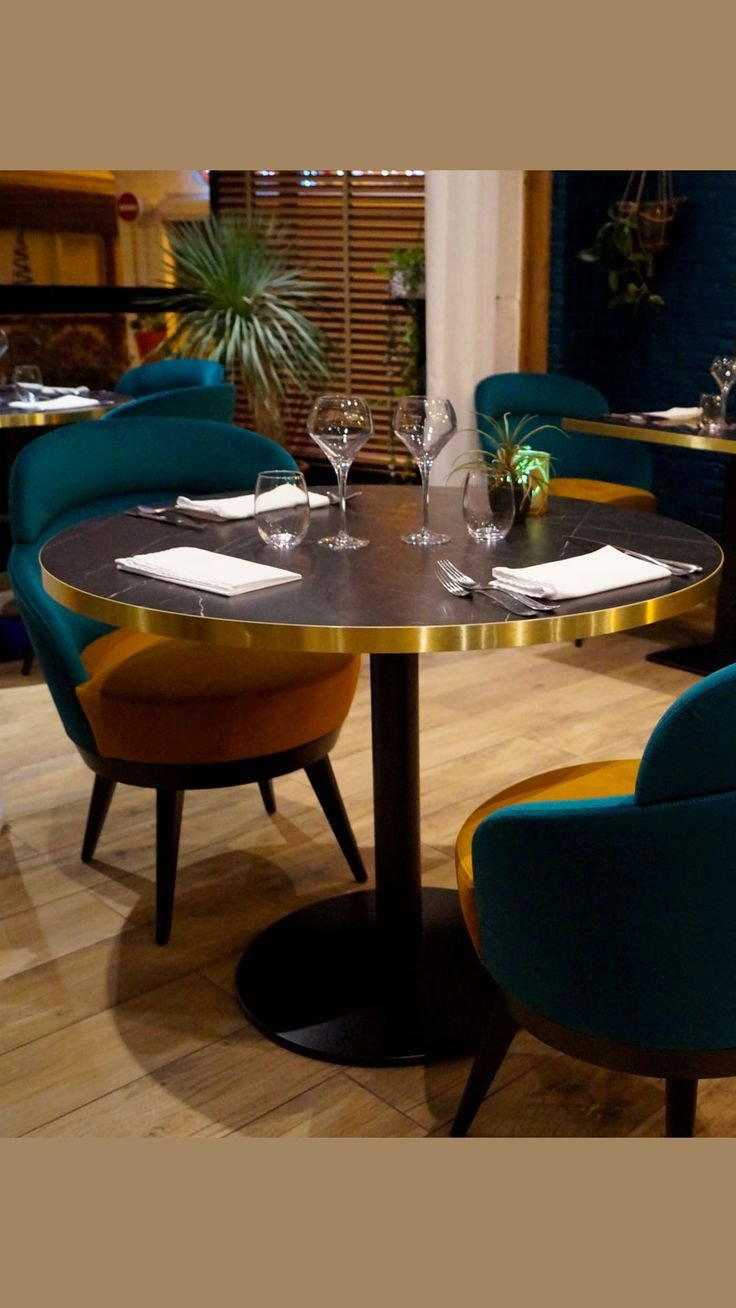
A Michelin Plate holder on Le Tréport's Place Notre Dame, Le Goût du Large serves contemporary cooking that leans hard on sustainably sourced local fish and a textural, technique-driven approach from young chef Jonathan Selliez. At a mid-range price point, it sits in a different bracket from the port's more casual seafood stops, offering considered plates in a cosy, modern room.

Pearl is the En Primeur Club membership app, where members save venues, book tables and use the concierge.
The menu
What to order
- Pan-seared scallops with seasonal vegetables
- Duck confit with cherry reduction
A Port Town, a Plate, and a Point of View on Sourcing
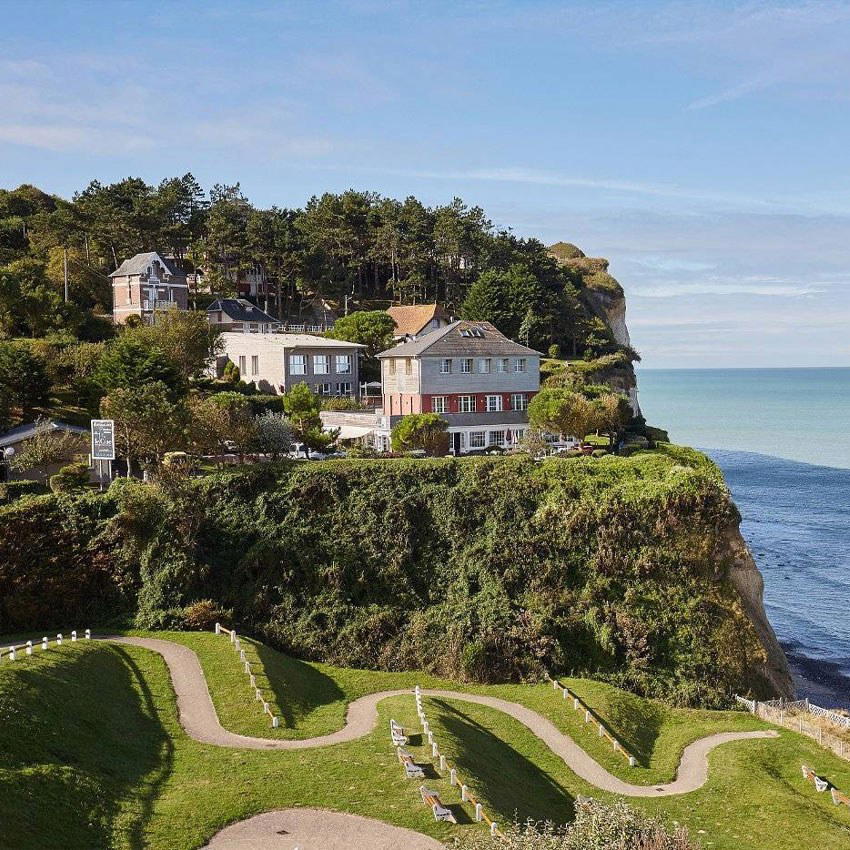
Le Tréport sits at the mouth of the Bresle river where Normandy meets the Picardy coast, a working fishing port whose quayside restaurants have long traded on the proximity of the catch rather than any particular culinary ambition. In a town where the default mode is grilled sole and moules marinières served at volume, a kitchen that runs on sustainably sourced fish and deploys nori seaweed, pickled vegetables, and maki-rolled leeks is operating in a notably different register.
The Michelin Plate designation, awarded annually to restaurants the inspectors consider worth knowing about short of a star, signals a level of seriousness that separates Le Goût du Large from the casual port-side offer. At a €€ price point, it sits well below the multi-course architecture of Michelin-starred destinations like Alléno Paris au Pavillon Ledoyen, Mirazur in Menton, or Assiette Champenoise in Reims, but also above the unreconstructed brasserie tier that dominates this stretch of the Côte d'Albâtre. The comparison set is a small cohort of recognisably ambitious regional French restaurants that take sourcing and technique seriously without the ceremony or price architecture of three-star houses like Troisgros or Bras.
Where the Fish Comes From and Why It Changes the Dish
The sourcing logic at Le Goût du Large is specific: fish comes from sustainable fishing boats, a supply chain that, on this part of the Channel coast, means small-scale day boats landing at Le Tréport's own port. This is not a marketing posture but a structural fact of the location. The port's artisanal fleet targets species in rotation rather than by industrial volume, which means the kitchen is working with whatever the boats brought in rather than with a stable commodity supply.
That constraint shapes the menu more than any stated philosophy would. When the Michelin entry highlights a fillet of mackerel served alongside a maki of leeks rolled in nori seaweed and a medley of carrots with jelly and pickled elements, it describes a plate assembled around the textural and flavour logic of what mackerel actually needs: acidity from the pickle, umami depth from the nori, sweetness from the carrot, and structural contrast from the maki form. The technique borrows from Japanese vocabulary, but the sourcing is Channel coast. This kind of cross-reference is common in contemporary French regional cooking, where chefs trained in broader technique apply those tools to local ingredient realities rather than recreating the exact cuisine in which the technique originated. For comparison, restaurants like AM par Alexandre Mazzia in Marseille operate on a similar principle at a higher price tier, using global technique to articulate Mediterranean provenance.
Pastry production, described in the Michelin record as handled by the chef's mother, reinforces the small-kitchen, family-operation character of the restaurant. In French regional dining, this kind of division of labour within a family team is not unusual and carries its own credibility: it suggests the pastry section is maintained by someone whose involvement predates any commercial calculation.
The Room and the Setting
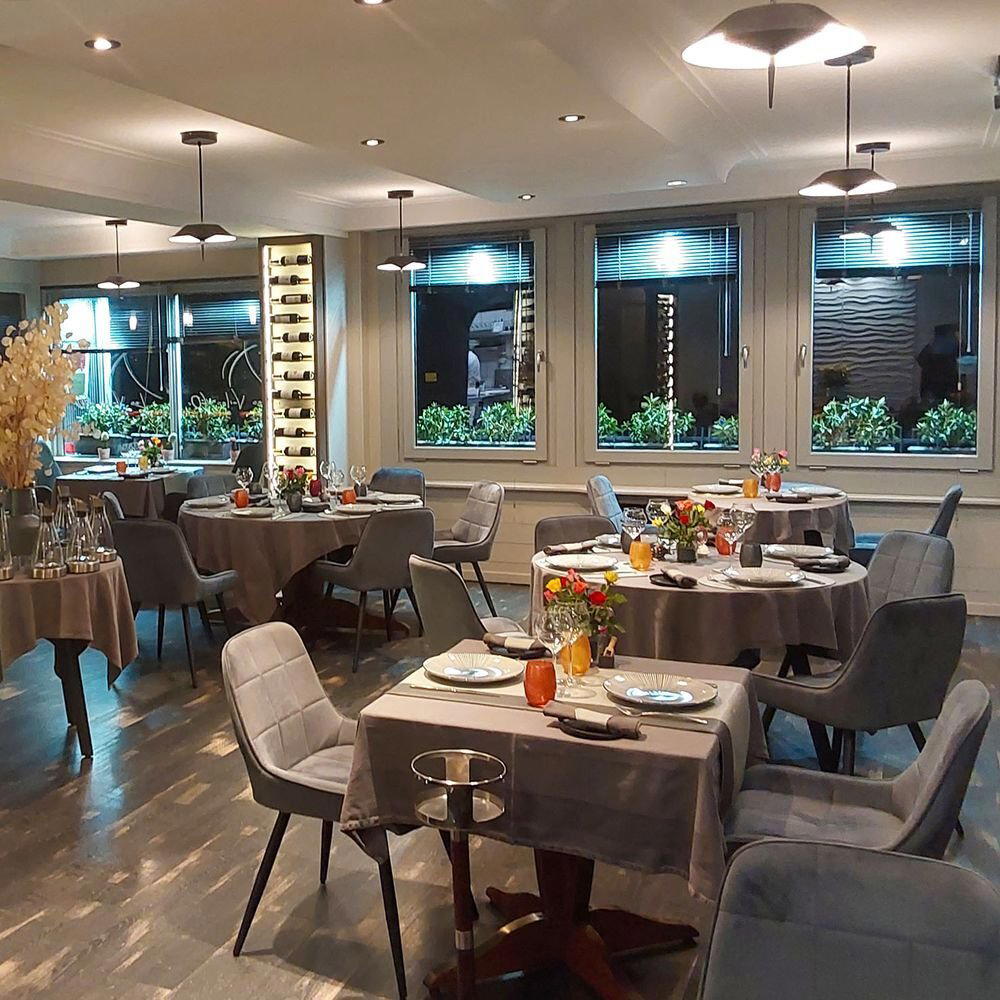
Place Notre Dame is a quieter address than the port front itself, which during summer months carries the noise and volume of tourist-facing seafood restaurants working at high capacity. The Michelin description characterises the room as cosy and modern, a combination that in practice describes the smaller, considered interiors that have become the default for this tier of French regional restaurant: not austere, not theatrical, but calibrated to let the food carry the evening. The address places the dining room in a neighbourhood framing rather than a harbour-view framing, which is a deliberate positioning choice for a kitchen that wants the sourcing to be its reference to the sea rather than a picture window.
For visitors arriving from Paris, Le Tréport sits approximately two and a half hours by car north of the capital via the A16 and D925. The town is also accessible by regional train, with connections through Abancourt. Those planning to explore the Côte d'Albâtre more broadly will find accommodation options surveyed in our full Le Tréport hotels guide, while the wider dining scene is covered in our full Le Tréport restaurants guide. Bars and evening options are listed in our full Le Tréport bars guide, and for those extending their stay, our full Le Tréport experiences guide and our full Le Tréport wineries guide cover the broader region.
Placing the Kitchen in the Contemporary French Regional Conversation
French regional cooking at the mid-range level has undergone a substantial generational shift over the past decade. The model of the chef as a young practitioner working local supply chains with cosmopolitan technique, running a small room with family involvement, and holding Michelin recognition without star pressure, now constitutes its own coherent category. It is distinct both from the grand multi-generational houses like Auberge de l'Ill in Illhaeusern or Paul Bocuse's Auberge du Pont de Collonges and from technically maximalist destinations like Flocons de Sel in Megève or Au Crocodile in Strasbourg. International reference points like Frantzén in Stockholm or FZN by Björn Frantzén in Dubai and Auberge du Vieux Puits in Fontjoncouse confirm how broadly this pattern of precision-led regional sourcing now operates across different national contexts.
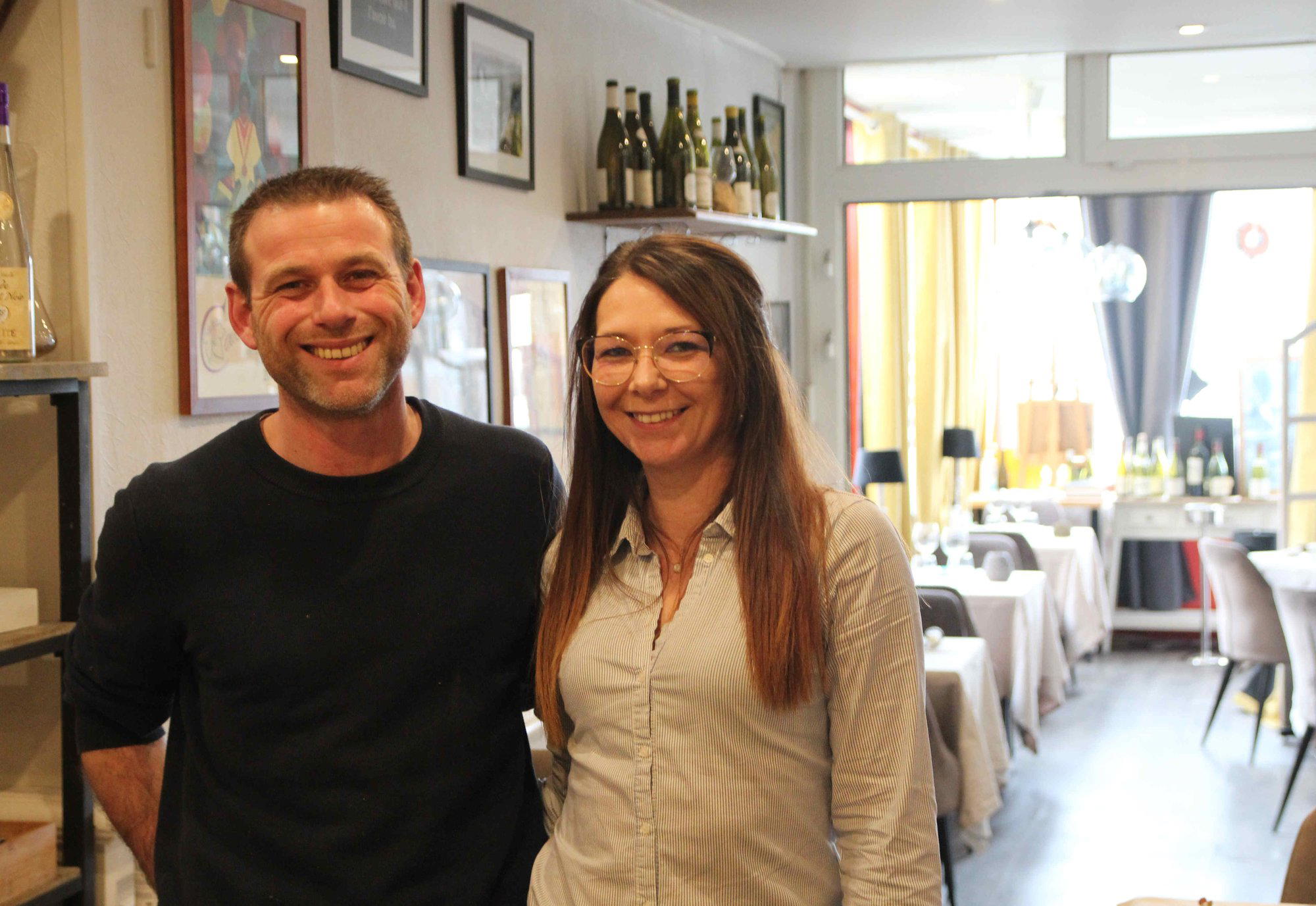
Le Goût du Large fits squarely in this regional mid-tier cohort. Chef Jonathan Selliez, described in the Michelin entry as youthful, represents the generational wave of French regional cooks who have reframed the local-produce restaurant not as a rustic operation but as a technically specific one. The mackerel preparation described in the Michelin record, with its layering of texture and preservation techniques across the plate, is the kind of dish that reads as genuinely considered rather than assembled from a regional formula.
Planning Your Visit
Le Goût du Large is located at 4 Place Notre Dame, 76470 Le Tréport. The €€ pricing makes it accessible relative to the Michelin recognition it carries, and given the limited capacity implied by a small, family-run kitchen, booking ahead is the sensible approach, particularly during the summer months when Le Tréport draws its heaviest visitor traffic from both Paris and the broader Nord-Pas-de-Calais region. Hours are also subject to seasonal variation in a port town of this scale, so confirming before arrival is advisable.
Frequently asked questions
What should I budget for a meal at Le Goût du Large?
Pricing at Le Goût du Large is listed as €€.
Quick Comparison
| Venue | Cuisine | Price | Awards | Notes |
|---|---|---|---|---|
| Le Goût du LargeThis venue (the venue you are viewing) | Modern French Fine Dining | Not listed | Michelin Plate | Not listed |
| Alléno Paris au Pavillon Ledoyen | Modern French Fine Dining | $150–200 | 3 Michelin Stars · World's 50 Best #79 | Creative |
| Kei | Contemporary French, Modern Cuisine | Not listed | Michelin 3 Star | Not listed |
| L'Ambroisie | Classic French Haute Cuisine | $300–500 | 2 Michelin Stars · World's 50 Best #23 | French, Classic Cuisine |
| Le Cinq - Four Seasons Hôtel George V | Modern French Fine Dining | $300–500 | 3 Michelin Stars · World's 50 Best #24 | French, Modern Cuisine |
| Plénitude | Modern French Sauce-Led Fine Dining | $300–500 | 3 Michelin Stars · World's 50 Best #14 | Contemporary French |
Recognition history
Dated appearances from independent guides and award organizations, with the underlying list record or original source where available.
Michelin Plate
Michelin
Full recognition history (3 entries)
Michelin Plate
Michelin
Michelin Plate
Michelin
Continue exploring
More in Le Tréport
Details
- Modern
- Elegant
- Intimate
- Date Night
- Special Occasion
- Terrace
- Local Sourcing
- Sustainable Seafood
- Tasting Menu
Current opening hours
- Monday
- 12–1:30 PM, 7–9:30 PM
- Tuesday
- Closed
- Wednesday
- Closed
- Thursday
- 12–1:30 PM, 7–9:30 PM
- Friday
- 12–1:30 PM, 7–9:30 PM
- Saturday
- 12–1:30 PM, 7–9:30 PM
- Sunday
- 12–1:30 PM, 7–9 PM
Hours can change for holidays and private events. Hours as of .
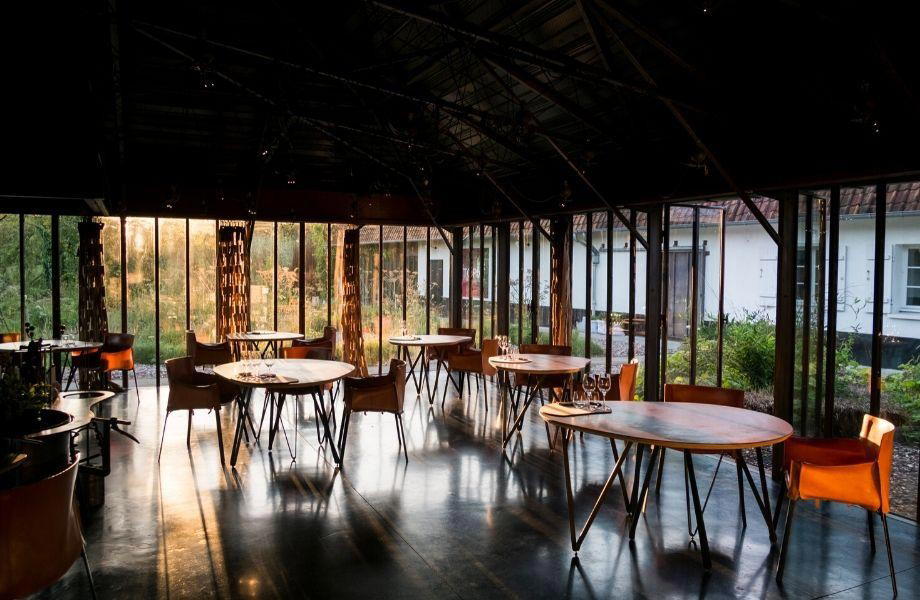
Modern and cosy interior with understated elegance and warm atmosphere.